Yes, doves absolutely eat from bird feeders, but there's a catch: they're ground feeders by nature, so a standard tube or hopper feeder hanging four feet off a pole isn't really designed for them. Crows are also ground-feeding birds, but some of them will investigate bird feeders, especially if seed spills or the feeder style makes access easy do crows eat from bird feeders. Mourning doves forage almost entirely on seeds (roughly 99% of their diet) and they do most of that foraging on bare, open ground. If you've put up a feeder and doves are ignoring it, the problem usually isn't the doves. It's the setup.
Do Doves Eat From Bird Feeders? Troubleshooting Guide

Eleanor Hartwick
13 Jun 2026
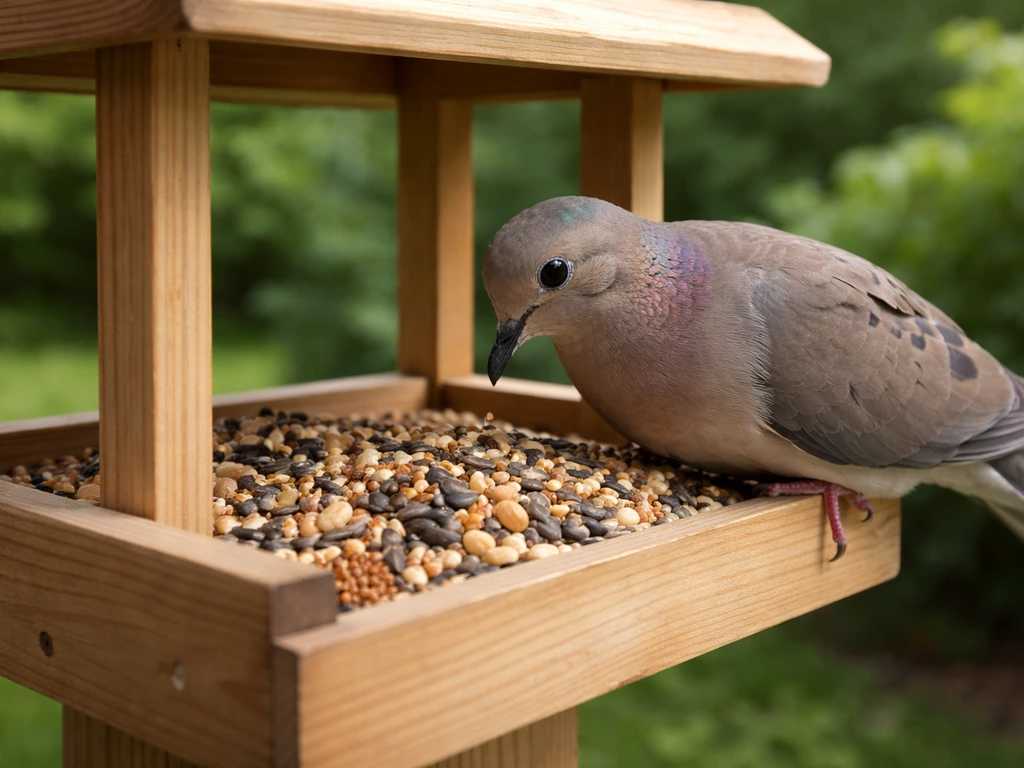
Will doves actually eat from a bird feeder?
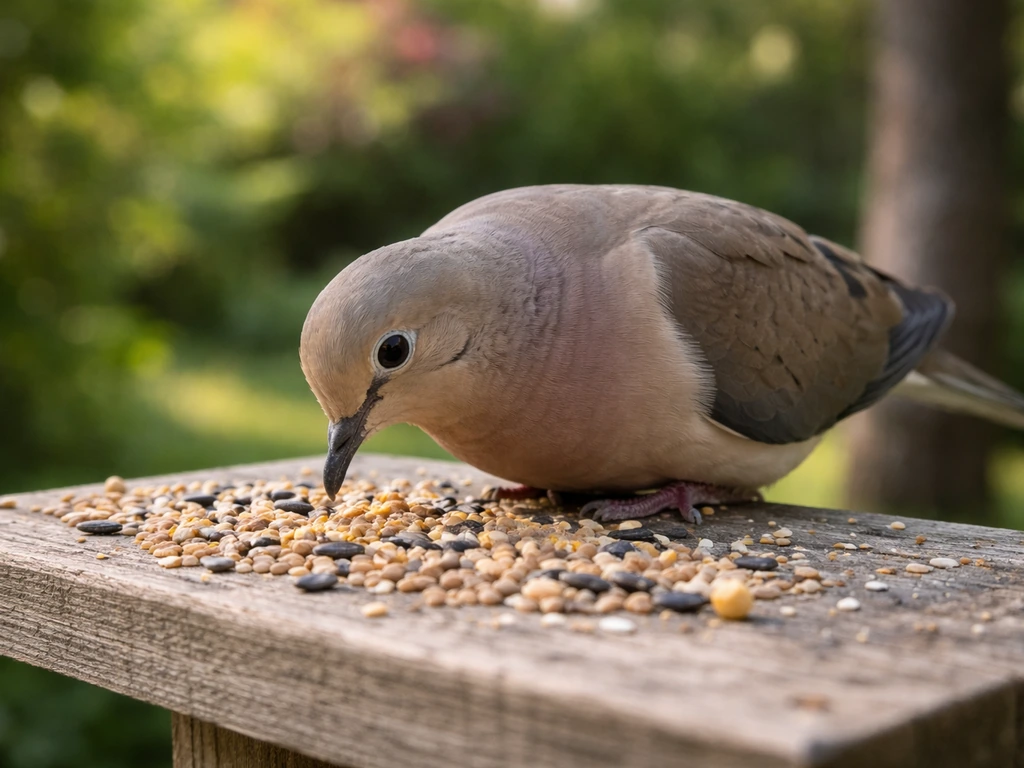
Doves will come to feeders, and once you get the setup right they often show up in numbers. The thing to understand is that mourning doves tend to feed busily on the ground and swallow seeds whole rather than cracking them open. They're not built to cling to a tube feeder or work their way into a caged hopper. What they will do is clean up spilled seed beneath an elevated feeder, or land on a wide, flat platform feeder where they have room to walk around. So the honest answer is: yes to feeders, but only the right kind in the right spot.
Why doves might be skipping your feeder
If doves are visiting your yard but ignoring the feeder, a few things are usually responsible. The most common one is feeder design. Doves can't comfortably perch on the small ledges of tube feeders or squeeze into covered hoppers, so they simply won't bother. They need flat, open surfaces with enough room to stand and move.
Ground access is the other big factor. Oklahoma State University Extension research points out that mourning doves avoid areas with heavy ground litter, mulch, or leaf cover because they have limited ability to scratch through debris to find seeds. If the area under your feeder is covered in bark mulch or thick grass, doves won't linger there the way they would on a patch of bare soil or a concrete pad.
Beyond feeder design and ground cover, here are the most frequent culprits worth checking:
- Wrong food: Generic seed mixes often contain a lot of sunflower and safflower, which doves will eat but don't specifically seek out. Doves strongly prefer millet, and a mix heavy on filler seeds may not attract them.
- Poor sight lines: Doves are alert, wary birds. They won't settle at a feeder that's tucked into dense shrubs with no clear view of approaching predators.
- Cat presence: Because doves spend time on or near the ground, outdoor cats are a serious deterrent. Even a cat that mostly watches from a distance can keep doves away entirely.
- Too much competition: Dominant birds like starlings and grackles can monopolize platform feeders, leaving doves no room to land. If you're watching a busy feeder and doves hover but never settle, competition pressure is likely the issue.
- Feeder too new: Sometimes birds just need time to discover a new food source. If you've recently set up or moved a feeder, give it a week or two.
Setup changes that actually bring doves in
Placement and height
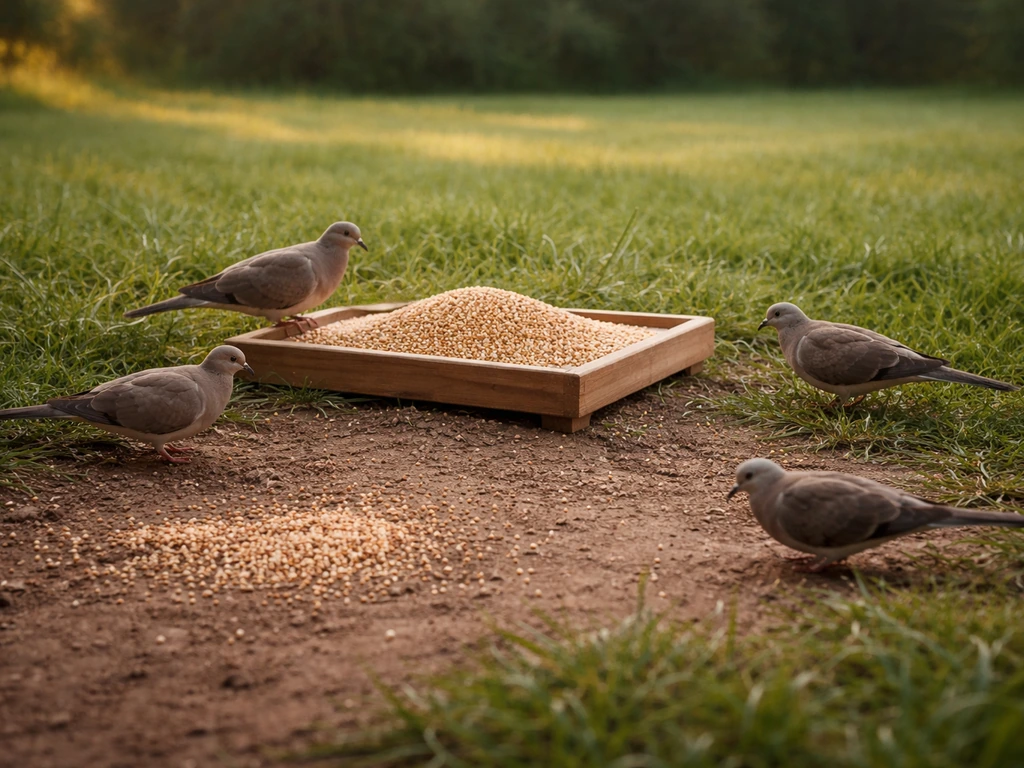
The most effective thing you can do is either add a low platform feeder or scatter seed directly on the ground in an open area. Doves prefer flat, bare surfaces where they can walk, so a cleared patch of yard with scattered millet will often attract them faster than any feeder. If you prefer a feeder, mount a platform feeder low, around 2 to 3 feet off the ground, in an open spot with good sight lines in multiple directions.
For safety and to reduce predator pressure, aim for roughly 10 to 12 feet from the nearest shrub, brush pile, or dense tree. That spacing is far enough that a cat can't easily ambush a feeding dove, but close enough that birds can dart for cover if a hawk appears. If you're also worried about window collisions, placing any feeder either within 3 feet of a window (so birds can't build up collision speed) or well beyond 10 feet is safer than the middle-distance zone.
If you want doves to find the feeder quickly, sprinkle a trail of millet on the ground leading from an open area toward it. Cornell Lab's All About Birds recommends this specifically for birds that are hanging around the yard but not making the connection to the feeder itself, and it works well with doves.
Ground access matters more than you'd think
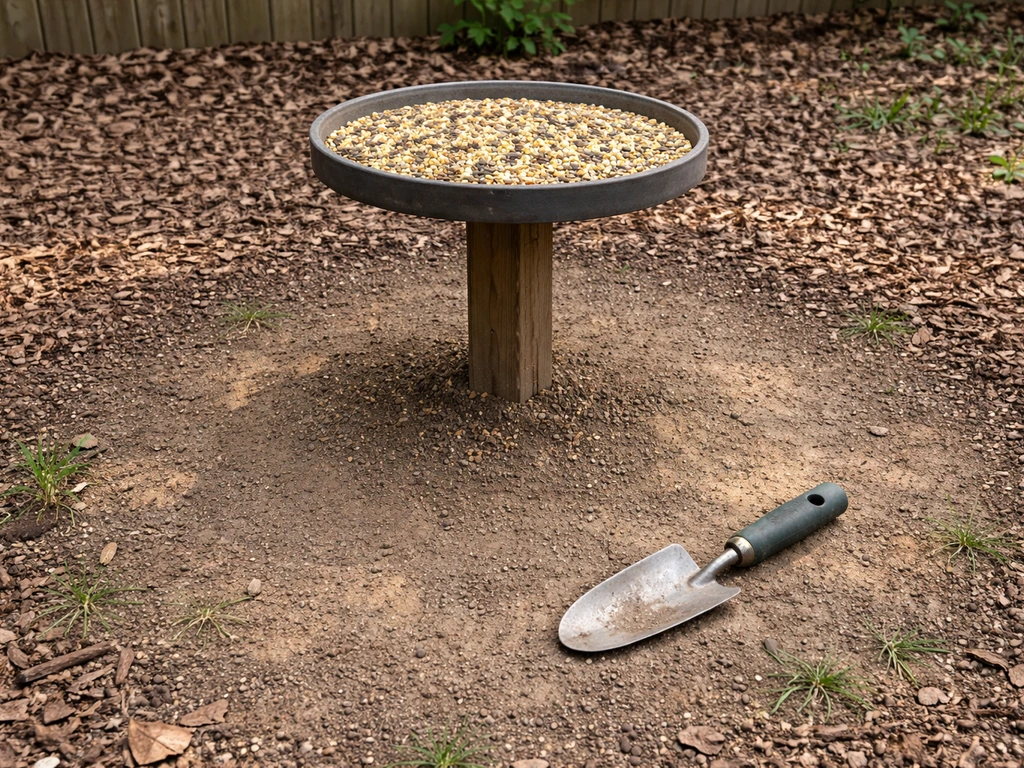
Clear any mulch or leaf litter from the area directly beneath or around your platform feeder. Bare dirt, short grass, or a flat stone surface under the feeder will make the spot far more inviting. Doves really do avoid areas where seeds get buried in debris, so this one small change can make a bigger difference than switching feeder types.
The right food and feeder type for doves
White proso millet is the single best seed to offer doves. Cornell Lab recommends millet specifically for mourning doves, whether scattered on the ground or offered on a platform feeder. Millet is inexpensive, doves seek it out actively, and it's also attractive to sparrows and other ground feeders. A lot of generic wild bird mixes don't have much millet in them, so check the label before you buy.
For feeder style, a platform feeder (also called a tray feeder) is the clear best choice. These are flat, usually screen-bottomed feeders that give doves the open surface they need. They can be pole-mounted low, hung at a low height, or placed directly on the ground on legs a few inches high. A screen or mesh bottom is useful because it lets water drain through rather than pooling and soaking the seed.
| Feeder Type | Works for Doves? | Key Trade-offs |
|---|---|---|
| Platform/tray feeder | Yes, best option | Open to rain and squirrels; needs frequent cleaning |
| Ground-level tray (a few inches up) | Yes, excellent | Most natural for doves; lower predator visibility needed |
| Tube feeder | No | Perches too small; doves can't feed comfortably |
| Hopper/house feeder | Rarely | Port openings too small; some doves may eat fallen spillage |
| Seed scattered on bare ground | Yes, very effective | No feeder needed; seed can get wet or attract rodents |
One trade-off worth knowing about platform feeders: they attract a wide variety of birds, which is great for variety but can mean heavier competition. Starlings and grackles are opportunistic and can crowd out doves. If you notice that happening, try placing a second smaller platform feeder in a quieter spot away from the busy one, lower to the ground and a bit more tucked from sight. Doves often settle at a calmer, less competitive feeder once they find it.
Seasonal timing and dove behavior through the year
Mourning doves are present year-round across most of the continental US, so you can attract them in any season, but their behavior shifts. In late spring and summer, doves are breeding, and you'll often see pairs. They also rely heavily on water access during hot periods, so having a shallow birdbath or water source nearby will make your setup significantly more appealing from late June through August.
Fall and winter tend to bring the highest dove activity at feeders. Doves sometimes gather in small flocks outside the breeding season, so if your setup is right you might find 5 to 10 of them working the area beneath your platform feeder on a cold December morning. Winter feeding is also when consistent seed availability matters most, since natural food sources are depleted.
One thing to watch in summer: seeds left on an open platform feeder in humid heat spoil quickly. Mold grows fast on wet seed, and doves that eat moldy seed can get sick. In July and August, consider putting out smaller amounts of seed more frequently rather than filling the tray once and letting it sit.
Keeping doves coming back safely: maintenance and troubleshooting
Platform feeders require more maintenance than tube or hopper designs because they're open to the elements. Wet seed sits directly on the surface, droppings accumulate, and mold can develop quickly. The practical rule is to check the feeder every couple of days in wet or warm weather, remove any clumped or discolored seed, and clean the surface before refilling.
For deeper cleaning, a 10% bleach solution (one part bleach to nine parts water) scrubbed into the feeder surface and rinsed thoroughly is the standard recommendation. Multiple sources suggest cleaning at least once a month in normal conditions, and every one to two weeks during humid summer months. After cleaning, let the feeder dry completely in the sun before refilling. Damp feeders that get immediately refilled just reintroduce the mold problem.
Also rake up or sweep seed husks and fallen seed from the ground beneath the feeder regularly. Piles of old, wet seed shells can harbor mold and attract rodents. Doves won't keep visiting a spot where the ground is covered in soggy hulls, so keeping the area clean directly supports the kind of open, bare surface they prefer.
If doves were visiting and then suddenly stopped, run through these checks before assuming the birds have moved on:
- Check for seed spoilage: wet or clumped seed is often the first reason doves stop visiting a feeder they previously liked.
- Look for new cat activity in the area, including neighbor cats that may have started hunting near the feeder.
- Watch for dominant species pressure at the feeder: have starlings, grackles, or squirrels recently taken over the platform?
- Confirm millet is still in your seed mix: some bagged mixes get reformulated or vary by batch.
- Consider whether anything nearby changed: construction, new fencing, or even a moved garden ornament can disrupt dove comfort.
Doves are hardy, consistent visitors once they find a reliable food source in a spot they feel safe. Unlike species that are hard to attract at any feeder (some ground feeders like robins rarely use feeders at all), doves are genuinely feeder-friendly once you match the setup to their habits. If you are wondering why don't robins eat from bird feeders, it usually comes down to their preference for foraging on the ground and their reluctance to use typical feeder designs robins rarely use feeders at all. Robins, for example, are much less likely to use feeders, though they may visit if the food is accessible on the ground. Get the surface, the seed, and the ground access right, keep things clean, and you'll typically have doves in the yard within a few weeks. Do woodpeckers also eat from bird feeders? If you’re also curious about other common feeder visitors, do cardinals eat from bird feeders, and what setup they prefer. They will sometimes, especially when feeders offer suet or appropriately sized food do woodpeckers eat from bird feeders.
FAQ
If I have a tube or hopper feeder, will doves ever use it, or should I give up immediately?
They might test it briefly, but most mourning doves will avoid feeding positions that require perching or squeezing. A quick fix is to place a low platform or tray feeder near the existing feeder and keep the ground area clean, so doves can feed on foot while other birds can use the tube feeder.
What seed works best for doves, and will sunflower or mixed seed bring them in?
White proso millet is the most reliable choice because doves actively seek it and often swallow millet seeds whole. Sunflower can work, but many mixes contain less millet, and doves may ignore the feeder if the blend is mostly larger seeds they do not process well at an open tray.
How can I stop starlings and grackles from taking over a platform feeder?
Try using smaller, quieter spacing: add a second smaller platform feeder in a more sheltered location (still within your safe-distance guidelines). You can also reduce the amount of seed per fill so the tray stays less attractive to aggressive competitors, then top up more frequently.
Should I offer water for doves, and how close does it need to be?
Yes, especially in hot weather. A shallow birdbath nearby helps because doves look for water frequently when temperatures rise. Keep the bath in a location where birds can approach and escape quickly, and clean it regularly to prevent algae.
Will doves eat from my feeder if the yard has mulch or thick grass under it?
Usually no. Doves prefer bare, scratchable ground, and they will avoid heavily littered areas where seeds get buried. If you want them to use a tray, clear a small ring of debris and keep short grass or exposed dirt beneath and around the feeder.
How often should I refill a platform feeder to prevent mold or spoilage?
In humid summer, use smaller refills more often. Wet seed spoils quickly and mold can develop on the tray surface, so check every couple of days and remove clumped, discolored, or damp seed before refilling.
Is it safe to clean a platform feeder with bleach, and how should I rinse it?
Bleach solutions are commonly used, but you need thorough rinsing. After scrubbing with a diluted bleach mix, rinse until there is no bleach odor, then let the feeder dry completely in sun before adding seed. Dampness after cleaning can restart mold problems.
How do I deal with seed husks and fallen hulls attracting rodents?
Rake or sweep under the feeder regularly, especially when conditions are wet. Old husks and soggy shells can harbor mold and also increase rodent activity, and if the ground becomes messy doves typically stop lingering there.
My doves visited for a while and then stopped. What are the most common reasons besides the birds leaving?
Check for ground cover returning beneath the feeder, a clogged or dirty tray, spoilage from humid weather, or increased competition from other birds. Also verify the feeder remains low and accessible, because doves may disengage if they cannot walk comfortably around the tray.
Do doves rely on feeder trails, or is scattered seed enough to get them to notice the setup?
Either can work, but a trail can help when doves are nearby yet do not connect the feeder location to food. Lightly sprinkle millet in a visible path from an open area toward the tray, then keep the ground around the feeder clear so they can continue feeding on foot.
Next Articles
Do Cardinals Eat From Bird Feeders? What to Put Out
Do cardinals eat from bird feeders? Learn their seed preferences, feeder setup tips, and safe maintenance for fast visit
Why Don’t Robins Eat From Bird Feeders? Fixes That Help
Robins avoid bird feeders due to natural insect and worm diet, ground-foraging, and safety and setup factors. Fixes insi
Do Woodpeckers Eat From Bird Feeders? What to Do Now
See when woodpeckers eat from bird feeders, which feeder types and foods attract them, and how to place and troubleshoot