Quick answer: do robins use bird feeders?
Yes, robins do eat at bird feeders, but with a big catch: they almost never use the hanging tube or hopper feeders most people have in their yards. Robins are ground foragers by nature, so the typical seed feeder is basically invisible to them. If you want robins at your feeder setup, you need the right food (mealworms and fruit, not seeds) on the right platform (low, open, and accessible). Get those two things right and robins will show up. Skip either one and you'll be waiting a long time.
What robins naturally eat (and what they'll take at feeders)
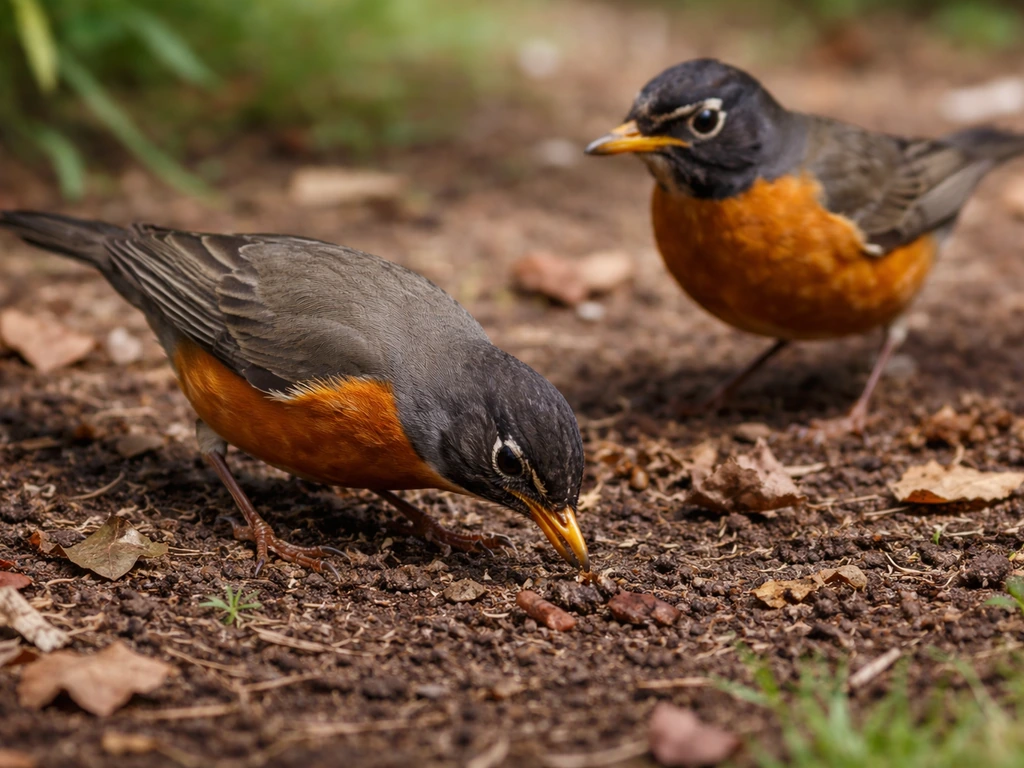
Understanding a robin's natural diet is the fastest way to understand why your standard feeder isn't working for them. During breeding season, the diet breaks down roughly like this: about 40% earthworms, around 50% other ground-dwelling invertebrates like insects, snails, and spiders, and only about 10% fruit. That flips pretty dramatically in fall and winter, when fruit can account for close to 60% of what they eat, because earthworms and insects become hard to find.
You've probably seen robins doing that classic run-and-stop routine on your lawn in spring and summer, hunting earthworms by sight. That morning behavior often gives way to fruit foraging in the afternoon, especially in cooler months. In winter, robins shift almost entirely to berries and soft fruits and form loose flocks that move around following food sources. So the first rule of feeding robins is to match what the season is actually calling for: live or dried mealworms and earthworms in spring and summer, soft fruits and berries in fall and winter.
What robins won't bother with: sunflower seeds, safflower seeds, millet, peanuts, and most standard seed mixes. Those foods are genuinely not part of their diet, so don't expect offering them to draw a robin in even occasionally. The same goes for suet cakes in the traditional sense, though robins may peck at fruit-based suet on a flat surface in a pinch.
Best feeder types and setups for robins
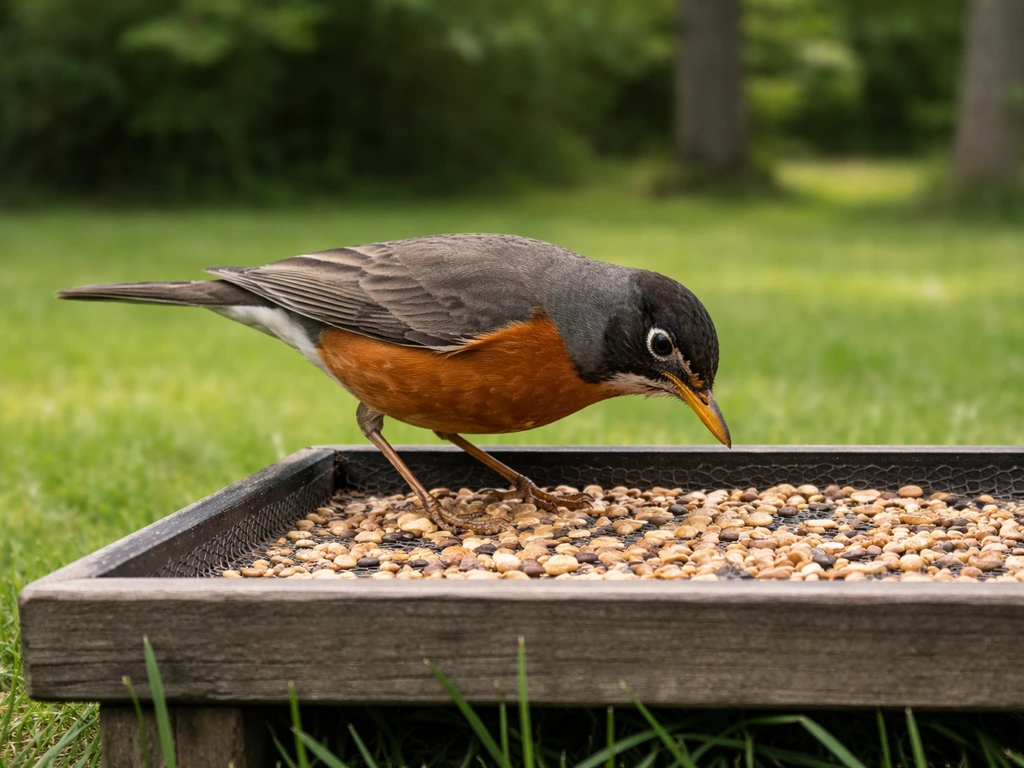
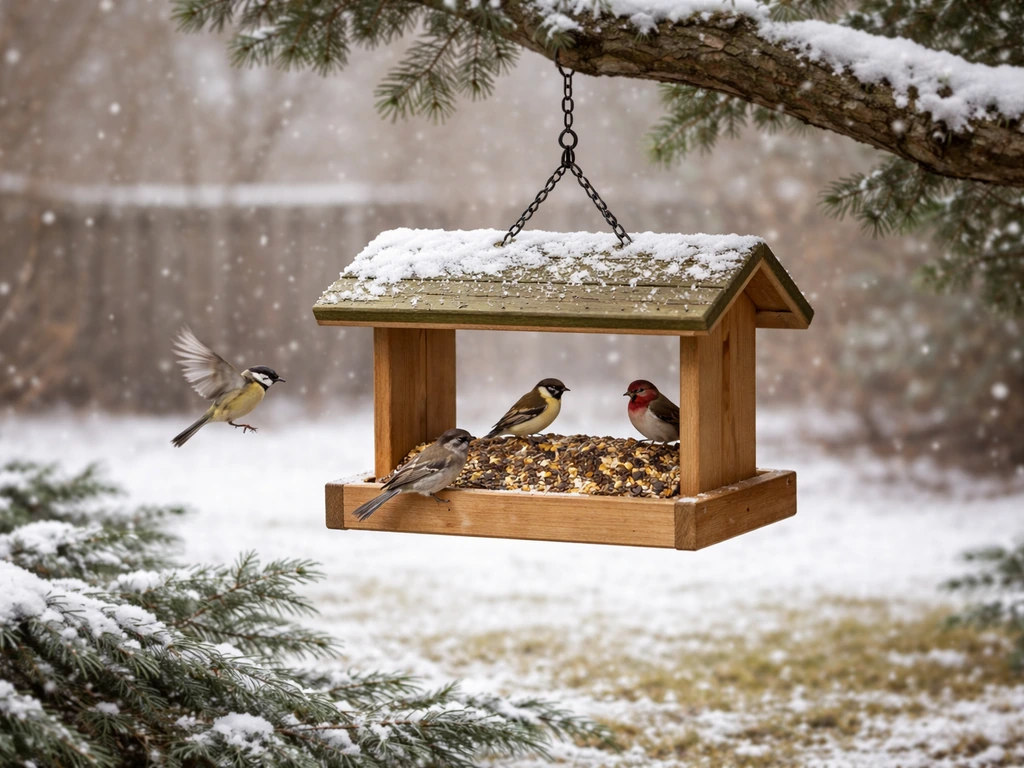
Robins aren't built for clinging. They don't grip perch bars the way finches or chickadees do, so any feeder that requires hanging or gripping is essentially off the table. What works is open, flat, and low. A platform or tray feeder (sometimes called a fly-through feeder) placed close to the ground is your best option. Wild Birds Unlimited specifically recommends open tray feeders for robins, and Audubon echoes that: robins won't typically feed at hanging feeders but will come to a table or feeder platform.
A dedicated ground tray is even better. Think of a low, mesh-bottomed tray sitting just a few inches off the ground. This mimics the natural feeding level robins prefer and lets them hop around comfortably while eating. If you're offering mealworms specifically, a shallow dish works perfectly fine. The Minnesota DNR recommends old cereal bowls or shallow plastic dishes as inexpensive mealworm feeders, and honestly that's all you need to start. No need to buy anything fancy before you know whether robins are going to visit your yard regularly.
One thing worth noting: robins are not the only birds that will take an interest in a low platform or mealworm dish. Doves also feed from bird feeders set at ground level, so don't be surprised if you get a mixed crowd at your new setup. That's generally fine, though it's worth keeping in mind when sizing your portions.
What to put in the feeder: foods that work vs foods to skip
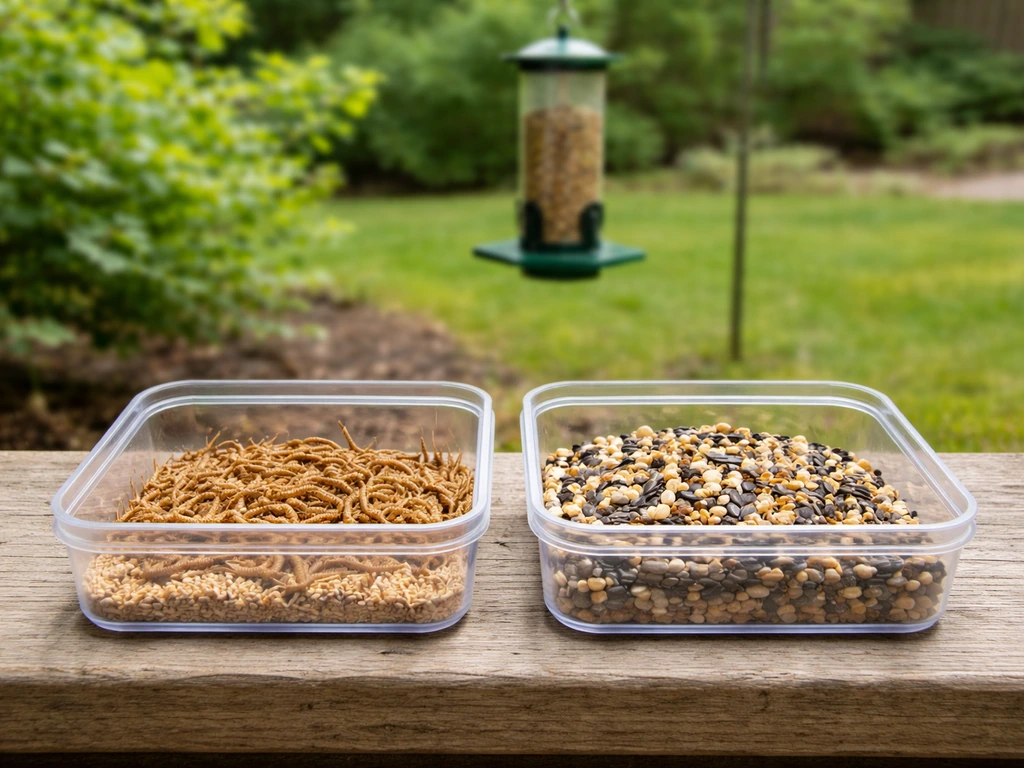
Here's a quick side-by-side so you can see at a glance what's worth buying and what to leave on the shelf.
| Food | Works for Robins? | Notes |
|---|
| Live mealworms | Yes, highly effective | Best option spring through summer; robins and bluebirds both love them |
| Dried mealworms | Yes, good alternative | More convenient than live; rehydrate slightly for best results |
| Earthworms | Yes | Can be bought at bait shops; most effective in spring |
| Raisins (soaked) | Yes | Soak in water first to soften; great fall/winter option |
| Chopped apple or grape halves | Yes | Works well on platform feeders, especially in winter |
| Blueberries, cherries, cranberries | Yes | Match what robins find naturally in the wild |
| Sunflower seeds | No | Not part of robin diet at all |
| Millet or mixed seed blends | No | Ignored by robins |
| Peanuts (whole or pieces) | No | Not a natural food for robins |
| Standard suet cakes | Rarely | Fruit-based suet on a flat surface only; generally not worth it |
Cornell Lab's Project FeederWatch team specifically calls out mealworms and dried fruit as the most effective ways to bring robins into your yard. If I had to pick one thing to start with today, it would be a shallow dish of live mealworms. They're available at most garden centers and pet stores, and they reliably attract robins (along with bluebirds, wrens, and other species that don't usually bother with seed feeders). The Minnesota DNR makes the same recommendation, naming robins explicitly as one of the birds that mealworms will draw in.
Where to place feeders (and when ground feeding beats feeders)
Placement matters more for robins than for almost any other common backyard bird. They're alert, easily spooked, and prefer open sightlines where they can watch for predators. Put your platform feeder or dish near a lawn or open patch of ground, ideally with some shrubs or low trees nearby for quick cover. The edge of a garden bed works well. Avoid placing it right up against dense brush where a cat could hide, or directly under a hanging feeder where falling seeds and shells will pile up and compete for the robin's attention.
On the question of whether a feeder is even necessary: sometimes it isn't. If you have a healthy lawn with earthworms and native berry-producing plants like holly, dogwood, serviceberry, or native crabapple, robins may already be foraging in your yard without any feeder at all. In that case, supplemental feeding is just a way to get them closer and more reliably. Direct ground feeding (simply scattering mealworms or fruit pieces on a patch of bare earth) is a perfectly valid approach, especially if you want to keep things simple. The downside is that it attracts more pests and is harder to keep clean.
Birdbaths are worth mentioning here too. Robins drink and bathe frequently, and a birdbath placed near your feeding area can double the appeal of your setup. Keep the water shallow (no more than two to three inches deep) and change it regularly. Pairing fresh water with a mealworm dish is one of the most reliable ways I've seen people get their first robin visit.
Distance from windows is also worth thinking about. Audubon recommends placing feeders and birdbaths either very close to windows (within three feet, so a bird can't build up collision speed) or well away from them (at least ten feet). Robins are large enough that a window strike can be fatal, so this is one placement detail that genuinely matters.
If no robins show up: troubleshooting and seasonal timing
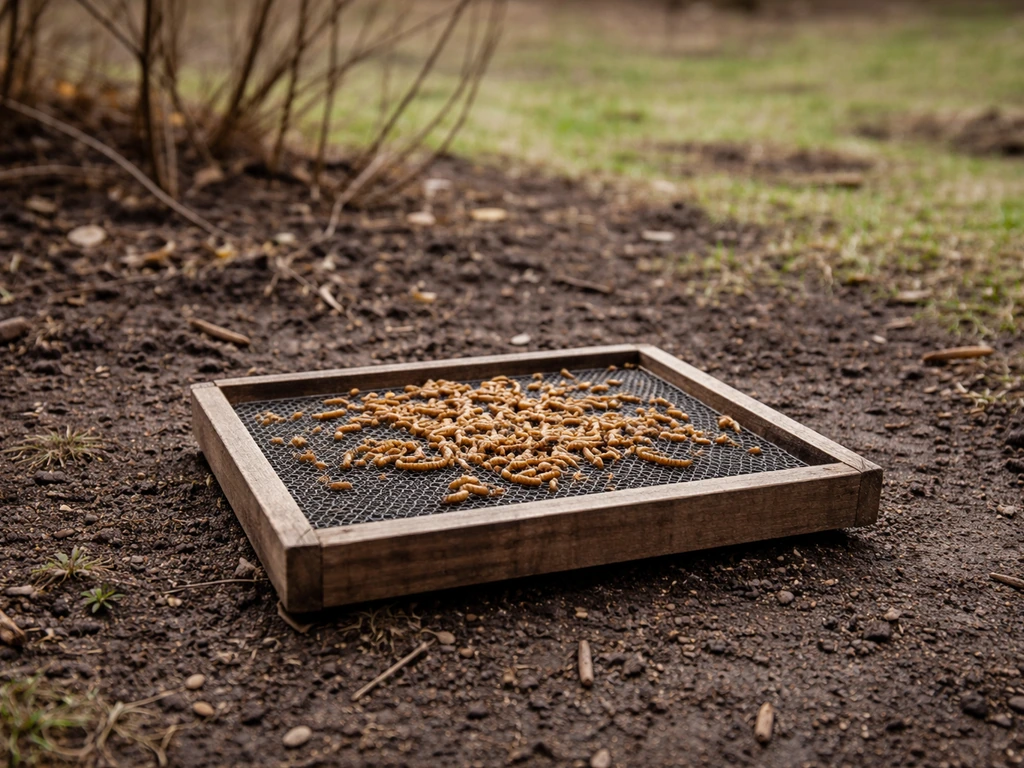
If you've put out mealworms on a low platform and still haven't seen a robin, work through this checklist before giving up:
- Check the season. Robins are most reliably attracted to feeders in early spring when earthworms are still scarce, and in fall/winter when they've shifted to fruit. During peak summer, your lawn itself may be a better food source than anything you're offering, so visits can drop off.
- Check whether robins are even in your area right now. In colder regions, robins migrate. If it's mid-winter and you haven't seen any robins in your neighborhood, they may simply not be around yet. Watch for them in flocks in berry-laden trees first.
- Switch to live mealworms if you've been using dried. Some birds (and some individual robins) are much more attracted to movement. Live worms wriggling in a dish are hard to ignore.
- Try soaked raisins or fruit if mealworms aren't working. Robin food preferences do vary, and some individuals respond better to fruit, especially in fall and winter.
- Reduce competition. House sparrows, starlings, and even crows can dominate a platform feeder and drive robins off. Watch the feeder for a few hours and see who's actually running the show. You may need to manage portion sizes or adjust the feeder height.
- Move the feeder. If it's too close to a fence, wall, or dense shrub, robins may not feel safe enough to land. Try a more open spot, even if it feels exposed to you.
- Be patient with timing. Robins tend to visit feeders early in the morning and again in the late afternoon. If you're only checking midday, you may be missing them.
There's also a deeper question worth acknowledging: robins are genuinely less feeder-dependent than many other backyard birds. If you're curious about the fuller picture of why they sometimes avoid feeders even when everything seems right, it comes down to instinct and habit. Why robins don't eat from bird feeders as readily as other species is worth understanding before you invest a lot of time and money into a setup that may not match your specific yard and local robin population.
For comparison, other species that do tend to use feeders more reliably include cardinals, which are regular feeder visitors and will take sunflower seeds consistently. If your goal is simply more backyard bird activity while you wait for robins to become regulars, a cardinal-friendly seed feeder running alongside your robin setup is a practical way to keep things interesting.
Feeder safety, cleanliness, and preventing pests and unwanted wildlife
Mealworms and fruit are effective robin foods, but they also spoil faster than seeds and attract a wider range of wildlife than a standard seed feeder. This makes cleanliness genuinely important, not just a nice-to-have. Leftover mealworms can die and rot within a day in warm weather. Fruit pieces will mold quickly in rain or humidity. Both can spread disease if birds are eating from contaminated surfaces.
The standard guidance from Audubon, Cornell Lab, and the U.S. Fish and Wildlife Service aligns closely: clean seed feeders at least once every two weeks, and clean them more often during wet weather, heavy use periods, or any time you notice sick birds. For platform feeders and mealworm dishes, I'd push that to at least once a week, and honestly every few days in summer when heat speeds up spoilage. The recommended cleaning solution is nine parts water to one part bleach, rinse thoroughly, and let the feeder dry completely before refilling. This is the protocol recommended by the National Wildlife Health Center and endorsed by both Audubon and Project FeederWatch.
Birdbaths need even more attention. Audubon recommends changing the water every one to two days to prevent algae, bacteria, and mosquito breeding. That might sound like a lot of effort, but a dirty birdbath can actually undermine the whole point of your setup, and in warm months it becomes a mosquito nursery fast.
On the unwanted wildlife front: low platform feeders and ground feeding setups are more accessible to squirrels, raccoons, rats, and other opportunists than elevated tube feeders. A few practical steps help. Bring in any uneaten mealworms or fruit at dusk. Don't leave large quantities out overnight. Position your ground tray away from fence lines that give squirrels an easy launch point. And be aware that crows and starlings are drawn to mealworms just as readily as robins. If you're curious how other corvids interact with your yard setup, whether crows eat from bird feeders is a separate dynamic worth knowing about, since they can take over a platform feeder quickly.
It's also fair to acknowledge that not every yard is a good candidate for this kind of setup. If you have outdoor cats, a serious rat problem, or close neighbors who are sensitive to wildlife activity, a low ground-level feeder can create more headaches than it's worth. There's no rule that says you have to feed every species. You might find that planting native fruiting shrubs is a lower-maintenance way to support robins without the daily upkeep of a mealworm dish.
A few other species that interact with backyard setups in interesting and sometimes unexpected ways: woodpeckers at bird feeders tend to prefer suet and nuts, so they're unlikely to compete directly with your robin setup, while owls near bird feeders are more of a predator concern than a feeder visitor. Knowing your local cast of characters makes it easier to set up a feeder system that actually works for the birds you're trying to attract, without unintentionally making life harder for them.