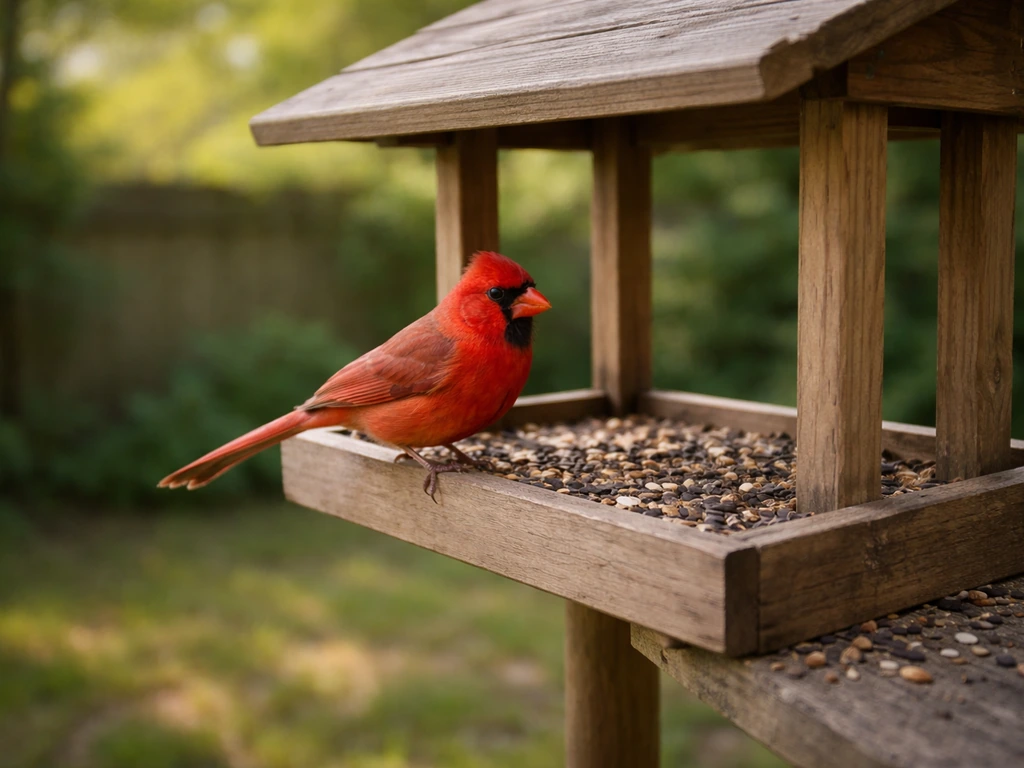
Yes, cardinals eat from bird feeders readily and reliably. Northern Cardinals are one of the easiest feeder birds to attract in North America. If you put out black-oil sunflower seeds in a platform or hopper feeder at shrub height, you have a very good chance of seeing cardinals within a few days, sometimes the same day. The trick is matching the right food to the right feeder in the right spot, and that part is straightforward once you know what cardinals actually prefer.
Do Cardinals Eat From Bird Feeders? What to Put Out

Eleanor Hartwick
8 Jun 2026
What cardinals actually eat at feeders
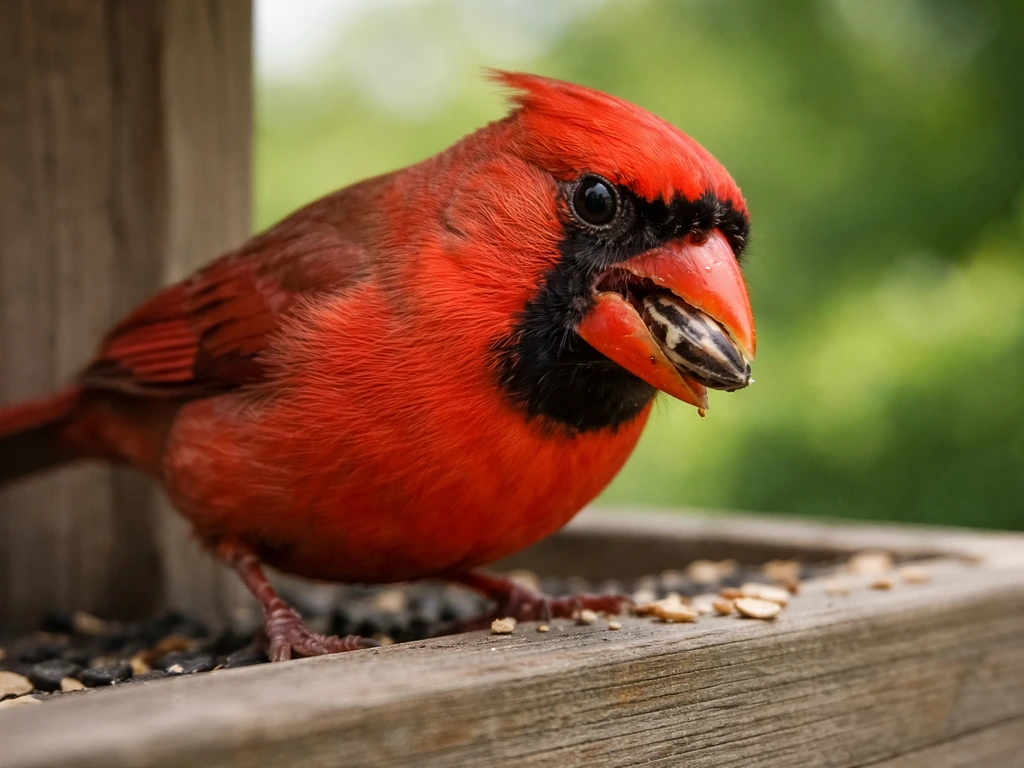
Cardinals are seed specialists. That thick, heavy bill is built for cracking open tough shells, which means they can handle seeds that smaller thin-billed birds skip over. At feeders, their clear preference is black-oil sunflower seeds. After that, they'll go for striped sunflower seeds and sunflower chips. They'll also eat cracked corn, peanut hearts, safflower seeds, and suet. In the wild, cardinals eat seeds and berries, so the feeder menu maps closely to what they'd find naturally.
One thing worth knowing about their foraging behavior: cardinals often visit feeders at dawn and especially at dusk. Cornell Lab bird cam footage shows them flocking to feeders in bunches right around dusk, which is easy to miss if you're only watching midday. If you haven't spotted one yet, try checking your feeder in the last hour of daylight.
Will cardinals eat standard bird seed? Match the right food
This is where a lot of people go slightly wrong. Generic mixed birdseed often contains millet, milo, and fillers that cardinals will largely ignore. They'll pick through the mix hunting for sunflower seeds and toss the rest aside, which creates mess under the feeder and can attract rodents. If you want cardinals specifically, skip the generic blend and go straight to black-oil sunflower seed. It's also the most commonly offered feeder seed in North America for good reason: almost every seed-eating feeder bird responds to it.
If you want to build out from there, Minnesota DNR recommends mixing sunflower with safflower and peanuts as a reliable cardinal-focused combination. Safflower is worth keeping in mind because it's one of the few seeds that cardinals love but squirrels and many nuisance birds tend to ignore. Project FeederWatch specifically calls out safflower as a top attractor for cardinals and other big-billed birds. So a feeder stocked with black-oil sunflower and safflower gives you a solid, targeted setup.
| Food | Cardinal appeal | Notes |
|---|---|---|
| Black-oil sunflower seed | Highest | Best all-around choice; thin shell is easy to crack |
| Striped sunflower seed | High | Thicker shell, still works well given cardinal's strong bill |
| Sunflower chips (hulled) | High | No shell waste; can get wet faster in open feeders |
| Safflower seed | High | Squirrels and starlings tend to avoid it |
| Cracked corn | Moderate | Cardinals accept it but it's not a first choice |
| Peanut hearts | Moderate | Good supplemental addition to a sunflower base |
| Generic mixed seed (millet/milo) | Low | Cardinals will mostly ignore the filler seeds |
Feeder types that work best for cardinals
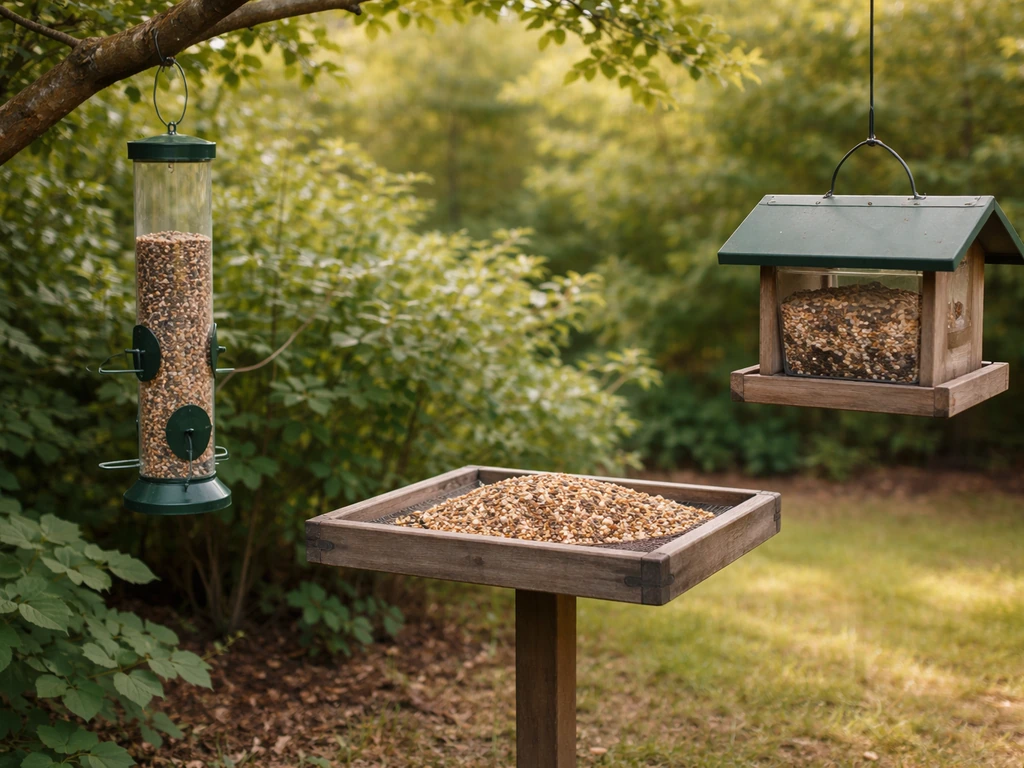
The feeder style matters more than most people expect. Cardinals are medium-to-large birds that feed at the shrub and treetop level in the wild. They're not nimble clinging birds like chickadees or nuthatches, so small tube feeders with tiny perches are awkward for them and often get skipped. The feeders that work best are platform feeders (also called tray feeders), hopper feeders, and fly-through feeders with wide open perching space. These give cardinals room to land, orient themselves, and feed without competing with the feeder design itself.
If you already have a tube feeder and want to keep it, look for one with an extended or wide perch and a seed catch tray at the bottom. Cardinals will sometimes use these, especially if the perches are generous. But if you're starting fresh or adding a feeder specifically for cardinals, a hopper or platform style is the more reliable choice. Hopper feeders also tend to keep seed drier than open trays, which matters for seed freshness and reducing mold (more on that below).
Setting up the feeder correctly
Mount the feeder on a pole about five feet off the ground. Audubon recommends fitting the pole with a cone-shaped baffle at least 17 inches in diameter to block squirrels. Squirrel competition is a real issue because squirrels will empty sunflower feeders fast and may deter birds. Getting the baffle in place before the squirrels discover the feeder saves a lot of frustration. Position the feeder so cardinals can approach from nearby cover but you can still see it easily, ideally from a window you use regularly, since that makes it easy to monitor visits, seed levels, and any problems.
Placement and timing tips that actually make a difference
Cardinals feel safer feeding near dense shrubs, hedges, or tree cover. They're not ground-feeders by habit the way sparrows and doves are, but they do prefer a feeder that's close to natural shelter, somewhere within 10 to 15 feet of bushes or a tree line. Doves also visit bird feeders, so if you are watching for dove activity, place a suitable feeder and seed where they feel safe sparrows and doves. This gives them an escape route if anything startles them. If your yard is very open, adding even a single shrub or brush pile nearby can increase feeder visits noticeably.
In terms of timing, cardinals use feeders year-round but they're especially reliable in winter. Indiana DNR notes that cardinals frequently visit backyard feeders during cold months and often mix with other seed-eating birds. Audubon's research suggests that abundant feeder food has actually helped cardinals expand their range northward over recent decades, which tells you how meaningful feeder access is to this species. If you start a feeder in fall or winter, expect quicker results than if you set one up in peak summer when natural food is everywhere.
For placement relative to windows, the general guidance is to put feeders either very close (within three feet) or further than 30 feet away. This reduces the risk of window strike injuries, which is worth thinking about for any feeder setup regardless of species.
When cardinals don't show up: troubleshooting and maintenance
If you've set up the feeder and the right seed and cardinals aren't coming after a week or two, there are a few things to check before assuming cardinals aren't in your area. First, be patient: birds need time to find a new feeder, especially in seasons when other food is available. Second, look at whether squirrels or aggressive birds are dominating the feeder and keeping other species off. Switching to safflower can help here since squirrels often leave it alone.
Seed quality is another common culprit. If seed sits in a feeder through rain or heat and isn't used quickly, it can go moldy or rancid and birds will actively avoid it even if they'd otherwise visit. Minnesota DNR warns that wet birdseed in the feeder or on the ground is a common mold and bacteria problem, particularly in humid weather. If you open your feeder and the seed smells off, clumps, or looks dark, empty it out and start fresh.
Keeping things clean and safe
Cleaning your feeder regularly is one of the most effective things you can do for bird health and for keeping birds coming back. Project FeederWatch recommends choosing feeders that are easy to disassemble and clean. The standard recommendation is to clean seed feeders every two weeks, and more often in hot or wet weather or if you notice sick birds. The cleaning method that bird health organizations consistently point to is a solution of nine parts water to one part bleach, followed by a thorough rinse and complete drying before you refill. Never put fresh seed into a wet feeder.
Also sweep or rake the ground below the feeder regularly. Shells, hulls, and dropped seed accumulate fast and can grow mold or attract rodents. If you're using hulled sunflower chips, there's almost no shell waste, which makes ground cleanup much easier, though the chips can absorb moisture faster in open platform feeders. Hopper or covered fly-through feeders reduce moisture exposure to the seed, which is one more reason they work well in combination with sunflower-based fills.
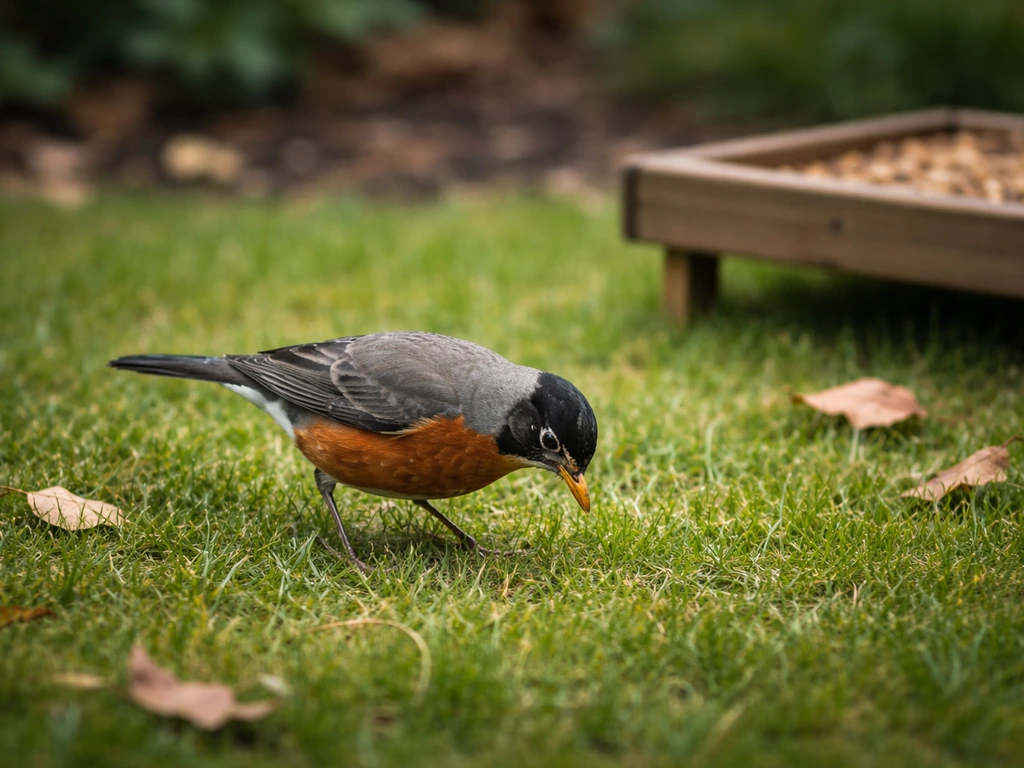
Cardinals are reliable, year-round feeder visitors once they discover a consistent food source. Some people also wonder, do crows eat from bird feeders, and while they may visit too, cardinals are the consistent, year-round feeder visitors once they discover a reliable food source. Unlike some species (robins, for instance, are far more reluctant feeder visitors), cardinals take to feeders quickly and return habitually. Do robins eat at bird feeders, and what do they prefer? Get the seed right, give them a comfortable feeder at the right height, keep it clean, and you'll almost certainly see results within days to a couple of weeks. Some owls will also visit bird feeders, but they usually come to hunt rather than feed on the seeds do owls eat from bird feeders. Some birdwatchers also wonder whether woodpeckers eat from bird feeders, and the answer depends on what you offer and what type of feeder you use.
FAQ
How long does it usually take before I see cardinals at a new feeder?
Cardinals do eat from feeders year-round, but they can be harder to spot in spring and summer if natural seeds and insects are abundant. If you want faster visits, start in late fall through winter and keep the food and feeder location unchanged so they can learn the reliable routine.
Will cardinals eat typical mixed seed, or do I need special seed?
Yes, but with a big caveat. Cardinals have a strong preference for sunflower-based foods, so if your mix is mostly millet or other small-seed fillers, they will pick through slowly and may not commit. For cardinals specifically, switch to black-oil sunflower (and optionally safflower) rather than hoping a generic blend will work.
What feeder type works best if I already have a tube feeder?
A few feeder designs increase the odds: a platform or hopper with an easy landing area, or a wide, open fly-through. Small tube feeders often get ignored because cardinals need enough space to perch and orient comfortably without gripping awkwardly.
Why did my feeder stop getting visits even though I still have seed in it?
Use sunflower as your base and avoid soggy seed. In humid conditions, open trays can trap moisture and lead to clumping, mold, or rancid odors that cardinals will avoid. Covered hoppers or fly-through feeders generally keep sunflower fresher longer, which improves repeat visits.
Do I need to clean under the feeder too, or is cleaning the feeder enough?
Start by watching the ground. If seed hulls and shells are piling up and staying wet, mold and bacteria can build quickly and rodents can move in, which discourages birds. Rake or sweep below the feeder every couple of days (more often in wet weather) and use hulled chips if you want less shell waste.
What can I change if squirrels are dominating the feeder?
Safflower can be a practical troubleshooting tool. If aggressive birds, squirrels, or big nuisance species are monopolizing the feeder, switching part of the menu to safflower often reduces squirrel pressure because many squirrels and small nuisance birds ignore it.
Where should I place the feeder in a yard with lots of open space?
Pick an approach that matches typical cardinal behavior, near cover but visible from indoors. Place the feeder within about 10 to 15 feet of shrubs or tree line, and use window distance guidance (either very close or far away) to reduce window strike risk.
How can I tell if the sunflower seed in my feeder has gone bad?
If the seed smells off, looks dark, forms clumps, or feels damp, empty the feeder and refill with dry seed. Even if it is still technically edible, cardinals will often avoid moldy or rancid sunflower and will not “push through” it.
Is it okay to just add more seed instead of fully cleaning the feeder?
Clean out old seed before refilling and let everything dry completely. A common mistake is topping off a feeder with fresh seed while there is still moisture in the tray or hopper, which accelerates mold. Disassemble when possible, rinse thoroughly after disinfection, and refill only when fully dry.
Will cardinals show up if I only put out suet?
Cardinals rarely depend on suet alone for feeder attraction. They will eat suet, but for consistent visits, pair suet with your sunflower plan. Suet is also messier if it melts, so in warm weather choose sheltered feeder locations and consider switching back to drier seed.
Next Article
Why Don’t Robins Eat From Bird Feeders? Fixes That Help
Robins avoid bird feeders due to natural insect and worm diet, ground-foraging, and safety and setup factors. Fixes insi