You're getting mostly sparrows because your current setup is optimized for them, whether you meant it to be or not. The feeder style, seed mix, and placement are likely giving House Sparrows every advantage: easy access, familiar food, and a comfortable location near cover or buildings. The good news is that each of those things is fixable, and most changes take less than an afternoon to make.
Why Do I Only Get Sparrows in My Bird Feeder? Fixes

Eleanor Hartwick
1 Jun 2026
Why sparrows dominate your feeder in the first place
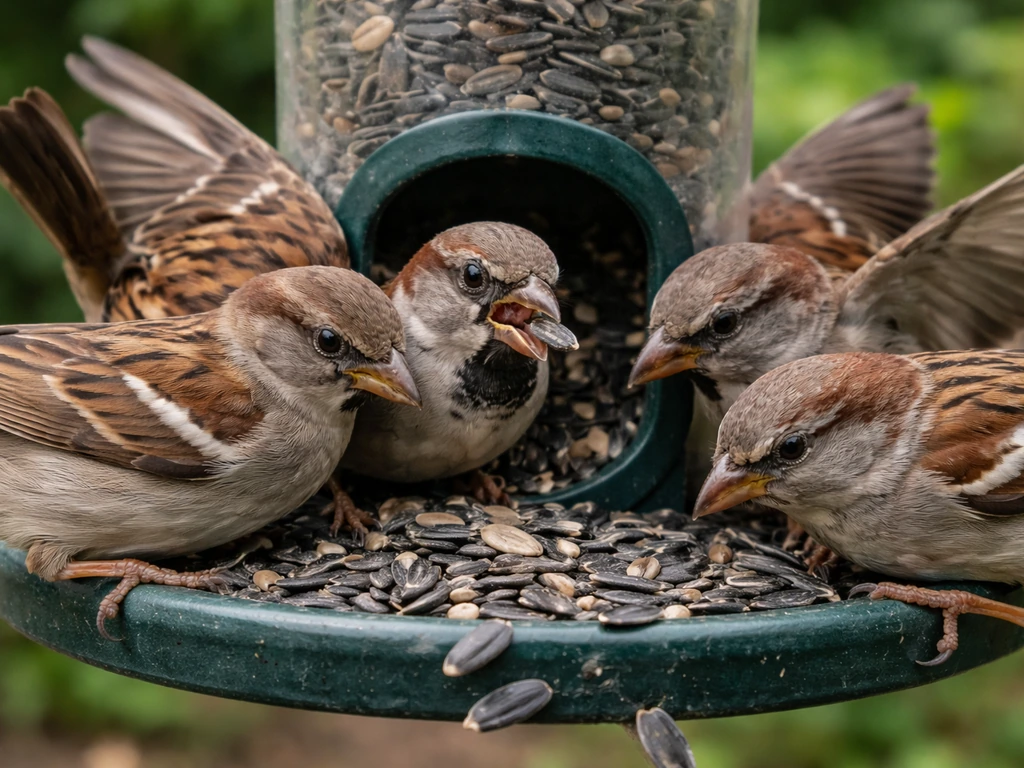
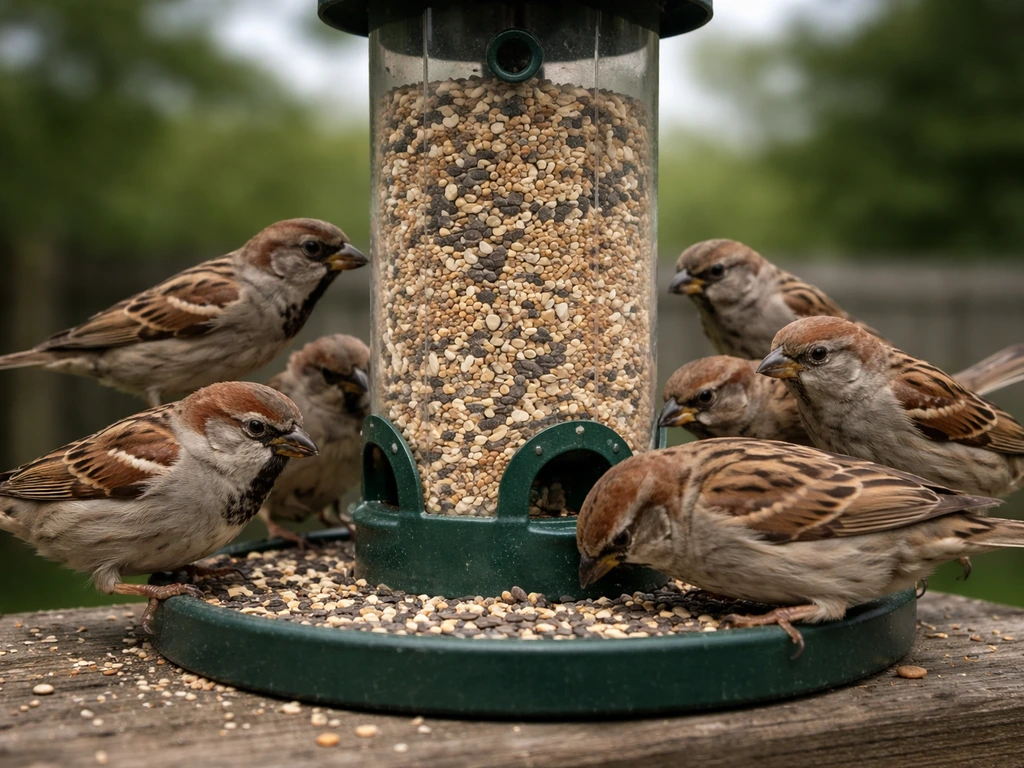
House Sparrows are one of the most adaptable birds in North America. They flock socially, they're aggressive at food sources, and they've evolved to thrive right alongside human structures. That last part matters a lot: if your feeder is near a building, a roof overhang, or dense shrubs, you've basically set up a five-star restaurant in their home neighborhood. They'll arrive first, stay longest, and actively push other birds away.
They're also opportunistic ground feeders. When seeds spill under your feeder (and they always do), sparrows are the first ones hopping around down there, cleaning up. That spill-feeding behavior lets a flock of a dozen sparrows exploit your setup around the clock, even when the feeder itself is occupied. Other species that prefer a cleaner, calmer feeding environment will skip it entirely. If you want a feeder that draws common grackles, you’ll need to adjust both food type and access so they have a chance to compete other birds.
Competitively, House Sparrows are documented to blank" rel="noopener noreferrer">crowd and drive away other birds at feeders. If a chickadee or nuthatch flies in and gets immediately harassed by five sparrows, it won't keep coming back. Over time, sparrows can effectively claim a feeder as their territory, and visitors who used to stop by just give up. If your feeder has been sparrow-heavy for a few weeks, that cycle is probably already in motion.
How your feeder type and seed are working against you
Certain feeder designs are almost purpose-built for House Sparrows, even though they're marketed as general bird feeders. Platform feeders and hopper feeders with large trays give sparrows exactly what they want: open access, room to stand and hop, and no physical barrier to keep them out. If you're using either of those right now, that's likely a major part of the problem.
Seed choice is the other half of the equation. Millet and cracked corn are sparrow favorites, and most cheap 'wild bird mix' bags are full of both. Cracked corn is also worth dropping for another reason: it's the seed type most likely to be contaminated with aflatoxins, which are genuinely toxic to birds even in small amounts. If your current mix has a lot of small white millet or yellow corn, you're essentially running a sparrow buffet.
Switching to black-oil sunflower seed as your primary offering is one of the single most effective changes you can make. It attracts a much wider range of species, including chickadees, nuthatches, finches, and woodpeckers, while being somewhat less preferred by sparrows compared to millet.
Nyjer (thistle) seed is another strong option, but it works best when fed by itself in a dedicated nyjer feeder with small ports. Don't mix it into a general seed blend or put it in a platform tray. Small finches like goldfinches and siskins can access nyjer feeders easily; House Sparrows, with their larger bills, struggle with the narrow ports.
Placement, spacing, and the ground-feeding problem
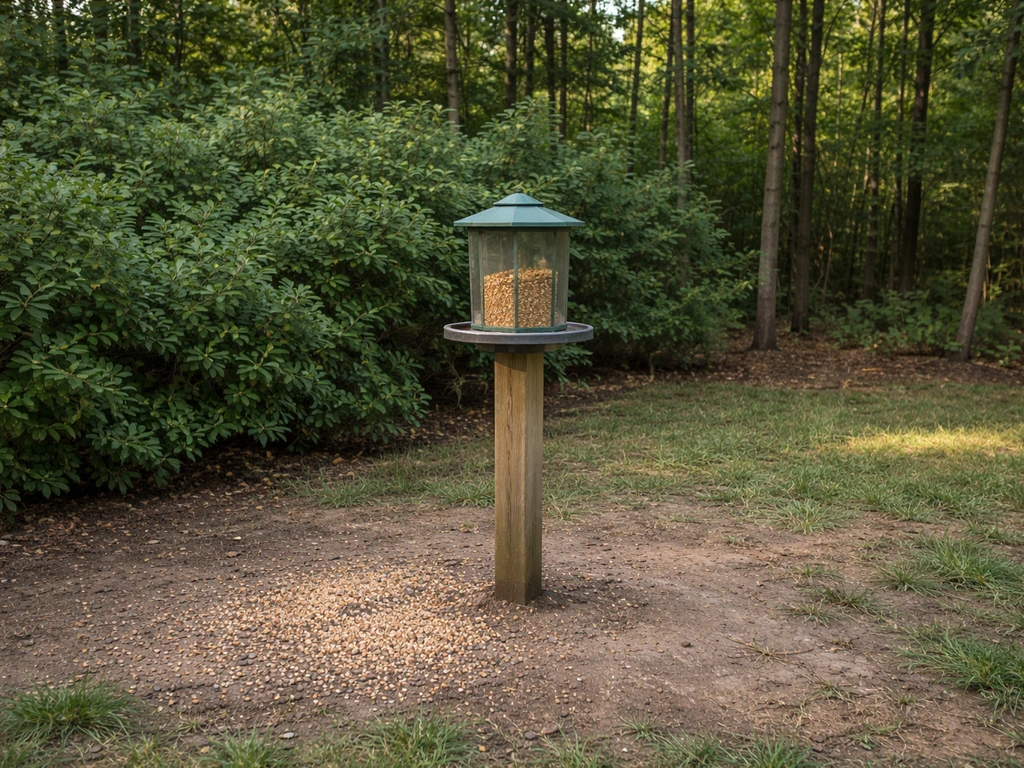
Where you put your feeder shapes who shows up. Feeders placed within about 10 to 15 feet of cover like shrubs or trees give birds a safe perch to watch from before they commit to feeding. That range works well for most species. But if the feeder is right up against a building or under a dense hedge, sparrows (which nest in and around structures) have an immediate home-field advantage.
One counterintuitive placement tip: feeders are actually safer very close to windows, within 3 feet or so. At that distance, if a bird is startled and flies toward the glass, it doesn't build up enough speed to injure itself. The middle distance of 5 to 30 feet is the danger zone for window strikes. Placing a feeder close also gives you a better view of who's visiting and makes cleaning easier. If you want to know will birds come to a bird feeder, focus on making the setup safe, clean, and less convenient for sparrows.
The ground underneath the feeder matters as much as the feeder itself. Spilled seed on the ground is prime sparrow territory. Stopping the ground-feeding cycle is key: use a tray with drainage holes mounted below the feeder to catch spill before it hits the ground, or switch to feeders that drop less waste. If you want, you can also try specific feeder and seed tactics to help reduce sparrow bullying at your setup reduce sparrow dominance. blank" rel="noopener noreferrer">Avoid spreading seed directly on the ground entirely. Rake or sweep the area under the feeder regularly, at least once a week during heavy use.
Controlling feeder access: perches, ports, baffles, and deterrents
This is where you can get surgical about reducing sparrow dominance without harming any birds. A few design and accessory changes make a real difference.
- Switch to tube feeders with short perches and small ports. House Sparrows and starlings prefer to stand flat and reach in; short perches make that uncomfortable. NestWatch specifically recommends this as an effective discouragement strategy.
- Try an upside-down suet feeder. House Sparrows are not built for feeding upside-down. Woodpeckers, nuthatches, and chickadees handle it easily. Project FeederWatch notes this access style is naturally discouraging to sparrows.
- Add a halo baffle. This is a weighted filament wire ring that hangs around the feeder. Project FeederWatch reports some users find it deters House Sparrows without bothering other species. It's worth a try, especially if other methods aren't enough on their own.
- Use a caged feeder. A cage or wire cylinder around a smaller feeder lets small birds like chickadees, titmice, and finches squeeze through, while physically excluding larger, pushier birds. These are widely available and very effective.
- Remove or shorten wide tray extensions. If your feeder has a broad flat tray, consider removing it or replacing the feeder entirely. That platform is basically a sparrow landing pad.
None of these methods are harmful to sparrows. You're just making your feeder less convenient for them, not dangerous. They'll find food elsewhere; they're extremely good at that.
What to feed to attract chickadees, finches, nuthatches, and more
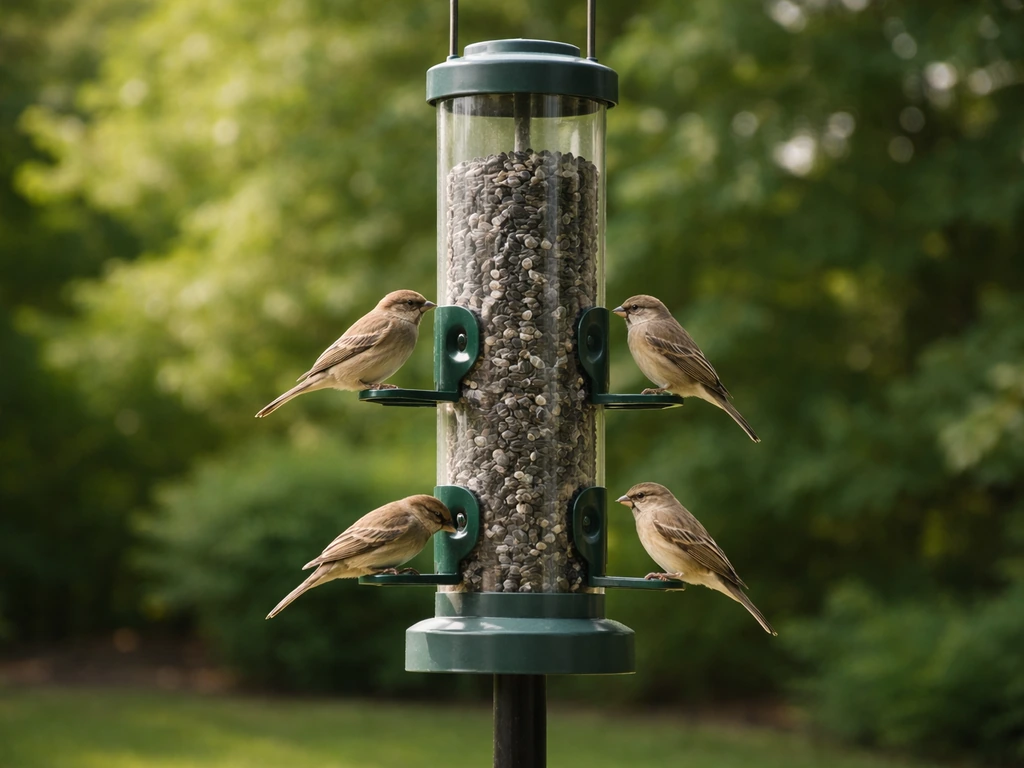
Once you've adjusted your feeder design, dialing in the right seed makes a big difference. Here's a practical breakdown:
| Seed / Food | Best Feeder Type | Target Species | Sparrow Appeal |
|---|---|---|---|
| Black-oil sunflower | Tube or hopper with short perches | Chickadees, nuthatches, finches, cardinals, woodpeckers | Moderate (less than millet) |
| Nyjer (thistle) | Dedicated nyjer tube with small ports | Goldfinches, siskins, redpolls | Low (ports too small) |
| Safflower seed | Tube or hopper feeder | Cardinals, chickadees, doves | Low (bitter taste most sparrows dislike) |
| Suet (upside-down feeder) | Upside-down suet cage | Woodpeckers, nuthatches, chickadees | Very low |
| Peanuts (in shell or pieces) | Wire mesh peanut feeder | Blue jays, woodpeckers, nuthatches, titmice | Low to moderate |
| Millet (white) | Ground or platform (use sparingly) | Sparrows, juncos, doves | Very high (avoid if reducing sparrows) |
| Cracked corn | Platform or ground (avoid) | Sparrows, doves, jays | Very high (also aflatoxin risk) |
Safflower is one that many people overlook. Most House Sparrows dislike its bitter taste and will leave it alone, while cardinals, chickadees, and nuthatches eat it readily. It won't attract the widest variety, but if sparrow pressure is severe, it's a useful tool. Try it in a separate feeder alongside your sunflower offerings and watch what happens over a week or two.
Seasonal factors: why sparrows might be extra dominant right now
Bird feeder traffic isn't static across the year, and the mix of species you see is heavily shaped by what season you're in. Right now in early June, most migratory birds have already moved through and settled into their breeding territories. That means the post-migration diversity window has closed. Warblers, for example, pass through in April and May and won't be back until fall. Many other songbirds are nesting right now and spending more time foraging on insects for their chicks, not visiting seed feeders.
House Sparrows, by contrast, are year-round residents almost everywhere in the U.S. They don't migrate, they nest near human structures, and they use feeders consistently through every season. So in early summer, the natural visitor pool is smaller, and sparrows make up a larger slice of it. This doesn't mean you can't attract other birds right now, but it does explain part of what you're seeing. Resident chickadees, nuthatches, and finches will still visit if you give them a reason to, but you're less likely to see the dramatic species variety that comes with fall migration (September through November) or the winter feeder crowd.
Breeding season also means birds can be more skittish and territorial. A quiet, calm feeder location with minimal human disturbance nearby is more inviting during this period. If your feeder is in a high-traffic part of your yard right now, consider temporarily moving it somewhere calmer.
Keep your feeder clean or the problem gets worse
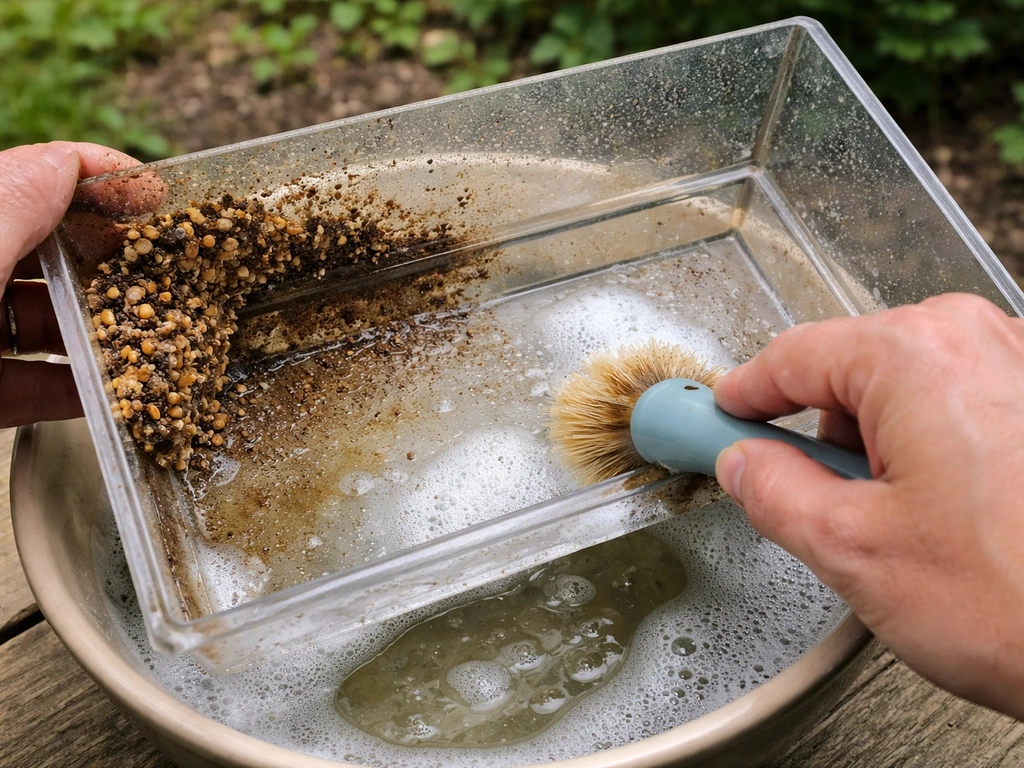
Dirty feeders don't just look bad. They actively make the sparrow problem worse. Bees can also show up at feeders, so if you see them hovering around the seed, it helps to know what specifically attracts them and how to reduce that without disrupting bird feeding why are bees in my bird feeder. Wet, spoiled seed in the bottom of a tube feeder or under a platform is exactly the kind of ground-level waste that sparrows exploit, and it creates a disease risk for every bird that visits. Mycoplasma gallisepticum, the bacterium behind house finch eye disease, spreads through contaminated feeder ports. A feeder that's never cleaned can quietly become a health hazard.
Project FeederWatch recommends cleaning feeders every one to two weeks during heavy use, and more often in wet weather when seed spoils faster. Use a stiff brush, warm soapy water, and then a diluted bleach rinse (about one part bleach to nine parts water), followed by a thorough rinse and complete drying before refilling. Clean up the ground underneath at the same time. This single habit does more for your feeder's overall quality, and for who visits, than most people realize.
Also avoid overfilling. If seed sits in a feeder for more than a few days without being eaten, remove the old seed before adding fresh. Seed that clumps or smells off should be discarded entirely. This keeps your offering fresh and reduces the accumulated waste that draws in and holds large sparrow flocks.
Your step-by-step plan: start today, evaluate over 4 weeks
Change one or two things at a time so you can actually tell what's working. Here's a practical sequence:
- Today: Remove or stop using any platform feeders and stop spreading seed on the ground. If you have a hopper feeder with a wide tray, remove the tray or cover it. This immediately reduces the easiest sparrow access points.
- Today: Check your seed. If your current mix contains millet or cracked corn, stop using it. Switch to straight black-oil sunflower seed in your main feeder. This is the highest-leverage seed change you can make.
- This week: Clean your feeder thoroughly with a bleach solution, rinse, and dry before refilling. Rake or sweep the ground underneath. You're resetting the 'this is a sparrow spot' signal.
- This week: Add a separate nyjer feeder with small ports if you want to attract finches. Fill it with straight nyjer seed only, not a mix.
- Week 1–2: Watch what happens. Sparrows may actually increase briefly as they investigate the change, then decrease as the new setup suits them less. Other species may be tentative at first. Give it at least 7 to 10 days before judging results.
- Week 2–3: If sparrows are still completely dominating, try adding a caged feeder or switching to an upside-down suet feeder. Consider replacing short-perch tube feeders if your current ones have long perches or wide ports.
- Week 3–4: Add safflower seed in a separate feeder and observe. Track which new species appear. If no new birds have shown up after four weeks, consider whether habitat is the limiting factor: is there enough cover, water, or resting space nearby to make your yard attractive to a wider range of birds?
- Ongoing: Clean feeders every one to two weeks. Rake under feeders weekly. Keep seed fresh. Sparrow populations fluctuate, and you'll likely notice more diversity as fall migration picks up in September and October.
One final thing worth knowing: if your feeder isn't getting much traffic at all beyond sparrows, or if birds seem reluctant to visit, that's a slightly different problem related to feeder visibility, yard habitat, and bird trust in a location. But if sparrows are visiting constantly and others just aren't, the fixes above are your starting point. Be patient, change things methodically, and track what you observe. Most people start seeing a real shift in species mix within two to three weeks of making these changes.
FAQ
Why do sparrows show up first every time I refill the feeder?
Sparrows tend to find and occupy new food sources quickly because they flock and are bold at feeders. To break the “first-in” advantage, clean the feeder ports/tray before refilling, remove old or spilled seed from the area, and start with a smaller refill so the food doesn’t sit and attract ground-hopping activity.
If I switch from a platform feeder to a tube feeder, will that automatically stop sparrows?
It helps, but not automatically. Sparrows can still access many tube feeders, especially if the ports are large and there is spill around the base. For best results, pair a tube feeder with proper drainage and a catch tray that prevents seed from reaching the ground, plus a seed choice sparrows are less eager for (like sunflower or safflower in a separate feeder).
Do window strikes affect which birds come to my feeder?
Yes, indirectly. A feeder placed at the “danger zone” distance (roughly 5 to 30 feet) can lead to repeated startle flights and injuries, which can reduce visits by more cautious birds. If you want other species to keep coming back, consider moving the feeder closer to the window (within about 3 feet) while still maintaining safety and cleaning routines.
Will adding more feeders make sparrows less dominant, or will it just give them more spots?
It can do either. If you add similar easy-access feeders, sparrows often occupy all of them. A better approach is to add one feeder designed for smaller-port access (for example, nyjer with narrow ports) and keep sunflower as your main offering, while reducing spill sources under and around the feeders.
How long should I wait before concluding the changes are not working?
Give it about two to three weeks, because sparrow pressure is partly established through routines and local feeding dominance. If sparrows keep arriving instantly and dominating, revisit spill control first (ground seed and tray drainage), then refine seed selection, then adjust feeder placement.
What’s the fastest way to reduce ground-feeding sparrows under the feeder?
Stop the waste pathway. Use a tray or setup that captures spilled seed before it reaches the ground, and rake or sweep the area at least weekly during heavy feeder use. Also avoid overfilling so seed doesn’t sit and fall in greater quantities.
Is it safe to use millet or cracked corn if I’m trying to attract other birds?
Millet and cracked corn are both strong sparrow magnets. If you use them, keep them in a dedicated feeder separate from your main sunflower offering, and expect sparrows to still be the dominant visitors there. For attracting a wider variety, black-oil sunflower generally performs better as the primary seed.
I see sparrows bullying birds at the feeder, but I also see other species sometimes. Should I remove the feeder entirely?
Usually no, removing it can reduce overall feeding options and doesn’t fix the underlying access and spill issues. Instead, reduce sparrow advantages by switching from open designs (large trays/platforms) to controlled-access feeders, use drainage to prevent ground waste, and consider adding a second targeted feeder for smaller birds.
Could bees at my feeder be connected to the sparrow problem?
Yes, they can signal poor cleanliness or seed waste. Bees may be drawn to syrupy or spoiled seed material, or residues around ports and tray areas. If bees are active, clean more frequently, check for clumped or wet seed, and eliminate any buildup that also contributes to ground-hopping sparrows.
How often should I clean if I’m in wet weather or using a feeder that drops a lot of waste?
Clean every one to two weeks as a baseline during heavy use, but in wet weather you may need to do it more often because seed spoils faster and clumps. Thorough drying before refilling matters, since wet residue can increase both waste on the ground and disease risk for all feeder visitors.
What should I do with old seed that’s clumped, wet, or smells off?
Discard it. Clumped or spoiled seed increases waste and attracts birds that feed opportunistically on the ground, which reinforces sparrow dominance. Remove the old seed, clean the feeder interior and surrounding area, then add fresh seed.
If spring and summer usually have fewer visitors, how do I tell if it’s just seasonal or a setup issue?
Seasonal factors reduce migratory diversity, but sparrows being the only consistent visitors beyond that suggests a setup mismatch. If you’re seeing sparrows repeatedly at high frequency while other birds barely appear, treat it as a placement, feeder design, and seed-spill problem first, then adjust gradually.
Can safflower or sunflower in separate feeders reduce sparrows without eliminating other birds?
Yes. Safflower can discourage many House Sparrows while still allowing species like cardinals, chickadees, and nuthatches to feed. Use safflower alongside your sunflower feeder rather than mixing seeds in the same tray, and monitor changes in species for one to two weeks.
What if my feeder has lots of sparrows but no other birds ever come near the yard?
That can mean the feeder is placed too close to cover that benefits sparrows, or it’s too exposed to perceived danger for other birds. Try relocating the feeder to a quieter spot with nearby shrubs or trees in the moderate distance range (around 10 to 15 feet), while maintaining the closer-to-window safety option if you’re using a window-adjacent setup.
Next Articles
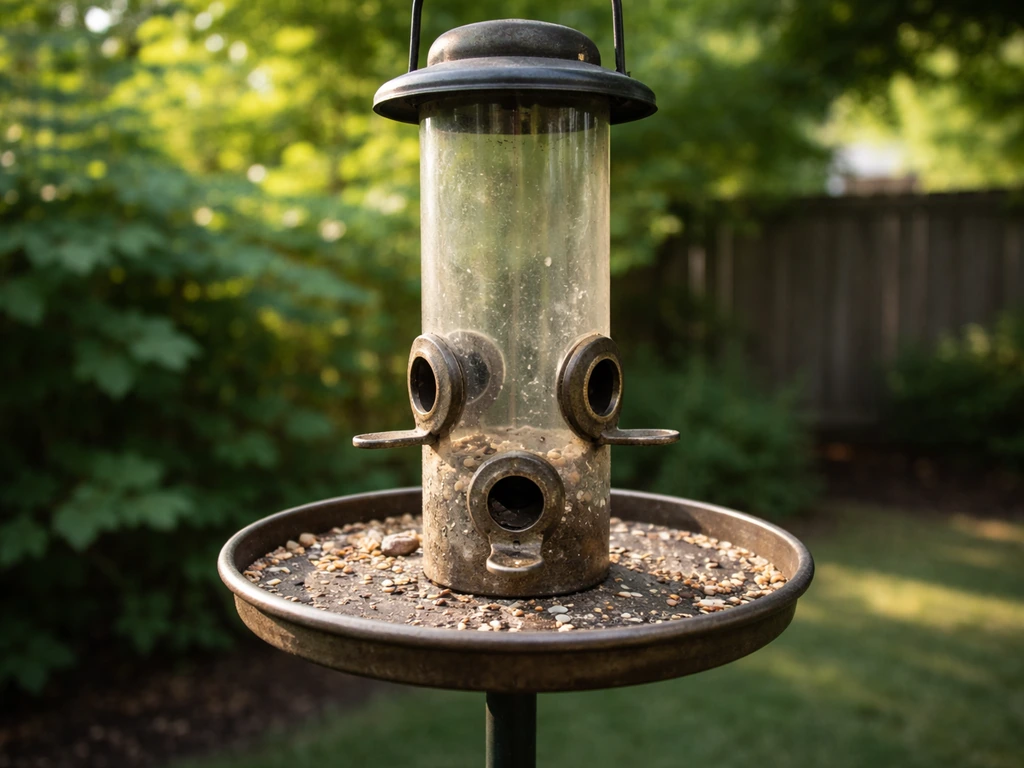
Why Aren't Birds Coming to My Bird Feeder? Fix It Fast
Troubleshoot why birds avoid your feeder with quick fixes for placement, feeder type, food, predators, and cleanup.
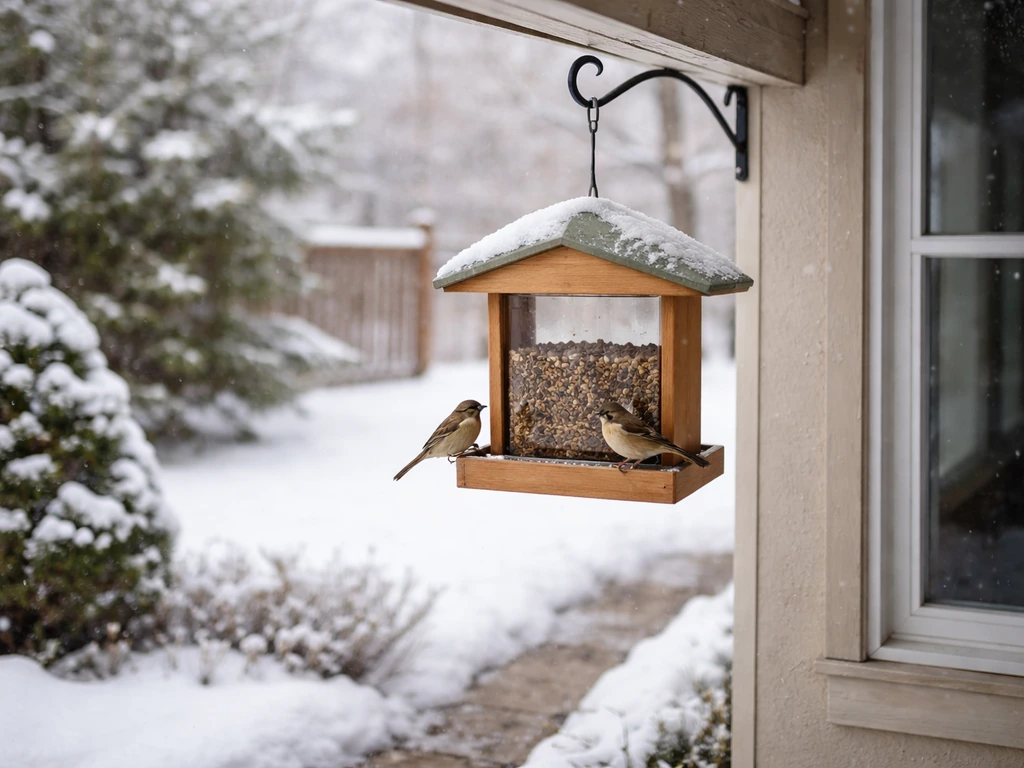
Where to Hang Bird Feeders in Winter: Exact Placement Tips
Exact winter feeder placement tips for birds and safety: height, window distance, shelter, and troubleshooting.
Do You Leave Bird Feeders Out All Year? Seasonal Guide
Should you leave bird feeders out all year? Get seasonal tips, safe feeding, and cleaning to prevent disease and pests.