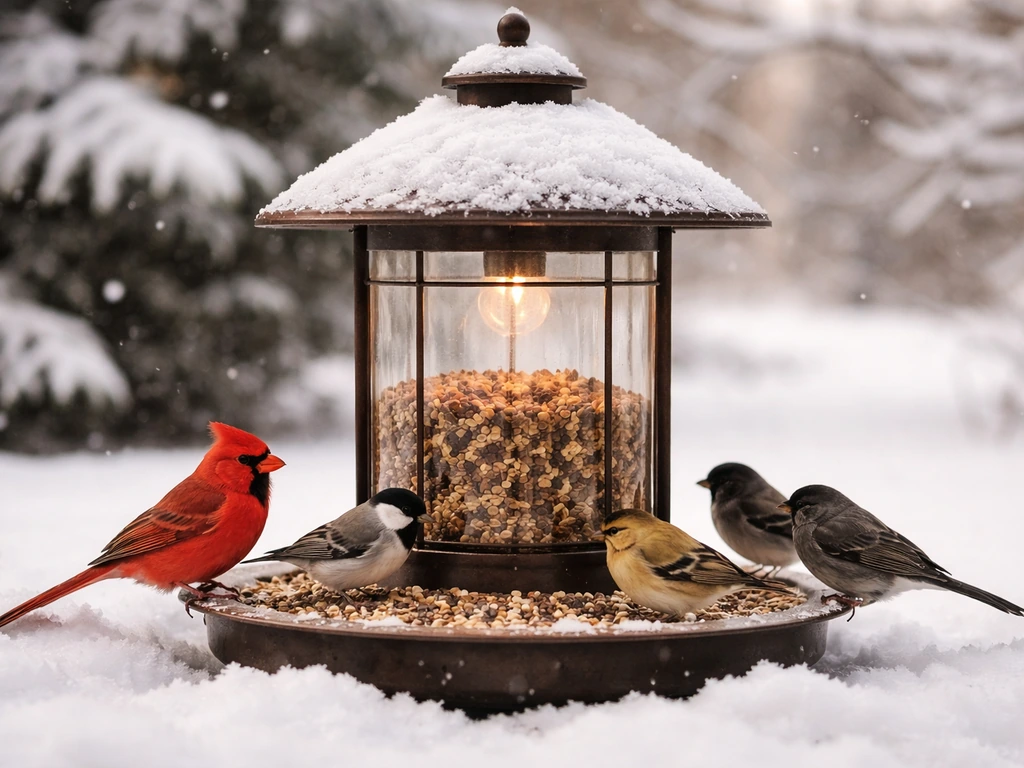
Yes, you can leave bird feeders out all year, and in most parts of North America that's a perfectly reasonable thing to do. But "leaving them out" doesn't mean setting them and forgetting them. The season changes what birds need, what food stays fresh, what pests get attracted, and how often you need to clean. A feeder that's fine in January can become a disease vector by July if you don't adjust your approach. The short version: keep feeding year-round if you want to, but treat each season as its own situation with its own rules.
Do You Leave Bird Feeders Out All Year? Seasonal Guide
Eleanor Hartwick
12 Jun 2026
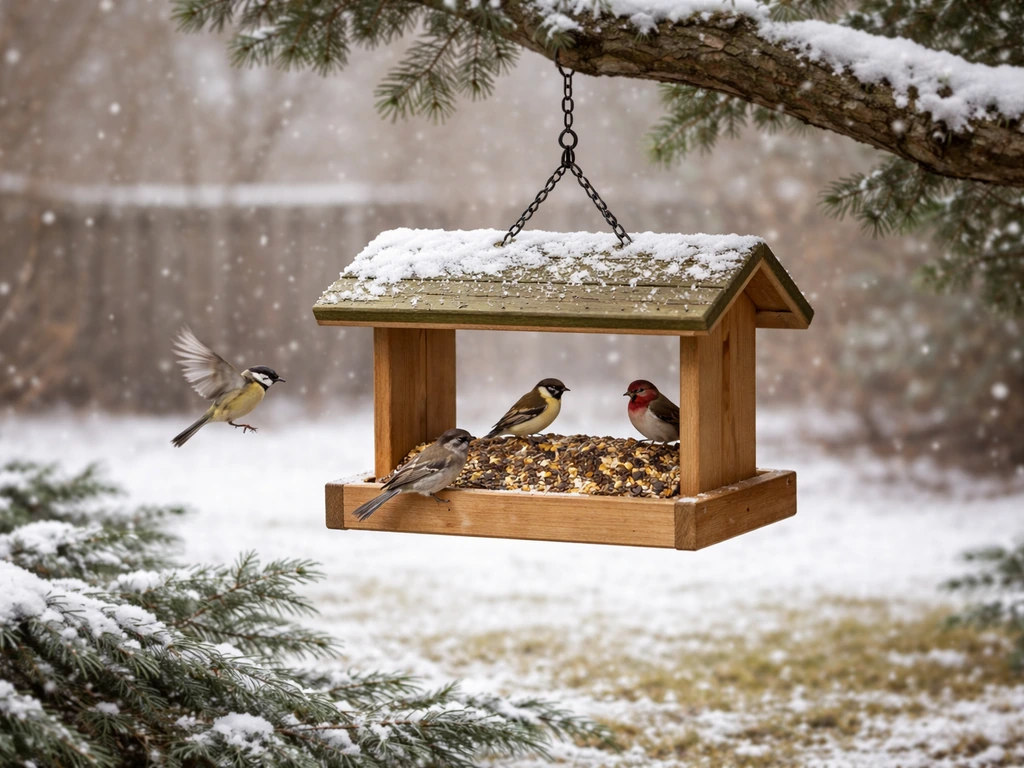
Yes or no, and when you should change course
For most backyard birders in North America, year-round feeding is fine. Birds absolutely use feeders in winter, and summer feeding attracts a different but equally rewarding mix of species. That said, there are specific situations where taking feeders down is the right call, and ignoring those signals can cause real harm to the birds you're trying to help.
Take feeders down immediately if you see sick birds at or near your feeder. Audubon recommends pulling everything, cleaning with a 10% bleach solution, and waiting before putting feeders back out. The same applies if you're in bear country, where Project FeederWatch advises avoiding any feeding except during the months bears are hibernating. If you live in the UK, the RSPB now specifically recommends pausing seeds and peanuts between May 1 and October 31 to reduce the spread of trichomonosis, though that guidance is more cautious than what most North American organizations recommend.
- You see one or more birds showing signs of disease (puffy feathers, crusty eyes, lethargy): take feeders down today, clean them, wait a week or two before replacing
- You live in bear country and bears are active: no feeders until they hibernate
- Your feeder has gone uncleaned in more than two weeks during hot or humid weather: clean before refilling
- Seed has been sitting out in rain or heat for several days and looks clumped or smells off: dump it and start fresh
How to adjust your feeding strategy by season
Winter
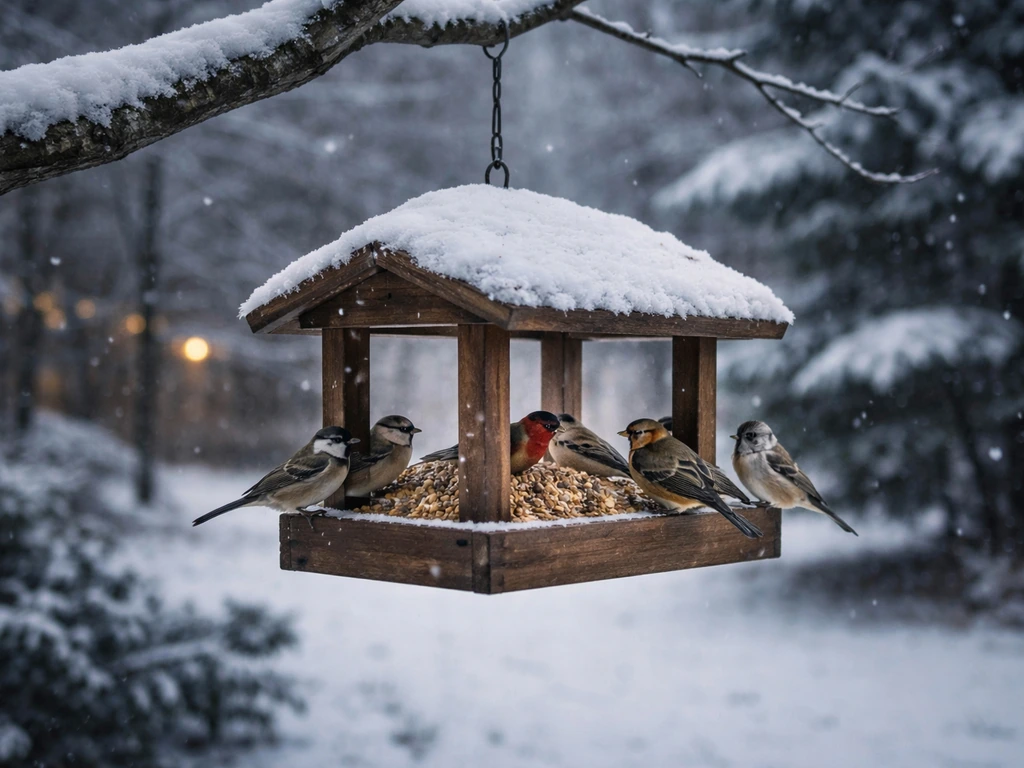
Winter is when feeders do the most obvious good. Natural food sources are buried under snow or simply gone, and birds are burning extra calories just to stay warm. If you're wondering whether you should fill bird feeders in the winter, the key is choosing high-fat foods and keeping them clean and dry as you adjust to colder conditions. Black-oil sunflower seed is the year-round workhorse, but in cold months you'll want to add or prioritize high-fat options: suet cakes, peanuts (shelled or in the shell), and nyjer (thistle) seed for finches. Suet is especially valuable when temperatures drop below freezing because it delivers concentrated calories quickly. If you're using a suet feeder, stick with plain or lightly flavored suet in cold weather since the no-melt formulas sold for summer are less calorie-dense. Water is genuinely hard to find when everything is frozen, so a heated birdbath alongside your feeder is often more useful in winter than the feeder itself.
Spring and summer
Spring and summer bring warmer temperatures, more moisture, and a completely different risk profile. Seed spoils faster in heat. In other words, you generally should adjust or reduce feeders in summer, especially if food spoils quickly or you cannot keep up with cleaning should bird feeders be used in summer. Suet melts and turns rancid quickly above 70 to 80 degrees Fahrenheit, so switch to no-melt suet or drop suet altogether from late spring through early fall. Because seed can spoil faster in heat, you should also make sure your feeders are positioned to avoid being in full sun for long stretches can bird feeders be in the sun. Hummingbird feeders need extra attention in summer because the nectar solution (1 part white sugar to 4 parts water) can grow bacteria within a day or two in hot weather. Change it every 1 to 2 days in peak heat, not weekly. If you're feeding nectar and notice it turning cloudy or seeing black spots inside the feeder, clean it before refilling. Many birds are nesting in spring and summer and foraging naturally, so you may notice feeder traffic drop off, which is normal and fine.
Fall
Fall is a transitional season that's easy to underestimate. Migration brings species through your yard that you won't see any other time of year, so keeping feeders well-stocked and clean in September and October can reward you with some unusual visitors. It's also when you should phase out hummingbird feeders if hummingbirds have left your area, transition back to high-fat suet and calorie-dense seed blends, and do a thorough end-of-season deep clean before winter. If you've been slack about cleaning over summer, fall is the time to fix that.
Where to put your feeders (and what changes seasonally)
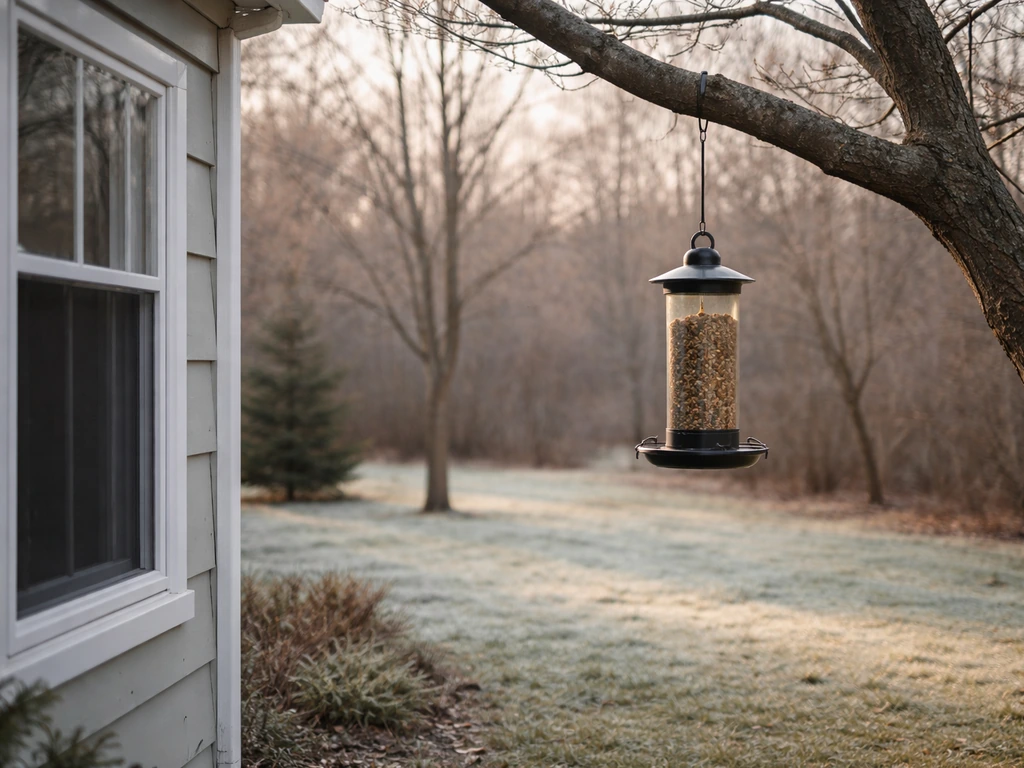
Feeder placement is one of those things people set once and never reconsider. A few principles are worth keeping in mind year-round. The single biggest safety issue is window collisions. Research from Cornell Lab and Audubon consistently points to the same solution: place feeders either directly on the window (using a window-mount feeder) or within 3 feet of the glass. At that distance, a bird that flushes toward the window doesn't have enough room to build up speed for a fatal impact. If you place a feeder more than 3 feet from a window, the collision risk actually increases. The sweet spot for both visibility and safety is within arm's reach of your window.
In winter, moving feeders closer to a sheltered wall, fence, or dense shrub gives birds a nearby escape from predators and some protection from wind. In summer, more open placement can improve airflow and help seed dry faster after rain, which reduces mold. Shade becomes a factor for suet and nectar feeders in summer since direct sun accelerates spoilage. A spot with morning sun and afternoon shade is a reasonable compromise if you can manage it.
What to feed year-round (and what to cut)
| Food | Best Season | Notes |
|---|---|---|
| Black-oil sunflower seed | Year-round | Attracts the widest range of species; stays fresh well in cool dry weather |
| Suet cakes (standard) | Fall through early spring | Goes rancid fast above ~80°F; swap to no-melt formula or remove in summer |
| Nyjer/thistle seed | Year-round (peak in winter/spring) | Best for finches; use a mesh tube feeder; replace if it dries out and birds stop eating it |
| Peanuts (shelled or whole) | Year-round | High fat and protein; avoid salted or flavored; monitor for mold in wet weather |
| Hummingbird nectar (sugar water) | Spring through fall | Change every 1-2 days in heat; never use honey or artificial sweeteners |
| Millet (white proso) | Year-round (better in fall/winter) | Attracts ground-feeding birds like juncos and sparrows; scatter on ground or use platform feeder |
| Mealworms (live or dried) | Spring and summer | Attracts bluebirds and robins during nesting season |
| Bread, crackers, chips | Never | No nutritional value; can cause crop impaction; attracts rats and pigeons |
The biggest food-related mistake I see is people leaving seed in a feeder until it's gone without checking whether it's still good. Seed that's been rained on, sat in heat, or just been in the feeder for weeks can harbor mold and the bacteria that cause aspergillosis and salmonellosis in birds. If the seed at the bottom of your feeder looks clumped, smells musty, or has any discoloration, dump the whole thing. Don't top-dress old seed with new seed; that just buries the problem.
Cleaning your feeders and keeping disease out
Project FeederWatch (from Cornell Lab) recommends cleaning seed and suet feeders every one to two weeks, and more often during wet or humid weather. That's a baseline, not a maximum. A good cleaning routine uses a 10% bleach solution (one part bleach to nine parts water), which is effective against salmonella and other common feeder pathogens. Rinse thoroughly, then let the feeder dry completely before refilling. Putting wet seed into a damp feeder is one of the fastest ways to grow mold. Iowa DNR and Clemson's extension both stress the same thing: complete drying before refilling.
Diseases that spread at feeders include house finch eye disease (a bacterial conjunctivitis), salmonellosis, aspergillosis (a fungal disease from moldy seed), avian pox, and avian flu. You won't eliminate all disease risk by cleaning, but you dramatically reduce it. The RSPB's guidance to pull feeders entirely if you see a sick bird is worth taking seriously regardless of what side of the Atlantic you're on. Sick birds at a feeder are a signal that something in your setup needs attention.
Don't forget the ground. The seed, husks, and droppings that accumulate under feeders are a disease source in their own right. Project FeederWatch recommends raking or sweeping under feeders regularly. In hot weather, do it weekly. A layer of decomposing seed on the ground is also a rat magnet, which brings us to the next issue.
Your quick cleaning checklist
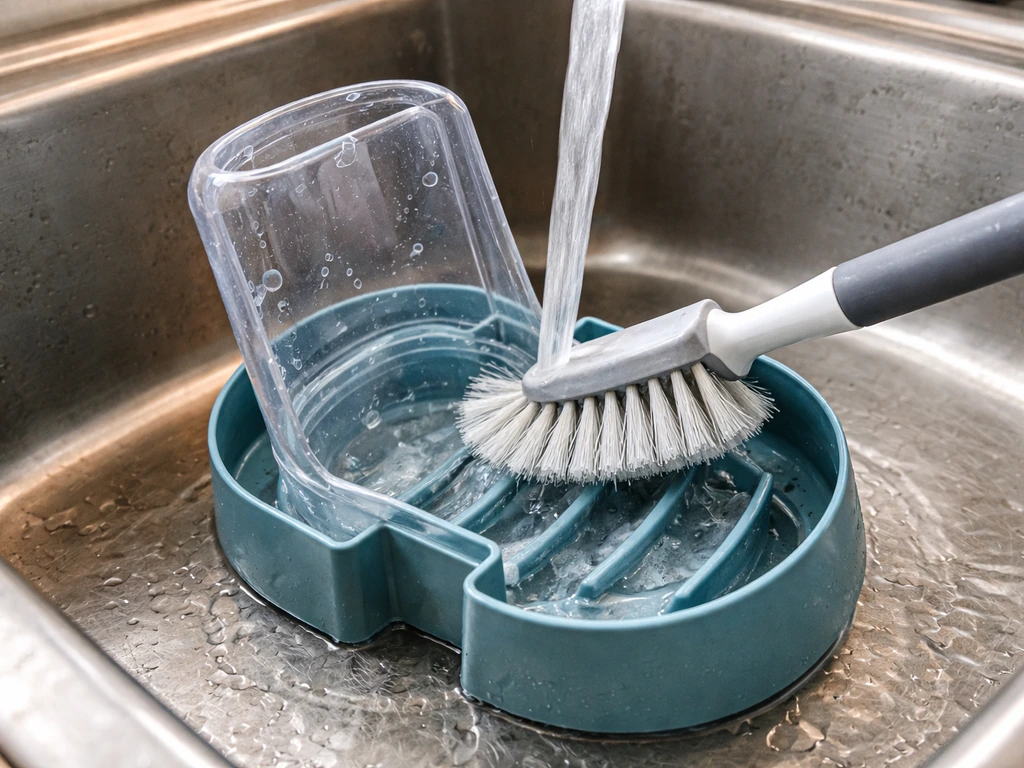
- Empty the feeder completely
- Scrub with hot water and a brush to remove debris
- Soak or spray with a 10% bleach solution (1 part bleach, 9 parts water)
- Rinse thoroughly until no bleach smell remains
- Allow to air dry completely before refilling (this step matters)
- Sweep or rake the ground underneath
- Refill with fresh seed only
Dealing with squirrels, rodents, insects, and other uninvited guests
Squirrels are year-round regulars at most feeders, and summer often makes things worse because more animals are active and food-motivated. Audubon's guidance on squirrel deterrence is pretty clear: the most effective setup is a pole-mounted feeder at least 5 to 6 feet off the ground, positioned at least 10 feet horizontally from any jumping-off point (tree branch, fence, roof), with a metal baffle mounted below the feeder on the pole. A stovepipe-style or cone-shaped baffle is harder to defeat than a flat disc. Weight-activated feeders that drop a shroud over the ports when something heavier than a small bird lands on them also work well, though they're more expensive.
Rats and mice are attracted primarily by seed on the ground, not by the feeder itself. Sweep up spilled seed daily if you have rats in your area. Switching to hull-less sunflower chips or nyjer seed reduces the amount of husk debris that accumulates. Avoid platform feeders or ground-scatter feeding if rodents are a known problem near your home. In bear country, the rule from Project FeederWatch is simple: take feeders down when bears are not hibernating. There is no feeder setup that reliably deters a determined bear.
In summer, bees, wasps, and ants are drawn to nectar feeders. For ants, a simple ant moat (a small water-filled cup on the hanger above the feeder) works well. For wasps and bees, choose hummingbird feeders with ports that are recessed slightly so the nectar surface sits below the opening, which makes it harder for them to reach. Avoid feeders with yellow accents, which attract bees. Insects around seed feeders are generally less of a problem, but if you're seeing large numbers of insects around a seed feeder, check whether the seed has gone bad.
When it actually makes sense to take feeders down
Taking feeders down isn't giving up on birds. Sometimes it's the most responsible choice. Outside of the specific emergency situations already covered (sick birds, bears), there are a few seasonal and practical reasons to consider a break from feeding.
In spring and early summer, many birds are feeding nestlings and prioritizing natural insects and caterpillars. Sunflower seeds are not ideal food for most baby birds, and parent birds that load up at your feeder and bring seed back to the nest can inadvertently cause harm. You don't need to take feeders down entirely, but scaling back and offering mealworms instead during nesting season is a reasonable trade. If you're going on a trip and can't maintain your feeder for a couple of weeks in hot weather, it's genuinely better to take it down than to leave stale, moldy seed out. Birds won't starve in your absence. They'll find other sources and come back when you're ready.
If you decide to stop feeding for a period, consider keeping a shallow birdbath filled with fresh water. Clean water is arguably more valuable to birds in summer than seed, and it draws a much wider variety of species than a seed feeder does. A birdbath with a small dripper or wiggler attracts warblers, thrushes, and other birds that rarely visit seed feeders. That's a genuinely useful alternative to year-round seed feeding, not just a consolation prize.
Signs it's time to pull the feeder (at least for now)
- You see birds with swollen or crusty eyes, fluffed feathers, or visibly labored movement
- Seed is visibly moldy, clumped, smells sour, or has been sitting in rain for days
- You have an active rat or rodent problem and can't stay on top of ground cleanup
- You're in bear country and bears have been spotted in your area
- You're going to be away for two or more weeks during hot weather and can't arrange for someone to maintain the feeder
- Neighbor or local ordinance complaints about wildlife being drawn to your yard
What to do today based on the season you're in
If it's currently late spring or summer (which it is right now in June 2026), here's what's worth doing today: check whether the seed in your feeder is fresh by looking and smelling, not just assuming. If you have suet out, see whether it's melted or turned greasy, and swap it for a no-melt formula or take it down. If you have a hummingbird feeder, check when you last changed the nectar and clean it if it's been more than two days in this heat. Sweep under your feeders. If you haven't cleaned the feeder itself in more than two weeks, do it before the next refill.
If you're heading into fall, stock up on black-oil sunflower seed and standard suet, do a proper deep clean, and think about whether your feeder placement made sense last winter or whether moving it closer to a window or sheltered spot would help both you and the birds. If you're reading this in winter, the main thing to check is whether your seed is staying dry inside the feeder and whether you have a water source that isn't frozen solid. The feeding itself is the easy part. The maintenance is what makes it actually worthwhile.
FAQ
If I leave feeders out all year, do I need to feed the same types of food in every season?
No. Keep the feeder, but change the food plan. In cold weather prioritize high-fat choices like suet and peanuts, while in heat you may need to switch to no-melt suet or temporarily reduce suet and rely more on seed blends that you can keep dry and clean.
How do I know when seed has gone bad, even if the feeder looks clean?
Check the bottom and seed surface, clumped seed, musty or sour smell, discoloration, and a “damp” feel are warning signs. Also look at the seed edges where condensation forms, stale moisture there can grow mold even if the feeder housing is not obviously dirty.
Is it okay to top-dress, adding new seed on top of old seed to save time?
Usually not. If old seed has gotten wet, warm, or started clumping, adding fresh seed on top just buries the spoiled material. Replace the contents when you see any spoilage signs, then refill with dry, fresh food.
What is a safe cleaning routine between refills if I do not have time for a full disinfection every week?
At minimum, empty the feeder, wash it, rinse thoroughly, and let it dry completely before refilling. Use the bleach solution when you have an accumulation of waste or there is any sign of mold or heavy buildup, then adjust frequency upward during humid or rainy weather.
Should I rinse seed or feeders with water if I see rain damage?
Do not try to “save” soaked seed by rinsing it. Dump and replace the affected seed, because moisture trapped inside feeder compartments can continue to support mold growth. Focus on cleaning and drying the feeder parts thoroughly before refilling.
If I see a single sick bird, do I have to stop feeding forever?
No. The immediate step is to remove feeders, clean them, and pause until you can re-establish safer conditions. After that, reassess placement, feeder cleanliness, and food freshness, because sick birds are often a sign of a maintenance or crowding problem rather than a permanent reason to quit.
What should I do with a hummingbird feeder if the nectar turns cloudy once?
Clean it right away and restart with fresh nectar. Cloudiness and sediment mean microbial growth has likely begun, in hot weather bacteria can accelerate quickly, so treat cloudy nectar as a trigger to do an immediate clean before refilling.
Can I put a feeder close to a window for safety, and still keep birds from getting startled?
Yes, use the recommended distance strategy. Mount it directly on the window or within about 3 feet to reduce collision severity, then choose a viewing angle that lets you see activity without constant human movement that can repeatedly flush birds.
Does feeder placement in shade mean I can ignore cleaning in summer?
No. Shade can slow spoilage for suet and nectar, but it does not eliminate mold and bacterial risk. You still need to shorten refill intervals and keep to frequent cleaning, especially if the feeder gets humid or wet from rain.
How often should I clean the area under the feeder if I cannot do it weekly?
If you cannot do weekly, prioritize whenever you notice buildup, and do at least a consistent sweep schedule you can maintain during the hottest months. Spilled seed and droppings are a separate contamination source, so skipping ground cleanup undermines feeder hygiene.
What are the signs that rats or mice are becoming a problem at my feeder?
Look for gnawed seed, droppings near the feeder and along travel paths, and seed disappearance patterns that do not match typical birds. If you see these, switch away from ground-scatter options, pick up spilled seed promptly, and consider hull-less sunflower or nyjer to reduce husk debris.
Will a baffle or feeder height fully stop squirrels?
It can greatly reduce access, but it is not guaranteed, especially for clever or persistent squirrels. The most effective setups combine correct height, correct placement away from jumping points, and a baffle design that is harder to defeat than a flat disc.
If I stop feeding for a couple weeks in summer, should I remove the feeder completely?
Yes, if you cannot reliably maintain freshness and cleaning. In hot weather, stale seed or rancid suet increases disease and spoilage risk, in many cases a temporary removal is safer for birds than leaving low-quality food out.
Are birdbaths a good substitute if I pause seed feeding?
Yes, a clean birdbath can bring more species than a seed-only setup. Consider a dripper or wiggler for insect-focused birds, and keep water fresh, in summer you may need more frequent refreshing because evaporation and contamination happen quickly.
What should I do when fall arrives after a summer of heavy feeder use?
Do a thorough end-of-season clean, discard any questionable food, and deep-clean the seed and suet compartments plus all feeding surfaces. Then shift back toward calorie-dense options appropriate for cooler temperatures, and check whether feeder placement still makes sense for winter safety and weather protection.
Next Article
Do Birds Use Bird Feeders in Winter? How to Feed Safely
Yes, birds use feeders in winter when needed. Feed safely, keep it clean, prevent spoilage and adjust amounts.