For most Indian backyard birds, a mix of small millets, broken rice, and sunflower seeds on a flat platform feeder will get you started immediately. Add sliced fruits like papaya or banana for bulbuls and barbets, offer homemade nectar (1 part sugar to 4 parts water) for sunbirds, and put out a few dried mealworms if you want to pull in mynas and wagtails. That covers the majority of garden visitors across most of India. Everything below helps you dial that in by feeder type, season, and the species you're actually seeing. For oriole feeders, provide an oriole-ready nectar mix or suitable fruit-based options rather than the seed and mealworm mixes meant for other garden birds.
What to Put in Bird Feeder in India: Foods, Feeders, Do’s

Eleanor Hartwick
8 Jul 2026
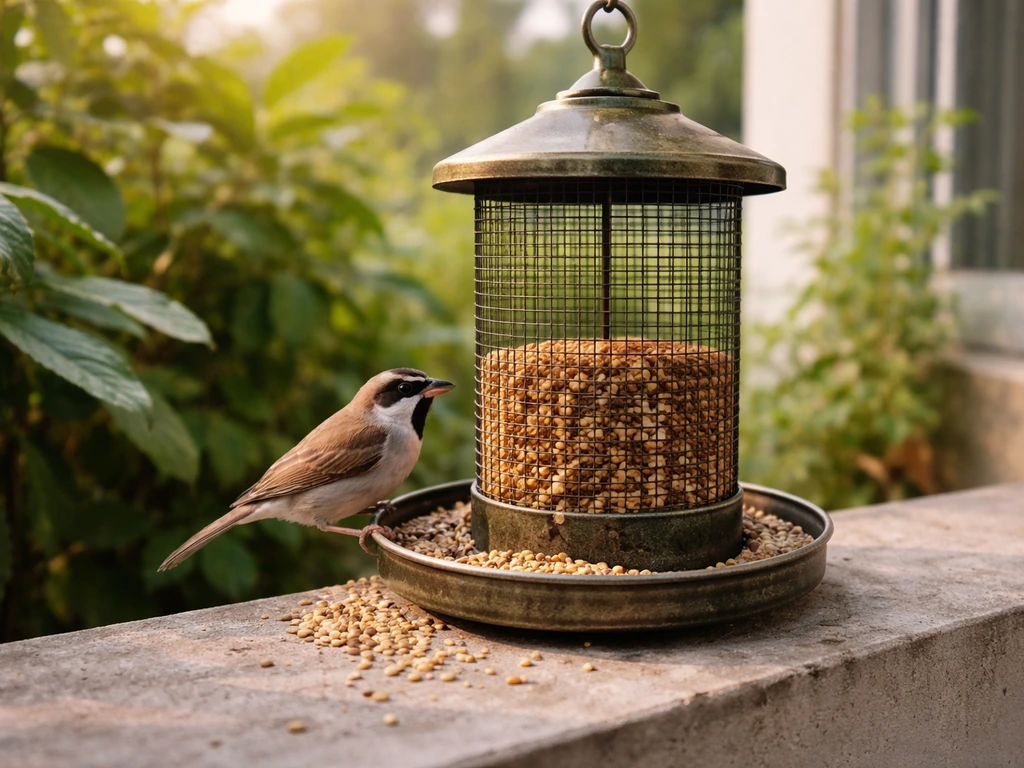
Choose your feeder type before you choose your food
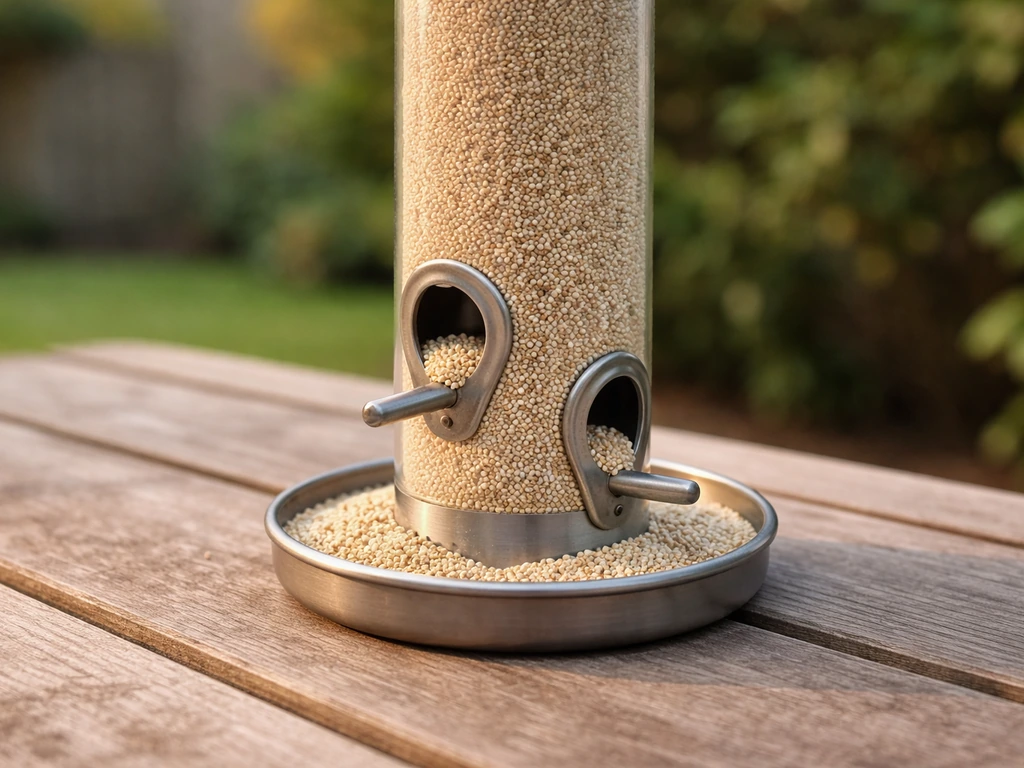
The feeder shape dictates what food you can realistically offer, so it's worth sorting this out first. A tube feeder with small ports suits fine seeds like millet but will jam with large grains. A platform or tray feeder is the most flexible option for India because it handles seeds, fruit chunks, and even mealworms without any special setup. Once you have your feeder type sorted, choose safe plants to grow directly underneath so you create an inviting spot without encouraging spoilage what to plant under bird feeders. Suet or fat ball cages work well in cooler northern winters but are less practical in humid southern summers where fat goes rancid fast. Nectar feeders with small ports are specifically for sunbirds and need daily cleaning in warm weather. If you're just starting out and want one feeder that does almost everything, a shallow open tray about 30 cm across, mounted at eye level near some garden cover, is your best entry point.
| Feeder Type | Best Foods for India | Ideal For |
|---|---|---|
| Platform / open tray | Millet, broken rice, sunflower seeds, fruit pieces, mealworms | Bulbuls, sparrows, mynas, babblers, doves |
| Tube feeder (small ports) | Pearl millet, small sunflower seeds, niger seed | Munia, sparrows, finches |
| Hopper / scoop feeder | Mixed grain, broken corn, sunflower seeds | Sparrows, parakeets, doves |
| Suet / fat ball cage | Homemade fat cakes with seeds, coconut oil, grains | Woodpeckers, nuthatches (cooler months only) |
| Nectar feeder | 1:4 sugar-water solution (no dye, no honey) | Sunbirds, flowerpeckers |
| Ground tray or scatter area | Broken rice, millet, mealworms | Doves, mynas, wagtails, babblers |
Best foods for Indian backyard birds
India's garden bird community is genuinely diverse, and different species respond to very different offerings. Here's what actually works, matched to the birds you're most likely to see.
Seeds and grains
Pearl millet (bajra) and broken rice are the most widely available and cost-effective options across India. Sparrows, munias, baya weavers, and doves go straight for them. Small sunflower seeds (black-oil type if you can find them) attract a wider range of birds than the large striped variety and are worth tracking down from pet or farming supply shops. Niger seed (also called nyjer or ramtil) is excellent for small finches and munias if you can source it locally. Avoid pre-mixed commercial 'wild bird seed' bags that include filler ingredients like red milo or oats, which most Indian species ignore and which just pile up to rot.
Fruits
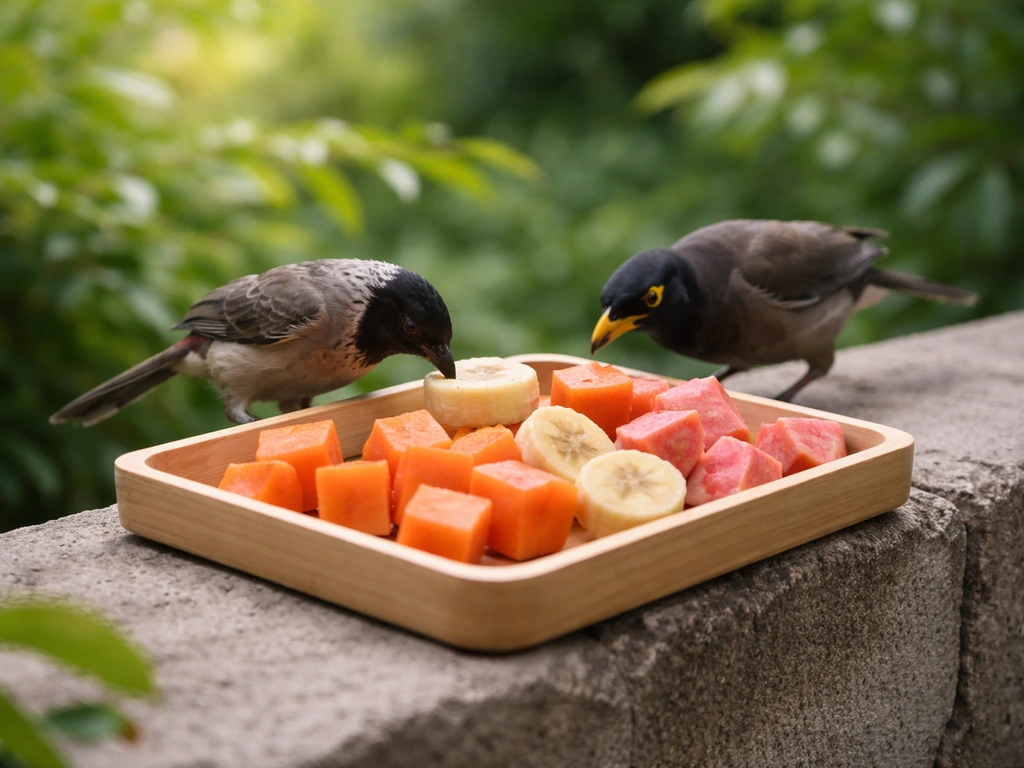
Ripe papaya, banana, and guava cut into thumb-sized pieces will reliably bring in red-vented and red-whiskered bulbuls, coppersmith barbets, and common mynas. Figs are especially attractive to barbets when in season. Offer fruit on a platform tray or impaled on a spike feeder rather than leaving it in a bowl where it pools juice and ferments quickly. If you're building a new setup, check a practical guide on what to put in a bird feeder so you can choose foods for the birds you're actually targeting. Replace fruit pieces every morning before they turn mushy, especially in hot weather.
Nectar
Purple sunbirds, crimson sunbirds, and flowerpeckers are the birds you're targeting with nectar feeders in India. The recipe is straightforward: dissolve 1 part white sugar in 4 parts boiled water, let it cool, and fill your feeder. That's it. Do not add red food colouring, honey, or brown sugar. Honey ferments quickly and can cause fatal fungal infections in birds. Red colouring is unnecessary and potentially harmful. The 1:4 ratio is standard because it roughly matches the sugar concentration of natural flower nectar.
Protein foods: mealworms and insects
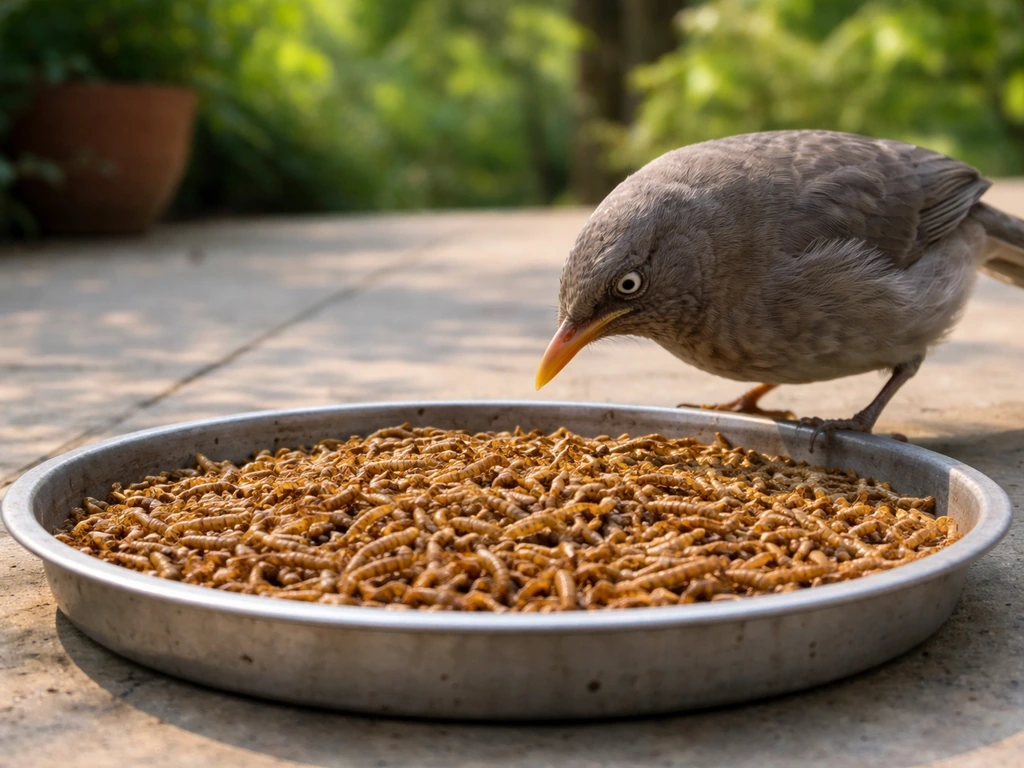
Dried mealworms on a flat tray attract mynas, wagtails, and babblers. Mynas are opportunistic insect hunters by nature, so live or dried invertebrates pull them in more reliably than grain alone. If you can find live mealworms at a pet supply shop, a small dish of those on a ground tray during the breeding season (roughly February to June for many species) can make a real difference. This is particularly helpful when parent birds are foraging high-protein food for chicks.
Suet and fat cakes
Suet or fat cakes are high-energy winter foods best suited to cooler months in northern and central India. A basic version: melt coconut oil or animal fat, mix in millet, broken rice, and sunflower seeds, pour into a mould, and let it set. Hang in a cage feeder in a shaded spot. Skip these entirely during summer and monsoon in humid or coastal areas because fat goes rancid within a day or two and rancid suet is harmful to birds.
Feeding by season in India
India's seasons affect both what birds need and how quickly food spoils, so a one-size-all-year approach doesn't serve birds well.
Winter (November to February)
This is peak feeder season, especially in northern and central India. Migratory birds arrive, resident birds benefit from supplemental energy, and food stays fresh longer in cooler temperatures. This is when suet cakes make sense. Offer a broader range: seeds, grains, fruit, and fat cakes. Clean your feeder every two weeks at minimum, but food spoilage is slower so you have a bit more margin.
Breeding season (February to June)
Many Indian garden birds breed between February and June. Coppersmith barbets, bulbuls, and mynas are all active nesters during this window. Prioritise protein-rich foods during this period: mealworms, live insects if possible, and fruit. Parent birds feeding chicks need high-protein food, not just carbohydrate-heavy seeds. Reduce or stop offering suet as temperatures climb. Keep fruit fresh and replace it daily.
Monsoon and peak summer (June to October)
This is when feeder management becomes high-effort. Humidity and heat cause seed to mould within hours, nectar to ferment overnight, and fruit to attract ants and wasps rapidly. You have a few options: scale back to small amounts refreshed twice daily, switch mainly to seed (which handles heat better than fruit or suet), or take a seasonal break entirely. Natural food availability is at its peak during the monsoon anyway, so birds are less reliant on supplemental feeding. Many experienced feeders in humid regions simply pause from July to September and resume in October.
Foods to avoid entirely
Some foods come up repeatedly in Indian bird-feeding discussions but cause real harm.
- Bread and roti: these fill birds up with nutritionally empty carbohydrates and are particularly dangerous for young birds. Avoid them completely.
- Honey in nectar: ferments within hours in warm weather and causes a fatal fungal infection called candidiasis in sunbirds. Use white sugar only.
- Salted or roasted peanuts: salt is toxic to birds in even small amounts. If you offer peanuts, they must be raw and unsalted.
- Avocado: toxic to most birds, causes cardiac and respiratory failure.
- Mouldy or wet seed: aflatoxins from mould are lethal. If seed is clumped, discoloured, or smells off, discard all of it and clean the feeder before refilling.
- Fruit that has begun fermenting: fermented fruit can intoxicate birds and make them vulnerable to predation.
- Processed human food: biscuits, chips, cooked rice with salt or spices, leftovers. These are all inappropriate and most are harmful.
Reducing pests and unwanted wildlife
Feeders in Indian gardens commonly attract rats, crows, parakeets, squirrels, and ants. Each needs a slightly different approach.
Rats and squirrels
Rats are attracted primarily by seed scattered on the ground. The most effective fix is to put up a pole-mounted feeder with a baffle: a smooth cone or cylinder placed below the feeder that prevents climbing. Clean up spilled seed from the ground every evening. Don't leave food out overnight. A correctly installed baffle on a smooth metal pole goes a long way toward making your feeder squirrel-proof as well, though determined squirrels in gardens with nearby trees may still leap from branches, so keep the feeder at least 3 metres from any launch point.
Ants
Ant moats work well for nectar feeders: a small water-filled cup above the feeder port that ants can't cross. You can buy them or make one from a bottle cap. For platform feeders, hanging them on a wire greased lightly with petroleum jelly deters most ant columns, but reapply regularly after rain. If you’re using a platform feeder, remember to protect it from ground upsets like a bear on top of the bird feeder platform feeders.
Crows and large parakeets
Crows and rose-ringed parakeets can dominate a feeder and drive off smaller birds. Use a tube feeder or cage feeder with small port openings that physically exclude larger birds. If you want to keep feeding crows separately (they're smart and entertaining), scatter a small amount of food on the ground away from your main feeder. This gives them their own spot and reduces competition at the platform.
Wasps and bees at nectar feeders
Bees and wasps are drawn to nectar feeders, especially when the solution is dripping or the feeder is leaking. Use a feeder with bee guards over the ports. Diluting the nectar slightly (moving closer to 1:5 ratio) in summer also makes it less attractive to insects while still meeting sunbird needs.
Keeping it clean: hygiene and food storage
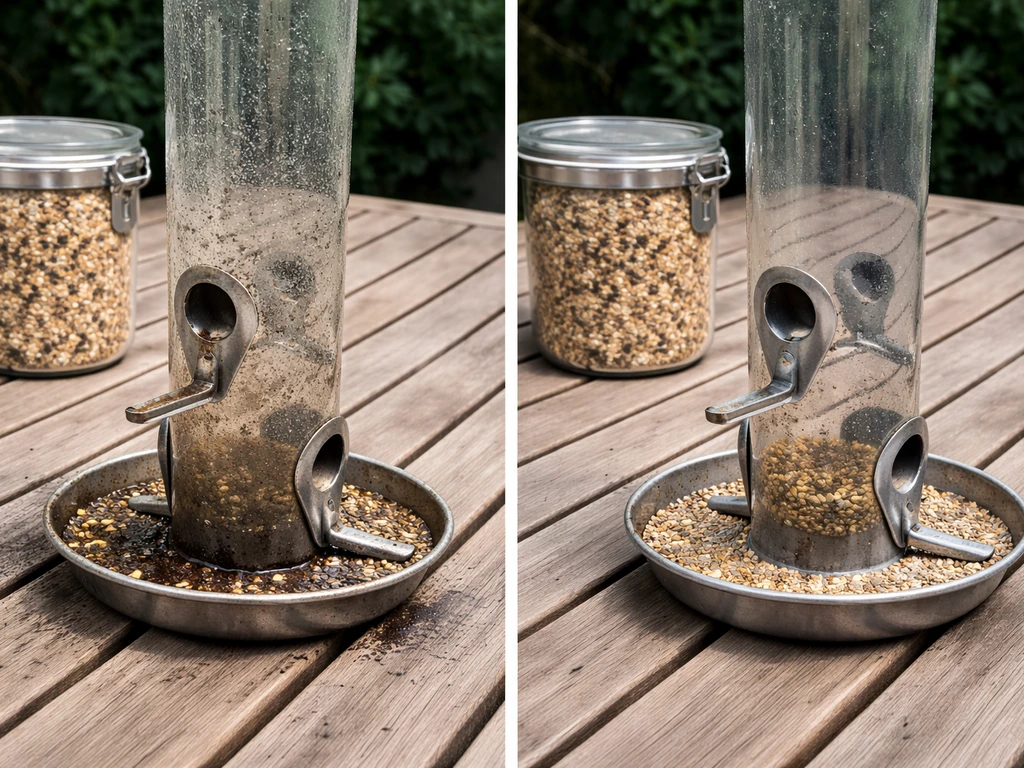
Dirty feeders spread disease between birds. The CDC advises avoiding unprotected exposure to sick or dead wild birds and reporting sick birds or unusual deaths to the appropriate government veterinary or public health channels Dirty feeders spread disease between birds.. Finch eye disease, salmonella, and aspergillosis (from mouldy seed) are all documented feeder-related illnesses. The cleaning standard recommended by Cornell Lab and other ornithology organisations is consistent: scrub feeders every two weeks with hot soapy water, then disinfect with a 1 part bleach to 9 parts water solution, rinse thoroughly, and dry completely before refilling. In Indian summer or monsoon conditions, go to weekly cleaning as a minimum. Nectar feeders need to be rinsed and refilled every day in weather above 30°C, and every two to three days in cooler conditions. If you see a bird at your feeder with swollen, crusty eyes or lethargic behaviour, take the feeder down, clean it with the bleach solution, and don't put it back up for at least a week.
Store seed in a sealed, dry container away from direct sunlight. A metal or thick plastic bin with a tight lid keeps moisture out and deters rats. Never top up a feeder with fresh seed on top of old seed. Empty it completely, check for clumping or discolouration, clean the feeder, then refill from fresh stock.
When birds don't come, or suddenly stop visiting
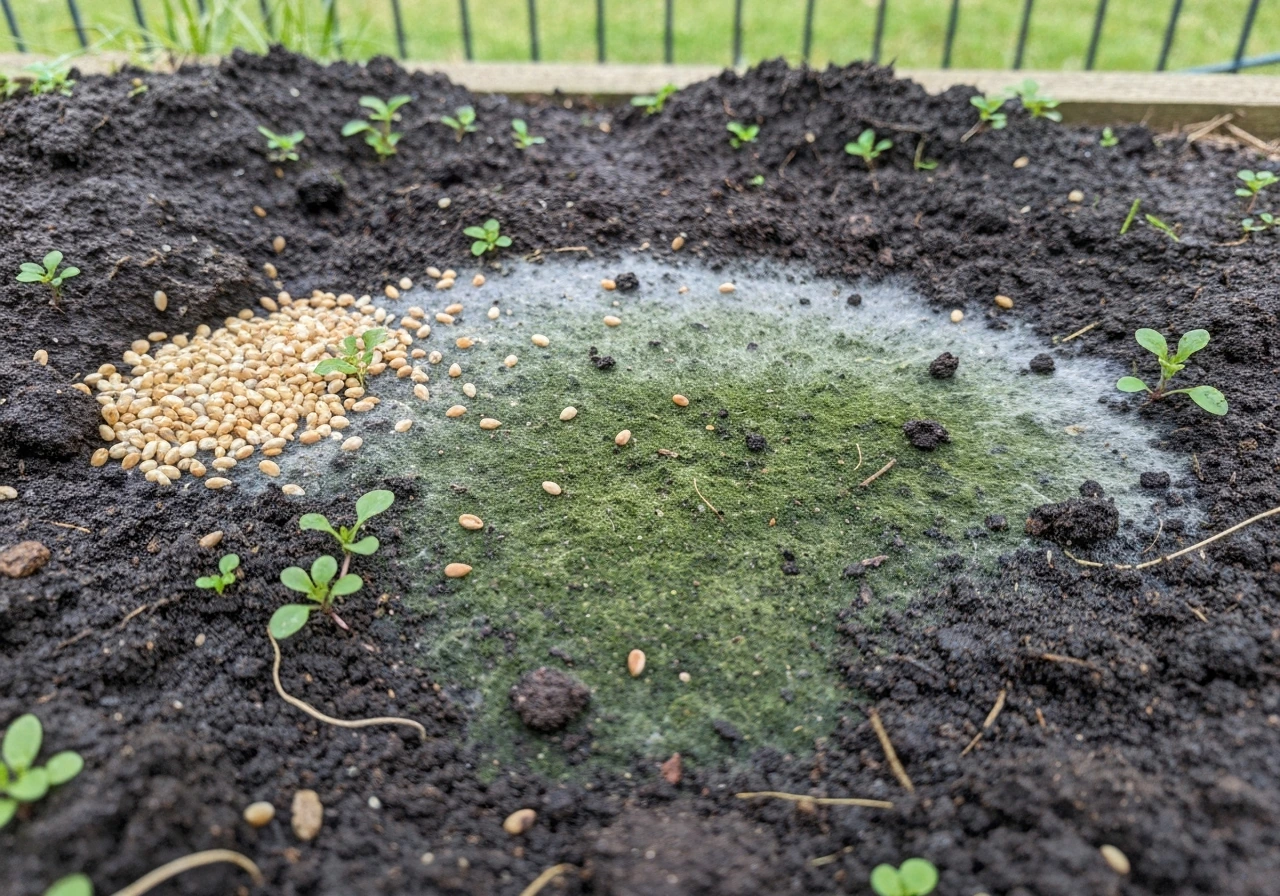
This is one of the most common frustrations with new feeders in India, and there are usually a few straightforward explanations. If you notice anything growing under the feeder, it is usually a sign that spilled seed or wet food is rotting or sprouting, so you will want to clean and reposition the feeder what is growing under my bird feeder.
- Give it time. Birds need to discover a new feeder. In a garden without an established feeding routine, it can take two to four weeks before birds start coming reliably. Put the feeder near existing cover like a hedge or a tree, where birds already perch.
- Check feeder placement. If the feeder is too exposed, birds won't risk landing. Move it within 1 to 2 metres of a shrub or tree branch that gives birds a staging perch. Also check for reflective glass nearby that might spook them.
- Assess the food. Stale or mouldy seed is often ignored. Empty the feeder, clean it, and start with fresh food. If you've been offering grain only, try adding a slice of ripe papaya or banana, which tends to attract bulbuls quickly and signals to other birds that the spot is active.
- Seasonal dips are normal. Birds stop visiting feeders when natural food is abundant, especially during the monsoon. This doesn't mean you've done anything wrong. Resume in October and November.
- Predator pressure. If a cat, kite, or shikra is hunting near your feeder, birds will avoid it for days or weeks. Watch for signs of a predator nearby and if needed, reposition the feeder to a spot with better escape cover.
- Dominant species taking over. If crows or parakeets have monopolised the feeder, smaller birds won't approach. Switch to a caged or tube feeder to physically exclude larger birds and give smaller species a chance.
If you've worked through that list and birds are still absent after a month, try moving the feeder to a completely different part of the garden. Sometimes a small change in position makes a big difference in bird confidence. Track what you see and adjust one variable at a time. Feeding birds in India is genuinely rewarding, but it rewards observation and patience more than any particular product or formula.
FAQ
Can I use bread, biscuits, or milk in a bird feeder in India?
Avoid bread and milk. They spoil fast in warm weather and can upset birds' digestion. If you want a supplemental option, stick to millet or broken rice for seed eaters, chopped fruit (freshly replaced daily), and mealworms for insectivores.
How much food should I put out, so it does not rot in Indian heat?
Start with small portions you can remove within a day. If the weather is hot and humid, refresh twice daily, and reduce quantities further if you see wet clumping, ants gathering, or any smell. For nectar and fruit, plan on daily replacement rather than a full-day soak.
Is it okay to top up a feeder with leftover food still inside?
No. You should empty completely when switching or when food looks stale, clumped, or discoloured. Topping up mixes fresh with spoiled food, increasing mould and fermentation risks, especially for seed in monsoon humidity and nectar in warm afternoons.
What should I do if the birds start bringing only one type of food and ignoring the rest?
Offer less variety initially and match what you see. If you only get seed eaters, switch to a platform that supports small millets and sunflower, and reduce fruit or nectar until bulbuls or sunbirds appear. Birds often require correct feeder design and placement before they sample unfamiliar foods.
My nectar feeder is attracting bees and wasps. What’s the quickest fix?
Check for leaks and use a feeder with bee guards over the ports. If insects are still persistent, dilute nectar slightly closer to a 1:5 ratio during the hottest part of the year, and shorten feeding periods so nectar does not sit warm and leak around the ports.
Can I use jaggery or honey instead of sugar for sunbird nectar?
Do not. Honey ferments quickly and can contribute to serious fungal problems, and jaggery can create an unstable, sugary mix that ferments unpredictably. Use only the sugar-water recipe, dissolved in boiled water and cooled.
How do I prevent fruit from fermenting when I’m using a platform feeder?
Cut fruit into thumb-sized pieces, place it so it can be reached easily, and remove it every morning before it turns mushy. In hot weather, consider smaller portions and a faster rotation schedule, because fruit juice pools and ferments even if the feeder looks clean.
Is live mealworm feeding safe, and do I need to refrigerate them?
Live mealworms can work well, especially during breeding when birds need protein. Keep mealworms in the conditions recommended by the supplier, and discard any that appear dead or mouldy. For birds' safety, do not let invertebrates sit too long in direct sun.
How often should I clean the feeder if I live in a dry area versus a humid one?
In cooler or drier regions, every two weeks is usually a workable minimum, with extra attention during periods of high bird traffic. In humid or rainy conditions, move to weekly cleaning at minimum, and clean nectar daily and fruit at least daily because fermentation and mould can start within hours.
What if a bird has crusty eyes or looks lethargic while feeding?
Take the feeder down immediately, scrub and disinfect it with the bleach solution used in the article, rinse thoroughly, and do not put it back for at least a week. During this time, clean nearby platforms or fallen seed areas too, since they can carry pathogens.
How do I keep rats away if my feeder is on the ground or near a wall?
Avoid ground-scattered seed as your primary strategy, and use a pole-mounted feeder with a proper baffle. Clean spilled seed every evening and do not leave food overnight. Also keep the feeder away from easy climbing routes like fences or low branches.
My feeder attracts crows or parakeets and smaller birds disappear. What should I change?
Use a tube or cage feeder with smaller ports that physically limits access. If you still want to feed crows, place a small separate ground feeding spot away from the main feeder, so competition at the platform is reduced.
Can I hang a feeder from a tree, and will the baffle still work for squirrels?
Squirrels may still launch from branches, so the safest approach is to keep the feeder at least 3 metres from any direct launch point and use a properly installed baffle. If squirrels persist, relocate the feeder to a more open area rather than changing only the food.
What’s the best single feeder type if I want to attract many common birds?
A shallow open tray about 30 cm across is the easiest start because it can handle small millets, broken rice, fruit chunks, and mealworms. Just expect more mess, so plan on faster cleanup and ant control, especially during humid months.
If birds are not coming even after I filled feeders correctly, where should I adjust first?
Change one variable at a time, start with location, and place it near cover like shrubs rather than in a fully exposed lawn. After a month with correct food and feeder type, moving to a different part of the garden can help birds feel safer and more willing to approach.
Next Articles
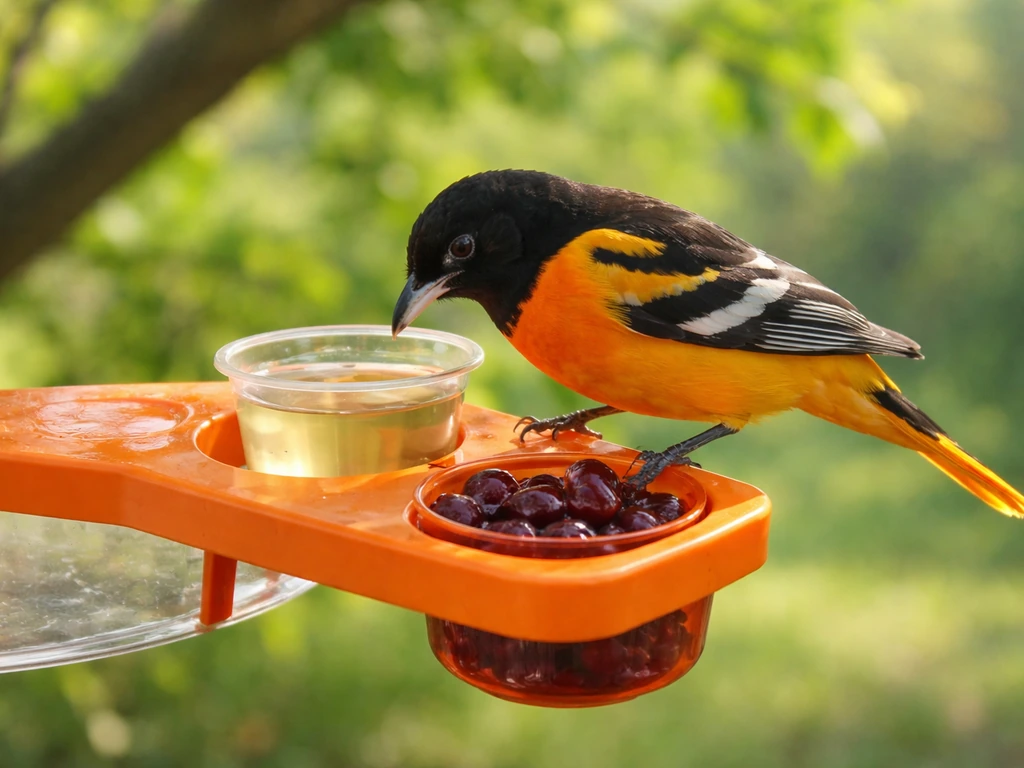
What to Put in an Oriole Bird Feeder: Foods to Use
What to put in an oriole feeder: nectar or mix ratios, fruit options, safe prep, freshness tips, and what to avoid.
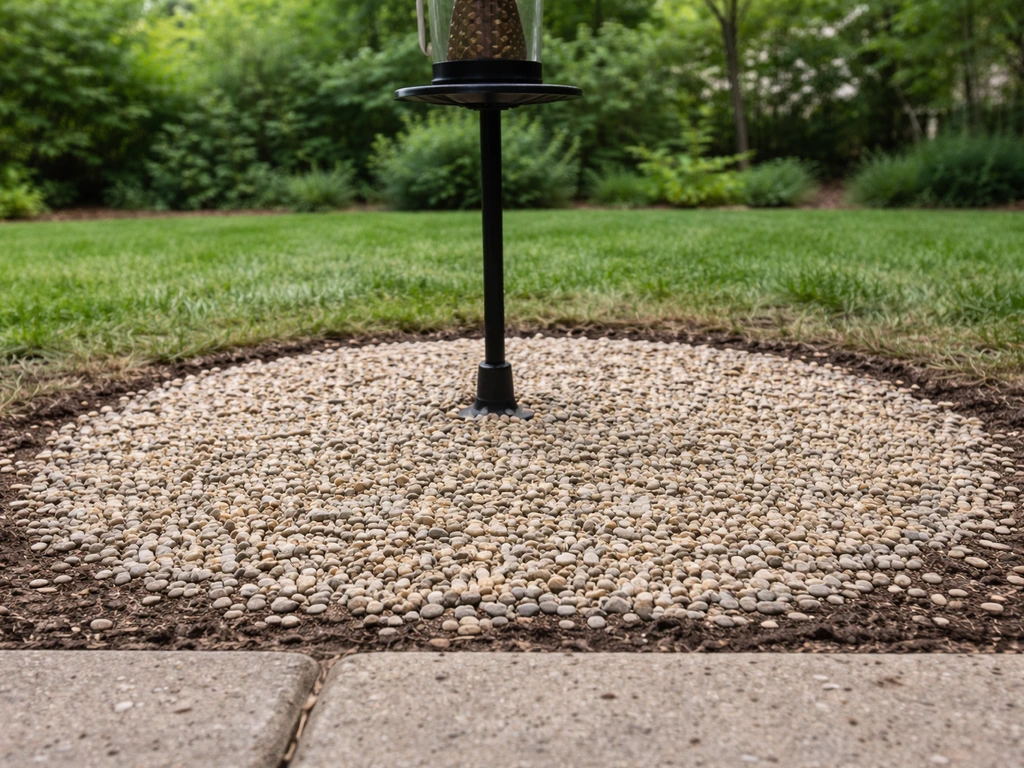
What to Put on the Ground Under a Bird Feeder
Best ground cover under a bird feeder for clean dry seed, drainage, fewer pests, and easy weekly maintenance.
What Is Growing Under My Bird Feeder? Causes and Fixes
Identify growth under your bird feeder and fix algae, fungus, weeds, or seed spill with quick cleanup and prevention ste