The four things orioles reliably come back for are nectar (sugar water), grape jelly, orange halves, and mealworms. If you fill an oriole feeder with any combination of those four foods, you're doing it right. The most popular starting point is homemade nectar at a 1:4 ratio (one part white sugar dissolved in four parts water), plus a small dish of grape jelly and a fresh orange half skewered on a spike. That setup covers the main food groups orioles look for and works with the feeders most people already own. Once you know the core nectar, grape jelly, and orange options, you can also fine-tune your setup for your local bird feeders in India bird feeder india.
What to Put in an Oriole Bird Feeder: Foods to Use

Eleanor Hartwick
4 Jul 2026
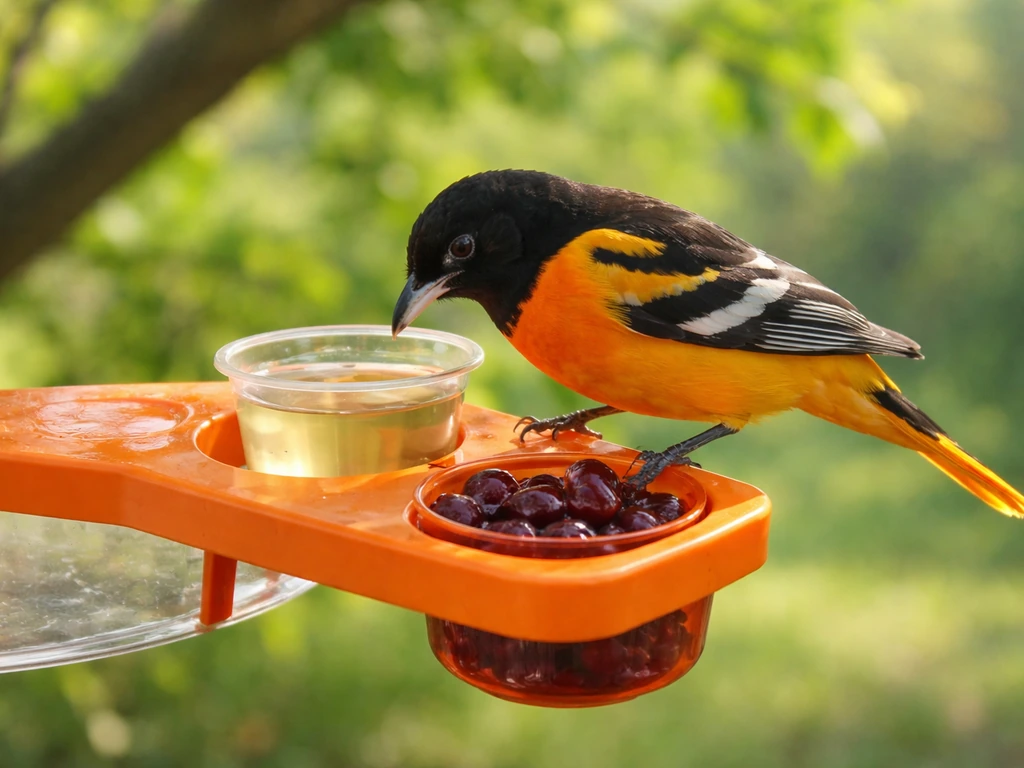
Best foods to put in an oriole feeder
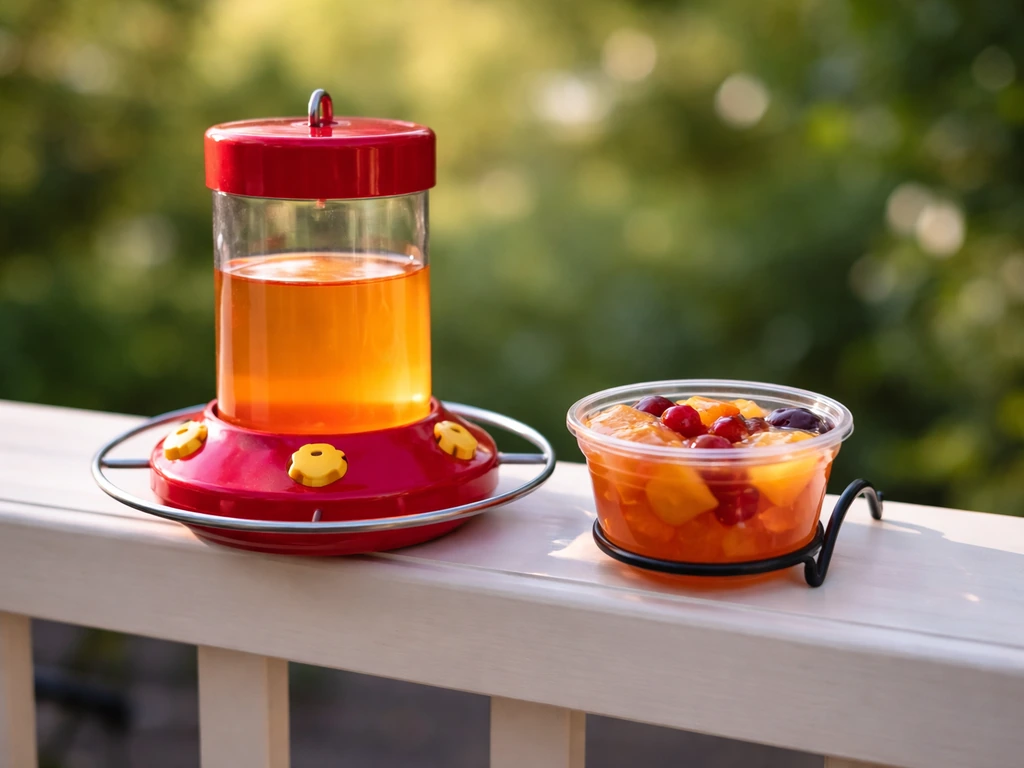
Orioles aren't picky in the sense that they need exotic food, but they are specific: they want sweet, bright, and high-energy. In practice, that translates to four core options that you can use alone or together.
- Sugar water (nectar): The workhorse food. Easy to make, cheap, and orioles drink it eagerly, especially early in the season when natural nectar sources are still sparse.
- Grape jelly: Wildly effective, especially during spring migration in May and June. Orioles will hit a jelly feeder more consistently than almost anything else. Use the plain grape variety, not low-sugar or artificially sweetened.
- Orange halves: Cut an orange down the middle and skewer each half cut-side-out on a spike or nail. Orioles peck directly at the flesh. The bright color also acts as a visual signal.
- Mealworms: Particularly useful when orioles are feeding nestlings, roughly late May through July. Both live and dried mealworms work, though live ones attract faster.
You don't need all four at once. If you're just getting started, put out nectar and grape jelly together. That combination covers the two foods orioles most consistently seek at feeders and requires minimal equipment.
How to choose the right feeder type for orioles
Oriole feeders come in a few distinct designs, and what you put inside depends on which type you have. If you want a simple starting point for what to put in a bird feeder, match the feeder type to the foods orioles will most reliably eat, like nectar and fruit options discussed next what you put inside depends on which type you have. Most purpose-built oriole feeders combine two or three of these functions in one unit, but it helps to know what you're looking at.
| Feeder Type | What Goes In It | Best For |
|---|---|---|
| Nectar reservoir (bottle or basin) | Homemade or store-bought sugar water | Consistent daily visits, easy to refill |
| Jelly dish or tray | Grape jelly (1-2 tablespoons at a time) | Spring migration, high oriole activity periods |
| Fruit spike or skewer | Halved oranges, occasionally apple or banana slices | Visual attraction, supplemental feeding |
| Mealworm tray or cup | Live or dried mealworms | Breeding season feeding, late May through July |
If you only want one feeder, a combination oriole feeder with a central nectar reservoir, side jelly cups, and orange spikes handles all the important bases. These are widely available at garden centers and bird supply stores. For nectar-only, a standard hummingbird feeder technically works, but the ports are often too small for an oriole's beak. Look for feeders with wider ports or perches specifically designed for orioles.
Nectar and fruit: how to prepare each one
Making oriole nectar at home
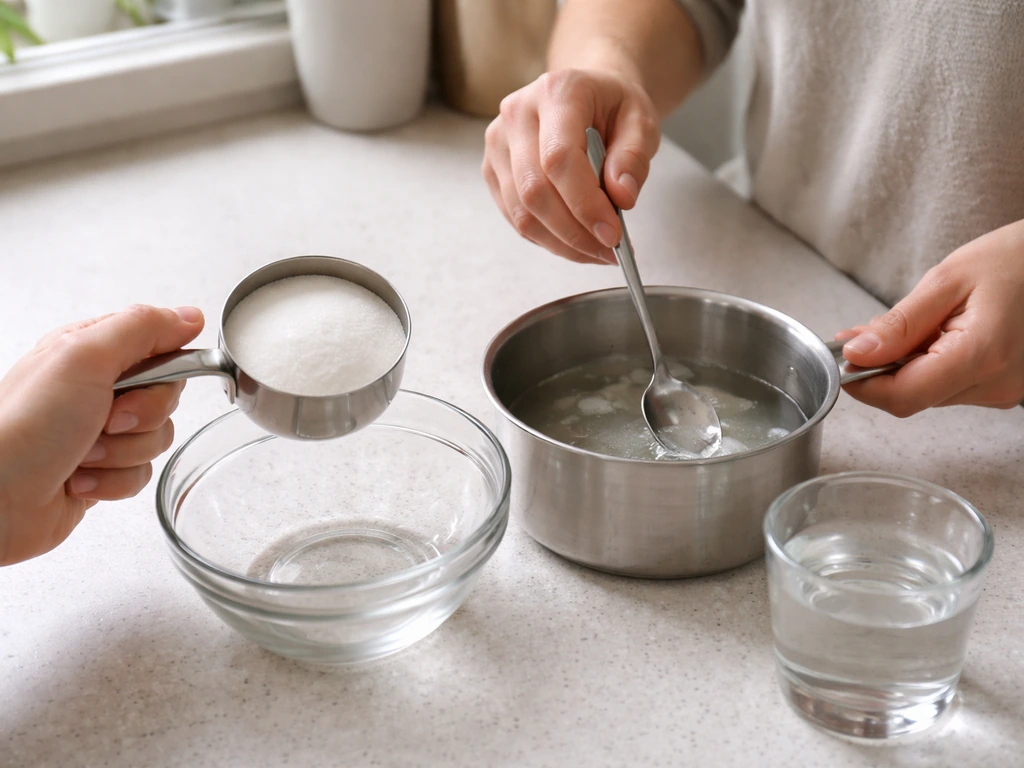
The standard nectar ratio used for most feeders is 1 part plain white sugar to 4 parts water. Dissolve the sugar in warm water (you don't need to boil it, but warm water speeds things up), then let it cool completely before filling the feeder. For orioles specifically, Project FeederWatch recommends a slightly more diluted mix of 1 part sugar to 6 parts water, which more closely mimics natural flower nectar.
Project FeederWatch also recommends letting the sugar-water mixture cool before filling the feeder Sugar Water. Both ratios work. The 1:4 mix is a reasonable all-purpose option; the 1:6 mix is worth trying if you want to match what orioles find in the wild.
Either way, stick to plain white granulated sugar. That's it.
Tap water is fine. You don't need filtered or distilled water, and you don't need to add food coloring. Most oriole feeders are already orange, which provides the visual cue orioles respond to. Never use honey, brown sugar, powdered sugar, artificial sweeteners, or fruit juice in the nectar reservoir. Honey ferments quickly and can cause a fatal fungal infection in birds. Artificial sweeteners provide zero calories, which means orioles get nothing nutritional from them.
Grape jelly: how much and what kind
Put one to two tablespoons of store-bought grape jelly in a small cup or dish. Don't fill it to the brim. A small amount keeps it fresh and prevents orioles from getting jelly on their feathers, which can interfere with their ability to fly properly. Plain Concord grape jelly is the go-to choice because it's what orioles are most drawn to in feeder observations. Low-sugar, sugar-free, and artificially sweetened jellies should be avoided for the same reason as sweetener-based nectars: no real caloric value and potential unknown effects from artificial ingredients.
Oranges and other fruit
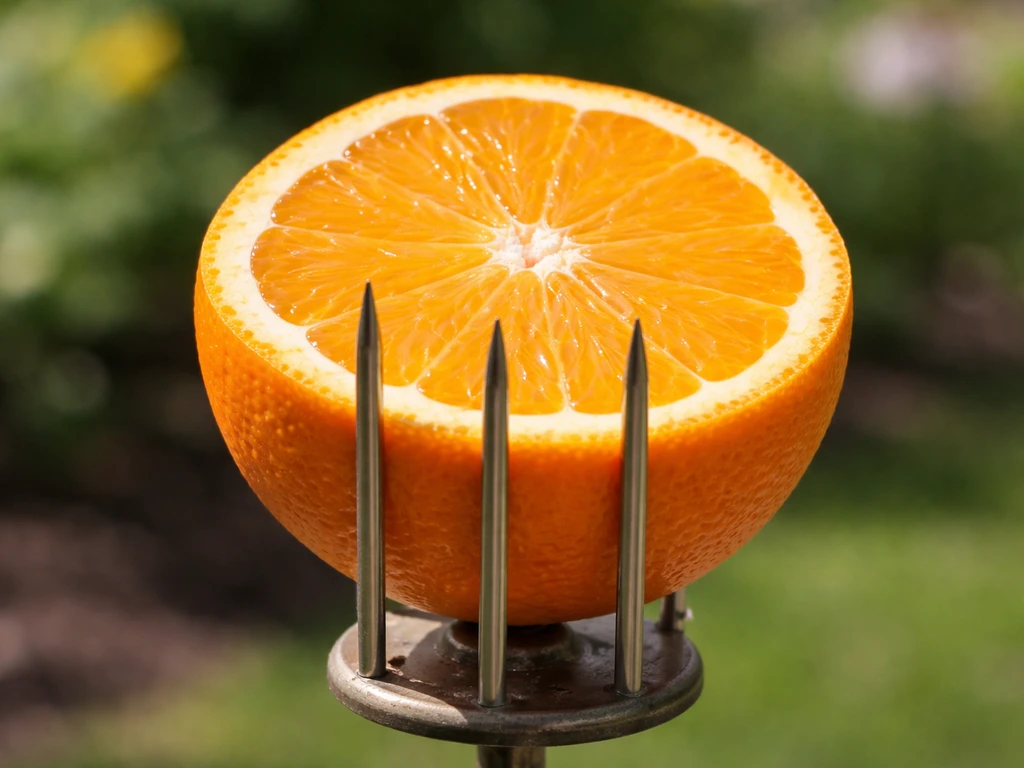
Halve a fresh orange and push each piece onto a spike cut-side out. Navel oranges work well. Replace them every day or two, especially in warm weather, because cut fruit spoils fast. Some people have success with other fruits like apple slices or banana, but oranges are the most reliable and the bright color is part of the draw. Don't use canned fruit or fruit packed in syrup.
What NOT to put in an oriole feeder
Getting this list right matters more than most people realize, because a couple of common mistakes can actively harm the birds you're trying to help.
- Honey: Ferments quickly and promotes the growth of a fungus that causes a fatal tongue infection called "hummingbird tongue disease" (candidiasis). This applies to orioles too. Never use honey in any nectar feeder.
- Artificial sweeteners (Splenda, Equal, stevia): Provide zero calories. Orioles may drink it and come away nutritionally empty, which is worse than not visiting at all during migration when they need fuel urgently.
- Red food dye or food coloring: No evidence it attracts orioles, and some evidence it may be harmful. Skip it entirely.
- Brown sugar, raw sugar, or turbinado sugar: Contain molasses, which can also lead to fermentation issues and may not be safe for birds.
- Birdseed (millet, sunflower, safflower): Orioles don't eat dry seed from feeders. Putting seed in an oriole feeder wastes space and may attract birds that compete for or foul the nectar and jelly dishes.
- Bread or processed human food: No nutritional value for orioles and goes moldy fast.
- Fruit juice: Too acidic, ferments quickly, and the sugar concentration is wrong for nectar use.
How much to fill and how often to replace
Fill nectar reservoirs only halfway, especially early in the season before you know how fast orioles in your area are emptying the feeder. Nectar left sitting in heat starts to ferment and grow bacteria within two to three days. In summer heat above 85 degrees Fahrenheit, you may need to replace nectar every day. A good baseline: change nectar every two days regardless of how much is left. Erie Bird Observatory advises keeping nectar fresh and changing it every couple of days change nectar every two days. If you notice it turning cloudy or developing a faint smell, dump it immediately, rinse the feeder thoroughly, and refill.
Grape jelly should be replaced every one to two days in warm weather. Put out only a small amount at a time (one to two tablespoons) so you're not throwing away large quantities. Orange halves and fruit spikes should be swapped daily in hot weather. If you see mold on any food or inside any feeder component, clean before refilling. The goal is always fresh food over full feeders.
Placement tips that bring orioles in
Where you put the feeder has a real effect on whether orioles find and use it. A few placement decisions make a significant difference. You can also plant native options under and around the feeder to give orioles and other birds more natural food and shelter.
- Height: Hang oriole feeders at roughly eye level or a little above, around 4 to 6 feet high. Unlike hummingbird feeders, orioles prefer mid-height positions near trees rather than high clearings.
- Proximity to trees and shrubs: Orioles are woodland-edge birds. They feel more comfortable visiting feeders that are within a few feet of tree cover. Position the feeder within 10 to 15 feet of a mature tree or shrub line.
- Partial shade: Full sun bakes nectar and jelly much faster. A spot that gets morning sun and afternoon shade extends the life of your food and keeps things cooler for visiting birds.
- Visibility: Orioles are visually oriented. Place the feeder somewhere you can see it from indoors, and make sure the orange color of the feeder (or the fruit itself) is visible from an open sightline. Don't hide it deep in dense foliage.
- Timing: In most of North America, orioles arrive on their spring migration from late April through May. Have your feeders up and filled before you expect them, ideally by late April. Orioles are scouts: if they find food on arrival, they'll remember that location and return. If the feeder is empty or missing when they first pass through, they often won't come back.
- Distance from other feeders: Give oriole feeders some separation from busy seed feeders. Heavy traffic from house sparrows or starlings can deter orioles, who are shyer about sharing space.
Maintenance and troubleshooting when orioles don't show up
Cleaning schedule
Rinse nectar feeders with hot water every time you refill them, and do a full scrub with a bottle brush every week. Use a diluted vinegar solution (one part white vinegar to four parts water) to clean the feeder interior, then rinse thoroughly before refilling. Avoid dish soap if you can: residue from soap can linger and may deter birds. Jelly dishes and fruit spikes need a quick rinse daily and a full wash every few days.
Why orioles aren't visiting
The most common reason orioles don't show up is timing. If you set out feeders in late May or June in North America, many orioles have already passed through on migration and established their territories. The best window to catch migrating orioles at feeders is April through mid-May. Resident breeding orioles will visit through July and August, but the peak feeder activity is in spring. If you miss the spring window, try again next year and get the feeder up a week earlier than you think you need to.
Other common issues: the feeder is too exposed and birds feel unsafe approaching, the nectar has gone bad and orioles detected it (their sense of taste and smell is sharp enough to reject fermented sugar water), or there's simply not a resident oriole population near your yard this season. Oriole territory is patchy. If you go two full weeks without a single visit in peak season, try moving the feeder to a different spot closer to trees.
Ants, bees, and uninvited visitors
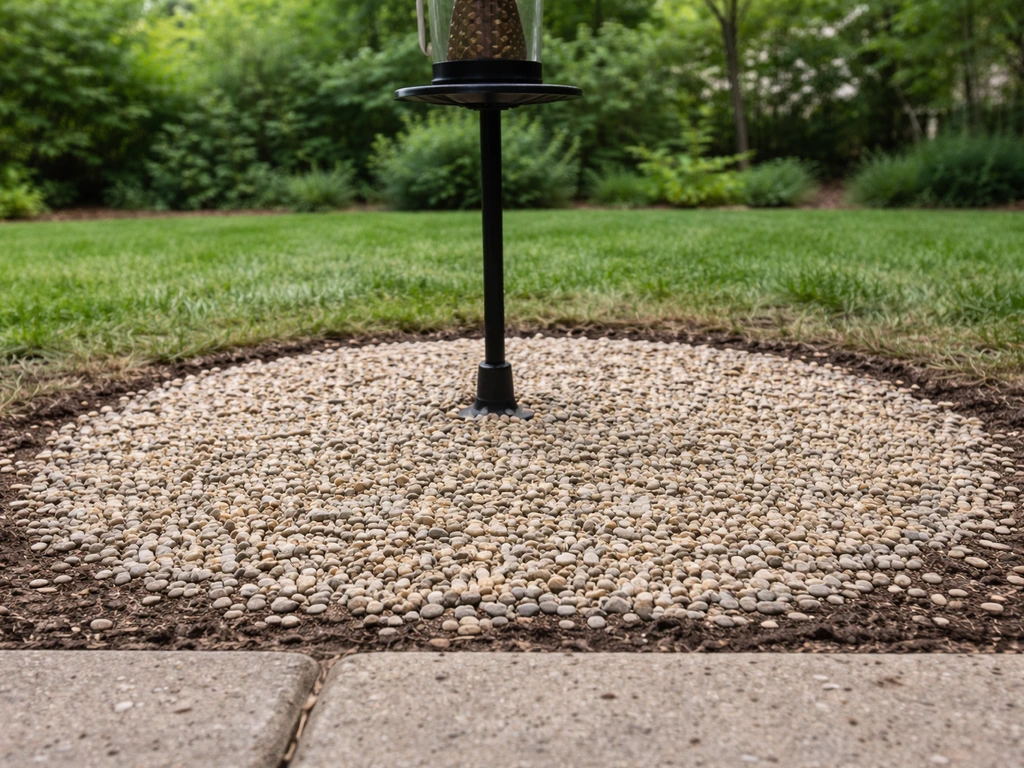
Ants are a frequent problem with oriole feeders because the sweet food is irresistible. Placing a piece of landscape fabric or a simple ground tray under the feeder can also help keep ants from gaining easy access Ants are a frequent problem with oriole feeders. Use an ant moat, which is a small water-filled cup that sits on the hanger above the feeder and physically blocks ants from crossing. Keep the moat filled with water and clean it regularly.
For bees and wasps, look for feeders with built-in bee guards on the ports, or switch to a basin-style feeder where the nectar level sits lower and is harder for bees to access. Never use oil or petroleum products to deter ants on the feeder itself, as these can contaminate food or harm birds.
When other birds take over the feeder
House finches, house sparrows, and even woodpeckers will sometimes drink oriole nectar or take jelly. This is mostly just competition for resources rather than a safety problem, but it can reduce the food available for orioles and make them less likely to return. If this becomes an issue, use a feeder designed specifically for the larger perch size and port width that fits orioles but not smaller birds.
You can also try placing the oriole feeder further from your main seed feeder setup, which is where the crowd tends to congregate. If squirrels are getting to a hanging oriole feeder, use a squirrel baffle on the pole or hanger above it. A bear can also be an issue around a bird feeder, so make your setup bear-safe if you live in an area with bears bear on top of bird feeder.
Cloudy nectar: what it means and what to do
Clear nectar that turns cloudy or milky is a sign of bacterial or fungal growth. If you’re seeing growth under or around your bird feeder, it’s often mold, algae, or bacteria fueled by moisture and spilled food, so clean and improve airflow what is growing under my bird feeder. Dump it immediately, scrub the feeder with your vinegar solution, rinse well, and refill with fresh nectar.
If it's happening within just a day or two, your feeder is in too much sun or the temperatures are too high. Try a shadier spot, make smaller batches so none sits for long, and check the feeder more frequently in heat waves. Store any extra homemade nectar in the refrigerator for up to two weeks.
FAQ
Can I put everything together in one compartment (nectar, jelly, and fruit) so I do less work?
Yes, but keep it consistent and small. If you want only one “mix,” you can offer nectar and keep the fruit and jelly separate, since fruit and jelly spoil faster. For nectar, don’t combine it with additives, color, or juice, and always cool fully after mixing so the sugar solution doesn’t cook residue or cloud up.
What sweeteners are actually safe to use in oriole nectar?
Use plain granulated white sugar and fresh water, and avoid kitchen substitutes that change how quickly it ferments or how digestible it is. In particular, don’t use brown sugar or powdered sugar, and never swap in sweet syrups or concentrates, even if they look like “natural” sweeteners.
What should I do if my nectar turns cloudy or smells fermented after only a day?
If your nectar looks cloudy or smells even slightly “off,” replace it right away. Then switch to a smaller batch so there is less time sitting in heat, and place the feeder where it gets morning sun but not all-day sun. Also check that warm water is used only for dissolving sugar, not to keep the mix hot in the feeder.
I have a hummingbird feeder. Can I just fill it with oriole nectar and hope they figure it out?
If you use a hummingbird feeder, many ports are too narrow and the perches can be uncomfortable for orioles. If you already own one, the safest adjustment is to upgrade to an oriole-specific design with wider access points, or add an oriole-compatible feeder alongside it rather than relying on a forced fit.
What’s the best way to begin if I’m trying to attract orioles quickly without wasting food?
Start with just nectar plus a small jelly cup, then add the orange spikes once you see regular visits. This reduces waste because you can remove spoiling items sooner. If you don’t see any interest within a week in peak season, reposition the feeder before adding more food types.
How long can I store homemade nectar before filling the feeder, and how about leftovers in the fridge?
Make nectar fresh and keep it chilled between refills. Homemade sugar water can be stored in the refrigerator for up to two weeks, but once it’s in the feeder it should be replaced based on weather, typically every two days as a baseline and sooner in heat waves.
Can I just add more grape jelly or top off fruit spikes instead of cleaning first?
Don’t top off jelly or fruit over old food. Because jelly is sticky and fruit spoils, a “partial refill” increases mold risk and sticky residue on feathers. Remove, rinse, and replace with a fresh 1 to 2 tablespoon portion.
Does feeder placement change what I put in the feeder, or is food the main factor?
Put it out where orioles feel exposed enough to feed but still have nearby escape options. A common approach is positioning near trees or shrubs within a short hop, while avoiding placing it right over open ground that predators can access quickly.
Is sugar-free grape jelly okay if I want a healthier option?
Yes, choose a jelly type that matches the “real-calorie” preference. Low-sugar, sugar-free, or artificially sweetened jellies should be avoided, even if they look similar, because orioles get little nutrition from them and additives may not sit well with what birds reject.
What if I put out the right foods but no orioles appear at all?
Often, the issue is timing and cleanliness rather than the food type. If no orioles show up, check whether the feeder has been out during the right seasonal window, confirm the nectar hasn’t fermented, then try moving the feeder closer to trees if you get zero visits for about two weeks in peak season.
Will house finches or sparrows steal my oriole nectar, and how do I stop it?
Yes, some smaller birds will sometimes take nectar or jelly, but you can reduce this by using an oriole feeder with port widths and perches sized for orioles. Also separate the oriole feeder from your main seed feeders, since heavy crowding can discourage orioles from using it.
Can I place an oriole feeder next to other feeders (hummingbird, seed, suet) without problems?
Better to use a dedicated oriole feeder and clean it frequently. Oriole nectar and jelly can attract insects, and mixing in a shared feeder system increases the chance of contamination from other foods or residue. If you must share an area, rinse and scrub thoroughly so residues do not build up between refills.
What’s the safest way to deal with ants attracted to nectar and jelly?
If ants are reaching the feeder, don’t use oils or petroleum products on or near the hanging parts, since residues can contaminate food or harm birds. Use an ant moat (kept clean and filled), and consider a ground tray or landscape fabric barrier under the setup.
Next Article
What to Put on the Ground Under a Bird Feeder
Best ground cover under a bird feeder for clean dry seed, drainage, fewer pests, and easy weekly maintenance.