Yes, it's absolutely OK to put out a bird feeder, with a few caveats. Bird feeding is one of the most popular wildlife activities in North America for good reason: it's genuinely enjoyable, it can support local birds, and done right, the risks are manageable. The key word is 'done right.' A feeder that's cleaned regularly, placed thoughtfully, and filled with appropriate food is a net positive for your yard and your local birds. A neglected feeder with moldy seed, droppings buildup, and no pest management plan is a different story. So the go/no-go answer is: go ahead and put it out, and then commit to the basic upkeep that makes it safe. If you want a quick checklist, focus on clean feeders, the right placement, and avoiding high-risk food choices is it safe to put out bird feeders.
Is It Ok to Put Out Bird Feeders Today? A Practical Guide

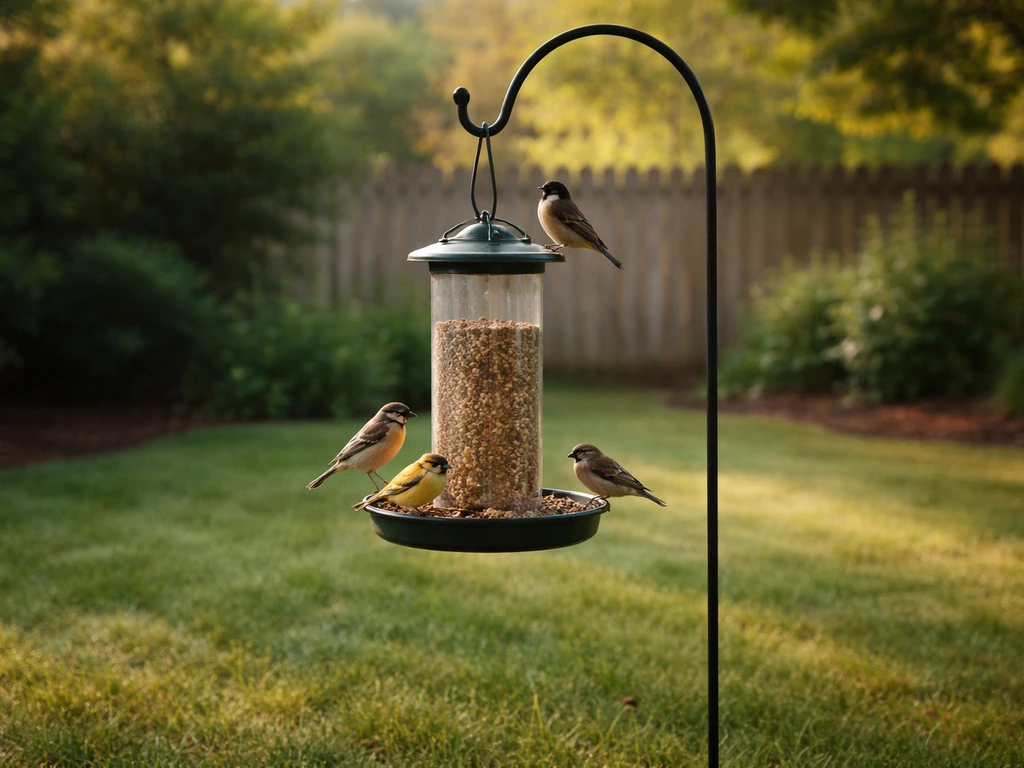
Benefits vs. risks of backyard bird feeding
The U.S. Fish and Wildlife Service frames bird feeding exactly this way: it's a balance. On one side, feeders bring real benefits. You get up-close views of birds you'd never otherwise see, kids and adults alike connect with local wildlife, and during harsh winters or migration periods, supplemental food can genuinely help birds maintain energy. Feeding also creates a sense of community, millions of people participate in citizen science projects like Project FeederWatch precisely because they already have feeders set up.
On the other side, the risks are real and worth knowing upfront. Feeders concentrate birds in one spot, and concentrated birds spread disease faster. Audubon lists the most common feeder-associated diseases as house finch eye disease (mycoplasmal conjunctivitis), salmonellosis, avian pox, aspergillosis, and avian flu. Cornell's Wildlife Health Lab adds avian trichomonosis, noting that feeders and birdbaths are likely transmission sites. Avian pox is highly transmissible and spreads more quickly at high bird densities. None of this means you shouldn't feed, it means you need to take the maintenance side seriously.
There are secondary concerns too: attracting unwanted wildlife like squirrels, raccoons, and rats; seed waste and mold accumulating on the ground; and the possibility that birds become over-reliant on a single food source in a single location. These are solvable problems, not dealbreakers, but go in with your eyes open.
| Factor | Benefit | Risk / Mitigation |
|---|---|---|
| Bird health | Supplemental energy, especially in winter | Disease spread at concentrated feeders — mitigated by cleaning |
| Wildlife watching | Close-up views, citizen science opportunities | Attracts non-target species — mitigated by feeder placement and food choice |
| Seed/food | Attracts diverse species | Mold, aflatoxins in wet/stale seed — mitigated by small fills and regular cleaning |
| Ground area | Fallen seed feeds ground-feeding birds | Droppings and mold buildup — mitigated by regular raking |
| Seasonal timing | Year-round feeding supports resident birds | Spring/summer can attract bears in some regions — mitigated by knowing local rules |
Where and when to put your feeder out
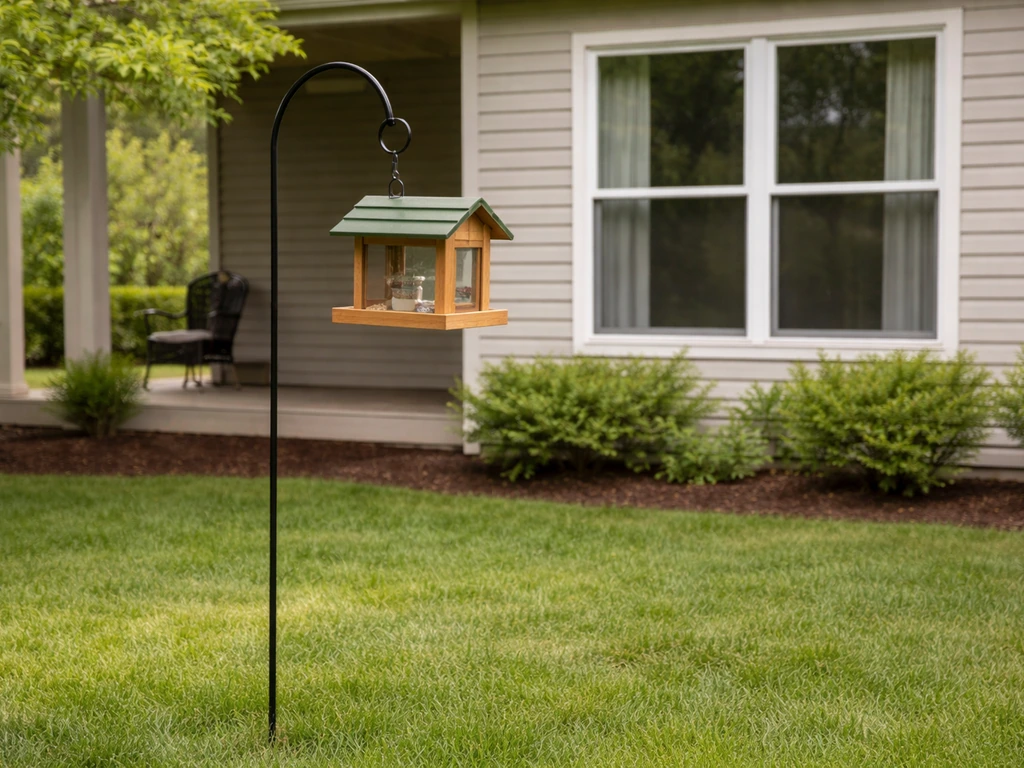
Window placement: the 3-foot or 30-foot rule
Window collisions kill a staggering number of birds every year, and feeder placement is one of the easiest things you can control. The rule from All About Birds, Wild Birds Unlimited, and ornithology researchers is consistent: place your feeder either within 3 feet of a window, or beyond 30 feet from one. Within 3 feet, birds don't build up enough speed for a fatal collision if they do hit the glass. Beyond 30 feet, they're far enough away that window reflections don't cause confusion. The danger zone is everything in between, roughly 5 to 30 feet, where birds can see the reflection, think it's open sky, and fly straight into the glass at full speed. Affixing feeders directly to the glass or window frame is one of the safest setups you can do. Bird feeders are usually most active during peak activity windows like early morning and late afternoon, especially in cooler weather when birds are actively foraging when to put your feeder out.
Yard setup and escape cover
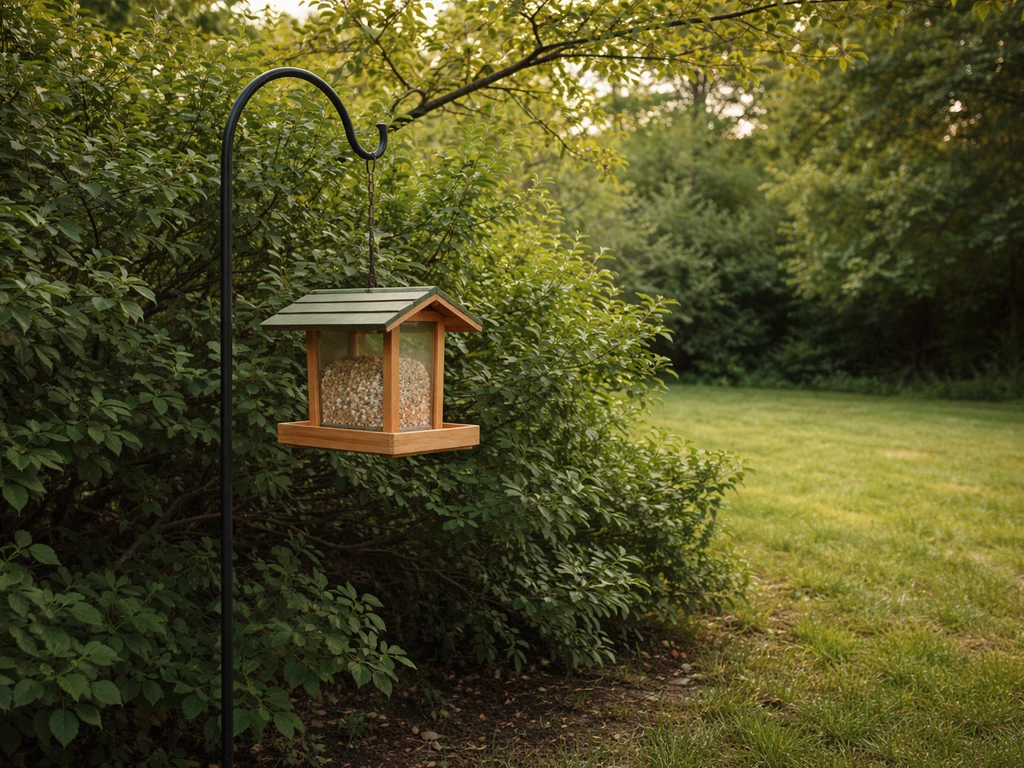
Beyond windows, think about escape cover. North Carolina Wildlife recommends placing feeders near shrubs or trees so birds have somewhere to dart if a hawk shows up. That said, don't put the feeder right against a dense shrub, because that gives cats and other predators a hiding spot. A good rule of thumb: within 10 feet of cover, but with a clear sightline around the feeder itself. Avoid placing feeders over a deck or patio where seed shells and droppings will accumulate directly on surfaces you use.
Seasonality: when to put feeders out and when to take them in
You can feed birds year-round in most of North America, and many people do. But seasonal timing matters depending on where you live. Project FeederWatch's monitoring season runs through the winter months, which is when supplemental feeding has the most impact for resident species. Spring and summer bring their own considerations: more insect food is naturally available, so birds are less dependent on feeders, and in bear country, an active feeder is an attractant. New Hampshire Fish and Game specifically recommends taking feeders down by April 1 to reduce bear conflicts, and if you live anywhere bears are active, that's worth taking seriously. Oriole and hummingbird feeders follow their own timing tied to migration, which is a separate consideration. Oriole feeders are best put out around the time orioles begin arriving in your area and then taken down when migration ends when to put out oriole bird feeders. If you're asking whether it's OK to put feeders out right now in late June, the answer is yes in most places, though you may see reduced traffic compared to winter. Keep fills small so seed doesn't sit and spoil in summer heat.
What to fill your feeder with
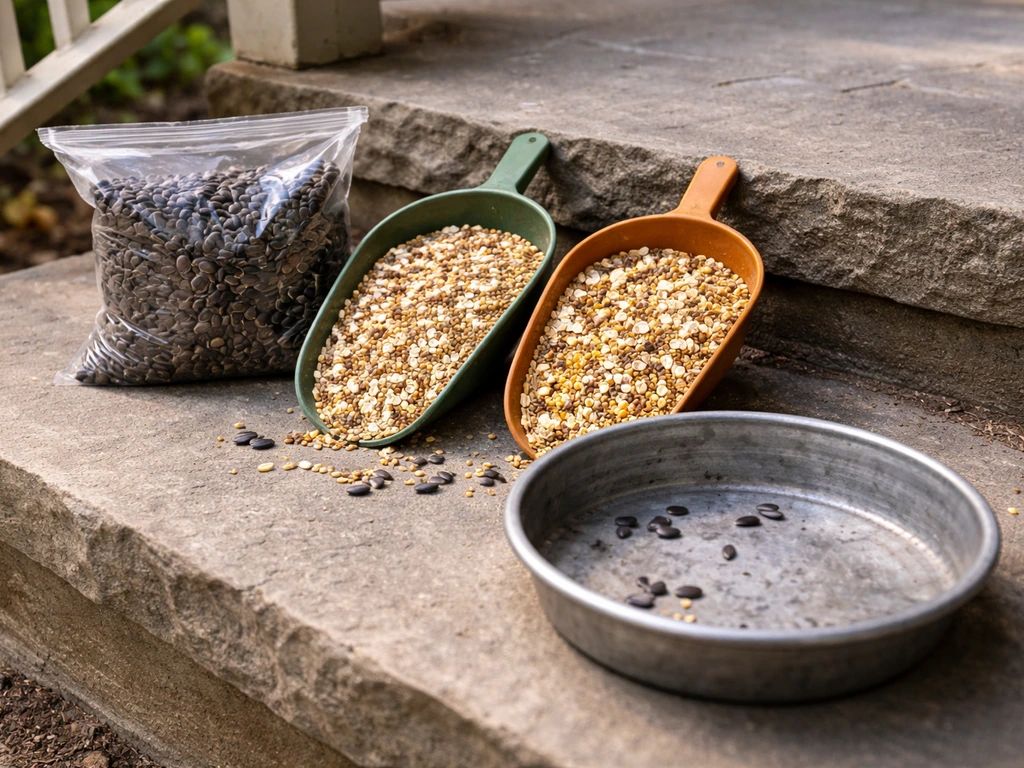
The food you choose determines which birds you attract and how fast disease risk builds up. Black-oil sunflower seed is the single best all-purpose option, it attracts the widest variety of birds, the shells are thin enough for small birds to crack, and it has good fat content. Nyjer (thistle) seed is excellent for finches but needs a specialized feeder with small ports. Safflower attracts cardinals and is largely ignored by squirrels. Suet cakes work well for woodpeckers, nuthatches, and chickadees, especially in cooler weather, avoid suet in high summer heat since it can go rancid quickly.
Avoid cheap filler mixes that contain milo, wheat, or oats as primary ingredients. Most birds toss these onto the ground, which creates waste and mold buildup without actually feeding anyone well. Peanuts are popular but come with a specific risk: molds that grow on peanuts can produce aflatoxins, which are toxic. Buy peanuts from a fresh source, store them in a cool dry place, and discard anything that looks discolored or smells off. The same applies to any seed that's been sitting in a damp feeder, wet seed grows mold fast, and birds can get sick from it.
A practical tip that also reduces disease risk: only fill your feeder with enough food for 24 to 48 hours. This keeps seed fresh, reduces the chance of mold forming, and forces you to check the feeder regularly. It's more work than dumping in a week's worth of seed at once, but it makes a real difference.
Cleaning and maintenance: the part most people skip
This is the most important section for anyone serious about feeding birds safely. Neglected feeders are genuinely harmful, they concentrate disease, harbor mold, and can make birds sick in ways that spread through an entire local population. The good news is that the cleaning routine isn't complicated; it just has to actually happen.
All About Birds recommends cleaning feeders at least once every two weeks, and more often during wet weather, heavy use periods, or if there are reports of sick birds in your area. The CDC and multiple state wildlife agencies advise at least monthly cleaning as a minimum. During summer heat and rain, biweekly is smarter because seed molds faster. The cleaning process is straightforward: empty the feeder completely, scrub it with a brush, then disinfect with a bleach solution. All About Birds recommends no more than one part bleach to nine parts water. The Minnesota DNR gives a similar ratio: two ounces of bleach per gallon of water. After soaking, rinse thoroughly and let the feeder dry completely before refilling, a damp feeder with fresh seed is just an invitation for more mold.
Don't forget the ground below the feeder. Project FeederWatch specifically calls out the need to sweep or rake the ground regularly to remove waste seed, hulls, and droppings. Contaminated droppings on the ground are a disease vector just as much as the feeder itself. If you have a catch tray, clean that at the same time. Wear rubber gloves when cleaning, it's a simple step that protects you from any pathogens present.
Project FeederWatch makes a point worth repeating: if you can't commit to regular cleaning and maintenance, it's better to limit feeding to the times of year when you can do it properly. If you want to start feeding now, focus on safe placement, the right seed, and a cleaning routine you can maintain so you can put out bird feeders yet without turning it into a disease or pest problem. A well-maintained seasonal feeder is better than a year-round feeder that's cleaned twice a year.
Quick cleaning checklist
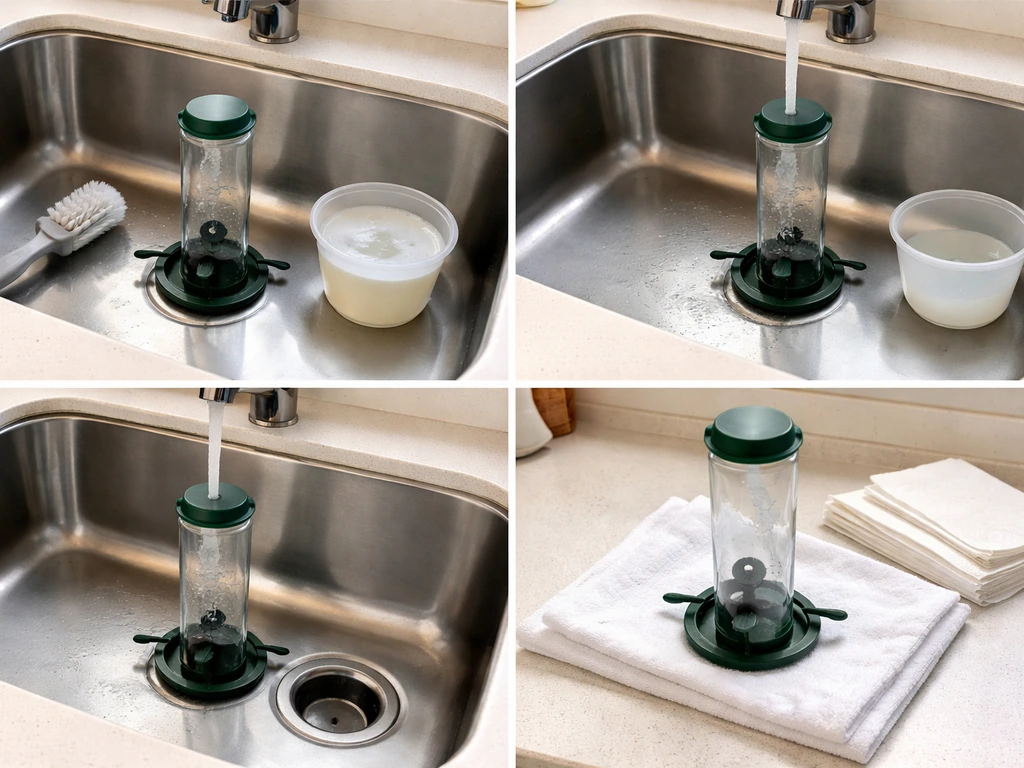
- Empty the feeder and discard old or damp seed — don't just top it off
- Scrub all surfaces with a stiff brush and hot soapy water
- Disinfect with a 1: 9 bleach-to-water solution (roughly 1 part bleach to 9 parts water)
- Rinse thoroughly with clean water
- Allow to dry completely before refilling
- Rake or sweep the ground area below the feeder and dispose of waste
- Clean catch trays and any birdbaths at the same time
Dealing with unwanted visitors
Squirrels
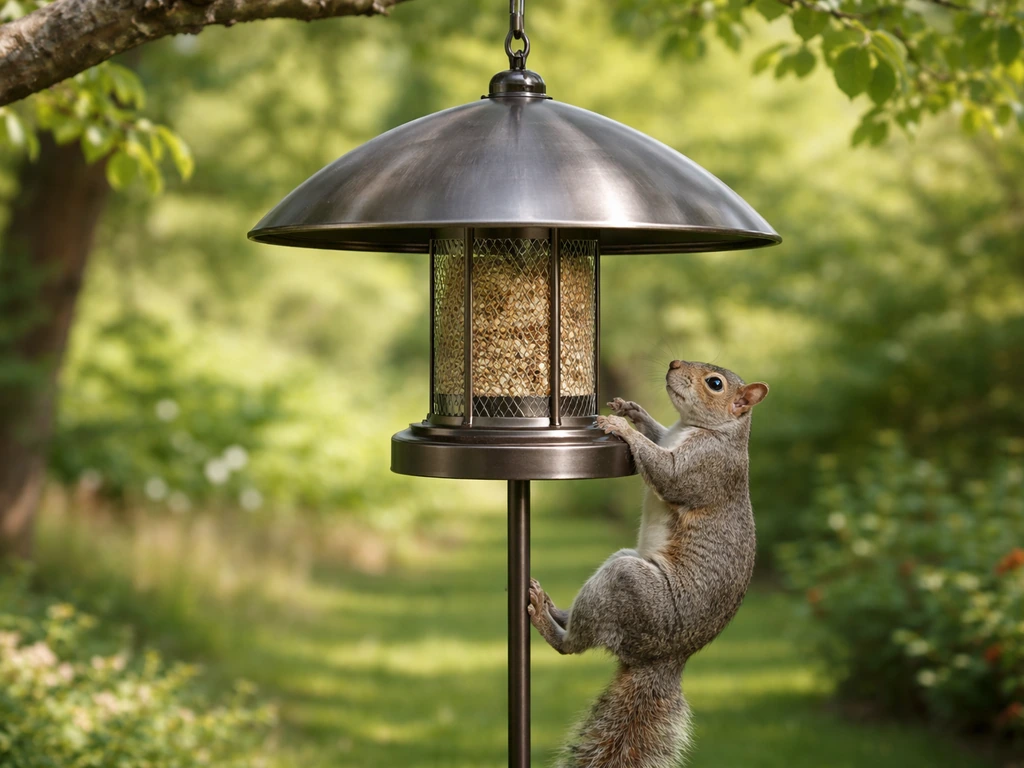
Squirrels are the most common frustration for feeder owners. They're persistent, clever, and will empty a feeder in hours. The most effective approach combines placement and hardware. A baffle, a dome-shaped or cylindrical barrier, mounted on the pole below the feeder stops most squirrels from climbing up. Keep the feeder at least 10 feet away from any jumping-off point like a fence, branch, or roof edge. Safflower seed is a deterrent in itself since most squirrels don't like it. Weight-sensitive feeders that close ports when a squirrel climbs on are another solid option, though they cost more upfront.
Raccoons and bears
Raccoons are nocturnal, so if you're seeing an emptied feeder in the morning, that's usually your culprit. Bringing feeders in at night is the simplest fix. For bears, there's no workaround, if you're in bear country during spring or summer, the only responsible move is to take the feeder down entirely. As mentioned earlier, New Hampshire Fish and Game recommends feeders come in by April 1 in their region. As a related option, if you are also deciding on timing, see when to put out bird feeders in nh As mentioned earlier. Check what your local wildlife agency advises, because this varies by state.
Rats and ground feeders
Spilled seed on the ground attracts rats. If you're seeing signs of rodents, switch to feeders with catching trays that minimize spillage, clean up fallen seed daily, and consider stopping ground feeding entirely. Hull-free seed mixes leave less waste. Elevating feeders on smooth metal poles with baffles also makes it harder for rats to access.
Aggressive or dominant birds
Some species, European starlings and house sparrows in particular, can monopolize feeders and crowd out native birds. You can limit their access by choosing feeders designed for smaller birds (tube feeders with short perches), using safflower seed or nyjer which they tend to ignore, and removing platform feeders that give large groups an easy landing zone. If aggressive behavior between birds spikes, it's often a sign the feeder is overcrowded, spreading food across multiple smaller feeders at different locations can help.
Troubleshooting and when to stop or adjust
Even a well-run feeder setup occasionally hits a problem. Knowing what to watch for, and what to do about it, makes the difference between a helpful feeder and one that's doing harm.
- You see a bird with swollen or crusty eyes (house finch eye disease): Take the feeder down immediately, clean it with a 10% bleach solution, and don't put it back up for at least two weeks. Project FeederWatch is explicit about this — even one or two visibly sick birds is a signal to act.
- You notice moldy or clumped seed: Empty the feeder completely, clean and disinfect, and let it dry before refilling. Switch to smaller fills so seed doesn't sit long enough to mold.
- Birds have stopped visiting: This is normal seasonally — late spring and summer bring more natural food sources, so feeder traffic drops. Don't interpret low traffic as a reason to put out more seed that then sits and spoils.
- You're finding dead birds near the feeder: Contact your state wildlife agency. This can indicate a disease outbreak or other environmental issue. Take the feeder down until you have guidance.
- Window strikes keep happening: Reassess placement. Move the feeder to within 3 feet of the window or beyond 30 feet. Apply window strike tape or decals to the glass.
- Pest problems are escalating: Consider taking a break from feeding for two to three weeks. Clear all seed and debris from the ground area. This often resets the dynamic and is a legitimate tool, not a failure.
The broader principle here is that a feeder plan should be flexible. If something isn't working, whether that's disease, pests, window strikes, or maintenance getting away from you, it's completely reasonable to pause, reset, and try again with adjustments. Questions about the best time of year to start feeding, regional timing rules, and species-specific feeders all shape how you'll manage your setup over time, and those decisions deserve their own attention as you refine your approach. In many areas, you can put feeders back out once temperatures drop and the natural food supply is limited, but you should base timing on local wildlife guidance and cleaning schedules when can bird feeders go back out.
The bottom line: put your feeder out, but treat it like the small commitment it is. Clean it every two weeks, keep fills small and fresh, place it outside the window collision zone, and watch for signs of trouble. Do those things and you'll have a feeder that genuinely benefits the birds in your yard, not one that quietly causes harm.
FAQ
Is it OK to put out bird feeders if I’m not sure I can clean them often?
Yes, but only if you can keep it clean immediately. If you put out a feeder and then leave it untouched for a week or more, the risk of mold and disease buildup rises fast, especially in warm or rainy weather. Start with a smaller fill, check after 24 to 48 hours, then commit to your cleaning schedule.
What should I do if I notice sick birds at my feeder?
If you see sick or dead birds, pause feeding right away, remove the feeder, and clean and disinfect it thoroughly before restarting. Also clean waste seed and droppings under and around the feeder, because contaminated ground material can keep the disease risk going even after the feeder is removed.
Can I keep a feeder out year-round in hot summer weather?
It depends on the type of bird feeder and the weather. Tube feeders and suet cages often work better in summer than open platform feeders because they reduce exposed seed that can get soaked and moldy. If temperatures are high, use smaller refills more frequently and consider switching to foods that spoil more slowly.
What’s the best way to stop squirrels from eating all the bird food?
Yes, but use a baffle and minimize access routes. Place feeders away from fence tops, tree limbs, and roof edges, and mount the baffle so squirrels cannot climb the pole. If squirrels are still emptying the feeder, switch to safflower seed or use weight-sensitive feeders that close ports when disturbed.
Are peanuts safe to feed birds?
Typically, yes. Peanuts can work, but only if stored properly and fresh, since mold on peanuts can produce toxins. Buy from a fresh source, store cool and dry, and remove any discolored or off-smelling peanuts. If you cannot reliably inspect and discard bad pieces, consider a different food like black-oil sunflower seed.
What if birds are not using my feeder, should I still fill it?
Don’t assume “no activity” means “no problem.” If seed has sat in the feeder or on the ground, it can still mold and attract pests, including rats. Empty the feeder, clean it, and replace only with fresh food, or stop feeding until you can maintain the upkeep.
How close should a feeder be to shrubs or trees for predator safety?
Yes, but do it strategically. Place the feeder near escape cover within the feeder’s sightline, around 10 feet from cover, so birds can dart quickly if predators appear. Avoid placing the feeder directly next to dense hiding spots that give cats cover for an ambush.
How can I reduce bird collisions with my windows?
If the feeder is within the window collision “danger zone” (roughly 5 to 30 feet), birds can hit glass because reflections look like open sky. Use the safe placement distance options, or attach the feeder directly to the window frame/glass to reduce the line-of-flight risk.
Can I accidentally attract invasive or overly aggressive birds?
Some are worth limiting or removing, depending on your goals. Large platform feeders and open trays encourage crowding and waste, which can increase disease and attract starlings or house sparrows. If aggressive behavior increases, switch to smaller-bird feeders and distribute food across multiple feeders in different spots rather than one large landing area.
If I suspect my feeder plan is causing problems, what’s the first change I should make?
Yes, switching foods is often the safest adjustment. Start by changing one variable at a time, for example moving from an open mix to black-oil sunflower seed, and keep refills small so spoiled seed does not accumulate. If mold or waste is the issue, focus first on cleaning frequency and reducing leftover seed exposure.
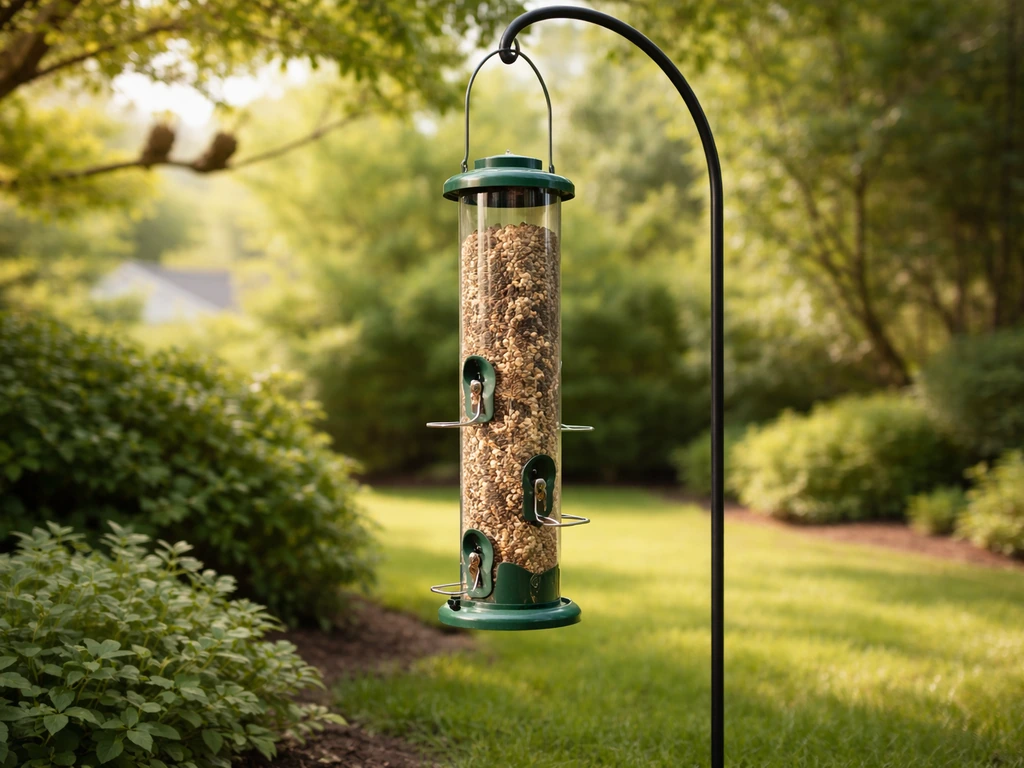
Learn when it’s safe to put out and refill bird feeders, plus cleaning, disease prevention, and stop-start safety rules.
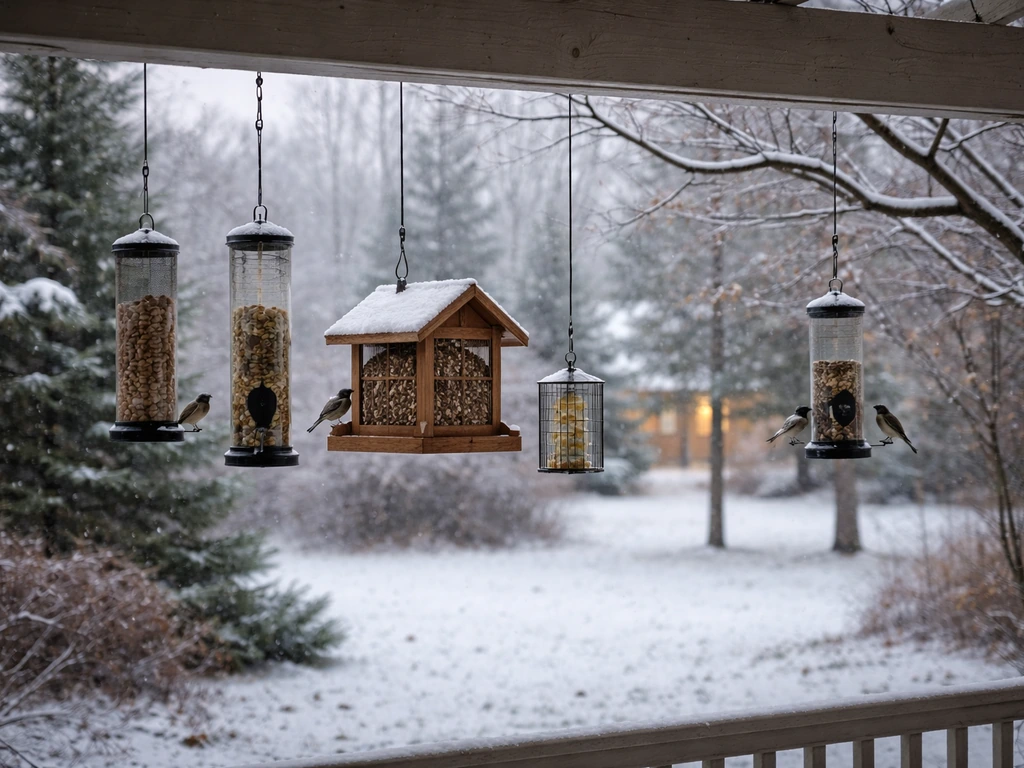
Exact seasonal timing for bird feeders, including when to start in fall/winter and restart in spring safely.
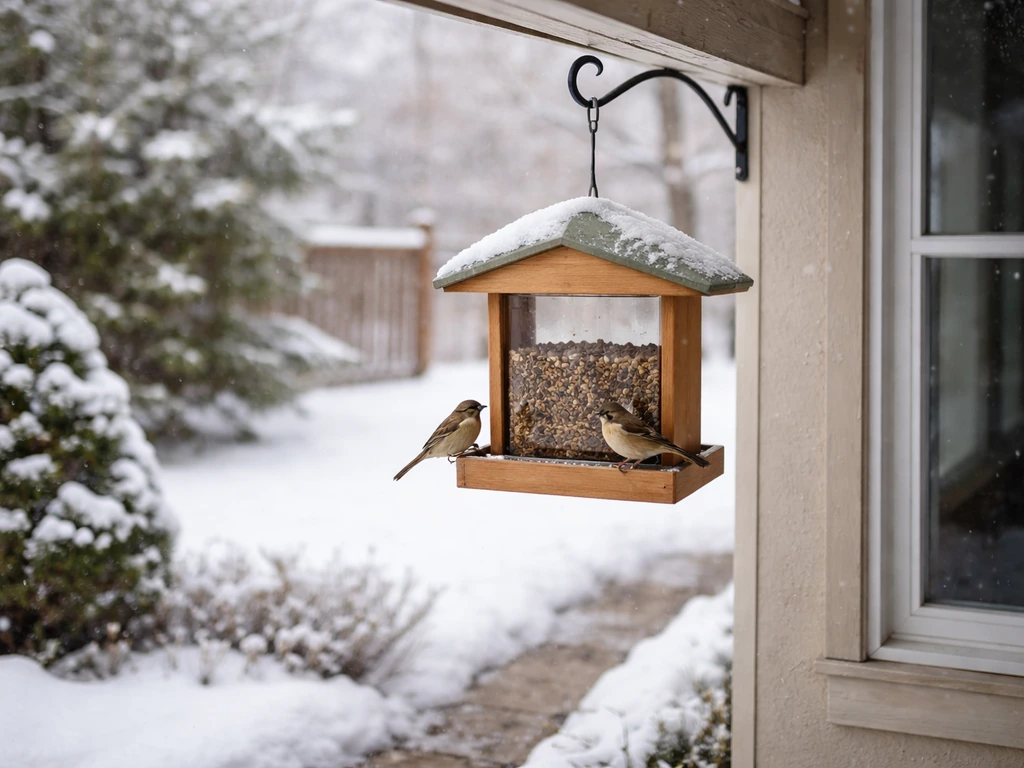
Exact winter feeder placement tips for birds and safety: height, window distance, shelter, and troubleshooting.