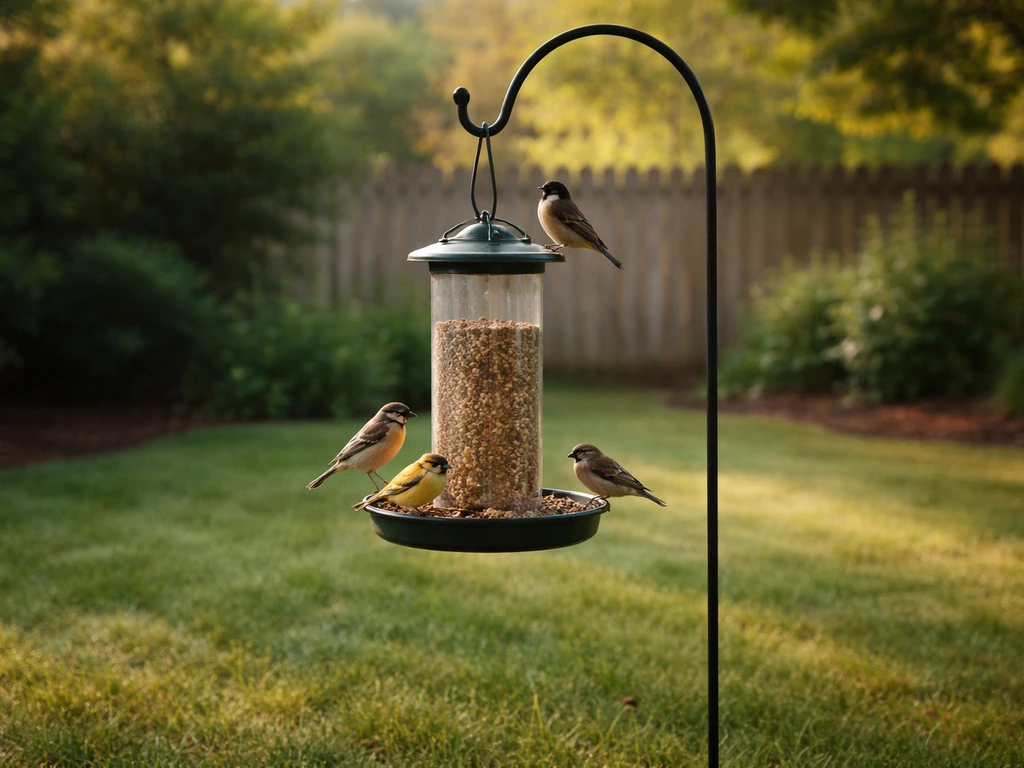
You can put bird feeders back out as soon as the specific problem that caused you to take them down is fully resolved. That sounds obvious, but the timing really does depend on why you paused in the first place. A feeder taken down after a storm goes back up differently than one pulled after a disease event or a routine cleaning. This guide walks through each common scenario with specific, practical timing so you know exactly when it's safe to reinstall.
When Can Bird Feeders Go Back Out Again? Timing Guide

Eleanor Hartwick
5 Jul 2026
General timing: seasons, weather, and local conditions
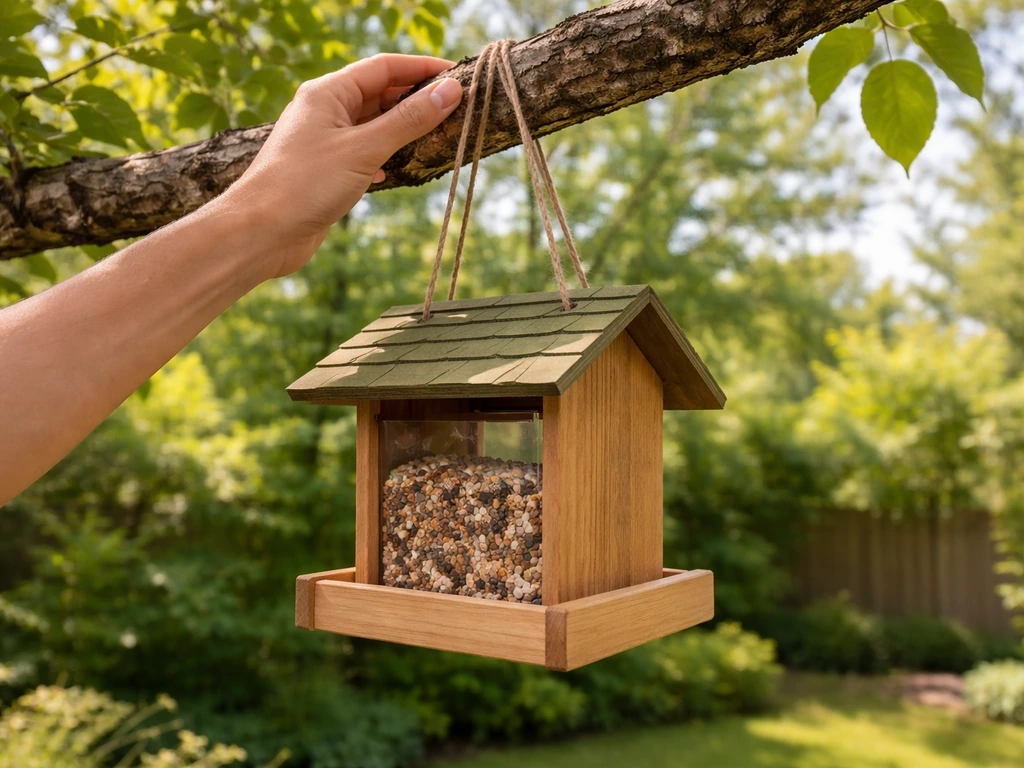
For most backyard feeders, there's no universal calendar date that tells you when to restart. What actually matters is whether your local birds are present, whether conditions are stable enough not to spoil food quickly, and whether you've addressed whatever caused the break. Audubon notes that backyard feeding blank" rel="noopener noreferrer">timing should align with birds’ needs across seasons and that feeder practices should be managed accordingly. Spring migrants in many northern states start returning in April and May, so if you took feeders down over winter, that's a reasonable time to bring them back. In the South and mid-Atlantic, year-round species never fully disappear, so a shorter pause is usually fine any month.
The bigger seasonal factor is spoilage rate. Warm, wet conditions speed up mold and bacterial growth dramatically. In the summer, seeds can go bad in a feeder within days if humidity is high. In cold, dry weather, seed stays fresh longer. So 'when can feeders go back out' also becomes a question of whether you're ready to manage the maintenance schedule that the current season demands. There's no point reinstalling in July heat if you can't commit to checking seed freshness every few days.
After storms, heavy wind, or flooding
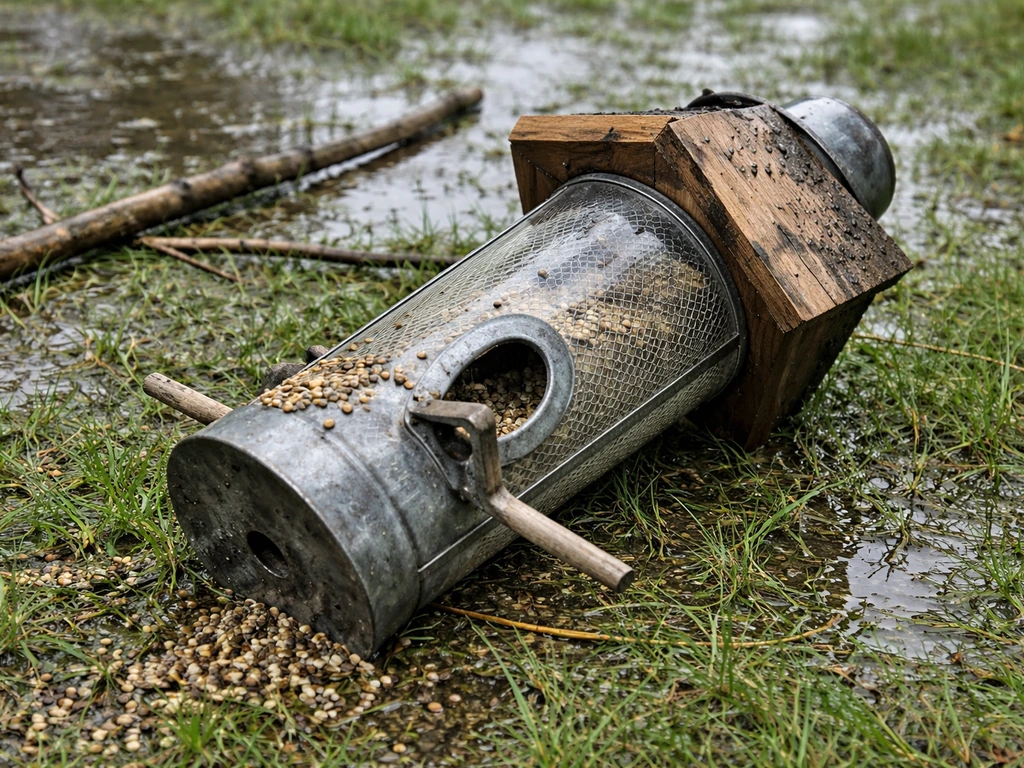
Storms are one of the most common reasons feeders come down, whether deliberately or because the wind took care of it for you. Before you rehang anything, do a quick damage and contamination check. Flooding or standing water under a feeder means any seed that fell to the ground is almost certainly moldy and should be raked up and discarded before you start feeding again. Wet seed in the feeder itself needs to go too. Minnesota DNR specifically calls out wet birdseed as a major source of mold and bacteria, so don't just let it dry in place and hope for the best.
Check the feeder itself for structural damage: cracks, broken perches, or ports that are now misaligned. These become hygiene problems over time. If the feeder took a hard fall, check for sharp edges that could injure birds. Once the storm has fully passed, the ground has dried enough that seed won't immediately get wet again, and you've inspected and if needed cleaned the feeder, it can go back up. In practice, that usually means waiting 24 to 48 hours after a major storm before reinstalling.
After routine maintenance and cleaning: how long to wait
This is the step most people rush, and it causes real problems. The standard guidance from Cornell Lab, South Carolina DNR, Iowa DNR, and Sequoia Audubon all point to the same rule: the feeder must be completely dry before you refill and rehang it. A damp feeder seeds mold almost immediately, especially in warm weather, which defeats the purpose of cleaning it in the first place.
The recommended cleaning solution across most wildlife and Audubon sources is a dilute bleach mix, somewhere around 1 part bleach to 9 parts water (South Carolina DNR, Cornell Lab, Sequoia Audubon) or roughly 2 ounces of bleach per gallon of water (Minnesota DNR). After scrubbing, rinse at least three times with clean water, then let the feeder air dry completely. Iowa DNR also recommends letting feeders and waterers dry before refilling with seed let the feeder air dry completely. Depending on the weather and feeder size, that drying process can take anywhere from 1 to 3 hours on a warm sunny day to several hours or even overnight if it's cool and humid.
For hummingbird feeders specifically, Iowa DNR and Minnesota DNR both recommend cleaning every 3 to 5 days in summer, with nectar changed on the same schedule (or more frequently in heat). The rinse-and-air-dry rule applies here too. Never refill a hummingbird feeder while it's still even slightly damp inside. The combination of residual bleach and moisture is a fast track to mold growth.
| Feeder Type | Minimum Cleaning Frequency | How Long to Wait After Cleaning |
|---|---|---|
| Standard seed feeder | Every 2 weeks (more in wet/hot weather) | Until completely air dried (1–3+ hours) |
| Hummingbird/nectar feeder | Every 3–5 days in summer | Until completely air dried; change nectar at same time |
| Suet feeder | Monthly or when suet is replaced | Until completely air dried |
| Ground feeder/tray | Weekly or after rain | Until completely air dried; rake up old seed first |
After wildlife issues: predators, rodents, and disease concerns
When birds stop coming
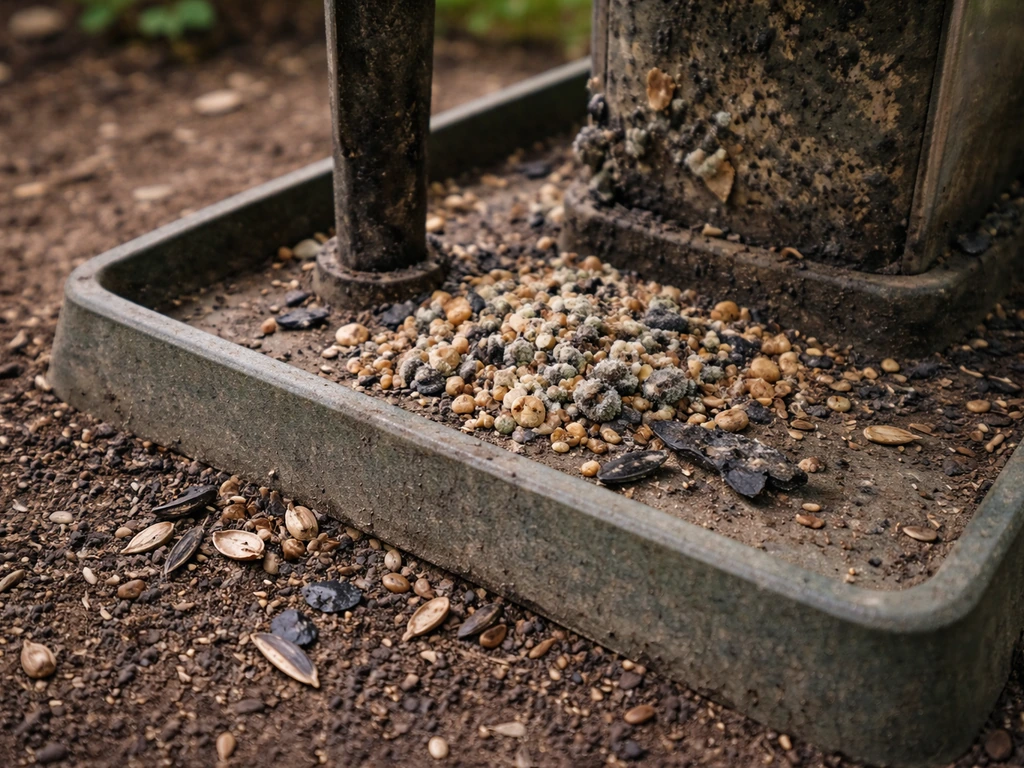
If birds have simply stopped visiting, you don't necessarily need to take the feeder down at all. The most common reasons are stale or moldy seed, a change in season (birds shifting to natural food sources), or a predator nearby that's making birds nervous. Check the seed first. If it clumps, smells off, or has any visible mold, empty and clean the feeder before refilling. If the seed looks fine, watch the area for cats, hawks, or other disturbances. A hawk that's been hunting your feeder will cause birds to avoid the area for a few days even after the predator moves on.
Rodents and unwanted wildlife
If squirrels, raccoons, or rodents have been a problem, taking feeders down for a week or two can help break the habit of wildlife checking that spot regularly. When you reinstall, change the placement if possible, switch to a weight-sensitive or squirrel-baffled feeder, and clean up any seed debris from the ground before starting again. Putting feeders back in the exact same spot the same way will get you the same result.
Disease events: sick or dead birds at your feeder
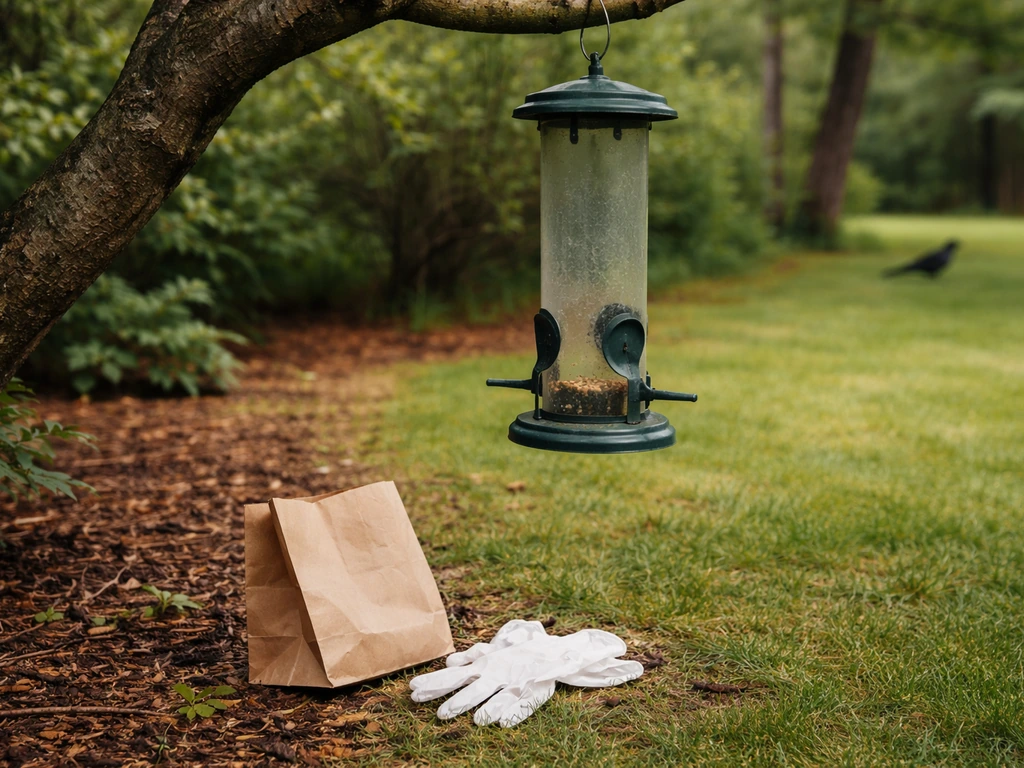
This is the scenario where timing matters most. If you see one or two sick birds at your feeder, BC Wildlife Health (Government of British Columbia) recommends taking the feeder down immediately and cleaning it. Roaring Fork Audubon advises halting feeding for a few weeks after a disease event to let healthy birds disperse away from the contaminated site. BC Wildlife Health gives a practical window: after seeing mortality or active disease, wait a week or two before rehanging a thoroughly cleaned feeder.
If you've had a broader concern like avian influenza in your area, the CDC recommends cleaning visible contamination with soap and water first, then disinfecting with an EPA-approved disinfectant effective against influenza A viruses, following the manufacturer's directions. Always wash your hands thoroughly after handling any bird-related equipment during a disease concern. Penn State Extension also notes that rotating ground feeding areas and removing droppings and debris are key steps for reducing ongoing disease spread.
The short version: after a disease event, don't rush it. Clean thoroughly, wait at least one to two weeks, and only rehang once you've seen no further sick or dead birds in your yard during that window.
Temperature extremes: what changes in cold snaps and heat waves
Hot weather considerations
Heat speeds up almost every problem associated with bird feeders. Seeds spoil faster, nectar ferments and molds more quickly, and suet goes rancid. Audubon specifically advises taking suet feeders down in hot weather because rancid suet can harm birds. All About Birds notes that spoiled food in heat is more likely to drive birds away than to help them.
In general, bird feeders are most active during cooler parts of the day like early morning and late afternoon, when birds are actively foraging and food stays fresh longer when bird feeders are most active. In peak summer heat, you may need to check seed feeders every 2 to 3 days and should change hummingbird nectar every 2 to 3 days as well, rather than the standard 3 to 5 day schedule.
Placement becomes more important in heat too. A feeder in direct sun all afternoon will heat the seed and speed spoilage significantly. If you are looking specifically for orioles, the same principles apply, but timing depends on how quickly the seed spoils and how warm your local conditions get speed spoilage. Placing feeders in morning sun with afternoon shade helps a lot. For water, All About Birds recommends changing birdbath water at least every three days, and more often in warm weather to prevent algae and bacterial buildup.
Cold snaps and winter feeding
Cold weather generally slows spoilage, but brings its own issues. Seed can freeze into clumps if moisture gets into the feeder, and water features ice over completely. In a cold snap, check that seed ports aren't blocked by frozen clumps, and clear any ice buildup around feeder openings. Feeders can actually be especially valuable during and after snowstorms, when natural food sources are buried or inaccessible.
You can put feeders back out as soon as conditions allow you to safely access the hanging spot and the feeder is dry and functional. If you're in New Hampshire, use local weather and seasonal spoilage rates to decide the right day to set feeders out again when to put out bird feeders in NH.
Step-by-step: putting feeders back out the right way
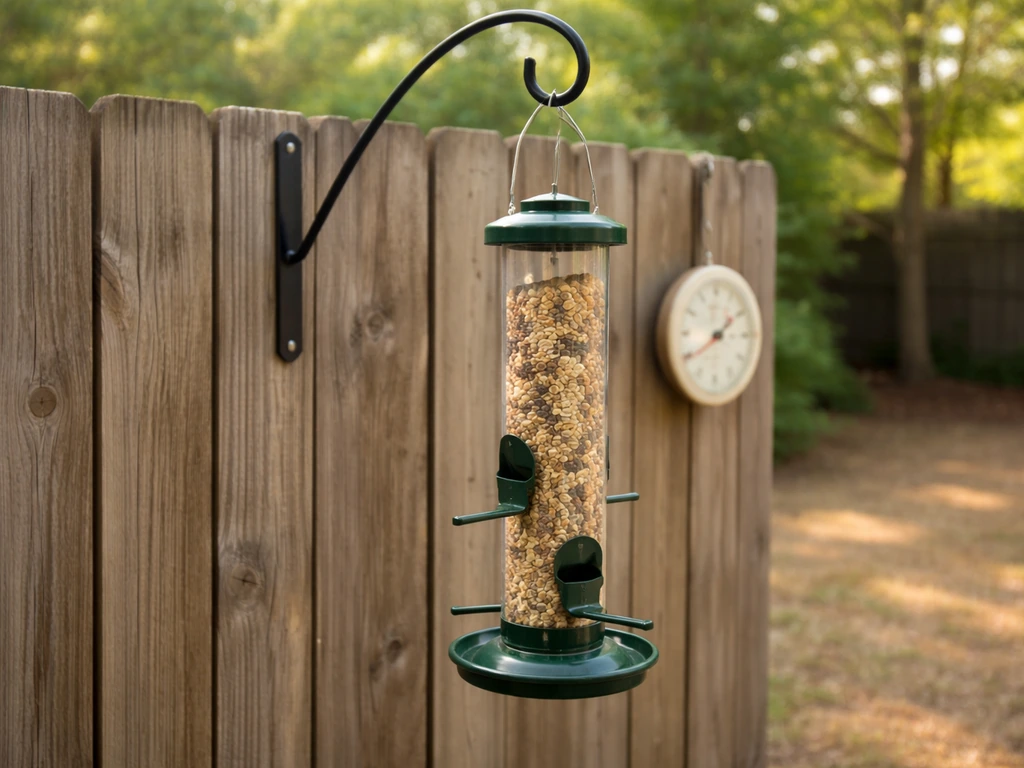
- Confirm the original problem is resolved. Storm passed and ground is dry? Disease pause window complete? Feeder fully cleaned and dry? Don't skip this check.
- Clean the feeder before refilling if it's been sitting unused for more than a week, or if you're returning after any wildlife or weather event. Use a 1:9 bleach-to-water solution, scrub all surfaces, rinse at least three times, and air dry completely before adding any seed or nectar.
- Clear the area under the feeder. Rake up old seed hulls, droppings, and any debris. This reduces disease vectors and removes the smell that attracts rodents.
- Choose the right placement. Hang feeders 10 to 12 feet from shrubs or trees birds can use as cover, but far enough from surfaces that squirrels or cats can't easily jump to them. In summer, aim for morning sun and afternoon shade. Avoid ground-level placement in areas where seed gets wet from rain or irrigation.
- Fill with fresh seed or nectar only. Don't reuse old seed that's been sitting in a bag in humid storage. Check that it smells neutral (not musty) and shows no clumping or discoloration.
- Be patient after reinstalling. Birds may take a few days to a week to rediscover a feeder that's been down, especially if it's in a new location. You'll notice activity pick up gradually. If nothing appears after 2 weeks, consider the feeder placement, seed type, or whether local birds are simply in a natural abundance period and not seeking supplemental food.
- Set your maintenance schedule before walking away. Mark a calendar for cleaning, nectar changes, and seed checks. The feeder going back up is only useful if you're ready to keep up with it.
A quick-reference guide by scenario
| Reason for Pause | Minimum Wait Time | Key Condition Before Reinstalling |
|---|---|---|
| Storm/wind/flooding | 24–48 hours post-storm | Ground dry, feeder inspected and cleaned if needed |
| Routine cleaning | Until feeder is completely dry | No residual moisture inside or on feeding surfaces |
| Disease event (1–2 sick birds) | 1–2 weeks | Feeder fully cleaned; no new sick/dead birds in yard |
| Broader disease concern (multiple deaths) | 2–4 weeks | Full cleaning + disinfection; consult local wildlife authority |
| Rodent/predator activity | 1–2 weeks | Old seed debris cleared; placement or feeder type changed |
| Heat wave (suet feeders) | Until temperature drops | Replace with seed-only feeder during hot periods |
| Birds stopped visiting (no disease) | No pause needed | Check and refresh seed; assess for predator disturbance |
The through-line in all of these scenarios is the same: feeders go back out when the specific problem is handled, the feeder is clean and dry, and you're set up to maintain it properly for the current conditions. In general, you should follow the safety and maintenance timing for your situation, which is where a clear plan for when to put out bird feeders comes in. Getting those three things right is the difference between a feeder that actively helps birds and one that just creates new problems.
FAQ
What if I removed feeders but I cannot remember the exact reason (storm, cleaning, or disease scare)?
If you took feeders down for reasons other than weather or disease, use a simple decision rule: rehang once the feeder, the ground beneath it, and any feeding surfaces are fully dry, then refill only after you confirm the seed or nectar is fresh. For placement, consider switching to a different spot the same day you restart if you previously saw heavy droppings, heavy mold, or repeated predator visits.
Can I refill a feeder once it feels dry to the touch but might still be damp inside?
With a damp feeder, don’t “rinse and go.” Residual moisture inside the feeder can trigger mold quickly, especially in summer. Dry longer than you think, and do a quick check by wiping interior ports and holding it up to light for any remaining dampness or water trails before refilling or rehanging.
If only the seed tray got wet or contaminated, do I need to disinfect the whole feeder?
Yes, but only if you can fully clean and dry the specific component. For example, if only seed is old or contaminated, empty and clean the hopper, then disinfect and air-dry before adding new seed. If the feeder body, tray, or drainage areas were in flood or standing water, treat the whole feeder as contaminated and use the same dry-and-disinfect approach before any reuse.
How long should I watch my yard before I put feeders back out after a disease scare?
Use a “no signs for a full monitoring window” approach. After a disease concern, don’t just wait until the last sick bird disappears, wait until you have no new sick or dead reports in your yard during that one to two week window, and keep cleaning and hand hygiene consistent each time you handle feeders.
Birds stopped coming, but I also saw cats or hawks. Should I remove the feeder again?
If you suspect predators, you generally do not need to remove feeders long term. Instead, address the trigger: use a squirrel-baffled or weight-sensitive feeder, reduce spilled seed on the ground, and adjust placement so the feeder is not an easy ambush point. If you still see repeated attacks over several days, then a one- to two-week break from that exact spot can help reset the pattern.
What are the signs that it is not safe to refill in hot weather, even if I cleaned recently?
Don’t rely on a calendar when it comes to heat. If you notice seed getting visibly soft, clumping, or any off smell, that is your cue to change immediately, even if you just refilled. In peak warmth, check seed feeders every 2 to 3 days and nectar feeders on the same fast schedule to prevent fermentation and mold.
After a heavy rain or flood, should I clean the feeder, or also remove fallen seed from the ground?
If the storm caused any flooding or standing water at the feeder location, assume any seed that fell to the ground is contaminated. Rake and discard it before you restart, and check that drainage areas in the feeder are not holding moisture. This prevents repeated recontamination after you reinstall.
Is the same dry-and-rinse rule true for hummingbird feeders, or can I be more flexible?
For hummingbird feeders, you should not treat partial drying as sufficient. If the inside surfaces are even slightly damp or you see wet residue from rinsing or bleach, empty and re-rinse, then air dry until fully dry before adding nectar. Also consider scheduling a rinse and full change more frequently during heat spikes.
I had to stop feeding suddenly. How can I restart safely without overwhelming maintenance?
If you had to shut off feeding quickly, you can reduce risk by switching methods temporarily. For instance, use cleaner, easier-to-empty feeders, avoid ground feeding, and keep nectar or seed fresh with more frequent changes. When you restart, do it in steps (refill smaller amounts first, monitor daily, then scale up if birds respond normally).
What if I cannot physically access the feeder location right away after a storm?
If access to the hanging spot is unsafe after a storm, wait until you can reinstall without risking injury. From a bird-safety perspective, the key is feeder dry condition and resolved contamination, so delays due to fallen branches, unstable ground, or active repairs are acceptable as long as you store feeders properly and disinfect when you finally restart.
Next Article
Is It Ok to Put Out Bird Feeders Today? A Practical Guide
Quick go/no-go for putting out bird feeders, with safe setup tips, clean-up routines, and pest and disease prevention.