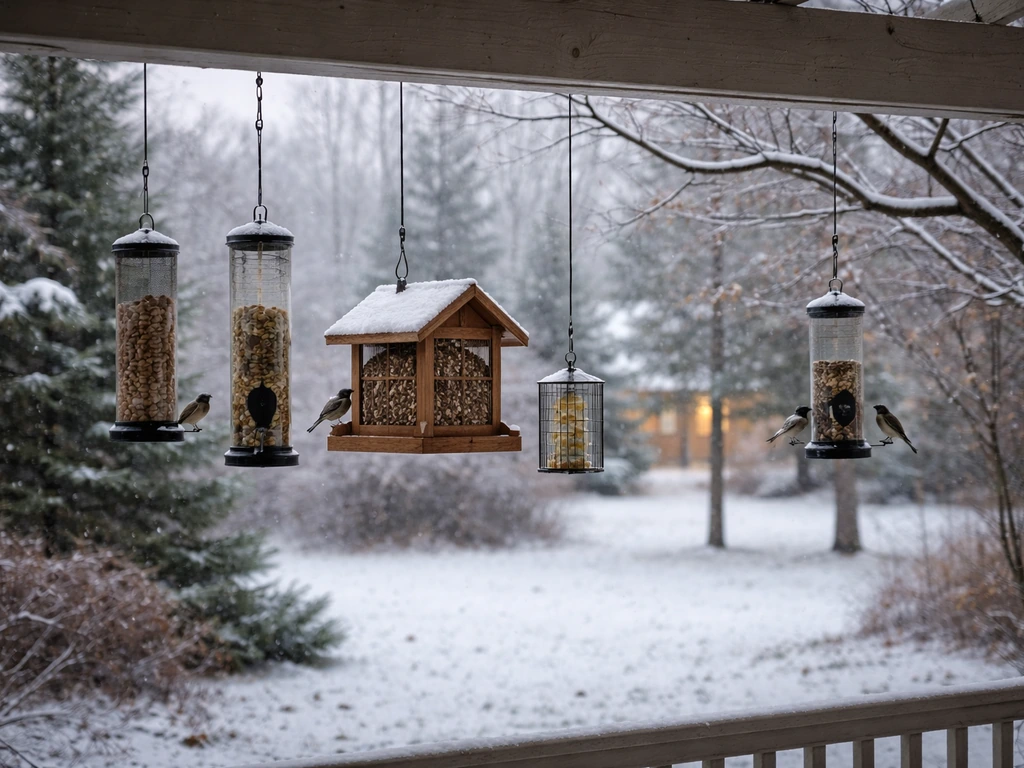
Yes, it is generally safe to put out bird feeders, but "safe" depends almost entirely on how well you maintain them. A clean, well-placed feeder with fresh seed is a genuine benefit to local birds. A neglected feeder with moldy seed, caked droppings, and no regular cleaning routine can spread disease, attract unwanted wildlife, and do more harm than good. The good news is that getting it right isn't complicated once you know the basics.
Is It Safe to Put Out Bird Feeders? Rules for When to Start Again

Eleanor Hartwick
21 May 2026
When it's safe to put feeders out right now
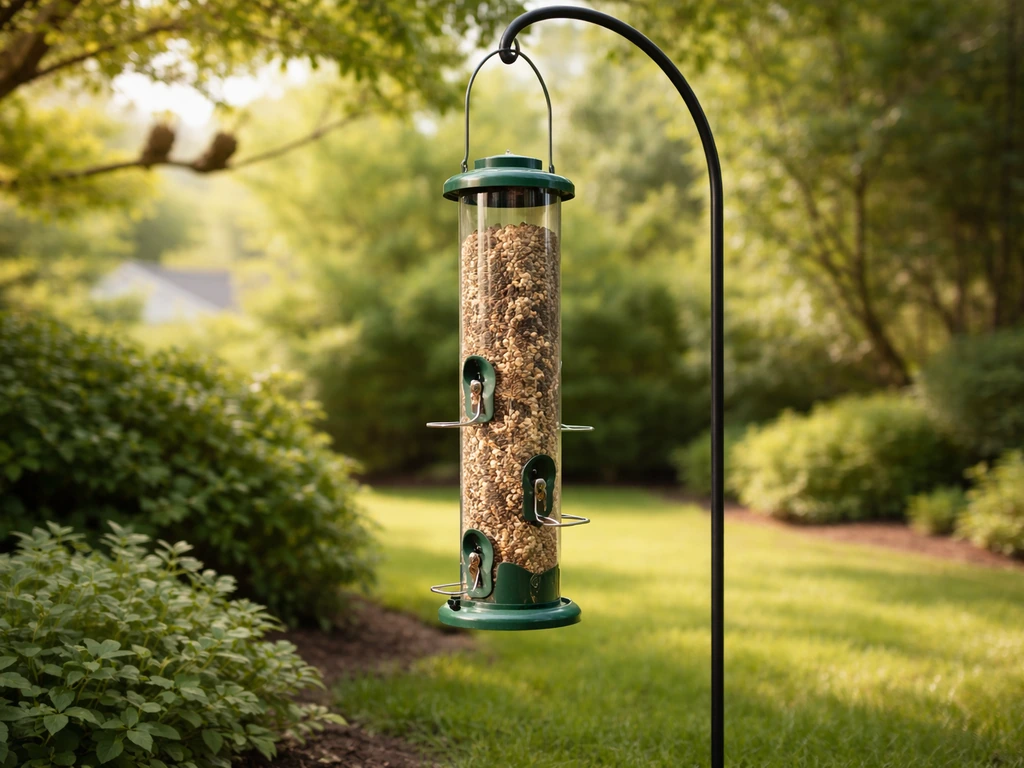
If you're asking whether today is a good day to put out or refill a feeder, the answer is usually yes, with one important qualifier: the feeder needs to be clean first. There's no universal season that makes feeders automatically unsafe, but there are conditions that raise the risk. Warm, humid weather in late spring and summer speeds up mold growth and bacterial buildup, so if you're putting out a feeder in May or June, cleaning frequency matters more than it does in January. If the feeder has been sitting outside unused or stored without a good wash, clean it before you fill it, not after.
If you've been wondering whether feeders can "go back out" after a seasonal pause, or whether it's time to refill after winter, the timing question is really a hygiene question in disguise. If you've been wondering about when can bird feeders go back out after a seasonal pause, remember that the timing question is really a hygiene question in disguise.
The feeder is ready to go back out when it's been properly cleaned and the seed you're putting in is fresh. Related questions about when exactly to start feeding in spring, or when oriole feeders specifically should go out, come down to species timing and local conditions, but the safety baseline stays the same regardless of season.
Oriole feeders should follow the same safety timing principles, with extra attention to cleaning before and during warm, humid weather when oriole feeders specifically should go out.
Refilling now vs. putting feeders back out after a break
These two situations look similar but have slightly different checklists. If you're just doing a routine refill of an active feeder, your job is to check the seed for mold or clumping, wipe down the ports and surfaces, and top it up. If you're restarting after a deliberate break, say after a disease event, bad weather, or a long storage period, you need a full clean before anything goes back outside. Don't just add fresh seed on top of whatever's already in there. Old seed at the bottom of a tube feeder can harbor bacteria even when the top layer looks fine.
The practical rule: routine refill means a quick visual check plus a wipe-down. Restart after a pause means a full disassemble, scrub, and bleach soak before the feeder goes back up.
How to clean feeders properly (and how often)
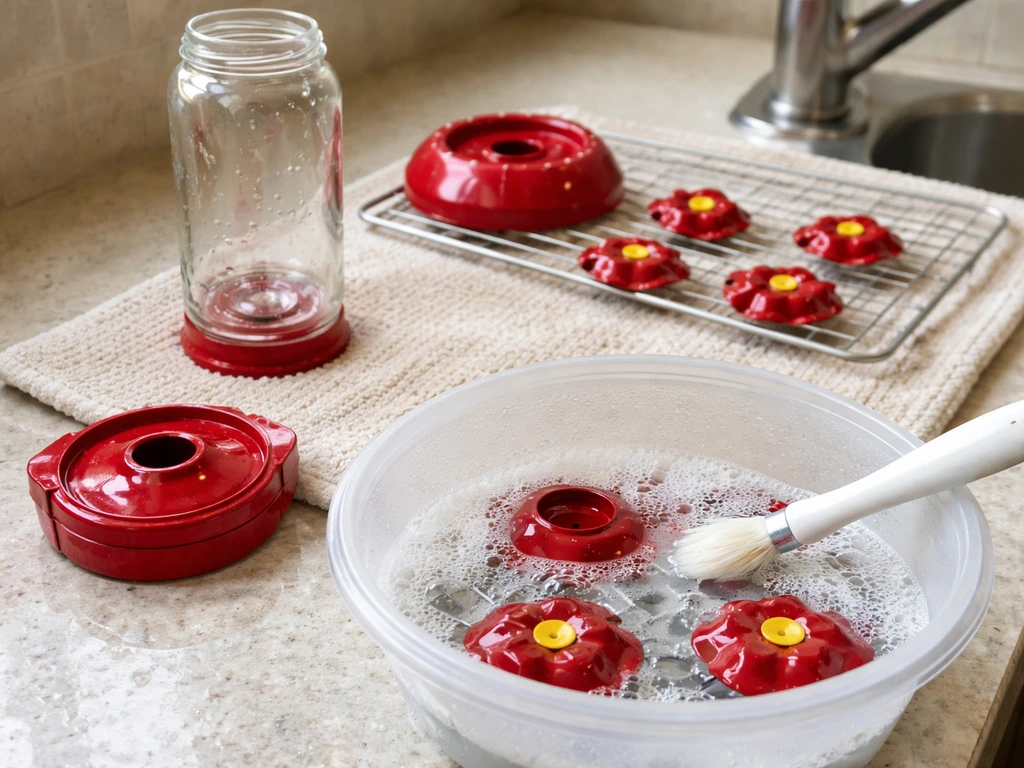
Both the U. S. Fish and Wildlife Service and [Project FeederWatch (Cornell Lab and Birds Canada) recommend cleaning seed feeders at least once every two weeks. ](https://feederwatch.
org/learn/feeding-birds/safe-feeding-environment/) During warm, wet weather or periods of heavy bird traffic, you'll want to clean more frequently than that. In warmer months and during periods of heavy bird traffic, bird feeders tend to be most active, so keep up with cleaning and monitoring. Soap and water alone is not enough.
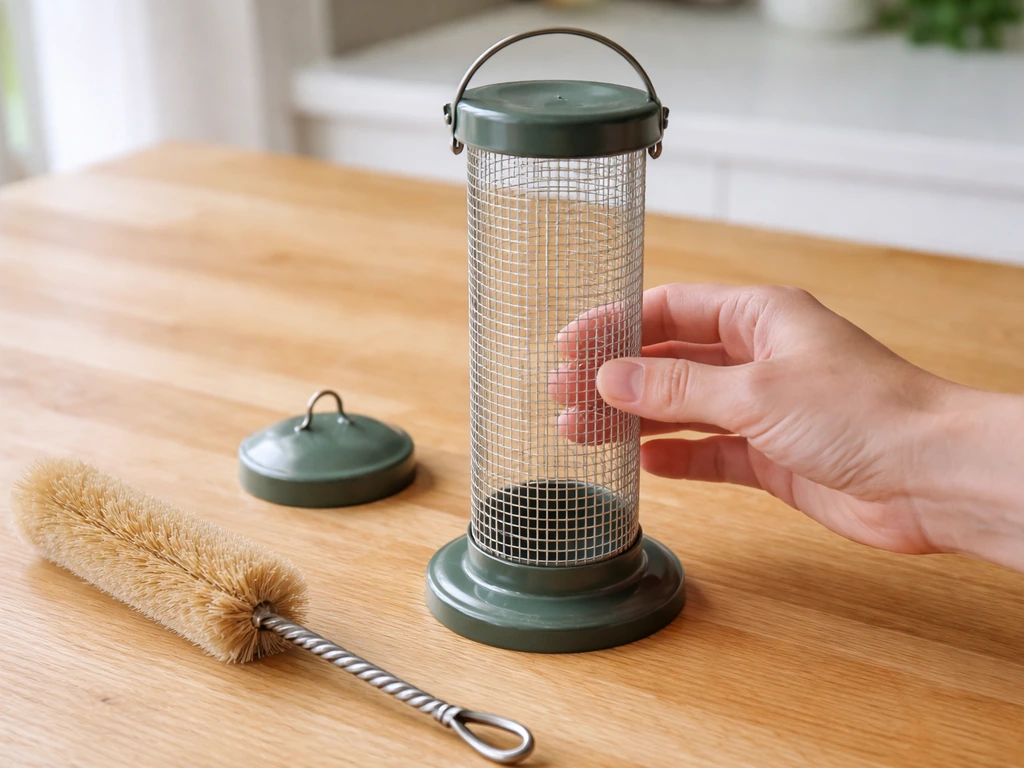
The recommended approach is to scrub off all visible debris first, then soak the feeder components in a diluted bleach solution (a 9:1 water-to-bleach ratio works well) for 10 minutes, scrub again with a clean brush, rinse thoroughly, and let the feeder dry completely before refilling. Hanging a wet feeder just adds moisture to seed and accelerates the mold problem you're trying to prevent.
Hummingbird feeders need more frequent attention. Nectar should be replaced every two to five days depending on outdoor temperatures, and the feeder should be cleaned every single time you refill it, not on a biweekly schedule like seed feeders. Warm weather makes nectar ferment quickly, and fermented sugar water can harm hummingbirds even when it looks clear.
One thing to watch for during cleaning: if the rinse water turns cloudy or you spot black mold on any surface, don't just rinse it away. Discard the cleaning solution, scrub those surfaces thoroughly, and repeat the bleach soak. Black mold on feeder surfaces is a sign the feeder has been contaminated long enough to require extra attention.
What to check before putting a feeder back out
Whether you're starting fresh for the season or resuming after any kind of interruption, run through this checklist before filling and hanging the feeder.
- Inspect the seed: Smell it, look for clumping, and check for visible mold or dark discoloration. If it smells musty or looks off, throw it out. Old seed is not worth the risk.
- Check the feeder body: Look at ports, perches, and any corners where seed or droppings collect. These are the highest-risk spots for bacterial buildup.
- Disassemble and scrub: Take the feeder apart as fully as possible, remove all debris, and follow the bleach soak method above.
- Dry completely: Hang or set the feeder in a spot with airflow until it is fully dry before adding fresh seed.
- Check placement: Make sure the feeder is still positioned to deter squirrels, raccoons, and other wildlife (more on this below), and that no branches or structures have grown close enough to give unwanted visitors easy access.
- Wash your hands: After handling the feeder, seed, or any bird-related equipment, wash your hands with soap and water. The CDC specifically recommends this after any contact with bird feeders or bird food.
Seasonal situations: bad weather, long gaps, and interrupted feeding
After a stretch of heavy rain, snow, or high humidity, check feeders sooner than you normally would. Wet seed clumps and molds faster than most people expect, and a feeder that looked fine a week ago can be a mess after several rainy days. Tube feeders are especially prone to moisture getting into the seed column from the bottom ports. If you notice seed is clumping or the feeder smells damp, clean and refill even if it hasn't been two weeks since your last cleaning.
If you've taken feeders down deliberately, whether for travel, a disease concern, or just a seasonal break, don't rush to put them back out before you've had a chance to clean them properly. Birds in your area will find food on their own during a short break, and it's better to restart with a clean setup than to put a neglected feeder back up and pick up where a problem left off. The "when to put feeders back out" question ties closely to the "when can feeders go back out after a pause" situation, and in both cases, the feeder's condition matters more than the date on the calendar. If you live in New Hampshire, the best time to put out bird feeders depends on local temperatures and when conditions start to increase mold and bacterial growth when to put out bird feeders in NH.
Signs to stop feeding, clean, or change your approach
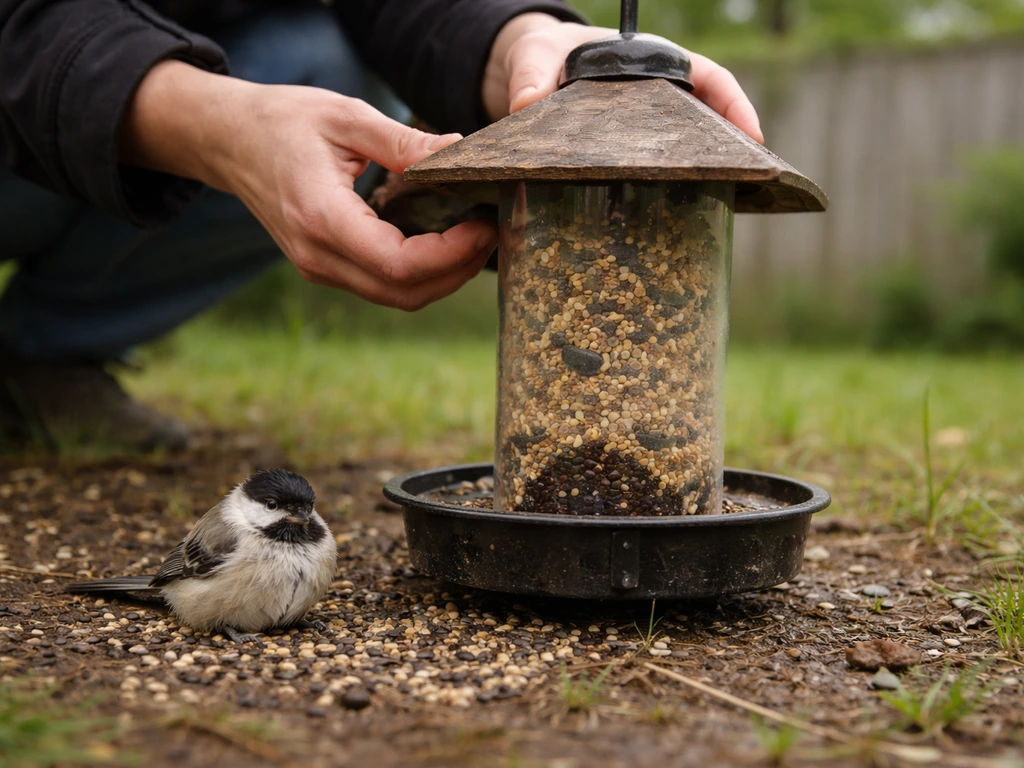
Sick birds at your feeder are the most important signal to act on. Watch for birds that are fluffed up, lethargic, unable to fly, or showing symptoms like eye discharge or visible lesions. Sick birds seek easy meals, which is exactly why feeders become disease hotspots when an illness is circulating in the local population. Salmonellosis, one of the most common feeder-related diseases, spreads through fecal contamination of food and water and can move from bird to bird quickly in a feeder environment.
If you see sick birds at your feeder, take the feeders down immediately for at least two weeks. Project FeederWatch, Mass Audubon, Virginia DWR, and Iowa DNR all give the same guidance on this: remove feeders for two weeks to encourage birds to disperse and break the disease transmission cycle. If you see bird deaths at or near your feeder, that window extends to several weeks or up to a month, per Oregon DFW guidance, and you should contact your state wildlife agency to report it.
Outside of obvious illness, these are the signals that mean it's time to clean now, not at your next scheduled cleaning.
- Visible mold on seed, feeder surfaces, or inside tube ports
- Seed that smells sour, musty, or damp
- Heavy droppings accumulation on perches, ports, or below the feeder
- Cloudy or discolored water in the cleaning solution during your wash
- Noticeably fewer birds visiting, which can sometimes indicate birds are avoiding a contaminated feeder
- Any evidence that rodents or other wildlife have been accessing the feeder or seed storage
Reducing the downsides: placement, wildlife, and environmental factors
Feeders do attract more than birds. Squirrels, raccoons, bears, turkeys, and mice are all drawn to feeder areas, and those animals can carry their own pathogens, damage feeders, and create safety issues depending on where you live. Squirrels can jump six feet straight up and launch themselves from a tree or structure up to ten feet away to reach a feeder, so placement and baffle design genuinely matter. A feeder on a smooth pole with a properly installed baffle, positioned at least ten feet from any launch point, is much harder for squirrels and other mammals to access.
In bear country, the guidance from agencies like Mass.gov is straightforward: take feeders down during active bear season (typically spring through fall) rather than trying to manage the attractant. Bears that find food at feeders can become habituated quickly, and that's a problem that outlasts any feeder setup.
Seed dropped below feeders accumulates and attracts ground-feeding rodents, which then attract the predators that feed on them. Keeping the ground below feeders raked and clean, or using a seed catcher tray, reduces this effect significantly. Choosing seeds with lower waste, like hulled sunflower chips or nyjer, also helps because birds eat more of what they drop.
| Factor | Low-risk setup | Higher-risk setup |
|---|---|---|
| Cleaning frequency | Every 1-2 weeks, more in warm/wet weather | Monthly or less, no set schedule |
| Seed freshness | Fresh seed, stored in airtight container, discarded if moldy | Old seed topped off without checking |
| Feeder placement | Smooth pole with baffle, away from jump points | Hanging from tree branch near roof or fence |
| Sick birds response | Feeders removed for 2+ weeks | Feeders left up and refilled as usual |
| Hummingbird nectar | Replaced every 2-5 days, feeder cleaned each refill | Replaced weekly or less, rarely cleaned |
| Ground cleanup | Seed debris raked regularly | Seed allowed to accumulate below feeder |
| Hand hygiene | Hands washed after every feeder contact | Gloves skipped, no routine hand washing |
Feeding birds is a genuinely rewarding thing to do, and for most people in most situations, it's safe and beneficial when done with basic care. The risks are real but manageable. A two-week cleaning schedule, fresh seed, a good feeder placement, and knowing when to take feeders down for a break cover the overwhelming majority of problems that make feeding unsafe. Start there, watch what's happening at your feeder, and adjust as you go.
FAQ
Can I add fresh seed to a feeder that looks mostly fine (for example, after rain or a long day out)?
Yes, but only if you clean before refilling. If you notice wet seed, clumping, a damp smell, or cloudy rinse water, treat it as a failed cleaning cycle and do a full scrub, bleach soak, and thorough drying before adding new seed.
Is rinsing a feeder with soap and water enough to make it safe again?
A light sprinkle is often not enough. Use a disinfecting approach: scrub off debris, then soak feeder parts in a diluted bleach solution (about 9:1 water to bleach) for around 10 minutes, rinse thoroughly, and dry completely to avoid leaving moisture that promotes mold.
What’s the best way to handle extended vacations or multi-week absences with bird feeders outside?
Cover the “bird access” part, not the whole area. Bring the feeder down and store it dry, clean it first, and take it back out when you can complete the routine checks or full reset. Do not leave seed sitting in the feeder while covered, because trapped moisture increases mold risk.
Will switching bird-feeding styles (tube to hopper, or platform to suet) eliminate the disease risk?
Not usually. If you want to reduce illness risk, focus on sanitation and removal during disease events. Only switch feeding methods if you can still keep strict cleaning. Mixing types can also increase clutter and waste, so clean more often and keep dropped seed under control.
What should I do if I find black mold or a musty odor on my feeder after cleaning?
If you see black mold, don’t just scrub and keep going. Repeat the bleach soak after thoroughly scrubbing, then dry fully before refilling. If the feeder smells “musty” even after cleaning, consider replacing porous or worn components that are hard to disinfect.
Do baffles alone prevent squirrels and mice from accessing feeders?
A baffle helps, but the biggest difference is placement and how you manage access to the ground. Keep feeders at least 10 feet from likely launch points, use a properly installed baffle, and rake or remove dropped seed since ground feeding draws more rodents and other mammals.
If I see a couple of sick birds, can I just clean quickly and leave the feeder up?
Usually, no. In disease outbreaks, the guidance is to remove feeders for at least two weeks. For bird deaths near the feeder, the removal window can be several weeks up to a month, and you should contact your state wildlife agency for reporting and local advice.
How can I tell whether I should clean on schedule or clean earlier?
Not reliably. The safest practice is to follow cleaning schedules plus “trigger” checks, such as after heavy rain, high humidity, or heavy traffic. If the seed clumps, the feeder gets damp, or birds leave with visible symptoms, clean immediately rather than waiting for the next date on your calendar.
How often should I clean and replace hummingbird nectar in hot weather?
Not for long. Nectar needs replacement every 2 to 5 days depending on temperature, and you should clean every time you refill. Spoiled nectar can be harmful even if it looks clear, so if in doubt, discard and restart with fresh nectar.
Is it safe to put out a feeder immediately after bringing it back from storage (like winter)?
Yes, but use it as part of a hygiene plan. If you’re restarting after storage, do a full disassemble, scrub, bleach soak, rinse, and complete drying. Also check feeders after transport, since residues and moisture can build during storage and shipping.
Next Article
When to Put Out Bird Feeders: Fall, Winter, Spring Timing
Exact seasonal timing for bird feeders, including when to start in fall/winter and restart in spring safely.