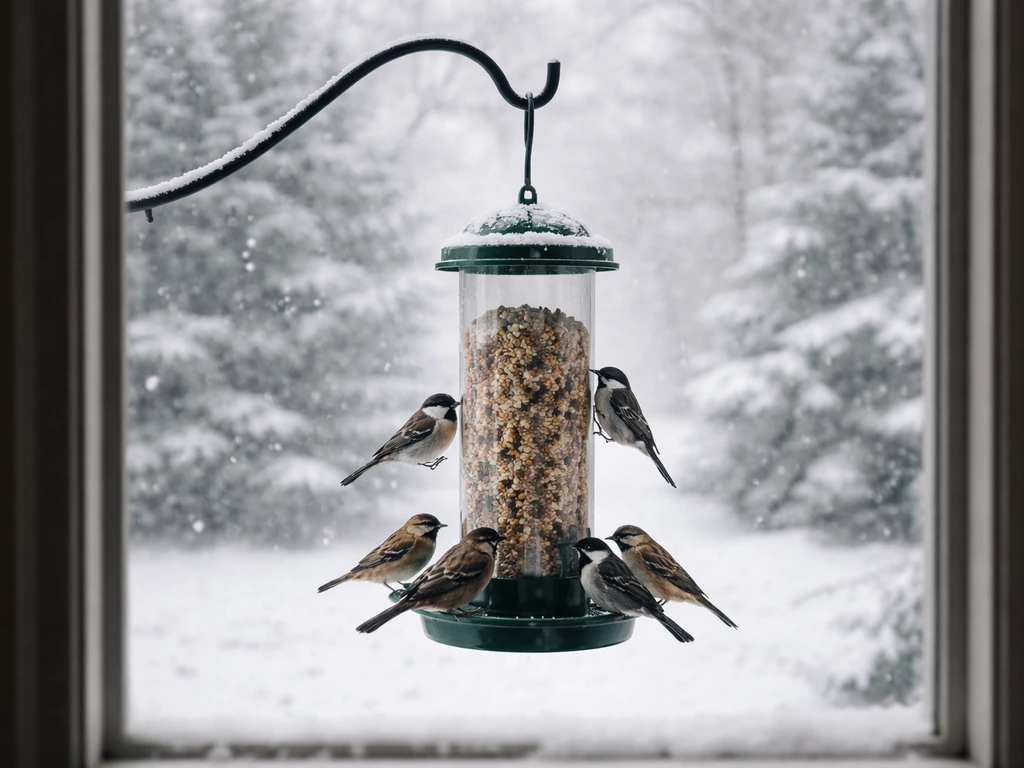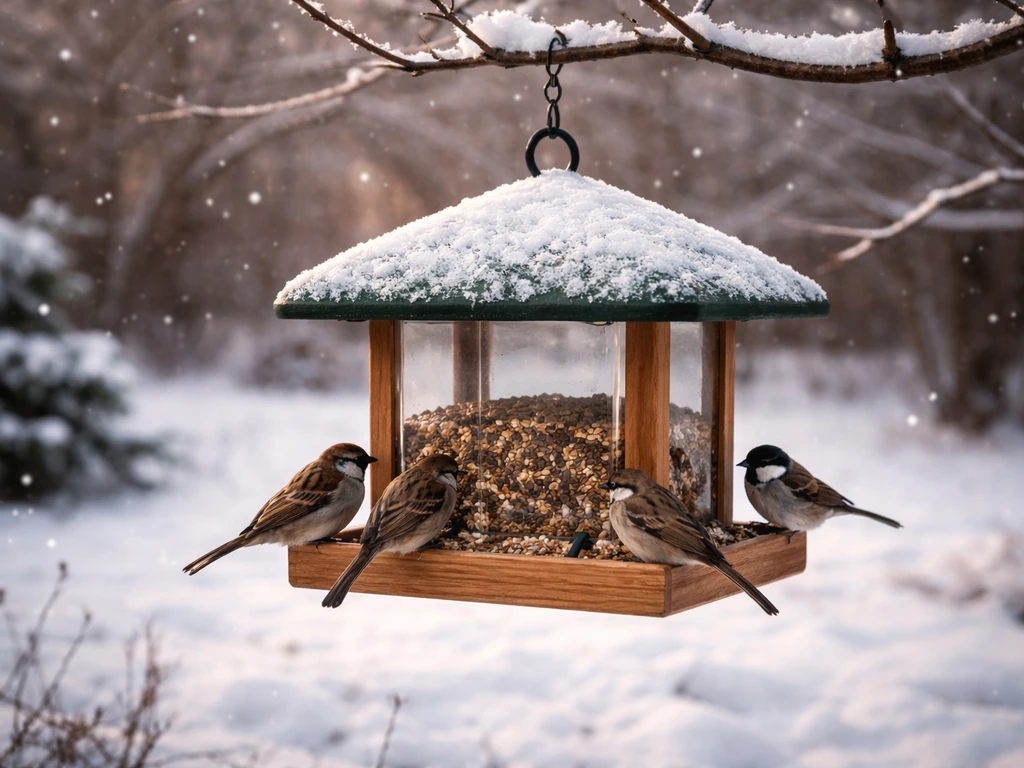
Yes, birds absolutely use feeders in winter, and for many common backyard species it is the season when feeders matter most. Dark-eyed Juncos, Black-capped Chickadees, Northern Cardinals, and House Finches all show up reliably at winter feeders across most of the country, according to Project FeederWatch data from thousands of reporting sites. The catch is that winter feeding done well looks different from summer feeding: the foods, feeder placement, and maintenance routine all need a seasonal adjustment to keep birds coming back and to keep those birds healthy.
Do Birds Use Bird Feeders in Winter? How to Feed Safely

Eleanor Hartwick
11 Jun 2026
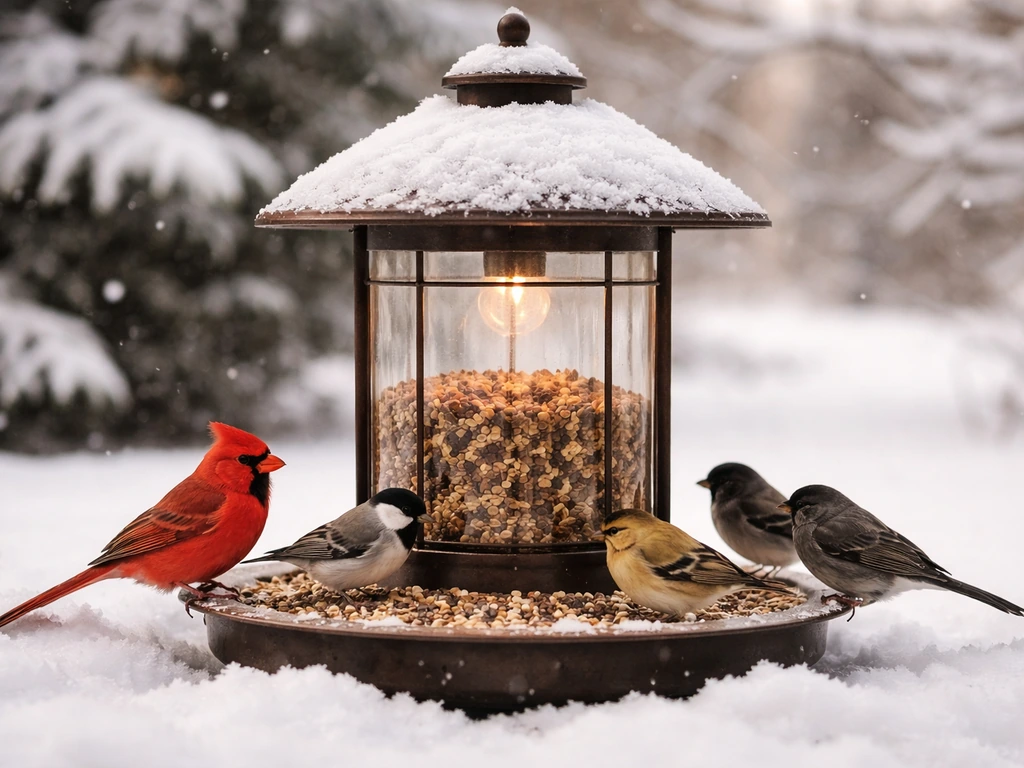
Do birds actually use feeders in winter
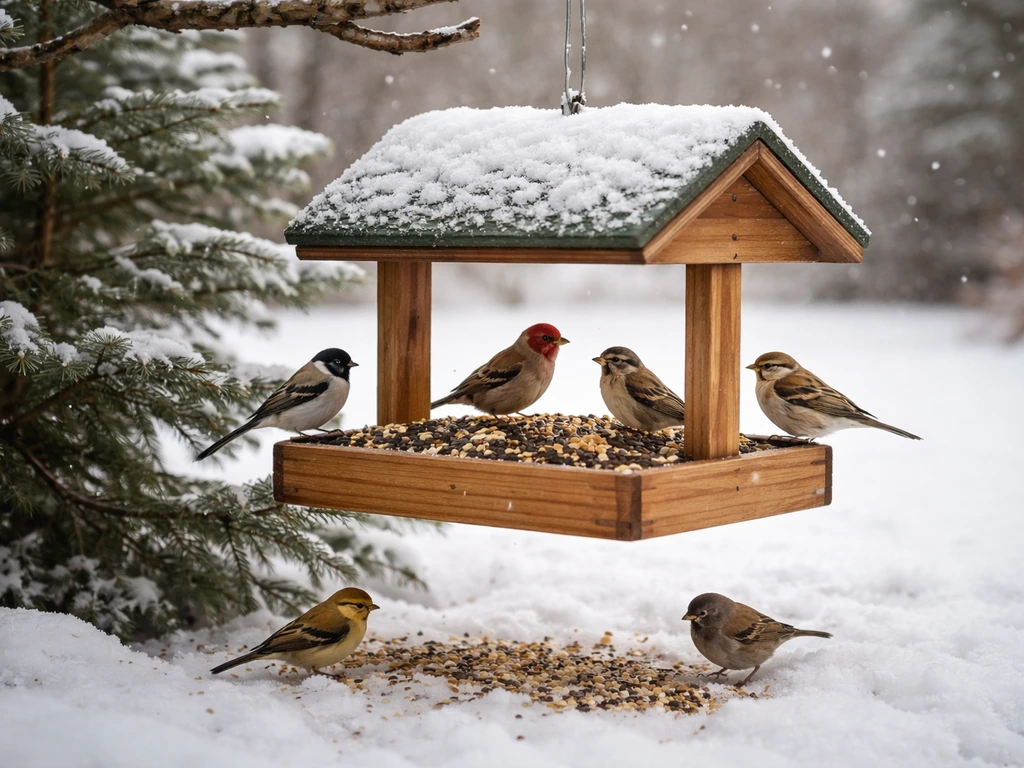
The short version: yes, and often more eagerly than at any other time of year. Audubon puts it plainly: many birds rely most heavily on feeders in winter because natural food is scarce. Berries get eaten up, insects disappear, and seeds buried under snow become inaccessible. A well-stocked feeder fills that gap directly.
That said, feeder use is not perfectly consistent even in deep winter. The U.S. Fish and Wildlife Service notes that birds may pull food from multiple sources depending on what is available nearby, so you will see slow days at the feeder even in January. Do not read that as failure. It usually just means birds found a patch of crabapples down the road or a neighbor topped up their tube feeder. Visits will pick back up when those sources run out or when temperatures drop hard.
One thing worth knowing: the exact date you start winter feeding matters less than you might think. Audubon says the timing of when you start or stop will not make a significant difference to birds overall. What matters more is that once you start, you keep the feeder reliably stocked through the cold stretch. Alaska's Department of Fish and Game uses November 1 as a practical start date for their region, which gives you a reasonable benchmark for colder climates, but in most of the lower 48 you can follow the weather rather than the calendar.
When winter feeding makes the biggest difference
Feeders earn their keep during specific conditions rather than all winter long. The National Wildlife Federation is clear about this: supplemental feeding helps most during extended stretches of below-freezing temperatures and when snow or ice covers the ground and natural seeds become unreachable. If you live somewhere with mild winters where the ground is often bare, your feeder still gets visitors, but the stakes are lower than they are during a solid week of sub-zero nights in Minnesota.
The logic behind this is straightforward: birds burn far more calories staying warm in extreme cold, so they need to eat more while the food landscape around them is at its most limited. That combination is exactly when a predictable, well-stocked feeder shifts from a nice bonus to something birds will actively seek out and return to every day. Consistency matters here more than abundance. A feeder that is stocked every few days beats an overfilled feeder that gets ignored for two weeks and accumulates wet, moldy seed.
What to feed in winter and how to choose foods
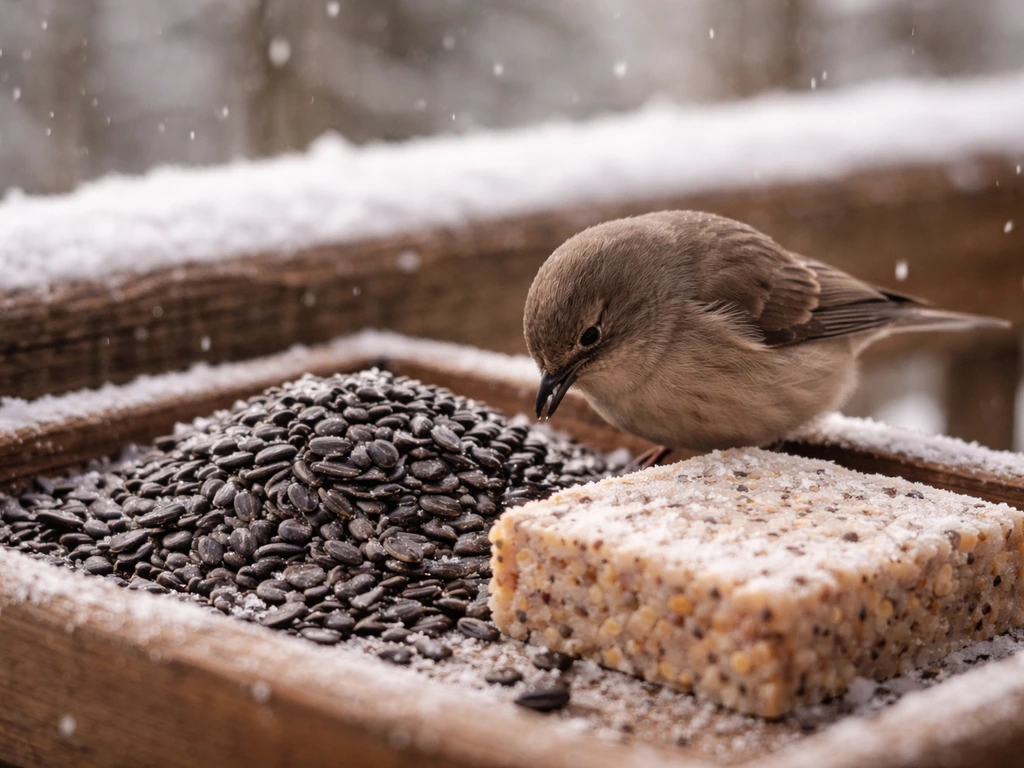
Black-oil sunflower seed is the backbone of winter feeding for most regions of the country. In Minnesota, the DNR reports that 80 to 90 percent of seed used at feeders is black-oil sunflower and cardinal mixes. That is not a coincidence: the thin shell makes it easy for smaller birds to crack, and the high fat content gives them the energy they need. If you are only going to offer one thing, make it black-oil sunflower.
Beyond sunflower, suet is the biggest winter upgrade you can make. Alaska's wildlife biologists specifically note that insect-eating birds like woodpeckers and chickadees are drawn in by animal fats and suet when insects are gone. A simple suet cage costs a few dollars and will bring in species that rarely touch seed feeders. Peanuts, safflower seed, and mixed seed round out a solid winter spread. Audubon Great Lakes recommends tube feeders for black-oil sunflower, mixed seed, safflower, and peanuts as a reliable winter combination.
| Food | Best feeder type | Key winter species attracted |
|---|---|---|
| Black-oil sunflower seed | Tube or hopper feeder | Cardinals, Chickadees, Finches, Juncos |
| Suet | Wire suet cage | Woodpeckers, Nuthatches, Chickadees |
| Safflower seed | Tube or hopper feeder | Cardinals, Doves, Chickadees |
| Peanuts (shelled or halves) | Mesh tube or tray feeder | Jays, Woodpeckers, Nuthatches |
| Mixed seed | Tray or fly-through feeder | Juncos, Sparrows, Doves |
One practical note on seed freshness: buy in smaller quantities in winter if you can, because wet or frozen conditions slow consumption and seed can go bad faster than you expect. Fresh seed that gets eaten quickly beats a giant bag that sits in a damp garage for two months.
Feeder placement and setup for cold-weather conditions
Placement in winter is about two things: protecting birds from the elements and reducing collision risk with your windows. For best results, aim for feeder placement that offers both protection from storms and easy access to food without increasing window collision risk where to hang bird feeders in winter. If you are also wondering about sun exposure, place feeders so they get some shade in hot weather and help prevent overheated food or bird stress protecting birds from the elements. Alaska's fish and game agency puts wind protection and predator cover near the top of their placement criteria, and it is good advice anywhere. Birds waiting their turn at a feeder need somewhere to perch safely, and they will use a feeder much more consistently if there is nearby shrub cover or a fence where they can duck for shelter. If your feeder is sitting in the middle of an exposed yard with no cover within 10 to 15 feet, you are making birds work harder than they need to.
On window collisions: the guidance from Cornell Lab's All About Birds and University of Wisconsin Extension lines up closely. The safest zones are closer than 3 feet from a window (so a bird that does hit it does not build up enough speed to injure itself seriously) or farther than 30 feet away (far enough that birds treat the window as part of the building, not a gap in the landscape). The risky middle ground is roughly 5 to 30 feet, where birds have enough flight space to reach full speed before impact. If your feeders currently sit in that zone, moving them is one of the most useful adjustments you can make.
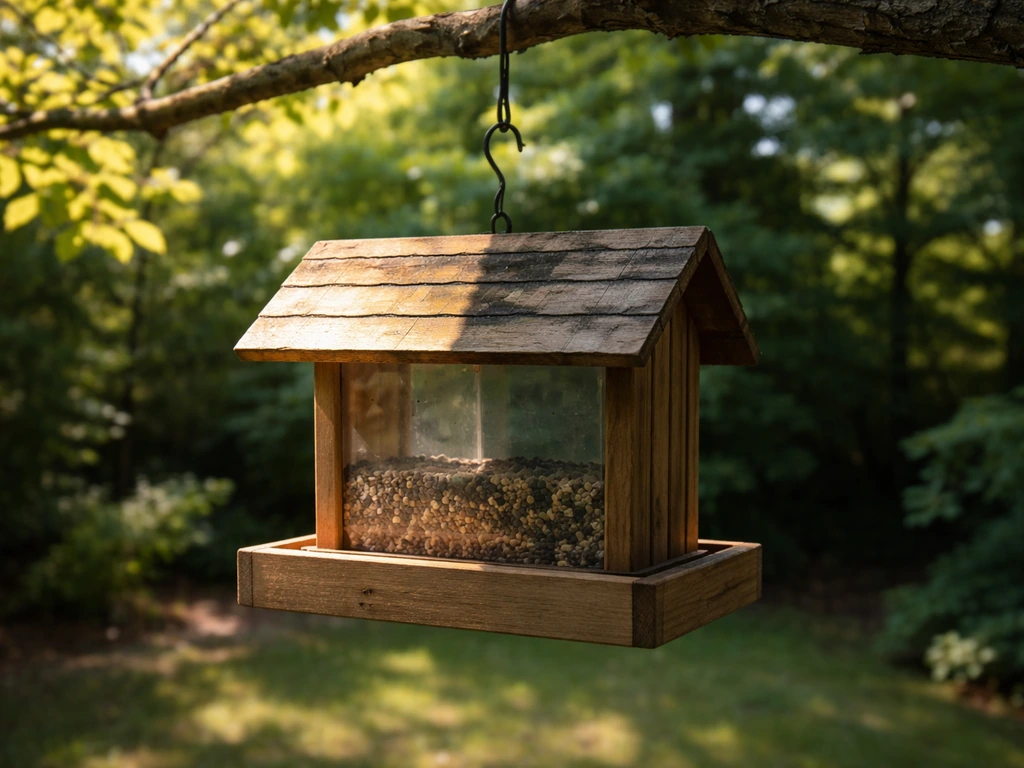
Also worth thinking about: hopper-style and fly-through feeders tend to keep seed drier than open tray feeders in snowy or rainy conditions. That matters in winter because wet seed spoils quickly and can harbor mold that makes birds sick. A covered feeder is not strictly required, but it cuts down on maintenance and waste.
Winter maintenance: keeping food safe and feeders clean
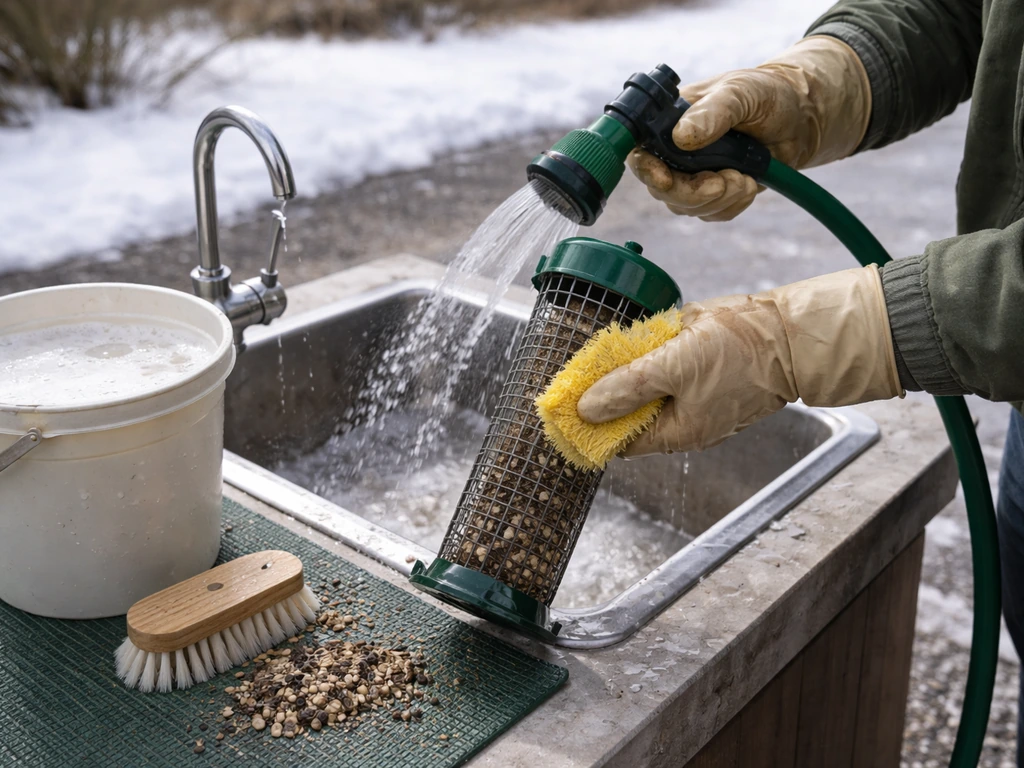
Winter actually increases the pressure on feeder hygiene, not decreases it. Snow melt and rain soak into seed, and cold temperatures do not stop mold from growing the way many people assume. Project FeederWatch recommends cleaning seed and suet feeders every one to two weeks as a baseline, with more frequent cleaning during heavy use or wet weather. Audubon lines up with that: every other week is a reasonable minimum, but more often is better.
For disinfection, Minnesota DNR gives a practical formula: two ounces of bleach per gallon of water. Scrub the feeder, rinse it thoroughly, and then, critically, let it dry completely before refilling. Audubon specifically flags this: refilling a damp feeder is one of the most common ways to accelerate mold growth. In cold weather, drying takes longer, so factor that in when you plan your cleaning schedule.
Do not forget the ground. Seed hulls, droppings, and dropped food accumulate under feeders fast in winter, and that buildup is a disease vector and a wildlife magnet. Project FeederWatch and FWS both call out ground cleaning as part of the routine: rake or sweep the area below your feeders regularly. Minnesota DNR goes further and suggests applying a thin layer of lime to the ground around feeding stations (about a quarter inch deep) to reduce bacteria, though they note it can affect grass.
Common winter problems (unwanted visitors, freezing, and low visits)
Low visit counts are the complaint I hear most often in winter, and the first thing to check is whether the seed is still good. Wet, clumped, or moldy seed gets ignored. After that, consider what else might be nearby: if neighbors are also feeding or if there are natural food sources like berry-laden shrubs in the area, traffic will spread around. FWS is reassuring on this point: low visits do not mean your setup is wrong, they often just mean birds are foraging from multiple spots.
Freezing is a real issue with water-based feeders like birdbaths, but it can also affect seed feeders. Suet goes rancid faster in freeze-thaw cycles, so check suet cakes more often than you would in stable cold weather. For any feeder, knock off accumulated snow and ice after storms to keep the feeding ports accessible.
Unwanted wildlife is the other big winter headache. Squirrels and deer become much more aggressive around feeders when natural food is scarce, and in some regions, bears are a real concern. Alaska's approach is blunt: they do not put feeders out in spring and summer partly because of bears, and they recommend cleaning up the ground around feeders specifically because food debris draws other wildlife. The same logic applies in the lower 48. Keep the ground under your feeders clean, use baffles on feeder poles, and consider taking feeders in at night if larger animals are becoming a persistent issue.
If you are thinking about whether to leave feeders out all winter versus pulling them at certain points, or where exactly to position them for maximum visits, those decisions connect closely to the placement and seasonal questions covered in the related guides on sun versus shade placement and where to hang feeders in winter specifically. Whether you choose sun or shade can also affect how quickly seed spoils and how reliably birds return, so it is worth setting your feeder location accordingly sun versus shade placement. The core principle stays the same: winter feeding works best when it is consistent, clean, and set up with both bird safety and predator risk in mind. If you are wondering whether to leave bird feeders out all year, the key is keeping feeding consistent and clean through the seasons rather than stopping and starting do you leave bird feeders out all year. If you are wondering should you fill bird feeders in the winter, the short answer is yes, especially during cold snaps and when natural food is hard to find winter feeding works best.
FAQ
How often should I refill a winter bird feeder if I want consistent visits?
If you are already seeing birds, continue refilling whenever the food level drops enough that birds cannot access it comfortably. In practice, that means shorter refill intervals during wet or windy stretches (when seed clumps) and a longer interval only when you are sure the seed stays dry. Do not rely on a fixed weekly schedule if weather is soaking the feeder.
Will starting winter feeding later than the recommended date reduce how many birds show up?
Yes. Many birds will use the same feeders even when you start later than the “ideal” date, because they respond to food availability rather than your calendar. The key is that once you begin, you maintain a reliable supply through the coldest period, especially during multi day sub-freezing stretches.
Do I still need to clean if I use a covered feeder in winter?
A covered feeder does not automatically solve the problem, because wet seed can still happen from snow blow-in, melting, or condensation inside the feeder. Covered designs mainly reduce direct precipitation, so you still need the cleaning cadence, and you should toss any seed that looks clumped, crusted, or moldy.
My feeder has low traffic in January, does that mean I’m doing something wrong?
Not always. Some birds eat from ground caches or nearby shrubs, and others will switch feeding locations based on what is closest and easiest to access. If visits are low, first check for wet or moldy seed, then look at whether there are other feeders or natural food sources within a short distance that birds may be using instead.
What should I do after heavy snow or an ice storm so birds can still feed?
Keep the feeder ports clear of ice and snow after storms, and consider using seed types suited for winter rather than relying on whatever seed you used in fall. For water features, plan around freezing, because even small gaps that ice over can cause birds to stop visiting. Suet especially needs more frequent checks during freeze-thaw swings.
How can I tell if my bird seed is past its prime in winter?
Winter seed should not be stored in a damp space once opened. Buy smaller quantities when possible, and store opened bags sealed and dry, then discard seed that smells sour, looks gray or fuzzy, or has visible mold. If your seed is freezing and thawing repeatedly, it can also clump and reduce accessibility.
Is it okay to mix seeds in winter, or should I stick to sunflower only?
Yes, mixing can help, but it should still follow a winter logic. Black-oil sunflower is the best single backbone seed, then you can add safflower and peanuts for variety, and suet for insect-eating visitors. Avoid large amounts of low-fat or hard-to-crack mixes if your goal is mainly winter survival energy.
Will changing feeder placement to add nearby cover increase winter visits?
Often, yes, because wind and predator visibility affect how safely birds can approach. Even a few feet of added shrub or fence cover near the feeder can increase steady use, since birds need places to perch and duck away between visits.
Does severe cold or windy weather change how I should place my feeder in winter?
Yes for certain climates and setups. Birds can still be cautious around freezing rain and heavy wind because they have less energy to waste, so moving the feeder to a more sheltered spot and keeping ports accessible can matter. If you live where storms are frequent, prioritize wind protection and easier access over maximizing sun exposure.
If I want to take feeders down, when is the safest time to stop in winter?
You can stop feeding seasonally, but do it with a plan. The main risk of pulling abruptly is that birds may rely on that predictable food source during the worst cold snaps, so if you decide to remove feeders, consider ending after the cold stretch eases and continue ground and feeder cleanup to avoid attracting wildlife with leftover debris.