Yes, birds will find your feeder. This is why your feeder can start attracting birds as soon as it’s noticed from nearby routes and approach angles how do birds find bird feeders. That's the short answer. The longer one is that how quickly they find it, and whether they keep coming back, depends on a handful of factors you can actually control. and whether they keep coming back, depends on a handful of factors you can actually control. If you've just set up a feeder and you're staring at it wondering why nothing has landed yet, this guide walks you through exactly what's happening, what to do today, and how to troubleshoot if things stay quiet longer than expected.
Will Birds Find My Bird Feeder? A Step-by-Step Plan
Eleanor Hartwick
23 Mar 2026
How birds actually locate feeders
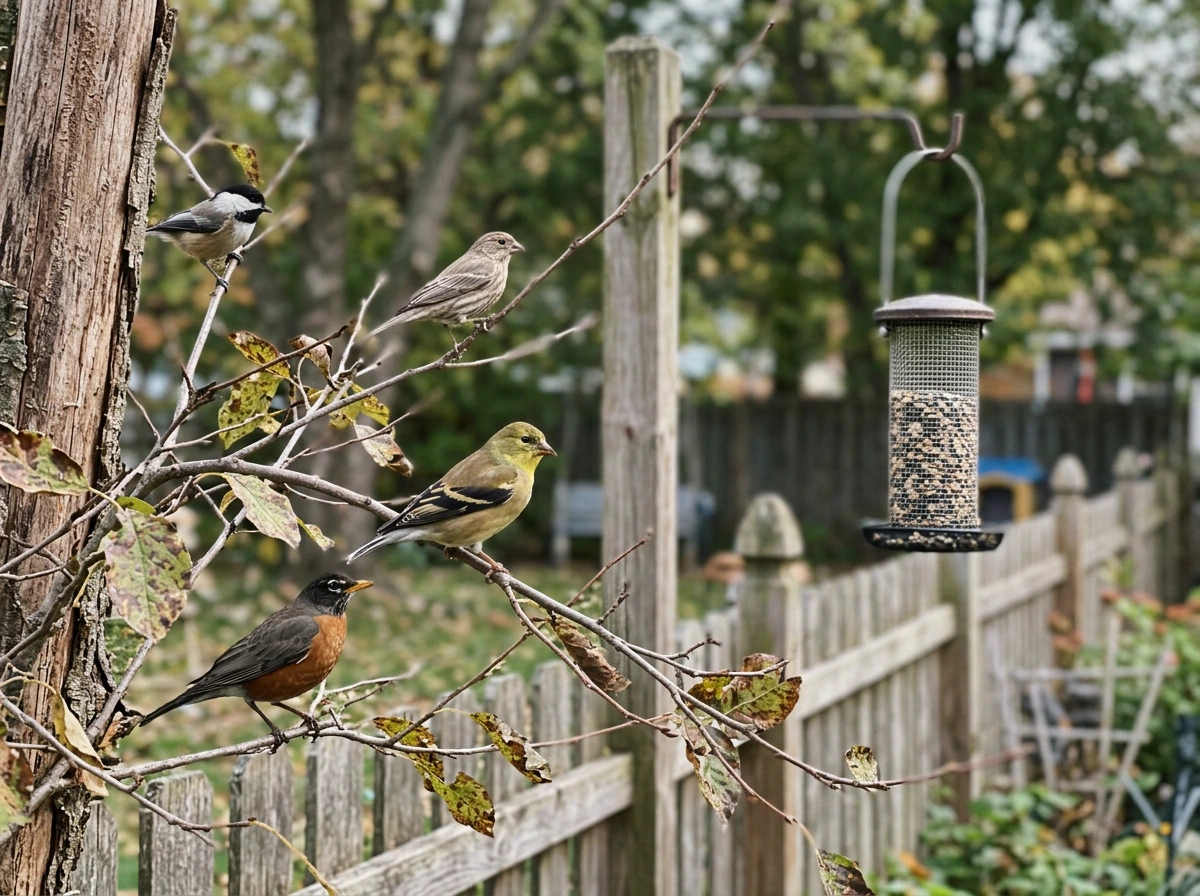
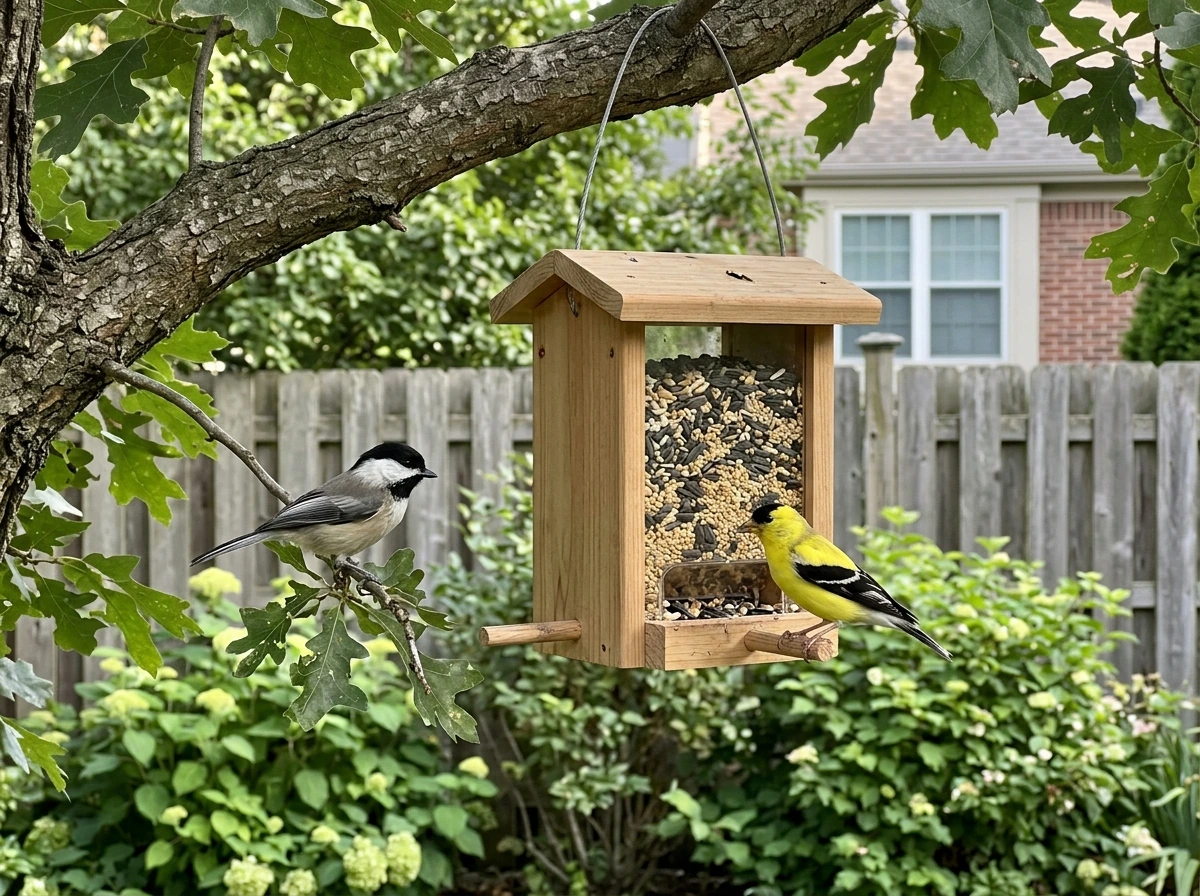
Birds don't stumble onto feeders by accident. They use a combination of sharp eyesight, spatial memory, and social cues from other birds. Once a single bird discovers your feeder, it often acts as an information source for others in the local flock. Researchers studying black-capped chickadees found that they can map and memorize rewarding feeding locations, then return to those spots reliably as part of a daily foraging route. So once your feeder is in one bird's mental map, it tends to spread. Other birds watch where successful foragers are going, follow them, and add the location to their own routes.
This social learning piece is worth understanding because it explains two things: why feeders in active neighborhoods get discovered faster, and why a single bird showing up often means many more are on the way within days. The first visitor is the hardest to get. After that, the process tends to snowball. Hummingbirds take this even further. They practice something called trap-lining, where they revisit reliable food sources in a consistent sequence. Once your hummingbird feeder is on the route, the bird checks it almost like clockwork.
What makes a feeder noticeable to birds
Birds are primarily visual foragers. They notice contrast, color, and movement. A feeder that blends into a cluttered or shadowy background is going to take longer to get spotted than one that's visible from multiple approach angles. Red and orange feeders attract hummingbirds particularly well because of their affinity for those colors. For seed feeders, a bright or contrasting exterior helps, but the bigger visual cue is often the seed itself. If you're using a tube feeder, fill it all the way to the top so birds flying past can see the seed through the ports.
Movement helps too. A feeder that sways slightly in a breeze can catch a bird's eye in a way a static object won't. You can also scatter a handful of seed on a flat surface near the feeder, like a stump or the ground, to create a visible signal that food is available. This works particularly well for ground-feeding species like mourning doves and sparrows.
On the question of smell: birds have limited olfactory ability compared to mammals, so don't count on scent to attract them. There's a separate discussion worth reading on whether birds can smell bird feed, but for practical purposes, sight is your primary tool. What birds do respond to is the activity of other birds. If you can encourage any initial visitors, their presence and sounds become an advertisement to others.
Where to put the feeder: height, distance, shelter, and wind
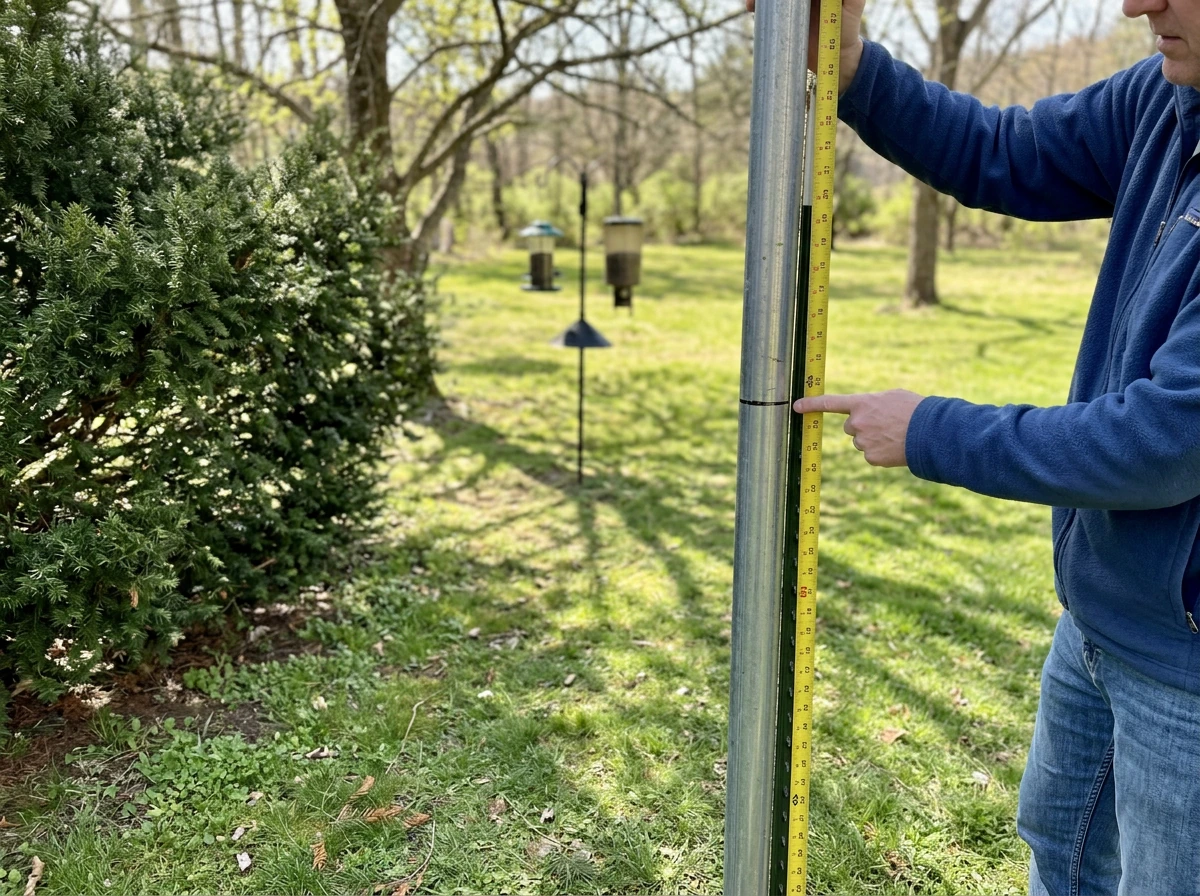
Placement is probably the most underestimated factor in whether birds find and use a feeder. Get this wrong and you can have the best seed in the world sitting untouched for weeks.
Distance from cover
Birds need a clear escape route if a predator appears, but they also want cover nearby so they can approach cautiously. The rule of thumb from Perky-Pet and Virginia DWR is to place feeders about 10 feet from shrubs, hedges, or tree branches. Close enough that birds feel safe darting to cover, far enough that a cat can't hide right underneath and ambush them. If your feeder is right up against a dense shrub or fence, birds may actually avoid it because the risk feels too high.
Window collision risk
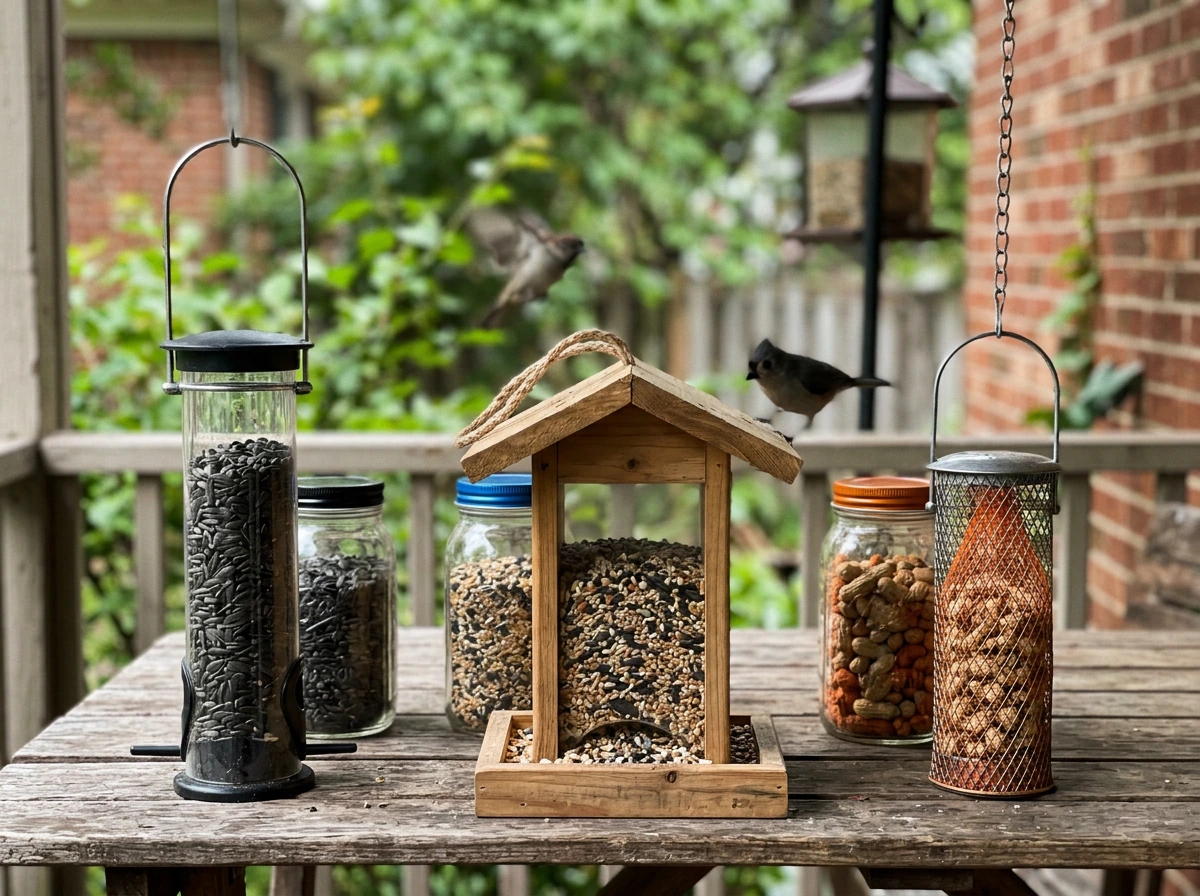
This matters more than most people realize. Research by Daniel Klem (cited by Tufts Cummings Veterinary Medical Center) found that the safest feeder placements are either very close to a window (within 3 feet, so birds can't build enough flight speed to injure themselves if they hit the glass) or more than 30 feet away. Virginia DWR recommends keeping feeders more than 10 meters from buildings for this reason. The danger zone is everything in between, roughly 3 to 30 feet from a window, where a bird can accelerate before striking. If you've set up a feeder right outside a large glass door at 10 feet away, consider moving it.
Height and shelter from weather
Most hanging feeders do well at about 5 to 6 feet off the ground, which keeps them accessible for filling but high enough to limit ground predator access. Pole-mounted feeders in the 4 to 6 foot range are also practical. Avoid placing feeders in completely exposed spots where they swing violently in wind or get soaked from every angle. Birds prefer feeders with some overhead shelter, like a roof or an overhanging branch, especially during rain. A wet, spinning feeder in a wind tunnel is not an appealing dining experience.
How long before birds show up
The honest range is anywhere from a few hours to a couple of weeks. Most feeders in suburban and rural areas with existing bird populations get their first visitor within 2 to 5 days. In areas with lower bird density, or if your feeder is placed in a spot that isn't on any established foraging routes, it can stretch to two weeks or more. Once the first bird visits, others tend to follow quickly.
Local conditions matter a lot. If your neighbors already feed birds, there's an established population nearby that's actively scouting for food. Your feeder is likely to get noticed faster. If you're in a newer development with minimal vegetation, or in a dense urban area with few green corridors, it takes more patience. The season also plays a role, which is covered below. The main thing to know: if nothing has shown up in two weeks and you've done everything right on placement and food, there's usually a specific reason you can diagnose and fix.
Choosing the right food and feeder type
Seed type is the most important factor in which birds you attract, and according to research from Project Wildbird (a large U.S. and Canada seed preference study), the consistently top-performing options are black-oil sunflower seed, hulled sunflower chips, Nyjer (also called thistle), and white proso millet. A 2013 Wildlife Society Bulletin study confirmed that food type was actually a more important driver of feeder visits than feeder style alone. If you're only going to stock one thing, make it black-oil sunflower seed. It attracts the widest variety of common feeder birds including chickadees, nuthatches, cardinals, finches, and jays.
Nyjer seed in a tube feeder with small ports is the go-to setup for goldfinches and other small finches. White proso millet, especially scattered on a platform or the ground, is excellent for sparrows, juncos, and mourning doves. Shelled peanuts and safflower are also strong performers for a range of species. Avoid cheap mixed seed bags that are mostly red millet or milo. Birds tend to toss those aside to get to what they actually want, which creates waste and mess without improving visitation.
| Seed/Food Type | Best Feeder Style | Species Attracted |
|---|---|---|
| Black-oil sunflower | Hopper, tube, platform | Chickadees, cardinals, nuthatches, finches, jays |
| Hulled sunflower chips | Tube, platform | Most songbirds, reduces shell mess |
| Nyjer (thistle) | Tube with small ports | Goldfinches, pine siskins, redpolls |
| White proso millet | Platform, ground scatter | Sparrows, juncos, mourning doves, towhees |
| Shelled peanuts | Platform, mesh tray | Jays, woodpeckers, nuthatches, chickadees |
| Safflower | Hopper, tube | Cardinals, chickadees, doves |
| Nectar (4:1 water to sugar) | Hummingbird tube feeder | Hummingbirds, orioles |
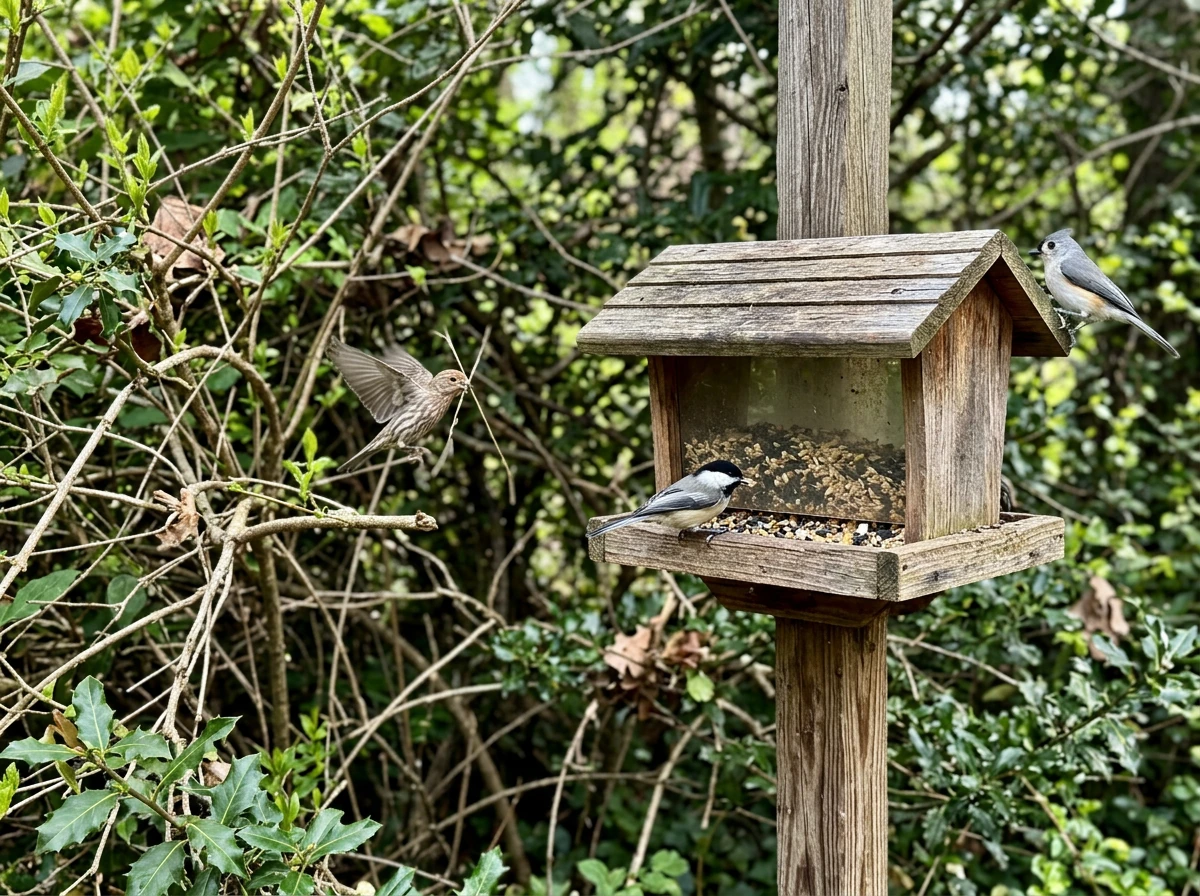
Feeder style does matter at the margins. Tube feeders work well for clinging birds like finches and chickadees. Platform or tray feeders attract the widest variety because almost any bird can land and eat from them. Hopper feeders are a good all-around choice for sunflower seed and blends. If you're targeting a specific species, match the feeder to how that bird naturally feeds. Woodpeckers, for example, do better with suet cages or feeders that let them grip vertically.
Dealing with squirrels, rats, and aggressive birds
Squirrels are the most common complaint I hear from people who set up feeders. They're persistent, athletic, and they empty feeders fast. The ICWDM notes that bird feeders naturally increase food supply and attract non-target wildlife, so some squirrel presence is almost inevitable. The question is how much you tolerate and what you do about it.
A squirrel-resistant pole setup requires placing the feeder at least 8 feet away from any surface a squirrel can jump from (branches, fences, deck rails, rooflines) and mounting a baffle on the pole at about 4 to 4.5 feet from the ground. Both the horizontal and vertical distances matter. If the feeder is 8 feet from the nearest branch but the pole has no baffle, squirrels will still climb the pole. Get both right, and you'll stop most squirrels reliably.
Rats are attracted to spilled seed on the ground, not usually to the feeders themselves. Use a no-waste seed like hulled sunflower chips, add a tray to catch shells and debris, and sweep under the feeder regularly. If you're seeing rats, stop using millet or any seed that produces a lot of husk waste.
Aggressive birds like house sparrows and European starlings can dominate feeders and drive off smaller songbirds. Starlings can't easily use tube feeders with small perches, so that's one practical deterrent. House sparrows are harder to exclude. Removing open platform feeders that make it easy for them to monopolize, and switching to tube or caged feeders, helps. Be aware that Virginia DWR also flags disease risk when large numbers of any species congregate, so overcrowded feeders are worth managing even when the birds are the species you wanted.
Keeping feeders clean so birds keep coming back
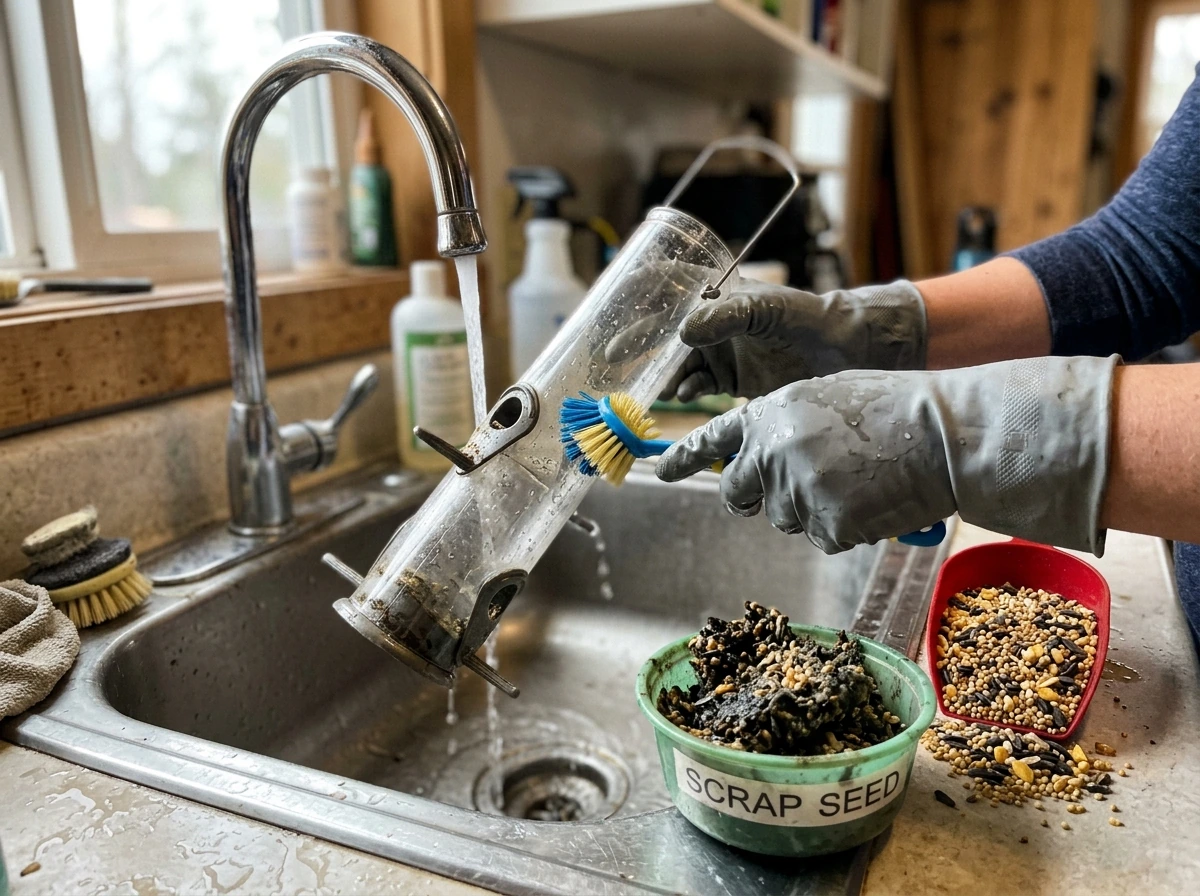
A dirty feeder is one of the most common reasons birds stop visiting. Wet, moldy seed is not just unappetizing, it's dangerous. Project FeederWatch recommends cleaning seed feeders about once every two weeks, and more frequently during warm or damp conditions when mold and bacterial growth accelerate. Iowa DNR suggests a monthly cleaning with a 10% bleach solution (roughly one part bleach to nine parts water), making sure the feeder dries completely before you refill it.
Beyond the feeder itself, clean up underneath it. The BTO recommends routinely sweeping the area below feeders to prevent buildup of droppings. If you start seeing sick or dead birds near your feeder, take the feeder down and stop feeding for at least two weeks. This allows birds to disperse and breaks the disease transmission cycle. Then clean thoroughly before putting it back up.
When you're doing the cleaning, protect yourself. The CDC recommends avoiding contact with bird droppings, saliva, and feeder residue through your eyes, nose, or mouth. Wear gloves, wash your hands thoroughly afterward, and don't clean feeders near food preparation areas.
A simple maintenance routine
- Check seed levels every 2 to 3 days and top up before the feeder goes empty (an empty feeder teaches birds the spot is unreliable)
- Remove clumped or wet seed immediately, don't just add fresh seed on top of it
- Clean the feeder with a brush and 10% bleach solution every 1 to 2 weeks, rinse thoroughly, and let it dry fully
- Sweep or rake under the feeder weekly to clear shells, droppings, and spoiled seed
- Inspect the feeder for cracks or damage where moisture can collect and seed can spoil faster
Seasonal and weather factors that change everything
Bird feeder activity isn't constant through the year, and if you're not accounting for season, you might think something is wrong when it isn't. In spring and summer, natural food sources are abundant. Birds may visit your feeder less frequently because insects, berries, and seeds are available elsewhere. That's normal. Feeder activity typically peaks in fall and winter when natural food becomes scarce, which is when feeders become genuinely important to local birds.
For hummingbirds specifically, timing your feeder deployment matters a lot. Audubon regional guidance recommends having nectar feeders up by early March in the Southeast and by late April in the Northeast. Don't wait until you see the first hummingbird to put the feeder out. Migrating hummingbirds are scouting for reliable food sources, and if your feeder isn't visible when they pass through, you've missed them for the season. In 2026, if you're in the Southeast and haven't put up your hummingbird feeder yet, do it today.
Weather events also drive short-term changes. Feeder activity often spikes before and after storms as birds load up on calories. During very cold snaps, high-calorie foods like suet, peanut butter, and sunflower seed become especially valuable. During heavy rain, birds tend to wait it out. If you've had a week of wet weather and the feeder looks untouched, that's often the reason, not a sign that birds have abandoned the spot. Check that seed hasn't gotten wet and moldy in the meantime.
If birds still aren't showing up: a quick diagnostic
If it's been more than two weeks and you haven't had a single visitor, work through this checklist. Most problems fall into one of these categories.
- Placement issue: Is the feeder in a spot birds are actually flying through? A feeder in a backyard with no trees, shrubs, or green corridors nearby may simply be off the local foraging map. Try moving it closer to vegetation.
- Window collision risk: Is the feeder in the 3 to 30 foot danger zone from a large window? Birds may be avoiding the area after a previous collision, or the reflection may be confusing them.
- Cover too close or too far: No escape cover within 10 to 15 feet means birds feel exposed. Cover right up against the feeder means predator risk. Aim for that 10-foot buffer.
- Wrong food: Generic mixed seed with mostly milo or red millet won't attract much. Switch to black-oil sunflower seed or hulled sunflower chips and see if that changes things.
- Spoiled seed: Remove all existing seed, clean the feeder, and refill with fresh. Birds detect and avoid rotten food.
- Feeder is too isolated: If you're in a low-bird-density area, try adding a birdbath nearby. Water attracts birds that might not be seed-eaters, and once birds are in the yard, they'll notice the feeder.
- Time of year: If it's late spring or summer, natural food is abundant. Reduce expectations and wait for fall activity to pick up.
- Predator pressure: A neighborhood cat patrolling the yard can shut down feeder activity entirely. If a cat is regularly present near the feeder, birds will learn to avoid the area.
The most productive thing you can do right now is pick the one or two most likely culprits from that list and change them. Don't overhaul everything at once or you won't know what actually made the difference. Make one adjustment, give it a week, then evaluate. Bird feeding has a learning curve, but once you dial in the placement, food, and maintenance routine for your specific yard and local species, it tends to work reliably for years.
FAQ
My feeder is full but birds won’t come near it, even though I see them elsewhere. What should I suspect first?
Check whether birds can safely approach, not just whether they can see the feeder. If it is within the window danger zone (roughly 3 to 30 feet from glass), birds may avoid it due to collision risk, even if the food is ideal. Move it to either within about 3 feet of the window or beyond 30 feet, and re-evaluate after a week.
Could my seed choice be the reason birds haven’t found the feeder yet?
If you are using mixed seed, try switching to a known single favorite for a couple of weeks (for example, black-oil sunflower for generalists). Many birds toss low-preference fillers, so the feeder looks “busy” but the exact foods the birds want are missing or getting covered with husk waste.
How long should I wait before assuming something is wrong, and at what point should I intervene?
Give it time, but use a limit. In most suburbs and rural areas with established bird populations, you typically see the first visitor within 2 to 5 days, and rarely longer than 2 weeks. If you pass the 2-week mark with no visitors, you should treat it as a diagnostic problem (placement, food freshness, cleaning, or competing dominance by other species).
Do birds ever take a while to “learn” a feeder location, and how can I speed that up?
New feeders often lack “social proof.” If you have other birds in the yard, you can increase the odds by making the feeder easy to spot and by keeping it stocked consistently (no empty days). Once one species starts visiting and calling, other birds usually join quickly.
Is it normal for feeder visits to slow down in spring or summer?
During spring and summer, birds may rely more on natural foods, so feeder visits can drop even if your feeder is perfect. If the weather has also been warm or you recently had abundant natural food sources, reduced traffic is usually seasonal, not a sign you made a mistake.
Why did my hummingbird feeder work last year but not yet this season?
Hummingbirds often will not start coming if the feeder is deployed too late or is hard to view from typical flight paths. For best results, put nectar feeders up ahead of migration (for example, early March in the Southeast, late April in the Northeast) and ensure the feeder is clearly visible and not in a hard-to-approach, shaded spot.
We had a lot of rain and the feeder looks untouched. Could weather be the cause even if the feeder is clean?
Yes, wet seed can shut down feeding quickly. After a few days of rain, check for clumping, moldy odor, or seed that looks swollen or grayish. Clean out damp seed, dry the feeder well, and refill with fresh, dry food before assuming birds are ignoring the feeder.
What’s the most common mistake with squirrel-proofing that still lets squirrels empty the feeder?
Squirrel resistance has to be measured from actual jump paths, not just the feeder’s height. For pole feeders, keep the feeder at least about 8 feet from any surface squirrels can reach (branches, fences, deck rails), and add a baffle around 4 to 4.5 feet from the ground. If either distance is off, squirrels can still climb and bypass the design.
If I’m only getting one aggressive species, how do I adjust so other birds can use the feeder too?
Not necessarily. Some “dominant” species can monopolize feeders and prevent smaller birds from arriving. If you see only larger aggressive birds or no smaller species at all, consider switching feeder type to one that favors the birds you want (for example, tube or caged for starlings, and avoiding very open platforms when house sparrows are common).
Could a dirty feeder be preventing birds from discovering it, even if they would normally like the seed?
Yes, dirty or under-cleaned feeders can eliminate visitors fast, especially when temperatures are warm or weather is damp. If you have not cleaned in the last couple of weeks, check for moldy seed, sticky residues, and wet husks, then clean, dry completely, and refill. Also sweep the area underneath so spoiled debris is not constantly reintroduced.
What should I do if I notice sick or dead birds around my feeder?
If you have sick or dead birds near the feeder, stop feeding for at least two weeks to let birds disperse and to break transmission cycles. Do not just wipe the feeder quickly, instead clean thoroughly before restarting, and keep cleaning routines consistent going forward.
Next Articles
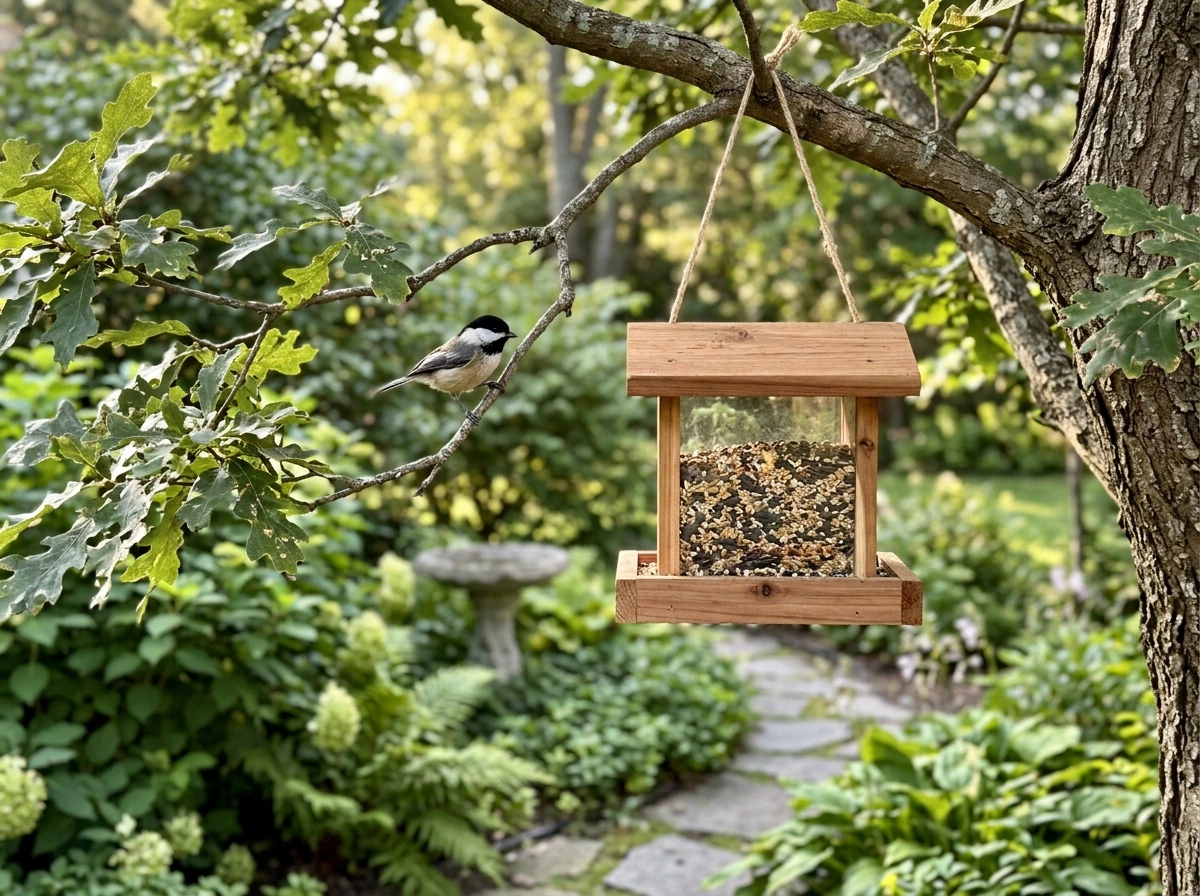
How Long for Birds to Find a Bird Feeder
Learn typical timing for birds to find a new feeder, what affects it, and placement tips plus fixes if they don’t show.
Do Birds Nest Near Bird Feeders? How to Respond Safely
Why birds nest near feeders, how to spot it, and safe, legal steps to discourage or handle an active nest.
When to Take Bird Feeders Down: Season Rules and Timeline
When to take bird feeders down by season, plus disease, cleaning, and wildlife rules of thumb for safe timing.