Most backyard feeders get their first visitor within a day or two of going up. Some get visitors within hours. A few take two to four weeks, especially in quieter or less birded areas. The honest answer is that the range is wide, but there are specific things you can do to land closer to the "hours" end of that spectrum, and clear reasons why you might be sitting on the far end of "weeks." Let me walk you through both.
How Long for Birds to Find a Bird Feeder
Eleanor Hartwick
23 Mar 2026
How long it actually takes: real timelines
Wild Birds Unlimited describes what they call the "Rule of 2s" for feeder discovery: birds can find a new feeder in as little as 2 seconds, 2 minutes, or 2 hours, but they can also take 2 days, 2 weeks, or even 2 months. That wide spread isn't a cop-out. It reflects genuinely different conditions across backyards, seasons, and habitats. Here's how to translate that into realistic expectations for your situation.
| Scenario | Typical First Visit Timeline |
|---|---|
| Active feeding area, good habitat nearby, high-traffic seed (black oil sunflower) | Minutes to hours |
| Suburban yard with trees, decent feeder placement, standard seed mix | 1 to 3 days |
| New feeder in an unfamiliar spot, recent relocation, or less frequented yard | 1 to 2 weeks |
| Rural or isolated yard, low bird density, offseason timing | 2 to 4 weeks or more |
The key thing to understand is that birds don't "find" feeders the way you might find something you're searching for. They discover them incidentally, through flyovers and foraging routes, and then communicate that discovery to other birds around them. So the first visit is often from a scout, not a crowd. Once one bird identifies your feeder as a reliable food source and it's safe to use, others follow relatively quickly.
What speeds up (or slows down) discovery
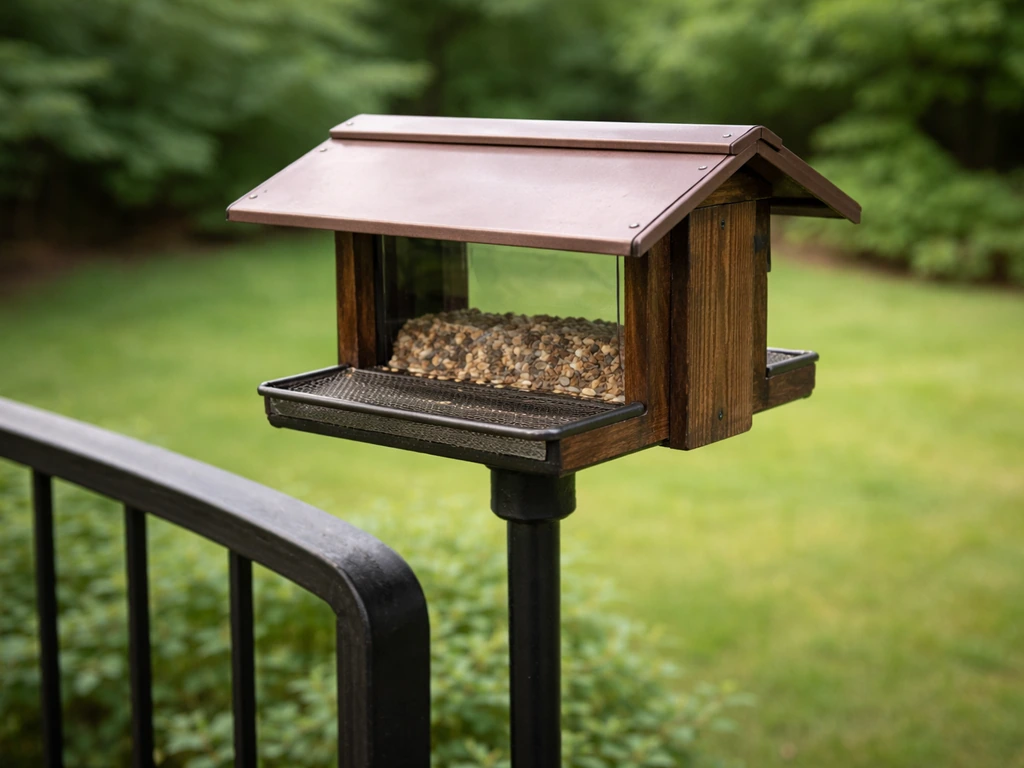
Feeder visibility is probably the single biggest factor. Birds navigate largely by sight, so a feeder tucked deep under a porch roof or hidden behind dense foliage is going to be missed, even by birds that pass through your yard regularly. will birds find my bird feeder Open sightlines from above matter a lot, since many seed-eating species scout from elevated perches before coming in to feed.
Food type is the second major variable. Black oil sunflower seeds are the closest thing there is to a universal magnet for feeder birds. They attract chickadees, nuthatches, finches, cardinals, juncos, and more. Cheap mixed seed blends full of milo and red millet are often ignored or kicked to the ground. If you're using a generic "wild bird mix" from a hardware store and wondering why nothing's showing up, the seed quality is almost certainly part of the problem.
Proximity to existing habitat also matters. If your yard backs up to a wooded area, a hedgerow, or even a shrubby fence line, birds are already moving through nearby. A feeder in that context gets noticed much faster than one sitting in the middle of an open lawn with no perch trees within 30 feet. Distance from existing food sources plays a similar role: the denser the local bird population, the more eyes are on your yard at any given moment.
Weather is underrated as a factor. Cold snaps, especially in late fall and winter, push birds to feeders hard and fast because natural food is scarce. A feeder that sat ignored for two weeks in September might get mobbed in November when the temperature drops. Conversely, if you put up a feeder in midsummer when insects and berries are everywhere, you may wait longer simply because birds have no pressing reason to investigate.
Placement: the details that actually matter
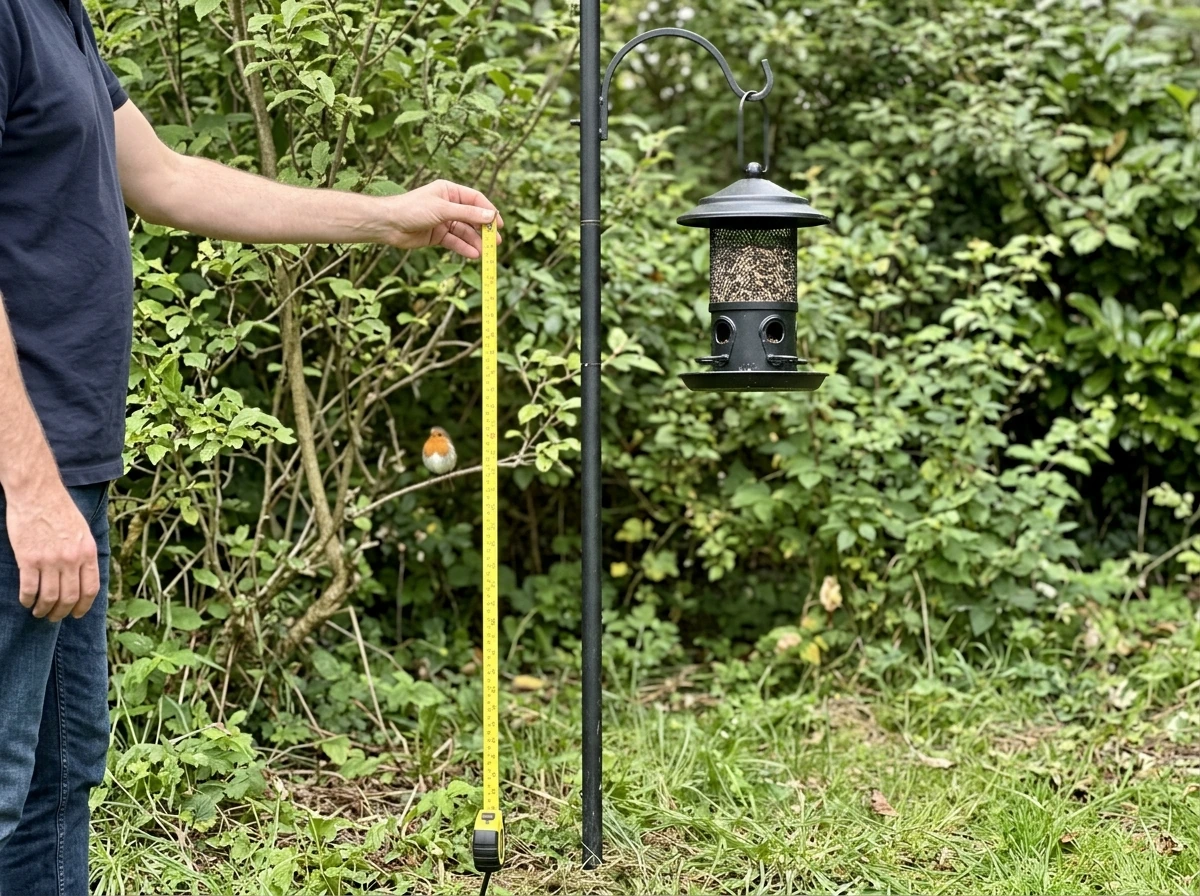
Height is one of the most common mistakes beginners make. For most seed feeders, aim for 5 to 6 feet off the ground. That's high enough to deter ground-level predators and casual squirrel access, but low enough to still be visible from bird-level flight paths. Hummingbird feeders can go a bit lower. Platform feeders serving ground-feeding birds like doves and sparrows should be at 2 to 3 feet, or placed directly on the ground.
Cover proximity is a balance. Place your feeder within 10 to 15 feet of a shrub or small tree, which gives birds a staging area where they can wait and watch before committing to the feeder. But keep it far enough from branches that squirrels can't leap directly onto it. Roughly 10 feet from the nearest horizontal branch is a workable rule of thumb, though determined squirrels will challenge you regardless.
Wind and sun orientation affect both the birds and the seed. A feeder in a wind tunnel will swing constantly, which makes birds nervous and spills seed fast. Face the feeder opening away from prevailing winds. Direct sun in hot weather accelerates seed spoilage, so partial shade during the afternoon is a plus in spring and summer. In winter, a south-facing position keeps the feeder warmer and more visible.
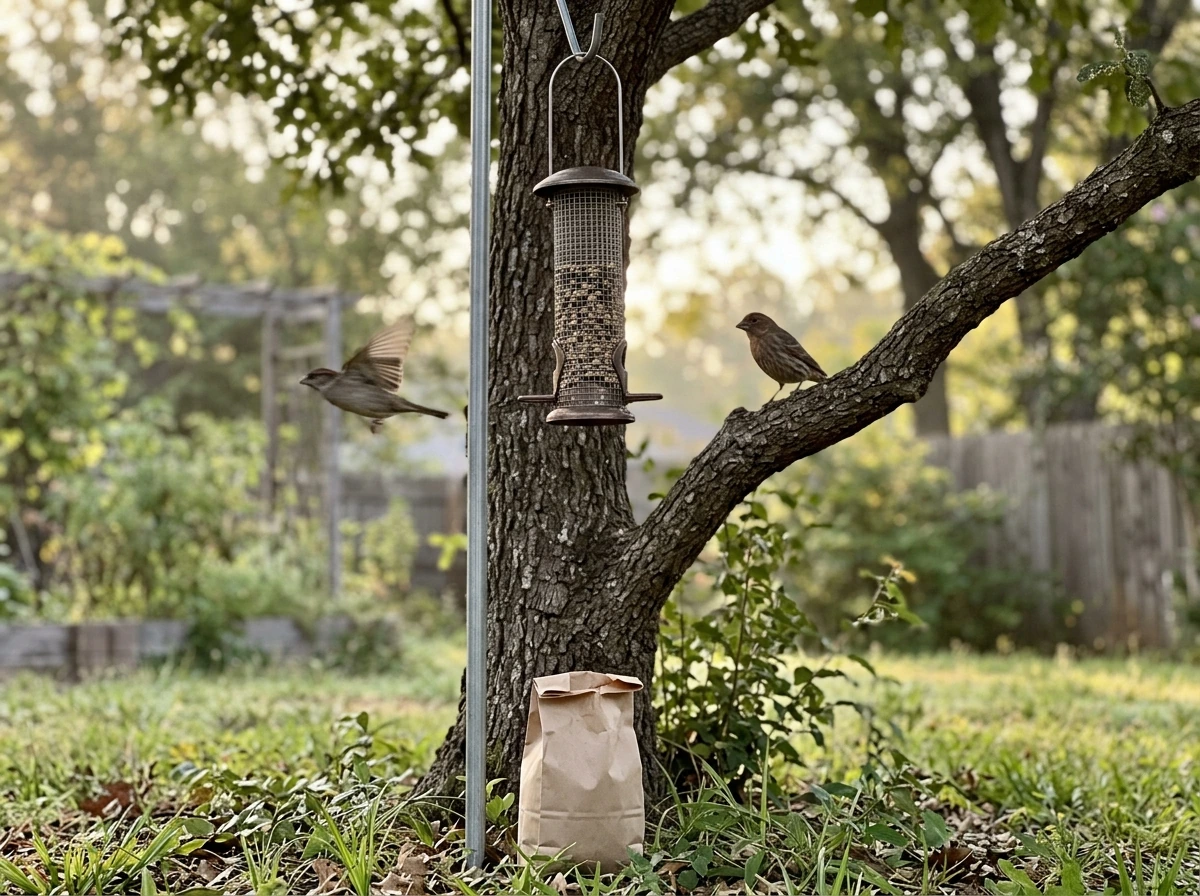
One practical tip that's easy to overlook: sprinkle a small amount of seed on the ground directly below the feeder when you first set it up. Ground-level seed catches the eye of passing birds and draws them to investigate the source above. It's a simple trick that can shave days off your wait time. Once birds are regularly visiting, you can stop scattering seed on the ground if you're concerned about attracting rodents.
If you want to track who's visiting and when, a trail camera or even a simple phone-mount camera pointed at the feeder is genuinely useful. You'll often discover that birds are visiting at times you're not watching, which is reassuring during that anxious "are they ever going to show up?" phase. Motion-activated lighting near the feeder isn't recommended because it disturbs natural behavior and startles birds.
What you'll actually see while you're waiting
Discovery tends to happen in stages. The first sign is often a bird landing nearby, looking toward the feeder, then flying off without feeding. This is normal scouting behavior. A chickadee or nuthatch will often make several passes at increasing proximity before actually landing on the feeder. Don't interpret these near-misses as rejection. They're the process.
After the first real feeding visit, you'll typically see intermittent, short visits for a day or two as the bird confirms the food is consistently available and the area is safe. Then visits become more regular. If that first visitor is a social species like a chickadee or house finch, you'll often see a small flock following within 24 to 48 hours, since these birds communicate food sources to their flock.
One thing to watch for is a dominant bird claiming the feeder and chasing others away. This is common with house sparrows, starlings, and in some areas, house finches when their numbers are high. If you notice one species monopolizing the feeder, the solution is usually adding a second feeder nearby with different seed, creating more feeding stations so the dominant bird can't guard all of them at once.
If no birds show up: how to troubleshoot it
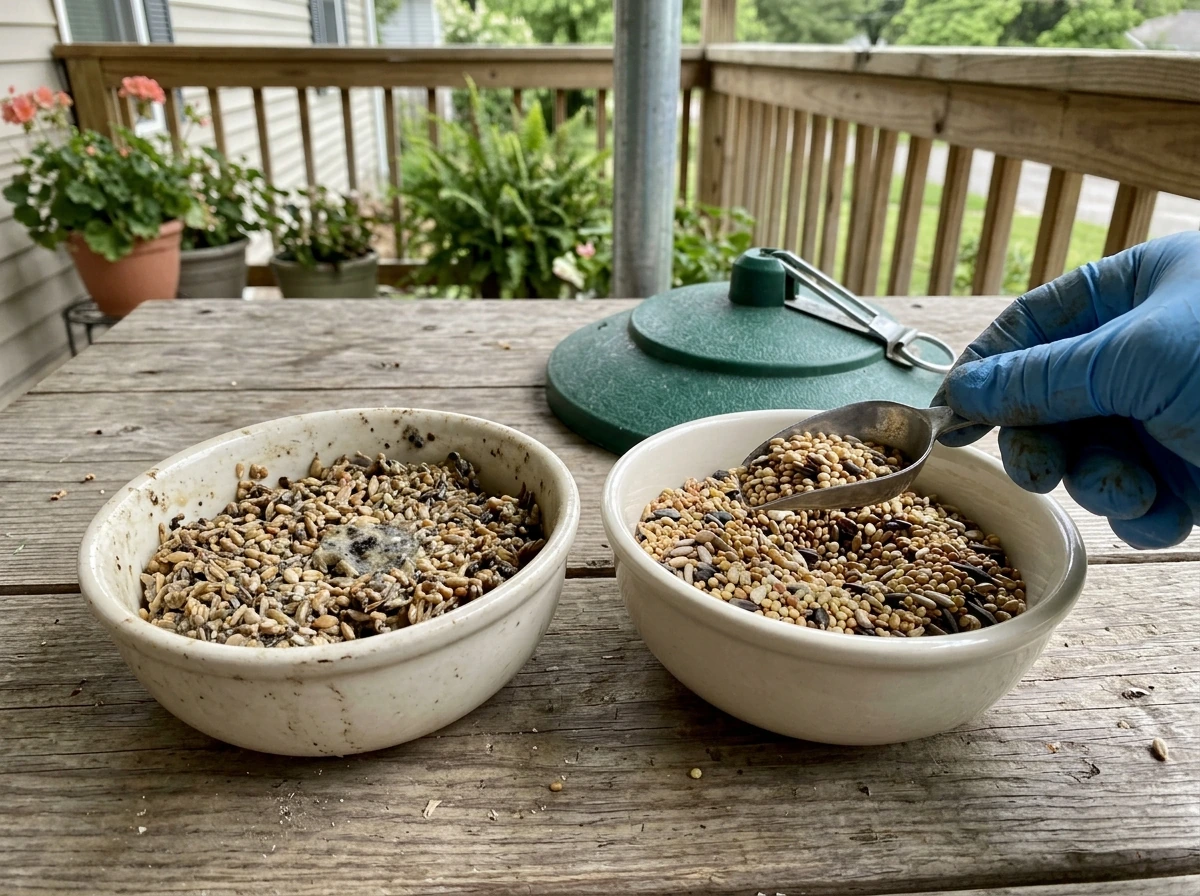
If two weeks have passed and you're not seeing any activity, work through this checklist before assuming your yard simply doesn't attract birds.
- Check the seed first. Old, stale, or wet seed smells off to birds and can grow mold that makes it actively dangerous. Empty the feeder completely, rinse it out, and refill with fresh black oil sunflower seed or a high-quality mix with no filler grains.
- Inspect the feeding ports. If you're using a tube feeder, make sure the ports aren't clogged with old seed or debris. Birds will avoid a feeder where they can't easily access food.
- Reassess placement. Is the feeder visible from above? Is it at least 10 to 15 feet from shrubs or trees that give birds a staging point? Is it away from heavy foot traffic and noise that would make birds nervous?
- Look for squirrel interference. Squirrels don't just eat the seed, they often scare birds off entirely and can damage feeder ports. A baffle on the pole (a cone-shaped guard below the feeder) is the most effective deterrent. Make sure the pole is at least 5 feet tall and the feeder is at least 10 feet from any horizontal jumping surface.
- Rule out predator pressure. A neighborhood cat that patrols your yard, or a hawk that regularly perches nearby, can suppress feeder activity significantly. If you notice either, moving the feeder to a more sheltered but still visible spot can help.
- Consider adding a water source. A birdbath placed near the feeder dramatically increases yard traffic. Birds need water year-round, and a reliable water source often draws in birds that might not otherwise investigate your feeder.
If you've gone through the full checklist and still nothing, give it two more weeks with fresh seed before drawing conclusions. Some yards, particularly in areas with low bird density or heavy urban noise, genuinely do take longer. Patience is part of the process, even if it's frustrating to hear.
Species-specific timing and seasonal patterns
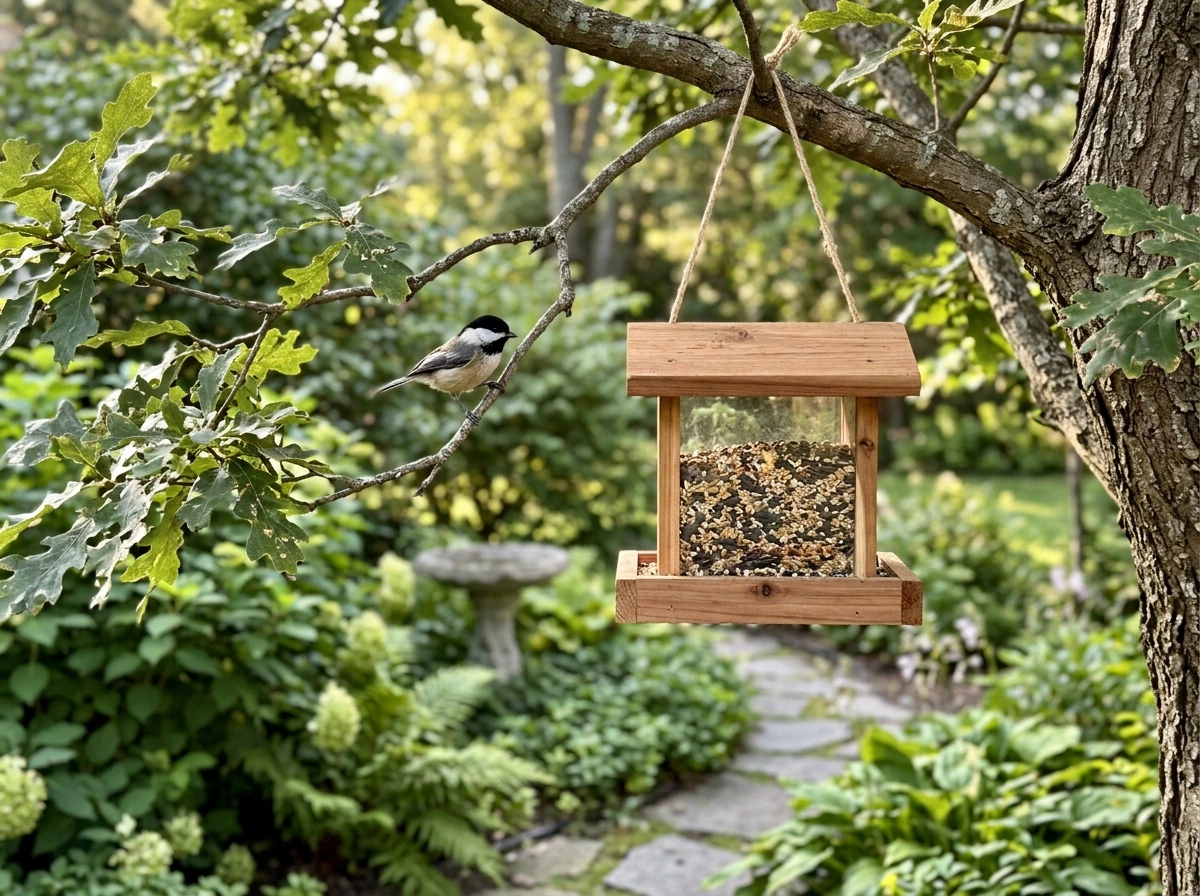
Different bird species respond to feeders on very different timelines, and knowing what's likely to visit your area at a given time of year sets better expectations. Chickadees and nuthatches are almost always the quickest to find a new feeder: they're curious, bold, and constantly probing new food sources. If you have either species in your area, expect them within the first few days.
Cardinals are more cautious and often take a week or two before they commit to a new feeder. Once they do, they're highly consistent visitors. Northern cardinals in particular prefer platform-style feeders or tube feeders with wide perches. House finches and goldfinches tend to show up in groups once they find a feeder, and they're especially attracted to nyjer (thistle) seed, which is worth having in a dedicated finch feeder if you want to draw them specifically. If you're curious about finch-specific behavior, that's a topic worth exploring on its own.
Hummingbirds require their own setup: a nectar feeder with a 4:1 water-to-sugar ratio, hung in a visible spot near flowers if possible. Their arrival is almost entirely dependent on migration timing. In most of the U.S., that means April through May for spring arrivals and August through September for fall migrants, though exact timing varies significantly by region. Don't put a hummingbird feeder out in January and wonder why no one's showing up.
| Species / Group | Typical Discovery Speed | Best Seed or Food | Notes |
|---|---|---|---|
| Chickadees / Nuthatches | Hours to 1-2 days | Black oil sunflower, suet | First finders; bold and curious |
| House Finches / Goldfinches | 2-5 days | Nyjer, black oil sunflower | Visit in flocks once discovered |
| Cardinals | 1-2 weeks | Safflower, black oil sunflower | Cautious; prefer wide perches or platforms |
| Sparrows / Juncos | 2-7 days | Millet, cracked corn, mixed seed | Ground feeders; scatter seed below feeder |
| Woodpeckers | 3-14 days | Suet, peanuts | Need vertical feeder surface or suet cage |
| Hummingbirds | Depends on migration | Nectar (4:1 water to white sugar) | Timing is regional; follow local migration data |
Seasonally, late fall and winter are your best windows for fast feeder discovery. Natural food is scarce, birds are moving around more, and a fresh food source stands out. Spring and early summer are slower because insects and berries are abundant. That said, spring migration can bring surprising new visitors passing through, so it's worth keeping feeders stocked year-round if you want the full range of species.
During nesting season (roughly April through July in most of North America), you'll notice different feeder dynamics. Parent birds may visit more frequently to carry food back to chicks, or may visit less if they're focused on insects to feed nestlings. Don't be alarmed by reduced activity during peak nesting, it's normal.
Keeping birds coming back: maintenance that matters
Getting birds to find your feeder is the first step. Keeping them coming back is where consistent maintenance pays off. Birds are creatures of habit once they identify a reliable food source, but "reliable" means the food is always fresh and the feeder is always accessible. A feeder that runs empty repeatedly, or fills with stale seed after rain, will be deprioritized in favor of more consistent sources.
Refill cadence depends on how many birds are visiting, but a useful starting point is checking the feeder every two to three days. In cold weather with high traffic, you may need to refill daily. In slower periods, weekly is fine, but always remove old seed before adding new: don't just top off a feeder without checking what's underneath. Wet, compacted seed at the bottom of a tube feeder is a common source of mold and bacteria, which is one reason birds can end up pooping near bird feeders less comfortably and require regular cleanup.
Cleaning is non-negotiable. Clemson's Home and Garden Information Center recommends washing feeders at least once a week when no mold is present. Use hot water and a mild dish soap, scrub with a bottle brush to get into the ports and crevices, then rinse thoroughly and let the feeder dry completely before refilling. In humid weather or if you notice any dark discoloration inside the feeder, clean it immediately and replace the seed.
Pest prevention is an ongoing project rather than a one-time fix. Squirrel baffles work well but need to be maintained, since squirrels are persistent and will exploit any gap. Keep the area under the feeder tidy: spilled seed on the ground attracts mice and rats, which in turn attract predators that scare off birds. A small tray or catch tray under the feeder helps manage spillage. For unwanted birds like starlings, a feeder with shorter perches or weight-sensitive ports discourages heavier species while allowing smaller birds access.
The bottom line: if you've placed the feeder well, stocked it with quality seed, and kept it clean, birds will find it. The wait is the hardest part, but most backyard feeders are discovered well within two weeks. If yours hasn't been found after that, something specific is usually off, and the troubleshooting steps above will almost always surface the issue. Give it time, stay consistent, and you'll be surprised how quickly your yard becomes part of the local bird circuit.
FAQ
Should I keep moving the feeder to “help” birds find it faster?
Usually no. Frequent moving resets the discovery process and can make birds abandon the area. Instead, pick a good spot (open sightlines, the right height, near cover) and keep it there for at least 1 to 2 weeks before changing anything major.
What’s a realistic timeline for the first “scout” visit versus regular feeding?
Expect the first landing or near approach within the first few days if conditions are right. Regular, repeat visits often take an additional day or two after the first real feeding because birds are confirming safety and consistency.
If no birds visit in the first two weeks, is it always something I did wrong?
Not always. Some yards simply have lower bird traffic due to habitat layout, distance from existing food sources, or heavy urban noise. Still, if two weeks pass, re-check feeder visibility, seed type (quality), and placement (height and distance from cover) before concluding it’s “just your area.”
How can I tell whether my feeder is being ignored versus hidden or inaccessible?
Look for birds landing near the feeder but not going to it, or birds flying past without changing course. If you only see flyovers, visibility is likely the issue. If you see birds near branches, but none land at the feeder, the perch design or squirrel protection may be blocking access.
Can I speed up discovery by adding more seed or topping off constantly?
Topping off too often can backfire if seed gets wet, stale, or compacted. Better approach: keep the feeder stocked with fresh seed, but remove any old seed and refill on a schedule you can maintain (for many setups, every 2 to 3 days in busy cold weather, otherwise every week).
Does using mixed seed blends delay finding compared with sunflower seed?
It often can. Many mixed blends include ingredients birds won’t reliably eat or will discard, so the feeder may not become a “trusted” food source. Switching to a higher-attraction option like black oil sunflower can improve both discovery and repeat visits.
Should I scatter seed on the ground under the feeder if I’m trying to avoid pests?
It can help initial discovery, but it also increases rodent attraction. If rodents are a concern, use only a small amount at first, then stop once regular visitors are coming. Keep the area clean, and consider a feeder catch tray to reduce spill.
Are birds less likely to use a feeder if there are cats or other predators nearby?
Yes. Predation risk can make birds avoid feeding sites even when seed is good. If you have cats or frequent backyard predator activity, place the feeder with nearby cover for staging, but keep it far enough from branches that predators cannot easily launch to it.
How do I prevent squirrels from chasing birds away without abandoning the feeder?
Start with a properly fitted squirrel baffle or guard, then verify there are no easy access routes like nearby branches that squirrels can leap from. If birds still can’t feed, add a second feeder at a different height or with a different seed type so the dominant squirrel or bird cannot monopolize everything.
Does weather actually change how quickly birds find feeders?
Yes. Cold snaps often increase traffic to feeders because natural food becomes scarce. Conversely, during warm months with abundant natural food, birds may take longer to investigate even if everything else is perfect, so your timeline should shift with season.
What feeder height is best if I’m trying to attract both small songbirds and ground feeders?
For most seed-feeding songbirds, aim around 5 to 6 feet. For ground-feeding birds like doves and some sparrows, use a lower platform or place it on the ground. Avoid combining everything in one setup because different species will respond to different access and safety cues.
How do I handle mold or wet seed if it rains often where I live?
Don’t just top off. Remove wet or compacted seed (especially from tube feeders), clean and dry the feeder, then refill with dry seed. If humidity is high or you see dark discoloration, clean immediately because birds may stop using a feeder that smells stale or looks unappetizing.
Is there a difference in discovery timing between feeder types (tube, hopper, platform, hummingbird)?
Yes. Seed feeders for finches and other small birds often get visits quickly if the seed and visibility are right. Platform and tube feeders can work differently depending on how birds perch and feed. Hummingbirds are special: they rely on migration timing and nectar setup, so you should not expect the same “days to discover” pattern as seed feeders.
Will a motion-activated light or camera affect birds’ willingness to visit?
A camera is generally fine if it does not include bright lighting or constant movement. Motion-activated lights can startle birds and change their behavior, reducing visits. If you want recordings, prefer a standard passive setup without disruptive illumination.
When I see one bird repeatedly but others never come, what should I check first?
First check whether that species is guarding the feeder. If one bird monopolizes it, add a second feeder nearby with different seed or a different feeding format so other species have an easier entry point.
Next Articles
Do Birds Nest Near Bird Feeders? How to Respond Safely
Why birds nest near feeders, how to spot it, and safe, legal steps to discourage or handle an active nest.
When to Take Bird Feeders Down: Season Rules and Timeline
When to take bird feeders down by season, plus disease, cleaning, and wildlife rules of thumb for safe timing.
Should I Take Down My Bird Feeder? Quick Safety Guide
Decide if you should take down your bird feeder with a safety checklist, next steps, and how to feed safely.