There is no single universal date to stop filling bird feeders, and anyone who tells you otherwise is oversimplifying. The right time depends on your location, the species visiting your yard, whether you have poultry nearby, and what you're actually seeing at the feeder. That said, most backyard feeders in North America can run year-round without causing harm, as long as they are kept clean. The reasons to pause or stop feeding fall into a handful of concrete categories: disease outbreaks, persistent pest or predator problems, specific local wildlife advisories, or the practical reality that you simply cannot maintain the feeder safely right now.
When to Stop Filling Bird Feeders: Timing, Safety & Steps

Eleanor Hartwick
28 Jul 2026
Quick take: when to stop and when to start
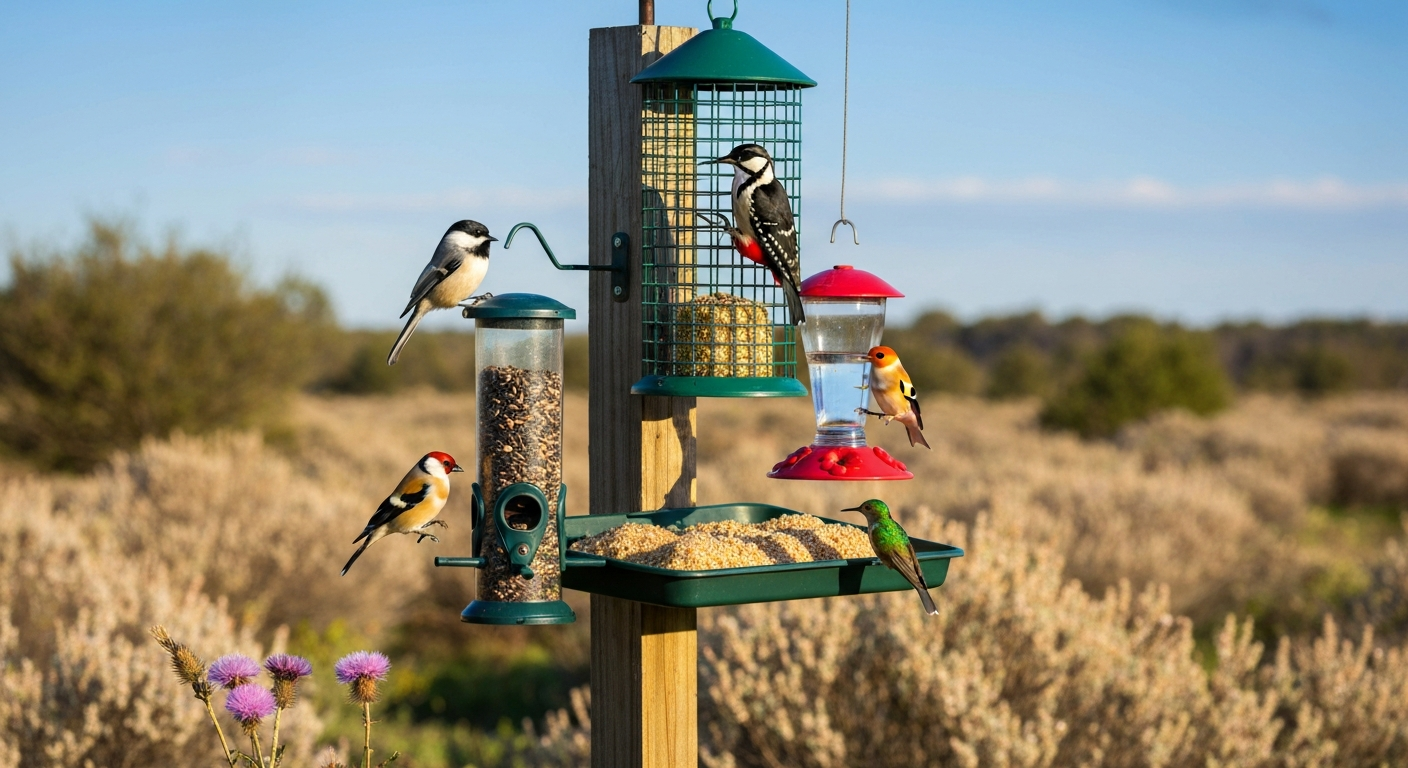
If you want a fast answer before diving deeper: stop filling feeders when you see sick or dead birds at or under them (temporarily, at least two weeks after the last sick sighting), when a state or local health authority issues a specific advisory for your area, when you have backyard poultry and HPAI is active in your region, when rodents or bears are becoming a serious problem, or when you simply cannot keep up with cleaning. Restart when those conditions have cleared, the feeder has been deep-cleaned, and you've let it air-dry completely before refilling.
Seasonal timing: a practical calendar
Seasons drive both bird behavior and feeder risk, so it helps to think through each one separately.
Spring (roughly March through mid-June)
Spring is a genuinely active feeder season, not a time to pack things away. BirdCast tracks the main spring migration window for the contiguous U.S. from about March 1 through June 15, and feeder activity can spike dramatically as birds move through. If you keep feeders going, this is the season to be most vigilant about cleanliness because warmer, wetter conditions accelerate seed spoilage and mold. Clean seed feeders at least every two weeks, more often if you see clumping or smell anything musty. The one practical reason some people pull seed feeders in late spring is to avoid conditioning birds to a location just before they begin nesting, since nest predation rates can increase when feeders draw in multiple species to one spot. That concern is real but modest for most suburban settings.
Summer (mid-June through July)
Heat and humidity are the main enemies in summer. Seed goes rancid and moldy faster, and hummingbird nectar can ferment within a day in direct sun. This is the season where cutting back on the volume you put out (so it gets eaten quickly rather than sitting) makes more sense than stopping entirely. Use smaller portions and refill more often. If you're traveling and can't maintain the feeder for more than a few days in July heat, it's better to empty and store it than leave spoiled seed out.
Fall (August through mid-November)
Fall migration runs roughly August 1 through November 15 by BirdCast's tracking window. Feeders can play a genuine role for migrating visitors during this window, and many people see their highest species diversity in September and October. Bears are also most actively foraging in fall as they prepare for winter, which is the primary reason state wildlife agencies in bear-country states (like Colorado, Vermont, and many in the Southeast) recommend pulling feeders down between roughly April and November or December. If bears are visiting your yard, stop filling the feeder until they den.
Winter (November through February)
Winter is when feeders probably do the most direct good for resident birds. Seed is less likely to mold in cold, dry conditions, though wet winter weather creates its own spoilage risks. The Cornell Lab's Project FeederWatch runs November through April specifically because this is the most valuable feeder-monitoring season in North America. There's no wildlife or disease reason most homeowners need to stop in winter unless a specific advisory is in place. Keeping feeders going through cold snaps benefits chickadees, nuthatches, woodpeckers, and finches that are staying put.
Species-specific guidance
Migratory vs. resident birds
One persistent myth worth addressing: leaving feeders up in fall does not prevent migratory birds from leaving. Migration is triggered by photoperiod (day length), not food availability. You are not trapping birds by keeping the feeder stocked. What you are doing is providing fuel for migrants passing through. eBird occurrence models show wide variation in arrival and departure dates by species, latitude, and year, so rather than relying on a fixed calendar, watch what's actually showing up. A warbler or oriole at your feeder in October is almost certainly a migrant moving through, not a confused resident.
Hummingbirds
Hummingbird feeders need more active management than seed feeders, full stop. The Smithsonian National Zoo's standard recipe is 1 part white granulated sugar to 4 parts water, no red dye, no honey. In hot weather, change and rinse the feeder every one to two days; in cooler conditions, at least twice per week. Nectar clouds or turns yellowish when it has fermented, which can harm birds. Extra nectar can be refrigerated for up to about a week. As for timing: in most of the U.S., ruby-throated hummingbirds arrive in April to May and depart by October; in western states, multiple species overlap from roughly March through October. Keep feeders up about two weeks past your last sighting to catch late-season stragglers, then clean and store. In year-round mild climates like coastal California, some Anna's hummingbirds stay all winter and feeders can run continuously.
Seed-eaters (finches, sparrows, chickadees, woodpeckers)
These resident and semi-resident birds are the core year-round feeder users in most of North America. There is no seasonal reason to stop feeding them. The management issue is disease risk, particularly among finches. Trichomonas gallinae can persist in moist birdseed and on shared feeder surfaces, and peer-reviewed research has linked feeder sites to finch trichomonosis outbreaks and greenfinch population declines. If you see house finches or goldfinches with crusty, matted eyes or swollen faces (signs of mycoplasmal conjunctivitis), that is your cue to take down the feeder, clean it thoroughly, and wait at least two weeks before putting it back up. Tube-style feeders with ports that contact birds' eyes and beaks carry a higher disease-transmission risk during outbreaks; platform feeders that can be fully scrubbed are lower-risk during those periods.
Ground-feeders (doves, juncos, towhees, sparrows)
Seed that falls under raised feeders creates a ground-feeding zone that attracts not just birds but rodents, opossums, and in some regions, deer and turkeys. Epidemiological research published in PLOS One has directly linked garden feeding stations to passerine Salmonella outbreaks, with contamination concentrated in seed and feces accumulation on the ground. If you're seeing rodent activity under your feeders, that's a stronger-than-usual signal to cut back on fill volumes, switch to no-waste seed blends (hulled sunflower or millet rather than mixes with cheap filler), and rake or sweep the area regularly. Temporarily stopping can break the rodent attraction cycle.
Who should pause feeders, and who can keep going
| Who you are | General guidance | Main reason to pause |
|---|---|---|
| Backyard birdwatcher, no poultry | Can feed year-round; pause only for disease, pests, or inability to clean | Sick/dead birds at feeder; rodent pressure |
| Homeowner with backyard chickens or ducks | Remove feeders and baths near poultry when HPAI is active in your county or state | HPAI biosecurity; poultry are high-risk |
| Homeowner in bear country | Pull feeders April–November or whenever bears are active; hang at bear-safe height off-season | Bear habituation and property damage |
| Property manager (multi-unit, HOA) | Establish a written policy; schedule seasonal pauses; use signage; ensure someone is assigned to cleaning | Liability, pest complaints, neighbor disputes |
| Rural landowner near wetlands/poultry farms | Follow state ag and wildlife health advisories closely; be prepared to act within 24 hours of an advisory | HPAI spillover risk to commercial flocks |
Reasons to pause or remove feeders
Disease outbreaks
This is the most important reason, and it's also the most actionable. If you see multiple birds with visible illness symptoms at your feeder (crusty or matted eyes, lesions around the face, labored breathing, unusual lethargy, birds that seem too tame or are sitting puffed up), the Cornell Lab recommends heightened cleaning and possible temporary suspension. If you see dead birds, the guidance from wildlife health reviews is to stop feeding entirely, clean all feeders and the ground beneath them with a dilute bleach solution (1 part bleach to 9 parts water, soak for 10 minutes, scrub, rinse thoroughly, air-dry), and wait at least two weeks after the last sick or dead sighting before restarting. The Cornell Lab webinar 'Winter Bird Feeding 101 with Project FeederWatch, Bird Academy (Cornell Lab)' recommends soaking disassembled feeders in a dilute bleach solution (1 part bleach : 9 parts water) for about 10 minutes (up to 1 hour for heavily contaminated feeders), scrubbing, rinsing thoroughly, and air‑drying before refilling Winter Bird Feeding 101 with Project FeederWatch — Bird Academy (Cornell Lab). This two-week window is not arbitrary; it's designed to break the transmission cycle.
For avian influenza specifically: as of current guidance through 2026, Cornell Lab and USDA-linked experts state there is low evidence that typical songbird feeders drive HPAI outbreaks among feeder birds. The general public does not need to remove feeders solely because HPAI is circulating somewhere in the country. However, if you keep backyard poultry, the guidance is unambiguous: remove feeders, baths, and anything else that draws wild birds near your flock, and follow your state agriculture department's biosecurity recommendations directly.
Pests and predators
Rats, mice, squirrels, raccoons, hawks, and neighborhood cats all find feeders convenient. Rodent presence under a feeder is a public-health concern as well as a wildlife one (Salmonella, leptospirosis). A sharp hawk patrolling the yard can displace songbirds for days. The practical response to rodents is usually to stop filling for a week or two, clean up seed debris thoroughly, then restart with no-waste seed and a proper baffle. For hawks, feeders can be temporarily moved or surrounded with cover shrubs that give songbirds escape routes without removing the feeder entirely.
Nesting season impacts
Concentrated activity at feeders can draw nest predators (jays, crows, squirrels) and increase feeder-bird stress during breeding. The evidence for significant harm from feeders during nesting is not strong for most suburban species, and most authorities don't recommend mandatory pauses. That said, if you notice repeated nest failures near a very active feeder station, pulling it back or relocating it 30 or 40 feet can help reduce traffic around active nests.
Weather and environmental hazards
Extended wet weather accelerates mold growth in seed, and if you can't clean the feeder fast enough to keep up, it's better to stop temporarily. Extremely hot spells (above 90 degrees Fahrenheit sustained) make nectar management for hummingbird feeders nearly daily work; if that's not feasible, empty and store the feeder rather than leave fermenting nectar out. Ice storms can lock seed in frozen clumps that birds can't access; at that point, supplementing with suet or a sheltered tray of fresh seed is more useful than trying to maintain a tube feeder full of iced-over seed.
How to stop filling safely: step by step
- Decide whether you are doing a temporary pause (disease, pests, travel) or a full seasonal stop. This affects how you clean and store the feeder.
- Reduce fill volumes over three to five days rather than stopping abruptly mid-season, so birds that have been relying on your feeder have time to shift to other sources. This matters most in winter.
- Empty remaining seed completely. Discard any seed that shows clumping, mold, unusual odor, or insect infestation. Do not simply top off around stale seed.
- Disassemble the feeder and wash all parts in hot soapy water, then soak in a 1: 9 bleach-to-water solution for at least 10 minutes. Use a bottle brush for tube feeders to scrub inside ports and the base.
- Rinse all parts thoroughly under clean running water. Any residual bleach will deter birds when the feeder is restarted.
- Air-dry completely before storing or refilling. A damp feeder stored in a bag or bin will grow mold quickly.
- Clean the area under the feeder: rake up seed hulls, feces, and debris. A ground-level accumulation of old seed is a rodent magnet and a disease reservoir even after the feeder is gone.
- For a full seasonal stop (e.g., removing the hummingbird feeder in October), store feeders dry and protected from rodents until the next season.
- If stopping due to a disease event, report sick or dead birds to your state wildlife agency or submit observations through eBird or the Cornell Lab's reporting channels.
Alternatives to food while pausing
If you are pausing feeders but want to keep supporting birds in your yard, native plantings (berry-producing shrubs, seed-head plants left standing through winter) provide food without the disease and pest risks of artificial feeders. A clean, maintained water source is often more valuable to birds than seed, especially in summer. A shallow birdbath with fresh water changed every one to two days draws a wide range of species that may never touch your feeder.
How to restart feeding safely: step by step
- Before refilling, always deep-clean the feeder even if it has been stored (dust, insects, and residual oils accumulate in storage). Use the same dilute bleach soak, scrub, rinse, and air-dry process.
- Check the stored seed: smell it, look for webbing or insect damage, and feel for moisture. Seed stored longer than about three months in a warm or humid environment is likely rancid. When in doubt, buy fresh.
- For hummingbird feeders, mix a fresh batch of nectar (1 part white sugar to 4 parts water) immediately before filling. Never fill from nectar that has been stored for more than a week.
- If restarting after a disease pause, wait the full two weeks after the last observed sick or dead bird, not just until the feeder is clean.
- Start with a smaller fill volume than usual. This ensures seed is consumed before it can go stale, and it gives you a chance to observe bird behavior before committing to a full feeding station again.
- Watch for returning birds over the first week. They will find the feeder on their own; there is no need to scatter seed or lure them. Birds remember feeding locations and will check back.
- Birds do not become permanently dependent on a single feeder. Research supports that resident birds use multiple food sources and adapt quickly when one disappears. Restarting after a pause does not reset a dependency clock.
Cleaning and maintenance schedules
I hear this question constantly: how often is really necessary? The Cornell Lab recommends cleaning seed feeders about once every one to two weeks as a baseline, with more frequent cleaning during wet or humid weather, heavy use periods, or anytime you see visible contamination. Hummingbird feeders need far more attention: in hot weather (above 85 degrees Fahrenheit), clean and change nectar every one to two days. In cooler weather, at minimum twice per week. These are not conservative estimates; fermented nectar has real health consequences for hummingbirds. The deep-clean protocol (full disassembly, bleach soak, scrub, rinse, air-dry) should happen at least once a month for seed feeders and every cleaning cycle for hummingbird feeders.
| Feeder type | Routine cleaning frequency | Deep clean (bleach soak) | Nectar/seed change |
|---|---|---|---|
| Tube seed feeder | Every 1–2 weeks | Monthly or after disease event | Refill as consumed; discard if >2 weeks old or moldy |
| Platform/tray feeder | Every 3–5 days (open to weather) | Every 1–2 weeks | Small amounts; discard any wet or soiled seed |
| Hummingbird nectar feeder (hot weather) | Every 1–2 days | Every cleaning | Every 1–2 days |
| Hummingbird nectar feeder (cool weather) | Twice per week minimum | Every cleaning | Every 2–3 days |
| Suet cage | Monthly or when rancid | After disease events | Replace suet cake when depleted or when soft/rancid in heat |
| Ground feeding tray | Every 2–3 days | Weekly | Daily to every other day; remove uneaten food overnight |
Refill frequency is a judgment call based on how fast birds are eating. The goal is to replenish seed before it gets old, not to keep the feeder constantly topped off. In general, feeding smaller amounts more often is safer than keeping a large feeder perpetually full. This ties directly into how often you should refill: if seed is sitting for more than two weeks in a tube feeder without being eaten, you are probably filling too much at once.
Troubleshooting: what you're seeing and what to do
Moldy or stale seed
Clumped, discolored, or foul-smelling seed needs to come out immediately. Do not mix fresh seed in on top of old. Empty completely, clean the feeder, and refill with fresh seed. If this is happening repeatedly, you are either filling too much at once, the feeder is in a location that traps moisture, or the seed quality is poor. Switch to a feeder with drainage holes and a smaller capacity, and store bulk seed in a sealed metal container in a cool, dry location.
Sick birds at the feeder
Signs to watch for, from Cornell Lab guidance: crusty or matted eyes, growths or lesions on the face or beak, puffed-up feathers in warm weather, unusual tameness, or birds sitting on the ground near the feeder rather than moving normally. A single bird looking slightly off may just be having a bad day. Multiple birds showing symptoms, or any dead birds under the feeder, should trigger an immediate pause. Take the feeder down, deep-clean it, and wait two weeks before restarting. Report the sighting to your state wildlife agency or Cornell Lab's reporting tools.
Aggressive wildlife: hawks, raccoons, bears
A Cooper's hawk or sharp-shinned hawk hunting your feeder area is not a reason to stop feeding permanently, but it will temporarily reduce songbird activity at the feeder. You can wait it out (hawks usually move on within a few days), move the feeder to a more sheltered spot, or temporarily take it down for a week. For raccoons: use a pole-mounted feeder with a raccoon baffle (a cone-shaped metal guard on the pole below the feeder) rather than trying to outwit them by moving the feeder location. Bears require the feeder to come down completely during their active season; there is no baffle that deters a determined bear.
Rodent activity
If you are seeing rats or mice under your feeder, act quickly. Stop filling for one to two weeks, clean up all seed debris on the ground, and move the feeder to a pole at least five feet high with a baffle. Switch to no-waste seed mixes (hulled sunflower hearts, millet, safflower) that minimize shell debris on the ground. When you restart, use a tray under the feeder to catch fallen seed and clean that tray every few days. Do not use rodenticide near a bird feeding area; secondary poisoning of raptors and other wildlife is well-documented.
Immediate-action checklist for urgent situations
Some situations call for action today, not after you've had time to think about it. Run through this list if something sudden is happening at your feeder.
- Multiple dead birds found under or near feeder: Stop filling immediately. Do not handle dead birds with bare hands. Wear gloves, double-bag the birds, and contact your state wildlife agency for guidance on submission for testing. Deep-clean feeder and ground area before any restart.
- Multiple birds showing illness symptoms simultaneously: Take down feeder today. Do not wait to see if they recover. Clean with dilute bleach (1:9), rinse, air-dry. Wait two weeks after last sick sighting.
- State or local health authority issues a feeding advisory for your area: Follow the specific guidance issued, which may include removing feeders and baths. Do not substitute general online advice for a direct local advisory.
- You keep backyard poultry and HPAI is confirmed in your county: Remove feeders, birdbaths, and any water sources near your flock immediately. Consult your state department of agriculture's current biosecurity guidance.
- Bear has visited your property or a neighbor's: Remove all feeders and food sources the same day, not the next morning. Bears that find food once will return.
- Feeder surface shows mold or nectar is cloudy or discolored: Empty and clean before any refill. Do not dilute or top off around contaminated feed.
- Rodent sighting under feeder: Stop filling for at least one week, clean the ground thoroughly, and address the feeder mounting and seed type before restarting.
- You are leaving for more than three to five days in summer: Empty and store the feeder rather than leaving stale seed or nectar out.
Managing feeders on multi-unit or managed properties
This is a genuinely different problem from managing a personal feeder, and it gets underserved in most bird-feeding advice. If you're a property manager, HOA board member, or land steward responsible for feeders on shared grounds, the core challenge is that you're managing other people's behavior and not just your own.
A written feeder policy is the foundation. It should specify who is responsible for cleaning and on what schedule, what types of feeders are permitted (tube feeders during disease events may need to be swapped for platform feeders that are easier to clean), whether feeding is permitted year-round or only during specific months, and what triggers a mandatory pause (visible sick birds, rodent complaints, bear sightings). Post the policy and a seasonal cleaning schedule with clear signage near feeder stations. Include a contact name and phone number so residents know who to notify if they observe sick birds or unusual wildlife activity.
For temporary closures, two to three weeks is usually sufficient for disease events. Use that window to deep-clean all feeder hardware and the ground area beneath it. If the property has multiple feeder stations, a rolling closure (cleaning one at a time while keeping others active) is preferable to a full property-wide pause, since it maintains some resources for birds while reducing transmission risk at specific stations.
Practical pest and wildlife mitigation around feeders
Getting the setup right reduces the frequency of problems that force you to stop feeding in the first place. A few tested approaches:
- Mount seed feeders on a smooth metal pole at least five feet high, with a cone or cylinder baffle positioned at least four feet off the ground and at least four feet away from any surface a squirrel or raccoon could jump from.
- Keep feeders at least 10 feet from structures and overhanging branches to reduce squirrel access.
- Use hulled sunflower seeds, safflower, or nyjer instead of cheap mixed seed with milo, millet in husks, or cracked corn, which creates more ground debris and attracts more rodents.
- Hang a seed-catcher tray under tube feeders to collect fallen shells, and clean that tray every two to three days.
- Place feeders within three feet of a window (so birds don't build up striking speed) or more than 10 feet away (so they have time to avoid the glass). The danger zone is three to 10 feet.
- For hummingbird feeders, position in partial shade to slow nectar spoilage and reduce fermentation rates.
- Use a separate water source (clean birdbath away from the feeder) to reduce the number of birds crowding and defecating directly at the feeder.
- Avoid tube-style feeders during finch disease events; switch to open platform feeders that can be fully scrubbed flat, as California's Wildlife Health Lab specifically recommends avoiding hard-to-clean feeder designs during outbreak conditions.
Maintenance and removal topics worth exploring further
The question of when to stop filling feeders connects directly to several related decisions that deserve their own attention. How often you clean your bird feeder is arguably more important than whether you have the feeder out at all, since a dirty feeder is more harmful than no feeder. How often to refill is a question of calibrating fill volume to actual bird consumption, not just topping up on a fixed schedule. And the broader question of when to take bird feeders down entirely (versus just pausing) involves weighing seasonal wildlife risks, local advisories, and your own capacity to maintain them. If you are on the fence about whether to keep feeders at all, thinking through whether you should take down your bird feeders is a useful exercise, particularly if you have seen repeated pest, predator, or disease problems at your station. If you're unsure, see the guidance titled “Should I take down my bird feeder” for step-by-step advice on that decision. These are all interconnected decisions, and getting the cleaning and refill rhythm right usually solves the problems that lead people to consider stopping altogether.
FAQ
When should I start filling my backyard bird feeders in spring?
Start feeding when local migrant and resident birds begin to appear regularly or when temperatures drop below levels that make natural food scarce. Use local migration forecasts (e.g., BirdCast) and eBird occurrence reports to time openings by county and species. For many regions, spring migration commonly ramps up March–June, but timing varies by latitude and species. Begin a week or two before expected arrivals for species that use feeders during migration; for resident species, continue year‑round feeding as appropriate.
When should I stop filling bird feeders for the season?
Stop or reduce feeding when: (a) local migrants have passed through and no longer use feeders (use local eBird/BirdCast data), (b) food is abundant naturally, or (c) there is a disease outbreak or heavy pest problem at your site. Many gardeners phase down feeders in late spring/early summer in northern areas when insects and fruit are plentiful; in mild climates, year‑round feeding may be appropriate for residents. If stopping, follow a gradual reduction (see restart/stop methods).
Which species or situations require special timing (start/stop) considerations?
Hummingbirds: offer feeders during expected arrival windows and throughout migration; clean and change nectar frequently. Winter resident species (finches, chickadees, cardinals): may be fed year‑round. Nesting seasons: avoid abrupt changes near nesting sites—pause only if disease or heavy predation is a concern. Passerine outbreaks (e.g., finch trichomonosis) or concentrated migrant pulses may require temporary suspension regardless of species.
What are the evidence‑based reasons to pause or remove feeders?
Primary reasons: (1) Disease outbreaks among feeder birds (multiple sick or dead birds; symptoms like crusty/matted eyes, lesions, lethargy), (2) repeated contamination (moldy seed, fermented nectar), (3) severe pest/rodent problems under feeders, (4) nesting or wildlife management decisions on your property, and (5) biosecurity near domestic poultry during specific advisory periods. Public‑health and wildlife reviews and multiple agencies recommend temporary suspension during disease events to reduce transmission.
What immediate warning signs require I stop feeding and clean feeders?
Stop feeding and act if you see: several sick or dead birds in the area, birds with crusty or matted eyes or facial lesions, sudden clusters of dead birds beneath feeders, seed that is clumped/wet or visibly moldy, cloudy/fermenting nectar, or large rodent/pest congregations under feeders. These cues merit temporary suspension, thorough cleaning, and reporting to local wildlife or health agencies if required.
How long should I suspend feeding after seeing sick or dead birds?
Common guidance is to suspend feeding for about two weeks after the last sighting of sick or dead birds at your site. Two weeks allows time for symptomatic cases to clear and reduces congregation at feeders, limiting transmission. Follow local agency advisories which may adjust duration for specific outbreaks.
Next Articles
How Often to Refill Bird Feeder: Simple Timing Guide
Learn how often to refill bird feeders with seed and feeder-type timing, plus cues for spoilage, waste, and safety.
When to Take Bird Feeders Down: Season Rules and Timeline
When to take bird feeders down by season, plus disease, cleaning, and wildlife rules of thumb for safe timing.
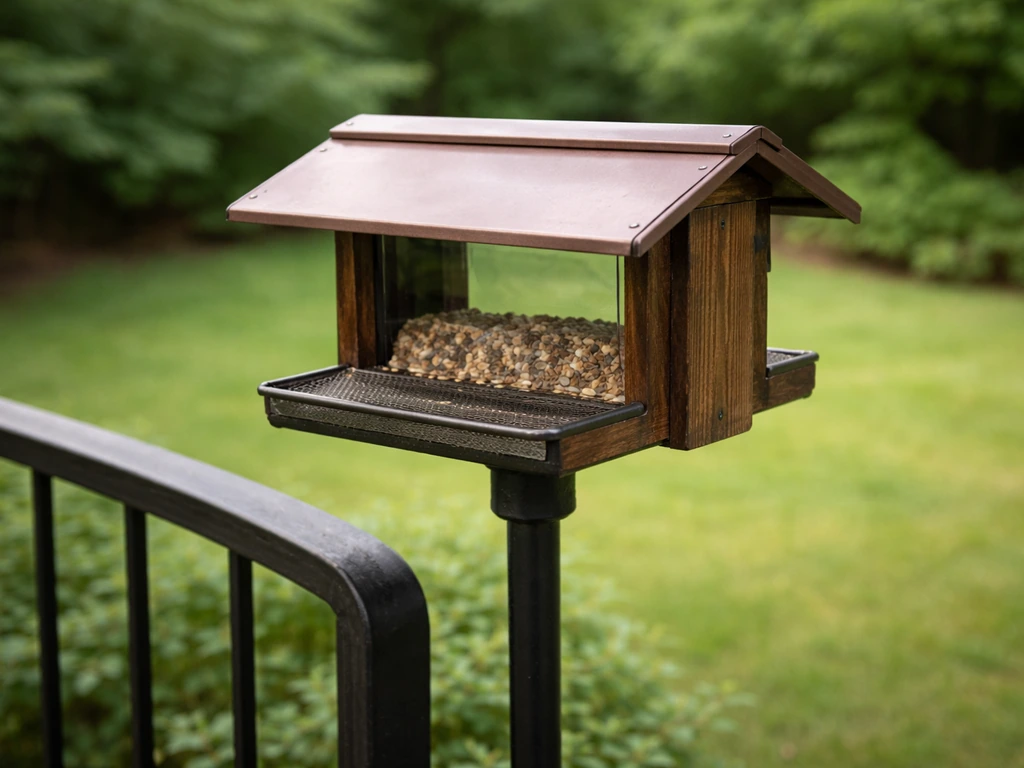
Should I Take Down My Bird Feeder? Quick Safety Guide
Decide if you should take down your bird feeder with a safety checklist, next steps, and how to feed safely.