You don't have to take bird feeders down on any fixed date, but there are real situations where pulling them temporarily is the right call: disease outbreaks nearby, persistent unwanted wildlife, or a feeder that's become genuinely filthy and you need time to deal with it properly. Outside of those situations, most feeders can stay up year-round if you're keeping them clean and stocked. The timing question is less about the calendar and more about what's actually happening in your yard.
When to Take Bird Feeders Down: Season Rules and Timeline

Eleanor Hartwick
4 May 2026
Should bird feeders be taken down at all?
The short version: not necessarily, and not permanently. There's a persistent idea that feeders must come down at certain times of year, but there's no universal rule backing that up. Birds don't become dependent on feeders in a way that harms them if you stop, and keeping feeders up year-round doesn't automatically cause problems. That said, there are legitimate reasons to take them down temporarily, and ignoring those reasons is where things go sideways.
The main reasons people should consider removing feeders, at least for a window of time, are: disease risk (when sick birds appear or there's a local outbreak advisory), wildlife conflicts (bears, raccoons, or rodents becoming a serious problem), or a feeder that's become contaminated and needs more than a quick rinse. If none of those apply to you right now, keeping your feeders up is fine.
How to decide what's right for your yard
Your location shapes almost every part of this decision. Someone feeding birds in northern Minnesota in February is dealing with a completely different set of conditions than someone in central Texas or coastal Oregon. Before you make any changes, run through these four factors.
Where you live and how harsh your winters are
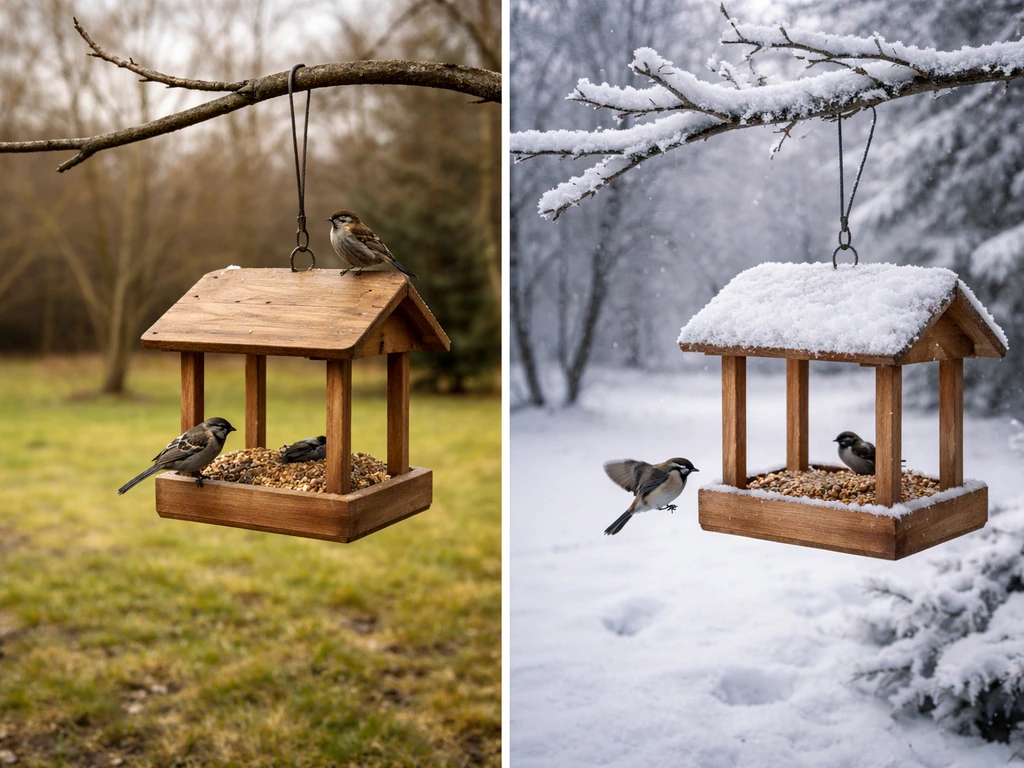
In regions with hard winters, feeders provide real value from late fall through early spring when natural food sources are buried under snow or ice. In mild-climate areas, birds often have access to natural food nearly year-round, so feeders are more of a supplement than a lifeline. If you're in a cold-winter zone, think twice before pulling feeders during winter. If you're in a warm-climate zone, the stakes of taking them down temporarily are lower.
Which birds are actually using your feeders
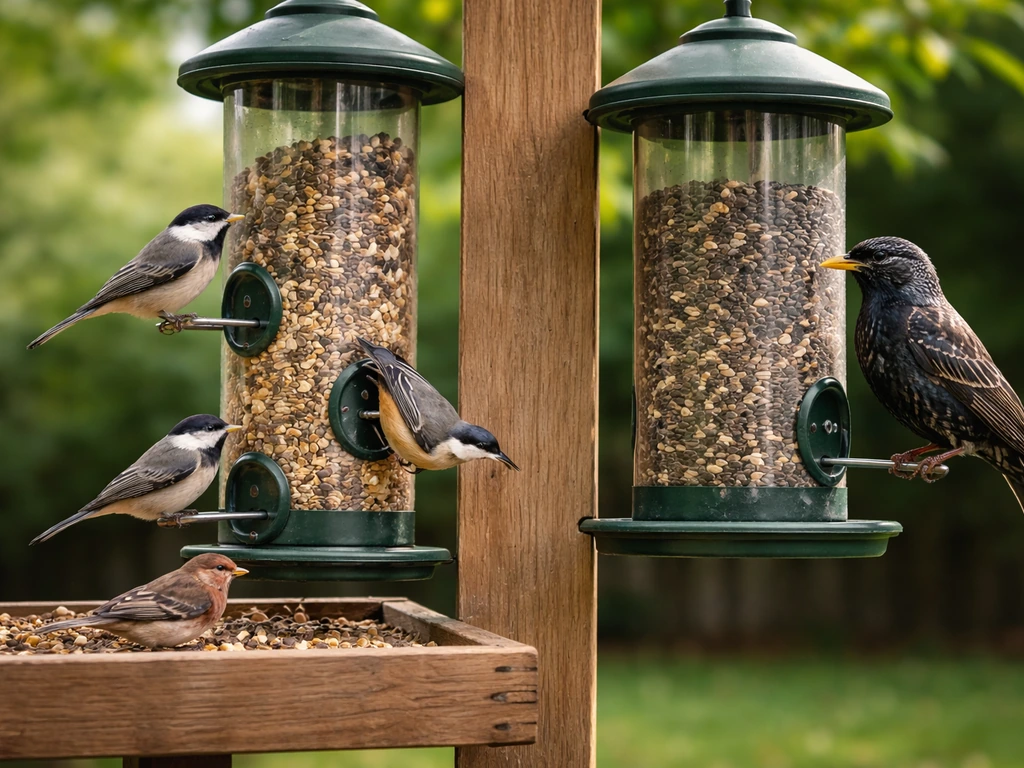
Watch what's showing up. Year-round resident species like chickadees, nuthatches, and woodpeckers rely on feeders differently than migratory species passing through. If you're seeing a lot of finches or sparrows crowding a single feeder, that's also when disease spreads fastest, because high-density feeding situations are exactly where Salmonella and other pathogens move between birds quickly.
Unwanted wildlife pressure
If you're dealing with bears (especially in spring when they're newly out of hibernation), raccoons, or a significant rodent problem, temporarily removing feeders is the most direct solution. Texas Parks and Wildlife explicitly warns that feeding wild animals, even inadvertently through bird feeders, can cause them to lose their natural wariness of humans, which eventually leads to conflict. Penn State Extension notes that squirrel deterrents like baffles help, but even those aren't foolproof. If a feeder is drawing in animals you don't want, taking it down for a few weeks can break the habit.
Your current sanitation situation
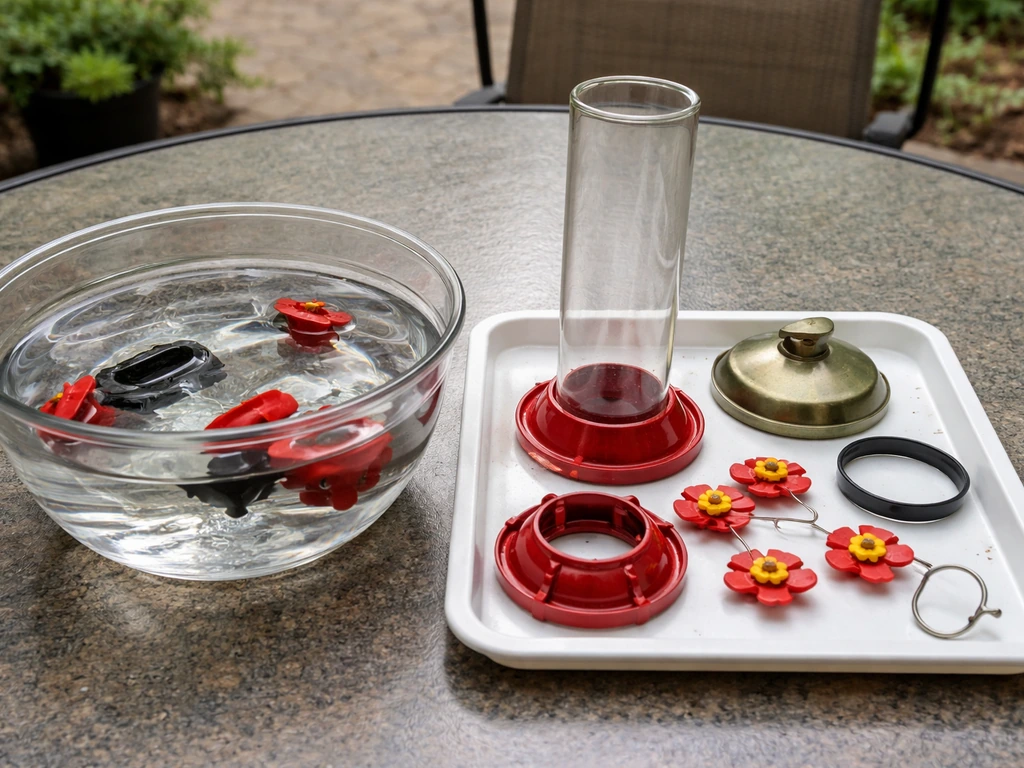
Be honest with yourself here. If you haven't cleaned your feeder in over two weeks, it's overdue. If you want a simple rule, aim to clean bird feeders on a regular schedule based on what kind of feeder you have and how quickly it gets dirty how often to clean bird feeders. If there's moldy or wet seed sitting in it, or a pile of old hulls underneath attracting rodents, those are sanitation problems that don't fix themselves. Project FeederWatch and the U.S. Fish and Wildlife Service both recommend cleaning seed feeders at least every two weeks. Sometimes the cleanest move is just to take the feeder down, clean it properly, and restart.
Season-by-season timing guide
| Season | General Recommendation | Key Reasons to Remove |
|---|---|---|
| Winter (Dec–Feb) | Keep up in most regions | Only remove if bear activity, disease outbreak, or feeder is too dirty to maintain |
| Spring (Mar–May) | Keep up or take down briefly for cleaning | Bear emergence, avian flu advisories, annual spring cleaning opportunity |
| Summer (Jun–Aug) | Optional; monitor closely | Disease risk peaks in heat and humidity; hummingbird feeders need near-daily cleaning |
| Fall (Sep–Nov) | Generally keep up or restock | Good time for migratory species; avoid letting feeders sit empty and dirty |
Winter is the season where feeders earn their keep the most. Natural food is scarce, temperatures are dangerous, and resident birds actively benefit from supplemental feeding. Unless you have a bear problem or a disease advisory in your area, winter is not the time to pull feeders. Summer is the season that requires the most vigilance, not necessarily removal, but more frequent cleaning. Heat and humidity are the conditions where mold, bacteria, and disease pathogens thrive fastest in feeders.
Spring: should you take feeders down or leave them up?
Spring is the one season where I hear this question the most, and the answer is nuanced. You don't need to take feeders down just because spring has arrived. Migratory birds passing through in April and May will actually use feeders, and resident birds are still raising young and burning energy. However, spring is a smart time to do your annual deep clean, and it also coincides with a few real risks.
The biggest spring-specific concern is bears. In most bear-country states, wildlife agencies recommend bringing feeders in from late March through November, or at minimum when bears have been spotted locally. The second concern is avian flu. Audubon has noted that avian flu outbreaks have prompted state-level advisories to temporarily remove feeders in affected regions. Check with your state fish and wildlife agency if you're unsure whether there's an active advisory where you live.
University of Maine Cooperative Extension recommends using spring as a natural reset: take feeders down, empty them fully, scrub them with a diluted bleach solution (10% bleach), let them dry completely, then decide whether to put them back up based on current bird activity and any local advisories. That's solid, practical advice. Take them down briefly, clean them, then reassess.
Disease and sanitation: when removal is the right call
Dirty feeders are genuinely dangerous to birds. Audubon, the U.S. Fish and Wildlife Service, and Project FeederWatch all name the same list of feeder-associated diseases: salmonellosis, aspergillosis, avian pox, avian flu, and (particularly in the UK) trichomonosis. These aren't hypothetical risks. Salmonella can even survive cold temperatures by going dormant until conditions improve, which is why winter cleaning matters too, not just summer.
If you're seeing sick birds at your feeder, take it down immediately. UNH Extension advises removing the feeder right away (wearing gloves), cleaning it thoroughly, and leaving it down for several days. RSPB recommends a minimum two-week break if disease signs are present, along with emptying and cleaning bird baths. For trichomonosis specifically, Garden Wildlife Health suggests a break of two to four weeks to encourage birds to disperse and slow transmission. These aren't permanent removals; they're circuit breakers.
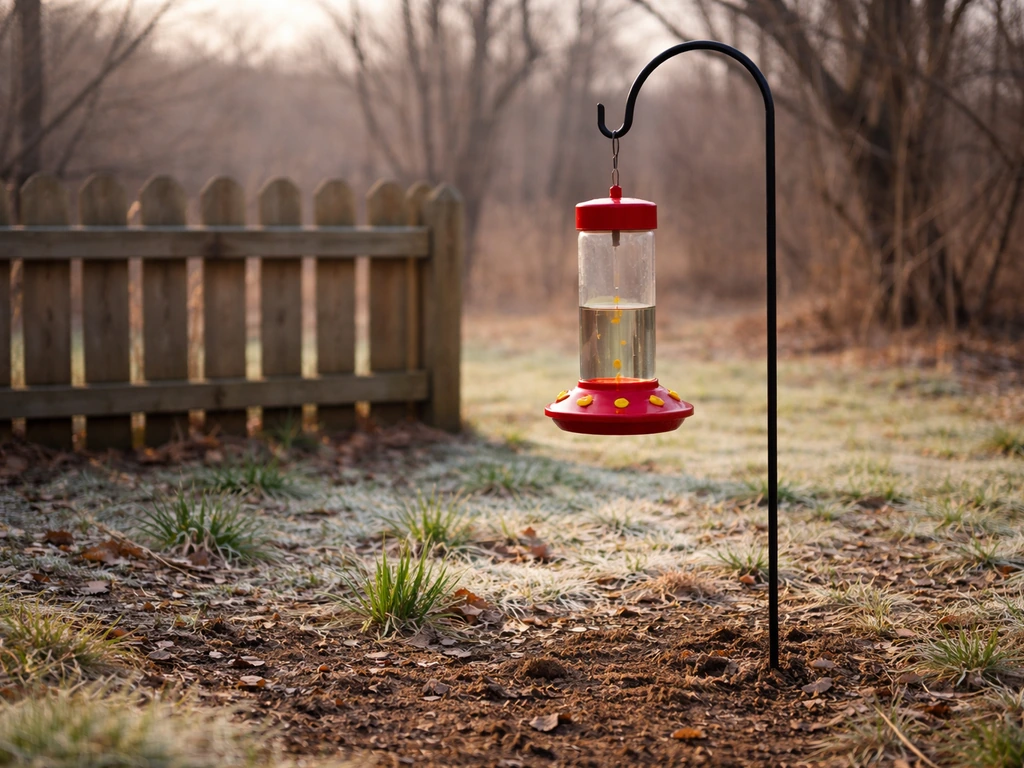
For hummingbird feeders, the sanitation bar is much higher than for seed feeders. Project FeederWatch says hummingbird feeders should be cleaned every time you refill the nectar, which typically means every two to five days depending on how hot it is. In hot weather, Audubon recommends cleaning every day or every other day. If the nectar looks cloudy or you spot black mold inside, discard everything and clean before refilling. If you can't keep up with that schedule during summer, it's genuinely better to take the hummingbird feeder down than to leave contaminated sugar water out.
How long to keep feeders down: a practical rule of thumb
How long you leave feeders down depends on why you took them down in the first place. Here's a straightforward framework:
- Routine cleaning break: 1 to 2 days is enough. Clean thoroughly, dry completely before refilling, and put it back up.
- Sick birds or active disease at the feeder: minimum 2 weeks down. RSPB and UNH Extension both recommend this window to allow sick birds to disperse or recover.
- Trichomonosis or finch illness outbreak in your area: 2 to 4 weeks, per Garden Wildlife Health guidance.
- Bear activity near your yard: keep feeders down until bear activity stops or the season shifts. In most areas this means late fall after bears enter hibernation.
- Avian flu advisory from your state agency: follow the specific advisory timeline, which can range from two weeks to several months depending on outbreak severity.
- Rodent or wildlife pressure: take feeders down for at least 1 to 2 weeks to break the foraging pattern, then address any ground-level seed waste before putting them back up.
The general principle: short breaks for cleaning, longer breaks for disease or wildlife problems. Don't take feeders down indefinitely unless you have a clear reason, because once birds stop checking a feeding station regularly, it takes a while for them to return.
What to actually do when you take feeders down
Taking a feeder down isn't just about pulling it off the pole. Do it right and the restart goes much smoother. Here's the process I'd recommend:
- Empty all remaining seed or nectar. Don't just top it off with fresh food over old, contaminated seed.
- Disassemble the feeder as much as possible to reach all interior surfaces.
- Remove all visible debris, clumped seed, and residue before soaking. Scrubbing debris off a dry feeder first makes disinfecting much more effective.
- Soak in a diluted bleach solution (1 part bleach to 9 parts water) for at least 10 minutes, or in a weak vinegar solution for at least an hour, per Project FeederWatch guidance.
- Scrub all surfaces, rinse thoroughly, and allow to dry completely before refilling. This step is critical: Audubon specifically emphasizes that feeders must be fully dry before seed goes back in.
- Clean up the ground underneath the feeder. Minnesota DNR recommends removing old seed hulls and raking the area; old material left on the ground attracts rodents and harbors bacteria.
- Store cleaned feeders in a dry location if you're planning a longer break. A dry garage or shed prevents mold and keeps them ready to go.
- When you restart, put out a fresh, small amount of seed first to see how quickly birds return before filling the feeder completely.
If you're thinking about how long to keep feeders down or when to stop filling them entirely for a season, those decisions overlap with your cleaning schedule and how active your feeders are. If you are wondering when to stop filling bird feeders entirely for the season, focus on your feeder activity, cleaning schedule, and any local disease or wildlife advisories. Feeders that see heavy traffic need cleaning more often, which also affects how you plan breaks. Staying on top of refills and cleaning is what makes long-term feeding sustainable and safe, for the birds and for managing your own time. Audubon also recommends a starting point of cleaning seed and suet feeders every other week, with more frequent cleaning when needed, and says hummingbird feeders require more regular maintenance because sugar solution can grow bacteria blank" rel="noopener noreferrer">Audubon's guidance on cleaning seed and suet feeders every other week and hummingbird feeder maintenance. For seed and tube feeders, a good starting point is to check the feeder daily and refill it before it runs completely empty, since birds return faster when food is consistently available refills.
The bottom line: take feeders down when there's a real reason to (disease, wildlife pressure, or a cleaning backlog), do the job properly while they're down, and put them back up once the issue is resolved. There's no single right month or season that applies everywhere. Watch your yard, respond to what you see, and adjust from there.
FAQ
If I see only one sick bird at my feeder, should I take the feeder down right away or keep feeding until I’m sure?
Take it down immediately and stop refilling that station until you clean it thoroughly. Even one visible case can mean more birds are already incubating or carrying pathogens around the feeder, so a short “wait and see” period can prolong exposure.
How do I decide between a “cleaning break” and a “disease break” without overreacting?
Use the trigger signs. If the feeder is dirty, moldy, or has wet seed, do a cleaning break and restart after it is fully dry. If you notice sick birds, unusual lethargy, or multiple birds acting ill, treat it as a disease break and leave the feeder down longer, then reassess before putting it back.
Should I take down feeders if there’s no advisory where I live, but neighboring towns reported avian flu?
Check your state agency anyway and consider a conservative approach if cases are close to your area. If you proceed, tighten sanitation and reduce crowding (more feeder points, less food on one unit), but if you see illness at your feeder, don’t wait for confirmation.
Do I need to bring feeders in during bear season, even if the bears haven’t visited yet?
If your area recommends bringing feeders in during the active bear months, follow that guidance because spring and early summer are when bears are most likely to develop or reinforce feeding habits. If you are unsure, start with a test period, use tighter management, and stop immediately if bears appear.
What should I do about bird feeders attracting rodents if I don’t want to stop feeding birds completely?
Switch strategies rather than quitting entirely. Use trays and seed types that reduce spillage, keep a strict cleanup routine under the feeder, and consider relocating the feeder farther from shelter. If rodents are actively eating from the feeder, a short takedown to reset the feeding pattern can be more effective than only adding deterrents.
Is it safer to keep feeders up but reduce the amount of food to lower disease risk?
Reducing food can help with crowding, but it does not replace cleaning. If birds are congregating tightly, you may lower transmission risk, yet dirty surfaces and wet seed still spread illness, so keep cleaning frequency and sanitation as the primary control.
Can I leave the feeder up but change it to a different type of food or feeder during summer?
Yes, switching can reduce risk, but match the feeder to the birds and the heat. For example, if seed feeders are becoming moldy due to humidity, consider changing location, using smaller quantities more often, or moving to a design that sheds moisture. Don’t refill nectar or seed from a contaminated supply, discard anything cloudy or moldy.
Do bird baths change the “when to take feeders down” decision?
They can. If you suspect disease, don’t focus only on the feeder, also clean and treat (or temporarily suspend) bird baths because they can act as high-contact hubs. Birds may keep visiting the bath even if the feeder is removed, sustaining transmission risk.
How long should I wait before putting a feeder back up after a disease scare?
Base it on the pathogen risk and what you observed. As a practical decision aid, if you had visible illness at the feeder, keep it down for a minimum “break window” and only restart after thorough cleaning and drying. Resume with smaller amounts to confirm birds return without continued sick activity.
What’s the safest way to store feeders when they come down for cleaning or a wildlife problem?
Empty all remaining food, then store feeders and parts dry and protected from pests. Wet residues in storage can grow mold that contaminates birds when you reinstall it, so let everything fully dry before you pack it away.
If I have a hummingbird feeder, can I just dilute and refill if it looks cloudy?
No. Discard any nectar that looks cloudy or has black mold, then clean the reservoir and ports before refilling. With hummingbirds, leaving contaminated sugar water out longer than necessary is a major reason people see repeated issues in hot weather.
What if I’m traveling and can’t clean or refill on schedule, should I take feeders down before I leave?
Often, yes. If you will miss regular cleaning or nectar changes, remove feeders beforehand. Short trips can be managed by having enough feeder capacity and a reliable cleaning plan, but heat and humidity can turn a “minor delay” into a contamination problem quickly.
Next Articles
Should I Take Down My Bird Feeder? Quick Safety Guide
Decide if you should take down your bird feeder with a safety checklist, next steps, and how to feed safely.
How Often to Clean Bird Feeders: Simple Schedule
Simple schedule for how often to clean bird feeders, with seasonal rules, signs to act fast, and step-by-step cleaning.
Where to Hang Bird Feeders in Winter: Exact Placement Tips
Exact winter feeder placement tips for birds and safety: height, window distance, shelter, and troubleshooting.