In most situations, you do not need to take your bird feeder down. But there are specific circumstances where removing it, even temporarily, is the right call: you've spotted sick or dead birds near the feeder, you're seeing heavy mold or spoiled seed, rodents have become a persistent problem, or your local wildlife agency has issued guidance during a disease outbreak. Outside of those situations, keeping feeders up and managing them properly is completely fine, and this guide will walk you through exactly how to do that.
Should I Take Down My Bird Feeder? Quick Safety Guide

Eleanor Hartwick
24 Apr 2026
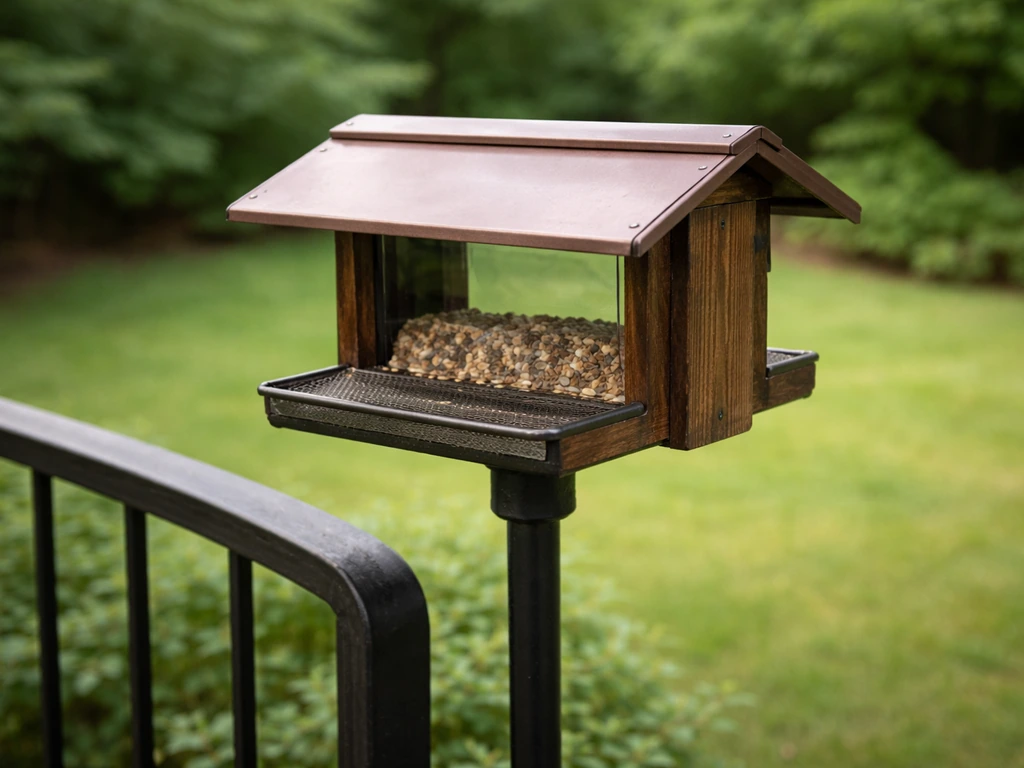
Quick decision guide: take it down or keep it up?
Run through this checklist right now. If any of these apply to your situation, taking the feeder down is the right move, at least temporarily.
- You've seen one or more sick birds at or near the feeder (lethargy, swollen eyes, unusual behavior)
- You've found a dead bird in your yard near the feeder
- You've had five or more dead waterfowl, shorebirds, or vultures appear in the same area within five days
- There is visible black mold inside the feeder or the seed is clumped and discolored
- Rodents (mice, rats, voles) are consistently present under or around the feeder
- Your state or local wildlife agency has issued a recommendation to stop feeding during a disease event
- You haven't cleaned the feeder in more than two weeks and conditions have been warm or wet
If none of those apply, you're in good shape to keep feeding. The rest of this guide covers how to do it safely, what signs to watch for, and how to restart if you do need to take a break.
When taking your feeder down is the right move
The core issue with bird feeders is that they concentrate birds, and concentrated birds spread disease faster than they would in the wild. That's not a reason to avoid feeding entirely, but it is a reason to act quickly when you notice warning signs.
Sick or dead birds
This is the clearest signal to act. If you see even one or two obviously sick birds at your feeder, take it down and clean it with a 10% bleach solution before putting it back up. If you find a sick or dead bird near your feeder or bird bath, the CDC recommends removing both for at least two weeks and cleaning them outdoors before restarting. Common diseases spread at feeders include mycoplasma conjunctivitis (the swollen, crusty eyes you sometimes see in house finches), salmonellosis, trichomoniasis, avian pox, and aspergillosis. These spread through direct contact and contaminated surfaces, which is exactly what a shared feeder is.
Active disease outbreaks or official guidance
State wildlife agencies sometimes issue formal recommendations to remove feeders during regional outbreaks. Virginia DWR, for example, has specific thresholds for when to report and stop feeding, including any sick or dead eagle, owl, hawk, or turkey, or five or more dead vultures or waterfowl within five days in the same area. If your state wildlife agency has put out guidance during an active outbreak, follow it. This isn't overcautious bureaucracy; removing feeders reduces congregation, which is exactly how those outbreaks get controlled.
Persistent mold, spoiled seed, or rodent problems
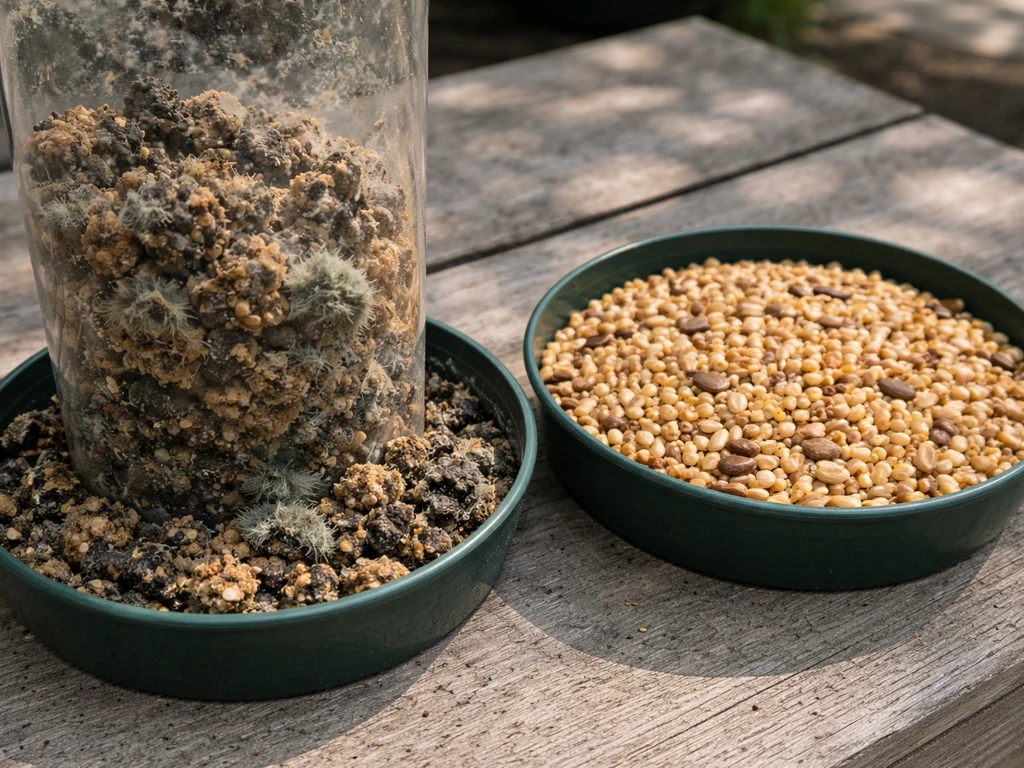
Moldy seed is a real hazard. Aspergillosis, a fungal respiratory disease, can be caused by contaminated seed and it can affect both birds and, in rare cases, immunocompromised humans. If your seed is clumped, smells off, or you can see visible mold, empty the feeder completely and don't just top it off. If you're dealing with consistent rodent activity, the feeder is creating conditions that carry their own health and safety risks. Rodents attract predators, and their presence under feeders creates a contaminated ground environment that affects birds too.
Aggressive or hazardous wildlife
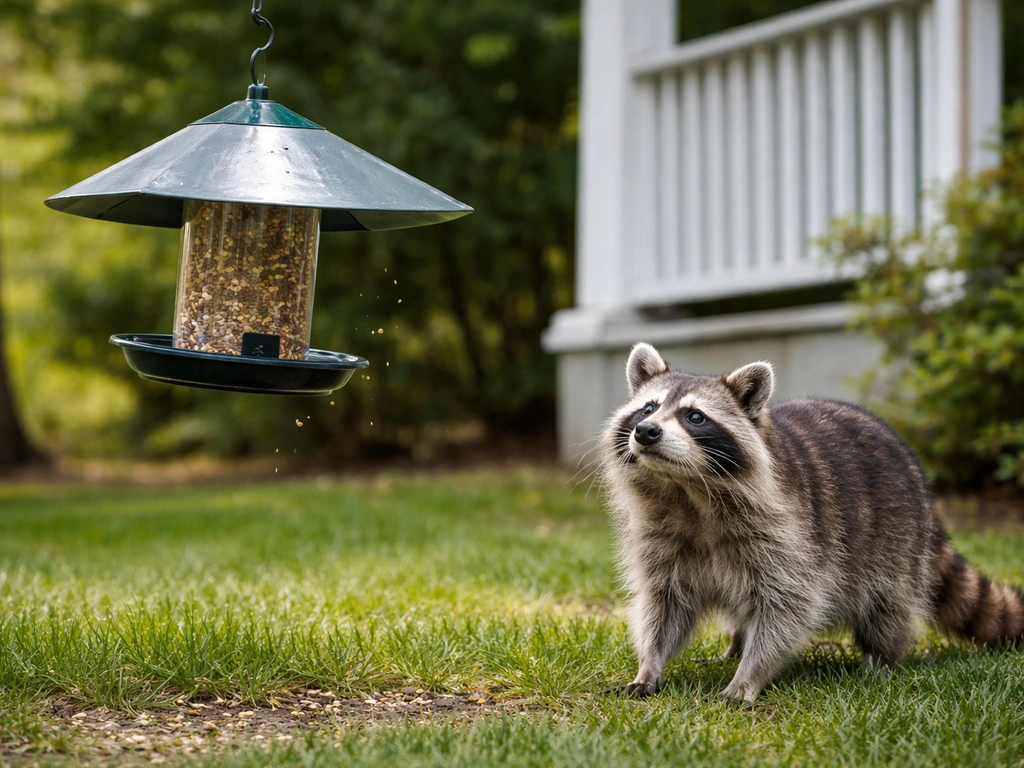
Feeders can draw raccoons, bears, and other wildlife into your yard in ways that create genuinely unsafe situations. If you're in an area where bear activity is a concern, most wildlife agencies recommend taking feeders down entirely during active seasons, usually spring through fall. Raccoon visits that become frequent and aggressive around feeders are also worth taking seriously. The feeder is the draw; removing it, even temporarily, breaks the pattern.
How to keep feeding safely when you don't take the feeder down
If your situation doesn't trigger any of the removal signals above, here's what responsible, ongoing feeding looks like in practice.
Clean on a real schedule, not when you remember
The Cornell Lab and U.S. Fish and Wildlife Service both recommend cleaning seed feeders at least every two weeks, and more often during warm or wet weather. Project FeederWatch is specific about what cleaning means: take the feeder apart, remove all visible debris and old seed, soak the feeder for 10 minutes in a 10% bleach solution (1 part bleach to 9 parts water), scrub it, rinse it thoroughly, and let it dry completely before refilling. A wet feeder with fresh seed is a recipe for rapid mold growth. For a simple baseline, aim to clean your bird feeders on a regular schedule, and increase how often you clean during hot weather how often to clean bird feeders. If you don't want to use bleach, a weak vinegar soak (about one hour) with thorough scrubbing is an alternative, though bleach is more effective against pathogens.
Don't let seed sit too long, especially in heat
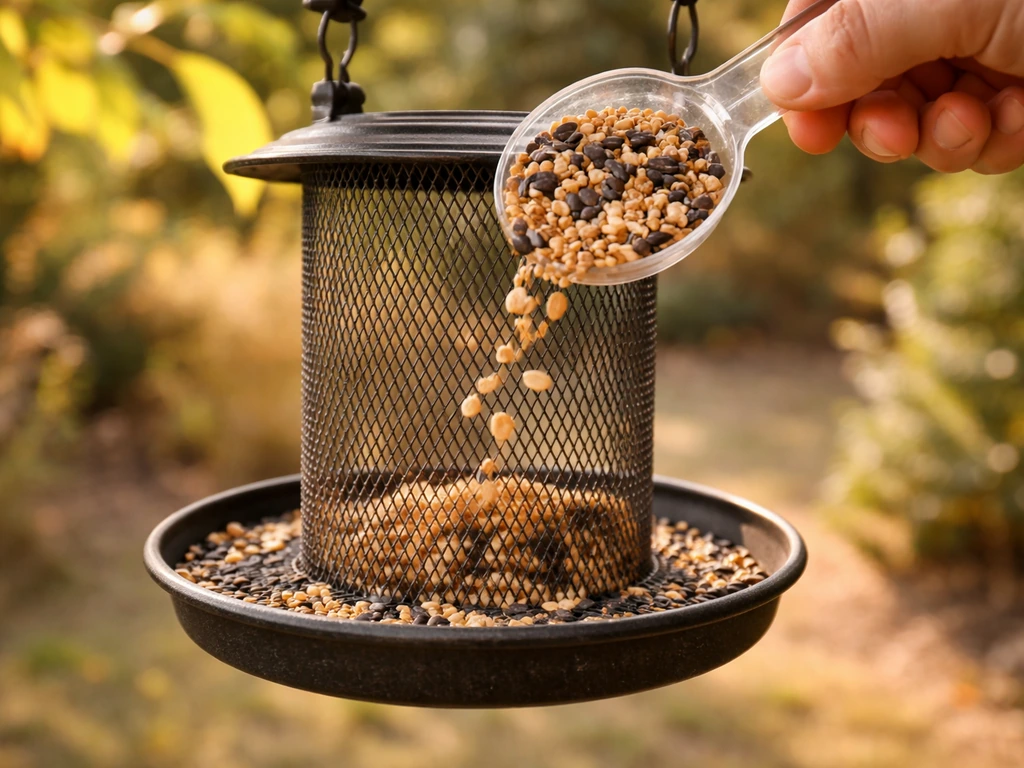
Seed that sits in a feeder through rain and warm temperatures goes bad faster than most people realize. Only fill feeders with as much seed as birds will consume in a few days. As a practical rule of thumb, refilling depends on how fast birds empty it and how quickly seed spoils in your weather, so aim to refill on a schedule rather than waiting too long how often to refill bird feeder. If you open up a feeder and the seed is stuck together or feels damp, don't just add more on top; empty it, clean the feeder, and start fresh. Never use seed that has gone moldy.
Manage what's happening on the ground
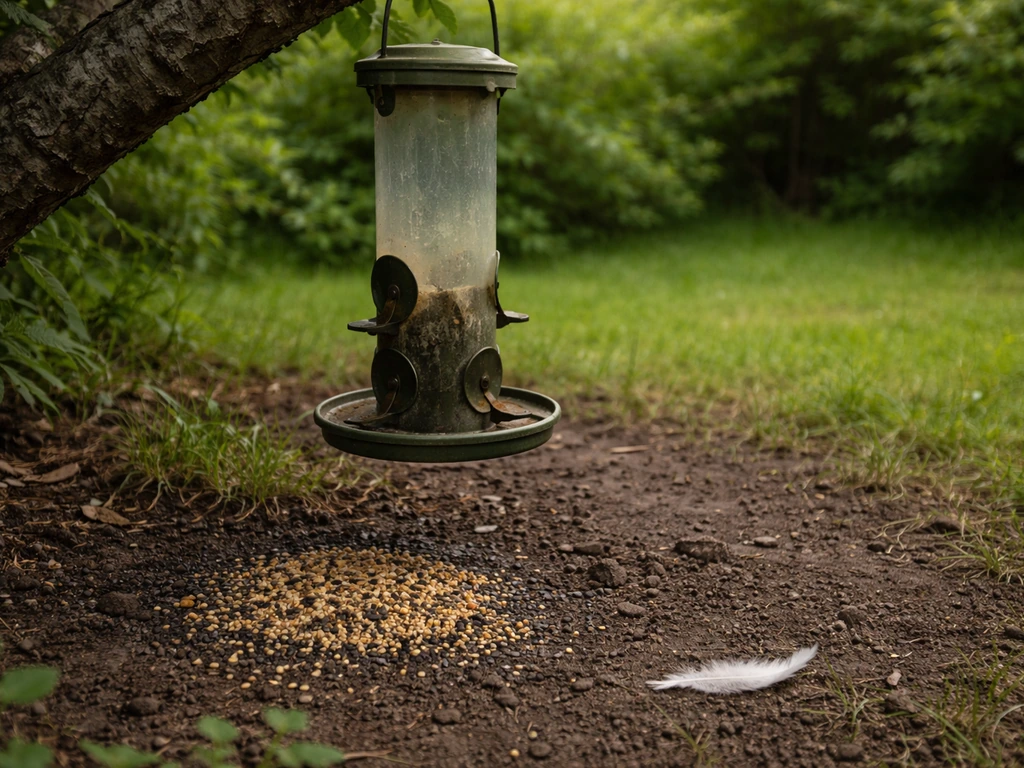
Fallen seed hulls and waste seed under feeders are where a lot of the disease risk actually lives. Rake and clean up beneath feeders regularly. Decomposing seed on the ground grows mold, attracts rodents, and can contaminate the area birds forage in. Sweeping up old and discarded seed is a straightforward step that makes a real difference.
Bird baths need the same attention as feeders
Stagnant water in a bird bath is one of the fastest ways to spread disease among birds. Clean and refill bird baths at least as often as you clean feeders, and follow the same bleach solution approach for disinfection. If the water looks cloudy or you can see black mold forming, that's an immediate clean-and-discard situation, not a wait-until-the-weekend one.
Nectar feeders need more frequent attention
Sugar water goes bad quickly. Virginia DWR recommends replacing nectar and cleaning hummingbird feeders every two to five days depending on temperature, with more frequent changes in warmer weather. In summer heat, that can mean every two days. Fermented or cloudy nectar can make hummingbirds sick and should never be left out.
Wash your hands, every time
This sounds basic, but it matters. The CDC explicitly notes that people can get sick from touching bird feeders, bird baths, or pets that have contacted wild birds and then touching their mouth before washing their hands. Salmonella outbreaks have been linked to backyard feeders this way. Make hand-washing after handling or cleaning feeders a non-negotiable habit, and keep it in mind for kids especially.
Short-term steps if you decide to remove your feeder
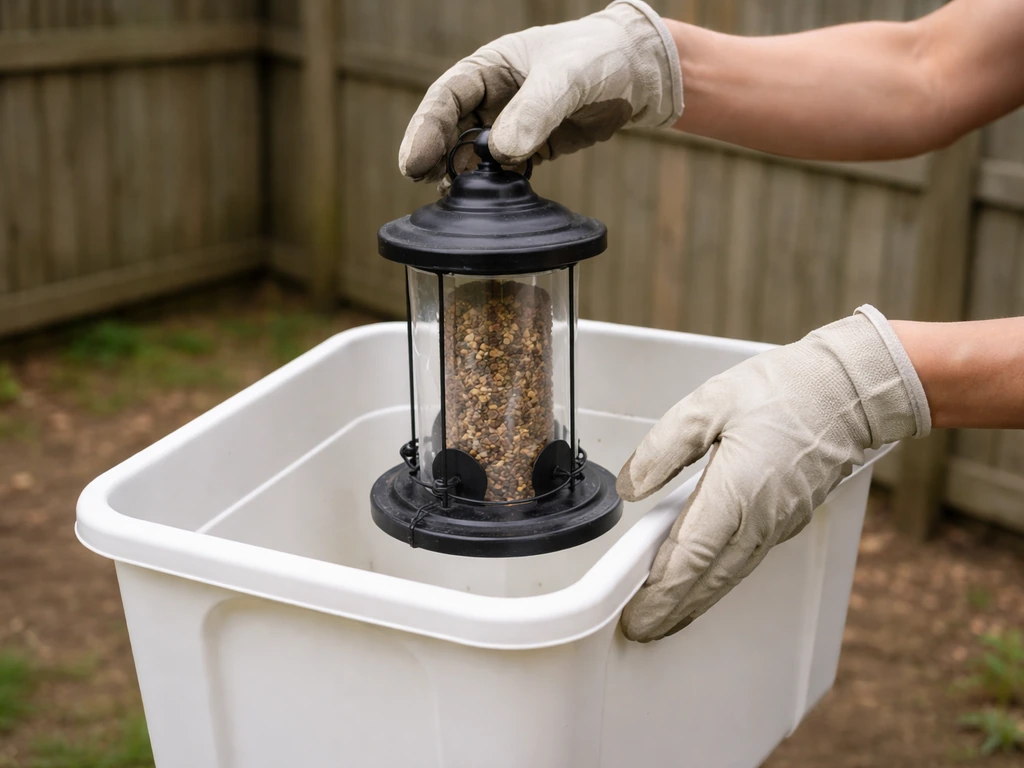
If you've decided to take your feeder down, here's how to do it responsibly so you don't leave a mess or contaminate the area.
- Remove the feeder and take it somewhere you can clean it properly outdoors, not over grass or garden beds where contaminated water can pool.
- Empty all remaining seed into a sealed bag and dispose of it in the trash, especially if seed is moldy or you're removing the feeder because of a disease event.
- Clean the feeder immediately using a 10% bleach solution (1 part bleach to 9 parts water), scrubbing all surfaces, soaking for 10 minutes, rinsing thoroughly, and allowing it to dry completely.
- Rake and clean the area under where the feeder hung, bagging up seed hulls and waste seed.
- If you're removing the feeder due to a sick or dead bird, wait at least two weeks before restarting, per CDC guidance.
- If you're responding to a local disease outbreak, monitor your state wildlife agency's website for guidance on when it's safe to resume feeding.
- Before restarting, fill with fresh seed only and commit to a regular cleaning schedule going forward.
Birds won't suffer from a two-week pause. They are more adaptable than most people give them credit for, and natural food sources will fill the gap. The break is genuinely short enough that you don't need to worry about the birds that rely on your feeder.
Ongoing prevention: cleaning, food choices, placement, and timing
The feeders that cause the most problems are the ones that get neglected. A well-managed feeder is low-risk. Here's the full picture of what ongoing prevention looks like.
Cleaning schedule at a glance
| Feeder type | Minimum cleaning frequency | Increase to when |
|---|---|---|
| Seed feeder | Every two weeks | Weekly during warm, wet weather or heavy use |
| Nectar/hummingbird feeder | Every 2-5 days | Every 1-2 days in summer heat |
| Bird bath | Every two weeks | Immediately if water is cloudy or mold is visible |
| Ground feeder area | Weekly rake and sweep | After every rain or when buildup is visible |
Food choices that reduce risk
Buy seed in quantities you'll use within a few weeks and store it in a sealed container in a cool, dry location. No-waste mixes that minimize hulls (like shelled sunflower or nyjer) reduce the accumulation of debris under the feeder. Never use seed that smells musty or shows any visible clumping or mold growth. Some people ask about seasonal timing and when to stop filling feeders entirely; that's worth thinking through separately based on your region and which species you're feeding. If you're trying to decide on your own timing, use the conditions in this guide to decide when to stop filling and when it's safe to resume when to stop filling feeders entirely.
Placement matters more than most people realize
Where you hang your feeder affects how much trouble it causes. Place feeders away from dense ground cover where rodents can hide. A location that's easy to reach for cleaning is also a location you'll actually clean. Keep feeders at least five feet off the ground and away from surfaces that allow easy raccoon or rodent access. If ants are a problem, an ant moat (a small water-filled barrier that mounts above the feeder) is a practical solution that doesn't require pesticides or taking the feeder down.
Seasonal timing and when to step back
In bear country, most wildlife agencies recommend taking feeders down from spring through fall and only feeding during winter months when bears are less active. Even outside of bear territory, late spring and summer is when feeders require the most diligent management because of heat, humidity, and the higher volume of birds. This is also when nectar ferments fastest and seed goes bad quickest. If you're not in a position to increase your cleaning frequency during warm months, that's a legitimate reason to take a seasonal break rather than let things slide.
Signs your current setup is becoming unsafe
You don't need to wait for a crisis to make adjustments. These are the things worth watching for regularly, and what to do when you see them.
| What you observe | What it means | Immediate action |
|---|---|---|
| Sick bird at feeder (lethargic, swollen eyes, fluffed feathers) | Possible disease outbreak at feeder | Take feeder down, clean with 10% bleach solution, wait for signs to clear |
| Dead bird near feeder | Potential disease event or outbreak | Remove feeder and bird bath for two weeks, clean outdoors, report to state wildlife agency |
| Clumped, discolored, or musty-smelling seed | Mold or moisture contamination | Empty feeder entirely, do not refill with remaining seed, clean before restarting |
| Black mold or cloudy water in bird bath or nectar feeder | Microbial growth, immediate hazard to birds | Discard all contents, clean and disinfect immediately |
| Consistent rodent activity under feeder | Feeder is drawing pests, risk of disease and predators | Clean up ground debris, reduce fill amount, consider temporarily removing or relocating feeder |
| Raccoons or other wildlife becoming bold or aggressive near feeder | Feeder is conditioning wildlife to approach humans | Remove feeder temporarily, evaluate placement changes, contact local wildlife authority if behavior escalates |
| More than five dead waterfowl, vultures, or shorebirds in area within five days | Possible avian disease outbreak in the region | Report immediately to state wildlife agency, follow their guidance on feeder use |
The pattern to watch for is congregation plus any stress signal. A healthy feeder with lots of birds is fine. A feeder where birds look unwell, food is going bad quickly, or unwanted wildlife has become a fixture is telling you something needs to change. Usually that means cleaning or adjusting placement rather than permanent removal, but sometimes a temporary break is the clearest, most effective intervention you can make.
FAQ
If I took my feeder down because I saw one sick bird, when can I put it back up?
After you remove and disinfect it, restart only once you have no new sick or dead birds around the feeder area. For the highest-risk cases (sick or dead birds near the feeder or bird bath), plan on a minimum two-week break and keep cleaning any ground debris before refilling.
Do I need to take down the feeder if the problem is just moldy seed, not sick birds?
Yes, temporarily. Empty the feeder completely, discard any moldy seed, clean the feeder thoroughly, and do not top off. If the mold keeps returning quickly, switch to drier seed and reduce how much you put out between cleanings.
What if I only see normal bird droppings or the tray looks messy, should I take the feeder down?
Usually not. Messy trays alone are not the same as visible mold or spoiled, clumped seed. Focus on clearing waste seed and hulls under the feeder more often, and increase feeder cleaning during warm or wet weather instead of removing it.
Does taking a feeder down help if the issue is rodents under the feeder?
It can help, especially if rodent activity is persistent or aggressive. Remove and clean the feeder and surrounding ground, then consider relocating the feeder farther from dense cover and raising it higher, because rodent shelter near the feeder sustains the problem.
If my bird bath is the concern, should I take down the feeder too?
Not automatically. If only the bird bath is cloudy or has visible mold, prioritize immediate bath cleaning and refilling. If you also notice sick birds congregating at the feeder area or dead birds nearby, then taking down both feeding sources is the safer move.
How long should I clean before I reinstall if I used bleach?
After the bleach soak, rinse thoroughly and let the feeder dry completely before refilling. A wet feeder accelerates mold growth even if it is disinfected, so fully air-drying is as important as the disinfection step.
Can I reduce disease risk without removing the feeder?
Yes, by managing congregation and freshness. Use smaller fills (seed they will eat in a few days), clean on schedule (at least every two weeks, more often in heat), and keep fallen hulls swept up, because waste seed under the feeder is a key contamination source.
Should I stop feeding during bird disease outbreaks even if my feeder looks clean?
If your wildlife agency issues specific thresholds or removal guidance for your region, follow it even if your feeder seems fine. Outbreak guidance often assumes that feeder congregation increases transmission risk that is not visible from cleanliness alone.
Is it safe to feed during bear season if I place the feeder carefully?
Placement helps, but it is not always enough. In many bear-risk areas, agencies recommend removing feeders from spring through fall and feeding only in winter when bears are less active, because consistent feeder presence can train bears to your yard.
What is the safest way to handle the feeder if I’m worried about infection?
Wear disposable gloves if you have them, avoid touching your face while cleaning, and wash hands thoroughly afterward. Keep kids away during cleanup and store used paper towels and debris in a sealed bag before disposal.
Should hummingbird feeders be treated the same as seed feeders regarding takedown?
They are managed differently. If nectar is cloudy or fermented, replace it and clean the feeder immediately rather than waiting. If hummingbirds are congregating around visibly contaminated nectar, do a full stop for cleaning and refilling, typically every two to five days depending on temperature.
If I decide to take the feeder down, do I also need to clean the yard area around it?
Yes, at least the zone where birds and hulls accumulate. Rake and remove old seed and waste under and around the feeder, because decomposing seed can continue to grow mold and attract rodents even after the feeder is removed.
Next Articles
How Often to Clean Bird Feeders: Simple Schedule
Simple schedule for how often to clean bird feeders, with seasonal rules, signs to act fast, and step-by-step cleaning.
Do You Leave Bird Feeders Out All Year? Seasonal Guide
Should you leave bird feeders out all year? Get seasonal tips, safe feeding, and cleaning to prevent disease and pests.
Do Birds Use Bird Feeders in Winter? How to Feed Safely
Yes, birds use feeders in winter when needed. Feed safely, keep it clean, prevent spoilage and adjust amounts.