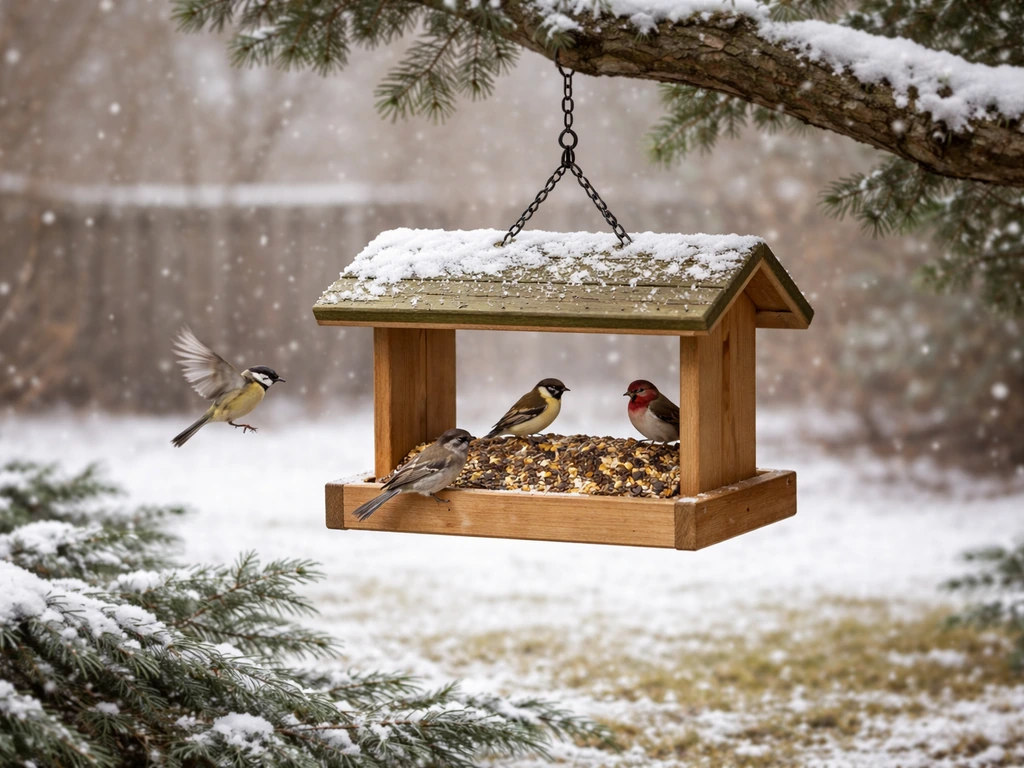
Yes, a bird feeder is worth getting for most people, but only if you're willing to clean it regularly. That's the honest answer. A feeder you maintain every two weeks will bring more birds, support local wildlife, and give you something genuinely enjoyable to watch. A feeder you ignore becomes a disease hub and a mess. If you can commit to basic upkeep, go for it. If you're not sure, start with one simple tube or platform feeder and see how it goes.
Should I Get a Bird Feeder? A Beginner Guide to Do It Safely

Eleanor Hartwick
24 May 2026
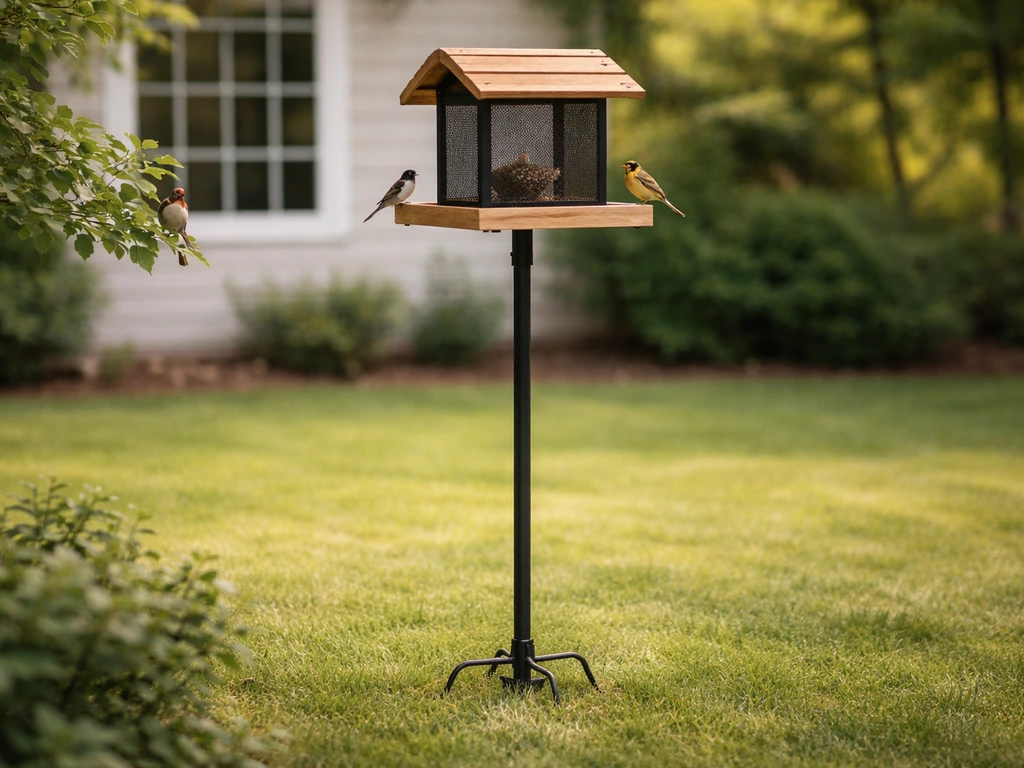
Quick decision checklist: is a bird feeder right for you?
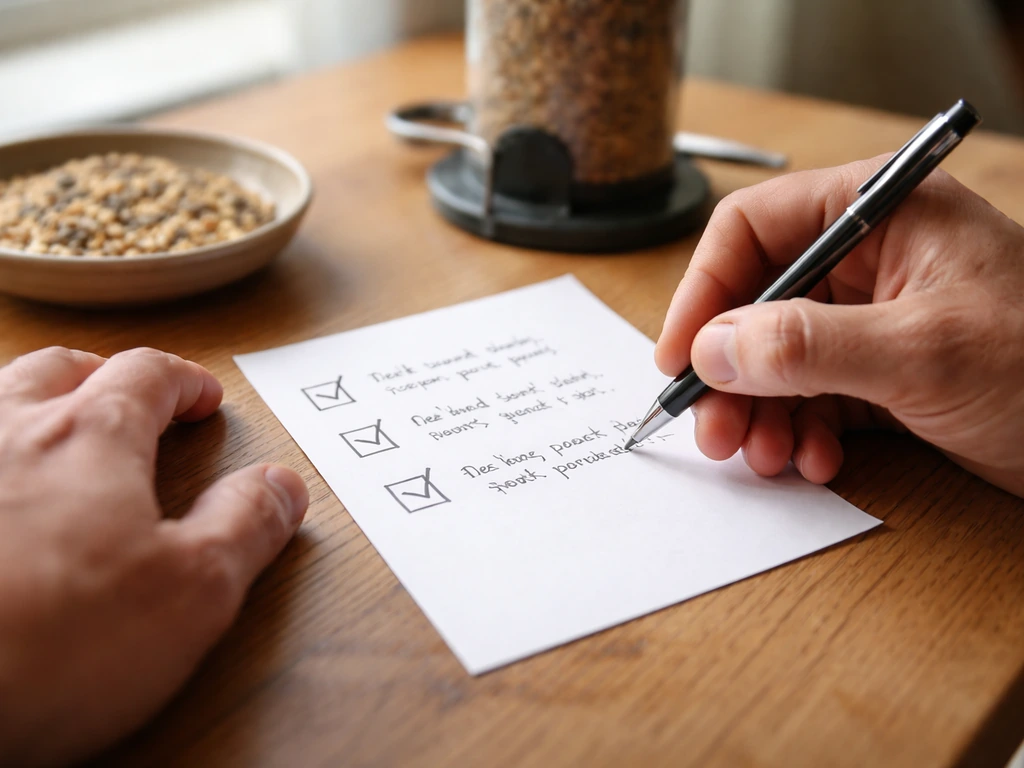
Before you buy anything, run through these honestly. Most people land on yes, but a few situations genuinely argue against it.
| Question | If yes | If no |
|---|---|---|
| Are you willing to clean a feeder every 1–2 weeks? | Good to go | Reconsider — dirty feeders spread disease |
| Do you have a yard, balcony, or outdoor space? | Good to go | Limited options, but window feeders exist |
| Are there bears or raccoons in your area? | Use specific tactics or skip entirely in some regions | Lower-risk setup |
| Do you have outdoor cats? | Keep feeders out of ambush range | No issue |
| Do you have large windows nearby? | Feeder placement matters a lot — read the window section | Less of a concern |
| Do you want to attract specific species? | Match feeder type and food to those birds | Black-oil sunflower covers most bases |
| Are you in an area with active salmonella outbreaks in birds? | Pause feeding temporarily | Proceed normally |
If you checked most of the 'good to go' boxes, you're in solid shape. The main reasons people regret getting a feeder are neglecting cleaning, placing it wrong near windows, or attracting wildlife they didn't want. All three are preventable with a little planning upfront.
Real benefits vs. real downsides
Bird feeding gets oversold in both directions. Some sources make it sound like a public service, others warn it's an ecological disaster. If you are wondering, “is it good to have a bird feeder,” the key is balancing benefits to local birds with simple hygiene and placement rules. The truth is more nuanced, and it's worth knowing both sides before you commit. Can you overfeed birds with a bird feeder? You can also have too many bird feeders, which can increase mess and disease risk if upkeep slips. In practice, the bigger concern is keeping food fresh and feeders clean so you do not create unhealthy conditions overfeeding birds.
What you actually get from a feeder
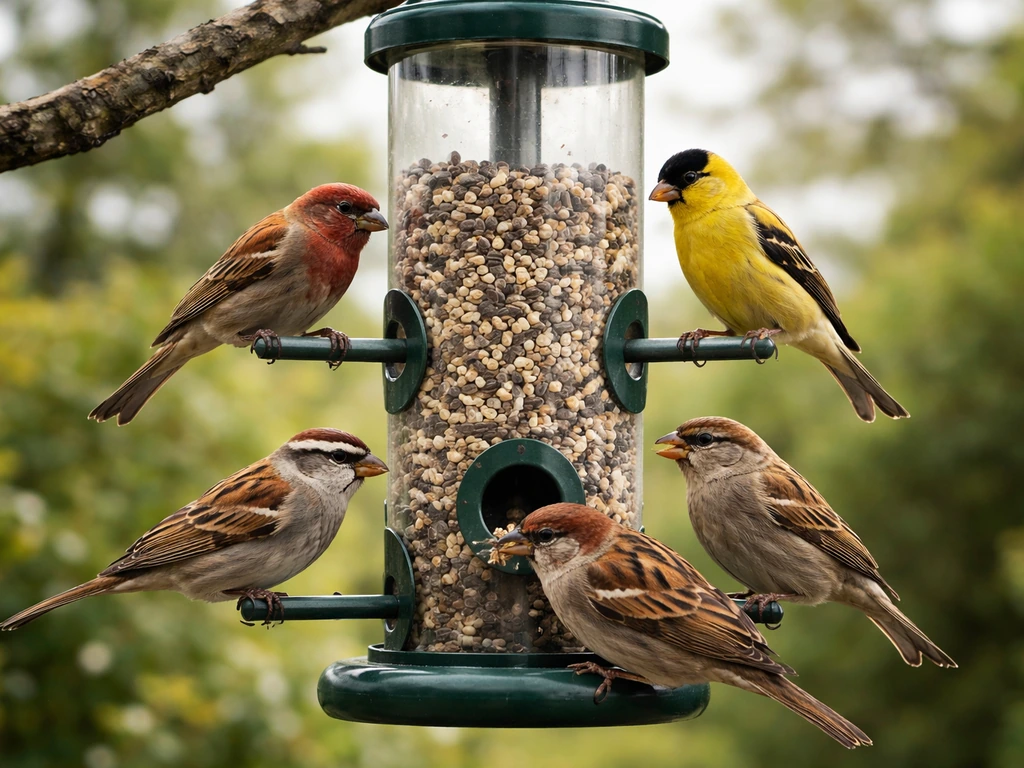
- More bird activity in your yard, often within days of putting a feeder up
- A closer look at species you'd normally only see in passing
- A real educational hook, especially for kids — Cornell Lab's Project FeederWatch turns backyard watching into citizen science
- Supplemental food support during winter and migration periods when natural food is scarce
- Documented enjoyment and stress reduction — this one is hard to quantify but very real if you like watching birds
The downsides you should take seriously
- Dirty feeders spread salmonella, E. coli, trichomoniasis, and other diseases — birds using shared surfaces transmit bacteria easily, and this is well-documented
- Feeders near windows increase the risk of deadly window collisions — Audubon is explicit about this tradeoff
- Seed hulls, droppings, and spilled food create mess under the feeder that can attract rodents
- Squirrels, raccoons, and in some regions bears will be drawn to the food
- A few studies have noted possible links between supplemental feeding and lower egg production and hatching success in some species, though the evidence is still limited
None of those downsides are dealbreakers on their own, they're just things to manage. The disease risk drops sharply with regular cleaning. The window collision risk is controlled by placement. The wildlife risk depends on what you put out and how you mount the feeder. You'll find more depth on whether feeding is net positive or negative in related discussions about the pros and cons of bird feeders, but for most backyard setups the benefits outweigh the risks when you do it properly.
What to put in your feeder: matching food to local birds
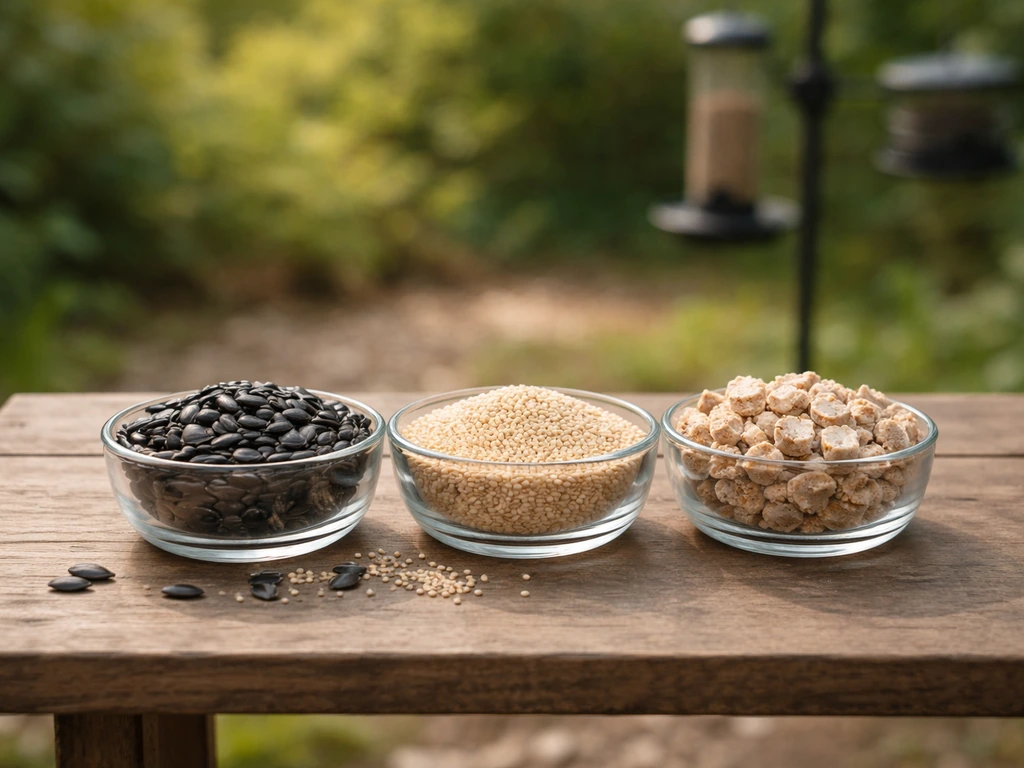
If you want one recommendation that covers the widest range of birds, it's blank" rel="noopener noreferrer">black-oil sunflower seed. Audubon calls it out as the seed that 'appeals to the greatest number of birds,' and both Missouri DNR and Virginia DWR back that up. The shells are thinner than striped sunflower, so smaller birds like chickadees and finches can crack them easily. Start here and you'll attract cardinals, nuthatches, titmice, chickadees, jays, finches, and more.
Beyond black-oil sunflower, white millet is your next most useful addition, especially if you want to attract ground feeders like juncos, doves, and sparrows. Nyjer (thistle) seed is excellent for goldfinches and other small finches but needs a dedicated tube feeder with small ports. Safflower seed is worth adding if squirrels are a problem, most squirrels and European starlings won't eat it, but cardinals, chickadees, and house finches will.
Suet is a high-energy food that woodpeckers, nuthatches, and chickadees love, especially in cold weather. Peanuts (unsalted, in a mesh or tube feeder) attract blue jays, woodpeckers, and titmice. If you want hummingbirds, make your own nectar: 1 part plain white sugar to 4 parts water, boiled and cooled. Don't use honey, artificial sweeteners, or red dye, none of those are safe, and the USFWS is direct about avoiding honey specifically.
| Food | Best for | Feeder type needed |
|---|---|---|
| Black-oil sunflower | Widest variety: cardinals, chickadees, finches, nuthatches, jays | Hopper, tube, or platform |
| White millet | Ground feeders: juncos, sparrows, doves | Platform or scattered on ground |
| Nyjer/thistle | Goldfinches, siskins, redpolls | Tube feeder with small ports |
| Safflower | Cardinals, chickadees, house finches (squirrel deterrent) | Hopper or tube |
| Suet | Woodpeckers, nuthatches, chickadees, wrens | Suet cage, ideally with upside-down access |
| Peanuts (unsalted) | Blue jays, woodpeckers, titmice | Mesh or peanut tube feeder |
| Sugar water (1:4 ratio) | Hummingbirds | Hummingbird feeder |
A practical note: don't try to offer everything at once when you're starting out. One feeder with black-oil sunflower seed will tell you a lot about what birds are in your area. Add other foods once you know what's visiting and what you want to attract more of.
Feeder types and basic setup
Feeder choice matters more than most beginners realize, mostly because different birds feed at different heights and in different positions. Audubon's guidance is practical here: match the feeder style to where the birds you want actually feed.
Platform feeders
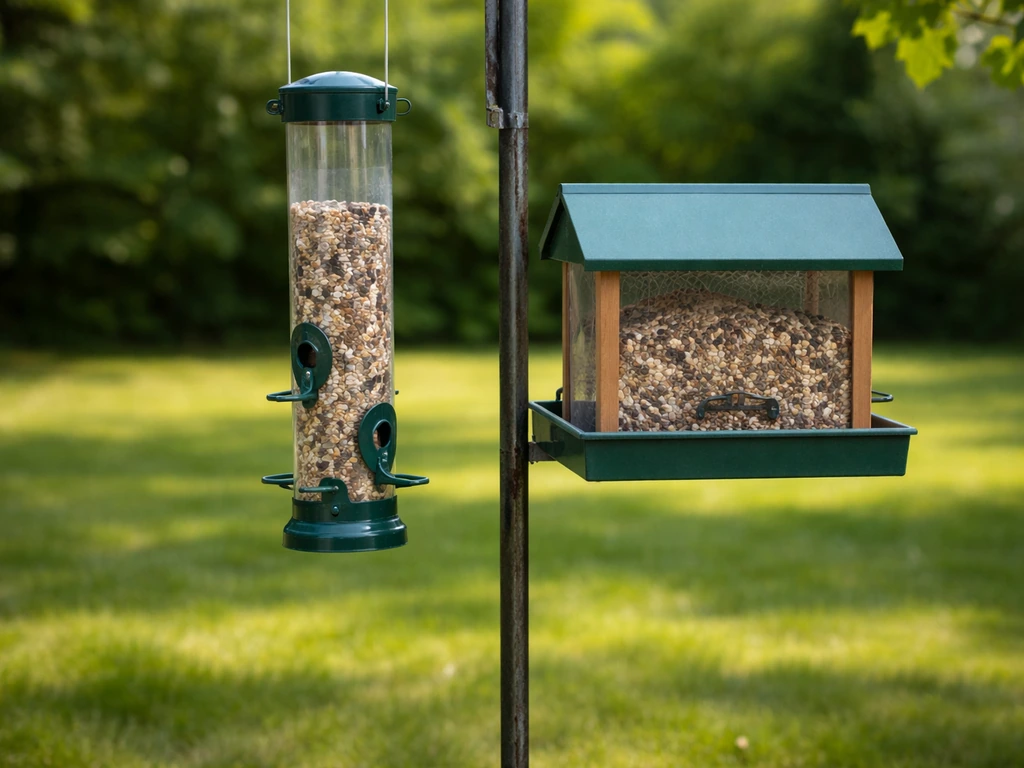
Platform or tray feeders are the most versatile. They're open and visible, which attracts a wide range of birds including cardinals, jays, sparrows, and doves. The downside is that seed sits exposed to rain and droppings, so you need to clean them more often. Look for one with drainage holes in the bottom. These work well on a post or hung from a bracket.
Tube feeders
Tube feeders are the workhorses of backyard bird feeding. They hold seed well, protect it from weather better than platforms, and are easy to fill. They're best for sunflower seed, nyjer, or mixed seed depending on port size. Smaller port tubes with perches below the ports are designed for nyjer and will select for smaller finches. Tube feeders attract shrub and treetop feeders like chickadees, finches, and nuthatches.
Hopper feeders
Hopper feeders (the barn-shaped ones) dispense seed as birds eat it, which reduces waste and keeps seed a bit drier. They hold more seed than tubes, which is convenient if you don't want to refill every day. They work well for sunflower and safflower seed, and attract a similar mix to tube feeders. The internal parts can be harder to clean thoroughly, so check the design before buying.
Suet feeders
Suet cages are wire mesh cages designed to hold suet cakes. Mount them on a tree trunk or hang them well off the ground. An upside-down suet feeder (where birds have to cling underneath to access it) is smart if you want to limit access to starlings and squirrels while still feeding woodpeckers, nuthatches, chickadees, and wrens, which handle the position easily. Virginia DWR specifically recommends this design for this reason.
Hummingbird feeders
Hummingbird feeders are a category of their own. They need to be cleaned every 3 to 5 days in warm weather because the sugar water ferments quickly and can harm birds. Red color on the feeder itself is enough to attract hummingbirds, skip the red dye in the nectar.
Where to put your feeder: windows, pets, and predators
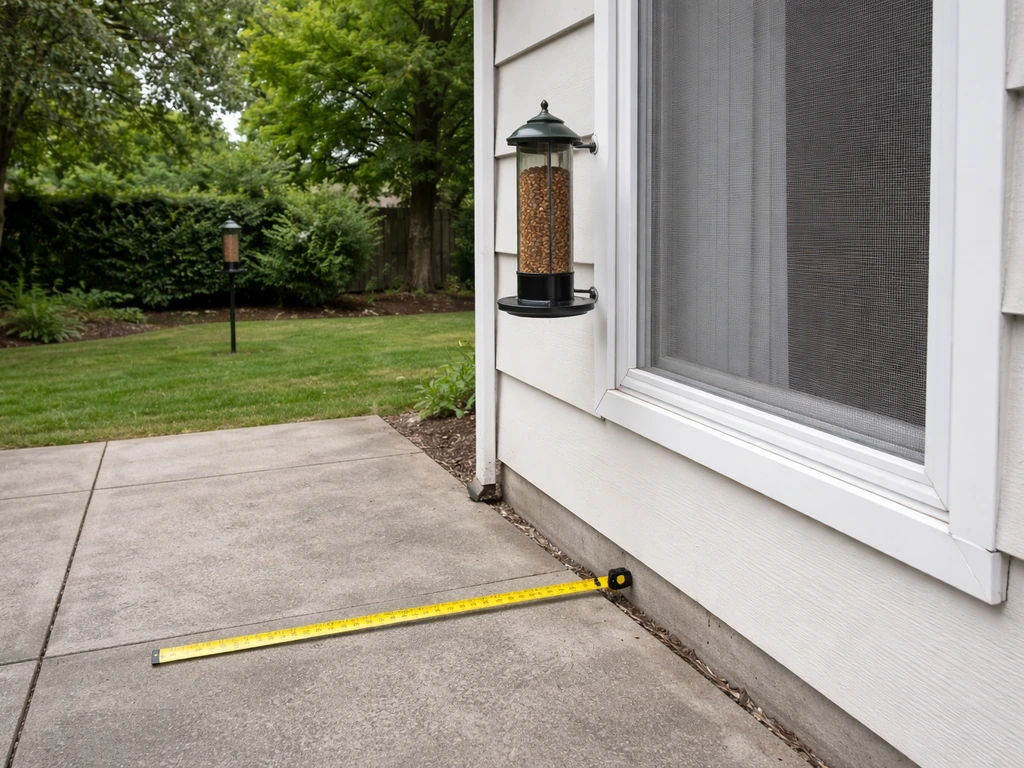
Placement is one of the most consequential decisions you'll make, and it doesn't get enough attention in basic bird feeder guides. Two specific things matter most: distance from windows and distance from ground cover where cats or predators can hide.
The window collision rule
The USFWS guidance on this is clear: place feeders either 3 feet or less from a window, or more than 30 feet away. The logic is simple. If a bird startles and flies toward a window from very close range, it won't have built up enough speed to cause serious injury. If the feeder is far enough away (30+ feet), birds have time to register the glass and change course.
The dangerous zone is everything in between, roughly 3 to 30 feet, where a bird can hit a window fast enough to be killed. Most people instinctively put feeders in that mid-range where they can see them from inside, which is exactly the problem. If you're wondering whether leaving seed out too long could turn into overfeeding, the good news is you can manage that with the right portioning and cleaning routine can you overfeed birds with a bird feeder. Either go close to the window or go farther out into the yard.
If you already have feeders in the danger zone, you can apply window tape, decals, or external screens to make the glass more visible to birds. USGS notes these are simple, inexpensive solutions that work well.
Managing cats, predators, and access
Mount feeders on a pole with a baffle rather than hanging them from a tree branch near dense shrubs. This gives birds a clear sightline around the feeder so they can spot approaching predators. If you have outdoor cats, either keep them inside during peak bird feeding times or position feeders high enough that cats can't ambush birds from the ground. A pole-mounted feeder at 5 to 6 feet with a baffle below is your safest general setup. Avoid placing feeders directly next to dense hedges or bushes where a cat can crouch unseen.
Cleaning and hygiene: the part most people skip
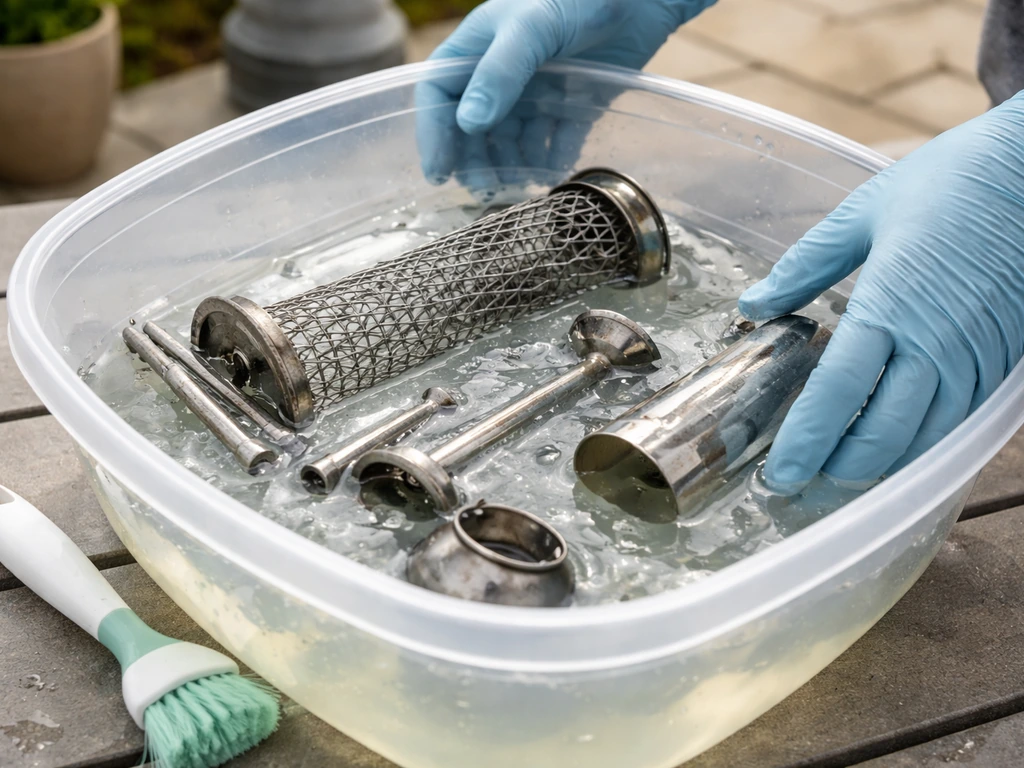
This is the non-negotiable part. A feeder you don't clean regularly will spread disease. Audubon also notes that every other week is a good starting point for cleaning seed and suet feeders, but more frequent cleaning is best in humid or hot weather, and feeders should be completely dry before refilling every other week is a good starting point for seed and suet feeders. Salmonellosis and trichomoniasis are both well-documented at bird feeders, and neither is rare. The good news is that the cleaning routine is simple once you build the habit.
How often to clean
- Seed and suet feeders: every two weeks is the standard recommendation from both All About Birds and Audubon
- More frequently in hot or humid weather, or during heavy use periods when more birds are visiting
- Immediately if you see sick birds, or if salmonella outbreaks are reported in your area
- Hummingbird feeders: every 3 to 5 days in warm weather, more often if the nectar looks cloudy
- Bird baths: scrub at least once per week
How to actually clean them
- Empty any remaining seed or food completely
- Disassemble the feeder as much as possible
- Soak all parts for 10 minutes in a 10% non-chlorinated bleach solution (roughly 1 part bleach to 9 parts water)
- Scrub with a dedicated brush — not one you use for dishes
- Rinse thoroughly until no bleach smell remains
- Let it dry completely before refilling — this step matters, because refilling a wet feeder leads to mold and clumping
If you see black mold inside a feeder or cloudy plastic that can't be scrubbed clean, replace the feeder. Project FeederWatch is explicit about this: cloudiness and black mold mean the feeder is past saving. Also dump and discard any seed that smells off, looks clumped, or has visible mold. Old seed sitting in a wet feeder is one of the fastest ways to sicken birds.
Dealing with squirrels, bears, raccoons, and rodents
If you put food outside, something other than birds will eventually find it. How big a problem that becomes depends on your location and what you do about it.
Squirrels
The pole-plus-baffle method is your most effective tool. Drive a smooth metal pole into the ground, attach a cone or cylinder baffle below the feeder, and make sure the feeder is far enough from any nearby tree branch (at least 8 to 10 feet horizontally) that squirrels can't jump across. Audubon says this gets you 'pretty darn close' to squirrel-proofing. Safflower seed and plain suet are also deterrents, most squirrels won't bother with safflower, and they tend to leave plain suet alone while birds readily eat both.
Raccoons and bears
If you live in bear country, the safest approach during active seasons (spring through fall) is to bring feeders in at night or stop feeding altogether. A bear that finds a reliable food source will keep coming back, and that creates real safety problems. Raccoons are less dangerous but just as persistent, they'll knock feeders down and empty them overnight. Weight-sensitive feeders that close ports when something heavy lands on them help with both raccoons and large squirrels. Hanging feeders high from a wire strung between two poles (high enough that a raccoon can't reach down from above) is another option.
Rodents
Seed on the ground under a feeder is an open invitation for mice and rats. Use a tray catch under your feeder to collect fallen seed and clean it out regularly. Avoid leaving large amounts of seed on the ground overnight. Switching to no-waste seed mixes (where shells are already removed, or using shelled sunflower and hulled millet) dramatically reduces ground spillage and makes the area under the feeder much less attractive to rodents.
Seasonal guidance and what to do when birds don't show up
When to start, when to pause, and what to change by season
You can run a feeder year-round in most of North America. The timing of what you offer and how you manage it should shift with the seasons. Winter is when supplemental feeding does the most good for resident birds, natural food is scarce and energy demands are high. Spring and fall are peak migration periods when you'll see the most variety. Summer is slower but still worth maintaining for nesting birds and fledglings, and it's also when you need to be most vigilant about cleaning since warm weather accelerates mold and bacterial growth.
- Winter: prioritize high-fat foods like suet and black-oil sunflower; check feeders more often since birds visit heavily in cold snaps
- Spring/fall migration: keep feeders well-stocked and offer variety to attract migrants passing through
- Summer: reduce seed amounts if you're seeing a lot of waste and spoilage; clean more frequently; consider whether you're in bear country before continuing to feed
- If you're in a region with active disease outbreaks in birds: take feeders down temporarily, clean them, and put them back up when the local advisory lifts
Troubleshooting when birds won't come to your feeder
This is one of the most common frustrations for new feeder owners. You set it up, wait, and nothing happens. Here's what to check systematically.
- Wrong food: if you're using a cheap mixed seed with lots of milo or wheat filler, most backyard birds will ignore it. Switch to straight black-oil sunflower and watch what happens within a day or two.
- Wrong feeder for the birds in your area: tube feeders won't attract ground-feeding birds; platform feeders won't attract birds that prefer tube-style perches. Check what species are in your area and match the feeder.
- Placement: if the feeder is in a high-traffic area, too exposed, or too close to something that makes birds nervous (including your house cat), birds will avoid it. Try moving it to a quieter spot closer to shrubs or trees for perching nearby.
- Time of year: if you just set up a feeder in midsummer, it can take weeks for birds to discover it. Resident birds learn feeding locations over time. Be patient.
- Weather: after a big storm or a rapid temperature change, bird activity often drops for a few days. It usually returns.
- Local predator activity: if a hawk or cat has been hunting near the feeder, birds will avoid that area for days or even weeks. Watch for patterns.
- Dirty feeder: yes, birds will actually avoid a feeder that smells bad or has moldy seed. Clean it thoroughly and try fresh seed.
If you've worked through that list and still have nothing after a few weeks, it's worth asking neighbors or checking local birding groups about what species are present in your specific area. Some neighborhoods simply have lower bird diversity, and adjusting your expectations or food offerings to match local species makes a real difference. And if you find yourself genuinely hooked on watching who shows up, consider logging your sightings through Project FeederWatch, it turns your feeder into a small but real contribution to bird monitoring science.
FAQ
What if I travel a lot and cannot clean the feeder every two weeks (or more often in summer)?
If you cannot keep up with cleaning, the safest choice is to delay buying a feeder or switch to a feeding method that fits your schedule, like brief seasonal feeding. For hummingbirds, do not leave a sugar-water feeder unattended for long stretches because it needs fast turnover (every 3 to 5 days in warm weather).
Can I refill a feeder with fresh seed instead of cleaning it?
No, refilling alone is not enough. You need to empty out old seed and scrub the parts that hold moisture and residue, especially in warm or humid weather. If the feeder has cloudy plastic or black growth that you cannot scrub away, replace it rather than trying to “patch” it.
How close to a window is too close, and what should I do if my yard layout forces the middle range?
The mid-range (about 3 to 30 feet) is the highest-risk zone for collisions. If you cannot place it very close (3 feet or less) or far away (30 feet or more), use added visibility measures on the windows such as decals, external screens, or tape, and consider relocating the feeder to reduce the amount of time birds spend flying directly at the glass.
Will a bird feeder automatically attract squirrels and rats?
Bird feeders can attract them, but you can greatly reduce the problem with the right design and cleanup. A pole with a baffle plus a tray catch for fallen seed helps a lot, and using no-waste options (hulled or shelled seed) reduces ground spillage, which is what often drives rodent activity.
Do I need to stop feeding during disease outbreaks or after I notice sick birds?
If you see signs of illness or heavy contamination (moldy seed, wet clumps, or lots of dead or lethargic birds), pause feeding immediately and clean thoroughly before resuming. Continue with a stricter cleaning routine, and discard any seed that smells off, is clumped, or shows visible mold.
Is there a best seed to use first if I want multiple species but do not know what’s in my area yet?
Start with black-oil sunflower seed because it has broad appeal and thin shells help smaller birds crack it. Then adjust based on what actually visits, adding one new food at a time so you can tell which species responds and so you do not create extra mess.
How do I choose between a tube, hopper, and platform feeder?
Match the feeder to both bird behavior and your tolerance for mess. Platforms are open and attract many ground and larger perching birds, but seed is exposed so you must clean more often. Tubes protect seed from weather and are efficient for many small birds. Hoppers hold more and reduce refilling, but the internal parts can be harder to clean thoroughly, so check the design for access.
Why are birds not showing up even though I set up a feeder and put out good food?
Common causes include feeder placement, the wrong seed type for local species, and insufficient time for birds to discover it. After a few weeks, ask neighbors or local bird groups what species are active nearby, then fine-tune your food and feeder style to match their typical feeding heights and habits.
How often should I clean a feeder if it is rainy or humid where I live?
Increase cleaning frequency beyond a single fixed schedule. Wet weather accelerates spoilage and bacterial growth, so check more often, especially for exposed seed in platforms and anywhere moisture can collect. If you see cloudiness you cannot scrub clean or black mold, replace the feeder.
What is the safest way to feed hummingbirds if I have limited time during the week?
Hummingbird feeders require more frequent maintenance than seed feeders, because the nectar ferments quickly in warm conditions. If you cannot commit to cleaning every 3 to 5 days, skip hummingbird feeding or choose a plan that lets you maintain fresh nectar on schedule.
Next Article
Do You Leave Bird Feeders Out All Year? Seasonal Guide
Should you leave bird feeders out all year? Get seasonal tips, safe feeding, and cleaning to prevent disease and pests.