Having a bird feeder is not bad, but how you manage it determines whether it helps or harms the birds visiting your yard. A neglected, poorly placed feeder can spread disease, attract rats, and cause window collisions. A well-maintained one is genuinely beneficial. The honest answer is: feeders are as good or as bad as the habits behind them.
Is It Bad to Have a Bird Feeder? Risks and Best Practices

Eleanor Hartwick
31 May 2026
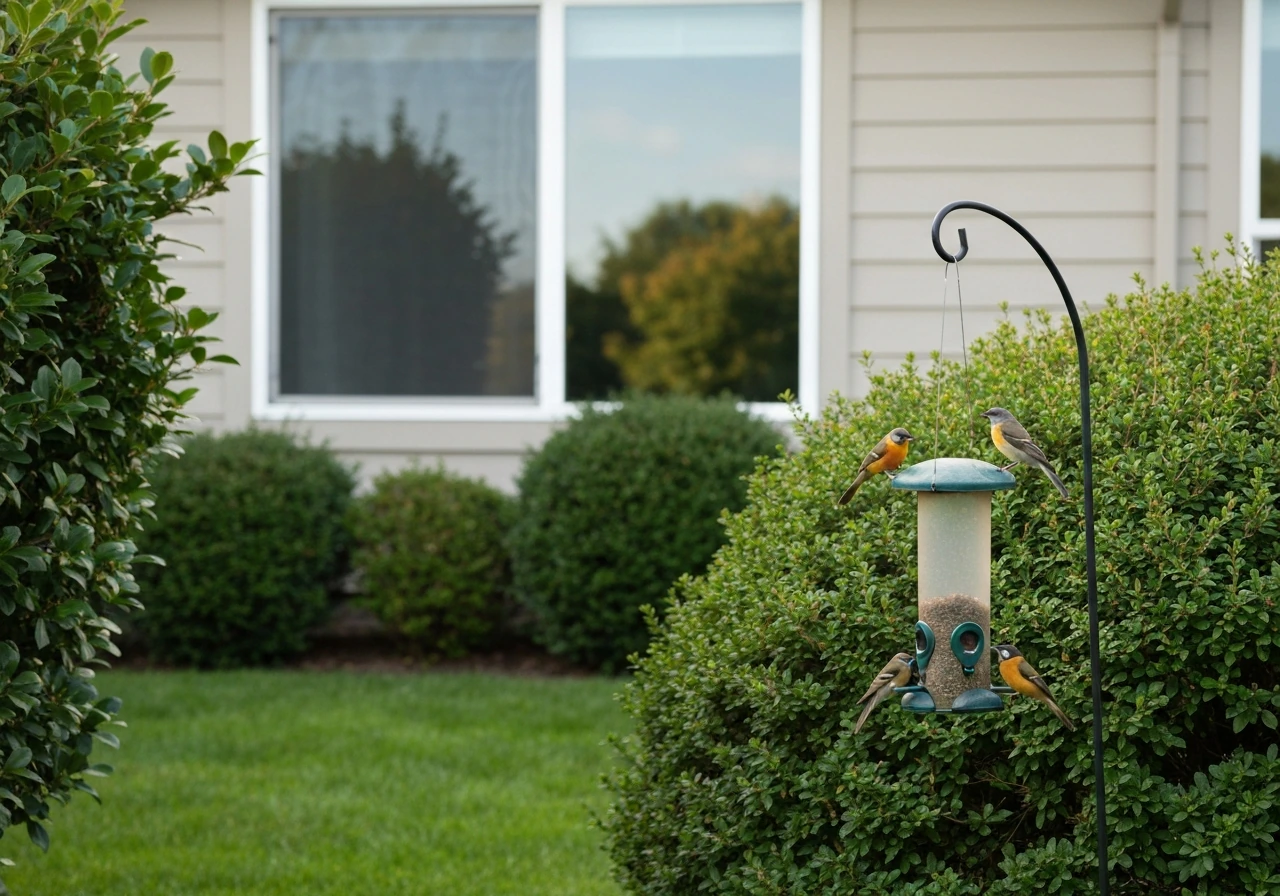
So, is it actually bad to have a bird feeder?
No, not inherently. The U.S. Fish & Wildlife Service and Cornell Lab both acknowledge that feeders can provide real value to birds, especially during harsh winters or habitat-poor suburban environments. But both organizations are also clear that feeders come with responsibilities. The risks are real, they are preventable, and ignoring them can turn your well-intentioned feeder into a disease hot spot or a wildlife magnet. The key phrase is 'generally not bad, if you do the right things.' This article walks through exactly what those things are. If you are still wondering, should i get a bird feeder, the safest approach is to follow the recommendations on placement, cleaning, and seed management in this guide.
The main risks of bird feeders (and why they happen)
Most of the problems people encounter with feeders trace back to a few predictable causes: disease spread, pest attraction, and wasted or spoiled food. Understanding why each happens makes them much easier to prevent.
Disease
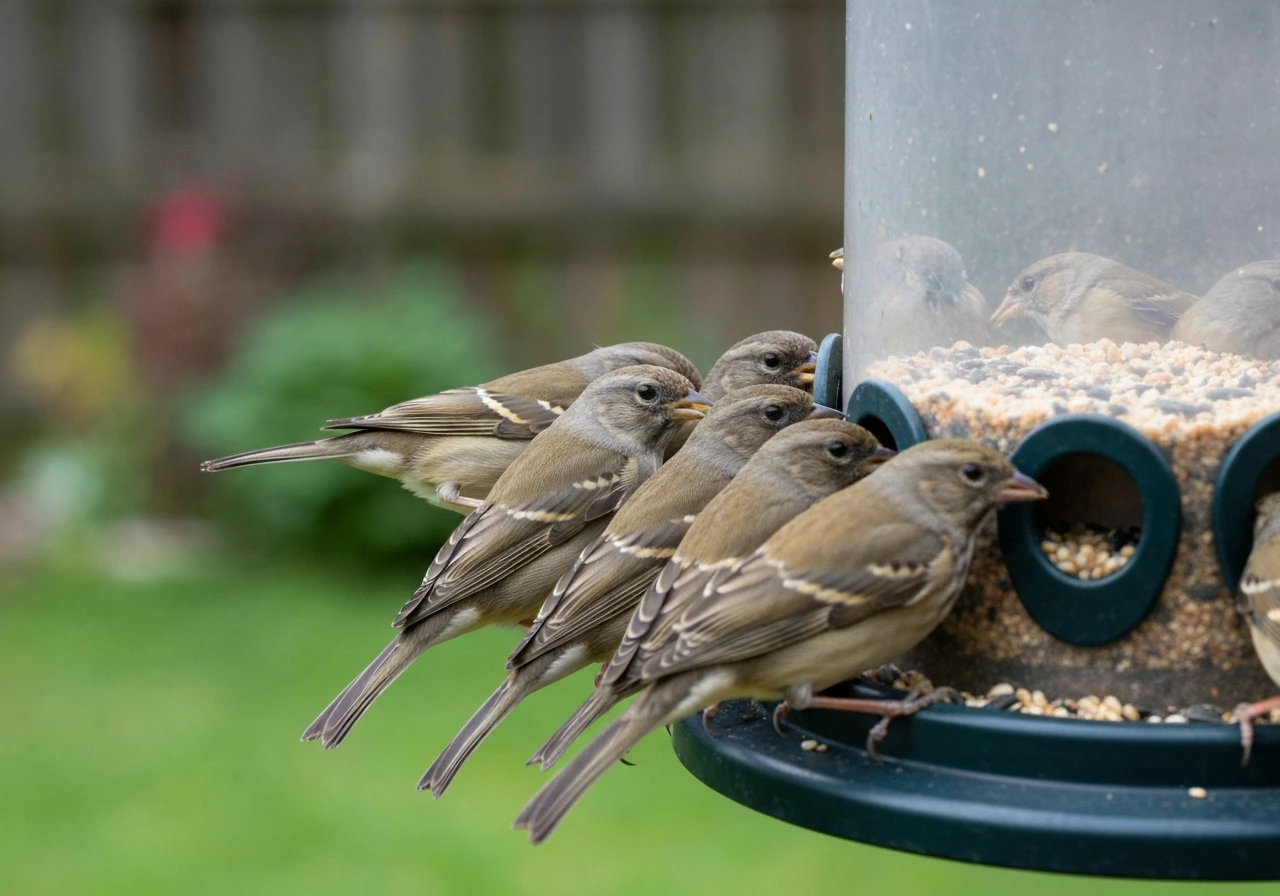
Feeders concentrate birds in an unnaturally small space, which accelerates disease transmission. The National Audubon Society identifies several illnesses that spread through feeders: mycoplasmal conjunctivitis (house finch eye disease), salmonellosis, aspergillosis (a fungal respiratory disease from moldy seed), avian pox, and avian flu. Avian trichomonosis, caused by Trichomonas gallinae, is another one to watch for, especially in finches. Birds pick it up from contaminated feeders and birdbaths, and the infection affects their upper digestive tract. Salmonellosis is also an important one: the Pennsylvania Game Commission notes it is a significant disease in songbirds that congregate at feeders, spreading through food and water contaminated by infected droppings. The disease risk is not a reason to skip feeders entirely, but it is a reason to take cleaning seriously.
Pests and unwanted wildlife
Seed on the ground and spilled hulls attract rodents, raccoons, and squirrels. North Carolina Wildlife Resources Commission warns that bird feeders can pull in raccoons, squirrels, bears, and other predators. Kansas State University researchers have found that raccoons are roughly seven times more likely to enter yards where bird feeders are present. That is not a reason to panic, but it is a reason to manage your setup thoughtfully.
Window strikes
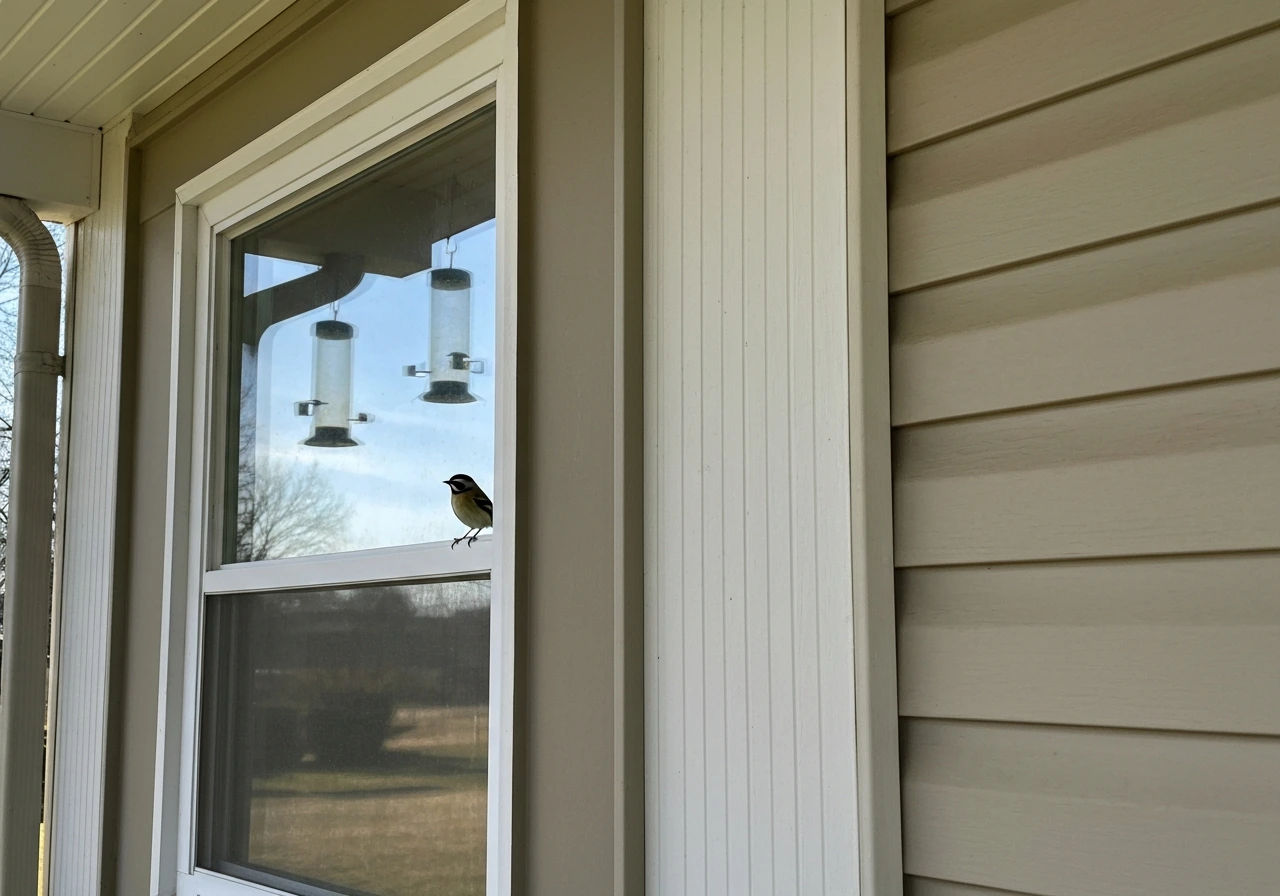
Feeders placed at the wrong distance from windows are one of the leading causes of bird window collisions. A bird that hits glass after a short flight does not have time to build lethal momentum, but one launched from 15 or 20 feet away does. Placement matters enormously here, and it is one of the easiest fixes in the whole setup.
Spoiled and wasted seed
Wet, stale seed can develop mold that causes aspergillosis in birds. Aflatoxin-producing molds are a particular concern when seed sits in warm, damp conditions. Environmental factors like temperature, humidity, and rain can influence whether mold grows on food or feed, which is relevant to mycotoxins such as aflatoxin aflatoxin-producing molds. The Minnesota DNR notes that moldy birdseed and unclean feeders can make birds sick, and recommends regularly scraping out any accumulated old seed. Wasted seed also feeds pests and creates a mess that undermines everything else you are trying to do.
Where to place your feeder to reduce harm
Placement affects window strikes, pest access, and how comfortable birds feel using the feeder. Get this right first, because it is easier to adjust before you hang anything than after.
The window distance rule
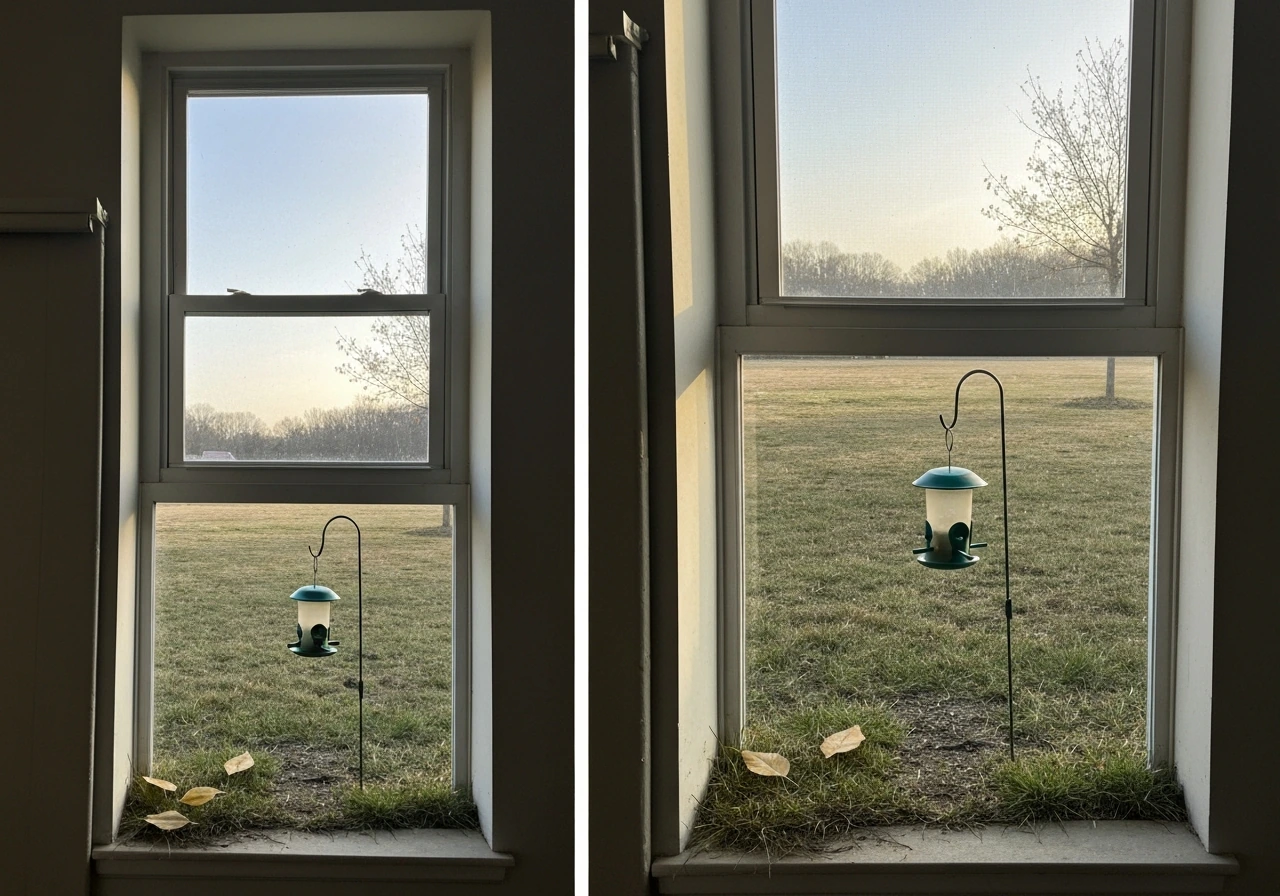
The Washington Department of Fish and Wildlife, the U.S. Fish and Wildlife Service, and Wild Birds Unlimited all point to the same two safe zones: within 3 feet of a window, or at least 30 feet away. Within 3 feet, a bird that gets startled and hits the glass has not had enough room to accelerate to a dangerous speed. At 30 feet or more, birds have enough distance to see the window as an obstacle rather than open airspace. The danger zone is everything in between, roughly 4 to 29 feet from the glass. If your only option is somewhere in that range, adding window decals, screens, or external netting will significantly reduce collision risk.
Height, cover, and ground clearance
Place feeders near natural cover like shrubs or trees so birds have somewhere to retreat when startled, but not so close that squirrels can leap directly onto them. A general rule is to keep the feeder at least 5 to 6 feet off the ground and at least 10 feet from the nearest branch or structure that a squirrel could jump from. Avoid placing feeders directly over garden beds or areas where seed waste would cause problems. And think about what is underneath: the ground below a feeder will accumulate hulls, uneaten seed, and droppings, so position it somewhere easy to clean up.
What to feed and how to feed safely
Choosing the right seed
Black-oil sunflower seed is the single most versatile option: it attracts the widest variety of species and is high in fat and protein. Nyjer (thistle) is ideal if you want to target finches. Safflower attracts cardinals and some other desirable birds while being less appealing to squirrels and house sparrows. Avoid cheap mixed seed blends that contain a lot of milo, wheat, or oats, because most North American songbirds ignore them and the filler just piles up on the ground attracting pests.
Portioning and freshness
Only fill your feeder with as much seed as birds will eat within a few days, especially in warm or wet weather. The Minnesota DNR recommends hopper-style or fly-through feeders specifically because they keep seed drier and make it easier to scrape out accumulating old seed. Do not top off a half-full feeder without first removing and inspecting what is in there. If seed looks clumped, smells off, or feels damp, discard it entirely and clean the feeder before refilling.
Maintenance routine that actually prevents problems
This is the part most people underestimate. A feeder that looks fine on the outside may have a reservoir full of moldy seed or a perch coated in dried droppings. The good news is that a solid cleaning routine takes about 15 minutes and makes an enormous difference.
Cleaning schedule
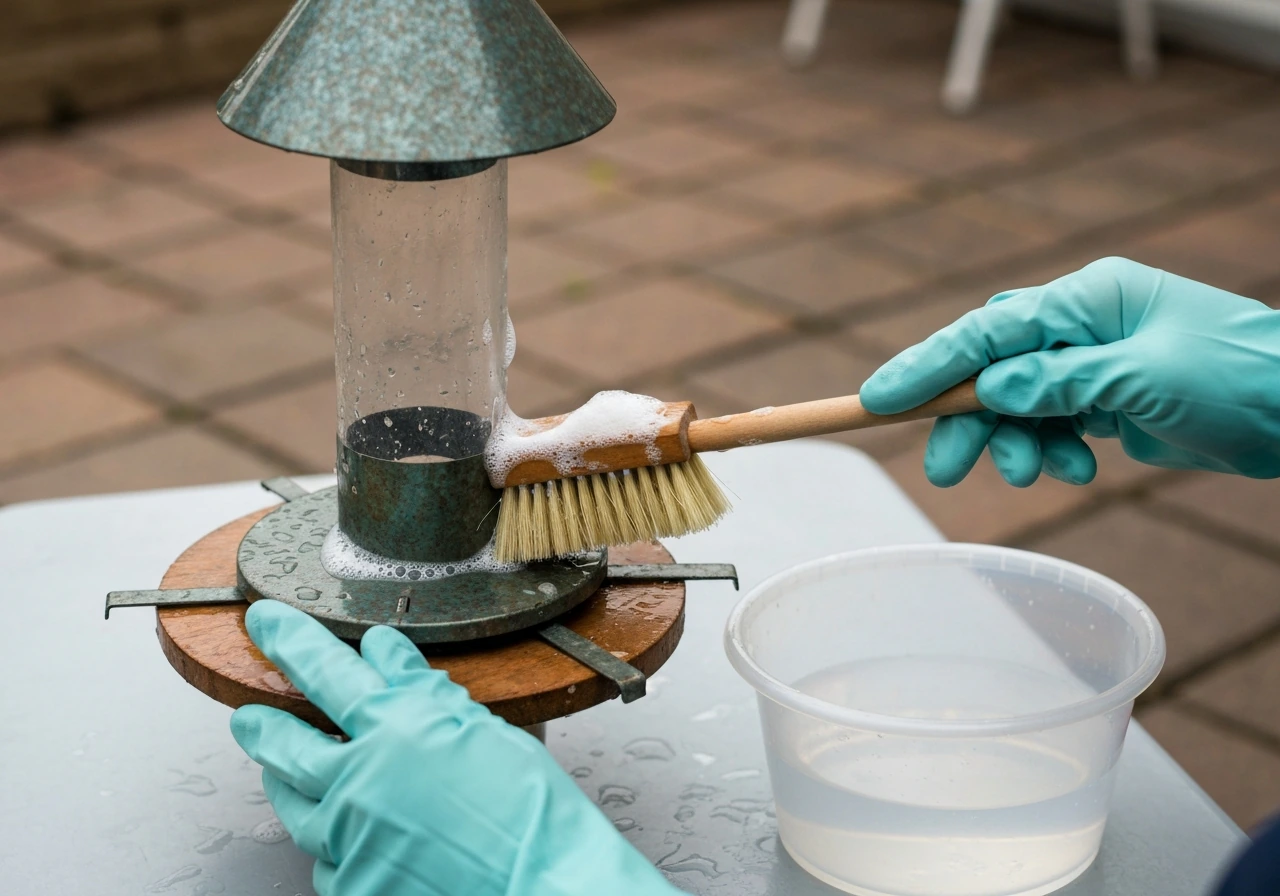
Project FeederWatch (Cornell Lab) recommends cleaning seed feeders at least once every two weeks, and more often during heavy use, hot weather, or humid conditions. In summer, bump that to weekly. Audubon echoes this guidance and adds that you should increase cleaning frequency immediately if you spot any birds showing signs of illness.
How to disinfect properly
The Minnesota DNR recommends scrubbing feeders with a solution of 2 ounces of bleach per 1 gallon of water. Project FeederWatch adds that you can soak feeders in a diluted bleach solution for 10 minutes, or use a weak vinegar solution for one hour if you prefer to avoid bleach. Audubon recommends a 50-50 vinegar-and-water soak after scrubbing. Whatever method you use, the critical step is letting the feeder dry completely before refilling it. Wet seed is where your problems start.
Handling sick birds and disease outbreaks
If you see a bird at your feeder with swollen or crusty eyes, lethargy, ruffled feathers, or difficulty flying, do not try to handle it or treat it yourself. Audubon's advice is clear: manage the feeder environment, not the bird. That means cleaning immediately and reducing cross-contamination risk. Both the Iowa DNR and the Virginia Department of Wildlife Resources recommend taking feeders down for at least two weeks if you observe sick birds, giving the local population time to disperse and reducing transmission. If you see unusual numbers of sick or dead birds, contact your state wildlife agency.
Ground hygiene under the feeder
The area underneath your feeder needs attention too. The Minnesota DNR recommends regularly raking up seed hulls and old food that accumulates below the feeder. Some sources suggest sprinkling agricultural lime to reduce bacteria in the soil beneath high-traffic feeding stations. Keeping this area clean reduces rodent attraction and limits the spread of pathogens from droppings.
Dealing with squirrels and other uninvited visitors
Squirrels are the most common complaint, and they are genuinely persistent. Project FeederWatch notes they can overrun feeders and discourage birds from visiting at all. There is no single magic solution, but a combination of physical barriers and feeder design works well.
- Use a baffle: a dome-shaped or cylindrical baffle mounted on the pole below the feeder blocks squirrels from climbing up. It needs to be at least 18 inches in diameter to be effective.
- Choose a caged feeder: wire cages around the seed compartment let small birds in but block squirrels and larger birds like starlings. Audubon notes these are one of the most reliable physical exclusion methods.
- Position thoughtfully: keep the feeder at least 10 feet from any launch point (branch, fence, rooftop) a squirrel can jump from, and at least 5 feet off the ground.
- Try safflower seed: squirrels tend to avoid it. It will not solve the problem on its own, but it reduces the reward for their effort.
- Avoid cheap mixed seed with milo or corn: these are squirrel favorites and are mostly wasted by songbirds anyway.
For raccoons and rats, the strategy is less about feeder design and more about eliminating the conditions that attract them: seed waste on the ground, easily accessible feeders at low heights, and leaving feeders full overnight. Bring feeders in at night if raccoons are a persistent issue in your area, or switch to feeders that close under the weight of heavier animals. The North Carolina Wildlife Resources Commission's general advice is sound: if a wildlife conflict is escalating, temporarily removing the feeder for a couple of weeks lets the animals move on before you try again with better management in place.
When to stop, take a break, or change your approach
Bird feeding is not a year-round commitment in every location, and knowing when to pause is just as important as knowing how to set up. There are a few situations where the right move is to take your feeder down temporarily or switch strategies entirely.
| Situation | Recommended action | How long |
|---|---|---|
| Sick birds observed at feeder | Take feeder down, clean thoroughly, and disinfect | At least 2 weeks |
| Bear activity in your area (spring/summer) | Remove all feeders until bears enter winter denning | Spring through fall in bear country |
| Persistent rat or rodent problem | Remove feeder, clean area, address ground waste, then reintroduce with better feeder design | 2 to 4 weeks minimum |
| Avian flu outbreak in your region | Follow state wildlife agency guidance; may require full removal | Until all-clear from state agency |
| Seed spoiling quickly in summer heat | Switch to smaller fills and more frequent cleaning, or pause until cooler weather | Ongoing seasonal adjustment |
On the seasonal question: in most of the U.S., birds do not actually need supplemental feeding in summer the way they might in winter. Natural food sources are abundant and birds are actively foraging. Summer feeding is fine if you stay on top of hygiene, but if it is feeling like more work than reward, it is perfectly reasonable to take a break from June through August and restart in fall. Winter is when feeders deliver the most benefit, particularly during cold snaps when natural food is scarce.
If you are questioning whether to have one feeder or several, or worrying about whether you might be feeding birds too much or too little, those are worth thinking through separately. If you are also wondering whether you can overfeed birds with a bird feeder, treat it as a separate portioning and hygiene question so you do not end up with spoiled seed or disease risk. A good starting point is to choose enough feeders to prevent overcrowding and reduce seed waste, then adjust based on what birds are actually eating how many bird feeders should i have. The short version: more feeders means more management, and the quality of your setup matters more than the quantity. A single well-maintained feeder is better than three neglected ones.
Your practical checklist before hanging a feeder
- Choose a location within 3 feet of a window or at least 30 feet away to reduce collision risk.
- Position the feeder at least 5 to 6 feet off the ground and 10 feet from any squirrel launch point.
- Fill with high-quality seed: black-oil sunflower for general use, nyjer for finches, safflower to deter squirrels.
- Only fill as much seed as will be eaten in 2 to 3 days, less in warm or humid weather.
- Clean the feeder every two weeks minimum, weekly in summer or after heavy use.
- Disinfect with a 2 oz bleach per 1 gallon water solution, or a 50-50 vinegar-and-water soak. Dry completely before refilling.
- Rake up seed waste and hulls from the ground beneath the feeder regularly.
- Remove the feeder for at least two weeks if you observe sick birds or a local disease outbreak.
- Bring feeders in at night or use weight-sensitive feeders if raccoons or rats are a problem.
- Check your state wildlife agency's guidance each spring if you are in bear country.
FAQ
If birds look sick at my feeder, should I still keep it up?
It is not automatically bad, but your feeder setup has to prevent “concentration.” If you see repeated illness symptoms in visiting birds, switch to stricter hygiene (shorten cleaning intervals, remove clumped or damp seed) and consider taking the feeder down for at least two weeks so the local birds can disperse and you break the contamination cycle.
Can a bird feeder be unsafe if I keep it filled all the time?
Yes, you can create more risk by overfilling. Use smaller refills more frequently, and only add seed you expect to be eaten within a few days, especially in warm or humid weather. This reduces mold growth and the amount of seed that ends up on the ground as waste.
What should I do if the seed gets wet after rain or snow?
If the seed is getting wet, the feeder is already becoming a disease source. Move the feeder under cover if rain is reaching it, empty and discard clumped or off-smelling seed, then clean and fully dry the feeder before refilling. If you cannot keep it dry, switch to a feeder type that keeps seed protected (like hopper or fly-through designs).
Is it bad to use squirrel-proofing or to bring the feeder in at night?
No, not if it is causing new problems. If squirrels or rats are persistent, stop leaving seed where it spills, use feeder designs with weight-activated closures for larger animals, and bring feeders in overnight. Also check your feeder height and nearby launch points so squirrels cannot jump directly onto it.
Do multiple bird feeders increase the chance of disease?
It can, mainly because birds may congregate around a bigger, more “reliable” food source. The safer approach is to place multiple feeders to prevent overcrowding, manage hygiene for each feeder, and avoid topping off. If you add feeders, you must also be willing to clean more often and reduce seed waste under each one.
Does the type of seed or feeder change how often I should clean?
Often, yes. Different bird types also have different “cleaning realities,” for example, finch-focused foods like nyjer can leave less oily residue but still get contaminated. If you use feeders for high turnover species or notice illness signs, increase cleaning frequency right away and inspect perches and seed ports for buildup, not just the seed level.
Can I keep using an old feeder that looks worn or stained?
Not necessarily, but untreated wood, rough perches, and old residue can be harder to sanitize effectively. If the feeder is cracked, heavily soiled, or impossible to scrub and dry fully, replace it. In particular, focus on cleaning the areas that contact feet and seed, not only the outer shell.
What’s the best way to deal with all the seed and hulls under the feeder?
You should treat “more messy” feeding as a signal to adjust your placement and portioning. Clean up hulls and spilled seed regularly, rake the ground beneath the feeder, and consider shifting the feeder to ground that is easier to maintain. Keeping the feeding area tidy reduces rodents and pathogen spread from droppings.
If I cannot place the feeder at the ideal distance from windows, how can I reduce window strikes?
It can be unsafe because collisions can happen even with normal bird behavior. If the feeder has to be in the 4 to 29 feet collision zone, add window decals, screens, or external netting to break up the view for birds. Also use the safest positions where possible, within 3 feet of a window or at least 30 feet away.
Is it okay to top off a feeder with leftover seed still inside?
It depends on what “top off” means. If you remove the existing seed first, discard damp or clumped seed, and clean and dry the feeder before refilling, you are reducing risk. If you only add more seed to what is already in there, you are more likely to keep mold and contamination in circulation.