Bird feeders can attract bugs, but whether that's actually a problem depends almost entirely on how you manage the feeder. A clean, well-placed feeder with the right food will draw in insect-eating birds that actively reduce pest pressure in your yard. A dirty, overfilled feeder with spilled seed rotting on the ground? That's a different story. The feeder itself isn't the bug magnet. The waste, moisture, and spoiled food around it are.
Do Bird Feeders Attract Bugs? Fixes, Types, and Real Results

Eleanor Hartwick
28 Jun 2026
Do feeders attract or reduce bugs? The honest answer
Both things are true, and which one dominates depends on what you're doing. blank" rel="noopener noreferrer">Nebraska Extension explicitly lists insects among the "unwanted guests" that bird feeders can attract, alongside squirrels and rodents. Do window bird feeders work the same way: they can draw birds in, but bugs are mostly tied to spilled food and moisture around the feeder. That's real. But the mechanism isn't mysterious: insects are drawn to food sources, spilled seed, fermenting nectar, and wet organic waste. None of that is unique to bird feeders. It's the same reason you'd get flies at a compost pile or ants at a picnic.
On the other side, many of the birds feeders attract are insectivores or partial insectivores. Wrens, nuthatches, chickadees, and woodpeckers all hunt insects while visiting your yard. Bluebirds come specifically for mealworms and then keep hunting nearby. So a feeder can genuinely function as part of a system that reduces bugs, but only if you're not simultaneously creating an insect breeding ground underneath it.
Why you're seeing bugs near your feeder
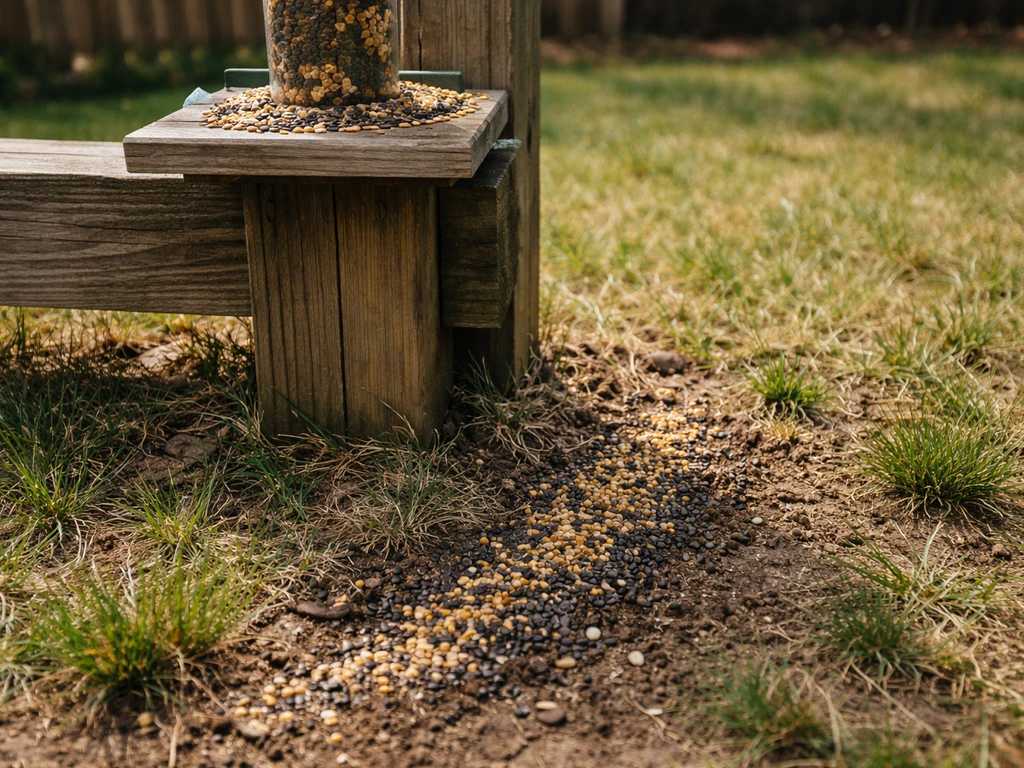
When I hear someone say their feeder is "full of bugs," it almost always traces back to one of three things: spilled seed on the ground, moisture in the feeder tray, or the wrong food for warm weather. Let's break those down.
Spilled seed and ground waste
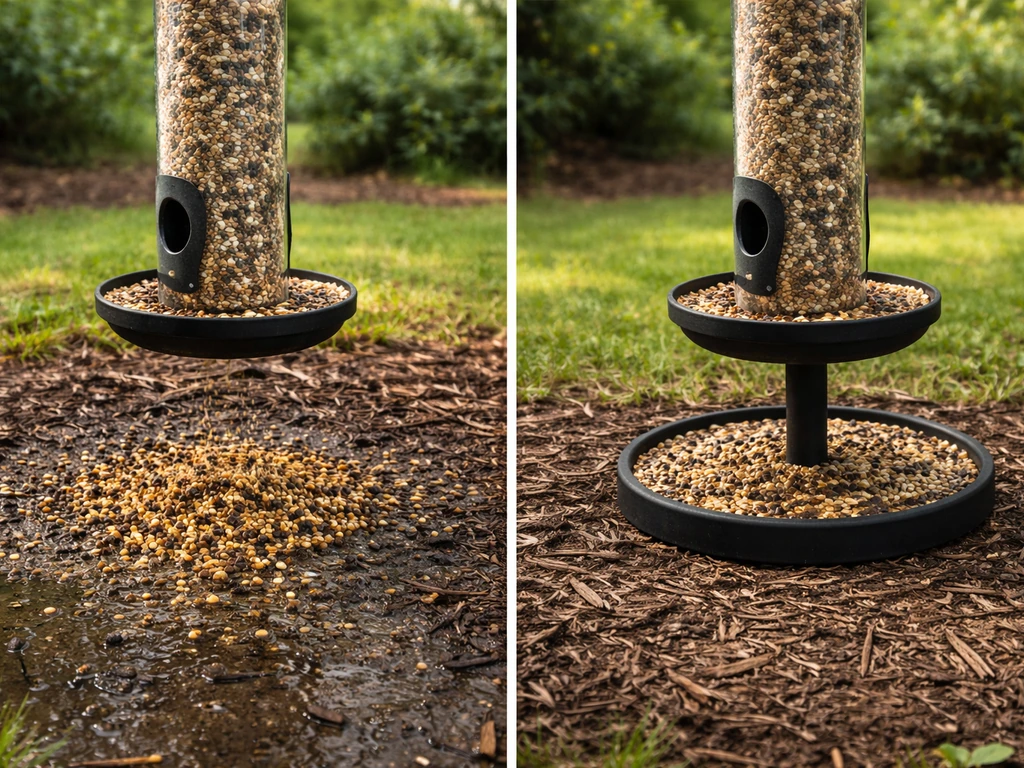
Most feeders drip seed constantly. Birds are messy eaters. That seed accumulates below the feeder, gets rained on, starts to decompose, and becomes exactly the kind of moist organic material that flies and other insects breed in. The University of Minnesota Extension notes that warm-weather fly populations explode when they have access to moist, organic larval food sites. A patch of wet, rotting millet under your feeder qualifies. Minnesota DNR adds that seed hulls and droppings beneath feeders are a primary driver of mold, bacteria, and, by extension, insect activity.
Moisture inside the feeder
Rain, humidity, and condensation can get into seed feeders and create wet pockets where mold develops fast. Minnesota DNR specifically calls out wet seed in feeders as a common mold and bacteria problem during wet weather. Once mold gets going, it attracts fungus gnats and other small insects. This is especially common in open tray feeders and tube feeders with wide ports.
Nectar and sugar water
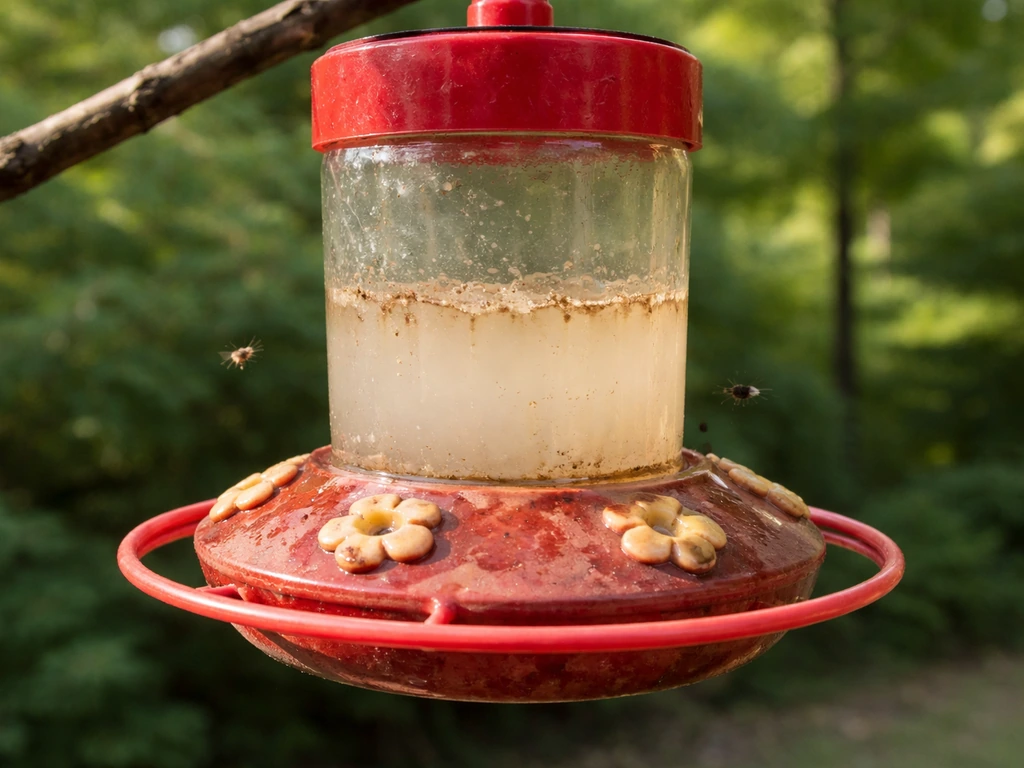
Hummingbird feeders are the biggest insect magnet in most yards, and the reason is simple: sugar water ferments quickly, especially in summer heat. Penn State Extension points out that nectar left too long starts to spoil, and that spoiled, sticky sugar draws bees and wasps in numbers that can completely take over a feeder. Purdue Extension recommends changing nectar every 3 to 4 days in normal temperatures, and more frequently in hot weather. If you're not doing that, you're essentially running a wasp buffet.
Can insect-eating birds actually help control bugs?
Yes, but with realistic expectations. Birds that visit feeders don't patrol your yard on assignment. They eat what's convenient, and a feeder full of sunflower seeds is more convenient than hunting aphids off your roses. That said, having more birds in your yard consistently raises the odds that insects get eaten. Chickadees, nuthatches, and woodpeckers actively probe bark and foliage for insects between feeder visits. Bluebirds, if you offer mealworms, will hunt in your grass and garden beds. Wrens are relentless insect hunters regardless of what's in the feeder.
The realistic picture: a feeder won't eliminate your mosquito problem or clear out a beetle infestation on its own. That same focus on what the feeder attracts can also help answer whether bird feeders attract snakes do bird feeders attract snakes. But a yard with active bird traffic, fed consistently through the season, will see more insect predation than a yard without birds. Think of it as a supporting factor, not a solution. The bigger lever you have is removing what attracts insects in the first place.
Common bug problems and how to fix them
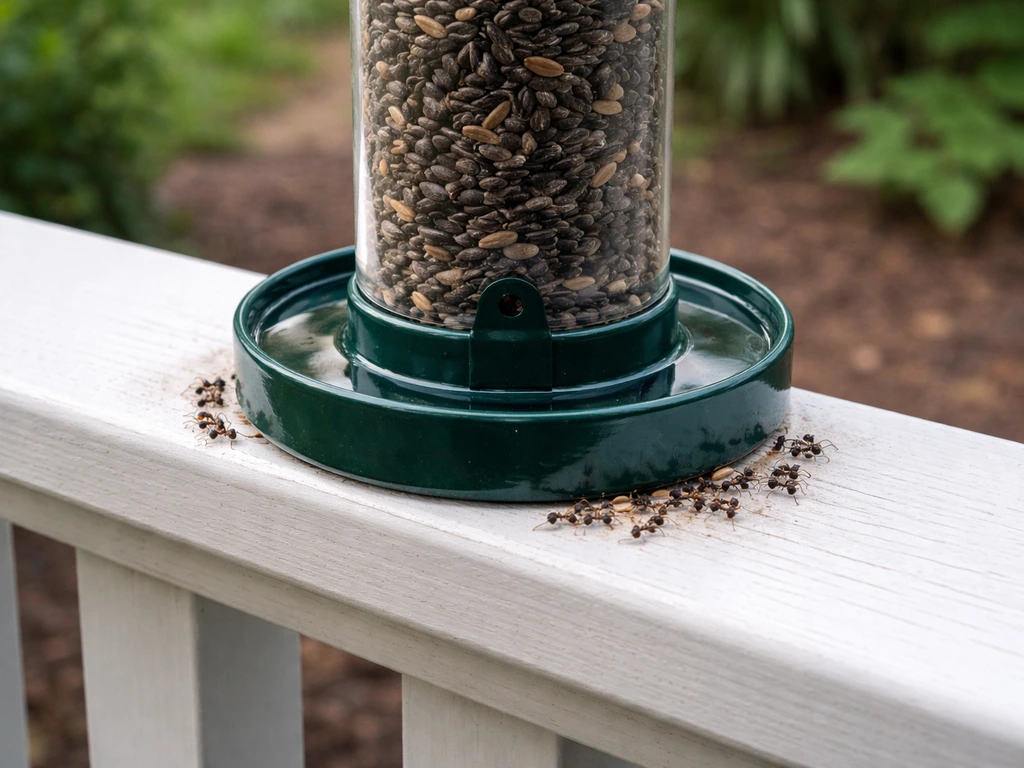
Here are the scenarios I hear about most often, and what actually works for each one.
| Bug problem | Most likely cause | Fix it by doing this |
|---|---|---|
| Ants invading a seed feeder | Ants foraging for spilled seed or sweet nectar residue | Use an ant moat (a water-filled barrier on the feeder pole) and clean sticky residue off the feeder exterior |
| Bees and wasps at a hummingbird feeder | Sweet nectar, especially if overripe or spilled | Add bee guards to ports, switch to a saucer-style feeder, change nectar every 2–3 days in summer, and move the feeder to a shadier spot |
| Flies hovering near ground below feeder | Wet, decomposing seed and hulls on the ground | Rake waste weekly, switch to no-waste seed mixes (hulled seeds), and add a catch tray that you empty regularly |
| Small insects (fungus gnats) at seed feeder | Moldy or damp seed inside the feeder | Empty feeder completely, wash and dry it, refill only with fresh dry seed, and reduce fill level so seed turns over faster |
| Insects in a suet cake or suet feeder | Warm weather melting suet, attracting flies | Switch to a no-melt or rendered suet formulation in summer, or limit suet feeding to cooler months |
A practical tip for bees and wasps specifically: if the feeder is overrun, take it down for three days. The insects lose the location from memory, and when you rehang it (ideally in a shadier spot), they rarely return with the same intensity. This is a real-world fix that birders on forums have tested successfully, and it works better than fighting them while the feeder is still up.
Placement rules: distance, height, and avoiding bug hotspots
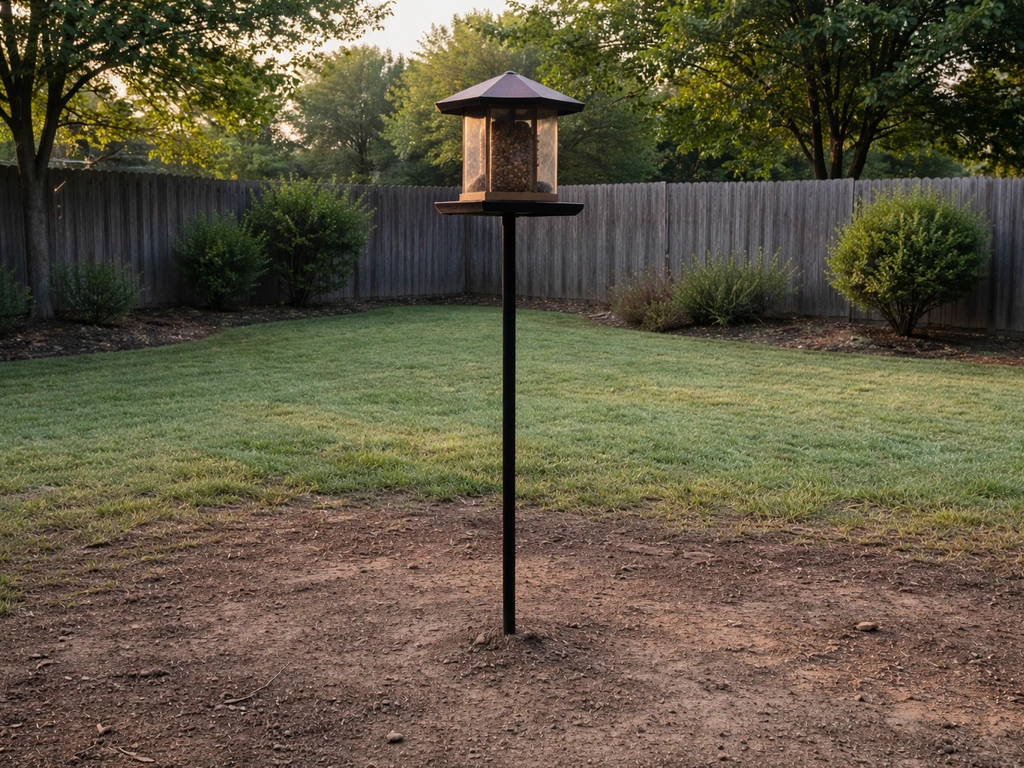
Where you put a feeder matters more than most people realize, both for birds and for bugs. Placing a feeder over a soggy patch of lawn, close to a compost area, or directly on a wooden deck creates conditions where insects accumulate. A few placement guidelines that make a real difference:
- Keep feeders 10 to 15 feet from shrubs or trees, which gives birds easy cover to retreat to while still limiting the feeder's proximity to dense vegetation where insects breed
- Hang or mount feeders so spilled seed doesn't fall directly onto a surface where moisture collects. A gravel or mulch base below the feeder dries faster than bare soil or grass
- Avoid placing feeders directly over garden beds, compost bins, or standing water, since those areas already attract insects and adding food waste compounds the problem
- For hummingbird feeders, partial shade is better than full sun. Direct sun heats nectar faster, accelerating fermentation and making it far more attractive to wasps
- Keep feeders away from wooden structures if you're concerned about ants or carpenter ants specifically; they'll use the structure as a highway to reach the feeder
Height matters less for bug control than location does, but keeping platform feeders elevated (at least 5 feet) reduces how much ground insects can easily access what's in the tray. It also keeps the spill zone more defined and easier to clean up.
Cleaning your feeder to prevent insect buildup
Cleaning is the single most effective thing you can do. Iowa DNR recommends cleaning feeders about once a month using a 10% bleach solution (1 part bleach to 9 parts water), and both Cornell Lab's All About Birds and UNH Extension confirm that same ratio for disinfection. UNH Extension goes further and says you can fully submerge feeders in that solution for 15 minutes to get a thorough sanitization. The key step that gets skipped constantly: let the feeder dry completely before refilling it. Putting wet seed into a damp feeder is how you create mold within days.
Ground maintenance is just as important as cleaning the feeder itself. Project FeederWatch recommends raking and sweeping the area below your feeder regularly to clear out droppings, hulls, and spoiled seed. Minnesota DNR adds that in particularly messy spots, sprinkling about a quarter inch of lime on the ground can help suppress bacteria and reduce the organic material that insects are drawn to. This combination of feeder cleaning plus ground maintenance is what actually keeps insect pressure down.
A practical cleaning schedule
- Every visit to refill: check for wet or clumped seed and remove it before adding fresh seed. Take 30 seconds to wipe down the ports and tray
- Every 1 to 2 weeks in summer: do a full wash with hot soapy water, rinse thoroughly, and air dry before refilling
- Monthly: use the 1:9 bleach solution for a full disinfection soak, especially if you've had sick birds visiting or noticed heavy insect activity
- Weekly: rake the ground below the feeder and dispose of accumulated hulls and waste
Seed vs. suet vs. nectar: changing your food to reduce bug problems
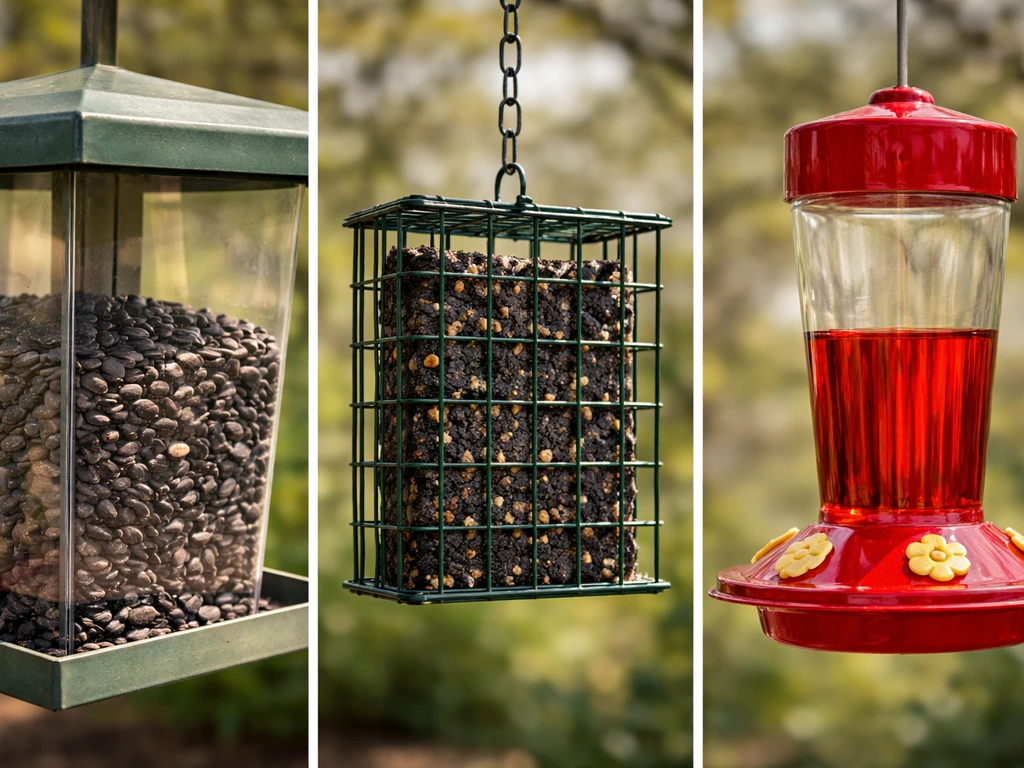
The type of food you're offering has a direct effect on which insects you'll attract. Not all feeder foods carry the same bug risk.
Seed feeders
Sunflower seed (especially black oil) is the best all-around choice for minimizing waste and insect problems. It attracts a wide range of birds, produces relatively clean waste (the hulls drop in a defined area), and doesn't ferment the way sugar-based foods do. UNH Extension specifically recommends sunflower seed as a straightforward, lower-hassle option. The problem comes when you use cheap mixed seed with lots of millet, milo, or filler that most birds won't eat. That filler ends up on the ground uneaten, gets wet, and becomes a fly habitat. Switch to hulled sunflower or a no-waste mix and ground insect activity usually drops noticeably.
Suet feeders
Suet is fantastic for woodpeckers, nuthatches, and chickadees, and it doesn't attract insects much at all in cool weather. In summer, standard suet melts, gets rancid fast, and begins attracting flies. The fix is simple: use a no-melt or high-melt suet formula specifically made for warm weather, or take the suet feeder down from late May through August and put it back up in fall. If you want to keep feeding those species year-round, mealworms are a better warm-weather option anyway.
Nectar feeders
Hummingbird feeders need the most management. The correct nectar ratio is 1 part white sugar to 4 parts water, boiled and cooled to room temperature before filling. The Smithsonian National Zoo advises storing extra sugar water in the refrigerator for no longer than one week. Never use honey, artificial sweeteners, or red dye. The issue isn't the recipe, it's how long the nectar sits out. In temperatures above 80°F, change nectar every 2 days. Fermented or cloudy nectar is an immediate insect magnet. Penn State Extension notes that bee guards on ports help but aren't foolproof, partly because hummingbirds themselves splash sugar water onto the feeder exterior, which then attracts insects regardless of the guard. Wiping down the outside of the feeder every time you change the nectar makes a real difference.
It's also worth noting that cockroach concerns around feeders follow a similar logic to the general insect issue: it's the decaying organic waste and moisture that draws them, not the feeder itself. The same cleanup steps that reduce flies and ants will address that risk too.
Your checklist for today
If you want to reduce insect problems at your feeder starting right now, here's what to actually do:
- Empty your feeder completely and check for wet, clumped, or moldy seed. Throw out anything that isn't dry and fresh
- Wash the feeder with hot soapy water, rinse it well, and let it air dry fully before refilling
- Rake or sweep the ground directly below the feeder and dispose of accumulated hulls, droppings, and old seed
- Refill with black oil sunflower seed or a hulled no-waste mix rather than cheap mixed seed with filler
- If you have a hummingbird feeder, change the nectar today if it's been more than 2 to 3 days (or 1 to 2 days if it's been hot). Wipe down the outside of the feeder while you're at it
- Move the feeder if it's currently in full sun, over a garden bed, or next to a compost area. Partial shade and a well-drained ground surface underneath make a significant difference
- Set a recurring reminder to clean the feeder once a month with a 1: 9 bleach solution and to rake below it every week during warm months
- If bees have taken over your hummingbird feeder, take it down for 3 days, then rehang it in a shadier location with bee guards on the ports
The goal isn't a bug-free yard, because that's not realistic and it's not actually what most insect-eating birds need. The goal is a feeder setup that doesn't create unnecessary insect problems while still doing what you set it up for: bringing birds in close. However, if you are wondering do bird feeders attract coyotes, the answer is yes, mainly because they bring in prey such as birds and small animals. Manage the waste, manage the moisture, change your food on schedule, and the insect side of this mostly takes care of itself.
FAQ
If bugs show up, how can I tell whether they are coming from spilled seed versus the feeder ports or nectar?
Do a quick “source check.” Look for rotting seed or wet hulls directly under the feeder (most likely spilled seed). For hummingbird feeders, check whether the liquid is cloudy, smells sour, or has sticky residue around the outside of the bottle and base (often nectar fermentation plus splash). For tray or wide-port feeders, also inspect the ports and drip tray for moisture pockets, which can support mold and fungus gnats.
What’s the fastest way to reduce insects if I can’t clean the feeder right away?
Temporarily remove the feeder for 48 to 72 hours. This breaks the insects’ access to ongoing food and reduces the “breeding-site” conditions around the spill zone. In the meantime, clear spilled seed and wet organic material from the ground so you are not just reintroducing insects to a fresh patch the moment you hang it back up.
Is it better to use a platform feeder or a tube feeder to prevent bugs?
Neither is automatically bug-proof. Tube feeders can reduce the spill area, but they can still accumulate moisture and organic waste under the ports if seed is dropping. Platform feeders tend to create more surface area for wet seed and tray moisture. If you choose a platform style, use a design with a drip edge and be extra strict about cleaning and ground raking.
Do bird feeder trays or drip guards actually help with bugs, or are they mostly decorative?
They can help when they reduce two specific things: spilled seed on the ground and wet pooling under the feeder. A tray that collects drips is only useful if you empty and clean it regularly. If the tray itself becomes a moist, dirty reservoir, it can become a new insect hotspot.
How often should I clean the feeder if temperatures are hot and humid?
In hot weather, monthly cleaning is a starting point, but you may need to clean more often, especially for open trays and hummingbird feeders. If you see mold, sticky residue, or insect activity increasing, clean immediately and switch to tighter intervals. For hummingbird nectar, follow shorter change intervals based on temperature, because nectar spoilage can attract bees and wasps quickly even if the feeder is “clean.”
Should I place the feeder closer to my house or farther away to reduce insects?
Farther away generally gives you more control because it lets you manage the spill zone more intentionally. If you place feeders near compost, dense grass patches, or consistently wet soil, the insect-friendly conditions build up faster. If you must place near your home, focus on ground maintenance, promptly remove spilled seed, and keep the area under the feeder dry and clear.
Does using squirrel guards or bird-proofing equipment increase insect problems?
It can, indirectly. Guards, covers, and baffles can reduce messy access for larger animals, but they can also trap drips and make it harder to notice accumulating wet seed or mold in less visible areas. After installing any barrier, inspect the underside and catchment areas more frequently for moisture and spoiled residue.
How do I handle an overrun hummingbird feeder situation without harming birds?
Remove the feeder for a short cooling-off period (often 2 to 3 days works as a “reset” window), then thoroughly wipe the exterior where sugar residue has splashed. Refill with fresh nectar only after the feeder is fully cleaned and dry. This targets both the ongoing nectar source and the sticky residue that can keep insects coming even after you change the liquid.
Are mealworms or other protein foods more likely to attract bugs than seed?
They can be, depending on how long they sit and whether they create wet or decomposing waste. Mealworms fed to bluebirds are typically less likely to create persistent fermentation compared with sugar nectar, but uneaten food still needs removal if it becomes mushy or wet. Treat protein foods as schedule-based feeding, pull leftovers, and keep the ground below the feeder clean.
Can I use lime or other treatments on the ground under the feeder safely?
You can, but only as a targeted, light application. The goal is to reduce bacterial activity and organic buildup in the immediate spill zone, not to create a harsh environment. Apply sparingly (for example, a thin layer as recommended for messy spots) and avoid disturbing nearby plants or soil more than necessary. Continue cleaning and raking, because ground treatment is supplementary, not a substitute.
If I stop feeding, how long will it take for insects to die down?
It varies by temperature and the amount of existing moist waste, but you’ll usually see a noticeable drop within a few days once the food source and breeding conditions are removed. If spilled seed has already rotted and stayed wet, insects may persist until the area dries and you clear the residue. That’s why removing the feeder plus cleaning the ground together works best.
Next Articles
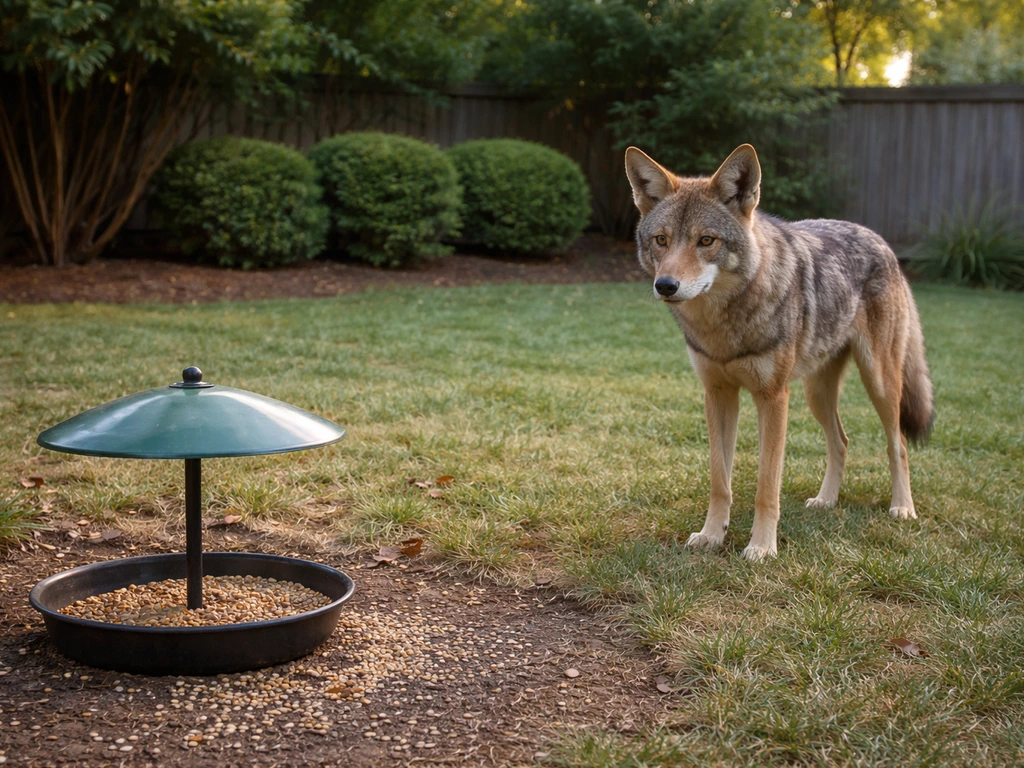
Do Bird Feeders Attract Coyotes? How to Reduce Risk
Do bird feeders attract coyotes? Learn why, how to reduce risk, and where to place feeders to deter coyotes and rodents.
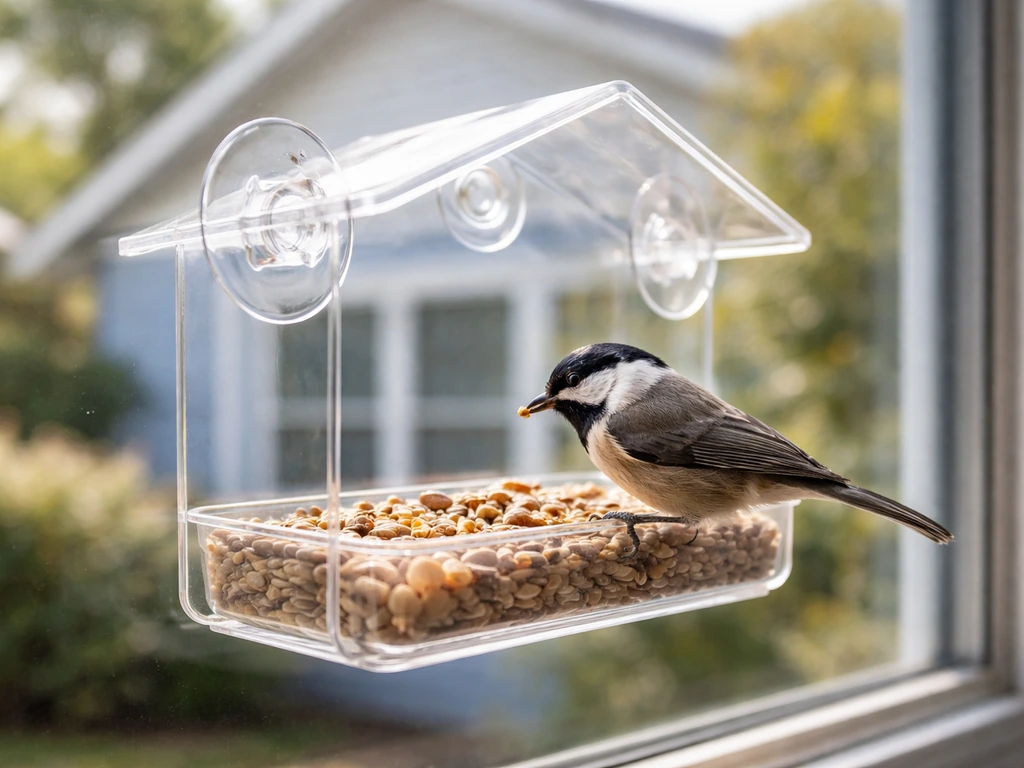
Do Window Bird Feeders Work? Setup and Troubleshooting
Learn if window bird feeders work, best setup and placement, feeder choice, and quick troubleshooting for birds and safe
Do Bird Feeders Attract Snakes? Reduce Risk Safely
Do bird feeders attract snakes? Learn why it happens and how to reposition feeders, prevent seed spills, and reduce prey