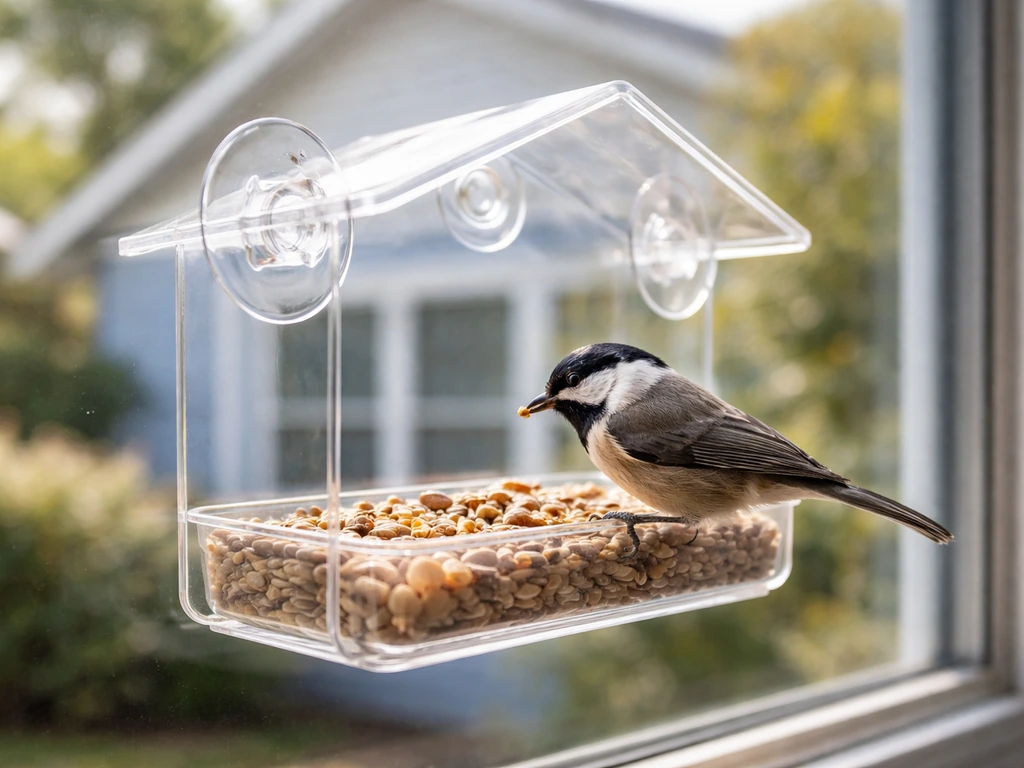
Bird feeders don't usually attract coyotes directly, but they absolutely can set off a chain reaction that does. Coyotes aren't particularly interested in sunflower seeds. What they are interested in are the mice, rats, squirrels, and other small mammals that flock to spilled seed on the ground, and the birds themselves. Do bird feeders attract cockroaches too, especially if spilled seed or crumbs accumulate nearby seed spilled seed on the ground. So the honest answer is: yes, a poorly managed feeder increases your odds of coyote visits, especially at night and especially if you live near any kind of natural cover like a greenbelt, park, or wooded edge. The good news is that a few practical changes to your setup can make a real difference.
Do Bird Feeders Attract Coyotes? How to Reduce Risk

Eleanor Hartwick
23 Jun 2026
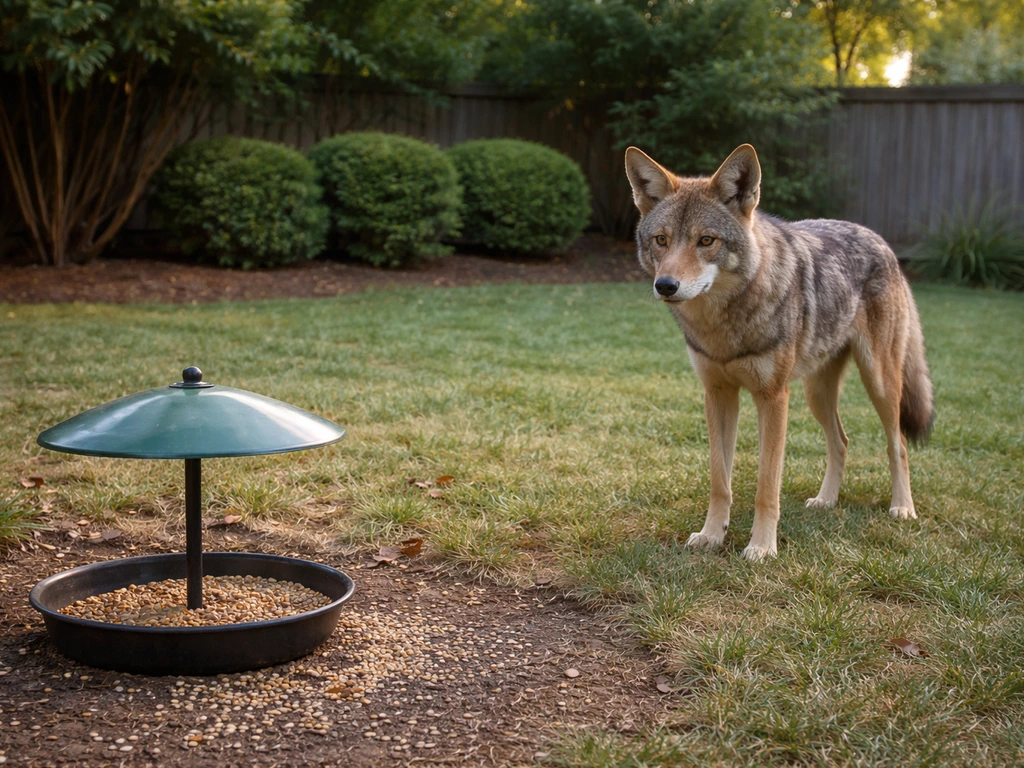
Why coyotes end up in feeder areas
Coyotes are opportunistic hunters and scavengers. They follow food, and bird feeders create a predictable food cluster even if the seed itself isn't what they're after. You might also be wondering whether window bird feeders work, but the same overall food-and-spill dynamics can still influence what shows up nearby do window bird feeders work. Massachusetts wildlife officials confirm that coyotes will eat birdseed directly, but the bigger draw is the food chain that feeders kick into gear. MassWildlife also warns that blank" rel="noopener noreferrer">feeding wildlife, including through bird feeders, can draw predators like coyotes to hunt small mammals that come to feeders. Spilled seed attracts mice and rats within days. Squirrels and chipmunks pile on. Those small mammals then attract coyotes, because a rodent-dense backyard is basically a buffet for a coyote.
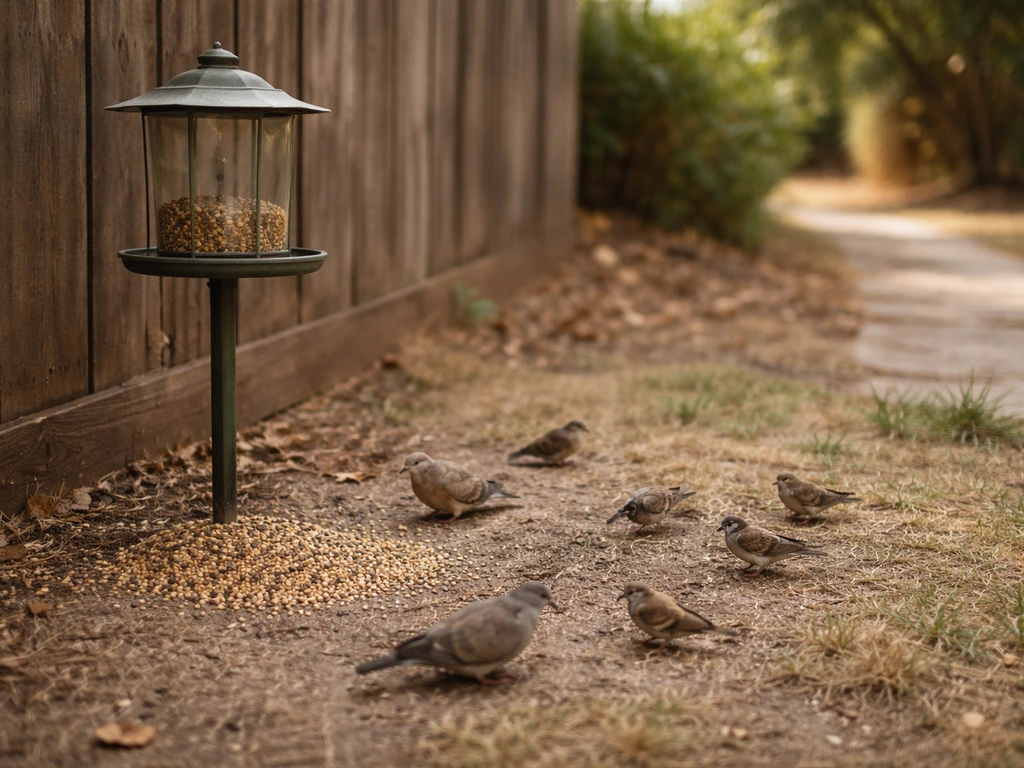
Birds themselves are also prey. Ground-feeding birds like doves, sparrows, and juncos that pick through fallen seed are especially vulnerable. If your feeder setup consistently draws flocks of birds to the ground, coyotes learn that and start visiting. Add in a water source (a birdbath, a dripping hose), dense shrubs or a brush pile nearby for cover, or an unsecured compost heap, and you're stacking the odds even further. Pet food left outside is another big amplifier, but that's a slightly different problem.
Risk factors that make coyote visits more likely
Not every feeder creates equal risk. Here's what actually raises the chances that coyotes will start showing up regularly.
| Risk Factor | Why It Matters | Risk Level |
|---|---|---|
| Location near natural cover (woods, greenbelts, ravines) | Coyotes use cover to travel and hunt; close cover means easy access to your yard | High |
| Significant seed spillage on the ground | Spilled seed is the primary driver of rodent activity, which is the primary coyote draw | High |
| Feeding at dusk or leaving seed out overnight | Coyotes are most active at dawn and dusk; overnight food draws nocturnal rodents and coyotes | High |
| Ground-level or low-mounted feeders | Makes birds easier to catch and puts food debris lower where rodents and predators access it | Medium-High |
| Nearby water sources (birdbaths, ponds) | Water attracts wildlife across the board; coyotes need water too | Medium |
| Dense shrubs or brush piles close to feeders | Provides ambush cover for coyotes hunting birds and rodents | Medium |
| Suburban edge environments (rural-urban fringe) | Coyotes are most concentrated in these transitional zones | Medium-High |
| Unsecured pet food or compost left outside | Amplifies the attractants already created by feeders | High |
Timing matters a lot. If you're in an area with active coyote populations, feeding birds in the early morning and pulling feeders in by late afternoon dramatically reduces the risk window. Coyotes that learn your schedule will adjust to it, so consistency in your own habits is actually a useful tool.
Changes you can make today
These aren't theoretical suggestions. They're the changes that actually move the needle if you're dealing with coyote pressure right now.
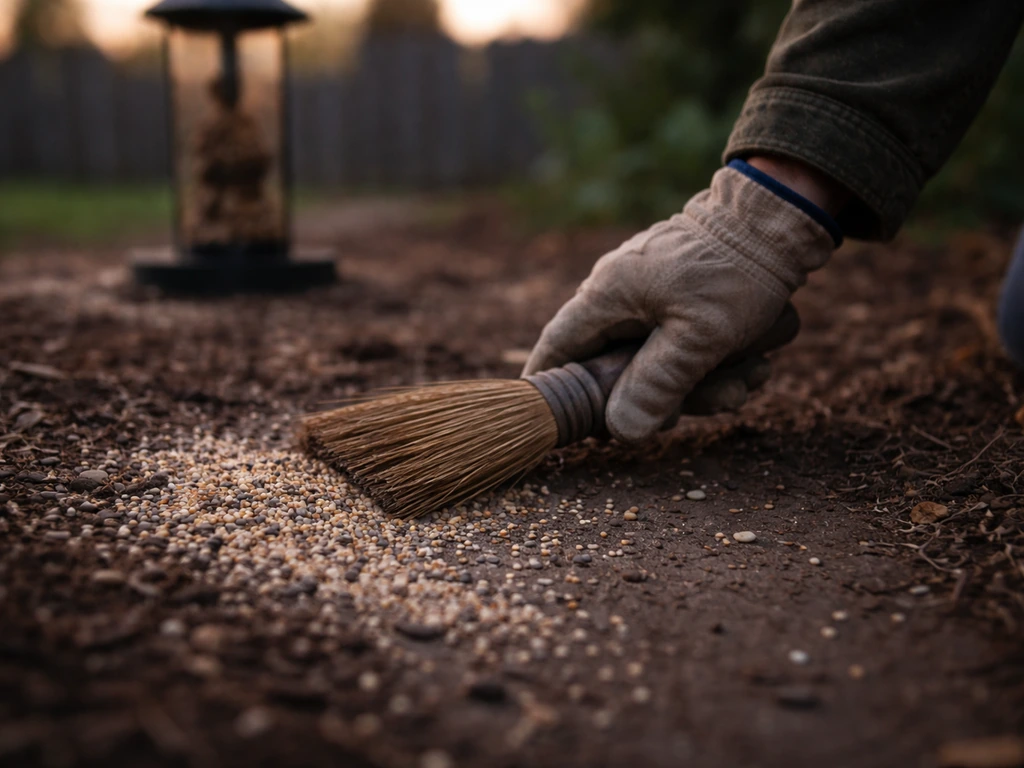
- Clean up spilled seed every evening. This is the single most impactful thing you can do. Spilled seed on the ground overnight is a rodent magnet, and rodents are coyotes' reason to visit. Use a tray or catch basin under your feeder and sweep or rake up anything on the ground before dark.
- Move feeders at least 10 to 15 feet away from any dense shrubs, brush piles, or fence lines that could serve as cover. Coyotes feel exposed in open space; removing nearby cover reduces their comfort level.
- Raise feeder height if possible. Hanging feeders should be well off the ground (5 feet or more) and away from structures a coyote could use to approach. This also helps with squirrel management.
- Stop leaving water out overnight if you can help it. Birdbaths are fine during the day, but tipping them or bringing them in at dusk removes one more reason for wildlife to linger after dark.
- Don't leave pet food outside under any circumstances. This is separate from the feeder but compounds the problem immediately.
- If you have a ground feeder or a low platform feeder, consider retiring it or switching to a tube or hopper feeder on a pole with a baffle. Less seed hits the ground, fewer rodents move in.
- Bring feeders in at night if coyote pressure is acute. This is the nuclear option and not ideal for birds, but if you're seeing coyotes regularly in your yard, it's worth doing for two to three weeks to break their routine.
Seed choices and feeder setups that reduce collateral wildlife
Not all bird food is equal when it comes to attracting rodents. Do bird feeders attract bugs too, especially when spilled seed and debris build up under them. Whole peanuts, cracked corn, and mixed seed blends that contain a lot of millet or milo tend to end up on the ground in larger quantities and attract the most rodent activity. Shelled sunflower seeds (not whole), Nyjer (thistle) in a mesh feeder, and safflower seed are all better options because birds consume them more efficiently, less falls, and rodents are less interested in some of them, particularly safflower.
No-mess or no-waste seed blends (hulled seeds, shelled hearts) are worth the extra cost if you're in a high-coyote-risk area. There's essentially nothing left over to accumulate on the ground. You can also try feeding only in smaller quantities that birds clean up within a day, rather than filling a large feeder to the top every week and letting seed sit and spill over time.
It's worth knowing that this same rodent-attracting chain is part of why some wildlife agencies in Massachusetts now actively recommend blank" rel="noopener noreferrer">breaking up with your bird feeder entirely if your property is in a coyote-heavy zone. That's a real trade-off worth acknowledging: bird feeding is genuinely beneficial for birds in many contexts, but it isn't without consequences for the broader wildlife dynamic in your yard. If you're also concerned about other visitors like snakes or bugs around your feeders, the same seed-management and ground-cleanup principles apply across the board. If you’re wondering whether do bird feeders attract snakes, the same cleanup and seed-management habits help reduce the indirect reasons they might show up nearby.
Ongoing maintenance and monitoring
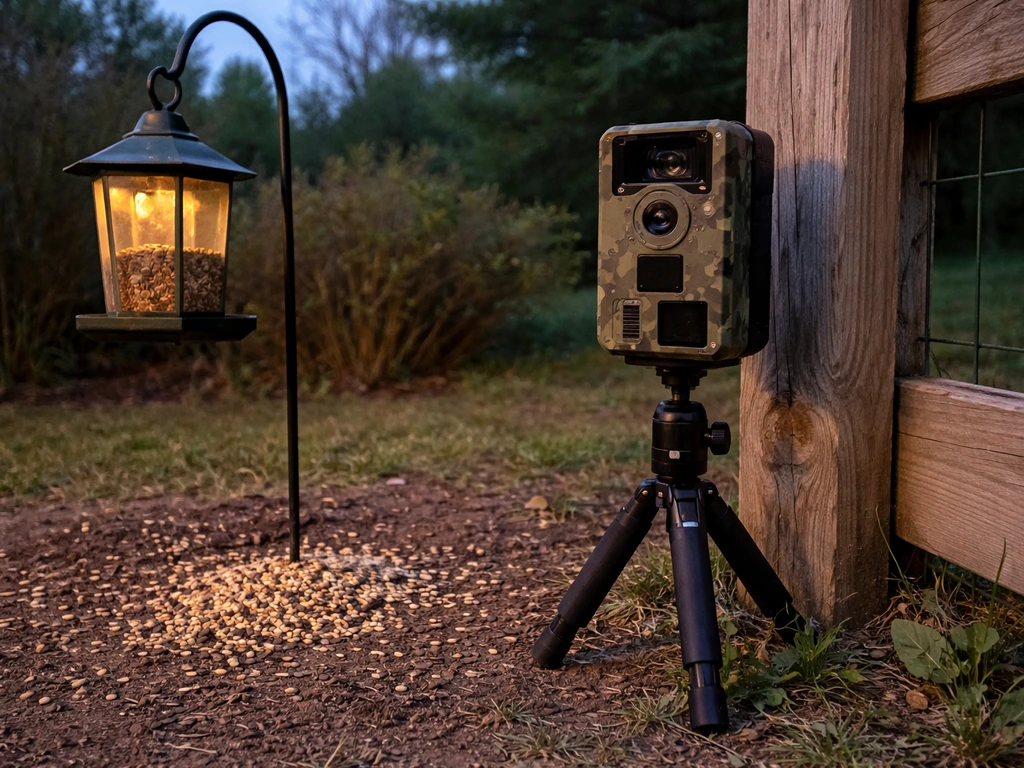
Keeping coyotes from becoming regulars in your yard isn't a one-time fix. It's a maintenance habit. The core routine is simple: clean up spilled seed every evening, check the area around your feeder for signs of rodent activity (droppings, chew marks, burrowing near the base of the feeder pole), and make sure nothing is accumulating that shouldn't be.
A motion-activated trail camera is genuinely useful here, not just for confirming whether coyotes are visiting, but for understanding when and how. Cameras placed at the perimeter of your yard or near the feeder (pointed at the ground below it) will show you the full picture: are mice active at 2 a.m.? Is a coyote passing through at 5 a.m.? That data helps you make smarter decisions than guessing. Many affordable cameras (under $60) work well for this purpose and can alert your phone.
Also watch for tracks. Coyote tracks look similar to a medium dog's prints but tend to be more oval and in a tighter, straighter line pattern. If you see them in soft soil around your feeder area or near your fence, you're getting visits. Freshly dug areas near the feeder base or gnawed seed bags in your shed are signs of rodent activity that precede and invite coyote visits. Address the rodent problem first and the coyote problem often follows.
Seasonally, coyote activity picks up in winter when prey is scarce, and again in late winter through early spring during breeding and pup-rearing season (roughly February through May). Be more vigilant with cleanup during those months, and be aware that a coyote that is unusually bold or active during daylight in spring may be a parent feeding pups. That's normal behavior, not necessarily a sign of a sick animal.
Keeping people and pets safe around coyotes
Coyotes rarely pose a serious threat to adult humans, but they do prey on small pets, and that risk goes up sharply if your yard has been attracting them. If you have cats, small dogs, or rabbits that go outside, treat active coyote presence in your yard as a real safety issue.
- Never leave small pets outside unattended, especially at dawn, dusk, or night. These are peak coyote activity windows.
- Walk dogs on a leash and keep them close to you, even in your own yard if you've had recent coyote sightings.
- If a coyote approaches, haze it. Make yourself big, make noise, throw something toward it (not at it). Coyotes that are regularly hazing-reinforced learn to stay away from humans. Retreat is the wrong move.
- Never feed coyotes intentionally, and talk to neighbors about doing the same. A neighborhood that consistently hazes and withholds food sources trains coyotes to avoid the area.
- Secure garbage cans with locking lids and don't leave bags outside overnight.
- Remove brush piles and debris from your yard that could serve as denning habitat.
Know when to escalate. Call your local animal control or state wildlife agency if: a coyote is active in your yard during daylight hours repeatedly and isn't deterred by hazing; a coyote has attacked or killed a pet; a coyote approaches or follows a person without retreating; or a coyote appears disoriented, is moving strangely, or shows signs of mange or illness. Most wildlife agencies don't trap and relocate coyotes as a routine response (relocated coyotes almost always return or are replaced), but they can assess the situation, document the behavior, and in serious cases take more direct action. Your state wildlife agency's website will have the right contact for your region.
Your next steps, at a glance
- Tonight: clean up all spilled seed from the ground around your feeder.
- This week: switch to a hulled or no-mess seed blend, and add a catch tray under the feeder if you don't have one.
- This week: clear any dense brush or debris within 15 feet of your feeder.
- This weekend: set up a motion-activated camera near the feeder to see what's actually visiting and when.
- Ongoing: sweep under feeders every evening and bring feeders in at dusk if you're in an active coyote zone.
- Ongoing: never leave small pets outside unattended, and haze any coyote that enters your yard to reinforce that your space isn't a safe feeding area.
- If coyote visits persist after these changes: contact your local wildlife agency to report the activity and get region-specific guidance.
FAQ
If my feeder is enclosed or “no mess,” do bird feeders still attract coyotes?
Window feeders can still contribute to the same problem because seed or crumbs often end up on the ground below them or in nearby catch areas. If you use one, place a tray system that actually contains debris, sweep the area underneath daily, and avoid any water sources or dense ground cover within the coyote approach path.
What’s the safest way to feed birds if I want to avoid coyotes?
They can, but the risk drops a lot when there is little to no spilled seed. The main attractant is the food chain created by leftover seed, not the birds alone, so prioritize feeder types that drastically reduce waste, pair them with tight daily cleanup, and avoid scattering seed on patios or walkways.
Does it matter what time I refill the feeder or how often I refill it?
Yes. Coyotes tend to adjust to predictable human routines, so gaps in cleanup, inconsistent removal times, or “refilling when it looks empty” can teach them when food is available. Keep your feeding schedule predictable only if it is short and consistent, and then stick to removing the feeder early rather than leaving it out late.
Do coyotes come just for the seed, or mainly because of the rodents?
There is some direct interest, but the indirect attraction through rodents is usually the bigger driver. If you notice heavy rodent activity first, the odds of coyote visits increase quickly, even if you are not seeing many birds on the feeder.
How do squirrels change the coyote risk around bird feeders?
Squirrels are a major amplifer because they cache food and create more ground spillage than most birds. If you have squirrels at your feeder, use squirrel-resistant designs, prevent access to birdseed storage areas, and pay extra attention to spilled seed and chewed husks around the feeder base.
What yard features make coyotes more likely to use the feeder area?
If you have a brush pile, dense shrubs, or tall grass near where birds feed on the ground, coyotes can move closer with less exposure. Trim back ground-level cover near the feeder area and keep the area around the pole relatively open, ideally with clear visibility from your home and any outdoor lighting.
How quickly can spilled seed lead to coyote activity?
Yes, especially for ground-feeding birds and under-feeder mess. If birds repeatedly drop or grind seed beneath the feeder, rodents follow within days, and coyotes follow afterward. If you see a “seed ring” on the ground, treat that as a high-risk sign and switch to lower-waste food plus strict daily cleanup.
Where should I place a trail camera to tell whether coyotes are visiting?
A single camera can miss movements if it is pointed too high or blocked by shrubs. Mount it so it captures the ground area around the feeder and the likely travel routes along fences or edges. Also, check settings to reduce missing short passes (for example, use time-lapse or adjust motion sensitivity) and review footage around nighttime hours.
How can I tell if tracks are coyotes or dogs?
Track interpretation can be tricky, dog and coyote prints overlap in shape and size. Look for the overall pattern, coyote tracks often show a tighter, straighter progression, and you can confirm by pairing tracks with other signs like droppings, gnawed seed bags, or fresh rodent activity near the feeder.
Are bird feeders really a safety issue for pets?
Yes. Cats, small dogs, rabbits, and even guinea pigs or pet chicks kept outdoors can be at risk, and coyote activity can increase sharply when coyotes are hunting nearby. If you see coyotes in daylight, or repeated nighttime visits, bring pets indoors or supervise outdoor time closely during the same hours coyotes appear.
When should I escalate to animal control instead of just cleaning up?
If you observe coyotes repeatedly during daylight, they are not responding to hazing, a pet has been attacked or killed, or a coyote follows people without retreating, escalate immediately to local animal control or your state wildlife agency. If the animal appears ill or disoriented, report it as well, since direct handling can be dangerous.
Next Article
Do Window Bird Feeders Work? Setup and Troubleshooting
Learn if window bird feeders work, best setup and placement, feeder choice, and quick troubleshooting for birds and safe