Place your feeders either very close to windows (within 3 feet) or far away (beyond 30 feet) to prevent deadly collisions, hang them 5 to 6 feet off the ground, and position them roughly 10 to 12 feet from shrubs or brush so birds have quick escape cover without giving cats and hawks a convenient ambush spot. Those three rules alone will solve the most common placement problems most people run into.
Bird Feeder Placement Tips: Where to Put Feeders for More Birds
Eleanor Hartwick
25 Jun 2026
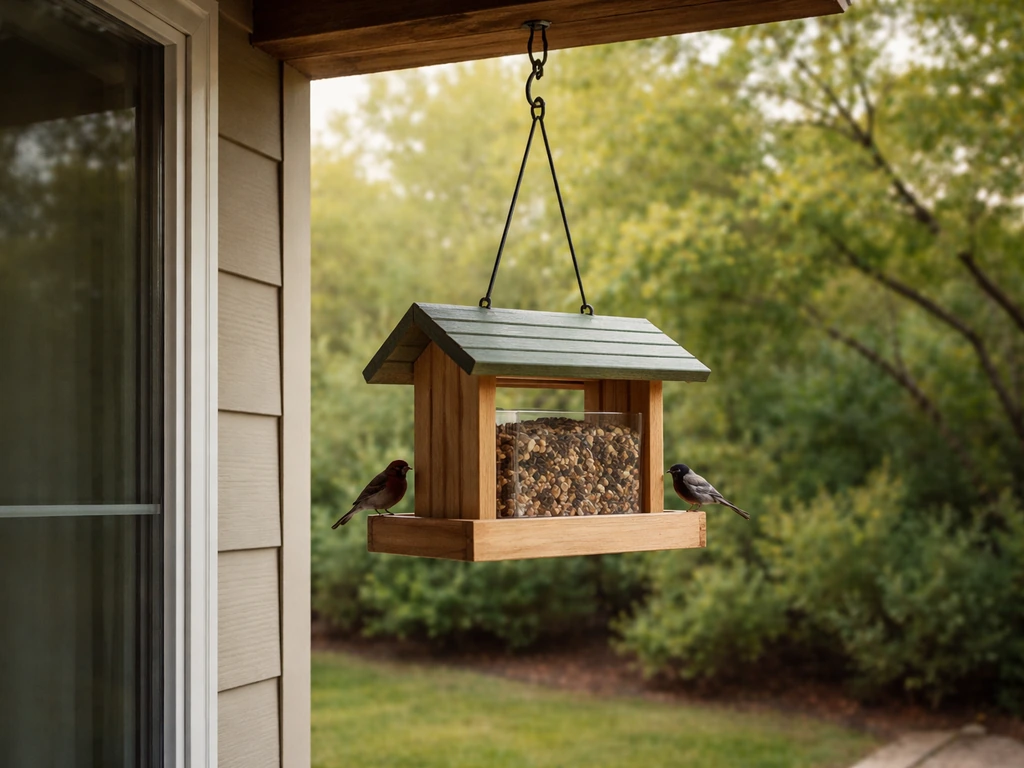
Beyond those basics, placement is really about balancing competing needs: birds want shelter nearby but also a clear sightline while they eat. You want birds close enough to watch but not so close you're cleaning up seed mess on your deck every other day. And if you have multiple feeders, spacing them properly makes the difference between a peaceful yard and a constant squabble. Let's go through each of these decisions in order.
Best spots by bird type
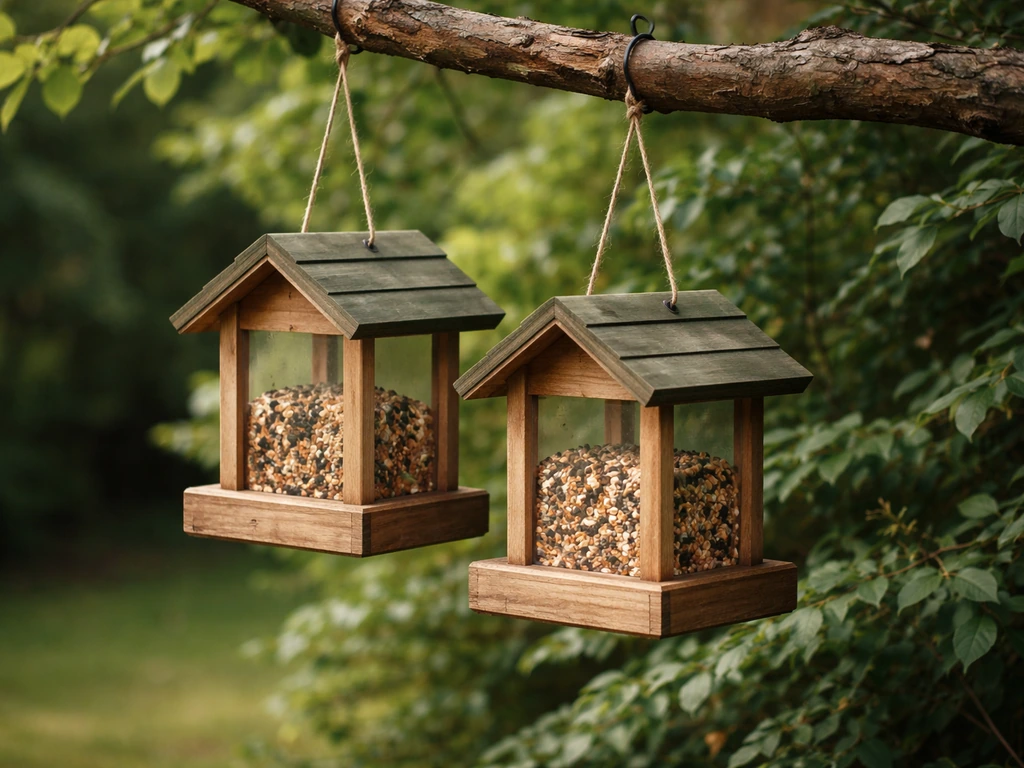
Different species have genuinely different comfort zones, and tuning your placement to match is one of the fastest ways to actually attract the birds you're hoping for rather than just the ones that show up first.
Songbirds (chickadees, nuthatches, cardinals)
These are your bread-and-butter feeder birds and they're pretty adaptable, but they consistently prefer feeders placed near natural cover. Maine Audubon makes the point well: chickadees, nuthatches, and similar birds forage near plants they can dart into, and cover is one of the most overlooked parts of a feeder setup. Position a tube or hopper feeder about 10 to 12 feet from a shrub, dense bush, or brush pile. They'll use the cover as a staging area, grab a seed, and fly back to shell it. You'll see a steady rotation rather than a bird that nervously grabs and bolts.
Finches
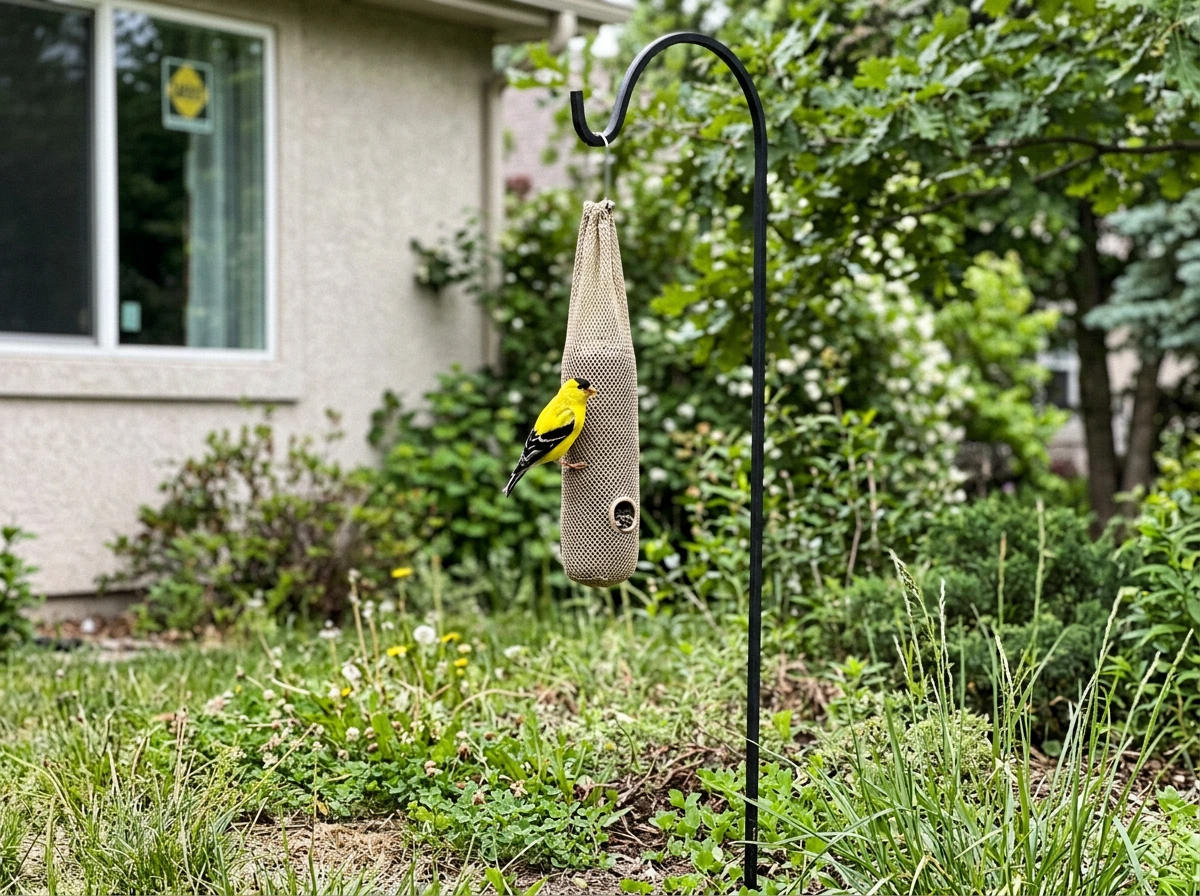
Goldfinches and house finches are comfortable at height and prefer open, less-congested spots. A thistle or Nyjer feeder hung from a shepherd's hook or tree branch at around 5 to 6 feet works well. They're less stressed about proximity to cover than chickadees, but you still want some nearby. One key difference: finches are more tolerant of feeders positioned slightly farther from the main feeder cluster, which is actually helpful for reducing competition. If you're setting up specifically for finches, there's more detailed placement guidance worth looking at, since their preferences around shelter and feeder style are a bit specific.
Woodpeckers
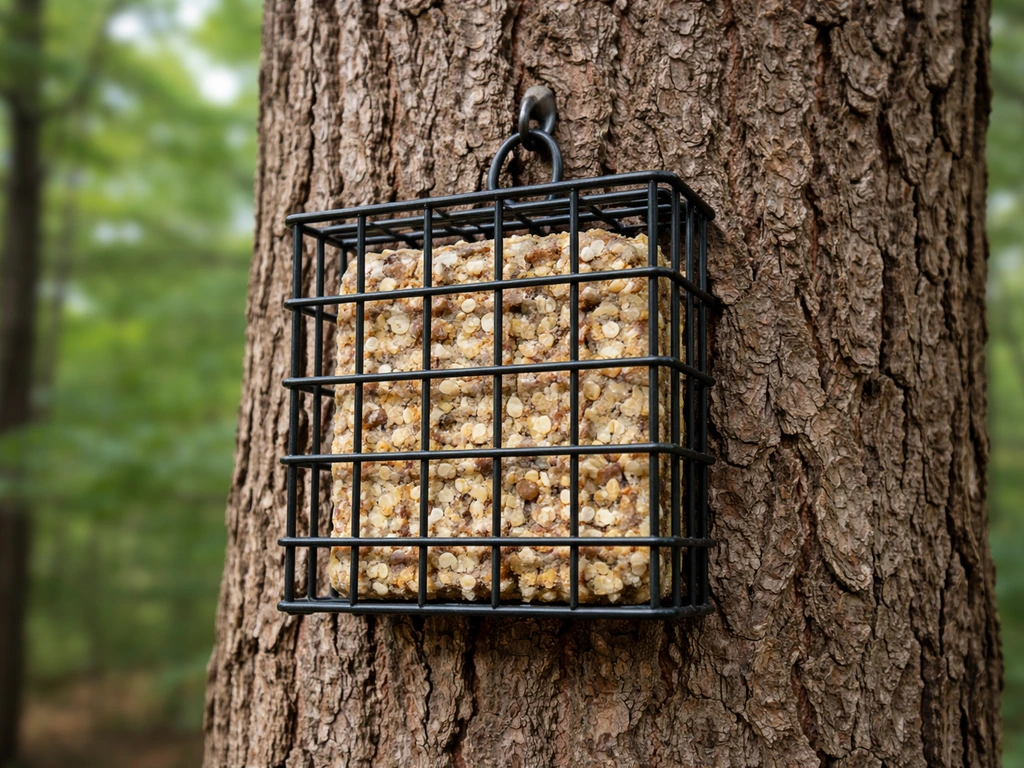
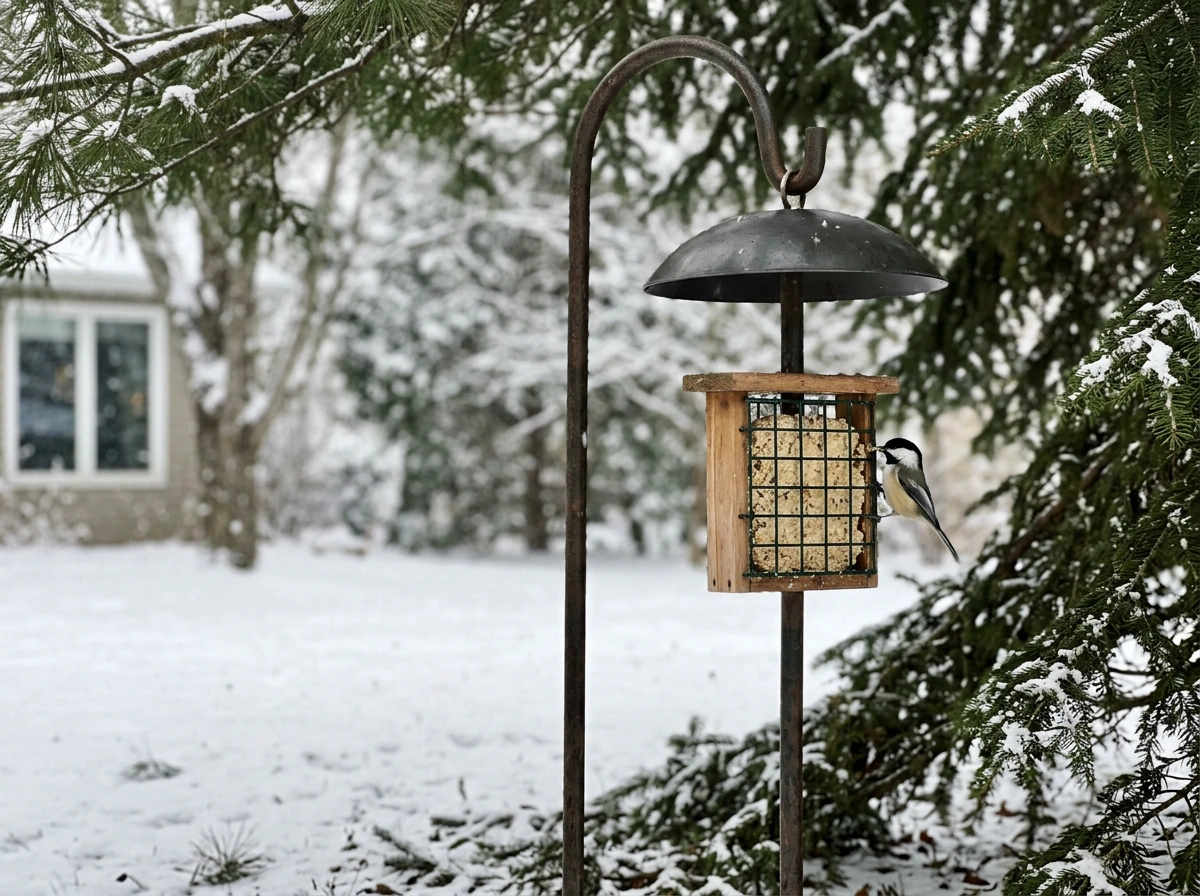
Woodpeckers want vertical surfaces and real proximity to trees. A suet cage hung directly on a tree trunk or a heavy wooden post is the gold standard. If you're mounting a suet feeder on a pole, try to place it within 5 to 10 feet of a mature tree rather than out in the open. Downy and hairy woodpeckers especially will often approach a free-standing suet feeder cautiously, while they'll hit one mounted near a tree trunk almost immediately. The placement considerations for suet feeders are distinct enough that they deserve their own deep dive, but the short version is: closer to trees than other feeders, and at eye level or slightly above.
The window distance rule (this one really matters)
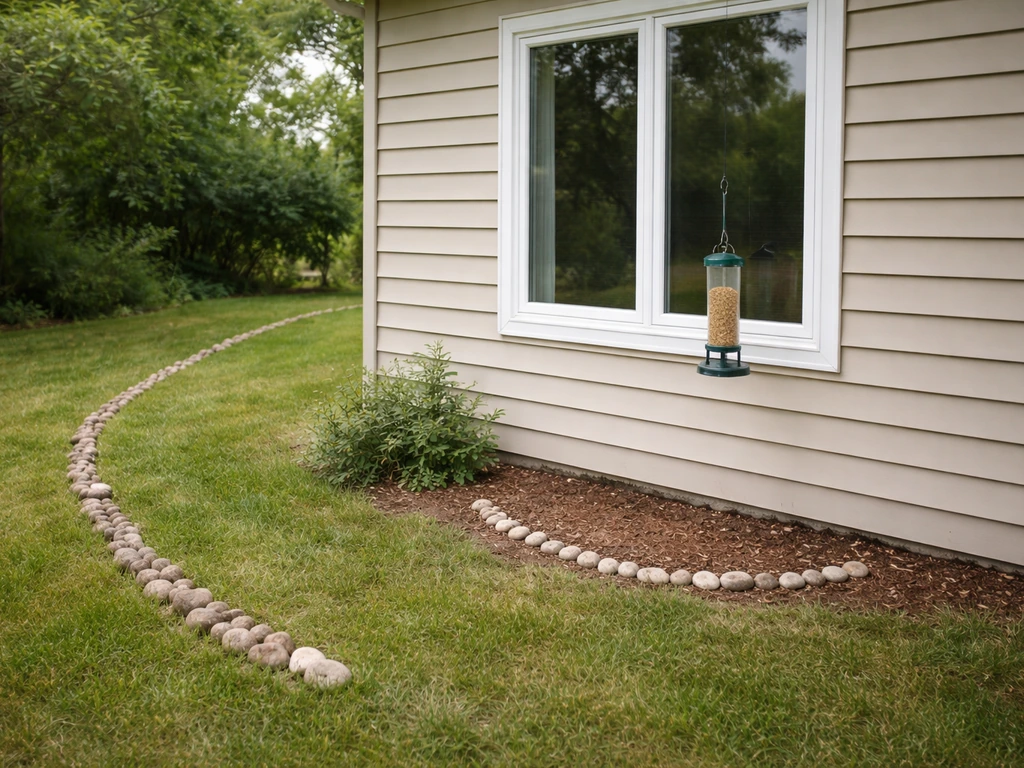
Window collisions kill an enormous number of birds every year, and feeder placement is directly responsible for a big chunk of those deaths. The physics are simple: a bird that flushes from a feeder positioned 10 to 20 feet from a window has enough distance to build fatal momentum before hitting the glass. That's the danger zone.
The two safe zones are: within 3 feet of the window, or beyond 30 feet from the window. Within 3 feet, birds can't build enough speed to injure themselves if they do hit the glass. Beyond 30 feet, they have enough space to recognize the window as an obstacle and redirect. Both Audubon and All About Birds recommend this framework, and it's one of the most evidence-backed guidelines in backyard birding. If your favorite feeder spot is currently somewhere between 4 and 29 feet from a picture window, that's worth rethinking today.
If you can't move the feeder, the next step is making the glass more visible. The NPS guidelines describe a useful rule: visual markers on glass should be spaced no more than 2 inches apart horizontally and 4 inches apart vertically to be effective for birds. Tape strips, decals, or window films applied in that pattern break up the reflection enough to reduce strikes significantly. Window-mounted feeders affixed directly to the glass are also a great solution: they eliminate the gap entirely.
Height and shelter: the practical sweet spot
Most sources cluster around 5 to 6 feet off the ground as the target height for standard feeders, and this holds up in practice. At that height, a feeder on a pole is out of easy reach for cats (which typically need to jump from something to get elevation), and it gives birds a view of approaching threats. If you're mounting your feeder on a pole, aim for a location that also supports safe height and nearby shelter where to put bird feeder pole. WVDNR specifically cites 5 to 8 feet as the target range. UW-Extension recommends aiming for 5 to 6 feet near cover.
For squirrel-proofing through height and position, the numbers that come up most often are: at least 5 feet off the ground, at least 7 feet from fences or nearby structures, and at least 9 feet from overhanging branches. Squirrels are genuinely impressive jumpers, so don't underestimate the 9-foot horizontal clearance from anything they could use as a launching point.
Now for shelter: the Tufts Wildlife Clinic recommendation is to place feeders about 12 feet from a brush pile, evergreen tree, or shrub. At that distance, birds can cover the gap in a second or two when a hawk appears, but a cat sitting in the bushes can't lunge close enough to catch a bird at the feeder.
The RSPB frames it well too: birds want a clear view in all directions while feeding, so you're not placing the feeder in the bushes, you're placing it close enough to the bushes to be useful. Oklahoma DWC recommends 5 to 10 feet from escape cover as a working range. I'd aim for 10 to 12 feet as your default and adjust based on what you observe.
Spacing multiple feeders to cut down on bullying
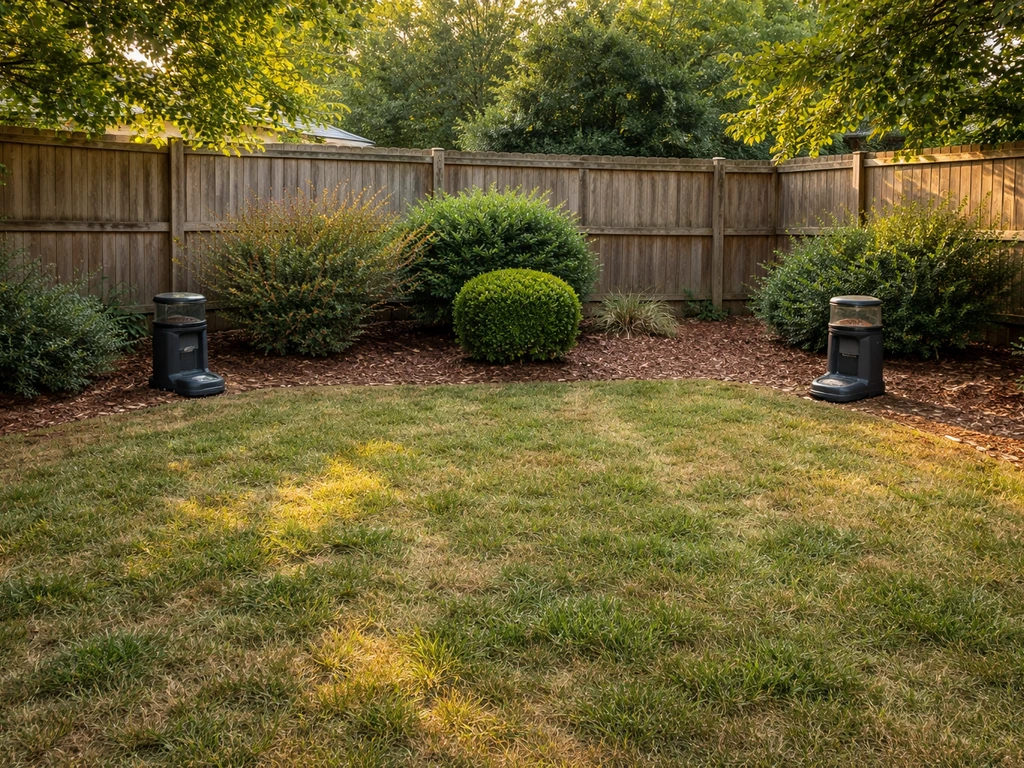
If you have more than one feeder, the single biggest mistake I see is clustering them all in the same spot. It looks tidy and it's convenient for refilling, but it creates a territory hotspot that dominant birds like house sparrows, starlings, and red-winged blackbirds will monopolize. More timid species end up shut out.
Spreading feeders out by at least 10 to 15 feet, ideally around the perimeter of your yard rather than in a cluster, breaks up those territories. It also means a single bully bird can't easily police all your feeders at once. You don't need a huge yard to do this: even repositioning one feeder to the opposite side of a patio or along a different fence line can make a noticeable difference within a few days.
Feeder type matters for spacing too. Put your thistle feeder in a different zone from your sunflower seed feeder. Ground-feeding birds like juncos and doves do best with a low platform or seed scattered on the ground at a separate station from your elevated feeders, though Audubon advises against placing seed directly on bare ground where waste accumulates and attracts rodents. A low platform feeder with drainage holes is a better option than ground scattering.
| Feeder type | Recommended height | Distance from cover | Ideal spacing from other feeders |
|---|---|---|---|
| Tube/hopper (songbirds) | 5–6 feet | 10–12 feet | 10–15 feet |
| Thistle/Nyjer (finches) | 5–6 feet | 8–12 feet | 10–15 feet |
| Suet cage (woodpeckers) | Eye level on tree/post | 2–5 feet from tree trunk | 10+ feet |
| Platform/tray (ground feeders) | 2–3 feet or low post | 10–12 feet | 15+ feet |
| Window-mounted feeder | Window height | N/A (on the glass) | N/A |
Seasonal adjustments and time-of-day placement
Placement isn't a one-time decision. Birds shift their habits across seasons, and your feeder setup should shift with them. Here's what to pay attention to throughout the year.
Spring and summer
Activity peaks in early morning and late afternoon. Position feeders where they catch morning shade if you're in a hot climate: seeds sitting in direct sun all afternoon spoil faster and attract insects. Spring also brings nesting birds that may become more territorial around feeders, so this is a good time to review your spacing and spread feeders farther apart if you're seeing a lot of chasing. You'll also start getting orioles and hummingbirds, which need their own dedicated spots (oriole feeders do best on the edge of the yard, closer to tree canopy).
Fall
Migration brings new species through your yard, sometimes briefly. Fall is actually when placement really pays off: a well-placed feeder near good cover in a spot visible from multiple approach angles will catch migrants that might otherwise skip your yard. Pay attention to which direction birds seem to arrive from and position accordingly. Fall is also when squirrel pressure typically ramps up as they bulk up for winter, so double-check your pole height and clearance distances before October.
Winter
Winter is when placement matters most for survival, both for the birds and for your feeder maintenance. Position feeders on the sheltered side of the yard if possible: the lee side of a fence, building, or dense evergreen windbreak. Birds spend far more energy staying warm in cold weather, so a feeder that's exposed to wind will be used less. UW-Extension specifically flags wind protection as part of winter placement strategy. Keep feeders accessible for cleaning even in snow, because you'll need to get to them more often.
Keeping unwanted wildlife and mess under control
Placement has a huge effect on how much mess you're dealing with and which uninvited guests show up. A poorly placed feeder can attract rats, raccoons, and deer just as reliably as it attracts birds.
For cats specifically, the Humane Society recommends keeping feeders at least 12 feet from grass and shrubs that cats use as cover. This is slightly more conservative than the 10-foot cover rule for escape cover, and it's worth taking seriously if you know there are outdoor cats in your neighborhood. A feeder on a smooth metal pole with a baffle is much harder for a cat to use as a hunting station than a feeder hung from a low tree branch.
For squirrels, the pole placement numbers above (5 feet up, 7 feet from structures, 9 feet from overhangs) are your baseline. A baffle on the pole itself adds another layer. Squirrel-proof feeders help, but placement is still the first line of defense because a squirrel that can access your feeder from a nearby fence or roof doesn't care how strong your feeder cage is.
For mess under the feeder, a seed-catcher tray with drainage holes attached to the feeder base catches most of the dropped hulls and seed. Project FeederWatch emphasizes sweeping or raking below feeders regularly because built-up waste, droppings, and moldy seed are genuine disease risks for birds. If your feeder is placed over grass, move it: seed waste kills grass patches and creates bare soil that rodents find attractive. Gravel, pavers, or a cleared patch of dirt is much easier to manage. Position feeders so spilled seed doesn't land in standing water or mulch that holds moisture.
- Use a seed-catcher tray with drainage holes to intercept fallen seed before it hits the ground
- Place feeders over gravel or pavers rather than grass or mulch for easier cleanup
- Sweep or rake below the feeder at least once a week, more often in wet weather
- Avoid placing feeders directly above water sources: droppings contaminate birdbaths quickly
- Keep the area clear of piles of old seed hulls, which attract rodents overnight
Maintenance gets easier or harder depending on where you place feeders
This one doesn't get talked about enough. Where you put a feeder directly affects how often you'll clean it, whether it stays dry, and how long the seed lasts before going bad.
Feeders in direct sun dry out and heat up quickly in summer, which spoils seed and suet fast. Suet feeders especially should be placed in shade during warm months, or moved to a north-facing or shaded spot when temperatures regularly exceed 75 to 80 degrees. A suet feeder baking in afternoon sun in July is going to turn rancid within days and can sicken birds.
Feeders under trees collect debris: leaves, twigs, and bird droppings from above. That organic material traps moisture and accelerates mold growth inside the feeder. If you're hanging a feeder from a branch, position it at the edge of the canopy rather than directly under heavy cover, so it still gets airflow and some drying sun.
Access matters too. A feeder that's awkward to reach means you'll clean it less often. If you need a ladder to reach it or have to navigate through a thorny hedge every time, it won't get cleaned as frequently as it should. Aim for a spot where you can get to the feeder, unhook it, and bring it inside to wash without it being an ordeal. For most people that means a shepherd's hook or arm bracket at eye level, positioned within a few steps of a path or patio.
Drainage is a real consideration if you're using a tray or platform feeder. Seed trays without drainage holes collect rainwater and turn into a soggy mess quickly. Biology Insights specifically flags this: drainage holes in seed trays are non-negotiable if you want to avoid moldy seed buildup. Check that your tray allows water to run out, and tilt platform feeders very slightly so water doesn't pool.
When the placement seems right but birds still aren't coming
If you've set things up well and birds still aren't visiting, run through this checklist before moving the feeder again. Often the issue isn't the spot at all.
- Give it time: a new feeder in a new location can take two to four weeks to be discovered, especially in a yard without an established feeding history
- Check the seed: old, stale, or low-quality seed is a common reason birds visit once and don't return; buy from a store with high turnover and keep seed in a sealed container
- Look for cover: if the nearest shrub or tree is more than 20 feet away, birds may feel too exposed; add a brush pile or plant a native shrub to close the gap
- Rule out disturbance: high foot traffic, outdoor pets, or a frequently used door nearby can suppress feeder use; try moving the feeder even 10 feet toward a quieter part of the yard
- Check for predator pressure: if a hawk is regularly hunting near your feeder, birds may go quiet for days; this is normal and usually resolves on its own
- Reassess window reflection: if you notice birds hovering near a window but not landing at the feeder, window glare may be creating a confusing reflection that's attracting or disorienting them
Placement is genuinely the foundation of a good feeder setup, but it works in combination with seed quality, feeder type, and a little patience. Get the location right first, using the distance and height guidelines above, then tune the other variables. To get started, follow the placement rules in this guide to decide where to put a bird feeder in your yard. Most people find that once they nail the window distance and the cover distance, everything else falls into place faster than they expected.
FAQ
What’s the best bird feeder placement tips if my window is the only good spot in my yard?
Use the safer spacing rule, 3 feet or closer or 30 feet or farther. If you cannot change the distance, make the glass more visible with markers spaced no more than 2 inches apart horizontally and 4 inches apart vertically, or use a window-mounted feeder to remove the open flight gap.
If I’m placing feeders near shrubs for escape cover, how do I avoid attracting cats or hawks?
Aim for the buffer distance (around 10 to 12 feet from brush as a default) so birds can retreat quickly, but place feeders where cats cannot sit in dense cover directly at feeder level. Also keep feeders at your target height so cats need more than a simple stalk-and-lunge setup.
How far apart should multiple feeders be when I’m trying to reduce competition?
Spread feeders by at least 10 to 15 feet, ideally along different sides of the yard. If you want to keep a “cluster” for convenience, break it into two smaller zones with a noticeable gap so one dominant bird cannot patrol every station.
Should I place a thistle feeder and a sunflower feeder in the same location?
Better not. Keep different feeder types in different zones (for example, thistle in a separate area from sunflower) because birds tend to defend the local feeding spot. This also reduces stress for species that behave differently around shelter.
Do feeder placement rules differ for ground-feeding birds?
Yes. Ground feeders should be a separate station from elevated feeders, but avoid dumping seed directly on bare soil where waste attracts rodents. A low platform feeder with drainage holes, or seed managed in small amounts, is usually easier to keep clean.
Where should I position a feeder if I have overhanging branches near the pole?
Keep it at least 9 feet horizontally from any overhang that squirrels could use as a launching point. Even if the feeder has a cage, a nearby branch or roof edge gives squirrels an access route that placement alone cannot fix.
What’s the best way to place feeders for sun and heat, without constantly moving them?
If you have hot summers, choose a spot that catches morning shade and is protected from afternoon sun. If your temperatures regularly reach the mid to upper 70s, suet especially should be placed in shade or moved to a cooler north-facing area during warm months.
How do I prevent moldy seed and keep feeders from staying damp?
Avoid heavy debris zones under dense tree canopy. If you must hang near trees, position at the edge of the canopy for better airflow and limited moisture trapping. Also ensure any seed tray has drainage holes, and slightly tilt platforms so water does not pool.
What should I do if there’s constant seed mess under the feeder?
Use a seed-catcher tray with drainage holes and keep it clean. Also check where spilled seed lands, if it’s over grass, move the feeder, seed waste can damage grass and create bare soil that attracts rodents. Sweep or rake regularly to reduce mold and disease risk.
If my feeder is clean but birds still aren’t using it, should I relocate immediately?
Not always. First verify the safety-distance window placement, confirm the feeder is near appropriate cover for the species you want, and check for shade and drainage issues that may be spoiling seed. If those are correct, then do one small placement change, such as shifting 10 to 15 feet into a more visible approach direction.
How should feeder placement change during spring when nesting starts?
Spring can increase chasing and territorial behavior. Review spacing, and consider spreading feeders farther apart so multiple territories can form without forcing all birds into one defended hotspot.
What’s the best bird feeder placement tips for fall migration?
Place a feeder near reliable escape cover but also visible from multiple approach angles. In fall, pay attention to which direction birds arrive and position accordingly, so migrants can locate the feeder while still having a nearby place to retreat.
Where should I place feeders in winter if wind is a problem?
Prioritize the sheltered or lee side of your yard, using a fence, building, or dense evergreen windbreak. Birds may visit less if the feeder is exposed, and you still need access for snow and more frequent cleaning.
How far from grass and shrubs should feeders be if there are outdoor cats?
Use a more conservative safety buffer, at least 12 feet from grass and shrubs that cats use as cover. A smooth metal pole with a baffle makes it harder for cats to turn the setup into a hunting station, compared with a low branch or easy perch location.
Are feeder height guidelines enough, or should I also consider how cats or squirrels reach the feeder?
Height is the baseline, but you also need to consider access routes. For squirrels, maintain 7 feet from fences or structures and 9 feet from overhangs, and add a baffle. For cats, keep feeders away from cover and avoid placements that allow stalking from low branches.
What’s a practical placement setup if I want easy cleaning and safe access?
Choose an arm-bracket or shepherd’s hook location at about eye level that is reachable from a path without moving through thorny hedges or requiring a ladder every time. Better access usually means more frequent cleaning, which can noticeably improve bird visit rates.
Next Articles
Where to Put a Bird Feeder: Best Locations and Tips
Best spots to hang a bird feeder in your yard or garden, plus what to avoid and how to place for safe, wanted birds.
Where to Hang Finch Bird Feeders: Best Placement Tips
Step-by-step tips for hanging finch feeders: ideal height, window distance, visibility, shelter, and safety adjustments.
Where to Place a Suet Bird Feeder: Best Locations
Learn exactly where to hang a suet feeder for safer birds: height, window distance, shelter approach, and squirrel-proof