Yes, bird feeders are genuinely good for birds, but only under the right conditions. When you're using clean feeders, the right food, and smart placement, they can meaningfully support birds, especially during winter storms, migration, and periods when natural food is scarce. When those conditions aren't met, feeders can spread disease, attract predators, and cause window collisions. So the real answer isn't "yes" or "no" in isolation. It's "yes, if you're doing it right, and here's exactly what that looks like."
Are Bird Feeders Good for Birds? Benefits, Risks, Setup

Eleanor Hartwick
8 Apr 2026
When feeders help vs. when they hurt
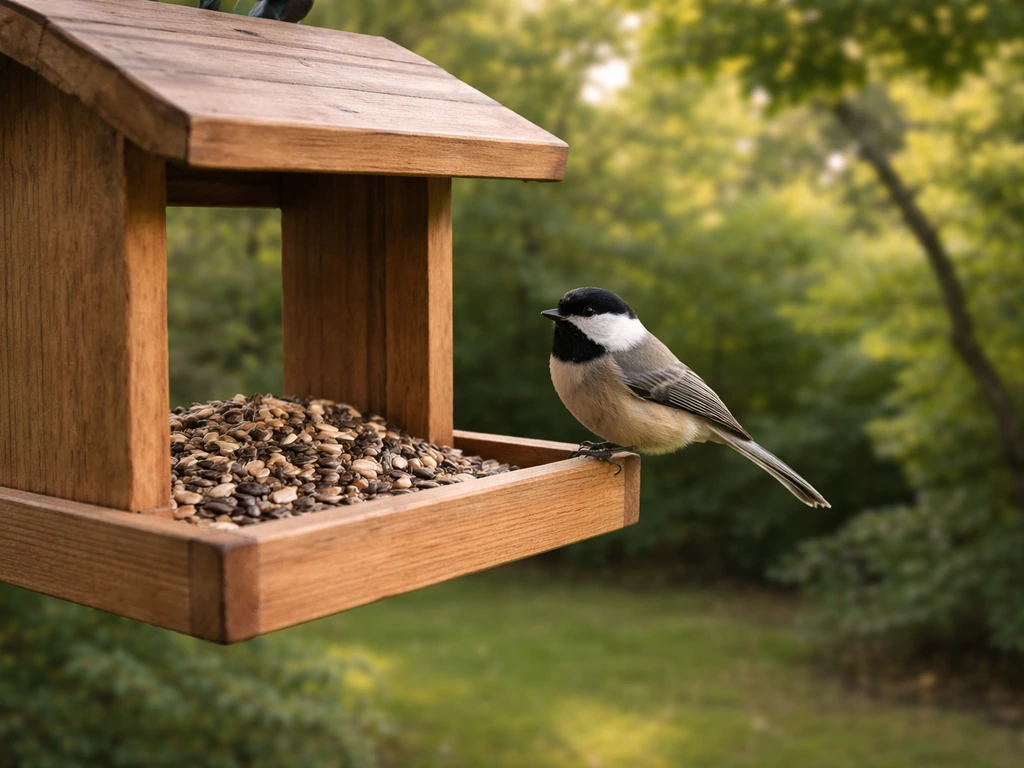
Feeders help birds most when natural food access is genuinely reduced. The U.S. Fish and Wildlife Service specifically points to migratory routes where habitat has been lost as situations where feeding stations provide real value. In winter, during deep cold snaps or storms that bury or ice over natural food sources, a well-stocked feeder can provide the calories a small bird needs to survive overnight. That's not trivial. A chickadee in January is burning enormous energy just staying warm. Getting them through a hard week matters.
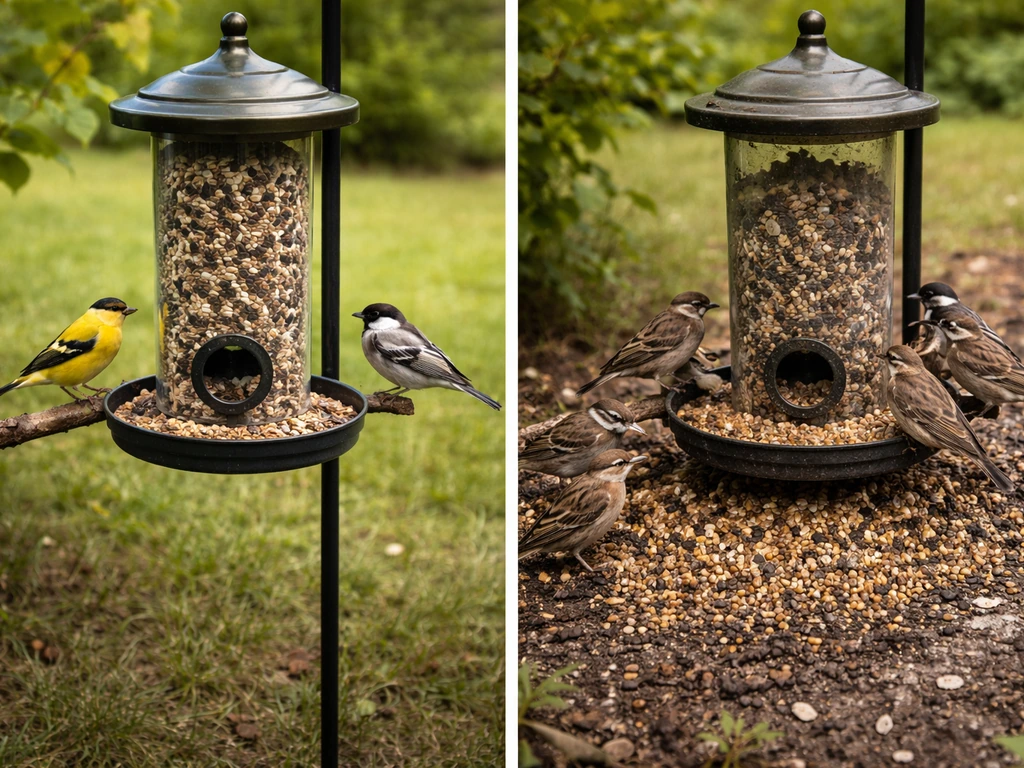
Feeders hurt birds when hygiene is poor (disease spreads fast in crowded feeder situations), when the food is wrong for the season or species, when placement causes window strikes, or when feeding draws in predators or pests. They can also cause problems if you start feeding heavily during a period of scarcity and then stop abruptly. That last point matters more than most people realize, and I'll get into it later in the seasonal section.
The real benefits, and when they kick in
The strongest case for feeders is supplemental support during stress periods. Audubon's position is that feeding is most helpful when natural food is scarce, and that framing holds up well. During harsh winters, a reliable feeder can provide a meaningful caloric buffer while birds forage elsewhere. Along migration corridors, especially in areas where land use has fragmented natural habitat, feeders give migrants a reliable refueling stop.
There's also a real indirect benefit: feeders bring birds closer for observation, which builds public engagement with conservation. If you've ever watched a nuthatch work a suet block in February, you know how quickly that turns someone into a person who actually cares about birds. That's not nothing. If you're curious whether the wider environmental picture holds up beyond your yard, it's worth reading about whether bird feeders are good for the environment before drawing any firm conclusions.
The key condition running through all of this: feeders supplement, they don't replace. Birds using your feeder are still foraging widely. Research consistently shows that feeder food makes up a small fraction of a wild bird's diet in most seasons. That's actually reassuring, because it means reasonable interruptions in your feeding routine won't strand birds the way people sometimes fear.
The risks are real, not hypothetical
Disease
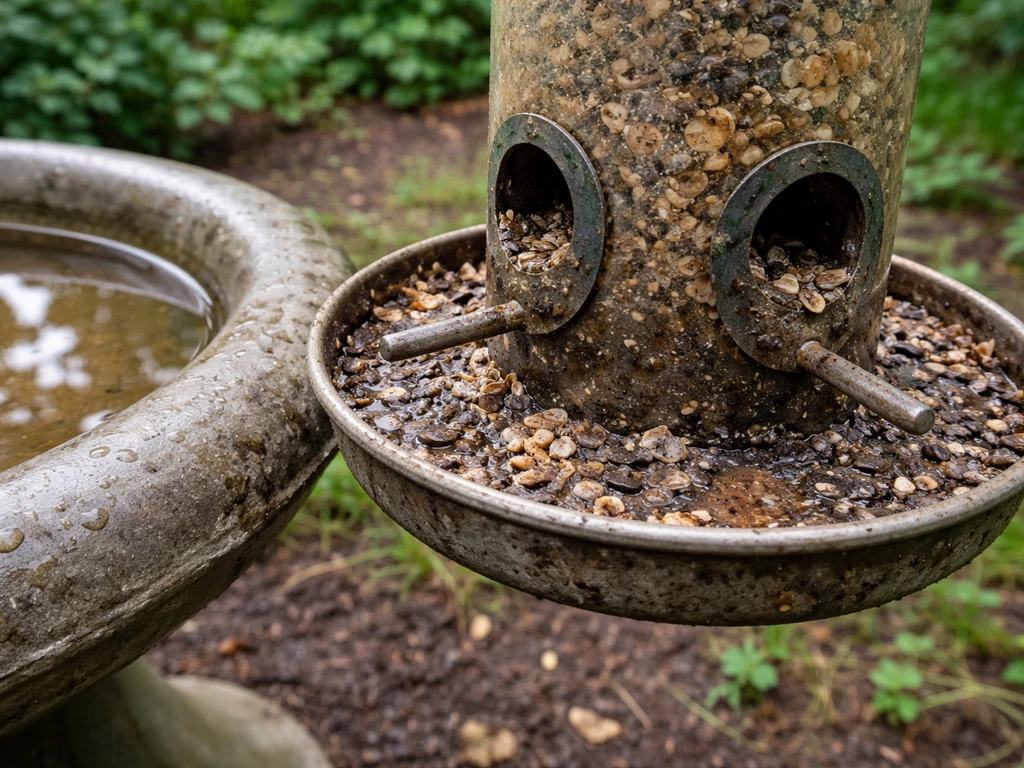
This is the biggest practical risk of bird feeding, and it's worth being direct about it. Improperly maintained feeders and birdbaths can serve as reservoirs for salmonellosis, trichomoniasis, and other pathogens. A Pennsylvania Game Commission wildlife health page also highlights blank" rel="noopener noreferrer">trichomoniasis as a feeder-associated disease and notes that transmission to multiple songbird species is a serious concern. blank" rel="noopener noreferrer">House finch conjunctivitis, a contagious eye disease that can blind and kill birds, has been actively tracked through feeder use in the U.S. If you've ever seen a house finch with swollen, crusty eyes sitting lethargically at your feeder, you've seen this disease firsthand. It spreads when sick birds and healthy birds crowd the same surface.
The good news is that this risk is largely controllable through cleaning. The bad news is that a lot of people skip the cleaning step entirely, which turns a helpful feeder into a transmission hub.
Dependency concerns
There's a persistent worry that birds will become "dependent" on feeders and lose the ability to survive without them. The evidence doesn't really support that as a broad concern, but there's a narrower version that does hold: if you establish a large feeding operation during a period of deep winter scarcity and then stop abruptly, birds that have come to rely on that station as part of their foraging circuit can be left short at exactly the wrong time. The UNH Extension recommendation is to plan your feeding season and avoid stopping cold during late-winter scarcity or extreme weather events.
Pests, predators, and mess
Poorly managed feeders attract more than songbirds. Seed that accumulates on the ground, which the USDA specifically warns against, creates conditions for mold and draws in rodents, starlings, and other scavengers. Feeders also concentrate birds in one spot, which is convenient for cats, hawks, and other predators. If you're seeing regular predation at your feeder and it bothers you, one effective strategy is simply taking feeders down for a few weeks to encourage the predator to look elsewhere. Cats in particular will stake out a feeder location as a reliable hunting spot if the pattern is consistent enough.
Window collisions
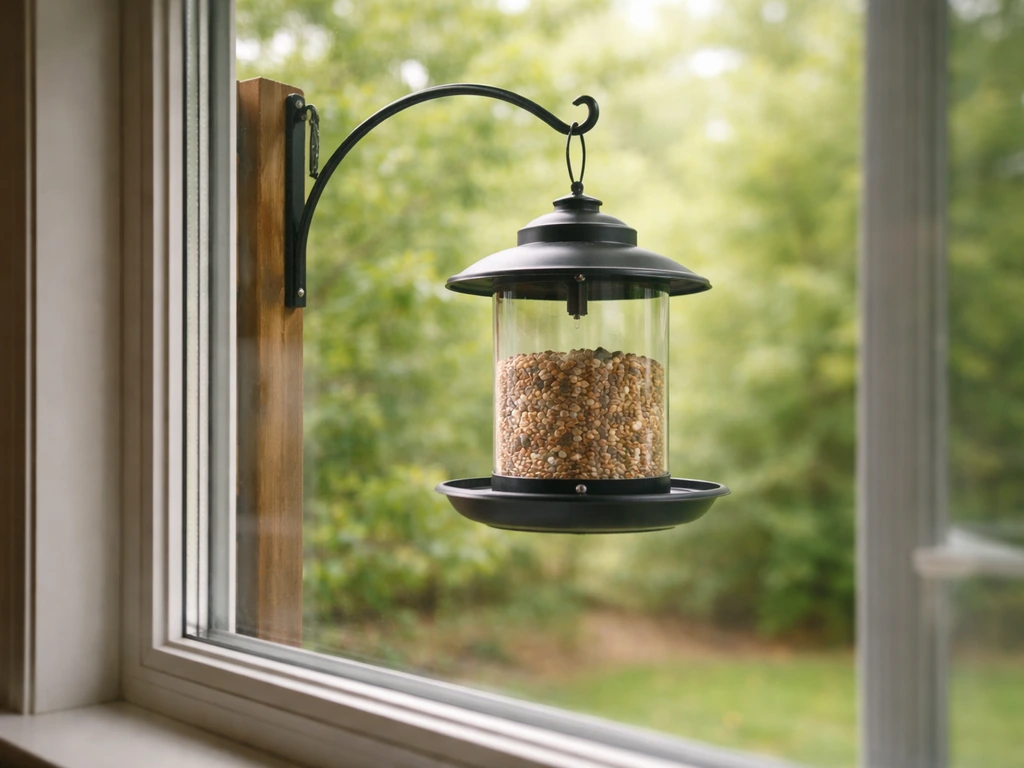
Feeder placement relative to windows is a genuine life-or-death issue. Birds that hit windows near feeders can die on impact or die later from internal injuries. This is a solvable problem, but only if you understand the physics: birds flying from a feeder more than 3 feet from a window can build enough momentum to cause a fatal strike. The recommended placement options from Audubon are either within 3 feet of a window (so birds don't have room to gain speed) or more than 30 feet away. The danger zone is everything in between.
What to feed, and what to skip
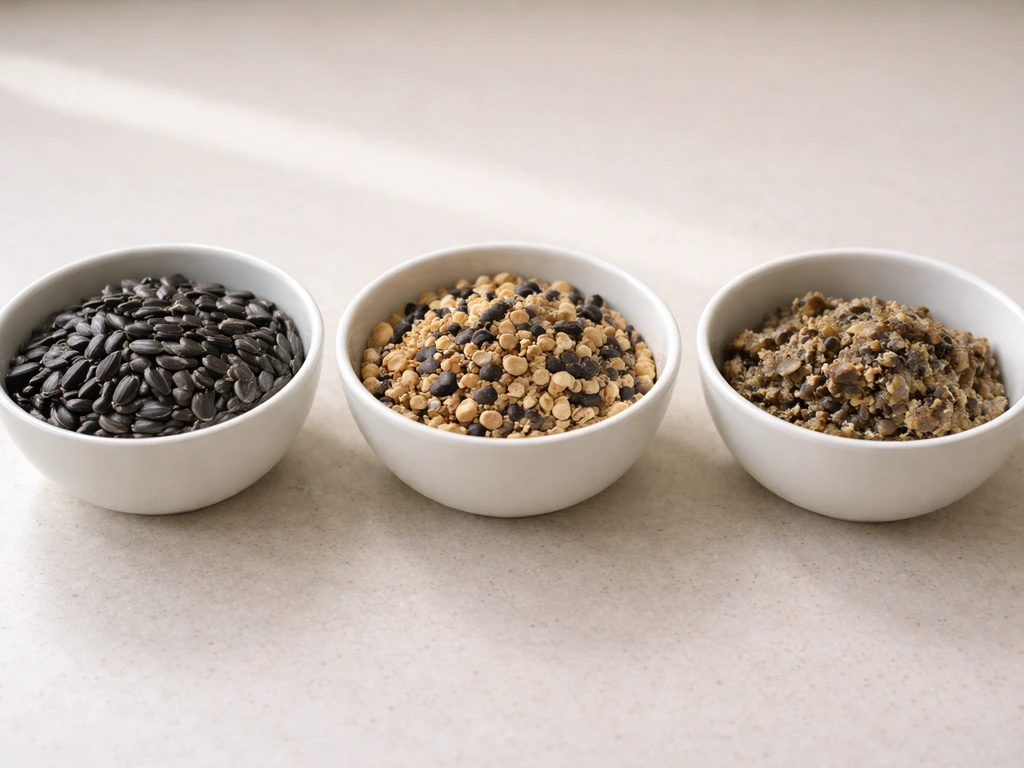
Black-oil sunflower seed is the most universally useful feeder food. It has a thin shell, high fat content, and appeals to a wide range of species. It's a solid default if you're not sure what to put in a feeder. Peanuts are excellent too, though you should offer them in a separate feeder rather than mixing them into general seed mixes, which reduces waste and better targets the species that actually want them. If you're considering DIY options, it's worth knowing what goes into something like pine cone bird feeders and how effective they actually are for birds.
For hummingbirds, the correct nectar ratio is 1 part white sugar to 4 parts water. Concentration matters for feeder safety, and you should never use honey, artificial sweeteners, or red food dye.
Suet is excellent for woodpeckers, nuthatches, and chickadees in cold weather, but don't put it out during hot weather. Audubon's guidance is clear: suet can turn rancid in heat, and dripping fat can damage the natural waterproofing of feathers. Once temperatures climb consistently above about 50-60°F, pack the suet away until fall.
Peanuts are worth a separate note on quality: poor quality peanuts can carry aflatoxin fungus, which can kill birds. Buy from reputable bird food suppliers, not discount bins where you can't verify freshness or storage conditions. And never use salted or dry-roasted peanuts. The RSPB is emphatic about this. Salt dehydrates birds and can be genuinely harmful.
Bread is a common offering that's mostly a bad idea, especially during spring and summer. It's nutritionally poor, gets hard and dry quickly, and the RSPB specifically cautions against it in warmer months. If someone in your household wants to "do something" for birds and bread is what they have, a small amount in winter is unlikely to cause harm, but it shouldn't be a regular offering.
| Food | Good or Bad? | Notes |
|---|---|---|
| Black-oil sunflower seed | Good | Wide species appeal, high fat content, thin shell |
| Unsalted peanuts (fresh, quality) | Good | Offer in separate feeder; check for aflatoxin risk |
| Suet | Good (cold weather only) | Remove when temps rise; can turn rancid and damage feathers |
| Hummingbird nectar (1:4 sugar-water) | Good | Must be changed frequently; no dye, honey, or sweeteners |
| Mixed seed with fillers | Mediocre | Creates waste and mess; target species-specific foods instead |
| Salted or roasted peanuts | Bad | Salt dehydrates birds; never use |
| Bread (spring/summer) | Bad | Nutritionally poor; avoid in warm months |
| Poor-quality peanuts | Bad | Aflatoxin risk; can be fatal |
Feeder placement: windows, height, and habitat
Window distance is the first placement variable to get right. The two safe zones are under 3 feet from the glass (birds don't build fatal momentum at that distance) or more than 30 feet away. Anything in between is a risk zone. Canada's environment guidelines align with this: keeping feeders less than 1 meter from glass is one recommended approach to reducing strikes. If your feeder is currently sitting at 10 or 15 feet from a large window, that's worth addressing today.
Height and feeder type should match the species you're trying to attract. Suet feeders hung well off the ground work well for woodpeckers, nuthatches, and chickadees that are comfortable climbing and clinging. Ground-feeding birds like juncos and sparrows will use low platforms or simply forage on fallen seed beneath tube feeders. Tube feeders at mid-height are good generalist options. Think about what birds are already in your area and place feeders where those species naturally feel comfortable foraging.
Habitat fit also matters. Placing a feeder in the open with no nearby cover gives birds nowhere to retreat when a hawk appears. A few feet from shrubs or a brush pile gives them an escape route without creating such dense cover that cats can stalk undetected. You're trying to give birds a clear sightline while they feed and quick access to safety if they need it.
Cleaning routine: the single most important maintenance habit
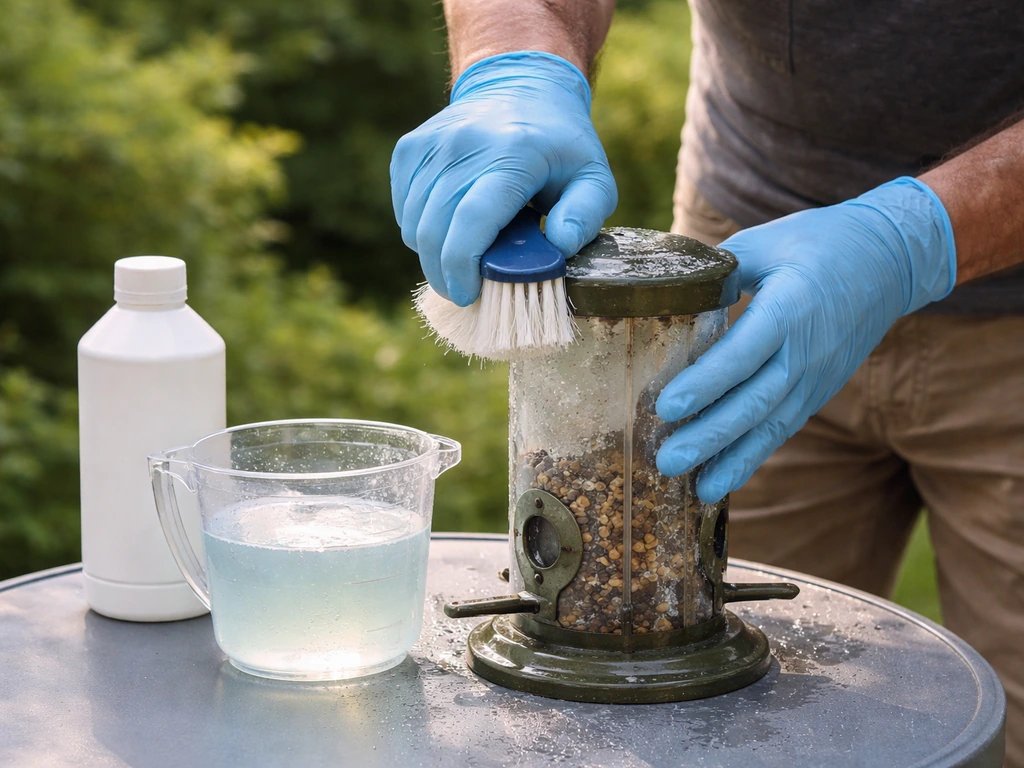
Clean your feeders at minimum every two weeks. That's the baseline recommended by both the Cornell Lab of Ornithology and Audubon's disease-prevention guidance. If you see sick birds at your feeder, birds with eye discharge or lethargy, increase to weekly cleaning immediately and consider temporarily taking feeders down for a couple of weeks. Audubon specifically recommends doubling your cleaning frequency if you suspect disease.
The standard cleaning solution is a 9:1 water-to-bleach ratio, which is Audubon's citation from the National Wildlife Health Center. The Iowa DNR recommends a 10% bleach solution (roughly 1:9 bleach-to-water, so slightly stronger) on roughly a monthly cadence as a minimum, though the two-week standard from Cornell and Audubon is more protective. For practical purposes: mix about 1.5 tablespoons of unscented bleach per cup of water, scrub all surfaces, rinse thoroughly, and, critically, let the feeder dry completely before refilling. Wet feeders grow mold and bacteria quickly.
Hummingbird feeders need more frequent attention because sugar solution is an ideal environment for bacteria and mold. Clean them every 3 to 5 days, and replace the nectar on the same schedule even if it looks fine. In hot weather, daily changes are better. Bird baths need fresh water at least every other day and a full scrub at least once a week, because stagnant water breeds mosquitoes and algae rapidly.
Don't overlook the ground beneath your feeders. Seed hulls, wet clumps of old seed, and bird droppings accumulate below active feeders and become a bacterial and mold problem. Rake or clear this debris regularly. This also reduces the ground-level food cache that attracts rodents.
Seasonal strategy and common feeder problems
When to feed and when to pull back
Winter is when feeders do the most good. Once temperatures drop consistently, natural insects are gone, and snow or ice covers seeds and berries, your feeder becomes genuinely useful. Start feeding before the first hard freeze so birds learn your station's location. Then keep it stocked consistently through late winter, which is often the scarcest food period, until natural food sources reliably return in spring. The key UNH Extension warning bears repeating: don't start heavy winter feeding and then stop mid-winter during a cold snap. If you need to travel or take a break, gradually reduce rather than stopping cold.
Spring and summer feeding is optional and requires more care. Natural food is increasingly available, so feeders are less critical. You should also adjust what you're offering: pull suet when it gets warm, be cautious about peanuts and fat-heavy foods, and skip bread entirely. If you feed year-round, focus on fresh black-oil sunflower seed and keep cleaning frequency up because warm weather accelerates bacterial growth.
No birds showing up
If birds aren't visiting, run through these checks: the food may be stale or wet (dump it and start fresh), the feeder may be too exposed with no nearby cover, or you may simply need to wait two to four weeks for birds to discover a new feeder location. Sometimes moving a feeder a few feet closer to a tree or shrub dramatically increases traffic.
Unwanted visitors
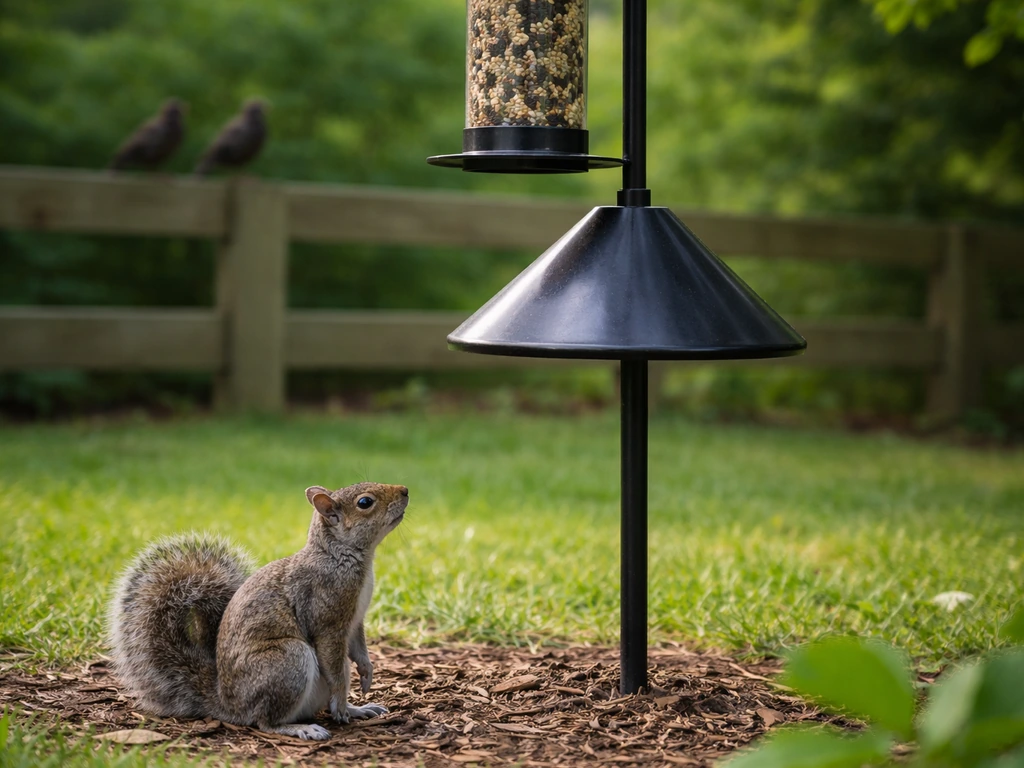
Squirrels, starlings, and House Sparrows are the most common unwanted feeder visitors. For squirrels, a baffle on the pole below the feeder and keeping feeders away from launching points (fences, branches) helps significantly. For starlings, avoid corn and mixed seed that contains millet, which they love. Offer safflower or straight sunflower seed instead. For ground pests, keep fallen seed cleaned up daily. If a hawk or cat is hunting your feeder regularly, a temporary two-week break, as mentioned earlier, is often enough to break the pattern.
Signs of illness at your feeder
Watch for birds sitting fluffed up and still near feeders during the day, birds with swollen or crusted eyes, or birds that don't flush when you approach. These are signs of disease. If you see them, take the feeder down, clean it with a bleach solution, and leave it down for two weeks. Report sick or dead birds to your state wildlife agency or through programs like Project FeederWatch if you're a participant.
So are bird feeders worth it?
They are, for most people in most situations, provided you keep up with cleaning and use appropriate food. The ethical and practical concerns are real, and anyone who wants to think them through honestly should read about whether bird feeding is actually ethical before committing to a long-term setup. There's also a fair counterpoint case to consider: if you want to see the strongest arguments on the other side, it's worth reading the full breakdown of when bird feeders are bad for birds so you can make your own informed call.
The short version: put feeders where birds can use them safely (under 3 feet or over 30 feet from windows, near cover), fill them with appropriate food for the season, clean them on a two-week cycle with a bleach solution, and plan your feeding season so you're not leaving birds short when they need you most. Do those things and a bird feeder is one of the more genuinely helpful things you can put in your yard.
FAQ
If I clean my feeder regularly, is it still possible for birds to get sick from it?
Yes. Cleaning greatly reduces risk, but pathogens can still spread when sick birds are present, or if wet seed and debris build up under the feeder. That is why the ground beneath the feeder and any birdbath nearby also need regular attention, not just the feeder itself.
How do I know whether to take my feeders down immediately or just clean them?
If you see clear disease indicators (swollen or crusted eyes, lethargy, birds that do not flush), take feeders down, clean with bleach, and keep them off for about two weeks. If the birds look healthy but activity is low, focus first on stale or wet food, placement, and wait time before shutting everything off.
Can I use more feeders to reduce crowding and lower disease risk?
Sometimes, but it can backfire if the feeders increase the total number of birds congregating. Spreading stations out helps more than adding volume in the same small area, and keeping food portions fresh matters. If you add feeders, also increase cleaning discipline and manage ground seed buildup.
Is it okay to leave a hummingbird feeder outside year-round?
It depends on local conditions. Even if hummingbirds are present, nectar spoils faster in heat, so you need very frequent changes (every 3 to 5 days, daily in hot weather). If it gets cold enough that hummingbirds stop visiting, storing the feeder helps prevent mold buildup and saves cleaning effort.
What is the safest way to transition feeding off after winter?
Avoid abrupt changes during late-winter scarcity. If you need to pause, gradually reduce fill over a week or two so birds that use your station can adjust. Sudden stop-and-start during cold snaps is the scenario most likely to leave birds short when conditions worsen.
Should I stop feeding if predators show up, like hawks or cats?
Not necessarily, but you may need a short break to break the hunting pattern. Removing feeders for a couple of weeks can help, especially if a cat is targeting the same spot. Pair that with safer placement near cover so birds have quick escape routes.
How far should my feeder be from windows if I have more than one window or a bay window?
Use the shortest distance from any part of the feeder to the glass, since birds can still line up from their takeoff point. If the feeder is between the safe zones (above 3 feet but below 30 feet), consider relocating the feeder or using a window-safe alternative approach like moving it fully into the under-3-feet range or far beyond 30 feet.
Is “black-oil sunflower seed for everything” okay, or do I need separate foods?
Black-oil sunflower seed is a strong default for many species, but it is not ideal for every visitor. Peanuts can be offered in a separate feeder to reduce waste and target the species that prefer them, and starlings often avoid safflower or straight sunflower compared to mixed seed with millet.
If birds aren’t eating yet, should I keep refilling or throw out the food after a few days?
If the food is getting wet, molding, or sitting under a feeder where debris collects, dump it and start fresh. For dry seed, you can refill, but if there is still no activity after about two to four weeks, adjust placement first (often closer to nearby shrubs or cover) rather than relying on continued refilling of the same location.
Do I need to clean birdbaths differently than feeders?
Yes. Birdbaths are about water sanitation, not just surface disinfection. Refresh water at least every other day, scrub at least weekly, and clean more often if you notice algae or mosquitoes, since stagnant water can rapidly become a breeding environment.