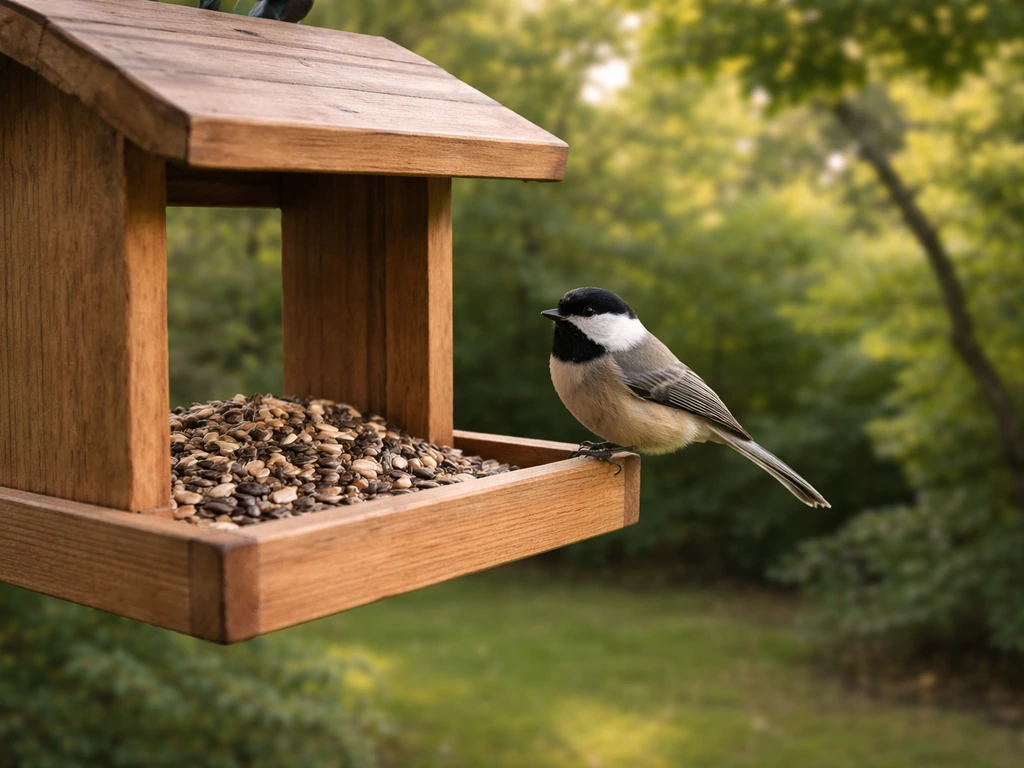
Bird feeders are neither straightforwardly good nor bad for the environment. Still, if you are wondering are bird feeders bad for birds, the bird welfare side depends heavily on hygiene, placement, and what you offer good nor bad for the environment. When managed well, they can support local bird populations, increase your awareness of wildlife, and foster a genuine connection to conservation. When neglected, they spread disease, attract rodents and invasive species, and create problems that outweigh the benefits. The honest answer is: feeders are good for the environment under the right setup, and genuinely harmful without it.
Are Bird Feeders Good for the Environment? Pros and Fixes

Eleanor Hartwick
23 Apr 2026
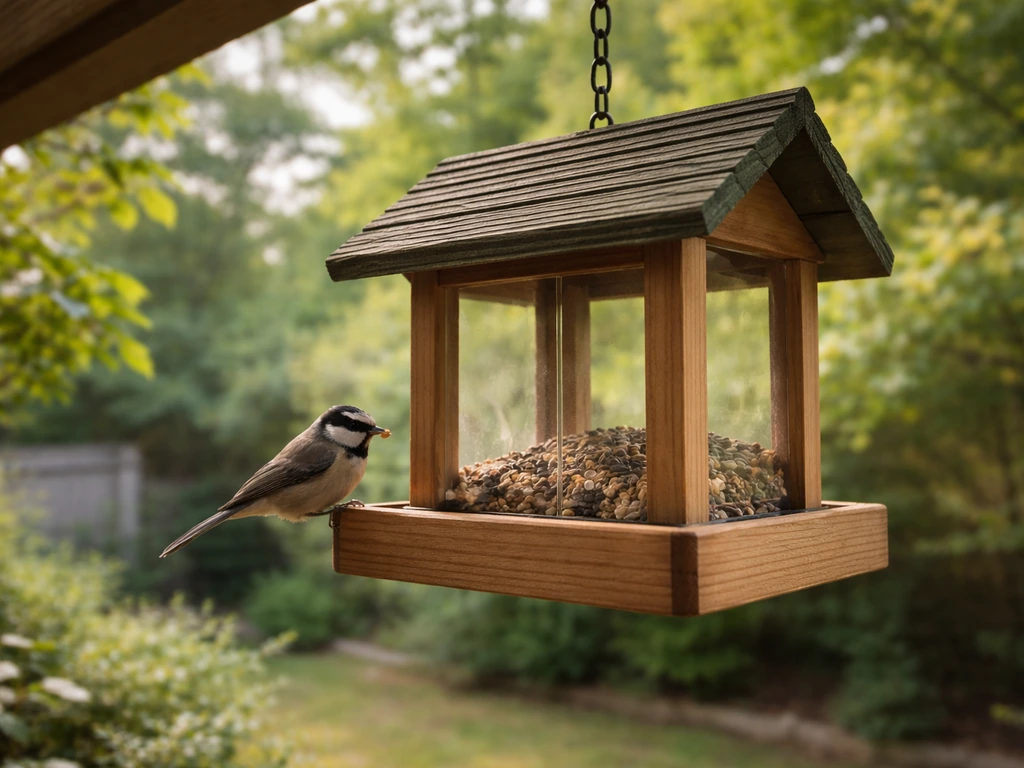
Quick verdict: are bird feeders good or bad for the environment?
The research lands somewhere in the middle, and that's not a cop-out. Peer-reviewed studies confirm that feeders can alter bird behavior and diet enough to increase parasite and disease transmission. The same body of research shows that proper hygiene and placement dramatically reduce those risks. So the feeder itself is pretty neutral. What you do with it is what tips the scale. A well-maintained feeder placed thoughtfully is a net positive. A dirty, overcrowded feeder stuffed with the wrong food and shoved against a window is a genuine problem.
The environmental question is also slightly different from the bird welfare question. Beyond individual birds, feeders can affect local rodent populations, predator activity, seed contamination of the surrounding soil, and even which bird species dominate your yard. Those ripple effects are worth taking seriously, but none of them are inevitable.
How bird feeders can help wildlife and ecosystems
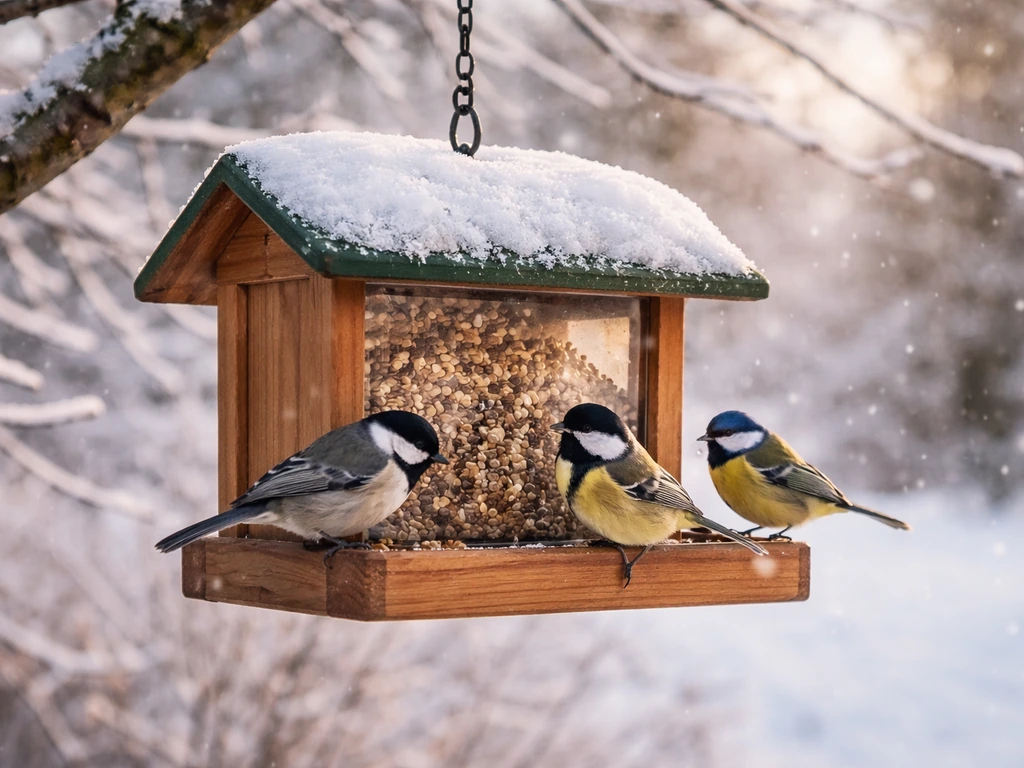
Supplemental feeding provides a genuine energy buffer during cold snaps, storms, and periods when natural food is scarce. During harsh winters or prolonged freezes, a reliable feeder can mean the difference between a bird surviving the night and not. That's a real, direct benefit with documented support from wildlife organizations.
Beyond survival support, feeders bring birds closer and more frequently into view, and that consistently drives conservation behavior. People who watch birds at their feeders are more likely to plant native vegetation, monitor local species, participate in citizen science projects like Project FeederWatch, and advocate for habitat protection. That indirect effect on human behavior has a measurable positive impact on broader ecosystem health, even if it's harder to quantify than a seed count.
Feeders can also support species that are struggling with habitat loss. In heavily urbanized or fragmented landscapes, a yard with a well-stocked and maintained feeder can serve as a meaningful stopover for migratory birds that have limited natural foraging options. It won't substitute for intact habitat, but it can reduce stress during migration.
Common environmental downsides (and why they happen)
The biggest documented environmental harm from feeders is disease transmission. Diseases like mycoplasmal conjunctivitis (the eye disease commonly seen in house finches), salmonellosis, avian aspergillosis, and avian pox are all associated with backyard feeders. The mechanism is straightforward: feeders force many birds into a small space. Eye secretions, droppings, and contaminated seed create direct transmission routes that wouldn't exist in dispersed natural foraging. Research published in peer-reviewed journals has shown that individual feeder-use behavior predicts both acquiring and spreading Mycoplasma gallisepticum, and that higher feeder density directly increases transmission rates. Tube-style feeders are particularly risky because birds' faces press against the same openings repeatedly.
Scattered seed and waste on the ground is the second major problem. Spilled seed and hulls create a food source for rodents, which then concentrate around your feeder area and attract predators. Rotten seed also creates mold, including Aspergillus fungi that cause aspergillosis in birds. Ground-feeding birds and fledglings are especially vulnerable because they're foraging right at the contamination source.
Feeders can also inadvertently favor invasive or dominant species over the birds you're actually trying to help. Certain feeder designs and food types attract species like European starlings and house sparrows far more efficiently than native species, shifting the local balance in ways that can push out cavity-nesting natives. And finally, feeders placed too close to or too far from windows create bird strike risks, adding injury and death to the environmental ledger.
Best practices to make feeders eco-friendlier
What to feed (and what to skip)
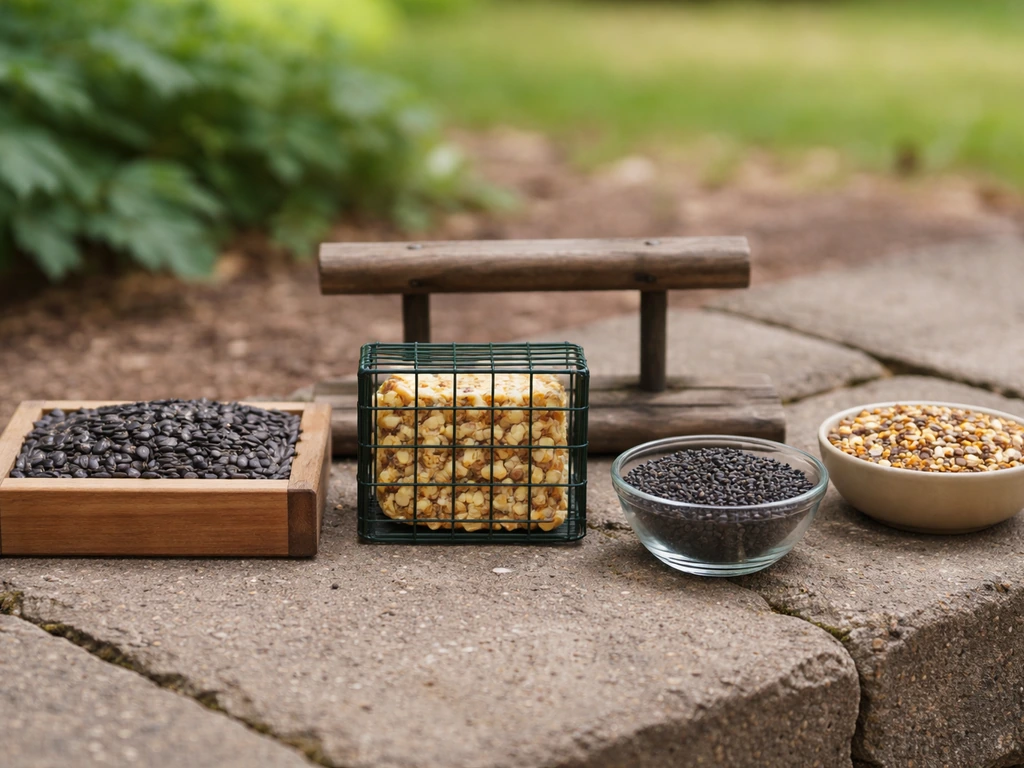
Black-oil sunflower seed, nyjer (thistle), and suet are broadly good choices that attract a wide range of native species with minimal waste. Avoid cheap mixed seed blends that are loaded with milo, wheat, and filler grains that most songbirds ignore and leave to rot on the ground. Peanuts are fine in the right season but carry disease risk if left out in warm, damp weather. Follow the RSPB's seasonal guidance as a sensible baseline: pause seeds and peanuts from around May 1 through October 31, and shift to fat balls, suet, and mealworms during warmer months when disease transmission risk is higher and natural food is more available anyway.
How to clean feeders properly
This is where most people fall short, and it's the single biggest lever you have on feeder safety. The cleaning standard that actually eliminates pathogens is: scrub with hot soapy water to remove debris and old food, then disinfect with a 10% bleach solution (1 part bleach to 9 parts water), rinse thoroughly, and let the feeder fully air dry before refilling. Research from Clemson Extension confirms that 10% bleach is among the most effective methods for eliminating salmonella on feeder surfaces. A mild 5% solution is what RSPB recommends for routine maintenance, and it's a reasonable floor if you're cleaning frequently.
Project FeederWatch recommends cleaning seed feeders about once every two weeks under normal conditions, more often during heavy use or warm and damp weather. Wildlife Trusts suggests weekly cleaning as a good target. In practice: if it's warm and rainy, clean more. If it's cold and dry with light traffic, every two weeks is probably fine. The key is not letting visible grime build up. If you can see residue, droppings, or clumped seed, clean it now.
Where and how to place feeders
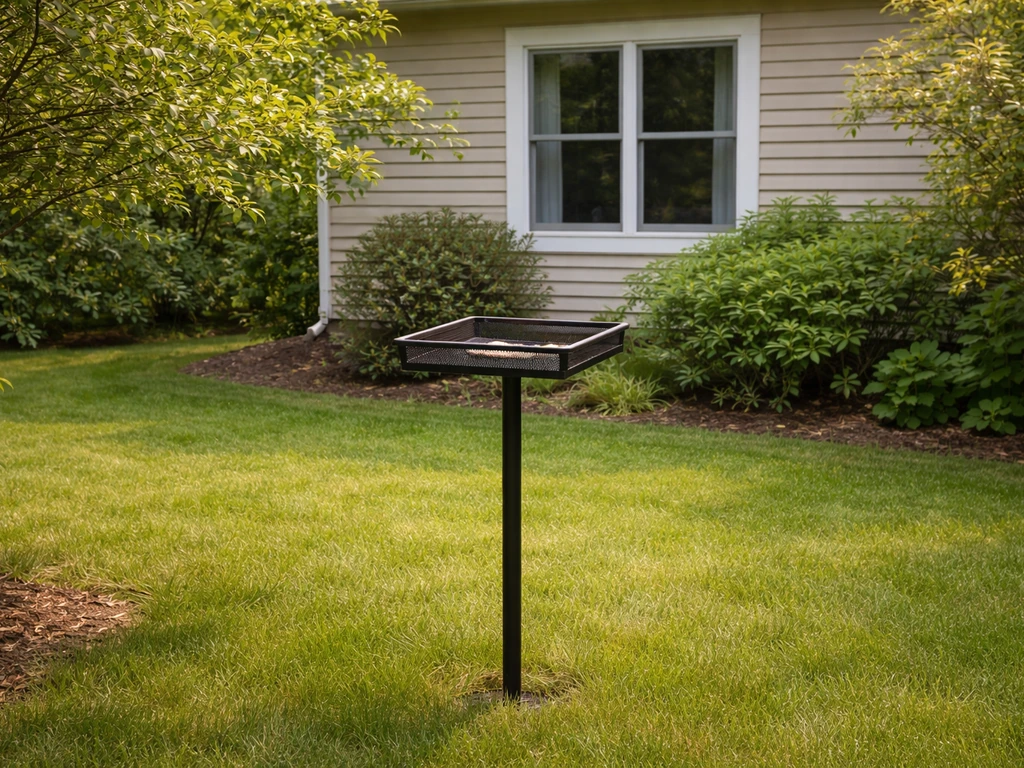
Window collision risk is real, and feeder placement directly affects it. The safest distances are either very close (within about 1 meter or roughly 3 feet) or well away (beyond 10 meters or about 30 feet). At very close distances, birds don't have enough room to build up speed to injure themselves if they do fly toward the glass. At greater distances, birds are more likely to see the window as a barrier before approaching it. The danger zone is the middle range (roughly 1 to 10 meters), where birds flush from a feeder at speed and hit glass before they have time to course-correct. Research summarized by Conservation Evidence found fewer collisions at around 2 meters compared to 3 to 4 meters away. If your feeder currently sits in that risky middle range, either move it closer to the window or apply window collision deterrents like UV-reflective decals or films.
Avoid placing feeders directly on or near the ground. Platform trays and ground-spread seed are the highest-risk setups for both disease and rodent attraction. Hang feeders or mount them on poles with baffles, and use a tray or catch below the feeder to collect waste rather than let it accumulate on the ground.
Reducing unwanted wildlife and disease risk
If your feeder is drawing rodents, stop feeding immediately, clean up all spilled seed in the area, and wait a few weeks before resuming. West Virginia DNR explicitly recommends this approach: a brief pause lets problem animals disperse rather than settle in. When you restart, switch to a no-mess seed blend or hulled sunflower hearts that produce virtually no shell waste, and use a feeder with a tray underneath to catch debris before it hits the ground.
Squirrels are a management issue as much as an environmental one. If squirrels are dominating your feeder, they're crowding out birds, potentially spreading their own parasites, and eating food you intended for wildlife. A pole-mounted feeder with a properly sized squirrel baffle is the most reliable solution. Baffles work. Squirrel-proof feeders with weight-sensitive perches also work, though they require some trial and error to get the weight setting right.
For disease management specifically, watch the birds that visit your feeder. If you notice house finches or other birds with swollen, crusty, or watery eyes, that's mycoplasmal conjunctivitis, and the right response is to take the feeder down immediately, clean and disinfect everything thoroughly, and wait at least two weeks before putting it back up. RSPB and multiple wildlife agencies are consistent on this: suspected disease means stop feeding, not reduce feeding. If you're wondering whether bird feeders are bad for birds, the takeaway is that cleanliness, food choices, and placement make the biggest difference. If you are considering different feeder styles, keep the same hygiene and placement rules in mind, including whether are pine cone bird feeders good for birds. When you compare that with whether are bird feeders good for birds, the same themes of hygiene, smart food choices, and safe placement still matter most.
Reducing feeder crowding also helps. One crowded feeder creates more disease risk than two or three spaced-out feeders serving the same number of birds. Spreading feeders across different areas of your yard, using different food types in each, and placing them at varying heights naturally distributes bird traffic and reduces the aggregation effect that drives transmission.
Seasonal strategy and simple next steps
If you want to run the most environmentally responsible feeder setup, the seasonal calendar matters. Winter is when feeders provide the most tangible wildlife benefit and carry the lowest disease risk. Spring through fall, particularly in warm and humid conditions, disease transmission risk climbs and natural food abundance rises, making supplemental feeding less critical. Connecticut DEEP specifically recommends winter-only feeding as the safest approach. RSPB's compromise is to stop seeds and peanuts from May through October but continue with fat-based foods and mealworms, which are higher in protein and support breeding birds differently.
There's no single universally correct schedule, and your local climate matters. A feeder in a cold northern climate in April is providing meaningful support. A feeder in a warm, humid region in August is a higher-risk proposition. Pay attention to your conditions, not just a calendar date.
Here's what to do right now if you want to set this up correctly:
- Check your feeder's distance from the nearest window. If it's between 1 and 10 meters, either move it or add window collision deterrents.
- Clean and disinfect your feeder today using the 10% bleach solution method, rinse well, and let it dry fully before refilling.
- Switch to high-quality, low-waste seed: black-oil sunflower, nyjer, or hulled sunflower hearts. Ditch filler blends.
- Add a catch tray under the feeder to stop seed hitting the ground, and empty it every few days.
- Set a calendar reminder to clean every two weeks, more often in warm or wet weather.
- If it's between May and October, consider shifting to suet or mealworms only, or taking a seasonal break from seeds.
- Watch your visiting birds for signs of illness. If you see sick birds, take the feeder down, clean thoroughly, and wait two weeks.
The feeder question is closely related to broader questions about whether feeding is ethical, and whether it's actually beneficial or harmful to individual birds. That same ethics lens also applies when weighing whether bird feeders are ethical overall and what practices make them kinder are bird feeders ethical. Those are worth thinking through too, especially if you're feeding during nesting season or in an area with high predator pressure. But if you follow the steps above, you're already running a feeder that's doing more good than harm, and that's a genuinely useful place to land.
FAQ
Are bird feeders good for the environment if I only feed in winter?
Yes, winter-only feeding tends to be the lowest-risk approach. The key is to still keep up cleaning and avoid attracting rodents, because waste and spilled seed can build up even when bird numbers are lower. Consider using fat-based foods only during the period when temperatures are dropping, then remove feeders completely when mild weather returns.
How can I keep bird feeders from increasing parasites and disease transmission?
The biggest practical levers are hygiene, spacing, and lowering crowding. Clean often enough that there is never visible grime, use a feeder design that does not force birds to pack closely at one opening, and avoid concentrating multiple feeders so they funnel the same birds into one small area.
Is it better to use multiple feeders or one big feeder?
Multiple feeders are usually better if they reduce congestion. One crowded feeder creates higher contact rates than two or three feeders delivering the same total food, especially during cold snaps. If you add more feeders, keep them at different heights or directions so birds do not aggregate at a single choke point.
What should I do if I find moldy or wet seed under my feeder?
Remove it immediately and clean the feeding area, because wet seed and hulls can fuel mold growth and contaminate nearby foraging. After cleanup, pause refilling until the feeder and tray are thoroughly dry, then restart with minimal-spill food (for example, hulled sunflower hearts) to prevent repeat mold.
Are suet and mealworms better for the environment than seeds?
They can be, depending on season and how you manage waste. Fat-based foods and mealworms are often less messy than mixed seed blends, which reduces ground contamination. However, in warm weather they can spoil quickly, so you need shorter refill intervals and more frequent cleaning when temperatures rise.
Do bird feeders always attract invasive species?
Not always, but food type and feeder design can strongly bias who visits. If you notice non-target birds dominating, switch to foods that your target species use more efficiently (such as sunflower types or nyjer where appropriate) and consider closing or changing feeder styles that are easy for invasive species to access.
How do I manage window collisions if I cannot move my feeder?
If you cannot relocate it out of the risky middle range, add a window collision deterrent and reduce approach speed by increasing the visual cues. Place the feeder either very close or far away when possible, and keep it away from long clear sight lines that let birds build speed toward glass.
Is it okay to let birds eat from the ground under my feeder?
It is higher risk because ground-feeding increases exposure to contamination and attracts rodents. If you want to reduce environmental harm, use a feeder with a tray or catch system, and remove spilled seed regularly so hulls and droppings do not accumulate.
What is the right response if I suspect a disease at my feeder?
Take the feeder down, do a deep clean and disinfection, and wait before restarting. A practical rule is to stop feeding at the first signs of sick birds (for example, crusty or watery eyes), then resume only after you have cleaned all surfaces thoroughly and enough time has passed for birds to disperse.
How long should I wait before putting the feeder back up after I stop due to rodents?
A brief pause helps problem animals move on. Clean up all spilled seed, remove attractive food sources, and wait a few weeks before resuming, then restart with a low-waste setup such as a hulled option and a tray-under-feeder design to prevent repeat rodent attraction.
Can I use bird feeders and still help migratory birds without causing problems?
Yes, but choose setups that minimize waste and crowding. Migratory birds can use feeders as stopover energy sources, yet uncontrolled seed scatter can contaminate the area and support rodents. Use designs that limit spillage, place feeders thoughtfully, and avoid leaving food out longer than necessary during warm periods.
Next Article
Are Bird Feeders Good for Birds? Benefits, Risks, Setup
When bird feeders help and when they harm. Best feeder setup, safe foods, and cleaning tips to prevent disease and pests