Yes, you can use peanut butter in bird feeders, and when done right it works really well, especially in cold weather when birds need dense calories fast. Should Dogs Eat Peanut Butter?, ASPCA Pet Health (xylitol warning) notes that Xylitol, an artificial sweetener present in some human foods, is well documented as highly toxic to dogs (ASPCA/AVMC guidance); limited avian evidence includes a published case series reporting acute fatal presumptive xylitol toxicosis in wild Cape sugarbirds after exposure to xylitol in a feeder, so xylitol should be treated as a hazard and avoided in any bird food Should Dogs Eat Peanut Butter? — ASPCA Pet Health (xylitol warning). The key is choosing plain, unsalted, additive-free peanut butter, mixing it with dry ingredients so it is not sticky, and swapping it out before it has any chance to go rancid or grow mold. Get those three things right and it is a genuinely useful, affordable feeding option.
Can You Use Peanut Butter for Bird Feeders: Safe Guide

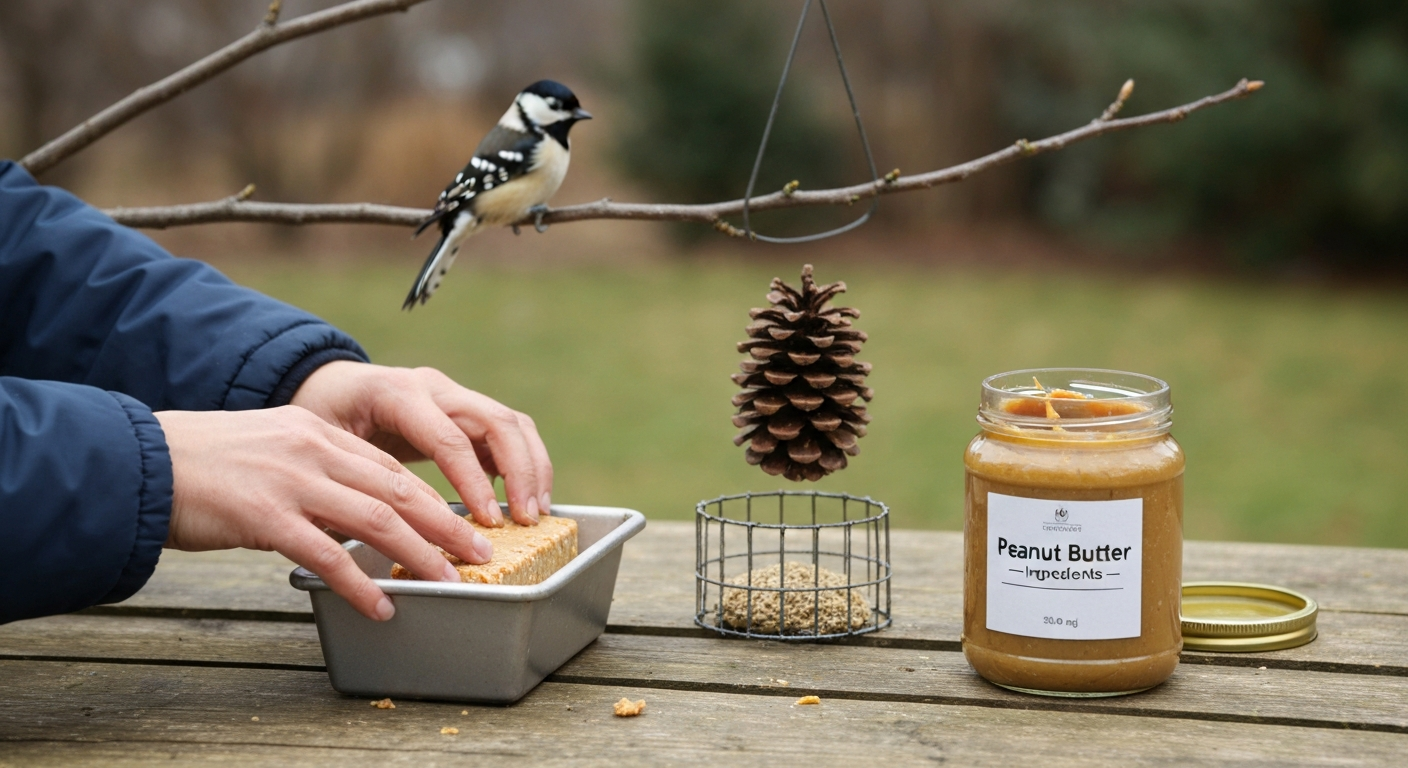
Why peanut butter works as bird food
Peanut butter is calorie-dense in a way that most seeds are not. It is mostly fat and protein, which makes it a reasonable substitute for suet, especially if suet is hard to find in your area or you want to make something at home. The Cornell Lab and Audubon both note that peanut butter mixes can serve essentially the same function as commercial suet cakes: high-energy fuel for birds managing cold nights, long migrations, and the general effort of survival. I hear from readers constantly who discover that the first time they smear a little peanut butter on a pine cone and hang it outside, woodpeckers show up within hours. That is not an accident. These birds are very good at finding fat-rich food quickly.
Which peanut butter is safe and what to avoid
This is where most beginner mistakes happen. Not all peanut butter is the same from a bird-safety standpoint. The grocery store shelf has dozens of options, and several of them contain ingredients that are genuinely harmful to birds.
What to look for
The safest choice is plain, natural peanut butter with nothing added: just peanuts, maybe a small amount of palm oil to prevent separation. That is it. USFWS and Audubon guidance both recommend unsalted, unflavored, additive-free peanut products. The short ingredient list on the back of the jar is your best guide.
Ingredients that are dangerous
- Salt: Birds are highly sensitive to excess dietary sodium. Veterinary toxicology sources, including the Merck Veterinary Manual, document salt toxicosis in poultry and birds at relatively low doses. Even a moderately salty peanut butter spread regularly over a feeder can add up to a harmful amount. Avoid anything labeled salted.
- Xylitol: This artificial sweetener appears in some reduced-sugar or 'natural' peanut butters. A published case report linked xylitol in a feeder solution to acute fatal toxicosis in wild Cape sugarbirds. Treat it as an absolute no. Check the ingredient label carefully and skip any product containing xylitol, erythritol, or other sugar alcohols.
- Added sugars and honey coatings: These promote bacterial growth and mold once the mix is outside, and they attract insects aggressively. Honey-roasted varieties are especially problematic.
- Artificial flavors, hydrogenated oils, and preservatives: These are not documented bird killers in the way xylitol is, but they add nothing useful and some compounds are suspected endocrine disruptors. There is no reason to include them when plain peanut butter is easy to find.
- Mold: Peanuts and peanut products can carry aflatoxins, which are mycotoxins produced by Aspergillus molds. Aflatoxin causes liver damage and death in birds. Commercial peanut butter is tested for aflatoxin during processing, which is one reason the jarred product is generally safer than raw or bulk peanuts sitting in a bin somewhere. Never put out peanut butter that smells off, looks discolored, or has been sitting in warm, humid conditions for days.
Aflatoxin risk goes up sharply with heat and humidity because Aspergillus molds thrive in warm, moist conditions, with optimal production reported around 25 to 35 degrees Celsius at high humidity. That is worth keeping in mind for warm-weather feeding, which I will cover in the seasonal section below.
Which birds benefit, and which ones you probably will not help
Peanut butter feeders attract a fairly predictable set of species. Watch for these visitors and you will quickly learn which ones are most interested.
- Woodpeckers: Downy, hairy, red-bellied, and pileated woodpeckers are all enthusiastic peanut butter visitors. They are adapted for clinging to vertical surfaces and probing for fat-rich food, so any log or suet cage setup suits them perfectly.
- Nuthatches: White-breasted and red-breasted nuthatches work peanut butter feeders headfirst, which is always entertaining to watch. They are regulars.
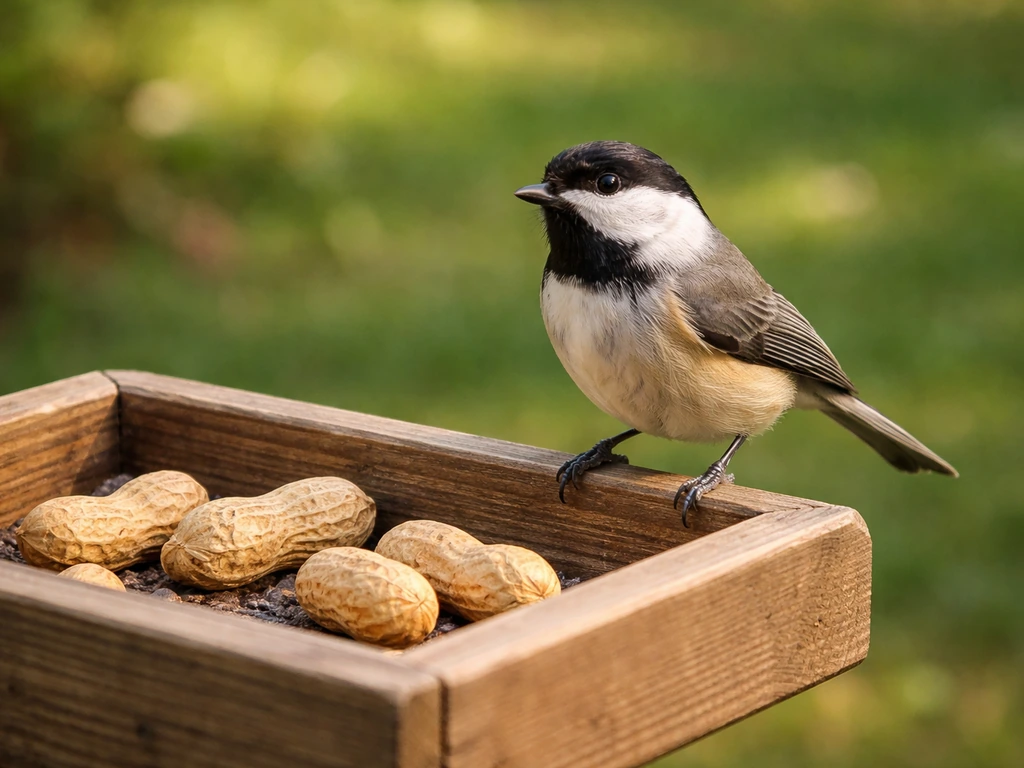
- Chickadees and titmice: Black-capped chickadees, Carolina chickadees, and tufted titmice visit constantly. They grab small portions and cache them, which means a feeder stays busy.
- Blue jays: Jays will absolutely find your peanut butter feeder. They tend to take large amounts at once and they can be aggressive with smaller birds.
- Carolina wrens and house wrens: Wrens are less common at peanut butter feeders than the others but they do visit, especially in winter.
- Mockingbirds and catbirds: These species will occasionally sample a peanut butter mix, particularly if fruit is mixed in.
- Sparrows and finches: Smaller songbirds will eat peanut butter mixes but are more likely to eat the added seeds or oats than the peanut butter itself.
Hummingbirds, swallows, swifts, and most shorebirds and waterfowl are not going to visit a peanut butter feeder, and you should not try to offer it to them. Their diets and feeding mechanics are completely different. More broadly, peanut butter feeders are really designed around bark-foraging and clinging birds that are comfortable on suet-cage style setups.
Feeder types and how to apply peanut butter
One of the things I like about peanut butter feeding is that you do not need to buy a specialty product. Most of the best setups cost almost nothing, and some of the most effective options are things you probably have in your yard already.
Suet cages
If you already have a wire suet cage, you can use it for a peanut butter-based suet cake. Mix peanut butter with dry ingredients (more on that below), press into a mold the size of a standard suet cake, refrigerate until firm, and drop it in. This works well and is the most feeder-friendly method because the cage contains the food and minimizes mess.
Mesh feeders
Mesh feeders designed for peanuts also work with firmer peanut butter mixes. For guidance on offering whole peanuts and safe feeder choices for them, see can you put peanuts in a bird feeder. The texture of a peanut butter-cornmeal or peanut butter-oat mix, once chilled, will hold its shape well enough to stay in the mesh without just smearing through.
Pine cones
This is the classic beginner method, and it genuinely works. Take a large, open pine cone, roll it in or pack it with a peanut butter mix, then roll it in birdseed or crushed oats. Hang it from a branch with twine. If you're wondering about using oats specifically, see our guide Can I put oats in my bird feeder for tips on preparation and safety. Woodpeckers and chickadees will find it quickly. The rough texture of the pine cone gives birds something to grip and makes the food accessible in a way that a smooth surface would not.
Drilled logs
A birch or apple log with 1-inch holes drilled into it, packed with peanut butter mix and hung vertically, mimics exactly the kind of surface woodpeckers explore for insects. This is probably the most naturalistic presentation and it holds a larger volume than a pine cone, so it lasts longer between refills.
DIY smear feeders
Some people simply smear peanut butter directly onto a tree branch or rough wooden board. This works in winter and birds will find it. The downsides are that it leaves residue that is hard to clean, it can attract rodents more than a contained feeder, and any leftover smear in warm weather is a bacterial and mold risk. I would stick to contained feeders when possible.
Simple peanut butter recipes and mixes
Mixing peanut butter with dry ingredients serves two purposes: it reduces the sticky, gummy texture that could theoretically cause problems for birds eating it, and it stretches the expensive ingredient. Here are a few mixes that work well.
Basic peanut butter suet cake
- 1 cup plain, unsalted peanut butter
- 1 cup plain cornmeal or rolled oats (plain, not instant or flavored)
- 1 cup mixed birdseed or hulled sunflower seeds
- Optional: 1/4 cup crushed unsalted peanuts for texture
Mix thoroughly until the dry ingredients are fully incorporated. The mixture should not be sticky or wet. Press into a suet-cake mold or a small loaf pan lined with parchment paper and refrigerate for at least two hours until firm. Cut to fit your suet cage. This keeps in the refrigerator for about two weeks and in the freezer for two to three months.
Peanut butter and mealworm mix
For a higher-protein mix that attracts insectivores like wrens and bluebirds, add a quarter cup of dried mealworms to the basic recipe above. The mealworms add protein and fat alongside the peanut butter. This combination also appeals to nuthatches and some warbler species during migration. Dried mealworms are shelf-stable and easy to keep on hand. If you want more details on using dried mealworms, see our guide on whether you can put dried mealworms in a bird feeder for tips on presentation, shelf-stability, and species that prefer them can you put dried mealworms in a bird feeder.
Peanut butter with coconut oil
A small amount of solid coconut oil, roughly two tablespoons per cup of peanut butter, can be worked into a mix to soften it slightly at cold temperatures and improve how it binds to pine cones. Use unrefined, plain coconut oil with no added flavors. This is a minor tweak rather than a nutritional necessity, and it is worth experimenting with in your climate. In warmer months, coconut oil addition makes the mix melt faster, so save it for cold-weather batches.
| Recipe | Main ingredients | Best feeder type | Season |
|---|---|---|---|
| Basic suet cake | Peanut butter, cornmeal, birdseed | Suet cage, drilled log | Fall, winter |
| Oat mix | Peanut butter, rolled oats, sunflower seeds | Pine cone, suet cage | Fall, winter |
| Mealworm mix | Peanut butter, oats, dried mealworms | Drilled log, mesh feeder | Winter, early spring |
| Coconut oil blend | Peanut butter, coconut oil, cornmeal | Pine cone, suet cage | Winter only |
Step-by-step: setting up a peanut butter feeder
- Choose your base: Pick plain, unsalted peanut butter with the shortest ingredient list you can find. Natural peanut butters where peanuts are the only ingredient are ideal.
- Mix in dry ingredients: Combine at least equal parts dry filler (oats, cornmeal, or birdseed) to peanut butter by volume. The finished mix should hold its shape when pressed together and not stick to your fingers.
- Add optional extras: Crushed unsalted peanuts, dried mealworms, or a small amount of plain coconut oil can go in at this stage.
- Shape and chill: Press the mix into molds, a suet cage insert, or pack it into the holes of a log. If molding a cake, refrigerate for two or more hours before deploying. Cold mixes are firmer and cleaner to handle.
- Prepare your feeder: Wipe out any old residue from a suet cage or log feeder. If it has been more than a week since the last cleaning, wash it with hot soapy water and rinse well before adding fresh food.
- Attach the feeder: Hang suet cages on branches or shepherd's hooks at least five feet off the ground and away from surfaces that squirrels can jump from. Pine cones hang well on thin twine from a branch tip.
- Monitor and replace: Check the feeder every two to three days in winter. If you see any soft spots, color change, or off smell, remove the food immediately. In warm or wet weather, check daily.
- Clean after each full cycle: Once the food is gone, scrub the feeder with hot water and a brush. A 1-part bleach to 9-part water solution is appropriate for disinfecting, per Cornell Lab guidance. Soak about ten minutes, rinse thoroughly, and dry completely before refilling.
Seasonal timing: when peanut butter shines and when to be careful
Winter is the best time
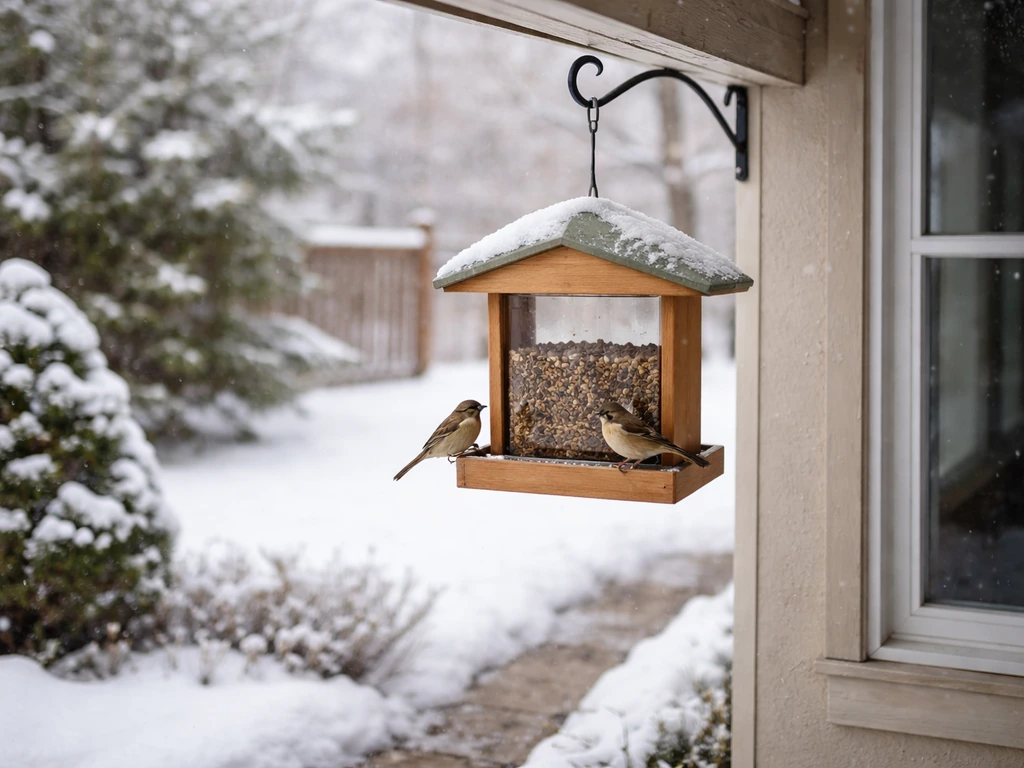
Cold weather is genuinely when peanut butter feeders earn their keep. Birds managing overnight temperatures below freezing need calorie-dense food, and fat-rich mixes provide that efficiently. Suet and peanut butter mixes also hold up physically in cold weather: they stay firm in the feeder, do not melt or run, and resist spoilage because low temperatures inhibit bacterial and mold growth. This is the season when I actively encourage using peanut butter mixes and keeping feeders consistently stocked.
Warm weather: proceed cautiously
Above roughly 20 to 25 degrees Celsius (about 68 to 77 degrees Fahrenheit), peanut butter mixes start to soften and spoil much faster. That is also the temperature range where Aspergillus molds ramp up aflatoxin production significantly. In hot, humid summer conditions, a peanut butter cake can go from fine to risky within a day or two. If you want to feed during summer, use very small amounts that birds will consume within 24 hours, check daily, and consider pausing entirely during heat waves. Many experienced feeders simply take peanut butter feeders down from May through September and switch to seeds and fresh or dried fruit for summer visitors.
Storage advice
Store unmixed peanut butter in a cool, dry place just as you would for human use. Once mixed into a suet cake, keep it refrigerated and use within two weeks, or freeze batches for up to three months. Never store mixed suet cakes at room temperature in summer. When in doubt about whether a batch is still good, throw it out. The cost of wasted peanut butter is trivial compared to the risk of feeding moldy food to birds.
Dealing with pests: squirrels, rodents, and bears
Peanut butter feeders attract squirrels reliably, and depending on where you live, they can also draw rodents and even bears. Squirrels will clean out a suet cage faster than most birds get a chance to visit. Mitigations that actually work include using baffles on feeder poles, mounting feeders on smooth metal poles that squirrels cannot grip, and positioning feeders at least ten feet horizontally from any surface a squirrel can jump from. Caged suet feeders with a narrower outer cage that excludes larger animals are also effective. For rodents, the critical thing is not leaving loose peanut butter smeared on surfaces where it accumulates on the ground beneath the feeder. A clean feeder setup with minimal spillage is much less attractive to mice and rats. In bear country, state wildlife agencies and BearWise programs recommend removing feeders entirely during seasons when bears are active, typically spring through fall. Peanut butter and suet are especially high-calorie attractants that bears will travel for. Check local guidance on this because some jurisdictions have ordinances requiring feeder removal during bear activity periods.
Cleaning and maintenance
Peanut butter residue is oily and sticky, which means it clings to feeder surfaces and can harbor bacteria if not cleaned regularly. High-traffic feeders should be cleaned at least weekly, and more often during wet or warm conditions. For disinfection, the Cornell Lab recommends a dilute bleach solution of one part household bleach to nine parts water, soaking for about ten minutes, then rinsing very thoroughly and drying completely before refilling. For feeders with peanut butter residue specifically, a preliminary hot soapy water wash before the bleach soak helps cut through the fat.
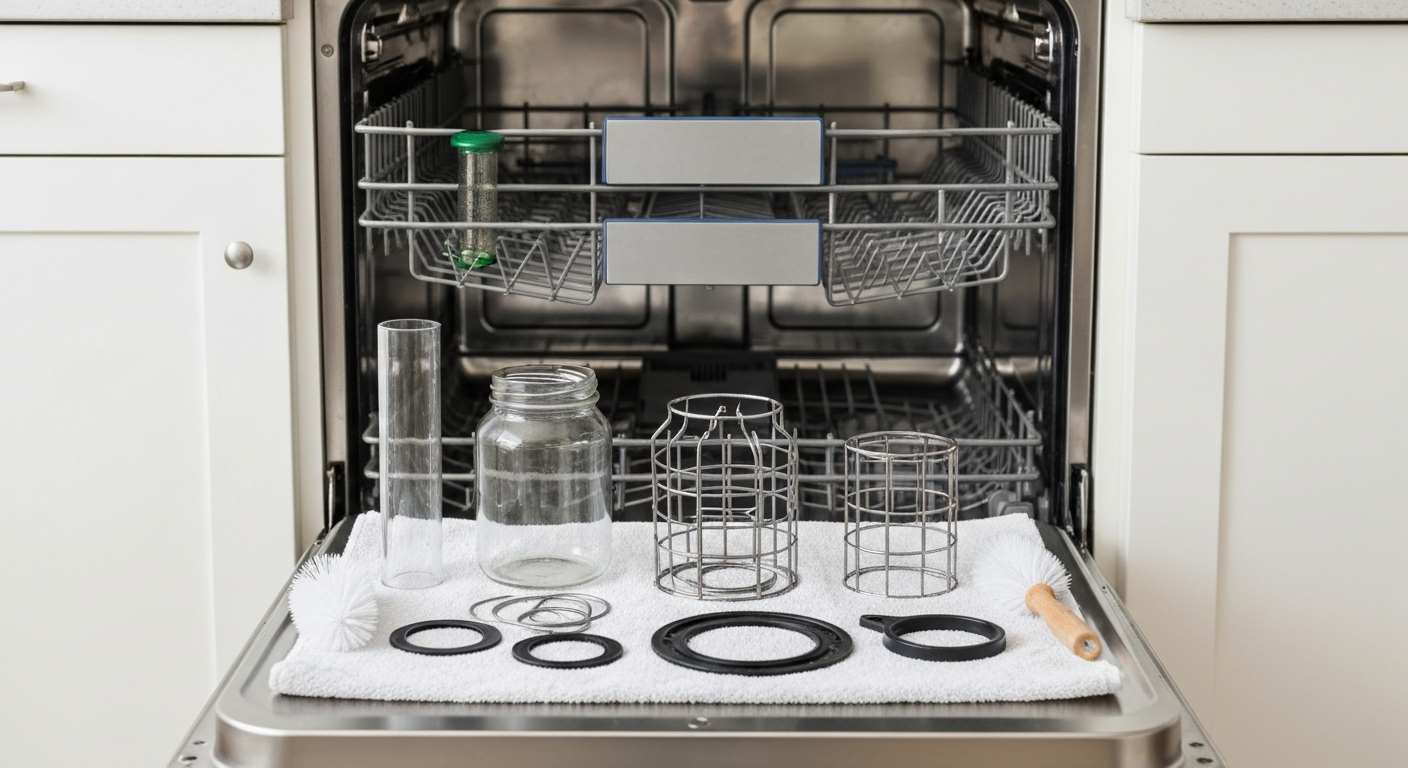
On the question of dishwasher cleaning: whether your feeder can go in the dishwasher depends entirely on the manufacturer. Some brands like Perky-Pet and Droll Yankees explicitly warn against dishwasher use in their care instructions, while others handle it fine. A hot dishwasher cycle can work as a sanitizing step, but check your feeder's manual first. Suet cages and metal log feeders generally tolerate dishwasher cleaning better than plastic tube or tray feeders, which can warp or crack. For model-specific guidance, see our can you put bird feeders in the dishwasher guide.
One more thing worth mentioning: allergies and neighborhood considerations
Peanut butter feeders are generally fine in most backyard settings, but if you live in a densely populated area or near a school, it is worth knowing that peanut residue can be spread by birds and wind. This is a low-probability concern for most people, but worth being aware of. If you know neighbors or family members have severe peanut allergies, placing feeders well away from shared spaces or switching to a peanut-free mix (sunflower butter with the same dry ingredients works reasonably well as a substitute) is a reasonable accommodation.
FAQ
Is peanut butter safe to use in bird feeders?
Yes — plain, roasted peanut butter with no salt, sugar, flavorings, or artificial sweeteners is commonly used and can be a safe, high‑energy food for many wild birds when offered correctly. Avoid any peanut butter that lists xylitol or other sugar substitutes, and discard any jars that show visible mold or an off smell. Use caution in warm, wet conditions because peanut products can support bacterial or fungal growth if they become wet or rancid.
Which types of peanut butter and peanut products should I avoid?
Avoid salted, honey‑roasted, chocolate‑flavored, or sweetened peanut butters and any product containing sugar substitutes (xylitol, erythritol). Also avoid jars with signs of contamination (mold, off odors). Whole raw or improperly stored peanuts can carry aflatoxin risk, so prefer commercially roasted, well‑stored peanuts or commercial peanut butter from reputable manufacturers.
Which bird species benefit most from peanut butter?
Woodpeckers, nuthatches, chickadees, titmice, wrens, grosbeaks, jays, some finches, and many insectivores and omnivores readily eat peanut butter or suet‑style mixes. These species use the high fat and protein for energy, particularly in cold weather or during breeding when extra calories are helpful.
When is it most appropriate to offer peanut butter to birds?
Peanut butter or peanut‑based suet mixes are most beneficial in cold months and during energetically demanding periods (late winter, early spring, and breeding season). In hot, humid weather avoid leaving fatty mixes exposed for long because they can melt, go rancid, or promote microbial growth.
What feeder types and application methods work best for peanut butter?
Effective options: - Suet cages: press peanut butter or suet mix into the cage. - Mesh or wire feeders: spread into the mesh or use suet logs. - Pine cones or logs: cover with peanut mix and hang. - Peanut butter cakes: press into small molds and place in tray feeders. Avoid smearing directly on open platform feeders where it can accumulate and get contaminated; use porous supports so residues don’t pool and trap moisture.
How can I make peanut butter safer and easier for birds to eat? (simple recipes)
Mix plain peanut butter with dry ingredients to reduce stickiness and improve texture: - Basic suet mix: 2 parts plain peanut butter + 1 part cornmeal + 1 part quick oats. - High‑protein mix: 2 parts peanut butter + 1 part chopped roasted unsalted peanuts + 1 part dried mealworms or flaxseed. - Coconut oil variation (cool climates): 1 part melted coconut oil + 2 parts peanut butter + 2 parts oats (chill to set). Press into molds or cages and refrigerate to firm before hanging. Don’t add salt, sugar, or sweeteners.