Yes, you can absolutely put peanuts in a bird feeder, and they're one of the best high-energy foods you can offer. The key rules are simple: use unsalted, unflavored peanuts (raw or dry-roasted both work), never offer anything moldy or rancid, and match the peanut form to the feeder style and birds you're targeting. If you want to know whether peanut butter works for bird feeders, stick to plain, unsalted peanut butter and offer it in a feeder designed for that purpose unsalted, unflavored peanuts. Get those basics right and peanuts will draw in woodpeckers, jays, nuthatches, titmice, and chickadees reliably.
Can You Put Peanuts in a Bird Feeder Safely?

Eleanor Hartwick
29 Jun 2026
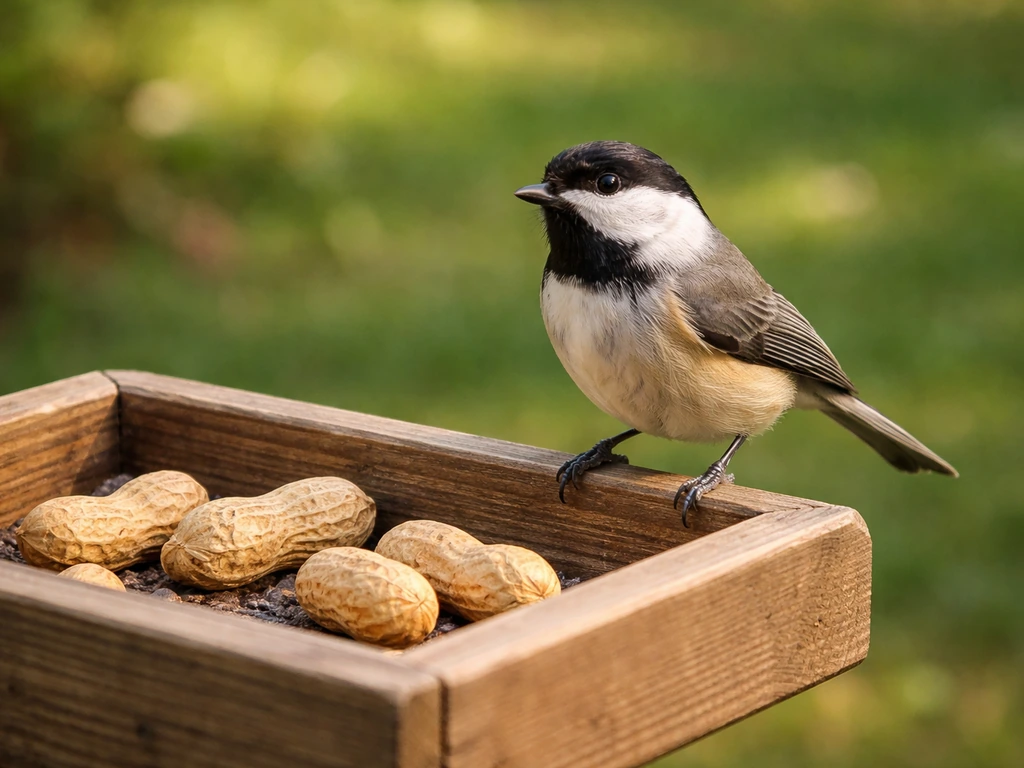
What kind of peanuts are actually safe for birds
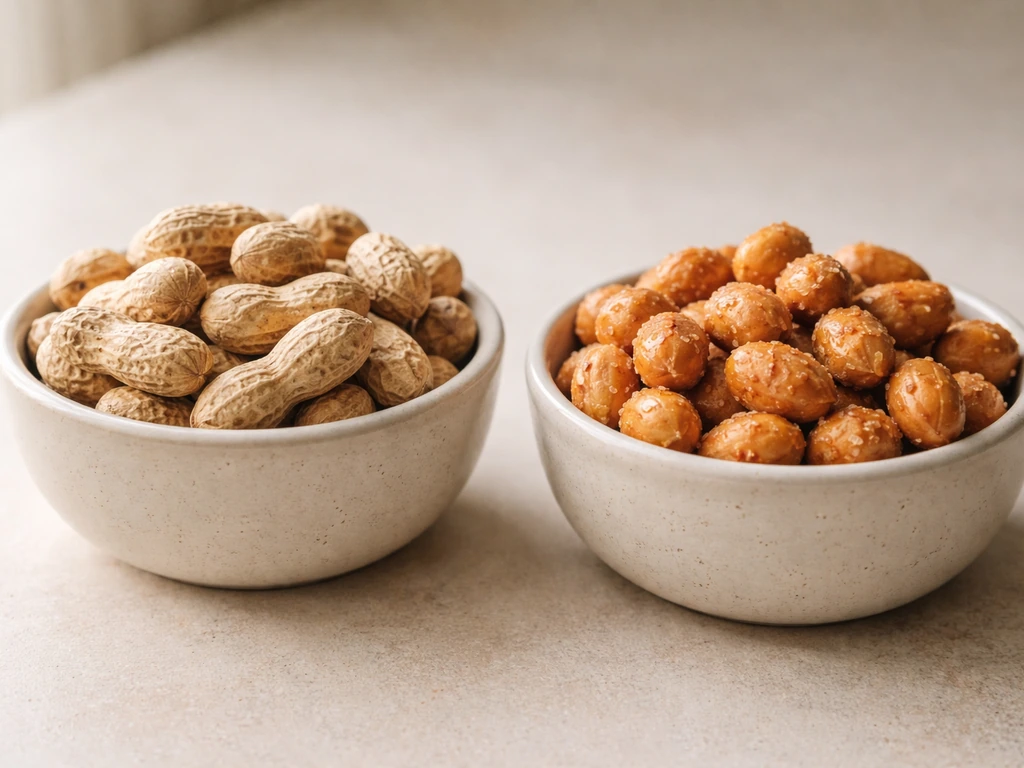
The two things that can make peanuts harmful to birds are salt and mold. Salted peanuts, honey-roasted peanuts, or anything with coatings or flavorings are off the table entirely. Birds can't process excess sodium the way we can, and the added sugars and oils in flavored varieties are simply unnecessary and potentially damaging. Stick with plain unsalted peanuts, either raw or dry-roasted. Both are fine. The roasting process doesn't make them harmful, so if you have dry-roasted unsalted peanuts in the pantry, those work.
The bigger safety concern most people overlook is aflatoxin. This is a toxin produced by Aspergillus flavus, a mold that can grow on peanuts, especially when they've been stored in warm or humid conditions or when individual nuts are shriveled, discolored, or insect-damaged. Aflatoxin contamination is serious, it can poison birds and other animals that eat affected nuts. Your job is simple: before filling your feeder, look at the peanuts. If you see any that are shriveled, discolored, cracked in a suspicious way, or have any visible mold, toss the whole batch. Don't risk it.
In-shell, shelled, whole, or crushed: which form works best
The form you choose matters more for the birds you want to attract and the feeder you're using than for safety. Here's how to think about it:
| Form | Best for | Feeder type | Watch out for |
|---|---|---|---|
| Whole in-shell peanuts | Jays, large woodpeckers | Platform tray or dedicated mesh peanut feeder | Tougher for small birds; can sit longer and get wet |
| Shelled whole peanuts | Jays, nuthatches, titmice | Mesh tube feeder or hopper with larger openings | Can spoil faster once shell is removed |
| Peanut hearts / crushed pieces | Chickadees, titmice, small woodpeckers, nuthatches | Small hopper, tube feeder, or platform | Go rancid or moldy faster; need more frequent checks |
| Peanut butter (plain, no xylitol) | Most small songbirds | Log feeder or smeared on bark | Different setup; see related content on peanut butter feeders |
Peanut hearts, the small shelled peanut pieces you'll often see sold as 'peanut chips' at wild bird stores, are excellent for smaller birds that can't crack shells or manage whole nuts. They're best offered in a small hopper or on a platform feeder. The tradeoff is they're more exposed to moisture and go bad faster, so smaller portions refilled more often is the right approach.
Which birds will come to peanut feeders, and when
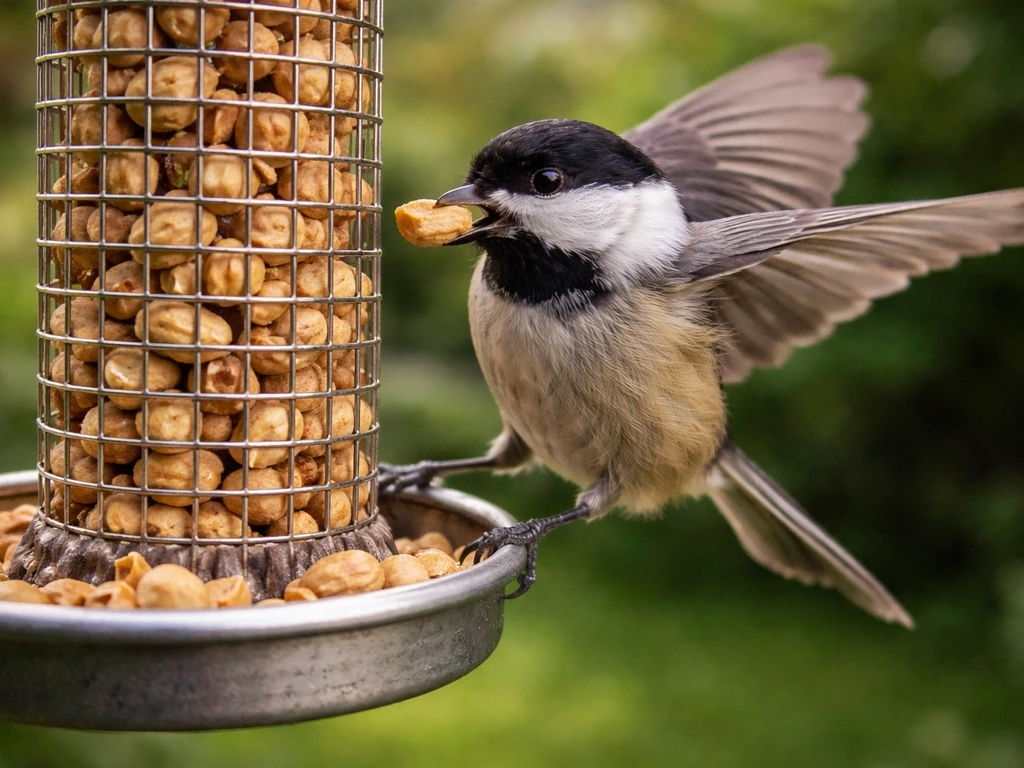
Peanuts have a broad audience. Blue jays will hammer whole in-shell nuts. Nuthatches, tufted titmice, and chickadees gravitate toward shelled pieces and peanut hearts. Woodpeckers, including downy, hairy, and red-bellied, will visit mesh peanut feeders and work at whole or shelled peanuts. If you're in the right range, Carolina wrens, house sparrows, and even some thrushes will take pieces from platform feeders.
Watch for the 'grab and fly' behavior with titmice and nuthatches, they'll snatch a peanut piece and carry it off to eat it or cache it elsewhere. This is completely normal and means more birds are using your feeder than you might think just by watching it. It also affects how quickly peanuts disappear, so don't be surprised if a platform empties faster than expected.
Seasonally, peanuts shine hardest in fall and winter when high-fat, high-protein food is most valuable to birds building up energy reserves. That said, peanuts are genuinely useful year-round. In spring and early summer, resident birds like nuthatches and titmice will still visit, and some will carry pieces back to nestlings. Migratory stopovers in fall are often when you'll see the biggest variety at a peanut feeder.
Food safety risks you actually need to manage
Mold and aflatoxin
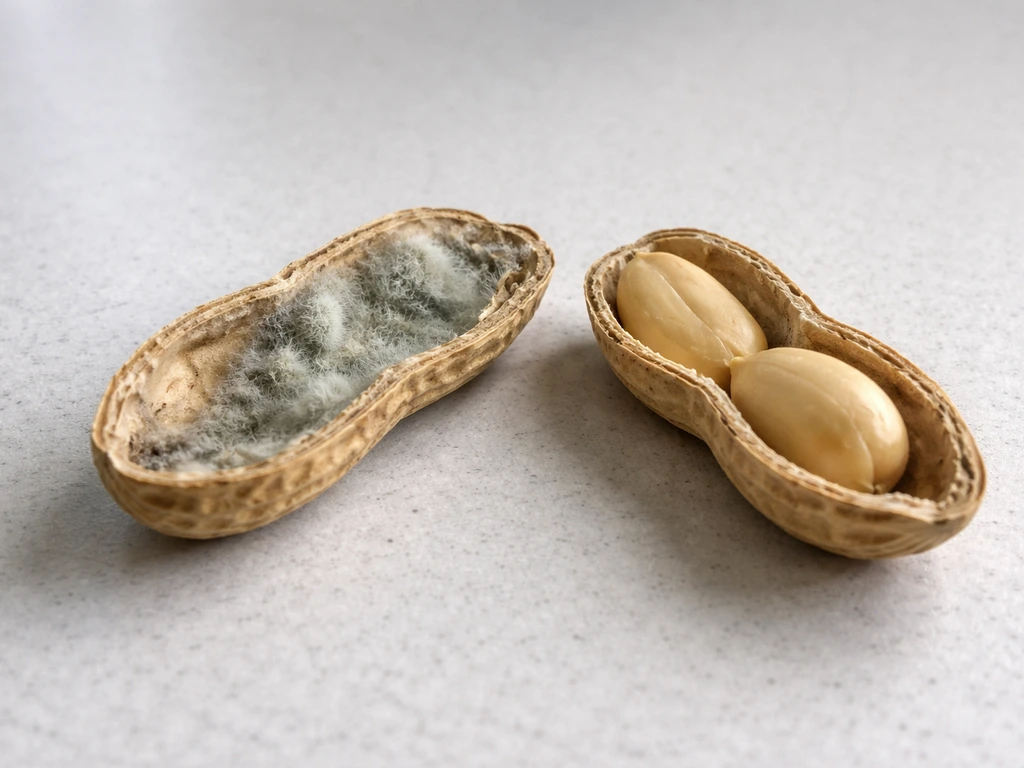
Aflatoxin is the risk most casual bird feeders don't know about. Mold on peanuts can develop in the shell or on the nut surface under humid conditions, and the toxin itself isn't always visually obvious. Your best defense is to buy peanuts from reputable wild bird supply stores (they typically source food-grade or feed-grade peanuts with quality controls), store them in a cool, dry, airtight container, and inspect every batch before it goes in the feeder. Any nut that looks off goes in the trash, not the feeder. If peanut hearts or shelled pieces get wet in the feeder, empty and discard them immediately. Don't try to 'dry them out and reuse them.'
Salt, sugar, and coatings
This one is easy to manage: read the label. If it says anything other than 'peanuts' in the ingredient list, don't use it. Honey-roasted, lightly salted, smoked, and seasoned varieties are all out. Even low-sodium options aren't appropriate since birds don't need any added salt.
Squirrels, rodents, and other wildlife
Peanuts will attract squirrels. That's just the reality. Squirrels can smell them easily and will be at your feeder quickly if there's no barrier. Rodents are also drawn to spilled peanuts on the ground, and that ground accumulation can attract raccoons and other animals you'd rather not encourage. The good news is these are manageable problems, not reasons to avoid peanuts entirely. More on the setup side of this below.
Setting up your peanut feeder to reduce mess and unwanted visitors
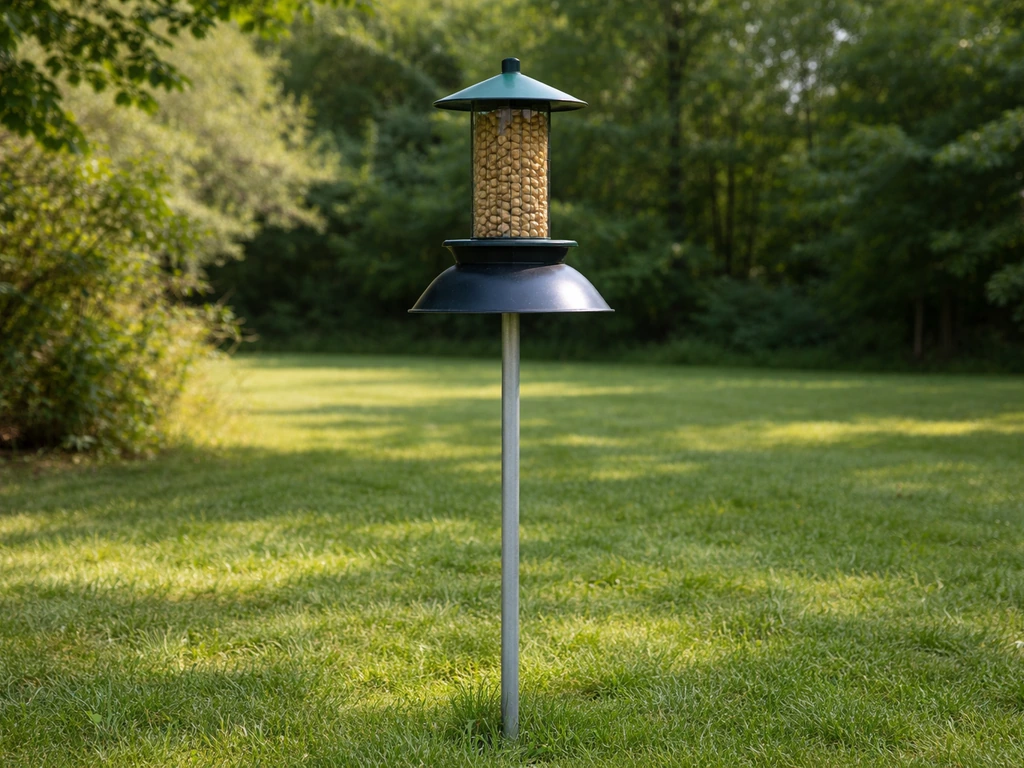
Placement makes a significant difference with peanut feeders. Mount the feeder on a smooth metal pole about 6 feet high and at least 10 feet away from the nearest tree, fence, or structure a squirrel could leap from. A squirrel baffle mounted on the pole below the feeder is the most effective deterrent short of a fully enclosed cage-style feeder. Baffles work by creating a physical barrier that squirrels can't climb past or jump over, and a properly sized tilting or dome baffle handles the majority of squirrel attempts.
For placement relative to natural cover, you want the feeder close enough to shrubs or trees that birds have a quick escape route if a hawk appears, but not so close that a predator can use the cover to ambush from. About 5 to 10 feet from protective shrubs is the common recommendation. Birds will use nearby branches as staging perches before moving to the feeder, which is normal and useful behavior.
Choose your feeder style deliberately. A dedicated wire mesh peanut feeder with openings sized for whole peanuts works well for in-shell nuts and larger birds. For peanut hearts, a small hopper or tube feeder with a catch tray underneath is ideal, the tray catches dropped pieces so they don't pile up on the ground. Some birds will drop pieces while feeding, and having a tray means less waste on the ground and fewer rodent attractants below the feeder.
If squirrels are a persistent problem despite baffling, consider a separate squirrel distraction feeder loaded with cheaper corn or sunflower seeds at a distance from your main peanut feeder. It won't eliminate squirrel visits entirely, but it can reduce the pressure on your bird feeder significantly.
Feeder cleaning and maintenance after peanuts
Peanuts, especially shelled pieces and peanut hearts, break down faster than seeds and can leave oily residue that accelerates mold growth in the feeder. You can use coconut oil in small amounts to deter pests, but it is not a bird-safe choice for filling or coating a feeder. Check your peanut feeder every two to three days in warm or wet weather, and at least once a week in cold dry weather. Perky-Pet notes that whole, in-shell peanuts can still spoil or become moldy or rancid within a few days, so you should check and refresh them regularly how quickly peanuts spoil in warm or wet weather. If any peanuts look discolored, feel soft, or smell off, empty the entire feeder into the trash and clean before refilling.
For cleaning, rinse the feeder and scrub with a dilute bleach solution: one part bleach to nine parts water. If you want a simpler cleaning routine, you can also use dishwasher-safe feeders when the manufacturer says they are safe. This is the standard disinfection method recommended for bird feeders. Rinse thoroughly afterward, because residual bleach can be harmful. Let the feeder dry completely before refilling. A damp feeder will speed up the mold process. If the feeder went through a particularly wet period or you spotted a sick bird at it, that's a signal to clean immediately and inspect carefully before putting it back up.
Don't forget the ground beneath the feeder. Old peanut pieces, shells, and bird droppings accumulate underneath and can spread disease as well as attract rodents and raccoons. Rake and remove this debris at least once a week, more often in summer. Keeping the area below clean is just as important as cleaning the feeder itself.
- Check feeder every 2 to 3 days in warm or wet weather; weekly minimum in cold dry weather
- Discard any peanuts that are discolored, shriveled, soft, or show any sign of mold immediately
- Clean feeder with 1 part bleach to 9 parts water, scrub thoroughly, rinse completely, and air dry
- Rake and remove debris, droppings, and old shells from under the feeder weekly
- If a sick bird appears at the feeder, take it down immediately, clean it before putting it back up
- Store backup peanuts in a sealed container in a cool, dry location away from direct sunlight
What to use if peanuts aren't working for your situation
Sometimes peanuts genuinely aren't the right fit. If you're in an area with heavy bear activity, peanuts are a strong attractant and you may need to avoid them seasonally or entirely. If rodent pressure around your feeders is already a problem, peanuts will make it worse. And if you simply can't maintain a feeder frequently enough to catch mold before it develops, peanuts are higher maintenance than seeds.
In those cases, black oil sunflower seeds are the closest high-value alternative for most of the same bird species. They're less aromatic than peanuts (less squirrel magnet, slightly), easier to store, and still provide good fat and energy. Safflower seeds are worth trying if squirrels are a major issue, since squirrels tend to dislike them while birds like chickadees, titmice, and cardinals readily eat them. Dried mealworms are another option for birds like nuthatches, wrens, and bluebirds that come to peanut feeders, and they're a very different food profile that fills a similar 'high-protein treat' niche. If you want to use dried mealworms, keep them in a covered container and empty the feeder if any parts get damp to prevent spoilage.
If you want to keep the peanut flavor without using whole peanuts, plain peanut butter without xylitol or added salt can be smeared on a log or offered in a specialized feeder and many of the same birds will find it. Oats are another easy, low-risk addition for ground-feeding birds and platform feeders, especially in winter. Each of these alternatives has its own tradeoffs in terms of which birds it draws and how quickly it spoils, so matching the food to your specific situation and maintenance schedule is the real key.
FAQ
Can you put roasted or salted peanuts in a bird feeder? (Like dry-roasted, honey-roasted, or salted in-shell peanuts)?
Yes, but only if they are plain and unsalted. If you buy “roasted peanuts” or “dry-roasted peanuts,” check that the label does not list added salt, flavorings, coatings, or oils. Also inspect the nuts the same way you would raw peanuts, since aflatoxin risk relates to peanut quality and storage, not roasting.
Can I use seasoned or flavored peanuts, or peanuts with oils and seasonings on them?
It’s safer to avoid them. Flavored varieties and anything with added sugars, spices, or oil coatings can be hard for birds to handle and can spoil faster, especially in warm weather. If you want convenience, use plain unsalted peanuts or plain unsalted peanut butter in a peanut-butter specific feeder or smear on a log.
Are peanut hearts or shelled peanuts safer and easier than in-shell peanuts?
You can use peanut hearts or shelled pieces, but shorten the interval between refills. Because the surface area is higher and pieces get damp more easily, you should empty and discard any that become wet, and check the feeder more frequently during humid or rainy stretches.
What should I do if my peanuts smell off or look oily?
Rancid peanuts are a real problem and should not be offered. If the nuts smell “paint-like,” bitter, or strongly off, throw them away and clean the feeder, since oily residue can carry that problem forward and also speed up mold growth.
If I spot a few moldy peanuts, can I just remove those pieces and keep using the rest?
If only a few pieces look bad, don’t assume it’s isolated. Because mold and toxin risk can be uneven, the safest approach is to discard the batch in the feeder and inspect the rest of the bag or container before refilling (or discard the batch entirely if there’s any visible mold).
Can I dry out peanut hearts or shelled peanuts that got wet in the feeder and reuse them?
No, don’t try to “salvage” wet peanuts by drying them. Once they’ve absorbed moisture in the feeder, they can spoil and grow mold, and the toxin risk can remain even if they later dry.
Can I use peanut butter in general, or only a specific type?
If you want the peanut flavor but not mess, use a peanut-butter option that’s plain and unsalted with no xylitol, and offer it in a dedicated format like a feeder designed for smear or peanut butter. Do not use creamy peanut butter with added sugar or “natural” blends that contain extra ingredients you cannot verify as bird-safe.
Can I mix peanuts with other bird foods in the same feeder?
Mixing is okay only if every component is bird-safe and unsalted. If you combine peanuts with seed mixes, make sure the blend doesn’t include salt, honey, or seasoned ingredients, and remember that dropped seed also increases clutter and cleanup demands under the feeder.
How do I choose the right peanut feeder style for the birds I want (woodpeckers vs nuthatches vs chickadees)?
Yes, and the best setup depends on your goals. For woodpeckers, a mesh peanut feeder or a design that allows access to whole nuts is usually more effective. For nuthatches and titmice, peanut hearts or shelled peanuts in a hopper or tube with a tray can reduce mess and increase how quickly they find food.
What’s the best way to stop squirrels if they keep getting the peanuts?
If you see aggressive squirrel behavior, the key is barrier design and placement. Use a properly sized baffle on the mounting pole below the feeder, keep the feeder away from jumping access (trees, fences, roofs), and consider a separate squirrel distraction feeder farther away loaded with cheaper foods.
How can I reduce raccoons and other unwanted animals that show up under the feeder?
If you’re worried about attracting raccoons or other animals, focus on minimizing spillage. A tray-catching feeder under peanut hearts, frequent removal of shells and dropped pieces, and keeping the area below clean reduce the scent trail and food availability.
Does the advice change in hot or rainy weather?
You can feed peanuts year-round, but in spring and summer the margin for error gets smaller because spoilage happens faster. Increase your inspection frequency, keep portions smaller, and clean promptly after wet weather to prevent mold from developing before you notice.
What should I do if birds look sick or seem lethargic at the peanut feeder?
If you notice repeated bird illness at a feeder, treat it as an urgent hygiene issue. Discard any suspect food, clean and disinfect the feeder, remove debris under it, and pause refilling until you can verify the food is fresh and the feeder is dry and properly maintained.
Can I put peanuts out if I live in a bear area?
Peanuts can be a strong attractant in areas with bears, but the decision is still about your local risk level and how well you contain spillage. If bear activity is common, avoid using peanuts (and also minimize other high-attractant foods), consider alternative foods like sunflower seeds where appropriate, and ensure all feeders and fallen debris are managed carefully.