If you're seeing bugs in your bird feeder right now, the fastest fix is to take the feeder down, dump the seed, and clean it before putting it back up. That one step stops most infestations in their tracks. What you do next depends on which bug you're dealing with, so let's work through that quickly and get your feeder back in business safely.
Bugs in Bird Feeder: Fast Fixes and Safe Prevention

Eleanor Hartwick
30 Jun 2026
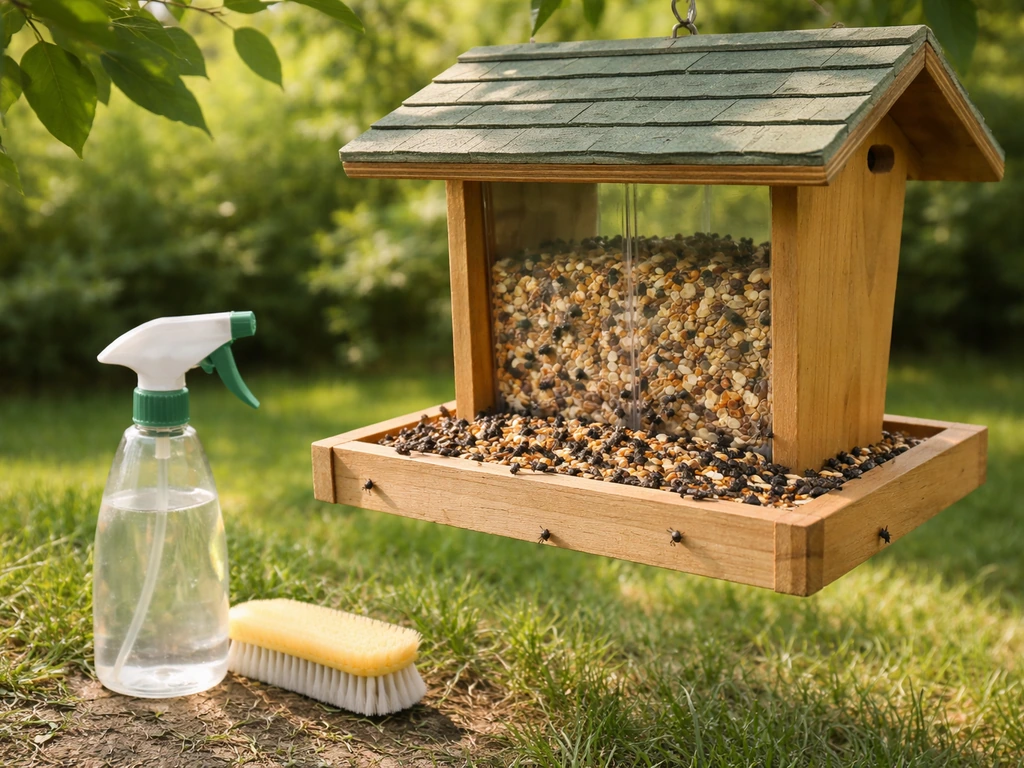
Spot what you're seeing: identify the feeder bug and where it's coming from
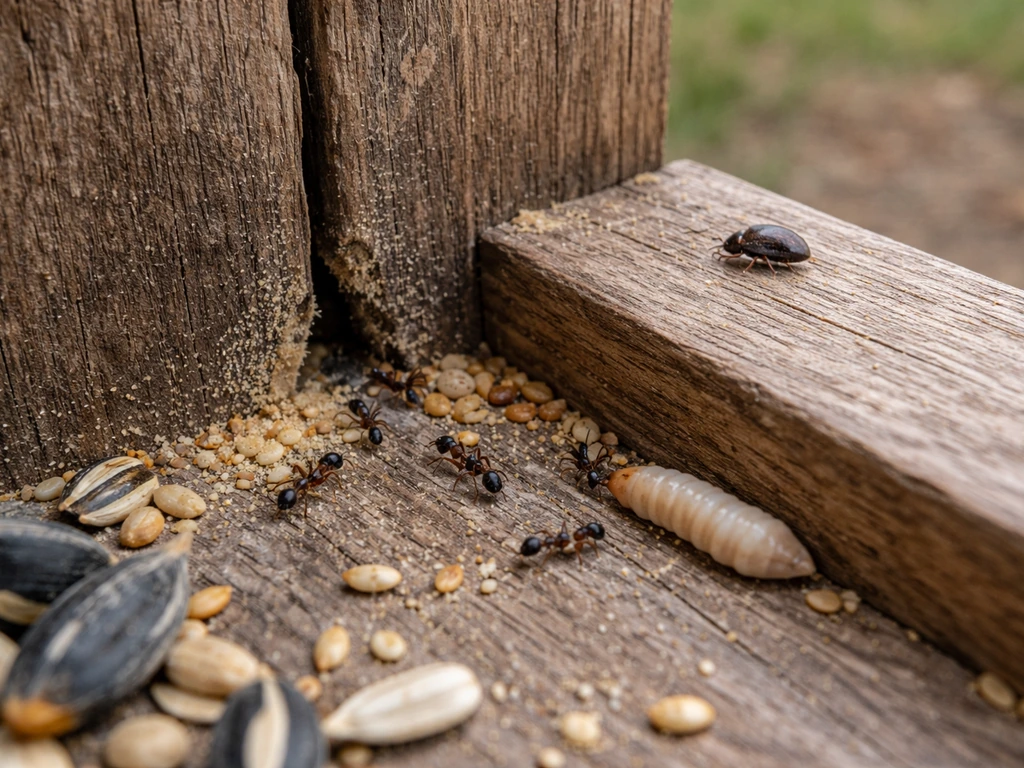
Different bugs leave different clues, and knowing what you're dealing with saves you from wasting time on the wrong fix. Here's a quick breakdown of the most common culprits and their telltale signs.
| Bug | What to look for | Where they typically hide | Source |
|---|---|---|---|
| Ants | Trails of small ants climbing the feeder pole or chain; clusters inside ports or on seed | Along feeder hangers, inside ports, on spilled seed below | Following scent trails from nearby nests; attracted by seed oils and sweetness |
| Indian meal moths (pantry moths) | Tiny white worm-like larvae; silky webbing matting the seed together; frass (fine dusty droppings) | Deep inside stored seed bags and inside feeder tube or hopper | Eggs laid in stored seed before you bought it; adults lay 60–300 eggs per batch |
| Seed/bruchid beetles (weevils) | Tiny dark beetles; small circular exit holes in individual seeds; powdery residue | Inside seed kernels; adult beetles emerge through exit holes | Larvae burrow into seeds during storage; warm conditions accelerate emergence |
| Flies | Hovering near or inside the feeder; maggot-like larvae in wet seed clumps | Wet, decaying seed at feeder floor or tray | Moisture-soaked seed that's started to rot; especially common in open tray feeders |
| Wasps and bees | Adults circling the feeder; occasional nest-building near the feeder structure | Around sweet fruit or nectar-style feeders; sometimes seed feeders in late summer | Drawn by sugary food sources; more common July through September |
| Beetles (grain/flour) | Small reddish-brown or black beetles crawling through seed | Inside stored seed bags; feeder hopper or tube base | Cross-contaminated bulk seed storage; warm, humid conditions |
Pay attention to where in the feeder the bugs are concentrated. Webbing and larvae deep inside the seed almost always point to an infestation that started in your seed storage, not at the feeder itself. Ants, on the other hand, are almost always coming from outside and following a trail to the feeder. That distinction matters because it changes where you focus your prevention effort.
Immediate fixes today: remove seed, clean safely, and stop the spread
Don't just shake the feeder and move on. A full reset is the only reliable way to stop a bug problem from cycling back within days. Work through these steps in order.
- Take the feeder down and bring it somewhere easy to clean, away from the area where birds feed.
- Empty all seed into a bag and seal it. Don't dump it on the ground near the feeder, since that just moves the problem. Throw infested seed in the trash or outdoor bin.
- Disassemble the feeder as far as it goes. Remove trays, ports, perches, and any removable caps.
- Knock out any caked seed, webbing, larvae, or dead insects with a stiff bottle brush or old toothbrush. Do this before you add water, since wet debris is harder to remove.
- Wash all parts with hot water and dish soap, scrubbing thoroughly.
- Disinfect using a dilute bleach solution: 1 part bleach to 9 parts water. Soak parts for 10 to 15 minutes, or scrub surfaces that can't be submerged.
- Rinse every part completely with clean water. Any bleach residue left behind can harm birds.
- Let the feeder air dry fully before refilling. This is non-negotiable. A damp feeder just restarts the moisture cycle that attracted bugs in the first place.
- While the feeder dries, check your seed storage (see the section below) and clear spilled seed from the ground under the feeder.
If you found larvae, webbing, or exit holes in the seed itself, that seed batch is compromised. Check any other bags stored nearby, since Indian meal moths and grain beetles spread fast through storage areas. You may need to treat your storage space, not just the feeder.
Why bugs are attracted: moisture, spilled seed, feeder placement, and seed storage
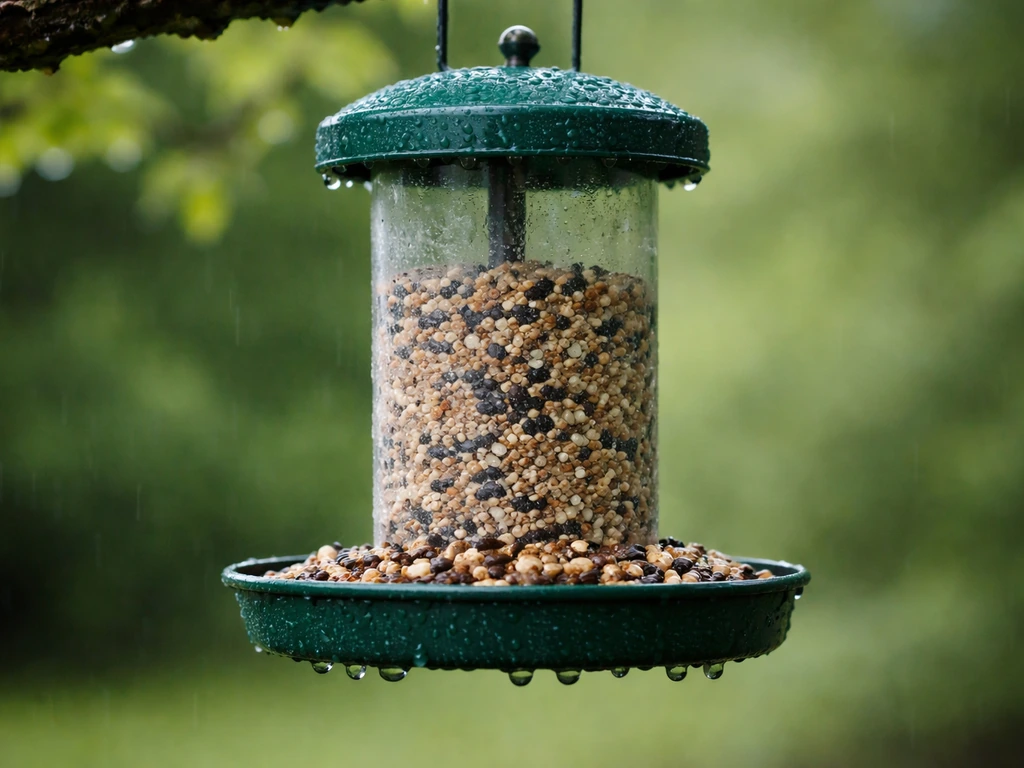
Bugs don't show up randomly. Every infestation has a reason, and most of the time it comes down to one or more of these four factors.
Moisture is the main driver
Wet seed is a magnet for insects. Rain gets into feeders through open ports or trays, humidity causes seed to clump and ferment, and condensation builds up inside tube feeders in warm weather. Once seed is damp, flies can lay eggs in it, mold develops rapidly, and the whole thing becomes an ideal environment for insect activity. This is why air-drying after cleaning and choosing feeders with good drainage are so important.
Spilled seed underneath the feeder
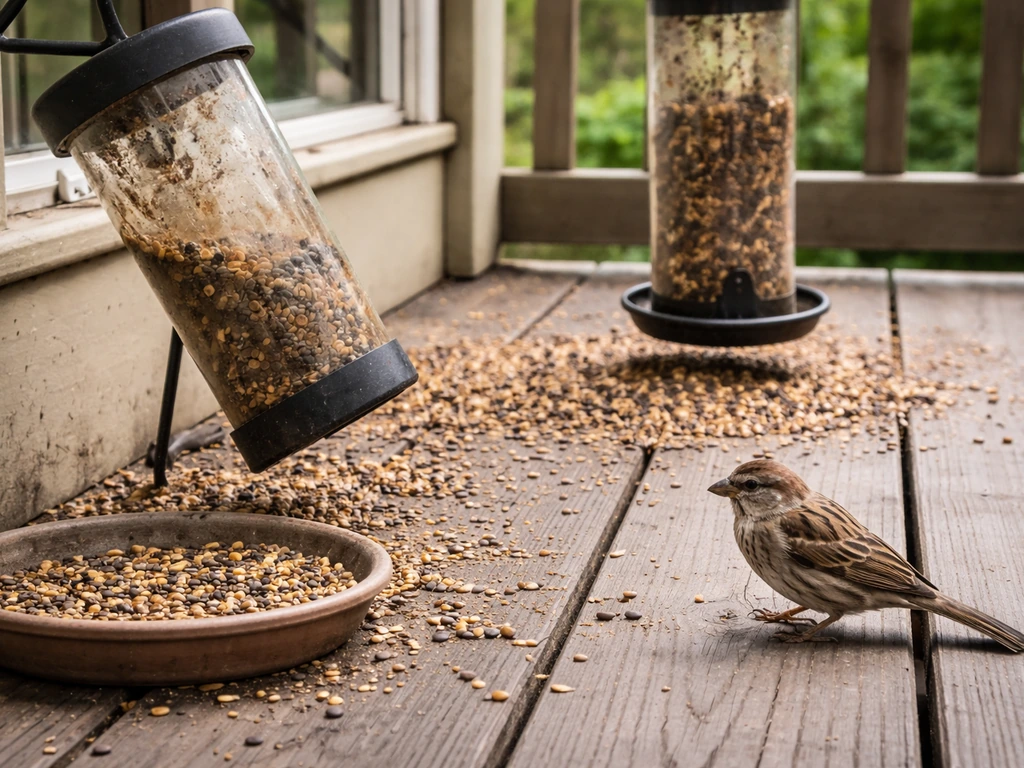
The ground under your feeder is probably contributing more to your bug problem than the feeder itself. Spilled seed accumulates, gets damp, and draws ants, beetles, flies, and other insects. Those insects then find their way up to the feeder. Raking and clearing the area under the feeder regularly is one of the highest-impact prevention habits you can build.
Where you've placed the feeder
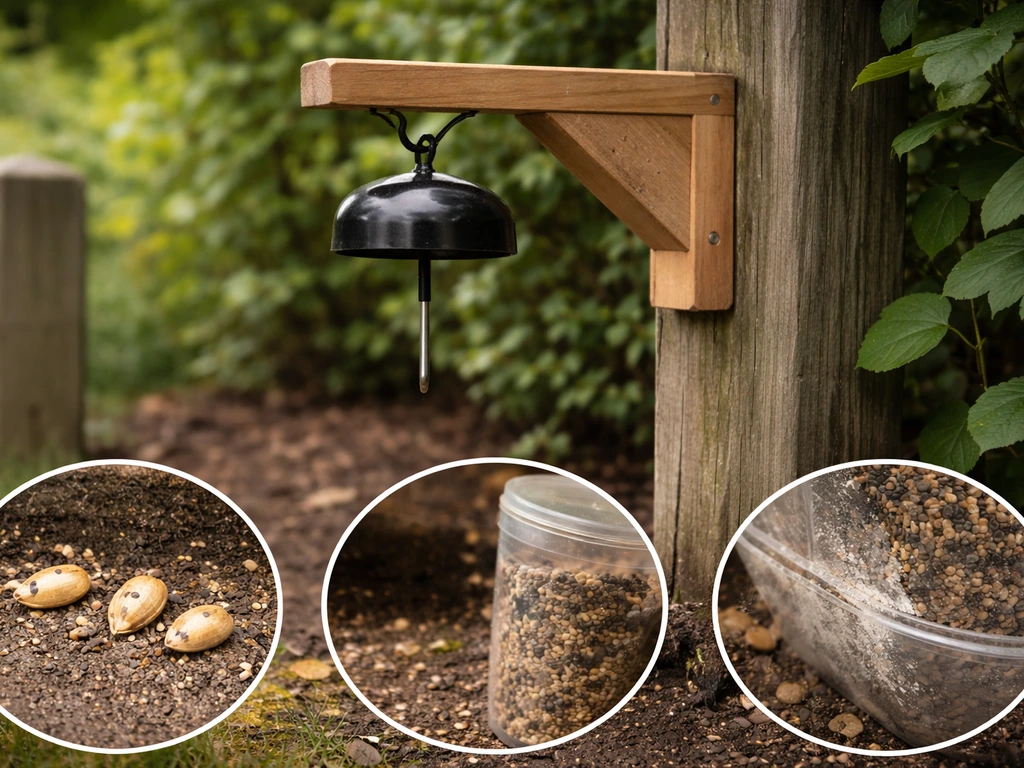
Feeders hung close to trees, fences, or shrubs are much easier for ants to reach, since those structures act as highways. Shaded, cool spots trap moisture and slow drying. Placing feeders near flowering plants or fruit trees can pull wasps and bees closer than they'd otherwise come. Feeder placement is genuinely one of the most overlooked factors in preventing bug problems.
How you're storing your seed
Indian meal moths and grain beetles are extremely common in bulk seed bags. The eggs are often present before you even bring the seed home, and warm, humid storage conditions let them hatch and spread. Leaving seed in open bags, cardboard boxes, or plastic bags in a garage or shed is asking for trouble. Metal or thick-walled plastic containers with tight-fitting lids are the right call, and buying smaller quantities more frequently reduces the risk of infestation developing in long-stored bags.
Cleaning and disinfection methods that are bird-safe
The standard guidance from wildlife and extension organizations consistently lands on the same cleaning protocol, and it works well. The bleach solution you want is 1 part household bleach to 9 parts water, no stronger. That concentration disinfects effectively without leaving a residue that would harm birds as long as you rinse thoroughly. Soak disassembled feeder parts for 10 to 15 minutes, scrub, then rinse everything under running water until there's no bleach smell left. Air dry completely before refilling.
Between deep bleach cleanings, hot water and a bottle brush handle routine maintenance well. Some people use a 1:1 vinegar-and-water solution as a gentler in-between option, and it does help cut through seed oils and light mold. Vinegar won't fully disinfect the way dilute bleach does, but it's fine for weekly wipe-downs when the feeder isn't obviously infested.
Things to avoid: concentrated bleach (it's harder to rinse completely and can damage feeder materials), dish soap with heavy perfumes or antibacterial additives left on feeder surfaces, and any commercial insecticide or pesticide spray applied to or near the feeder. Even residual insecticide exposure can be harmful to birds, especially small songbirds that spend a lot of time in contact with feeder surfaces. The cleaning protocol above handles sanitation safely without needing anything stronger. If you're making bird feeder mistakes like using the wrong products, review your cleaning approach before you refill.
Prevention toolkit: baffles, guards, placement, and keeping the area seed-free
Once you've cleaned the feeder and dealt with the immediate infestation, these are the tools and habits that prevent it from coming back.
Ant moats and baffles
An ant moat is one of the most effective and underused tools for hanging feeders. It's a small cup that sits above the feeder on the hanger and is filled with water. Ants can't cross it, so they can't reach the feeder. Keep the water topped up and clean the moat weekly since it can accumulate dead insects and debris. For pole-mounted feeders, a pole baffle (a dome or cone-shaped guard partway up the pole) blocks ants and other crawling insects from climbing up. Big birds can often clear access to small feed openings, so using feeder guards or ports designed to limit their reach can help keep large species from taking all the seed. These work well for squirrels too.
Feeder placement strategy
Move your feeder away from tree branches, fences, or walls that ants and beetles can climb onto. Open-air placement on a pole in the middle of a lawn or open space significantly reduces insect access. Avoid hanging feeders in dense shade where moisture lingers. A spot with morning sun is ideal because it dries dew and any rain quickly.
Managing the ground below
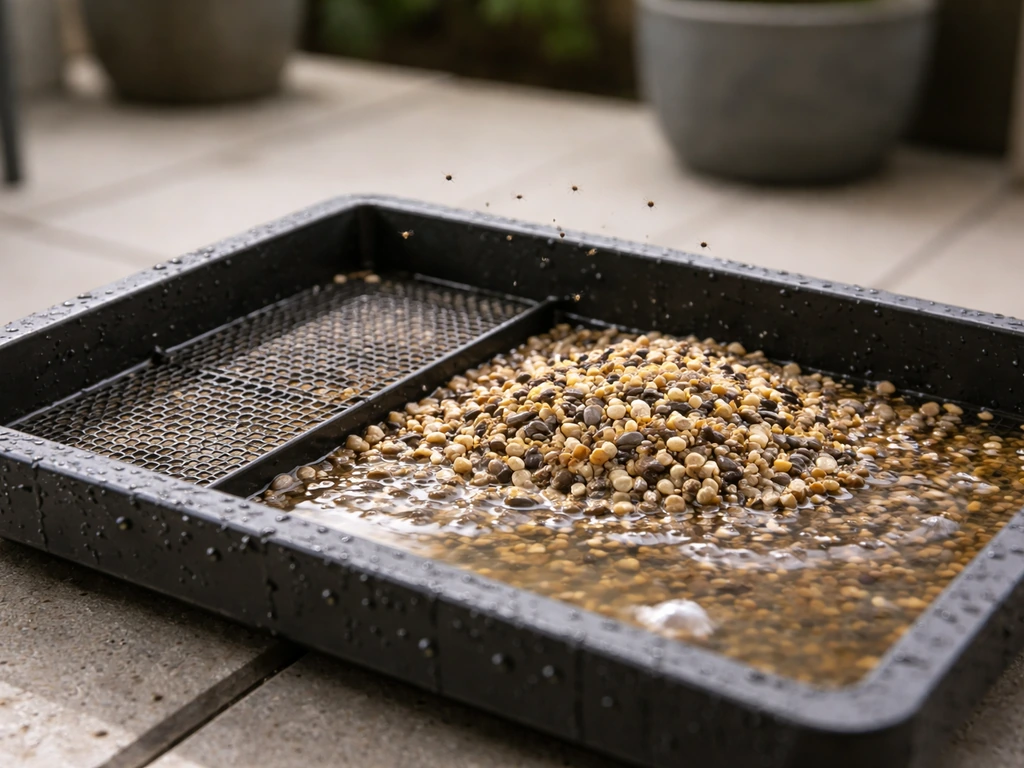
Sweep or rake under the feeder at least once a week. If seed accumulates in the soil, consider placing a tray or mat underneath to catch it, making cleanup easier. Some people put down a thin layer of gravel or crushed rock under the feeder, which dries faster than soil or mulch and is less hospitable to insect activity.
Better seed storage
Store seed in a sealed metal or hard plastic container in a cool, dry location. Garages work well in moderate climates but can get very warm in summer, which accelerates insect development. A basement or shed that stays below 70°F is better. Buy seed in quantities you'll use within four to six weeks to limit how long it sits.
Feeder hygiene schedule
Weekly hot-water cleaning keeps minor problems from building up. A deeper bleach disinfection once a month, or any time you notice signs of infestation, is the standard most organizations recommend. In summer heat, you may need to clean more frequently since warm, humid conditions accelerate everything.
Seed and feeder choices by bug type
Not all bug problems call for the same response. Here's a targeted breakdown by the most common scenarios.
Ants: moats, poles, and trail disruption
If ants are your problem, the fix is almost always physical barriers. An ant moat above a hanging feeder or a pole baffle on a mounted feeder cuts off their access route. Also wipe down the hanger, chain, or pole with a damp cloth to disrupt their pheromone trail. Ants follow scent, so breaking the trail buys you time even while you're setting up a permanent barrier. Avoid applying any grease, petroleum jelly, or oil-based barrier to feeder poles or chains because birds can inadvertently get these substances on their feathers, which causes real problems for insulation and waterproofing.
Weevils and seed beetles: storage and seed freshness
If you're finding small beetles or seeing tiny circular exit holes in seeds, the infestation started in your seed supply. Throw out the affected seed immediately. Clean the feeder as described above, then inspect every container where you store seed. Adult bruchid beetles and grain beetles can spread quickly through stored bulk seed in warm conditions. After discarding compromised seed, buy a fresh smaller batch, store it in a sealed container, and check it after two weeks. Choosing seed mixes without cracked corn and milo reduces weevil risk since those seeds are more vulnerable to infestation.
Indian meal moths: check the seed bag first
If you're seeing webbing matting the seed together or tiny white worm-like larvae, you almost certainly have Indian meal moths. A female can lay up to 300 eggs, so the population grows fast. Throw out all infested seed and check every food item stored nearby (they're notorious for spreading to pet food, grains, and dried goods in your home). Clean the feeder and storage area thoroughly. Sticky pheromone traps (available at most hardware stores) help catch adult moths before they re-infest stored seed, and they're safe to use in storage areas away from birds.
Flies and moisture: drain, dry, and switch feeder style
Flies around a feeder almost always mean there's wet, rotting seed somewhere. Open platform feeders and tray feeders are the biggest offenders because they hold moisture. If you're regularly battling flies, switch to a tube or hopper feeder with a covered top that sheds rain, and add drainage holes at the base if they aren't already there. Empty and refill the feeder more frequently in summer, and put out only as much seed as birds will eat in a day or two rather than filling it completely.
Wasps and bees: feeder style and location
Wasps are mainly drawn to sweet or fruit-based feeders and become more aggressive around feeders in late summer when their natural food sources dwindle. If wasps are consistently a problem, try moving the feeder to a different spot, since they're territorial and tend to claim specific foraging areas. For hummingbird feeders specifically, yellow-colored feeders attract more wasps than red ones. Bee guards (small mesh inserts over the feeding ports) are worth trying. For seed feeders, regular cleaning to remove residue and keeping the area beneath tidy are your best tools.
When to call it quits: repeated infestations, seasonal adjustments, and protecting birds and people
Sometimes the right call is to take a break from feeding altogether. If you've cleaned and reset the feeder two or three times and the infestation keeps coming back within days, the conditions around your feeder (persistent moisture, a large nearby ant colony, or a seriously contaminated storage area) may need more time to sort out than a quick clean can fix. If bird feeder problems keep coming back, you may need to adjust conditions around the feeder, not just clean the equipment.
Seasonally, summer is the hardest time to keep feeders clean and bug-free. Heat accelerates seed spoilage and insect breeding cycles. Some experienced feeders scale back in peak summer, filling feeders only partially and cleaning more often, then ramp back up in fall when seed stays fresh longer and natural food sources for birds start to diminish. That's not giving up, it's working with the conditions rather than against them.
On bird safety: most of the common feeder bugs are not directly harmful to birds if consumed. Birds eat insects naturally, and the occasional beetle or moth larva in seed isn't a health risk. What does harm birds is moldy or fermented seed (a byproduct of the same moisture that enables insect infestations) and exposure to pesticides or strong cleaning residues. If your bird feeding problems involve moldy or fermented seed, address the moisture source first so insects and spoilage cannot keep recurring. Keep those two risks in mind and you're protecting birds as well as managing pests. If you ever notice sick or lethargic birds congregating at your feeder, the Iowa DNR and others recommend taking the feeder down for at least two weeks to interrupt any disease spread, regardless of what else is going on.
Finally, if moth larvae or grain beetles have spread from your seed storage into your home's pantry, that's a separate pest problem that may need pheromone traps, a thorough pantry audit, and possibly consultation with a pest control professional. Feeder-related pest issues occasionally overlap with household pest problems, especially if you store seed in or near the house, and it's worth treating the two as connected rather than separate. If your situation feels like the wild bill's bird feeder problems scenario, revisit the reset steps and focus on where the pests are actually originating from Feeder-related pest issues.
FAQ
I only see a few bugs. Can I just shake the feeder and top off the seed?
No, shaking only removes loose debris. If you have larvae, webbing, or exit holes, you need a full emptying, scrubbing, rinse, and complete air-dry (and you should also inspect nearby seed storage). Otherwise, adults and eggs can survive and restart the cycle within days.
If I find larvae or webbing in the seed, can I save the rest of that bag?
Best practice is to discard that compromised batch. Even if you can pick out visible larvae, eggs and webbing residues can remain in crevices or clumped seed. After throwing the seed out, check the storage area and any other bags kept nearby because the source is often the same supply.
How can I tell whether bugs are coming from my feeder or from my seed storage?
Inspect the feeder and the seed storage differently. Concentrated webbing and larvae inside the seed often points to storage contamination, while ants usually enter from outside and follow a trail. A quick clue is whether you find insects around multiple bags in storage, not just the feeder itself.
What should I do if the bugs keep returning even after I clean the feeder?
If dampness is involved, cleaning alone is usually not enough. Focus on eliminating moisture entry (rain getting into ports or trays), improving drainage, and ensuring the feeder is fully air-dried before refilling. In humid spells, plan shorter refill intervals and partial fills so seed does not sit.
Is it safe to refill right after cleaning, or do I need to wait?
Air-dry time matters. Refill only after all disassembled parts are completely dry, especially tube or hopper feeders where water can sit in seams. If you reload while parts are still damp, you recreate the same high-humidity conditions that let insects breed.
How often should I deep-clean versus do quick cleanings in summer?
Warm weather increases turnover, so adjust cleaning frequency upward. If you see residue, clumping seed, or any insect activity, switch from the monthly deep clean schedule to more frequent rinse and scrub sessions until conditions stabilize.
Can I skip bleach and rely on vinegar or hot water?
For routine between cleanings, hot water plus a bottle brush is the priority. If you use vinegar for an in-between wipe-down, treat it as a surface cleaner, not a full disinfectant, and still do periodic dilute bleach disinfection and thorough rinsing.
What’s the safest way to disinfect without damaging the feeder or harming birds?
Use only a properly diluted bleach mix (about 1 part household bleach to 9 parts water) and rinse until there is no bleach odor. Stronger concentrations are harder to rinse completely and can degrade materials, and residual chemicals are riskier for birds that contact feeder surfaces.
Is petroleum jelly on the feeder pole okay to stop ants?
Avoid grease, petroleum jelly, or oil-based substances on feeder poles or chains. Birds can get those substances on feathers, which harms insulation and waterproofing. Instead, use physical barriers like ant moats or pole baffles and wipe down hangers to disrupt trails.
My feeder bugs spread into my kitchen. Is this still a feeder problem?
In that case, treat it like a household storage infestation. You may need a pantry audit, discarding heavily infested dry goods, and possibly pheromone traps designed for pantry pests. If it is widespread or recurring, a pest control professional may be the fastest way to stop the overlap.
Do pheromone traps actually help, or should I only focus on cleaning?
Yes, but do it strategically. For moths and beetles, sticky pheromone traps can help catch adults before they lay eggs in stored seed. Place them in storage areas away from birds and do not rely on traps alone if the seed is already infested.
Why do I get flies even though I clean the feeder regularly?
If flies persist, the issue is usually ongoing moisture or spoiled residue under or inside the feeder. Empty sooner, remove wet or fermenting seed quickly, choose feeders that shed rain, and consider a tube or hopper with better coverage. Also clean under the feeder since spilled damp seed can keep producing flies.
What can I do if wasps keep coming back to my hummingbird or seed feeder?
If wasps are becoming consistent visitors, placement is often the lever. Wasps can be territorial, so moving the feeder to a new location can reduce repeated foraging. For hummingbird feeders, color choice matters (yellow tends to attract more wasps than red), and bee guards on ports can help.