Most bird feeder problems come down to four things: wrong placement, wrong food, poor hygiene, or an unsolved pest issue. Fix those four and you'll solve about 90% of what goes wrong. The tricky part is figuring out which one you're dealing with right now, so let's start by matching your symptoms to the likely cause, then walk through the exact steps to fix it today.
Bird Feeder Problems: Diagnose and Fix Issues Fast

Eleanor Hartwick
12 May 2026
Diagnose your feeder problem first
Before you change anything, take five minutes to observe what's actually happening. The symptom tells you a lot about the root cause, and jumping to a fix without a diagnosis wastes time. Use this checklist to identify what you're seeing.
- No birds at all, even after several days of waiting
- Birds visited briefly then stopped coming back
- Only certain species showing up (or the species you want aren't coming)
- Squirrels, raccoons, or rodents are raiding the feeder
- Seed is disappearing fast but you're not seeing birds
- Seed is clumping, smelling off, or visibly moldy
- Large amounts of seed are piling up under the feeder
- The feeder ports are jammed or seeds aren't flowing properly
- Insects or webbing visible in the seed
- You've spotted sick or dead birds near the feeder
Match your symptom above and keep it in mind as you read through the sections below. Each one maps directly to a cause and a fix.
The most common causes: placement, timing, feeder type, and food
These four factors cause the overwhelming majority of bird feeder issues. If you have recurring wild bill's bird feeder problems, start by matching your feeder type and placement to the birds and pests in your yard bird feeder issues. Often it's a combination of two, so don't rule one out just because another seems obvious.
Placement
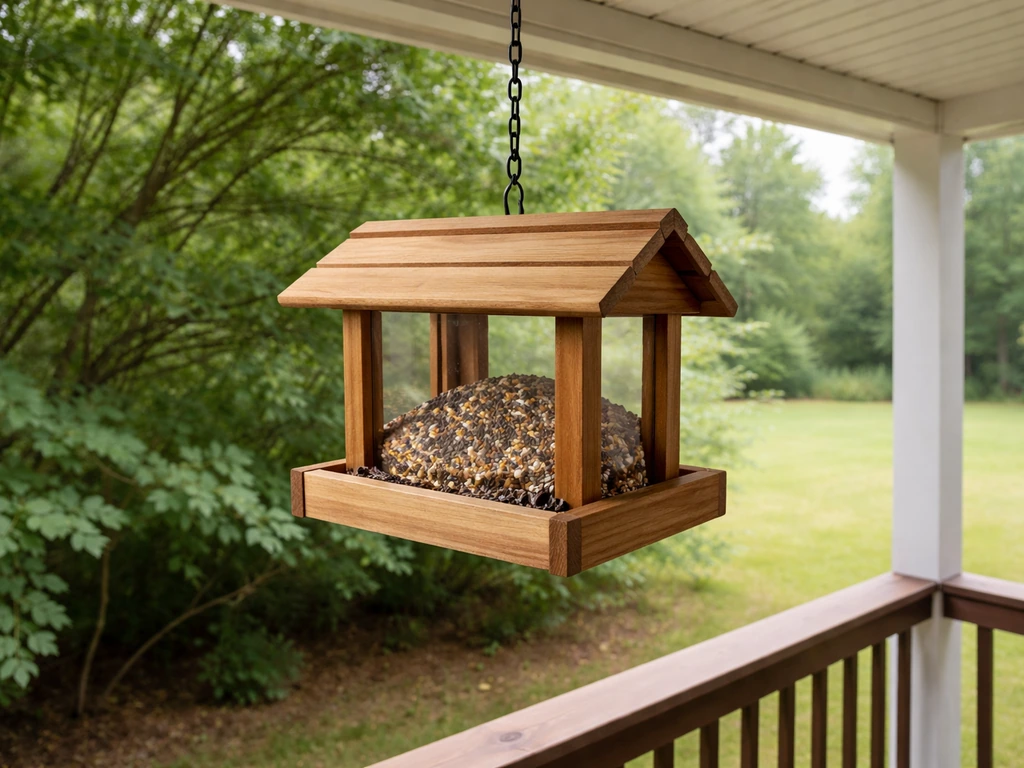
Where a feeder sits determines almost everything: whether birds feel safe using it, whether squirrels can reach it, and how much mess accumulates on your deck or lawn. Birds need clear sightlines to spot predators, so a feeder buried in dense shrubs or pressed against a fence often goes unused. At the same time, a feeder with no nearby perch trees or shrubs at all can feel exposed, especially for smaller species like chickadees and finches that like to dart in and retreat. Aim for a spot within 10 to 15 feet of light cover but with an open approach.
Timing
If you've just put up a new feeder, give it one to three weeks before worrying. Birds in your area need time to discover it, especially if feeders aren't already common in your yard. Seasonal shifts also matter: bird populations move, and a feeder that was busy all winter may go quiet in spring as resident birds switch to natural food sources. That's not a problem, it's just the season changing.
Feeder type
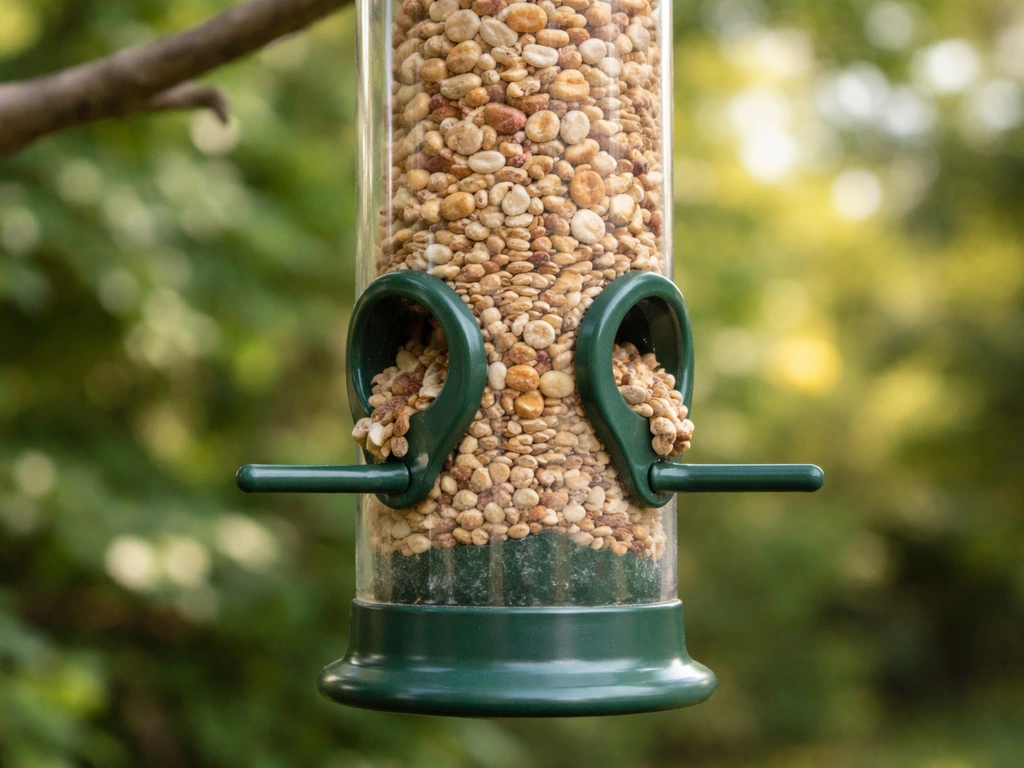
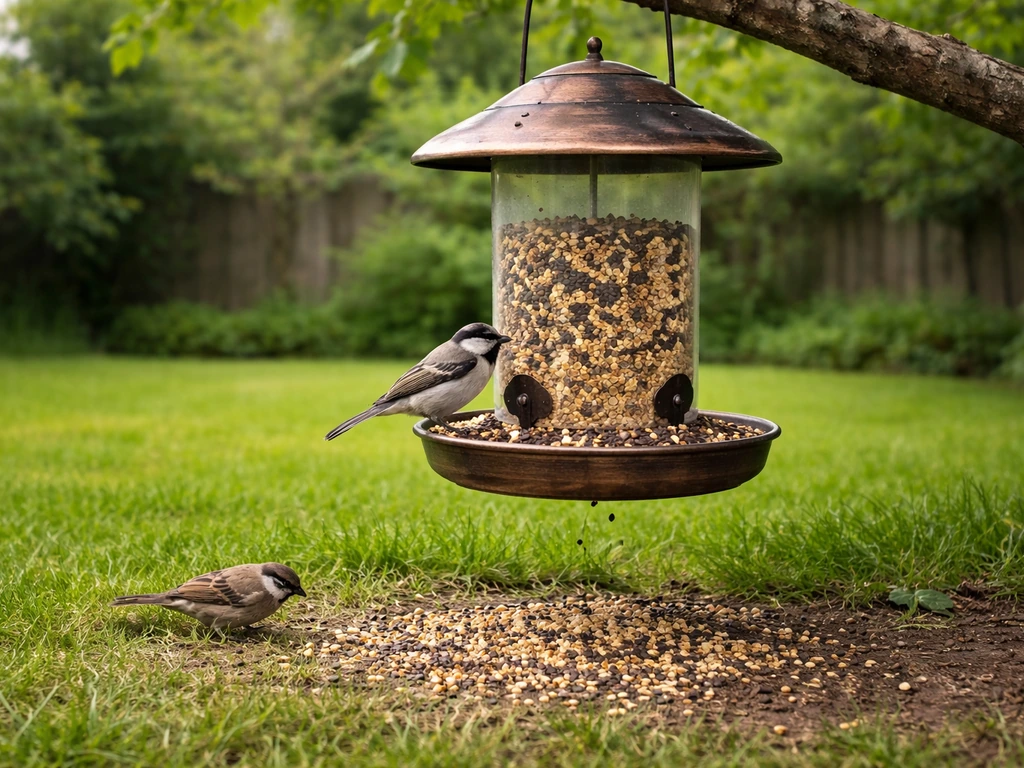
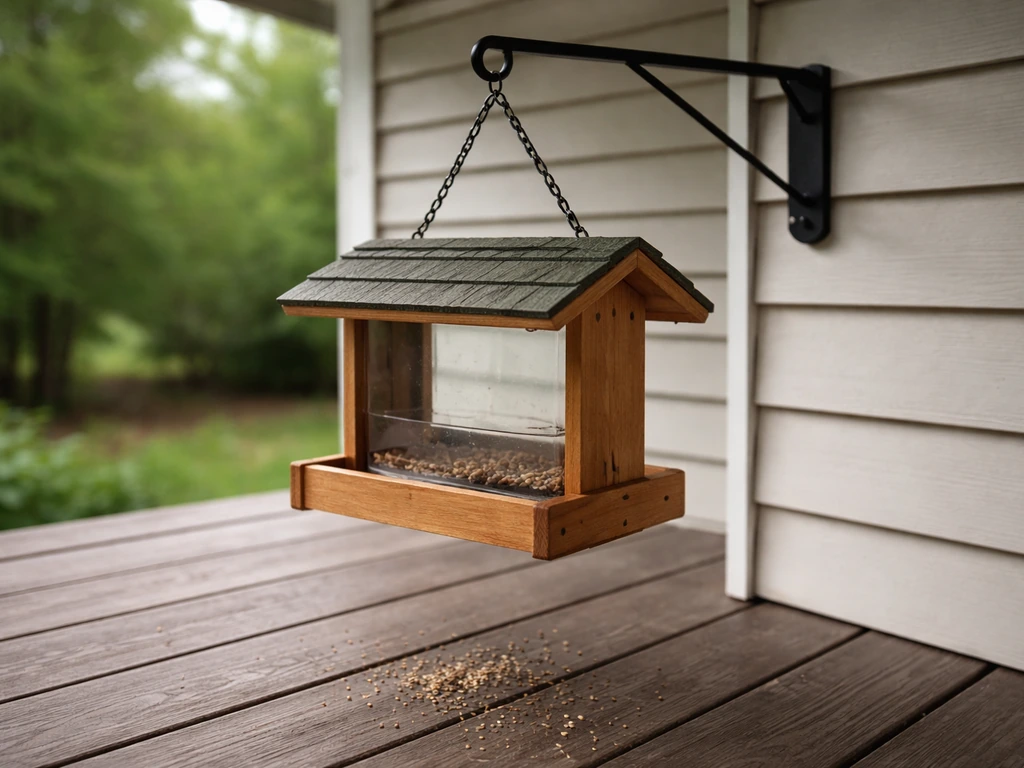
Different feeder designs attract different birds, and mismatches are more common than most people realize. Tube feeders with small ports work well for finches and chickadees but exclude larger species. Platform feeders attract a wide range of birds but expose seed to rain and droppings, speeding up spoilage. Hopper feeders are enclosed and protect seed better but can jam if seed gets damp. Suet feeders target woodpeckers and nuthatches specifically. If the feeder type doesn't match the birds you're hoping to attract, or the birds in your area, you'll see poor results regardless of what food you put in it.
Food choice
Cheap mixed seed bags are a common culprit. Many contain filler seeds like milo, wheat, and oats that most backyard birds in North America actively avoid, which means they scratch through the mix, toss the filler onto the ground, and create a mess while eating only a small fraction of what you put out. Black-oil sunflower seed is the single most universally accepted option. Nyjer (thistle) is excellent for goldfinches and pine siskins. Peanuts attract jays, woodpeckers, and nuthatches. Matching your seed to the birds you're targeting makes a bigger difference than almost anything else.
Birds not showing up or stopping visits: how to troubleshoot fast
If birds aren't coming, or they came once and disappeared, work through these steps in order before assuming something is seriously wrong.
- Check the seed: squeeze a handful and smell it. Stale, rancid-smelling seed is one of the most common reasons birds abandon a feeder. Dump it and replace.
- Look at the feeder design relative to what birds live in your area. If you're only seeing sparrows and juncos and you have a tube feeder with tiny ports, that may be why. Platform feeders serve a broader range of ground-feeding species.
- Assess whether anything changed nearby: a new outdoor cat, a hawk visiting regularly, or recent construction can push birds away temporarily.
- Consider season: late spring and summer see lower feeder traffic as natural food becomes abundant. This is normal.
- If you've had the feeder up for less than two weeks, wait. Birds usually find a new feeder within a week or two in most suburban and rural areas, sometimes longer in cities.
- Try relocating the feeder by 10 to 20 feet. Sometimes a slightly better sightline or proximity to a hedge makes the difference.
- If you have other feeders nearby, check whether birds are simply preferring one over another. Consolidating to your best feeder and best seed mix can help establish a pattern before you expand again.
One thing worth watching for: if birds were using the feeder and suddenly stopped, think back to whether you recently cleaned it. Some cleaning products leave a residue that birds can detect and avoid. Always rinse feeders thoroughly after any cleaning or disinfection, which I'll cover in detail below.
Squirrels, rodents, and other unwanted visitors
This is probably the most common complaint I hear about bird feeders. Squirrels in particular are persistent, athletic, and genuinely clever, so half-measures rarely work. The good news is that a properly set up pole system with a baffle solves the problem reliably for most people.
The 10-foot rule for squirrel-proofing
Squirrels can jump horizontally roughly 10 feet from a launching point, which includes trees, fences, rooftops, and deck railings. Project FeederWatch recommends placing feeders about 10 feet from any of these structures as a working compromise between squirrel access and bird comfort. Audubon puts the recommendation at 8 to 10 feet. If your feeder is closer than that to any solid structure, squirrels are almost certainly jumping to it regardless of what else you do.
Pole and baffle setup
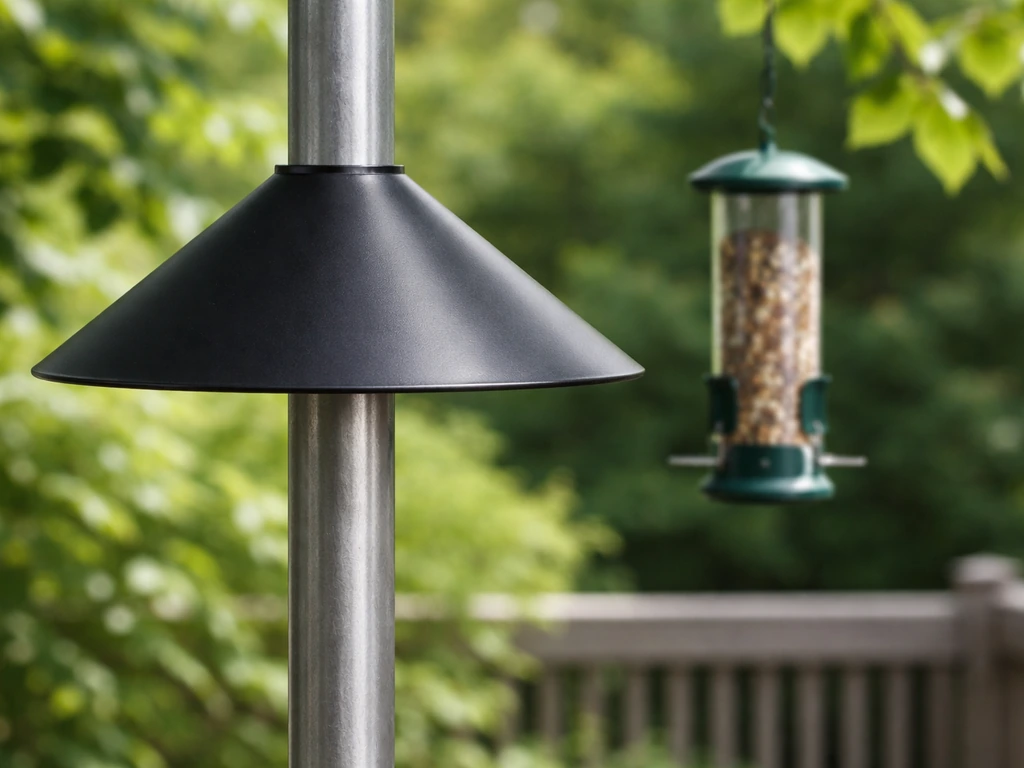
A smooth metal pole with a baffle (a cone or cylinder that blocks climbing) is the most reliable physical solution. The feeder should hang at least 6 feet off the ground, and the baffle should be positioned high enough on the pole that a squirrel can't simply jump above it from the ground. The U.S. Fish & Wildlife Service notes that in the long run, a pole with a baffle is the least aggravating solution, and I'd agree. Hanging feeders from a wire also works if the feeder is at least 6 feet from any access point and the wire itself is long enough that squirrels can't shimmy along it.
Rodents and raccoons
Rodents are usually attracted to seed that falls on the ground rather than the feeder itself. Cleaning up spilled seed daily and switching to a no-mess blend (hulled sunflower hearts, for example) dramatically reduces ground waste. Raccoons are strong enough to knock down most feeders; bringing feeders in at night is the simplest deterrent if raccoons are a regular problem in your area. If pest pressure is significant, a tube feeder with a weight-sensitive perch that closes ports when a heavy animal lands is worth the investment. For more detail on excluding specific large birds or pigeons that are crowding out smaller species, those topics are covered separately on this site. These pigeon-proof options and feeder placement tips can also help prevent larger birds from taking over your feeding area excluding specific large birds or pigeons.
Cats and hawks
Outdoor cats are a real hazard to feeder birds. If cats are visiting your yard, consider raising the feeder higher and removing low shrubs directly underneath where cats could hide and ambush birds. Hawks naturally patrol feeder areas because concentrated prey is convenient for them. A visiting hawk isn't a feeder problem, it's just nature, but if it's causing birds to abandon the feeder for long stretches, temporarily moving the feeder closer to dense shrub cover can give smaller birds a better escape route.
Food safety: mold, spoilage, waste, and disease
This is the area most people underestimate, and it can have real consequences for birds. Moldy seed, wet clumped feed, and dirty feeders are linked to disease outbreaks in wild bird populations, including salmonella. It's not an abstract risk.
Spotting and dealing with bad seed
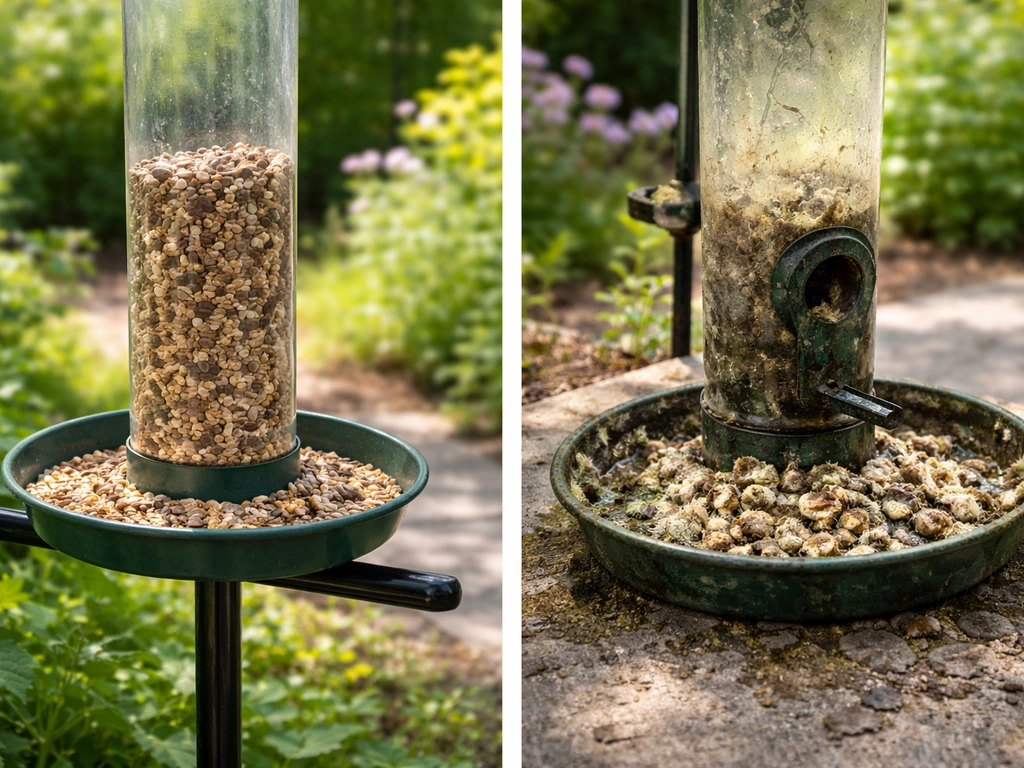
Moldy seed should be discarded, not dried out and reused. Penn State Extension is clear on this: if seed has gone moldy, don't use it. The USDA notes that mold can be accompanied by invisible bacteria growth, which means even seed that looks mostly okay but smells musty should go in the trash. Platform feeders are especially prone to this because seed sits exposed to rain and damp. The fix is either switching to a covered hopper feeder or committing to filling platform feeders with only what birds can eat in a day, as Penn State Extension recommends.
Seed waste and insects
Cheap mixed seed creates two waste problems: birds reject the filler seeds and scatter them onto the ground, and those piles of discarded seed attract rodents and can harbor insects. Weevils and moths can live in birdseed, particularly in seed stored improperly. Inspect any new bag of seed for tiny holes, webbing, or moving specks before you pour it into a feeder. Store seed in a sealed hard-sided container, not the paper bag it came in. Hulled sunflower hearts or no-mess blends reduce ground waste significantly because there's no shell to discard.
When birds look sick
If you spot a bird at or near your feeder that looks fluffed up, lethargic, or is sitting still on the ground, take the feeder down immediately. Both the U.S. Fish & Wildlife Service and the CDC recommend removing feeders and bird baths if you observe sick birds, allowing the birds to disperse and reducing the chance of disease spreading at a concentrated food source. The CDC specifically advises a two-week pause and a full outdoor cleaning of the feeder and any bird bath before putting them back out.
Cleaning and maintenance: what to do today
Cleaning is the single most impactful maintenance habit for keeping feeders safe and birds coming back. Here's the practical routine. For example, Iowa DNR recommends cleaning bird feeders with a 10% bleach solution and drying the feeder before refilling.
How often to clean
Project FeederWatch and Audubon both recommend cleaning seed feeders roughly every two weeks under normal conditions. In hot, humid weather, or after rain, clean more frequently because seed spoils faster. Platform feeders may need attention every few days. If you're dealing with an active disease concern or a salmonella outbreak notice in your region, increase cleaning to weekly.
Step-by-step cleaning process
- Empty all remaining seed from the feeder, discard it if it smells musty or looks clumped.
- Disassemble the feeder as much as the design allows.
- Scrub all surfaces with hot soapy water using a bottle brush, paying attention to feeding ports, perches, and any crevices where droppings accumulate.
- Rinse thoroughly with clean water.
- Soak feeder parts in a disinfection solution: one part bleach to nine parts water (a 10% bleach solution). UNH Extension and Audubon both recommend this ratio. Soak for 10 to 15 minutes.
- Rinse again very thoroughly with clean water to remove all bleach residue. This step matters: leftover bleach smell can deter birds.
- Allow the feeder to dry completely, in the sun if possible, before refilling. Filling a damp feeder accelerates mold growth.
- Sweep up old seed and debris from the ground beneath the feeder. The U.S. Fish & Wildlife Service specifically recommends this as part of a disease-reduction routine.
- Wipe down the pole and any hardware while you're at it.
For winter cleaning when freezing temperatures make bleach soaking impractical, Audubon suggests scrubbing with soap and water followed by a 15-minute soak in a 50/50 vinegar-and-water solution as an alternative sanitizing step. It's less potent than bleach but better than skipping the step entirely.
Seasonal adjustments and species-specific fixes
A lot of recurring feeder problems can be prevented by adjusting what you do by season rather than using a one-size-fits-all approach year-round.
| Season | Common Problems | Adjustments to Make |
|---|---|---|
| Spring (Mar–May) | Traffic drops as natural food increases; seed spoils faster in warming temps | Reduce fill amounts; clean every 1–2 weeks; switch to nyjer for migrating finches |
| Summer (Jun–Aug) | Rapid spoilage; mold; insects in seed; rodent pressure from ground waste | Fill daily-only amounts on platform feeders; inspect seed often; store seed in sealed container in cool location |
| Fall (Sep–Nov) | Migrating species arriving; squirrel activity peaks as they cache food | Add a platform feeder for ground-feeders; reinforce squirrel-proofing before peak season |
| Winter (Dec–Feb) | Seed freezes or clumps in tube ports; suet goes rancid in warm spells; feeder traffic highest | Use a tube feeder with larger ports for cold-weather mixes; switch to no-melt suet dough; clean every 2 weeks even in cold |
Matching feeder and food to target species
If the species you want aren't showing up, the feeder-food pairing is usually the culprit. American goldfinches need a nyjer tube feeder with small ports. Chickadees, titmice, and nuthatches do well with black-oil sunflower in a tube or hopper feeder. Woodpeckers want suet or peanuts in a cage-style feeder. Sparrows, juncos, and doves prefer feeding on or near the ground, so a low platform feeder or simply scattering millet on the ground works better than a hanging tube for them. Cardinals prefer a feeder with a wide perch and tend to favor sunflower seed or safflower. Mismatches between the feeder style and the target species' natural feeding behavior are one of the most common bird feeder mistakes, and they're easy to fix once you know what to look for. If you want to stop these bird feeder mistakes before they start, focus on the basics like placement, feeder type, and matching seed to local birds.
Preventing the same problems next season
The feeders that work year after year are the ones that get cleaned on a schedule, filled with quality seed matched to local birds, placed in a spot that's been optimized for both bird safety and pest resistance, and adjusted when the season shifts. A quick audit at the start of each season, checking the seed supply, the feeder hardware, and the ground underneath, takes less than 10 minutes and catches most problems before they become chronic. If you're dealing with persistent bugs in the seed itself, that's worth digging into as a separate issue since it often points to a storage problem upstream of the feeder. If you’re seeing bugs in bird feeder seed, check how the seed is stored and whether pests are getting in before they reach the feeder bugs in the seed itself.
FAQ
How can I tell whether bird feeder problems are caused by food spoilage versus just the wrong seed type?
Spoilage issues usually show up with wet, clumped, or musty-smelling seed, and birds may refuse the feeder even if nearby seed remains. Wrong seed type shows up as selective feeding patterns, you see birds scratching or ignoring most of the mix, and waste concentrates under the feeder. If the seed looks and smells fresh, focus first on feeder type and seed-bird matching, not hygiene.
Is it okay to keep topping off seed when birds stop visiting?
Topping off often worsens bird feeder problems because leftover seed can spoil or attract pests even if you add fresh seed. If visitation drops suddenly, remove and clean the feeder, discard any questionable seed, then refill with only what birds will consume within a day or two (especially for platform feeders).
What’s the safest way to clean a feeder if I can’t use bleach?
Use soap and hot water to scrub away residue, then sanitize with a 50/50 vinegar-and-water soak for 15 minutes (a weaker alternative to bleach). Afterward, rinse thoroughly so any vinegar smell or cleaning residue does not deter birds, and let the feeder dry completely before refilling.
Do I need to clean the entire feeder every time, or just spot-clean?
For normal routine maintenance, cleaning the whole seed-contact area matters because mold and bacteria can cling to cracks, feeding ports, and perches. Spot-cleaning alone is usually insufficient if you see any wet clumps, greasy residue, or repeatedly ignored seed. If birds were fluffed or inactive, remove the feeder and do a full cleaning rather than partial touch-ups.
How often should I clean depending on weather and feeder style?
Use shorter intervals when it is hot or humid, or after rain, because seed spoils faster. As a practical rule, seed feeders are typically cleaned about every two weeks under normal conditions, platform feeders often need attention every few days, and weekly cleaning is appropriate when there is a known active disease risk in your area.
What should I do if I find bugs, webbing, or tiny holes in a new bag of seed?
Stop and inspect immediately before filling. Do not pour potentially infested seed into the feeder, switch to a different bag, and store the rest of the supply in a sealed, hard-sided container. If you already poured some, watch for more pests and consider discarding the remainder to prevent spreading into your feeding setup.
My feeder attracts squirrels but also birds, how do I reduce squirrel damage without stopping bird access?
Use physical exclusion first: a smooth metal pole with a properly positioned baffle, hang the feeder at least 6 feet off the ground, and make sure the baffle is high enough that squirrels cannot simply jump above it from the surface. Then reduce attraction by cleaning spilled seed daily and switching to a no-mess blend so fewer seed piles accumulate on the ground.
Will moving the feeder closer to cover always help if hawks are around?
Not always. If a hawk is causing long absences, temporary placement closer to dense cover can give smaller birds an escape route. However, very dense cover can also reduce visibility for birds and can increase debris and blockage. Aim for a balance, within about 10 to 15 feet of light cover with a clear approach lane.
What should I do if I suspect cats are stalking birds at the feeder?
Raise the feeder so birds have less time to get ambushed at ground level, and remove low shrubs and hiding spots directly under or beside the feeder area where cats can wait. If possible, improve escape options by adjusting placement to keep bird flight paths open, since dense hiding cover under the feeder often makes the problem worse.
How long should I pause feeding after sick-looking birds are spotted?
If you see birds that are fluffed up, lethargic, or sitting still on the ground, take the feeder down immediately and allow birds to disperse. Then plan for a longer restart, about a two-week pause, followed by a full outdoor cleaning of both the feeder and any bird bath before putting them back out.
Why do I still get bird feeder problems even after I changed the seed?
If birds are not taking advantage of the feeder, problems are often placement or hygiene rather than seed alone. Also check whether the feeder matches the target species' feeding behavior, tube feeders exclude larger birds, platform feeders expose seed to rain and droppings, and hopper feeders can jam when seed gets damp. A quick audit of the surrounding area for safe sightlines and pest access often identifies the real bottleneck.
How can I prevent rodent attraction from spilled seed?
Clean up spilled seed daily, because rodents are drawn to ground seed more than the feeder itself. Use hulled sunflower hearts or other no-mess options to cut down the amount of shell and discarded material that piles up. If ground cleanup is tough, consider feeder styles that reduce waste and choose placement that minimizes spillage landing in easy rodent pathways.
Next Article
Do You Leave Bird Feeders Out All Year? Seasonal Guide
Should you leave bird feeders out all year? Get seasonal tips, safe feeding, and cleaning to prevent disease and pests.