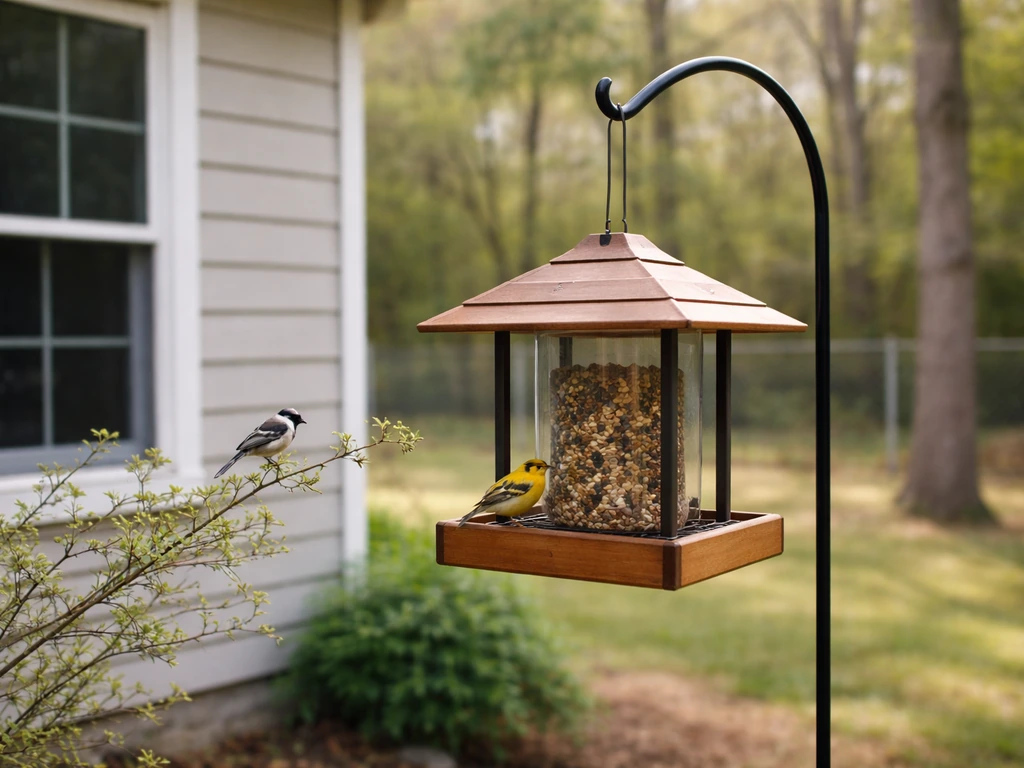
Yes, you can safely paint a bird feeder, but only if you use the right products and give them enough time to fully cure before birds return. The main risks are not from the act of painting itself but from using the wrong paints (anything oil-based, lead-containing, or with toxic pigments/additives), painting interior surfaces where birds contact food or water, and putting the feeder back into service before the coating has fully hardened and stopped off-gassing. Get those three things right and painting is a perfectly reasonable way to refresh or protect your feeder.
Is It Safe to Paint a Bird Feeder? Safe Steps to Follow

Eleanor Hartwick
2 Jul 2026
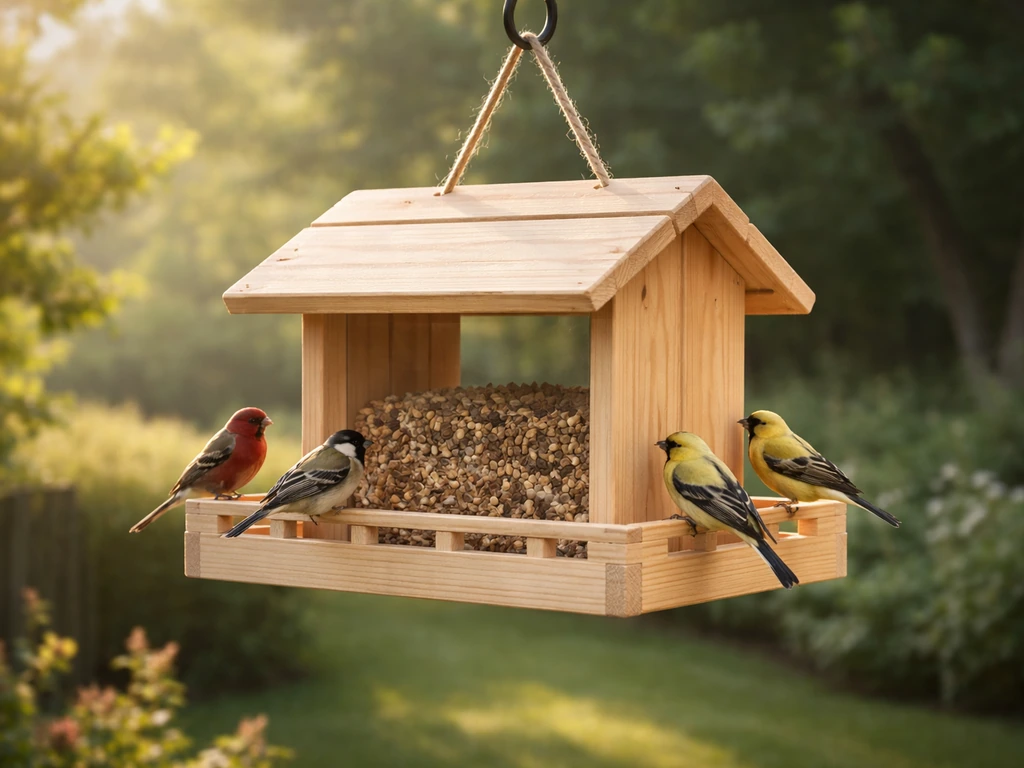
Why paint can be risky for birds
The core danger is ingestion and fume exposure. If you are wondering whether having a bird feeder is safe in general, the biggest issues come from what you use on the feeder and how long it takes to fully cure is it safe to have a bird feeder. Birds peck, probe, and scrape surfaces constantly, so any coating that chips, peels, or leaches chemicals is going to end up inside them. Lead is the biggest historical concern. Lead-based paint chips are a documented source of lead toxicosis in wild birds, including raptors, and even small amounts can cause poisoning. If your feeder is old and was painted before the late 1970s, treat that paint as potentially hazardous and remove it carefully before doing anything else.
Beyond lead, other risks include volatile organic compounds (VOCs) in solvent-based and oil-based paints, toxic pigments (some reds, yellows, and greens contain cadmium, chromium, or other heavy metals), and biocide additives sometimes found in mildew-resistant exterior paints. Even after a paint looks dry to the touch, these compounds can still be off-gassing, which matters if birds are nearby. “Dry to touch” does not necessarily mean a coating is fully cured or ready for use; readiness depends on cure and hardness rather than only surface dryness dry to the touch, these compounds can still be off-gassing. Research from NestWatch is honest about this: there are no conclusive studies proving residual paint fumes definitively harm birds, but there is enough uncertainty that taking precautions costs you nothing.
Pressure-treated wood feeders add another layer of complexity. Older CCA (chromated copper arsenate) treated lumber, which was used widely until it was phased out of residential use at the end of 2003, contains arsenic, chromium, and copper that can leach to the surface and into surrounding soil. Painting over CCA-treated wood may reduce surface leaching somewhat, but the data on how effectively a coating blocks arsenic exposure is limited. HealthyWA notes that painting over older CCA-treated wood may reduce surface leaching somewhat, but the data on how effectively a coating blocks arsenic exposure is limited blank" rel="noopener noreferrer">reduces surface leaching somewhat, but the data on how effectively a coating blocks arsenic exposure is limited. If you have a feeder built from older pressure-treated lumber, replacing it is a more straightforward solution than trying to seal it.
What paints and coatings are actually safe to use
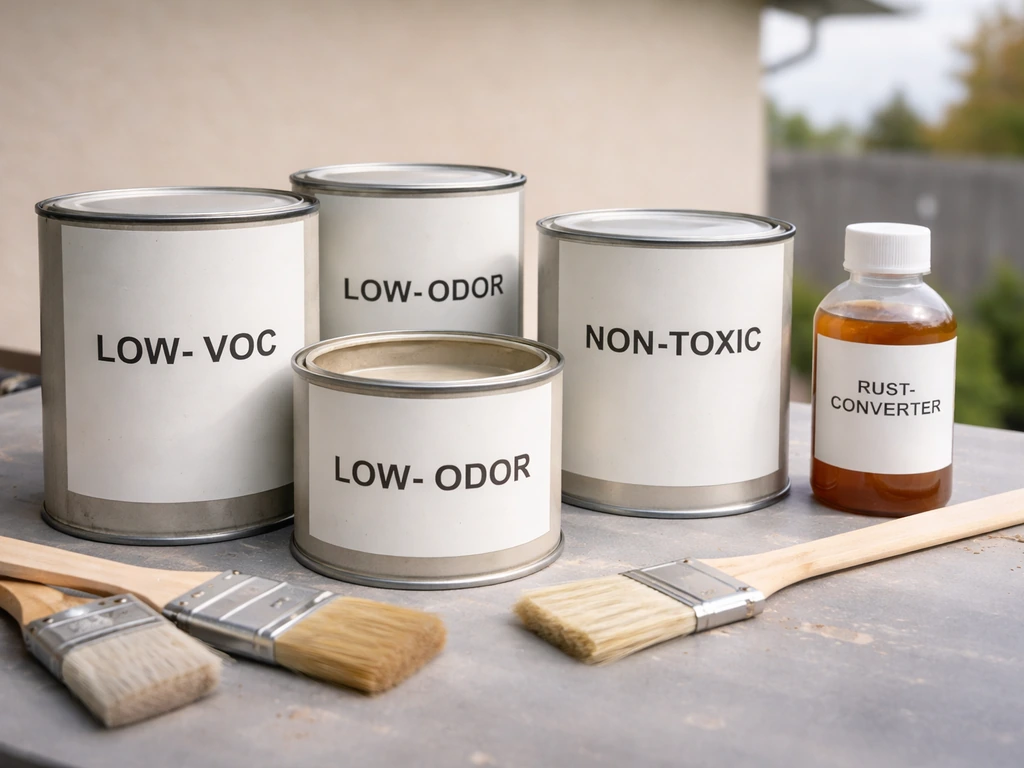
Stick with water-based (latex or acrylic) exterior paints that are labeled non-toxic, low-VOC or zero-VOC, and free of added biocides or mildewcides. These are the safest option for bird feeders because they emit fewer fumes, cure faster than oil-based products, and do not contain solvents that linger in the coating. Popular exterior latex paints from major brands fit this description when you choose their low-VOC lines. Always read the label before buying and avoid anything that lists biocides, fungicides, or anti-mold additives, since those compounds exist specifically because they are toxic to living organisms.
For metal feeders that have developed rust, water-based rust converters or rust-inhibiting primers can be used, but check the safety data sheet first. Avoid solvent-heavy rust treatments on surfaces birds will contact. Once the primer is fully cured, a water-based topcoat applied only to exterior metal surfaces is fine. The rule about avoiding interior food-contact surfaces applies to metal feeders just as much as wooden ones.
Oil-based paints and varnishes are worth avoiding entirely on feeders. They take much longer to cure, they off-gas solvents for weeks, and they can remain tacky or soft in ways that trap seed residue and create contamination problems. Several nest-box and feeder guides explicitly advise against them for exactly this reason.
| Coating type | Safe for feeders? | Key concern | Recommended use |
|---|---|---|---|
| Water-based latex/acrylic (low-VOC, no biocides) | Yes, when fully cured | Must cure 30+ days; keep off interior food surfaces | Exterior wood and metal surfaces |
| Oil-based paint or varnish | No | Long off-gassing, toxic solvents, slow cure | Avoid on feeders entirely |
| Lead-containing paint (pre-1978 products) | No | Lead ingestion risk, documented bird toxicosis | Never use; remove safely if present |
| Paint with mildewcide/biocide additives | No | Biocides are toxic to living organisms by design | Avoid; choose additive-free formulas |
| Water-based rust converter (metal only) | Conditionally | Check SDS; keep off food-contact surfaces | Metal feeder exteriors, fully cured first |
| Food-safe wood sealant/oil-based stain (no biocides) | Conditionally | Allow full cure; check ingredients | Sealed exterior wood surfaces |
How to paint a bird feeder, step by step
The process matters as much as the product. Rushing any of these steps, especially the curing stage, is where most problems happen.
- Remove all food, seed trays, and perches. Shake out any debris and clean the feeder thoroughly with warm water. Let it dry completely before you start.
- Strip old peeling or flaking paint. If the feeder is old and you suspect lead paint (anything painted before the late 1970s), treat the removal carefully: work outdoors, wear a dust mask, and bag the scrapings for disposal rather than letting them fall where birds forage. Sand down rough edges once the old coating is off.
- Tape off or otherwise protect all interior surfaces, feeding ports, seed trays, water reservoirs, and any perch that birds grip directly. Paint should go on exterior structural surfaces only, not anywhere birds contact food or water.
- Apply a thin first coat of your chosen water-based exterior paint. Thin coats dry and cure more evenly than thick ones. If using a primer on bare wood or metal, apply that first and let it dry fully before topcoating.
- Apply a second thin topcoat after the first is dry to the touch (usually 1 to 4 hours with quality water-based products). Two thin coats give better protection than one thick coat.
- Allow extended curing time before birds return. 'Dry to touch' and 'fully cured' are not the same thing. A water-based exterior paint may feel dry within an hour, but full cure and hardening typically takes 30 days. During curing, off-gassing continues even if you cannot smell it. The safest approach is to paint at the end of the feeding season and let the feeder cure over several weeks outdoors in a sheltered but ventilated spot.
- Do not bring the feeder indoors to cure. Curing indoors concentrates fumes in your living space and slows the process. Let it cure outside, out of direct rain, with good airflow.
- Inspect the fully cured feeder for any drips, runs, or areas where paint crept onto food-contact surfaces. Remove any such spots with fine sandpaper before resuming use.
Keeping the feeder safe after painting
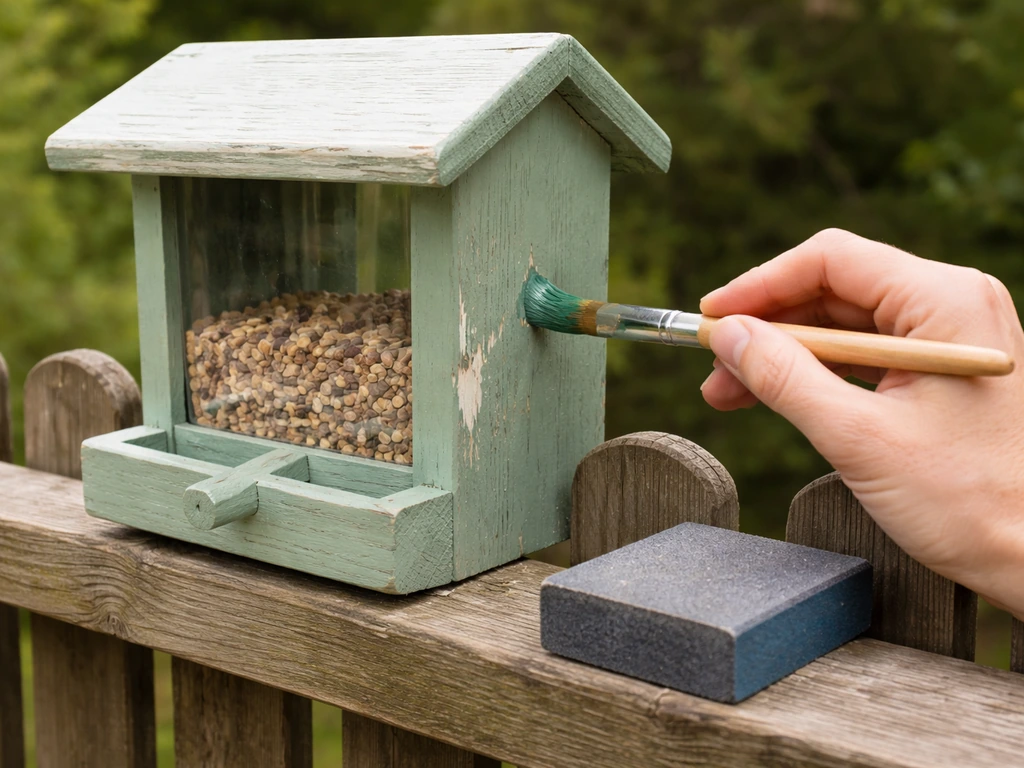
Painting is not a one-time fix. Weather, UV exposure, and the physical wear of birds landing and pecking means any coating will eventually chip or peel. Make it a habit to inspect the feeder every couple of months, and pay particular attention after harsh winters or extended rain. Look for peeling edges, discoloration, or spots where the coating has worn through to bare wood or metal.
When you spot early wear, clean the area, lightly sand, and touch up with the same non-toxic paint you used originally. If a large area is peeling, take the feeder out of service, strip it back, and repaint properly rather than painting over loose chips. Painting over peeling paint just traps the problem and accelerates further delamination.
If the coating has degraded significantly and birds are clearly pecking at chips, stop using the feeder until it is refinished. This is especially important if you are unsure about the original paint used on an older or secondhand feeder. The safest call is to strip it entirely before repainting. And if the feeder itself is structurally compromised, rotting, or heavily corroded, painting over the damage is not going to make it safe. At that point, replacing the feeder makes more sense than restoring it.
How feeder material, bird behavior, and placement affect your approach
Wood feeders are the most commonly painted and the ones where the guidance above applies most directly. For metal feeders, the main concerns shift toward rust prevention and ensuring any rust treatment or primer is fully cured before birds return. Metal can also heat up significantly in direct sun, which can accelerate the breakdown of coatings over time. If you are concerned about heat-related issues on metal, that is worth thinking through alongside the painting question.
Plastic feeders are rarely painted and generally do not need to be. If a plastic feeder is faded or cracked, paint is unlikely to adhere well and is more likely to peel in ways that create ingestion risks. New plastic also off-gasses from the material itself, not from any coating, and that concern applies regardless of painting.
Bird behavior matters too. Woodpeckers and parrots are heavy chewers and will work at painted surfaces more aggressively than finches or sparrows. If you are feeding species that peck at the feeder structure, keep painted surfaces well away from feeding ports and consider whether a sealed natural finish is a better long-term choice than paint. Placing the feeder correctly, including for window bird feeders, is another key factor in keeping birds safe around any treated surfaces.
Placement affects weathering. A feeder in full sun and rain exposure will need more frequent touch-ups than one placed under an eave or in dappled shade. If you are going to paint a feeder, think about whether its placement is contributing to fast coating wear, and adjust if you can.
Alternatives to painting worth considering
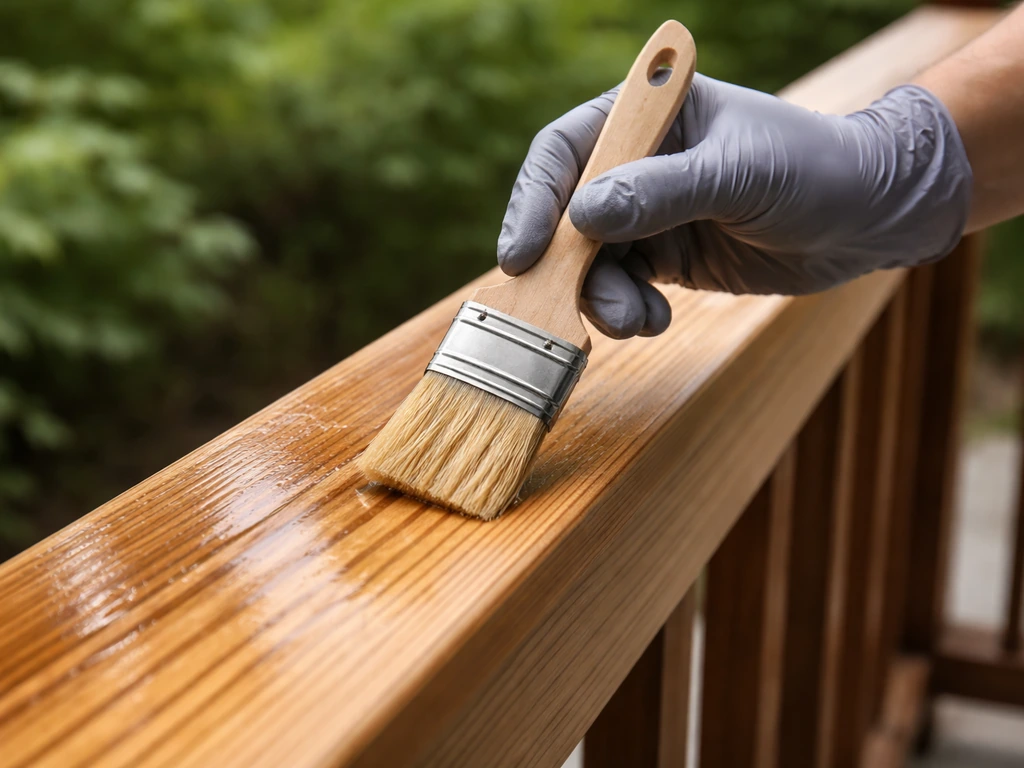
Painting is not always the best answer. If your goal is to protect bare wood from weathering, a food-safe exterior wood sealant or a non-toxic oil-based stain (without biocide additives) can do the job with less risk than paint. Sealants penetrate the wood rather than forming a film on top, which means there is less surface coating to chip or peel. The trade-off is that they do not add color and may need reapplication more frequently.
Some guidance for treated-wood structures recommends a double coat of an appropriate non-toxic, non-slippery wood sealant as a way to reduce surface leaching, which is more relevant than paint when you are dealing with older pressure-treated feeders. That said, as noted earlier, if the wood is heavily treated with older CCA-type preservatives, sealing and resealing is a workaround, not a full solution.
If a feeder is worn, damaged, or made of questionable materials, replacing it is often the cleaner option. A new feeder made from untreated cedar or pine costs very little, arrives without any paint concerns, and gives you a clean start. If you are wondering are plastic bird feeders safe, the main check is making sure the plastic is food-safe and not treated with harmful additives arrives without any paint concerns. You can then make an informed choice about whether and how to finish it from day one, using the guidance above.
For anyone who just wants a splash of color without the chemistry questions, using outdoor-safe, non-toxic markers or decorating only the very exterior structural pieces (roof edges, posts) keeps paint away from feeding areas entirely. That sidesteps most of the risk while still letting you personalize the feeder.
FAQ
How long should I wait after painting before putting the feeder back for the birds?
You can generally reinstall the feeder only after the coating is fully cured, not just dry to the touch. A practical rule is to wait at least the amount of time on the paint label for recoat and final cure, then give extra time if the weather is cool or humid (cure slows down). If you smell strong paint odors near the surface, keep it out of service longer.
What should I do if my feeder is secondhand or the previous paint is unknown?
For an older, secondhand feeder, the safest approach is to assume the existing finish could be unsuitable (especially if it predates late 1970s lead paint). Strip or remove the old coating rather than painting over peeling or unknown layers, then sand to smooth edges so the new water-based, non-toxic paint can bond. If you cannot identify the old product, treat the feeder as needing stripping before repainting.
Do I need to strip and sand before repainting, or can I paint over residue and old layers?
Clean the feeder with plain soap and water, then remove any seed hulls, grease, or residue where birds feed. If there is rust or flaking paint, you should sand back to stable material before priming or painting, because loose coatings will continue to chip. Avoid harsh solvents for bird-contact surfaces, since you do not want lingering chemicals near where birds peck.
Is primer allowed, and what kind is safest for rusted metal feeders?
Yes, you can use a primer, but only select one that matches the surface and is compatible with birds. For metal, use a water-based rust-inhibiting primer or a rust converter designed for exterior use, and confirm the safety information before it touches feeding or watering areas. Let the primer cure fully, then apply a water-based topcoat only on exterior surfaces, not inside food or water contact zones.
Can I paint the inside of a feeder if it looks like it will stay sealed?
If birds can scrape or peck at the coating, you should not rely on paint for interior food-contact areas. A safer alternative is to keep paint only on exterior structural pieces, or use a food-safe sealant or finish for surfaces birds contact (but verify it is labeled safe for that use). If you cannot guarantee the coating is out of the peck zone, it is better to strip and refinish with a safer option or replace the feeder.
What labels or ingredients should I look for, and what should I avoid on the paint can?
Do not choose paints labeled as containing biocides, mildewcides, fungicides, or anti-mold additives for bird-contact surfaces. Also avoid products that are oil-based or that specify high VOC content and solvent systems, because fumes and tackiness can persist. When in doubt, pick a non-toxic, low-VOC or zero-VOC exterior water-based (latex or acrylic) coating intended for outdoor use.
What should I do if the paint starts peeling, especially in the areas birds land and peck?
If the coating is peeling, painting over it usually makes contamination risk worse by trapping loose flakes underneath. Instead, remove the failing sections, sand smooth, clean the area, and apply touch-up using the same non-toxic water-based paint. If the damage covers a large area or birds are actively pecking chips, take the feeder out of service and repaint fully after stripping loose material.
How do I know whether the paint has cured enough, especially if it is humid or cold?
If the feeder still smells strongly of paint or you see a tacky surface, treat it as not cured and keep it out of service. Use placement as a control too, drier air and more sun can help cure faster, but do not rush by returning birds while odors or tackiness remain. After curing, recheck after the first warm rainy period, because heat and weather can reveal weak adhesion.
Do different bird species change how careful I need to be with painted surfaces?
Yes, bird species and feeding style matter. Heavy chewers and vigorous peckers can wear through coatings faster, so you should avoid painting near feeding ports and prefer solutions that reduce exposed, film-forming surfaces. If your birds can reach and bite painted areas, consider redesigning placement or using a sealed natural finish on the sections that get the most contact.
Is sealing or staining safer than painting, if I just want to protect bare wood?
If your goal is weather protection rather than color, a penetrating, food-safe exterior wood sealant can reduce peeling risk because there is less film to chip. It can also be easier to maintain without flakes. The trade-off is less color choice and periodic reapplication, but it can be a better option when paint maintenance would be frequent.
Next Article
Is It Safe to Have a Bird Feeder? Risks and Fixes
Generally safe to have a bird feeder when clean, placed wisely, and managed to prevent disease, mold, and predators.