Window bird feeders are safe to use, but only if you set them up correctly. Many window feeders are made of plastic, but the overall safety still comes down to placement, cleaning, and making the glass visible to birds are plastic bird feeders safe. The feeder itself isn't the problem. The window is. Birds don't perceive glass the way we do, and a feeder placed at the wrong distance can send birds straight into a pane at full speed. Get the placement right, keep the feeder clean, and make the glass visible to birds, and you'll have a setup that's genuinely low-risk and rewarding to watch every day.
Are Window Bird Feeders Safe? Setup, Risks, and Fixes

Eleanor Hartwick
25 Apr 2026
Quick safety verdict for birds
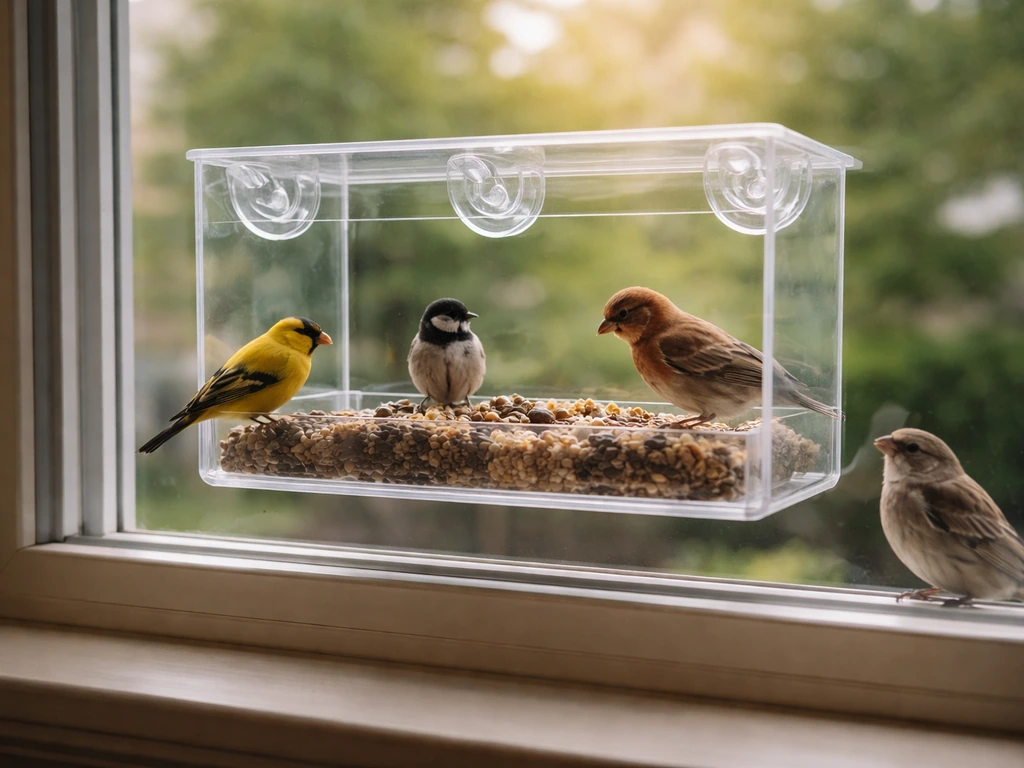
Window feeders are not inherently dangerous, but they come with a specific risk profile that standard pole or post feeders don't. The main hazard is window collision, and it's a real one. Estimates from the American Bird Conservancy put bird-window collisions at up to a billion deaths per year in the US alone, and home windows account for a huge share of that. The good news is that window feeders, when placed very close to the glass (within about 3 feet), actually reduce collision force because birds don't have room to build up speed before impact. A bird grazing a window from 3 inches away shakes it off. A bird hitting the same window after flying 20 feet straight at it usually doesn't. Beyond collision risk, the other safety concerns, like disease, mold, and pests, are the same ones that apply to any bird feeder. They're manageable with a simple maintenance routine.
What actually makes window feeders risky
Window feeders sit right at the intersection of three common feeder hazards. Understanding each one helps you target your response instead of guessing.
Window strikes
This is the big one. Birds can't interpret glass as a solid barrier. They see the reflection of sky, trees, or open space and fly toward it. Nearby habitat, like shrubs or a garden close to the house, actually increases the time birds spend near your windows, which raises the odds of a strike. Adding a feeder to that zone can increase bird traffic significantly. If the feeder is positioned at a dangerous distance from the glass (roughly 4 to 30 feet away), birds have enough room to reach a speed that causes serious injury on impact.
Food waste and mold
Window feeders are often smaller than standard feeders, which sounds like a good thing, but it can mean seed sits longer if traffic is low. Wet or moldy seed is a real disease vector. Salmonella in particular can grow in damp, spoiled seed, and birds feeding on it can become sick and spread it to others at the feeder. Mold you can see on seed is an obvious sign, but even seed that looks okay can be contaminated if it's been wet and dried repeatedly.
Droppings and pest attraction
Feeders mounted on windows accumulate droppings and seed hulls directly below them, which can include on your windowsill or wall. That waste attracts insects and rodents. If squirrels or rats find a reliable food source at your window, you'll see them trying to access the feeder, which can stress or displace smaller birds. Entanglement isn't a common issue with window feeders specifically, but any rough or damaged suction cup hardware or exposed wire can theoretically catch a foot or wing, so it's worth inspecting your feeder's condition periodically.
How to set up a window feeder safely
Placement is the single most important decision you'll make. Everything else builds on it.
The distance rule
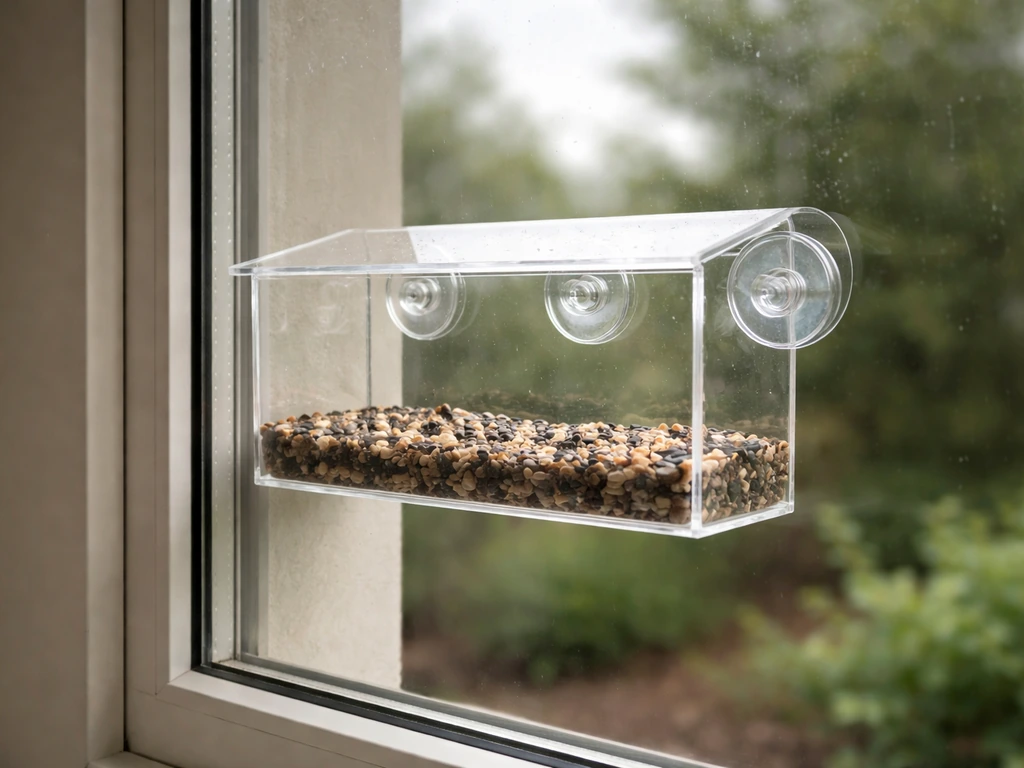
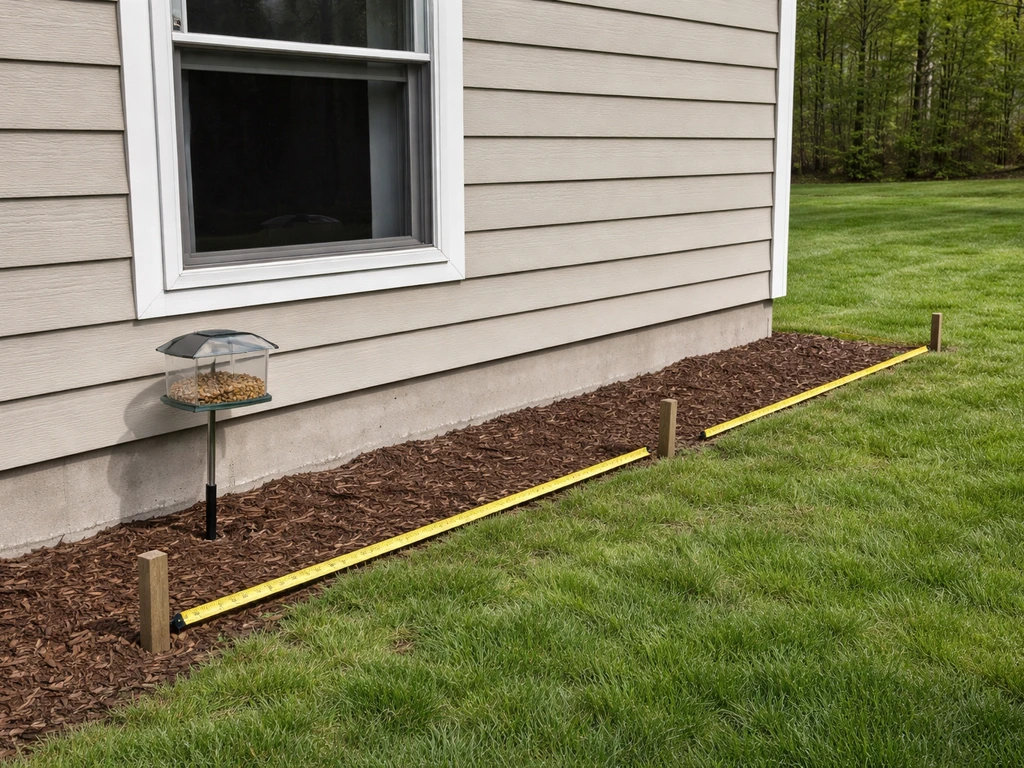
Audubon is clear on this: place your feeder either within about 3 feet of the nearest window, or more than 30 feet away. Within 3 feet, birds can't accelerate to a dangerous speed before impact if they do hit the glass. Beyond 30 feet, they have enough distance to recognize the obstacle and steer around it. The 4-to-30-foot zone is the danger zone. A window feeder mounted directly on the glass with suction cups sits at roughly 1 to 2 inches from the window, which puts it well inside the safe zone. That's actually one of the underappreciated safety advantages of true window-mounted feeders over feeders placed on a nearby ledge or table.
Where to mount it on the window
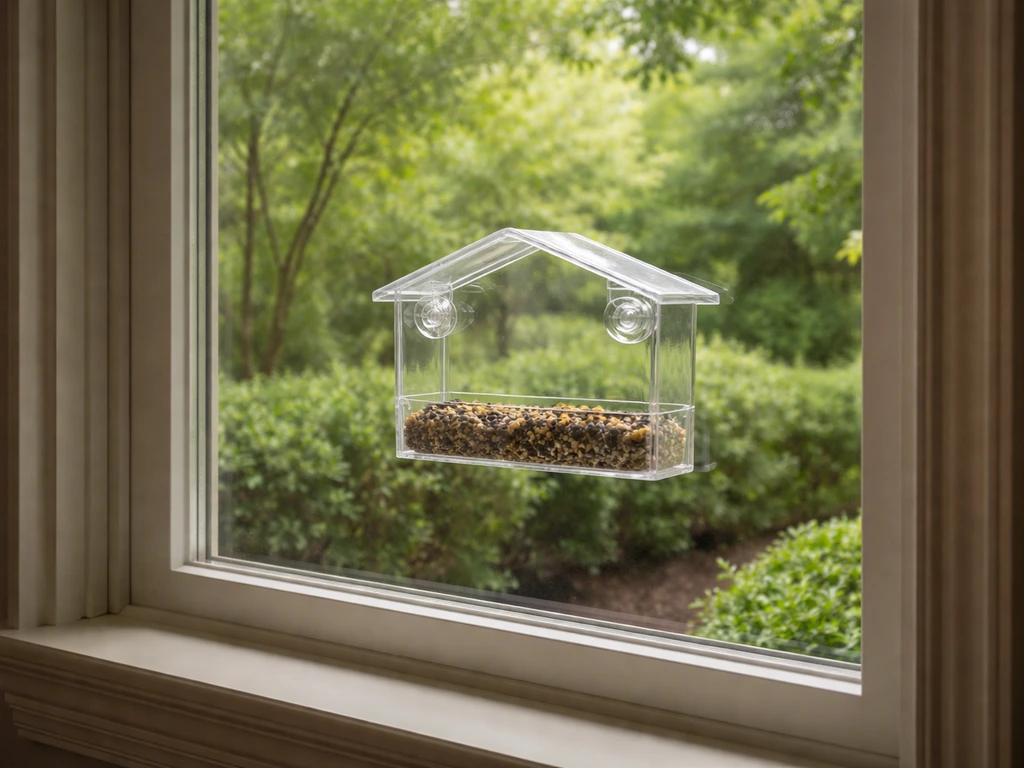
Position the feeder on a window that birds already approach, ideally one facing garden beds, shrubs, or trees where birds naturally forage. Mid-window height (roughly 4 to 6 feet off the ground) tends to attract the widest variety of species. Avoid placing it right at a corner where birds could approach from a sharp angle and miss the feeder, clipping the frame of the window instead.
Think about what's behind the window
From a bird's approach angle, if your window reflects open sky or a tree line on both sides, that's a collision hazard regardless of where the feeder sits. Close your blinds or shades partway on a window with heavy reflection, especially one facing an open yard. A window that looks dark or cluttered from the outside is actually safer than one offering a crystal-clear view through to the other side of the house.
Making glass visible to birds: decals, films, and patterns
This step is non-negotiable if you have any other windows within a few feet of your feeder, or if birds approach your window from a distance before landing. A single hawk sticker in the center of the glass does almost nothing. Birds will simply fly around it. The American Bird Conservancy is explicit about this: effective deterrents require dense, properly spaced coverage with no gap wider than about 2 inches. A single decal is enough to alert a person. A bird requires a pattern it can't fly through.
What actually works
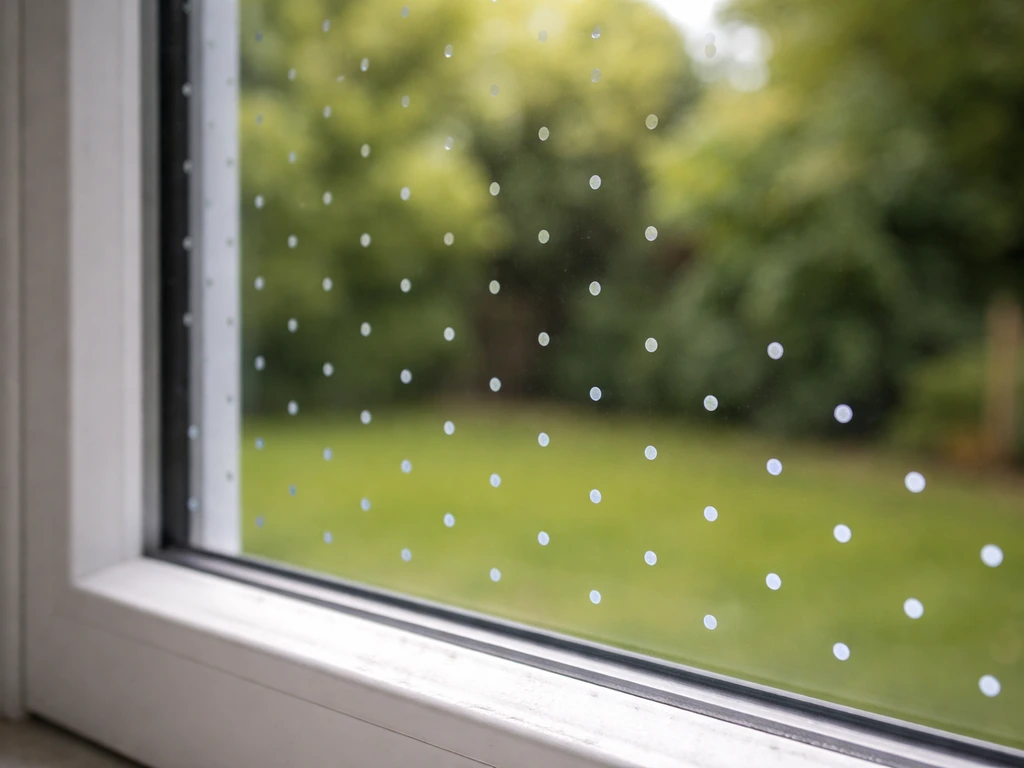
- UV adhesive decals applied to the outside of the glass, spaced no more than 2 inches apart across the entire window surface, not just around the feeder
- Perforated or dot-pattern window film applied to the exterior, which the USGS has used on facility buildings as a standard bird collision deterrent
- WindowAlert-style decals, which work when spaced about 1 to 2 inches apart over the full pane, not scattered randomly
- External screens or netting mounted a few inches from the glass, which break up reflections and physically slow birds before any contact with the window
- Closing indoor blinds or tilting them to interrupt the see-through effect, which reduces the visual draw for birds flying toward the house
Apply deterrents to the outside surface of the glass wherever possible. Deterrents on the inside of the glass are less effective because the reflection birds are responding to is on the exterior surface. If you're treating a whole window, start from the top and work down in rows, measuring your spacing rather than eyeballing it. It takes longer but makes a real difference.
Keeping the feeder clean to prevent disease and pests
The standard recommendation from Cornell Lab's Project FeederWatch and the US Fish and Wildlife Service is to clean seed feeders about once every two weeks under normal conditions. In warm or humid weather, or during heavy use, bump that up to once a week. For nectar or hummingbird feeders, discard cloudy or blackened water immediately and clean the feeder before refilling. Mold in a nectar feeder is not a minor issue you can rinse away.
How to clean a window feeder
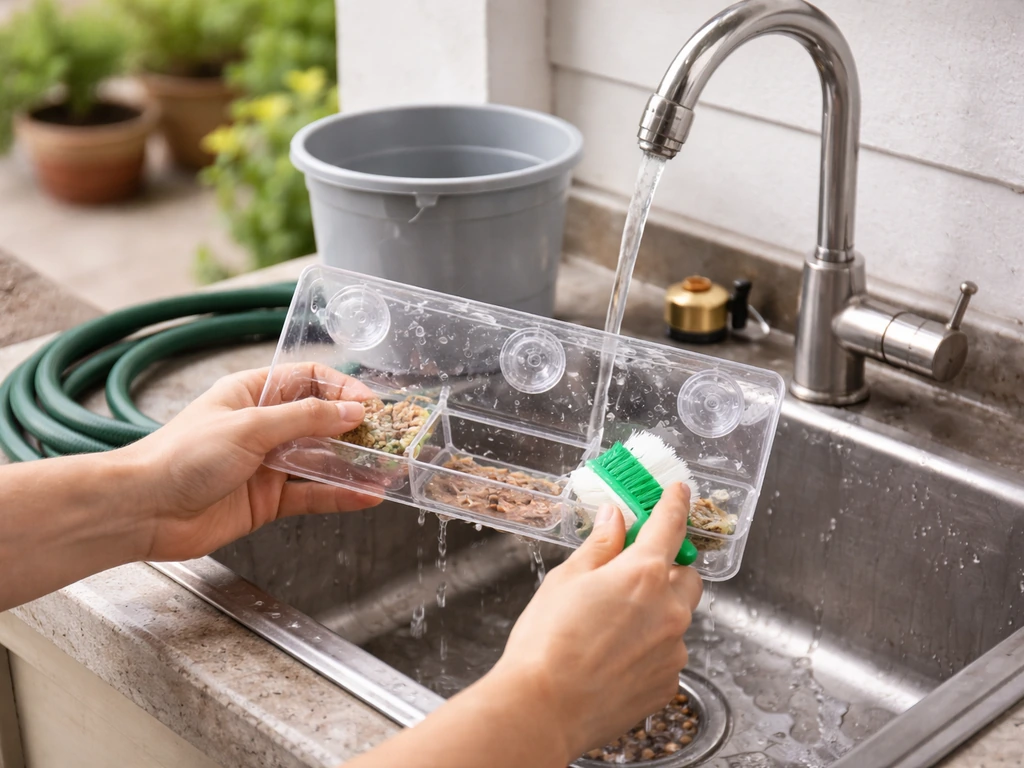
- Remove the feeder from the window and take it outside or to a utility sink, not your kitchen
- Empty out all remaining seed or nectar, including any clumped or wet material
- Scrub the interior and exterior with a stiff brush using a diluted bleach solution (roughly 1 part bleach to 9 parts water) or run it through the dishwasher on a hot cycle
- Rinse thoroughly and let the feeder air dry completely before refilling, wet seed spoils faster
- Wipe down the window and sill below the feeder to remove droppings and seed debris
Don't clean the feeder near where you prepare food. This isn't just about the birds: Salmonella strains associated with backyard feeders can affect people too, and a utility sink or outdoor hose keeps that risk contained. Wash your hands thoroughly after handling any feeder or seed.
Food choices that reduce risk
Buy seed in quantities you'll use within a few weeks. Store it in a sealed container away from moisture. For window feeders specifically, avoid loose mixes with a lot of filler seed (like red milo) that birds toss out and leave to rot. Sunflower chips, nyjer, or safflower attract target species more cleanly and leave less waste. If the feeder is getting wet from rain or condensation from the window, consider a feeder design with a roof overhang.
Troubleshooting common problems
Birds are still hitting the glass
If you're seeing regular strikes even with a close-mounted feeder, the issue is almost always an adjacent window. Check windows within 10 to 15 feet on either side of the feeder. A bird landing, getting startled, and flying sideways can still hit an untreated neighboring window even if the feeder window itself is well-positioned. Add deterrent coverage to those windows too. Also check the reflection quality at different times of day. A window that looks fine at noon may create a mirror-like reflection in early morning or late afternoon sun.
Aggression or panic feeding
If you notice birds acting aggressively at the feeder, crowding, chasing, or panic-flushing repeatedly, a few things might be happening. A predator like a hawk or cat may be nearby and you're just not seeing it. The feeder may also be attracting so many birds that competition is building stress. You can try moving the feeder to a slightly different window position or adding a second small feeder on the opposite side of the house to spread out the traffic. Panic flushing is also worth watching: birds that flush hard and fast at every disturbance, especially if it's happening near a reflective window, are at higher strike risk.
Rats, squirrels, and other wildlife
Window feeders are generally harder for squirrels to access than hanging or pole feeders, but determined squirrels will find a way, especially if the feeder is near a ledge, overhang, or climbing surface. Keep the area below the feeder clean. Seed hulls and dropped food on a windowsill or patio are what initially attract rodents. If you're seeing rats, stop filling the feeder temporarily, do a thorough clean of the surrounding area, and consider switching to hull-free seed that leaves less waste.
Signs of unhealthy birds at the feeder
Watch for birds that look puffed up and lethargic, birds with crusty or swollen eyes, birds that don't fly off when you approach, or birds that are stumbling or shaking. These are signs of disease circulating in your local bird population. The National Wildlife Federation, Virginia DWR, and US Fish and Wildlife Service all recommend the same response: take the feeder down immediately and stop feeding for at least two weeks. Clean the feeder and the surrounding area thoroughly before putting it back up. This is not an overreaction. A contaminated feeder can become a focal point that spreads disease to every bird in the neighborhood.
When to pause or skip window feeding
Window feeders aren't right for every situation. Some birders also wonder are peanut butter bird feeders safe, and the answer depends on ingredient safety and how you manage cleanliness at the feeding spot. If you are wondering, “is it safe to paint a bird feeder,” the safest choice is to use only non-toxic, bird-safe materials and let everything fully cure before birds return. Here's when it makes sense to hold off or temporarily stop.
- During peak migration seasons (spring and fall), bird traffic near windows increases significantly. If you haven't treated your windows with deterrents, migration periods are when strikes are most likely. USU Extension specifically recommends turning off exterior lights and closing blinds at night during migration to avoid drawing migrating birds toward lit windows.
- If sick or dead birds have been reported in your area, especially during known disease outbreaks like salmonella events, pause feeding until the situation clears.
- If you live in an area with high raptor activity (hawks hunting near your feeder), the concentration of small birds at a window can make them easy targets. This isn't a reason to stop permanently, but worth monitoring.
- If your window situation can't be adequately treated with deterrents (for example, a floor-to-ceiling glass wall or a window that faces directly into another reflective surface), the collision risk may outweigh the benefit. A pole feeder placed more than 30 feet from the house would be safer.
- If you're renting or otherwise unable to apply exterior deterrents, consider interior solutions like blinds or frosted window film, but understand these are less effective than exterior treatment.
Window feeders vs. other feeder types at a glance
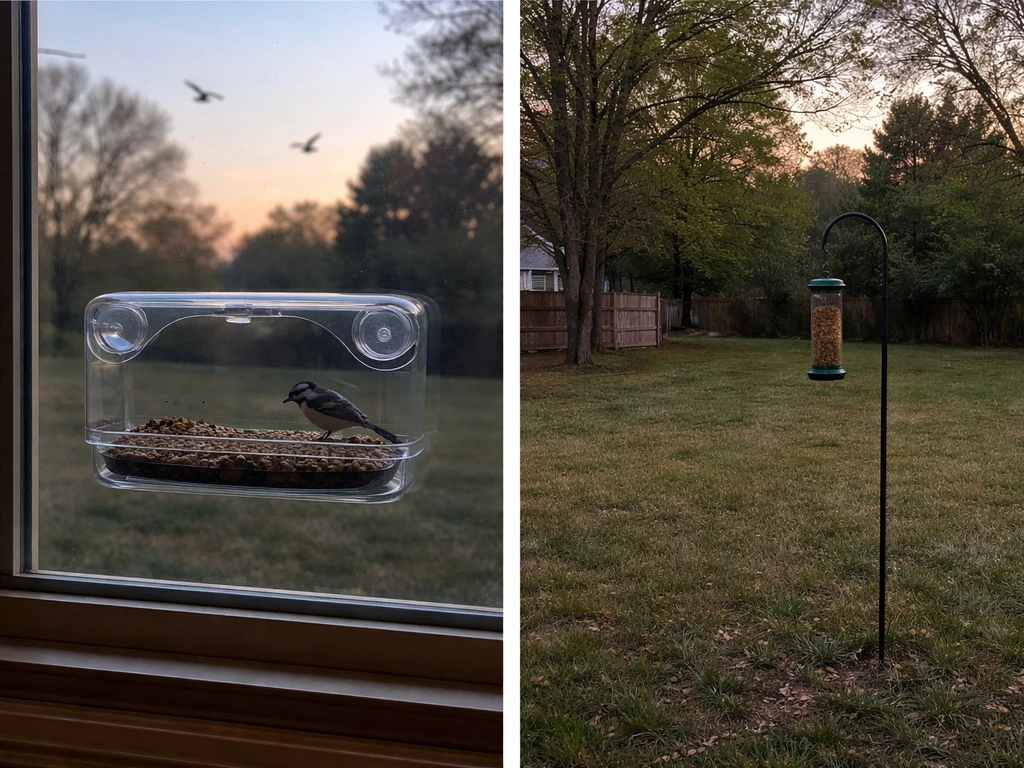
| Factor | Window Feeder | Pole/Hanging Feeder (30+ ft from house) |
|---|---|---|
| Collision risk | Low if mounted within 3 ft of glass | Low if placed 30+ ft from windows |
| Viewing experience | Very close, intimate views | Requires binoculars or distance viewing |
| Squirrel resistance | Generally easier to manage | Requires baffles and careful pole placement |
| Cleaning ease | Easy to remove and clean | Varies by feeder style and mounting height |
| Weather exposure | Partially sheltered by eaves | Fully exposed unless hooded feeder used |
| Disease risk | Same as any feeder with regular cleaning | Same as any feeder with regular cleaning |
If you're weighing window feeders against other options, the safety profile is comparable when set up correctly. Metal bird feeders also have a different kind of risk, since hot surfaces can burn feet in direct sun do metal bird feeders burn birds feet. The main trade-off is that window feeders demand more attention to glass visibility from the start. You might be wondering whether you should bird feeders be painted, but the safest approach is to focus on placement and making the glass visible to birds. Whether your feeder is plastic, metal, or hanging style, the core safety principles around cleaning and food quality apply equally. Metal feeders can also pose safety issues if they are dirty or positioned so birds cannot see the glass clearly. Whether your feeder is plastic, metal, or hanging style, the core safety principles around cleaning and food quality apply equally, and you'll want to double check are metal bird feeders safe for birds before using one. The window collision piece is what makes this style unique, and it's solvable with the placement and deterrent steps above.
If you're curious about material safety for other feeder types, the same general caution applies: the feeder material matters less than how well it's maintained and positioned. The biggest risks at any feeder are dirty food, unchecked mold, and windows that birds can't see.
FAQ
How can I tell if my window feeder is too far from the glass to be safe for birds?
Do a quick distance check from the birds’ typical pecking spot to the outer pane, not from the holder to the inside. If it’s commonly 4 to 30 feet away, you are in the risk zone. Window-mounted feeders with suction cups are usually within inches, which helps, but a feeder on a ledge or table can put it too far even if it looks close.
What if I don’t want to use decals or stickers, are there other ways to make the glass visible?
Yes, but they must prevent a clear “fly-through” reflection. Alternatives include temporary external screens (fine mesh), applying a pattern that covers the whole approach area, or changing window conditions with partially closed curtains only if they break up reflection from the outside. One small spot or a single hawk silhouette usually isn’t enough.
Should I cover the feeder window with a shade at certain times of day to reduce collisions?
Often, yes. If reflection changes across the day (morning and late afternoon sun can turn windows mirror-like), partially closing shades during those periods can lower strike risk. Use a setting that still allows birds to approach the feeder, otherwise you may increase stress as birds circle or land farther away.
Do window feeders increase the chance of birds hitting the rest of my house, not just one window?
They can. Birds sometimes land on the nearest safe “runway” and then move sideways, so neighboring windows within roughly 10 to 15 feet can also get hit. If strikes happen, check adjacent panes and the reflection pathways, not only the exact window with the feeder.
How often should I replace seed if I see wet clumps but the feeder looks clean?
If seed is damp enough to clump or has been wetted from rain or condensation, replace it rather than just stirring it. Damp seed can start spoilage even when it looks only slightly changed, and you also want to wipe away hulls and residue where bacteria and mold can persist.
Is it safe to use window feeders in winter or when condensation forms on the glass?
It can be, but condensation raises the chance of wet seed. Choose a feeder design with a roof or overhang, keep waste off the sill by cleaning the area under the feeder regularly, and shorten the refill interval so seed doesn’t sit damp. If you see visible mold, stop feeding and clean thoroughly.
Can cats, hawks, or other predators make window feeders unsafe even if collisions are controlled?
Yes. Predators can cause repeated flushing, and panic flights can lead to collisions with any reflective glass nearby. If you see aggressive crowding, repeated chasing, or birds not settling normally, pause feeding and reassess placement or deterrents until predator activity decreases.
What should I do if I accidentally miss the proper cleaning schedule and the seed gets moldy?
Take the feeder down immediately and stop feeding for at least two weeks. Clean the feeder and the surrounding area, because mold and contaminated waste can remain on surfaces under and around the window. After the break, restart with fresh seed and a stricter refill cadence.
Are window bird feeders safe for hummingbirds and nectar feeders?
They can be, but nectar feeders have faster spoilage risk. Discard cloudy, blackened, or otherwise altered nectar right away, wash the feeder before refilling, and avoid letting nectar sit. Mold in nectar can spread quickly and can also foul the feeding area.
Will window feeders attract squirrels less than other types, and what’s the most common failure point?
They usually deter squirrels, but the most common failure is food accumulating below the feeder (hull waste and dropped seed) on the sill or nearby ground. Keep the area clean, consider hull-reduced seed, and if you see consistent rat or squirrel activity, stop filling temporarily to break the routine.