Bird feeding is the practice of placing food out for wild birds so they visit your yard, garden, or balcony rather than relying entirely on whatever nature has on offer nearby. That's the simple version. In practice, it covers everything from a cheap plastic tube feeder filled with sunflower seeds to an elaborate feeding station with suet cages, hummingbird feeders, and a heated birdbath. If you're putting food out intentionally for wild birds, you're doing bird feeding.
What Is Bird Feeding? Types of Bird Feed and How It Works
Eleanor Hartwick
6 Apr 2026
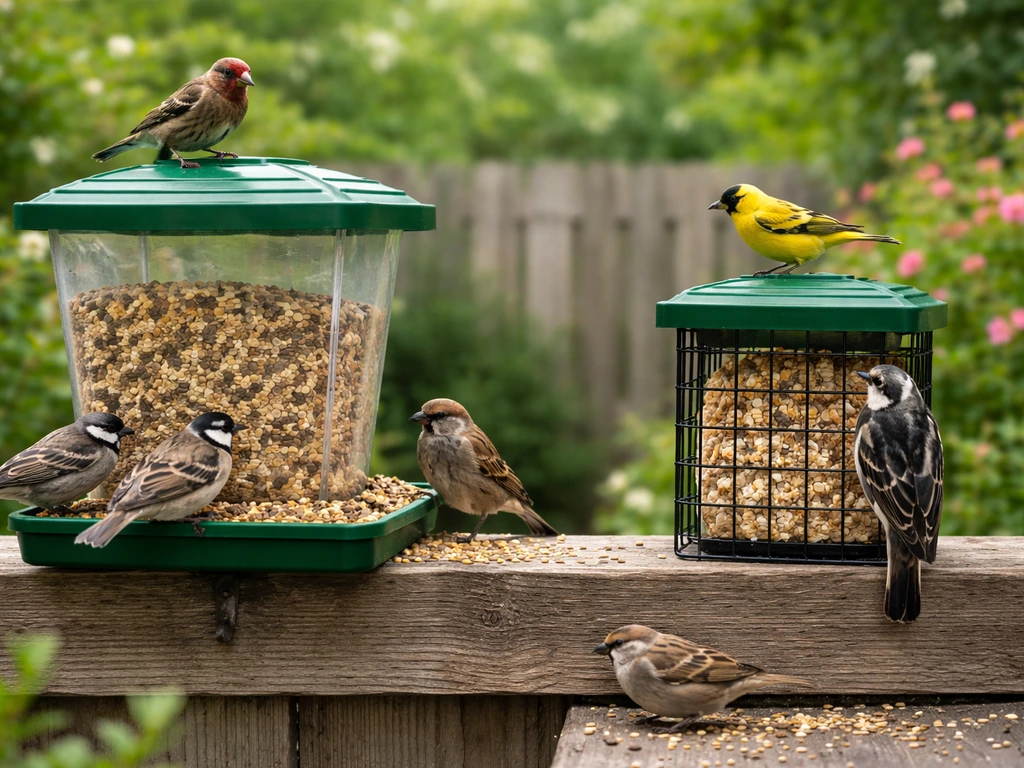
What bird feeding actually means, and what counts as bird feed
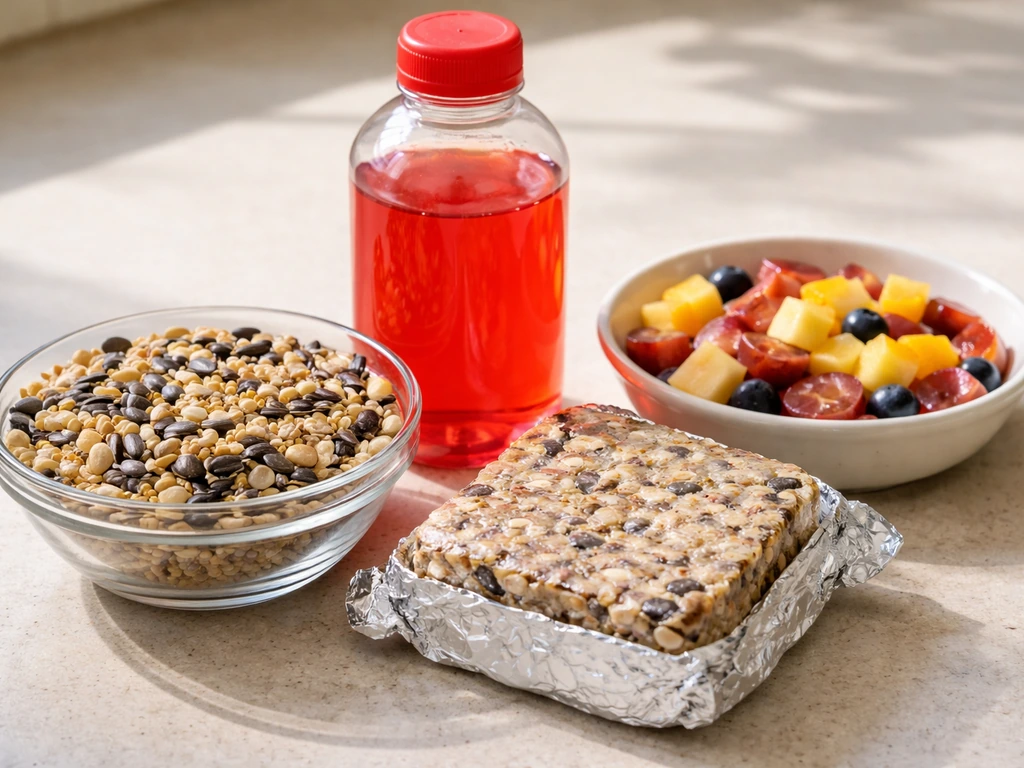
Bird feed is any food provided to wild birds at a feeding station. It's not a single product. It's an umbrella category that includes seeds, grains, suet, nectar, mealworms, fruit, and even kitchen scraps in some cases. The specific food you put out determines which birds you attract, which is why knowing the difference matters more than most beginners realize.
Here's a quick breakdown of the main bird feed types and what they're used for:
| Feed Type | Best For | Notes |
|---|---|---|
| Black-oil sunflower seed | Cardinals, chickadees, finches, nuthatches, grosbeaks | Thin shell, high fat content; the most versatile seed you can buy |
| Nyjer (thistle) seed | Goldfinches, siskins, redpolls | Requires a specialized feeder with small ports; finches go crazy for it |
| Safflower seed | Cardinals, doves, chickadees | Squirrels and starlings tend to avoid it, which is a genuine advantage |
| Suet cakes | Woodpeckers, nuthatches, wrens, starlings | High-energy fat source; critical in winter; can go rancid in summer heat |
| Nectar (sugar water) | Hummingbirds, orioles | Ratio is 4 parts water to 1 part plain white sugar; no dye needed |
| Mealworms (live or dried) | Bluebirds, robins, wrens | Especially useful during nesting season when protein demand is high |
| Mixed seed blends | Ground-feeding birds like sparrows and juncos | Quality varies wildly; cheap blends are often full of filler seeds birds ignore |
One thing that trips up beginners: the feeder and the feed are two separate things. What bird feeders are is its own topic, but the short version is that feeders are the hardware that holds and dispenses the food. The feed is what goes inside. Getting both right is how you actually attract the birds you want.
Also worth knowing: the purpose of a bird feeder isn't just to make your yard look nice. It's a genuine supplement to birds' natural food sources, particularly useful during migration, severe winters, and drought years when natural food is scarce.
When bird feeding helps birds, and when it doesn't
The U.S. Fish & Wildlife Service is honest about this: bird feeding can be genuinely beneficial, but it also carries real risks if done carelessly. The benefits are clearest when natural food is hard to find, such as during polar vortex events, extended droughts, or along migratory corridors where habitat loss has reduced natural foraging options. In those situations, a well-maintained feeder station can make a real difference to individual birds.
The risks are mostly about disease and dependency. Dirty feeders are one of the leading causes of disease outbreaks among backyard birds. Salmonella, aspergillosis (a fungal infection from moldy seed), and avian pox all spread easily at feeding stations where birds congregate. The dependency concern is more nuanced: most research suggests birds don't become dependent on feeders in a way that harms them, but poorly located or improperly maintained feeders can create problems. Window strikes, predator ambushes near feeders, and the spread of invasive species to new areas via feeders are all documented issues.
The bottom line is that bird feeding is neither universally good nor universally bad. It's worth doing thoughtfully. If you're consistent, keep things clean, and pick the right location, the benefits generally outweigh the risks for most backyard situations.
Choosing the right feed for the birds in your area
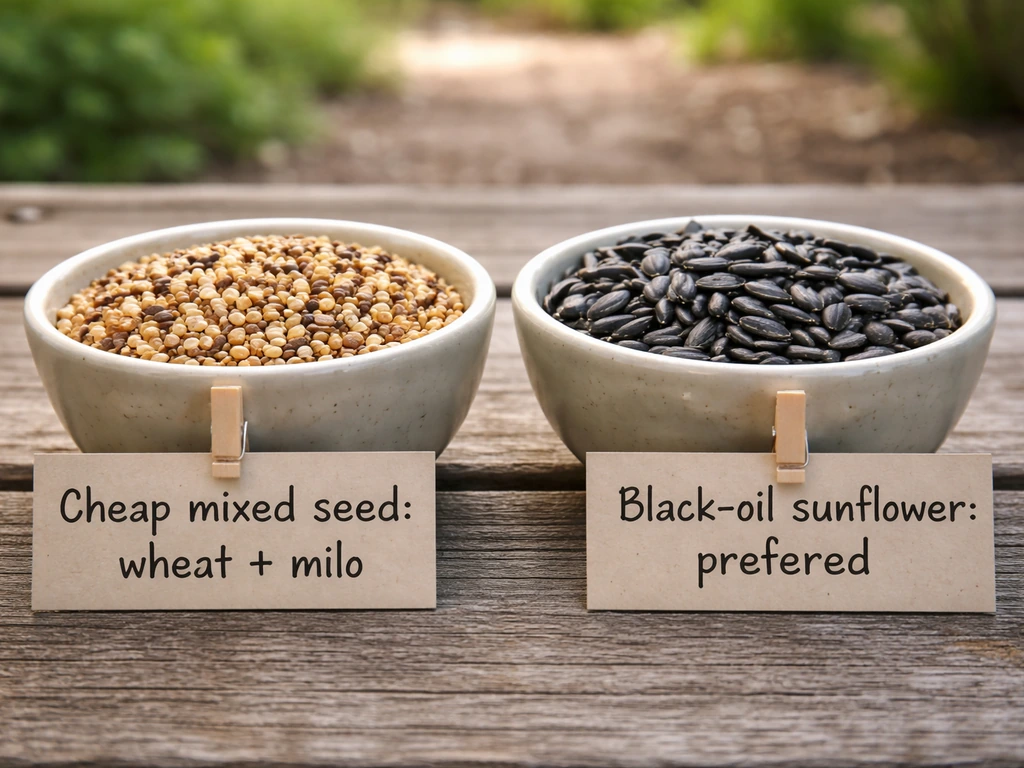
The single biggest mistake new bird feeders make is buying a cheap mixed seed blend and wondering why only house sparrows show up. Cheap mixes are loaded with milo, wheat, and red millet that most birds in North America simply don't want. Sunflower seeds (specifically black-oil) are the closest thing to a universal currency in bird feeding. If you only buy one seed, make it that.
Beyond sunflower seeds, your choices should be driven by what birds actually live near you. If you're in an area with eastern bluebirds, mealworms are worth the extra cost, especially in spring and summer. If you get goldfinches passing through, a nyjer feeder will light up your yard during migration. In winter, suet becomes the highest-value feed you can offer, especially for woodpeckers working the neighborhood trees.
Hummingbird nectar is a special case. The correct sugar ratio for a hummingbird feeder is 1 part white sugar to 4 parts water. Don't use honey, artificial sweeteners, or red dye. The red color on the feeder itself is enough to attract them. Change nectar every 2 to 3 days in warm weather because it ferments quickly and fermented nectar can make hummingbirds sick. Smithsonian’s National Zoo hummingbird nectar guidance also recommends changing nectar every other day and thoroughly cleaning feeders each time to help prevent harmful mold growth Change nectar every 2 to 3 days in warm weather because it ferments quickly.
One more thing: watch for what gets left behind. If you're consistently finding certain seeds on the ground untouched, birds are rejecting them. That's your cue to switch or simplify your mix.
Setting up feeders: placement, height, and safety
Placement is where most people go wrong, and it's usually because they put the feeder where it looks good to them rather than where it's safe for birds. The two most important placement rules are: blank" rel="noopener noreferrer">keep feeders either very close to windows (within 3 feet) or very far from windows (beyond 30 feet). This sounds counterintuitive, but it's about collision physics. On r/Ornithology, commenters discuss using the common blank" rel="noopener noreferrer">window-distance collision rule and share personal experience that window clings can help reduce strikes. Birds that take off from a feeder within 3 feet of a window don't build enough speed to injure themselves on impact. At 30+ feet, they have time to detect and avoid glass. The dangerous middle zone is roughly 5 to 25 feet away from a window.
For predator safety, hang tube feeders at least 5 feet off the ground and position them away from low cover that cats or hawks can use as a launching pad. A clear zone of about 10 feet between the feeder and dense shrubs gives ground-feeding birds time to spot danger and escape, while still offering some cover nearby for them to retreat to.
If you're still deciding what hardware to invest in, it's worth understanding how much bird feeders cost before you start, since quality varies enormously and the cheapest options often need replacing within a season. And if you've looked at premium brands and felt sticker shock, there's actually a straightforward explanation for why bird feeders are so expensive in the first place, mostly coming down to materials, UV resistance, and the cost of ports and mechanisms that hold up to weather and wildlife.
A simple starter setup that works well for most backyards:
- One hopper or tube feeder filled with black-oil sunflower seeds, hung 5 to 6 feet high on a pole with a squirrel baffle
- One suet cage mounted to a tree trunk or post (especially in fall and winter)
- One nyjer sock or tube feeder if you want to target finches
- A shallow birdbath nearby, kept clean and filled with fresh water
For those interested in premium feeders specifically, it's also worth knowing why Droll Yankees bird feeders command a higher price than most competitors. Their construction and squirrel-resistance track record make them a genuine long-term value if you're serious about the hobby.
Keeping feeders clean to prevent disease
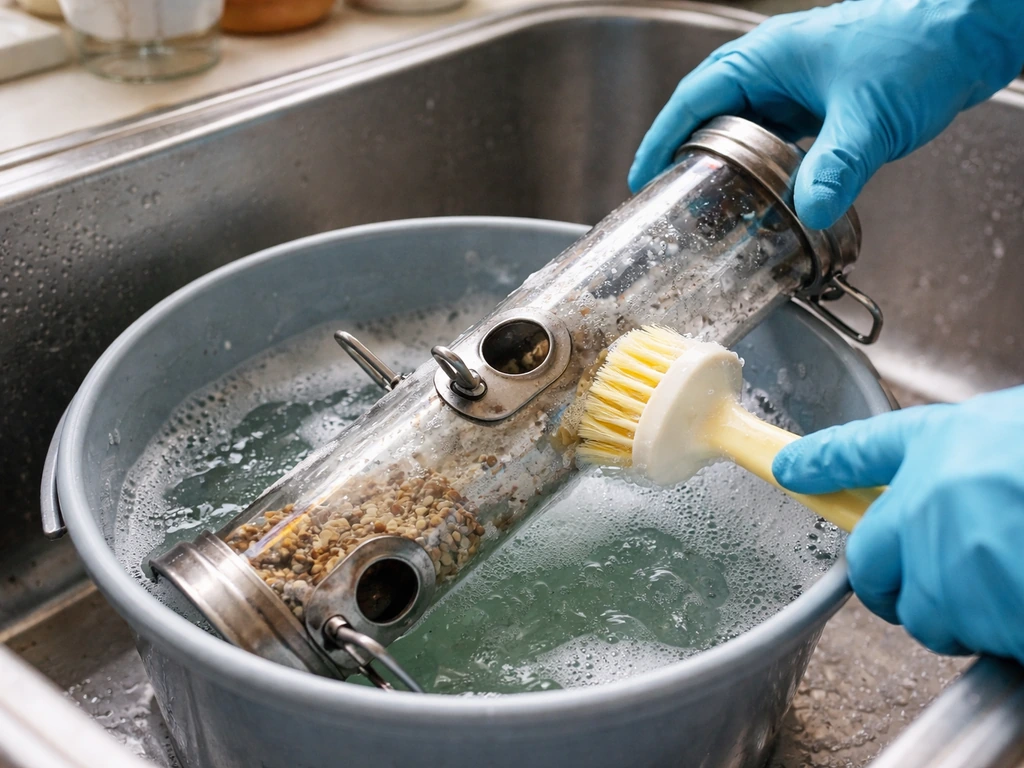
This is the part most people skip until something goes wrong. Dirty feeders are a real disease vector. Wet, moldy seed at the bottom of a tube feeder, bird droppings accumulating on feeding ports, and stagnant nectar are all active disease risks for the birds you're trying to help. The good news is that cleaning isn't complicated, just requires consistency.
For seed feeders, do a full scrub with a 10% bleach solution (1 part bleach to 9 parts water) every 2 to 4 weeks under normal conditions, and weekly during wet weather or if you notice sick-looking birds. Rinse thoroughly and let feeders dry completely before refilling. Never add fresh seed on top of old seed; dump and refill each time.
Nectar feeders need the most attention. Clean them every 2 to 3 days in temperatures above 75°F. Even if the nectar looks fine, it may already be fermenting. Use hot water and a bottle brush; avoid soap because the residue can affect the nectar flavor and discourage birds.
Also clean up below feeders regularly. Discarded seed hulls build up into a damp, moldy mat on the ground that attracts rodents and can harbor fungal spores. Rake or sweep the area under your feeders every week or two. If you notice a consistent mess problem, consider switching to shelled sunflower seeds (no hulls) or placing a seed tray under the feeder to catch debris.
Handling squirrels, rats, and aggressive birds
The most common complaint in bird feeding is squirrels. They're persistent, athletic, and legitimately impressive problem-solvers. The most effective deterrent system combines three elements: a smooth metal pole (not wood or plastic they can grip), a baffle mounted on the pole about 4 feet up, and feeders positioned at least 10 feet from any launchable surface like a tree, fence, or wall. This setup stops the majority of squirrel raids. Caged feeders that allow small birds through but block larger animals are also effective, especially for nyjer seed.
Rats are a less glamorous but real problem in some areas, particularly if you have a lot of seed spillage on the ground. Using tube feeders that minimize waste, cleaning up spilled seed daily, and avoiding ground-feeding stations are your best tools. If you suspect rats are present, temporarily stopping all feeding for a few weeks while cleaning up the area thoroughly usually breaks the cycle.
Aggressive species like European starlings and house sparrows can overwhelm feeders and crowd out the songbirds you actually want to attract. Safflower seed is a practical solution here because most starlings and house sparrows won't eat it, while cardinals and chickadees readily will. Caged feeders are another option. Avoid millet-heavy blends because those are exactly what house sparrows favor.
If you want to track patterns of which species are visiting and when problems tend to peak, keeping a simple log of bird feeder activity over a few weeks gives you real data to work with instead of guessing.
Adjusting your feeding through the seasons
Bird feeding isn't a set-it-and-forget-it activity. What birds need and which species are present changes significantly across the year, and your setup should reflect that.
In winter, high-fat foods are the priority. Suet, peanuts, and black-oil sunflower seed all help birds maintain body heat during cold nights. This is when feeding has the clearest documented benefit to birds, particularly during extended cold snaps. Keep feeders consistently stocked because birds start relying on known food sources when natural foraging is difficult.
In spring and summer, protein-rich foods like mealworms matter more, especially for birds raising chicks. You'll also see the biggest variety of visitors during spring migration, when birds passing through your area will stop for a meal. This is a good time to expand your offerings temporarily. Suet can go rancid quickly in summer heat, so switch to no-melt suet formulas or reduce how often you use it.
If birds seem to disappear from your feeders suddenly, don't panic. It usually means natural food is abundant (insects, berries, wild seeds), nesting birds are eating away from feeders to avoid drawing predators to the nest, or seasonal migration has shifted the local population. Keep feeders clean and stocked at a reduced rate, and traffic will pick back up. Sudden drops in activity can also signal a nearby predator has staked out the feeder area. Watch for signs: scattered feathers, a hawk perching nearby, or unusual quiet in the area.
Fall is when you want to ramp back up. Migratory species are moving through, resident birds are bulking up for winter, and a well-stocked feeder in October and November will draw serious variety. Add a second feeder or a ground-feeding tray to handle the increased traffic.
Your quick-start plan for getting this right
If you're starting from scratch or trying to troubleshoot a setup that's not working, here's a practical sequence to follow:
- Identify the birds you already see in your area. Spend 10 minutes watching out the window or checking a local birding app. Match your feed and feeder types to those species first before expanding.
- Start with one feeder, not five. A single hopper feeder with black-oil sunflower seeds in a well-placed spot beats a crowded pole with five feeders of mediocre seed.
- Place your feeder either within 3 feet of a window or at least 30 feet away. Mount it on a smooth pole with a squirrel baffle at 4 feet.
- Set a cleaning reminder. Every two weeks minimum for seed feeders, every 2 to 3 days for nectar feeders in warm weather.
- Keep a log for the first month. Note which species come, what time of day, and what feed they seem to prefer. You'll learn more in 4 weeks of observation than from any guide.
- Add complexity gradually. Once you have steady traffic at one feeder and a clean setup, add a suet cage, a nyjer feeder, or a birdbath. Don't try to do everything at once.
Bird feeding done well is genuinely rewarding, not because it's complicated, but because when you get the basics right, results show up fast. Most people see their first regular visitors within a few days to a couple of weeks. The key is patience with the initial setup and consistency with maintenance after that. Birds are creatures of habit. Once they find a reliable, clean food source, they'll be back.
FAQ
What happens to birds if I stop bird feeding suddenly?
If you stop feeding, most birds will move back to natural food within days to a couple of weeks. However, the transition is easiest if you reduce gradually (especially in winter) and keep the area clean while you taper off, since leftover seed and droppings can still contribute to mold and disease.
Can bird feeding interfere with nesting birds?
Yes. “Wild birds” can be disturbed if feeders are placed too close to nests, and many songbirds will avoid feeding stations when predators can easily target their young. If you see nesting activity nearby, temporarily reduce or pause feeder traffic and keep feeder placement well away from nest sites until fledging.
What foods should I never put out for backyard birds?
Do not offer bread, popcorn (especially salty or buttered), or greasy human food. These can upset nutrition and attract pest species, and sticky or salty foods can also increase waste that promotes mold. Stick to species-appropriate items like black-oil sunflower, suet types meant for wild birds, nectar with the correct sugar ratio, and mealworms when relevant.
Can I use the same feeder equipment for different types of food?
Use different feeders or at least separate the stations by type, and wash everything between changes. For example, don’t let seed residue mix with nectar equipment, and don’t refill nectar into a container that still smells like old nectar. This reduces fermentation and cross-contamination that can spread illness.
What should I do if I see sick or dead birds at the feeder?
Birds that are sick can spread pathogens, so the best step is to clean and dry equipment thoroughly and pause feeding for a short window. If you notice repeated deaths or obvious fungal signs (moldy seed, wet residue), stop until the area is cleaned and no new birds show symptoms. Wear gloves when cleaning and avoid sweeping dry seed that creates airborne dust.
My feeder attracts the “wrong” birds, or birds leave quickly. What should I change first?
For safety, switch from “any seed mix” to a targeted staple. Black-oil sunflower works widely, but if the ground under the feeder gets messy or you see persistent rejects, simplify your offerings and move to a feeder that reduces spillage (like a tray with rails or a design with better port control).
How can I tell whether the problem is nectar, feeder placement, or timing for hummingbirds?
If hummingbirds are not visiting, check placement in addition to food. Nectar feeders should be visible, near natural cover they can perch on, and protected from strong wind that cools or splashes nectar. Also ensure you’re not using red dye or sweeteners, and replace nectar on schedule because fermentation can happen before nectar visibly changes.
Should I keep feeding during rainstorms or extreme weather?
Generally, keep feeding stations active through the coldest periods but adjust “volume” based on weather. In heavy rain or rapid thaw, pause briefly or switch to more protected feeder types, since wet seed and moldy bottoms are a common trigger for outbreaks. Then resume with clean, dry food once the area is under control.
How do I make bird feeding safer for birds from predators like cats and hawks?
Yes. The risk level increases near dense vegetation and when feeders are reachable from perches cats can use. Keep tube feeders elevated, maintain the clear space between feeders and shrubs or walls, and consider baffles or caged designs to reduce ambush and predation opportunities for ground-feeding birds.
What’s the easiest way to troubleshoot a bird feeding setup that isn’t working?
A good rule is to log what you put out, when you clean, and which species show up, then change only one variable at a time. If you switch seed types, give it several days to a week. If you change location or feeder height, monitor collisions and bird traffic for a couple of weeks before making another adjustment.
When should I replace a feeder instead of just cleaning it?
Yes, for many feeders there are “break points” where you should stop using that feeder as conditions worsen. If a tube feeder keeps producing a wet, moldy seed pocket or ports clog repeatedly, replace it or switch to a different design and clean more often. Don’t keep refilling when the feeder interior is contaminated.
Next Articles
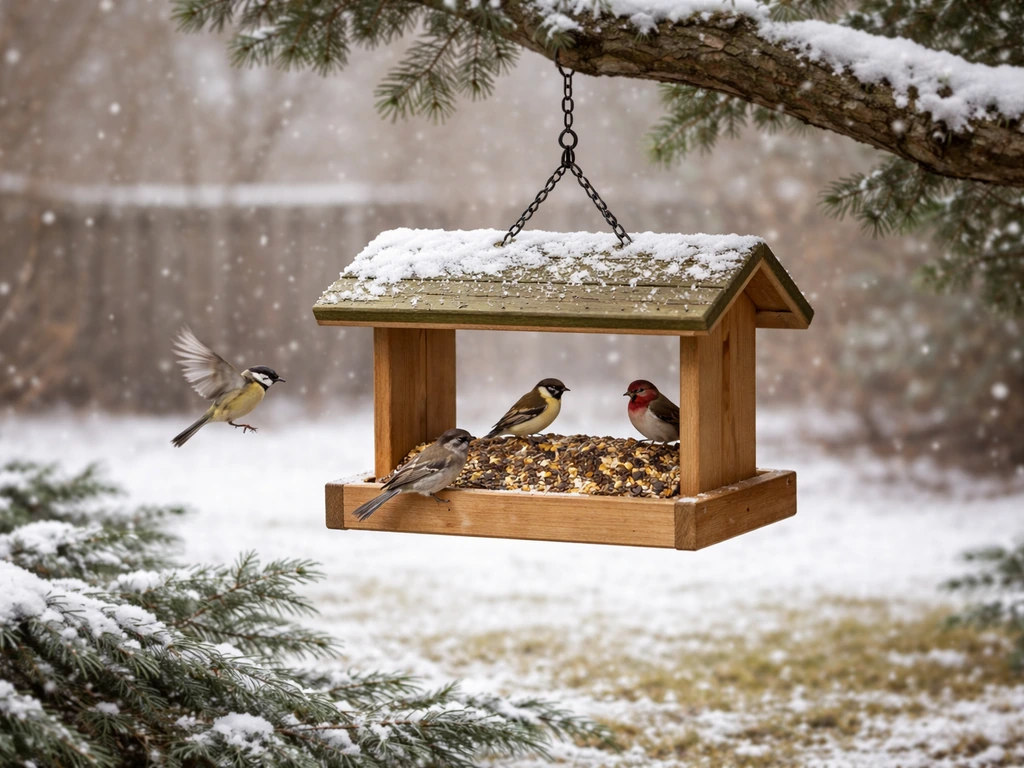
Do You Leave Bird Feeders Out All Year? Seasonal Guide
Should you leave bird feeders out all year? Get seasonal tips, safe feeding, and cleaning to prevent disease and pests.
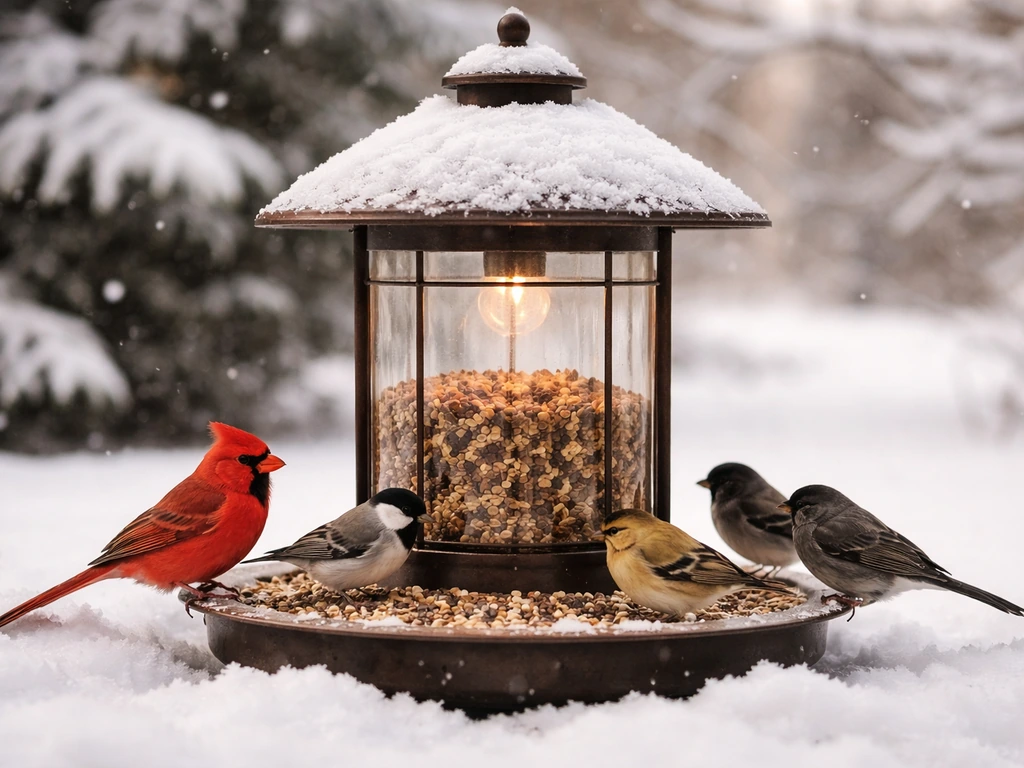
Do Birds Use Bird Feeders in Winter? How to Feed Safely
Yes, birds use feeders in winter when needed. Feed safely, keep it clean, prevent spoilage and adjust amounts.
Should You Fill Bird Feeders in Winter? When to Fill or Stop
Know when to fill bird feeders in winter, when to stop, and how to adjust food, amounts, and safety for summer too.