
Most bird feeders fall somewhere between $10 and $150, with the sweet spot for a solid, durable everyday feeder sitting around $25 to $60. If you're new to backyard bird care, what is bird feeding and how you do it safely starts with choosing the right feeder and seed for the birds in your area. If you're still deciding where to start, it helps to know what are bird feeders and how different styles work. If you're wondering about the purpose of a bird feeder in general, it's mostly about supporting backyard birds with a reliable food source and a convenient feeding spot. Budget plastic tube feeders start under $25 (the Perky-Pet 2-in-1 XL, for example, runs $23.75 for a 4 lb capacity feeder with 6 ports). Cedar hopper feeders with suet cages land around $33 to $42. Premium squirrel-resistant or copper-topped feeders push $55 and up. Droll Yankees also use materials and designs that can increase cost, so comparing model features and capacities helps explain why their feeders tend to run higher Droll Yankee bird feeders. Beyond the sticker price, though, the real ongoing cost of feeding birds is seed, plan on spending $20 to $45 every month or two depending on how many feeders you run and how hungry your local birds are.
How Much Are Bird Feeders Cost by Type and Budget

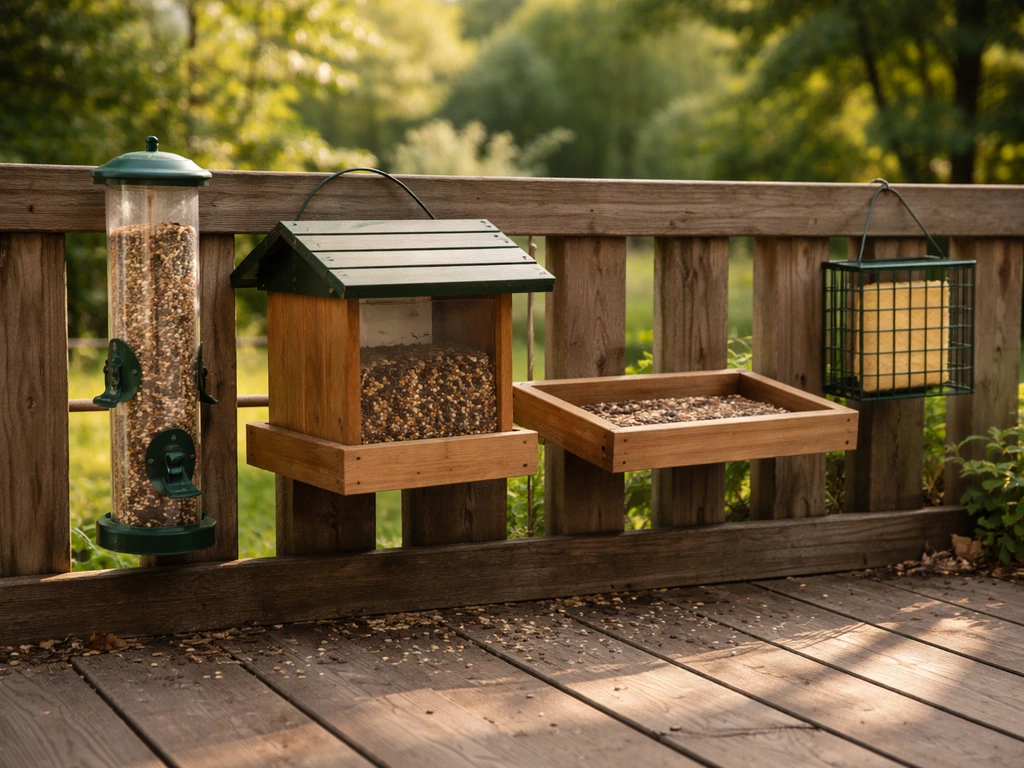
Typical bird feeder price ranges
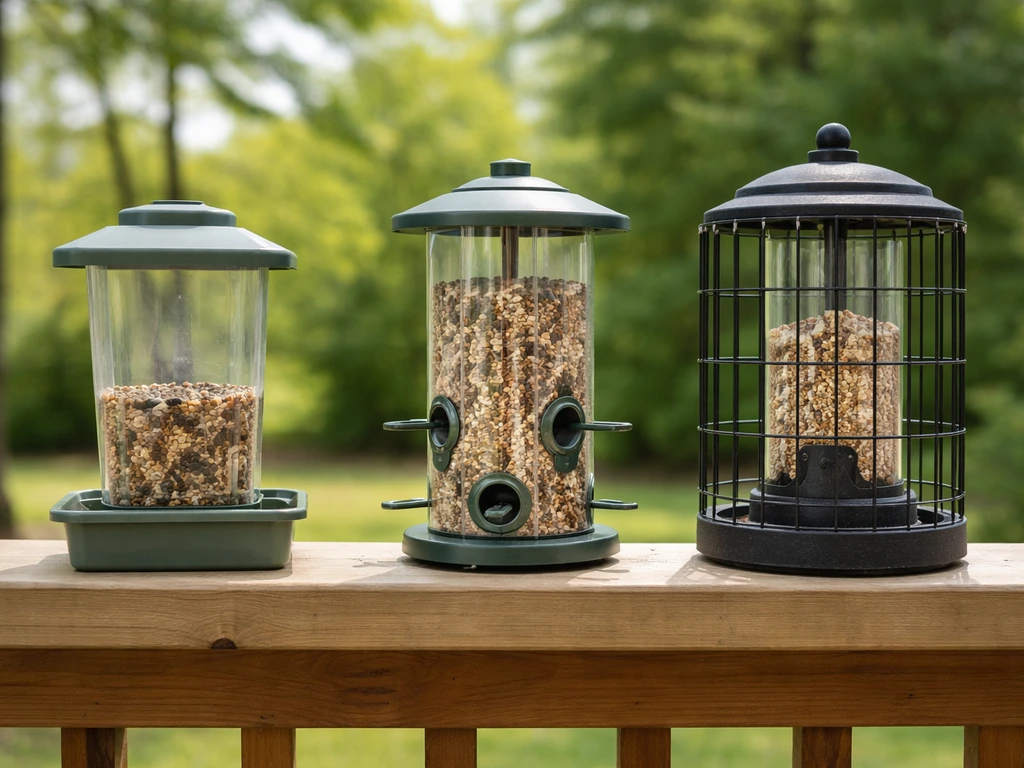
Here's a practical breakdown of what you'll encounter at most retailers today, whether you're shopping at a big-box store, a specialty bird shop, or online.
| Price Tier | Typical Range | What You Get |
|---|---|---|
| Budget | $8 – $20 | Basic plastic feeders, simple suet cages, small capacity, fewer ports, limited weather resistance |
| Mid-range | $20 – $55 | Larger capacity, more ports, better materials (metal accents, UV-resistant plastic, cedar), some weather guards |
| Premium | $55 – $150+ | Heavy-duty metal or copper construction, squirrel-resistant mechanisms, easy-clean design, long warranty, specialty formats |
Most first-time buyers land comfortably in the $20 to $50 range and get a feeder that does the job well. Going cheaper than $15 often means replacing it within a season. Going premium makes sense once you know what birds visit your yard and which feeder style you actually use consistently.
What actually drives the price up (or down)
Not all price differences reflect quality. Some of it is branding, some is genuinely useful engineering, and some is aesthetic. Knowing which is which saves you money. That same mix of material choices, engineering, and feature trade-offs is why bird feeders can cost a lot more than the basic models why are bird feeders so expensive.
- Material: Plastic feeders are cheapest but degrade in UV light and crack in cold. Metal feeders (steel, aluminum, copper) cost more upfront but last years longer. Cedar wood sits in between — attractive, naturally weather-resistant, but requires occasional cleaning to prevent mold.
- Capacity: A 4 lb feeder costs less to manufacture than an 8 lb one, but a larger feeder means fewer refills. If you have active traffic, a higher-capacity feeder can save you time and reduce the mess of constant topping-off.
- Number of ports: More feeding ports mean more birds at once, but also more cleaning surfaces. A 6-port tube feeder costs noticeably more than a 2-port version.
- Squirrel resistance: Wire cages, weight-sensitive closures, and baffles add $15 to $40 to the cost of an otherwise similar feeder. Worth it if squirrels are a genuine problem in your yard.
- Weather guards and baffles: Roof extensions and dome baffles keep seed dry and reduce waste. Some feeders include these; others sell them as add-ons.
- Ease of cleaning: Feeders with wide openings, removable bases, and dishwasher-safe components cost more but genuinely reduce the labor and time you spend on maintenance — which matters for bird health.
- Brand positioning: Specialty brands sold through bird stores (like Droll Yankees or Woodlink) carry a premium partly because of distribution, warranty support, and perceived quality. Big-box brands like Perky-Pet offer solid value at lower prices.
Buying by feeder type: what each style costs and who it's for
The type of feeder you choose shapes both the upfront cost and what birds show up. Here's what to expect from each main category.
Tube feeders
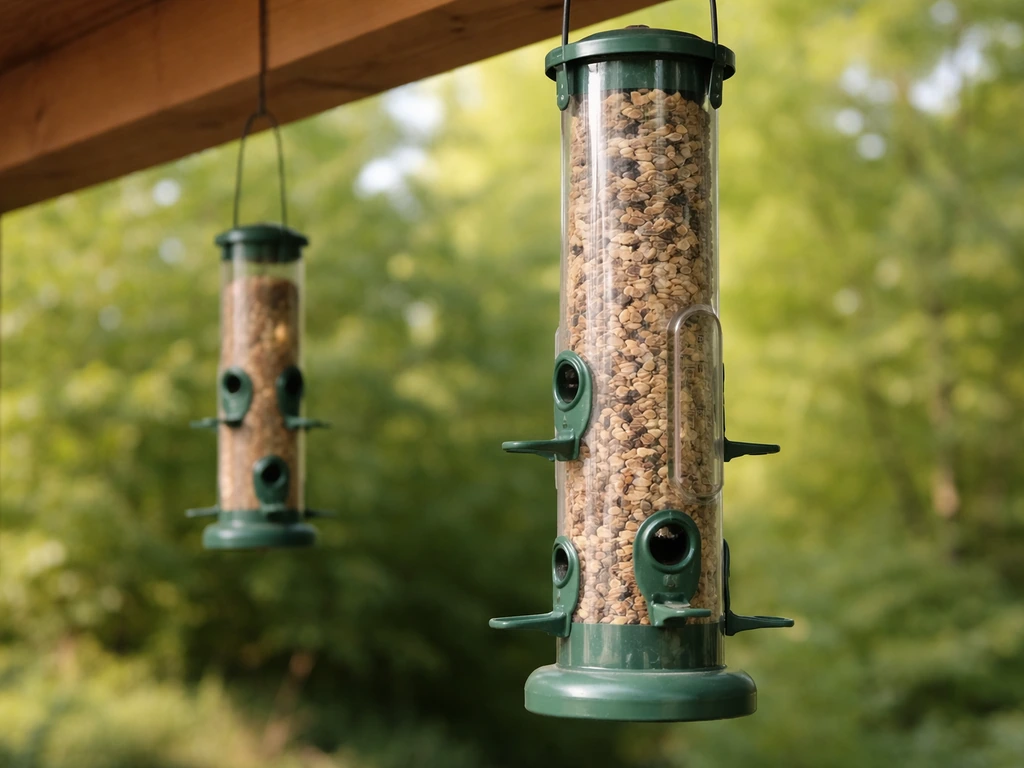
Tube feeders are the most common starting point and cover a wide price range. A basic 4 lb plastic tube feeder with 6 ports runs around $20 to $25, the Perky-Pet 2-in-1 XL at $23.75 is a good example of what mid-budget looks like. Step up to a metal or copper-topped version (like the Woodlink Coppertop 6-port at $54.99, down from $62.99) and you get better durability and weather resistance. Tube feeders work well for sunflower seeds, nyjer (thistle), and mixed blends, and they attract finches, chickadees, nuthatches, and sparrows. Squirrel-resistant tube feeders with wire cages or weight-sensitive closures typically run $40 to $80.
Hopper feeders
Hopper feeders look like little houses and hold more seed than most tube feeders, typically 4 to 6 quarts. A cedar hopper feeder with two suet cages (like Nature's Way's popular 6 qt model) runs about $33 to $42 depending on where you buy it, Chewy currently lists it around $41.89, while wholesale catalogs show a retail of about $33. These feeders attract a broader variety of birds, including cardinals, jays, and woodpeckers (especially with suet cages attached). The trade-off is that open hoppers can let seed get wet and clump, so look for models with a roof overhang and drainage holes in the tray.
Platform feeders
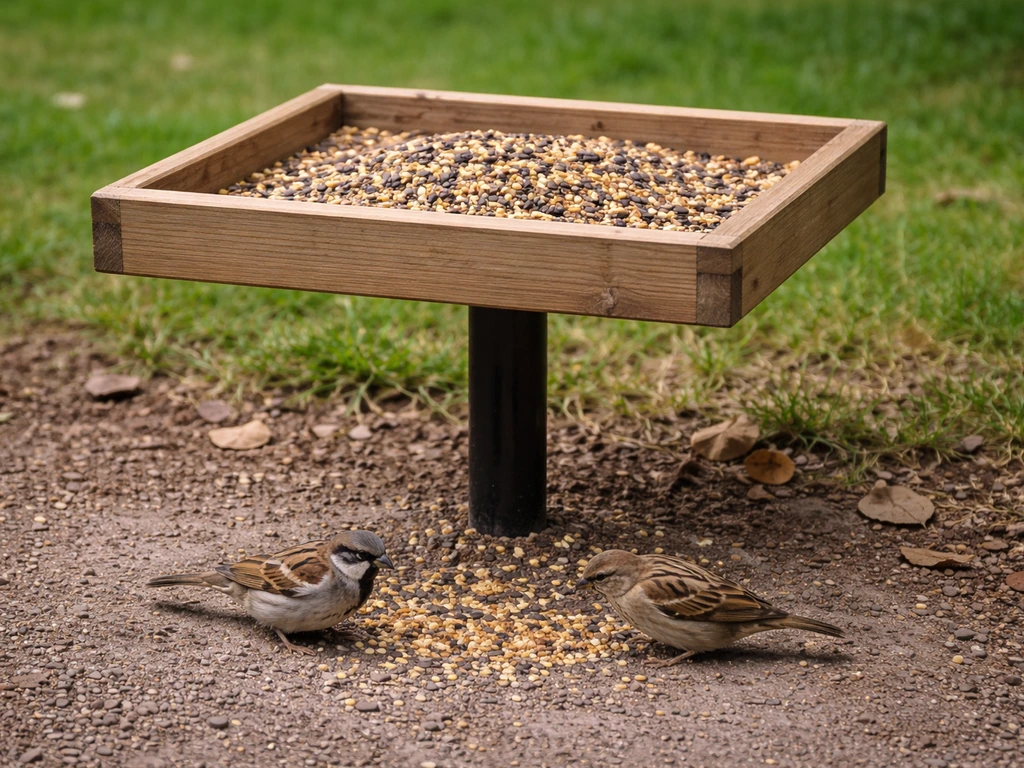
Platform feeders are open trays, either hanging or post-mounted, and they attract the widest variety of species including ground-feeding birds like doves, juncos, and towhees. Cedar hanging platform feeders from brands like Nature's Way typically run $25 to $50. The downside: open platforms expose seed to rain and squirrels more than any other feeder style. If you live somewhere with frequent rain or heavy squirrel pressure, a platform feeder works best as a secondary feeder rather than your main one.
Suet feeders
Basic single-cake wire suet cages are genuinely cheap, often $5 to $10. Double suet feeders with squirrel resistance (like the Perky-Pet Squirrel-X double suet caged feeder) run $15 to $30. Suet feeders are particularly good for woodpeckers, nuthatches, and wrens, and they're low-maintenance compared to seed feeders. If you’re using a feeder that requires a sweet mix, check how much sugar to add for the bird feeder type you have before filling it how much sugar for bird feeder. Suet cakes themselves are inexpensive, usually $1.50 to $3.50 each, so the ongoing cost is manageable.
Specialty feeders
Specialty feeders include hummingbird nectar feeders (typically $10 to $40), nyjer sock or finch feeders ($8 to $35), and combination stations like the Kaytee Cedar Seed and Suet Feeder Station that consolidate multiple feeding formats into one unit. These usually run $35 to $80. Combination feeders reduce the number of separate units you need, which can actually save money if you were going to buy multiple feeders anyway, though they make cleaning a bit more involved.
The ongoing costs most people forget to budget for
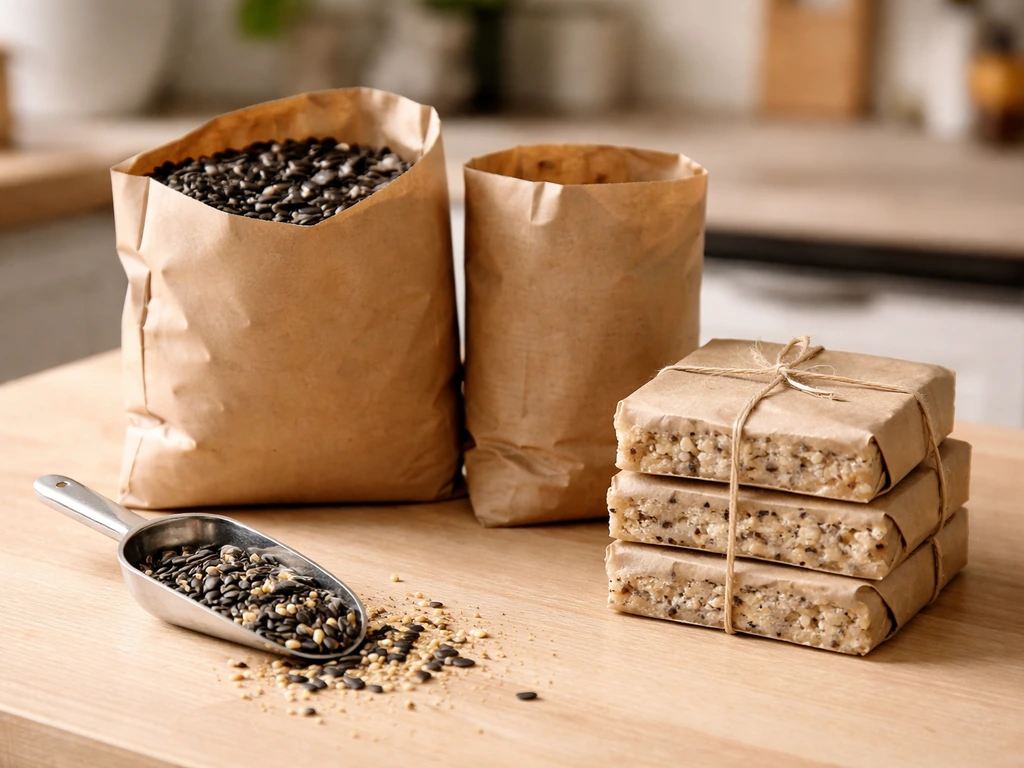
The feeder itself is a one-time cost. What you actually spend money on every month is seed, suet, and the occasional cleaning or replacement supply. This is the part of the equation that catches new bird feeders off guard.
Seed costs
Black oil sunflower seed is the most versatile option and typically runs about $0.75 to $1.25 per pound depending on where you buy and the bag size. A 20 lb bag of mixed wild bird food from a brand like Wagner's will cost roughly $18 to $28. Buying in larger bags (40 lb and up) brings the per-pound cost down noticeably, Wild Birds Unlimited's seed bundles, for example, show savings of $2 to $3 when moving from a 20 lb bag at around $22.99 to a 40 lb bag at around $40.99. If you're running one or two active feeders, expect to spend $15 to $40 per month on seed. More feeders, more traffic, or premium seed blends push that higher.
Cleaning supplies and accessories
You need to clean your feeders regularly, every two weeks at minimum, more often in hot or wet weather. This isn't optional; dirty feeders can spread disease among birds. A dedicated feeder cleaning brush (like the BirdsUP model with an extra-long handle, priced at $8.79) is worth having. You'll also want a mild bleach solution or specialty feeder cleaner. Budget about $10 to $20 upfront for cleaning tools, and factor in a few minutes of time every couple of weeks.
Accessories and replacement parts
A seed tray that catches falling seed (like the Aspects Round Seed Tray at $19.99) reduces waste and keeps the ground under your feeder cleaner, which helps deter rodents. Pole-mounted baffles, weather domes, and port replacements are occasional but real costs. Add these up and you might spend another $20 to $50 in your first year getting your setup dialed in, then very little after that.
Budget vs premium: what's worth paying for
Here's a direct take: start mid-range, not cheap. A $10 feeder often lasts one season and ends up costing more over three years than a $40 feeder you buy once. That said, you don't need to spend $100 on a feeder to feed birds well.
Pay more for these features because they genuinely save you money and frustration over time:
- Easy-clean design with a removable base or wide opening — cleaning is the single biggest maintenance burden, and a feeder that's hard to clean is one you'll stop cleaning
- Metal or UV-stabilized construction if you live somewhere with harsh winters or intense summer sun
- Squirrel resistance if squirrels are genuinely emptying your feeder (a caged or weight-sensitive feeder pays for itself fast if you're burning through extra seed)
- Drainage holes in the seed tray to prevent wet seed from clumping and going moldy
Don't pay a premium for these unless they genuinely matter to you:
- Copper or decorative finishes — birds don't care, and these often just add cost without functional benefit
- Extra-large capacity if you're just starting out — you don't know yet how fast birds will empty it, and uneaten seed sitting in a feeder goes bad
- Brand prestige alone — some specialty brands are excellent, but mid-range brands from mainstream retailers often perform comparably for everyday feeding
If you're on a tight budget, a $20 to $25 tube feeder paired with a $5 to $8 wire suet cage gives you a genuinely effective two-feeder setup for under $35. Add a 20 lb bag of sunflower seed and you're in business. If you want to invest more, put that money into a squirrel-resistant hopper feeder with good drainage around the $40 to $60 range, it'll handle more seed volume and require less babysitting.
Where to buy and how to get the best price
You have real options here, and the best place to buy depends on what you're optimizing for.
- Big-box home improvement stores (Home Depot, Lowe's): Good selection of mid-range feeders and seed at competitive prices. Sales happen seasonally — spring and fall are peak bird-feeding seasons, so watch for markdowns in late summer and after the holiday season when inventory clears.
- Pet and farm supply retailers (Tractor Supply, Chewy, PetSmart): Solid range of feeders and often better seed variety. Chewy in particular runs frequent discounts — the Nature's Way cedar hopper listed there at $41.89 showed a 30% markdown at the time of this writing.
- Specialty bird stores and Wild Birds Unlimited: Higher prices, but better advice, better seed quality, and often better warranties. Worth visiting once to learn what you actually need, even if you buy online after.
- Amazon and general online marketplaces: Widest selection and often the best prices, but harder to assess quality without handling the feeder. Stick to name brands with verified reviews and clear return policies.
- Warehouse stores (Costco, Sam's Club): Occasionally carry large seed bags at excellent per-pound prices. Great for seed if you're already feeding actively, less useful for feeder selection.
Timing matters a little. Late winter and early spring see new feeder inventory arrive in stores. Late summer sometimes brings clearance pricing on previous season's models. Buying seed in larger bags almost always saves money on a per-pound basis, just make sure you have airtight storage to keep it fresh and pest-free.
If you're just getting started today, here's a concrete path: pick one tube or hopper feeder in the $25 to $45 range, add a basic wire suet cage for $5 to $8, grab a 20 lb bag of black oil sunflower seed, and order a cleaning brush. Hang the feeder in a spot with some nearby tree cover, give it a week or two for birds to find it, and watch what shows up. Bird feeder activity is what happens after you set up a feeder, including which species visit and how often they come in watch what shows up. Once you know who's visiting, you'll have a much better sense of whether it's worth adding more feeders, upgrading to a squirrel-resistant model, or trying a specialty seed or feeder format.
FAQ
How much do bird feeders cost if I’m buying just one for the first time?
Most first-time setups land around $25 to $60 for the feeder itself, plus seed. If you choose a $25 to $45 tube or hopper feeder and a $5 to $8 suet cage, you can typically build a useful starter combo for under about $70 before the first month of seed.
What’s a realistic budget for bird feeding per month besides the feeder price?
Plan on seed as the biggest ongoing cost. The article’s range is about $20 to $45 every month or two, but if you run multiple active feeders or use premium blends, that monthly equivalent can rise noticeably.
Can I save money by buying a cheaper feeder?
Sometimes, but under $15 often means replacement within a season. A practical cost-saving move is to start in the $20 to $50 range, where durability and performance are usually better, so you avoid repeat purchases and extra setup time.
Do squirrel-resistant feeders cost more, and are they worth it?
They usually cost more upfront, commonly $40 to $80 for squirrel-resistant tube styles, and premium options go higher. They can be worth it if you have heavy squirrel pressure, because they reduce seed loss and prevent you from constantly refilling and wasting seed.
How much do seed costs change depending on which feeder I use?
If you use a tube or hopper for sunflower-based mixes, seed consumption is typically easier to estimate. Open platforms and feeders that waste seed due to rain or squirrels can increase how much seed you buy because more of what you pour out is lost.
What’s the cheapest feeder type to start with?
Basic tube feeders paired with a simple wire suet cage are often the most budget-friendly approach, commonly under $35 as a two-feeder setup. This works best when you use seeds or suet formats that match the feeder type.
How much should I budget for cleaning supplies and maintenance?
Besides the feeder, budget about $10 to $20 for cleaning tools, and plan to clean every two weeks minimum. You may also end up with minor extras over time like replacement ports or baffles, which the article estimates at roughly $20 to $50 in the first year to dial everything in.
Are platform feeders more expensive than tube or hopper feeders?
They’re not necessarily more expensive upfront, often falling around $25 to $50 depending on material and mounting. The hidden cost risk is seed exposure to rain and higher squirrel activity, which can increase how much seed you go through.
How much are hummingbird nectar feeders compared with seed feeders?
Hummingbird nectar feeders typically run $10 to $40 for the feeder. If you plan to feed multiple nectar stations or add specialty formats, those add-ons can push your total starter budget above the ranges for a single tube or hopper seed feeder.
Should I buy a combination feeder, or separate feeders, if I’m trying to keep costs down?
Combination feeders generally cost more per unit (often $35 to $80), but they can reduce the number of separate feeders you need. If you were going to buy multiple feeder types anyway, that consolidation can help your total cost, though cleaning can take a bit more effort.
How many feeders can I afford if I want to stay around a specific total budget?
Use the article’s starter path as a calculator: a $25 to $45 tube or hopper, a $5 to $8 suet cage, and a 20 lb bag of black oil sunflower seed. From there, add a second feeder only after watching what visits, since upgrading too early can raise costs without improving results.
What if I need to replace a feeder because of weather or pests?
Replacement is most common when you go too cheap (often under $15) or when the feeder style doesn’t match your yard conditions. If you live in frequent rain or have heavy squirrels, spending a bit more for weather resistance (for example, copper-topped tube styles or better hopper drainage) can prevent repeated purchases.