Bird feeders are worth it for most backyard birders, but only if you go in with realistic expectations. The benefits are real: you get consistent, close-up bird activity, a meaningful way to support wildlife where habitat is thin, and the kind of daily nature connection that's genuinely good for you. The drawbacks are also real: disease risk, mold, unwanted wildlife, and the occasional window strike. The good news is that almost every major downside is preventable with the right setup and a simple maintenance routine. Here's an honest breakdown of both sides, and exactly what to do about each.
Pros and Cons of Bird Feeders: Benefits and Drawbacks

Eleanor Hartwick
21 Apr 2026
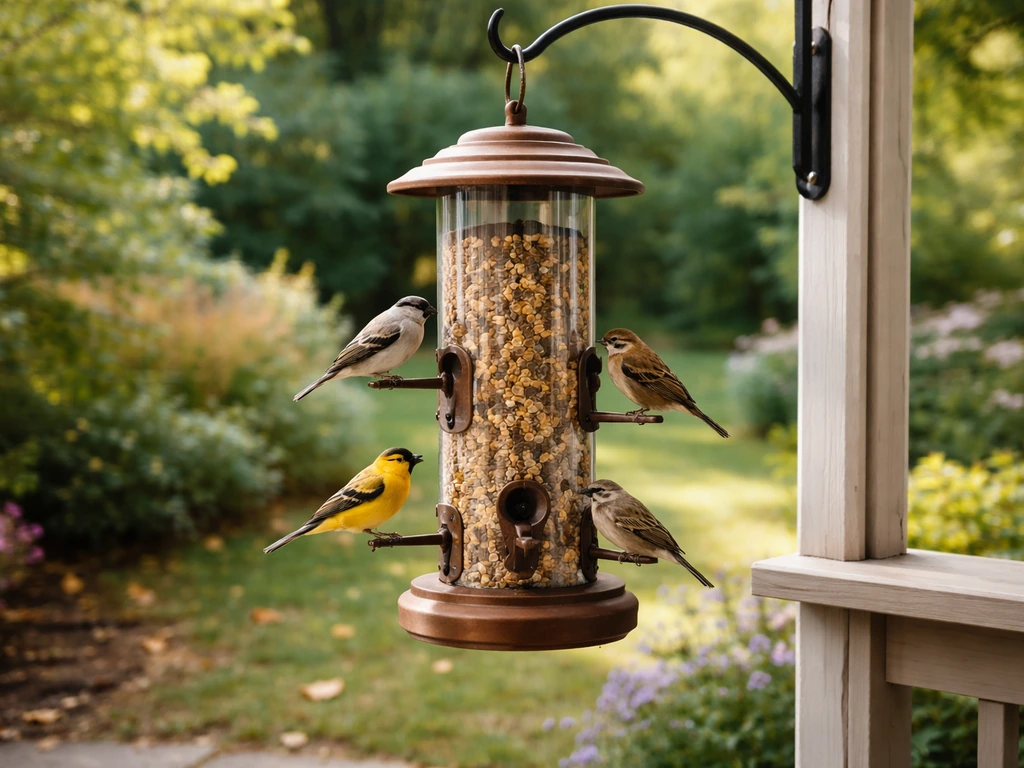
Main benefits of bird feeders
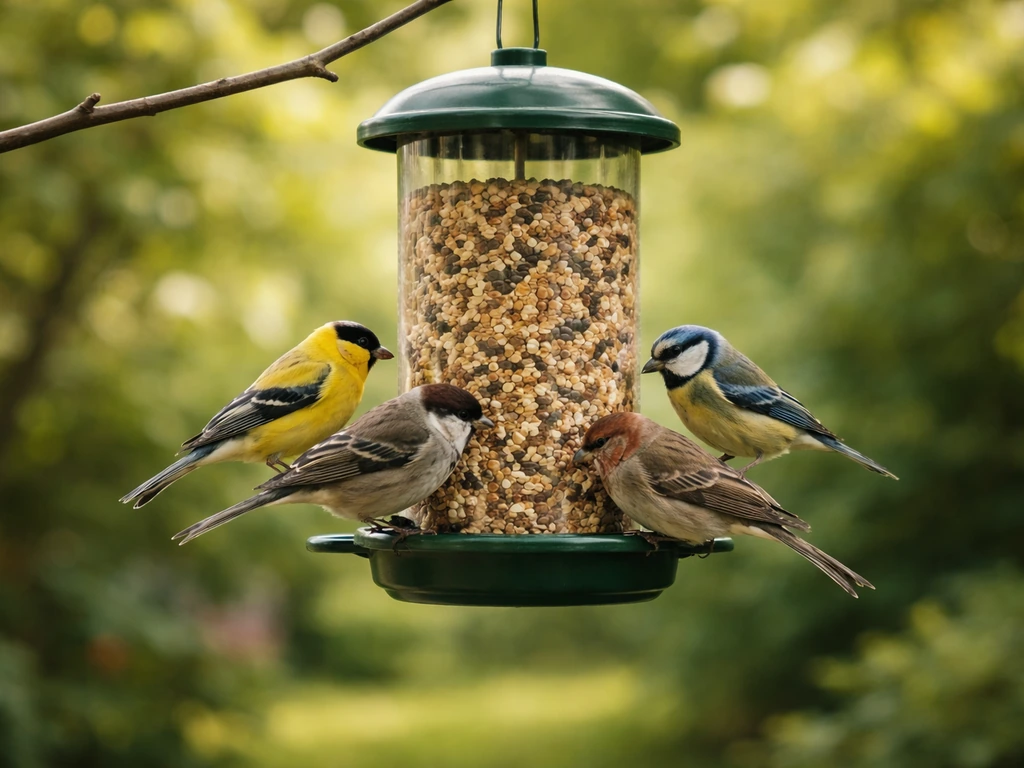
The most obvious benefit is the birds themselves. A well-placed feeder brings species close enough to identify, study, and just enjoy in a way that passive landscaping alone usually can't match. If you've ever had a pair of chickadees working a tube feeder three feet from your kitchen window on a gray January morning, you already know what I mean. That kind of reliable access is hard to replicate any other way.
Beyond enjoyment, feeders provide a genuine food resource in places where natural habitat has been fragmented or lost. The U.S. Fish and Wildlife Service notes that feeding stations can help fill in food gaps along migratory routes, which matters especially in developed or agricultural landscapes where natural seed sources are scarce. You're not just watching birds, you're actively supporting them in areas where they need it most.
There's also a citizen-science angle that I find underappreciated. Cornell Lab's Project FeederWatch has built one of the largest long-term datasets on North American bird populations entirely from backyard feeder observers. When you're watching which species show up at your feeder each week, you're potentially contributing to real conservation science, not just hobbyist record-keeping.
- Reliable, close-up bird observation through all seasons, especially winter when natural food is scarce
- Meaningful food support in fragmented or developed landscapes where habitat loss limits natural foraging
- Participation in large-scale citizen-science programs like Project FeederWatch
- Daily nature connection at home, with well-documented mental health and wellbeing benefits
- A practical entry point into birdwatching, species ID, and broader wildlife stewardship
Main drawbacks of bird feeders
The biggest drawback isn't one most people think about upfront: feeders concentrate birds in one spot, and concentration is the engine of disease transmission. A feeder that twenty birds visit daily is also a surface where twenty birds are sharing contact with the same food, the same perches, and each other's droppings. That's a very different risk profile from birds foraging naturally across a wide area.
Beyond disease, there's the mold and seed quality problem. Rain, humidity, and morning dew can turn seed moldy within days in a poorly designed feeder or in warm, damp weather. Texas Parks and Wildlife notes that fungal growth can even begin while seed is in storage before you buy it, so the seed you're putting out might already be compromised. Moldy seed is not just ineffective, it's actively dangerous to birds.
Feeders also attract animals you didn't invite. Spilled seed under a feeder is essentially a free buffet for squirrels, mice, rats, turkeys, raccoons, and in some regions, bears. MassWildlife specifically warns that spilled seed routinely draws this full cast of characters, and once you've habituated a raccoon or a bear to your yard, that problem doesn't go away easily. The USDA APHIS flags feeding wildlife as a public health concern, not just a nuisance.
Finally, there's the window-collision risk. A feeder placed at the wrong distance from a window creates a trajectory where a startled bird flies directly into the glass. This isn't rare. It's one of the most common and easily preventable feeder-related bird injuries, and placement is entirely within your control.
Safety risks: disease, parasites, and injury
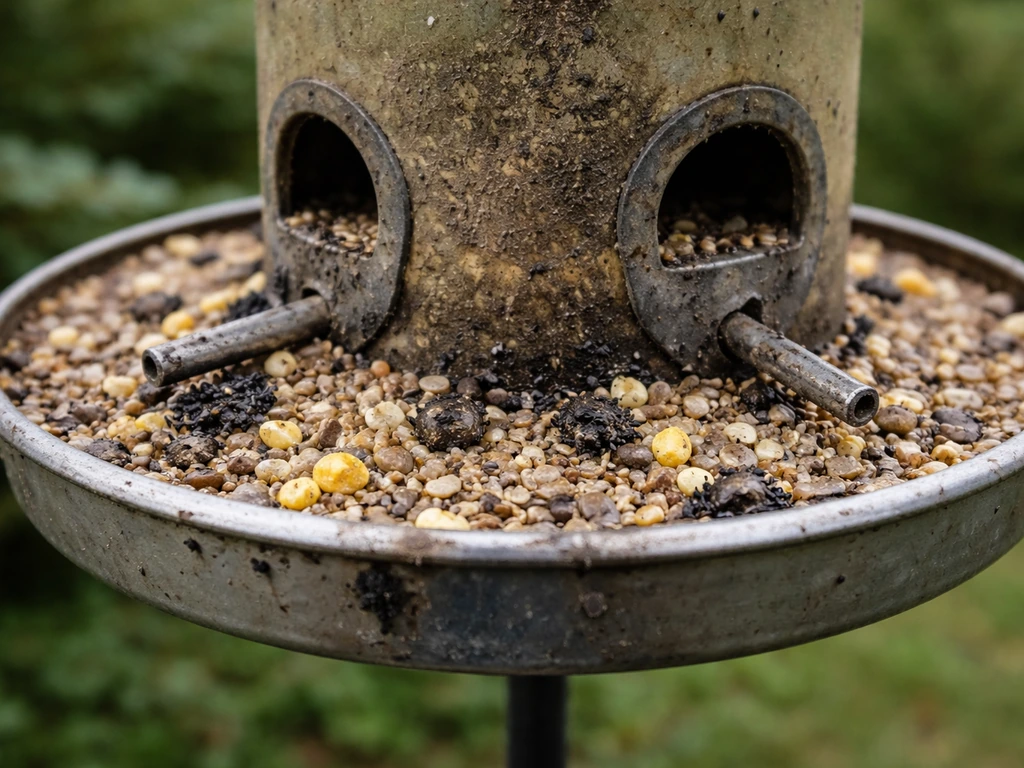
Audubon lists the diseases most commonly linked to feeder congregation, and the list is longer than most people expect: house finch eye disease (mycoplasmal conjunctivitis), salmonellosis, aspergillosis, avian pox, trichomonosis, and avian influenza. Some of these, like salmonellosis, are transmitted through droppings contaminating food. Others, like trichomonosis, spread when infected birds regurgitate food or share contact at close quarters. Aspergillosis comes directly from moldy seed and is fatal to birds.
The National Wildlife Federation puts it plainly: sick birds can sit on food, and platform or tray feeders are rarely the best choice because they allow droppings to accumulate directly in the seed. This is a design problem as much as a cleanliness problem. A tube feeder with perches limits how many birds can access the seed at once and keeps the seed physically separated from the ground and from perch surfaces.
Injury risk is mostly about window collisions, and the placement rule here is specific. Audubon and the U.S. Fish and Wildlife Service both recommend placing feeders either within 3 feet of a window or more than 30 feet away. Within 3 feet, a startled bird can't build enough speed to cause serious impact. Beyond 30 feet, birds have enough space to redirect and avoid the building entirely. The danger zone is the middle distance, roughly 4 to 30 feet from glass, where birds can accelerate toward a window reflection without enough room to correct course.
During periods of heightened avian flu activity, Audubon recommends stepping up cleaning frequency beyond the standard schedule. If you're seeing sick or lethargic birds at your feeder, the right call is to take the feeder down, clean it thoroughly, and let the area clear before putting it back up. Continuing to feed during a local disease outbreak amplifies exactly the congregation problem that feeders already create.
Unwanted visitors: squirrels, raccoons, insects, and other wildlife
Squirrels are the most common complaint, and they're persistent enough that the feeder industry has built an entire product category around deterring them. Baffles (dome-shaped or cylindrical guards mounted on the pole below the feeder) are the most reliable physical deterrent. Capsaicin-treated seed is another option that Project FeederWatch mentions: birds can't detect capsaicin, but mammals can, so it deters squirrels and rodents without affecting birds. The catch is that capsaicin-treated seed costs more and can irritate your skin and eyes during handling.
Raccoons are trickier because they're stronger and more dexterous than squirrels. A feeder mounted on a smooth metal pole with a baffle, at least 5 feet off the ground and away from tree branches or fence lines, is your best defense. Raccoons are also primarily attracted to spilled seed and hulls on the ground under the feeder, so keeping that area clean (more on that below) reduces the draw significantly.
Rodents, including mice and rats, are almost entirely a ground-level problem. They're not climbing your feeder, they're eating what falls. Hull-free seed mixes (like shelled sunflower hearts or nyjer/thistle) produce far less debris under the feeder, which cuts the rodent incentive dramatically. If you're in an area where bears are active, MassWildlife and other state wildlife agencies consistently recommend taking feeders down entirely from spring through fall, because a bear that learns your yard means food is a serious and lasting problem.
Insects, particularly wasps and ants, are drawn to nectar feeders but can also infest seed feeders if seed becomes wet and fermented. Ant moats (small water-filled barriers on the hanger) keep ants off nectar feeders effectively. For seed feeders, the solution is mostly about not letting wet seed sit, which comes back to feeder design and cleaning frequency.
Placement and setup trade-offs to maximize pros
Where and how you set up your feeder shapes almost every outcome: how many birds you attract, which species show up, whether you trigger disease risk, and whether you're creating a wildlife conflict. It's worth thinking through these choices before you hang anything.
Feeder type matters more than most people realize
Project FeederWatch explicitly discourages platform/tray feeders that leave seed exposed and allow droppings to accumulate directly in the food. If you do use a platform feeder, choose one with a removable, mesh tray that drains and can be brought inside to wash. Tube feeders are generally the safest design because they limit bird crowding, keep seed covered, and make it harder for droppings to contaminate the food supply. Hopper feeders fall in between: they're popular and attract a wide range of species, but the seed reservoir at the bottom can collect moisture and debris if not cleaned regularly.
| Feeder Type | Best For | Disease Risk | Wildlife Draw | Maintenance Level |
|---|---|---|---|---|
| Tube feeder | Finches, chickadees, nuthatches | Low (limited crowding, covered seed) | Low (harder for squirrels/raccoons) | Moderate (clean every 2 weeks) |
| Hopper feeder | Wide variety of species | Moderate (reservoir can hold moisture) | Moderate (accessible to squirrels) | Moderate-high (watch for wet seed buildup) |
| Platform/tray feeder | Ground-feeding species, large birds | High (droppings mix with seed) | High (easy access for all wildlife) | High (daily cleaning recommended) |
| Nyjer/thistle tube | Goldfinches, siskins, redpolls | Low (small ports limit crowding) | Very low (few other species or mammals) | Low-moderate (clean every 2 weeks) |
| Suet cage | Woodpeckers, nuthatches, wrens | Low-moderate (suet spoils in heat) | Moderate (attractive to starlings/raccoons) | Seasonal (remove in temperatures above 50°F) |
Where to put the feeder
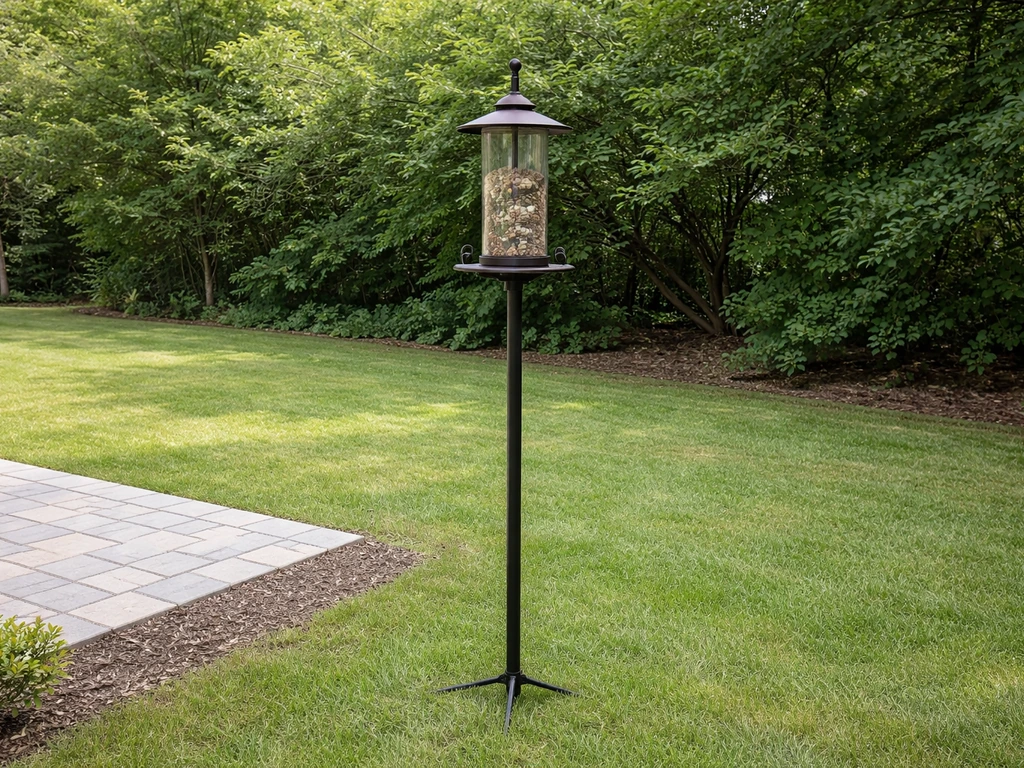
The 3-feet-or-30-feet window rule is the single most important placement decision for bird safety. Beyond that, think about what's below the feeder. Placing it over a patio or deck makes cleanup easier and reduces the ground-level habitat for rodents. Avoid placing feeders directly under dense shrubs where predators can hide and ambush feeding birds. Some distance from your property line also matters if you have neighbors who aren't keen on attracting wildlife to a shared fence line.
Project FeederWatch also recommends moving feeders periodically to prevent a permanent accumulation of seed hulls, droppings, and debris in a single spot. Rotating the location every few weeks, even by just a few feet, disrupts the buildup cycle and reduces local disease and parasite concentration.
Maintenance and seasonal use to reduce cons
The cleaning schedule that Cornell Lab, Project FeederWatch, Audubon, and the U.S. Fish and Wildlife Service all agree on: clean seed and suet feeders at least once every two weeks under normal conditions, more often during hot or humid weather, heavy use periods, or any time you notice sick birds nearby. That's a specific, achievable commitment, and it's the single most effective thing you can do to keep the benefits of feeding without amplifying the risks.
For the cleaning itself, the Minnesota DNR recommends a bleach solution of 2 ounces of bleach per gallon of water. Disassemble the feeder completely, scrub all surfaces, soak in the solution, rinse thoroughly, and then let the feeder dry completely before refilling. Audubon emphasizes that last step: a wet feeder refilled with fresh seed becomes a mold incubator fast. A weak vinegar solution is a lower-intensity option for routine cleaning between deep cleans.
Seed storage is part of the equation too. Texas Parks and Wildlife warns that mold can begin in the bag before you even buy it, especially if seed has been sitting in a warm or humid retail environment. Buy seed in quantities you'll use within a few weeks, store it in a sealed container in a cool dry place, and inspect it before filling. If it smells musty or looks clumped, throw it out. It's not worth the risk.
Under the feeder matters as much as the feeder itself. The U.S. Fish and Wildlife Service specifically calls out sweeping up old, moldy, and discarded seed under feeders as a key step in reducing both disease risk and wildlife conflicts. Penn State Extension recommends feeding only what birds can consume in a single day on platform feeders, so there's no overnight accumulation. This habit alone dramatically reduces your rodent and raccoon exposure.
When to put feeders up, and when to take them down
Winter is the highest-value season for feeding: natural food sources are depleted, birds are under the most caloric stress, and feeder traffic is at its peak. Spring and fall migration can also be rewarding if you want to catch species passing through that don't normally breed in your area. Summer feeding is entirely optional, and in regions with bears or heavy raccoon activity, it may not be worth the trade-off. Suet feeders specifically should come down when temperatures consistently exceed 50 degrees Fahrenheit, because suet goes rancid quickly in warm weather and can coat feathers.
The decision of when to use feeders ties directly into the broader question of seasonal strategy, which is worth thinking through based on where you live. If you want the best results, follow the same thinking for when to use bird feeders, since timing matters just as much as setup when to use feeders. A rural property in Minnesota has very different seasonal pressures than a suburban yard in Georgia, and your maintenance routine should reflect that. The core principle stays the same: keep the feeder clean, keep the ground under it clean, and match your setup to the season and the species you're trying to support.
So should you use a bird feeder?
Yes, for most people in most situations, the answer is yes. The benefits (real food support for birds, daily wildlife connection, potential citizen-science contribution) genuinely outweigh the risks when you manage the setup thoughtfully. The cons of bird feeders aren't reasons to avoid them entirely; they're a checklist of things to get right. Start by reviewing the key “what to know about bird feeders” basics like setup, placement, and cleaning. Choose a tube or hopper feeder over a platform tray. Place it within 3 feet of a window or beyond 30 feet. Clean it every two weeks with a diluted bleach solution, let it dry before refilling, and sweep the ground underneath regularly. Use hull-free seed to reduce debris. Take feeders down during local disease outbreaks or bear season.
If you're just getting started, pick one feeder, get the placement right, and commit to the biweekly cleaning routine before adding more. That foundation will carry you through most of the common problems. From there, you can explore feeder types suited to specific species, seasonal adjustments, and more advanced deterrent strategies as you get a feel for what's actually visiting your yard.
FAQ
If birds start looking sick at my feeder, should I stop feeding right away?
A feeder can attract sick birds, but it is the combination of crowding plus contaminated food or wet surfaces that creates the biggest risk. If you notice symptoms (sitting fluffed, lethargy, coughing, discharge) reduce bird traffic immediately by taking the feeder down, disposing of seed, cleaning thoroughly, and waiting until activity returns to normal before refilling.
Is it enough to clean the feeder, or do I need to clean under it too?
If you only clean the feeder but ignore what’s on the ground, you can still invite rodents, raccoons, and other nuisance wildlife. Plan to sweep up hulls, old seed, and droppings under and around the feeder each time you refill, then do a deeper site cleanup during biweekly maintenance.
Do tube feeders really eliminate disease risk, or can they still spread problems?
Not usually. Tube and hopper designs limit direct droppings contact, but they still collect debris and moisture. “Clean” really means disassembled scrub plus a soak for deep cleaning on schedule, with extra frequency during humid weather or heavy use.
What’s the best way to prevent moldy seed when the weather is hot and humid?
Yes, especially during warm seasons or when birds are heavy at the feeder. Use less seed than you think you need, discard what’s left after a day or two if it’s damp, and switch to smaller containers you can refresh more often to prevent seed from sitting wet or stale.
How long should I let a feeder dry after disinfecting before I refill it?
If you refill with fresh seed but the feeder is still wet or not fully dried, you can seed mold growth quickly. Drying time matters, aim for complete air-dry after the bleach rinse and only refilling once surfaces feel fully dry to the touch.
Can I feed year-round, or is it better to remove feeders part of the year?
Feeding can be worth it for brief seasonal windows, but the safest approach is to reassess by risk signals. If local bears or raccoons are active, switch to winter-only feeding or take down during peak months, and prioritize designs that minimize ground mess.
Why do wasps or ants suddenly appear at my bird feeders, and how do I stop it?
Yes. Insect attractants are often handled by separating feeder types and keeping them clean. For nectar feeders, use an ant moat and keep nectar refreshed on schedule. For seed feeders, reduce wet seed and remove any fermented or clumpy seed that insects respond to.
My birds keep hitting the window. Is it only a distance problem, or are there other fixes?
Often, the root cause is an incorrect feeder-to-window distance or a feeder placed where birds aim at reflections. Reposition to within the safe close range or beyond the safe far range, then check for reflective surfaces and glare from nearby glass.
What should I do first if squirrels are dominating the feeder?
If squirrels are only eating seed and not actually fighting birds, baffles usually work better than “good seed only” strategies. Choose a baffle matched to your pole size, ensure it’s mounted tight with no gaps, and consider switching to hull-free mixes to reduce the attractant debris squirrels prefer.
I added a baffle, but raccoons still get to the feeder. What else changes the outcome?
Raccoons learn patterns, so inconsistent removal can teach them that your feeder is an easy routine. Improve both the feeder height and the area cleanliness, then consider taking the feeder down temporarily during the season when young raccoons are learning foraging.
How do I reduce mice and rats around the feeder without harming birds?
In most neighborhoods, rodents are driven by seed debris rather than climbing ability. Use shelled or hull-reduced seed, remove fallen seed daily when possible, and avoid placing feeders directly over areas rodents can access quickly from cover.
During avian flu reports locally, what’s the safest feeding decision and cleanup plan?
If you keep feeders up during a localized avian flu outbreak, you are increasing the number of visits to the same location, which can worsen transmission risk if birds are already infected. The practical decision aid is to stop feeding in the affected period, clean all feeder surfaces, and only restart after local guidance and normal bird appearance resume.
Can I attract more species while still keeping risks low?
Yes, you should consider that some species are more sensitive to certain food handling issues. If you want to support a wide range while minimizing waste, use a tube feeder, use fresh seed, and rotate placements to avoid creating a long-term contamination zone in one spot.
Next Articles
Benefits of Bird Feeders: What You Gain and How to Keep It Safe
Discover the benefits of bird feeders, plus key setup, placement, and maintenance tips for safe, healthy backyard birds.
Do You Leave Bird Feeders Out All Year? Seasonal Guide
Should you leave bird feeders out all year? Get seasonal tips, safe feeding, and cleaning to prevent disease and pests.
Do Birds Use Bird Feeders in Winter? How to Feed Safely
Yes, birds use feeders in winter when needed. Feed safely, keep it clean, prevent spoilage and adjust amounts.