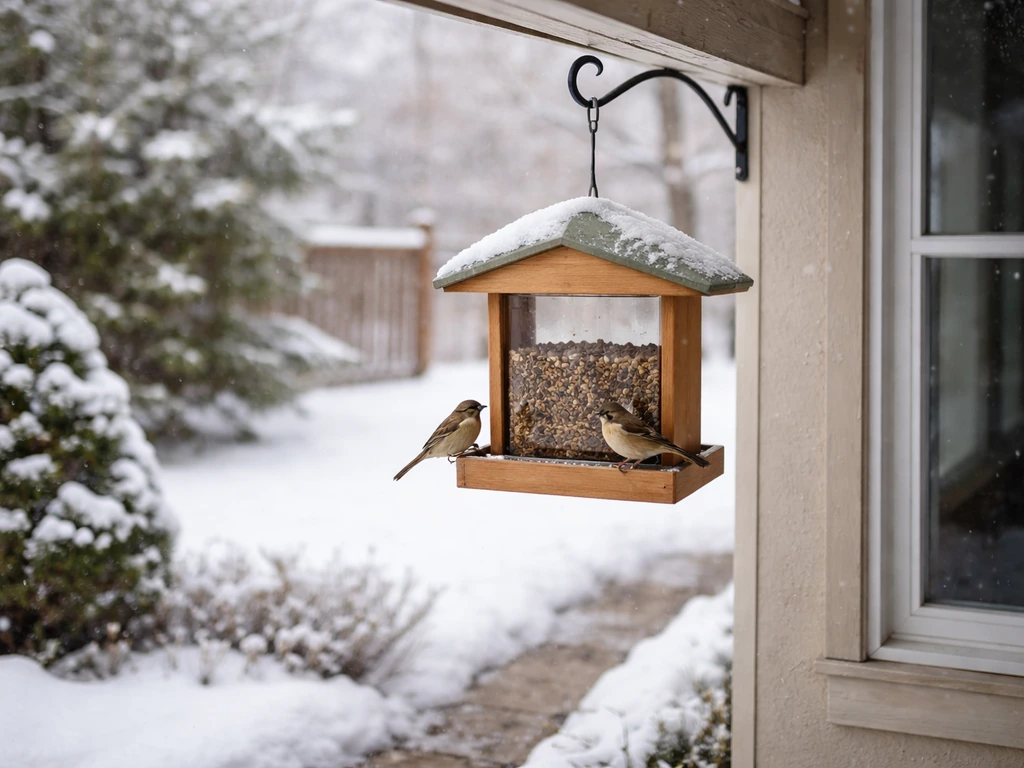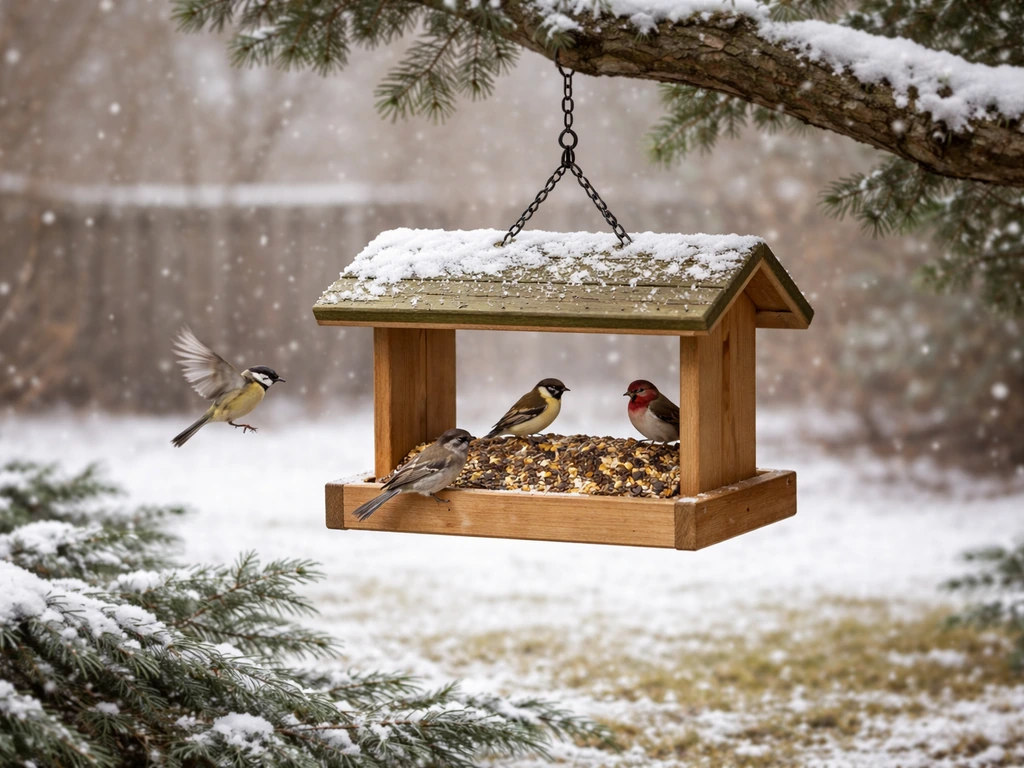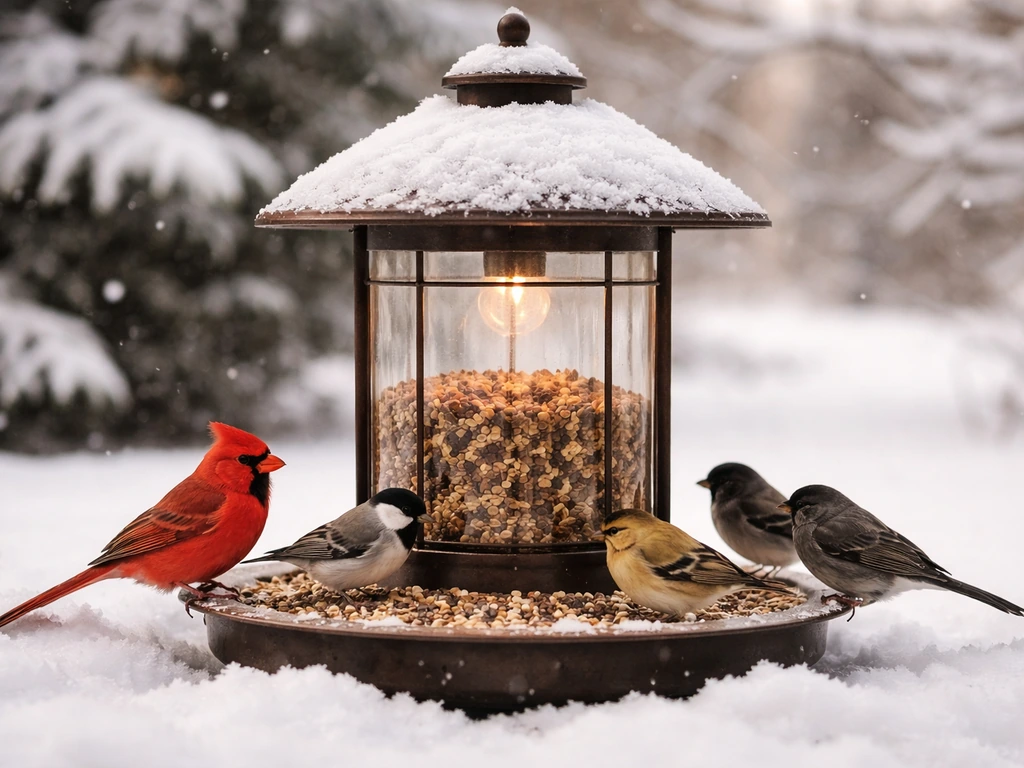
Bird feeders give you more birds, more often, in one predictable spot. That's the core benefit, and everything else flows from it: you see more species, you learn to identify them faster, you watch behavior you'd never catch otherwise, and over time your yard genuinely becomes a more active part of the local ecosystem. But whether those benefits outweigh the tradeoffs depends almost entirely on how you set the feeder up, what you put in it, and how consistently you clean it. Get those three things right and a feeder is a genuinely rewarding addition to your yard. Get them wrong and you're just attracting squirrels and spreading disease.
Benefits of Bird Feeders: What You Gain and How to Keep It Safe

Eleanor Hartwick
16 Apr 2026
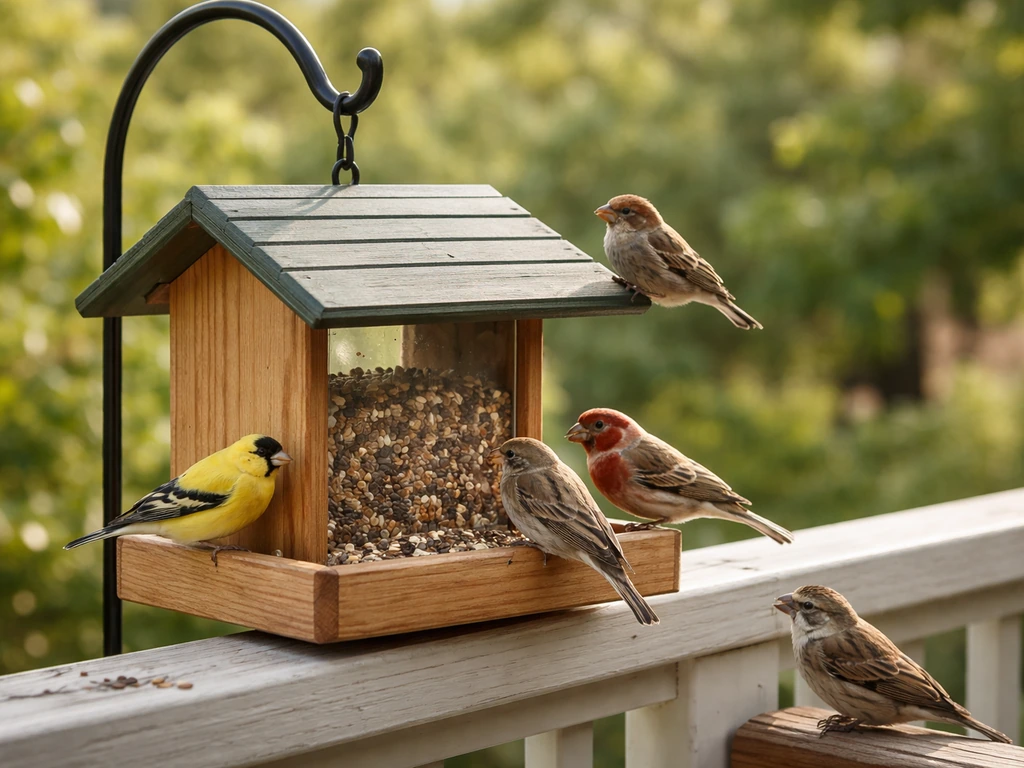
What benefits you'll actually see
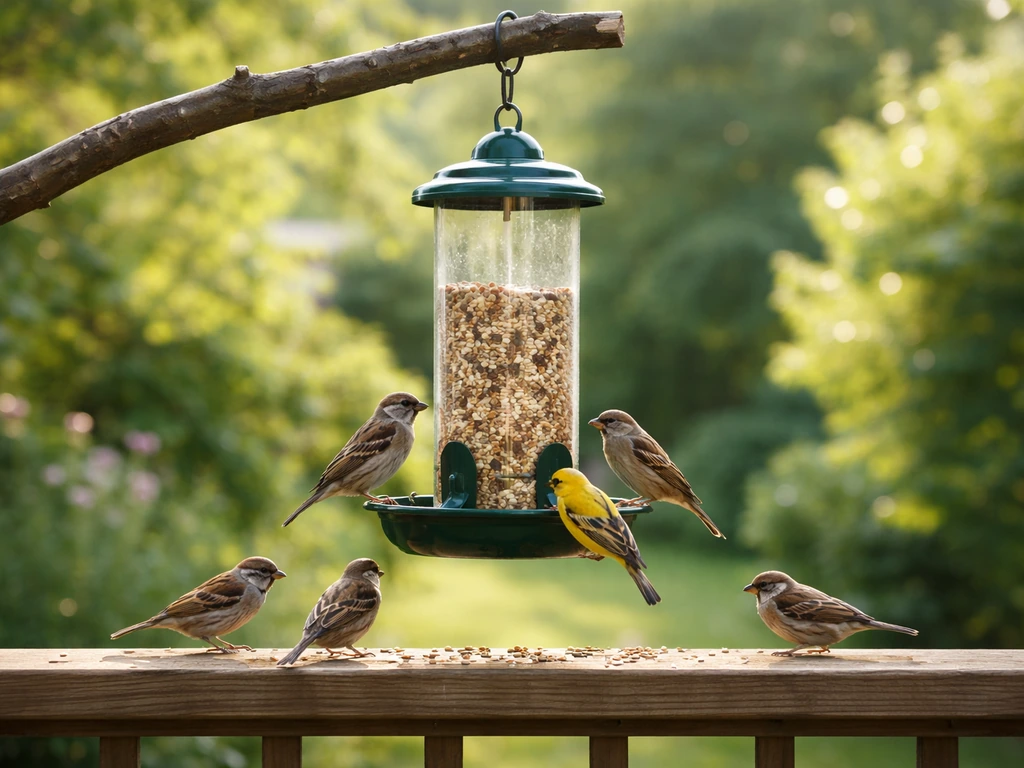
The most immediate and reliable benefit is concentration. Instead of glimpsing a bird here and there across your yard, you create a single focal point where birds return repeatedly throughout the day. That consistency is what makes everything else possible: observation, identification, behavior watching, and even contributing to science. A feeder doesn't create birds that weren't there before, but it brings them close enough and often enough that you actually see them.
Beyond pure enjoyment, there are genuine ecological benefits worth knowing. Feeders can provide a real energy boost to long-distance migrants passing through, especially during cold snaps or poor foraging conditions. In winter, supplemental food can help birds maintain body temperature when natural food sources are depleted. These aren't trivial benefits, but they come with conditions: a feeder that's dirty, stocked with bad food, or poorly placed can do more harm than good. That's the honest framing you need going in.
If you want a broader look at both sides before committing, the pros and cons of bird feeders is worth reading alongside this article. But if you've already decided you want one and just want to make sure you're doing it right, keep reading.
More birds, more species, more interesting behavior
The variety of birds you attract depends heavily on feeder type, food, and placement, but most people are genuinely surprised by how many species show up once the word gets out. Platform feeders placed close to the ground reliably pull in ground-feeding species like mourning doves, dark-eyed juncos, and white-throated sparrows that rarely visit elevated feeders. Suet feeders in a simple wire cage draw woodpeckers and a broad range of other clinging species that sunflower alone won't always bring in. The feeder type you choose is essentially a filter for which species you'll see.
Behavior changes are one of the underrated benefits. Once birds know a reliable food source exists, you start seeing territorial disputes, dominance hierarchies at the perch, cooperative foraging in mixed flocks, and the way certain species cache seeds rather than eating them on the spot. You'll notice chickadees grab one seed and fly off, while house sparrows settle in and eat. These aren't things you read about and then observe once. You watch them play out repeatedly and develop a real understanding of how individual birds operate.
Learning to identify birds and actually enjoying your yard
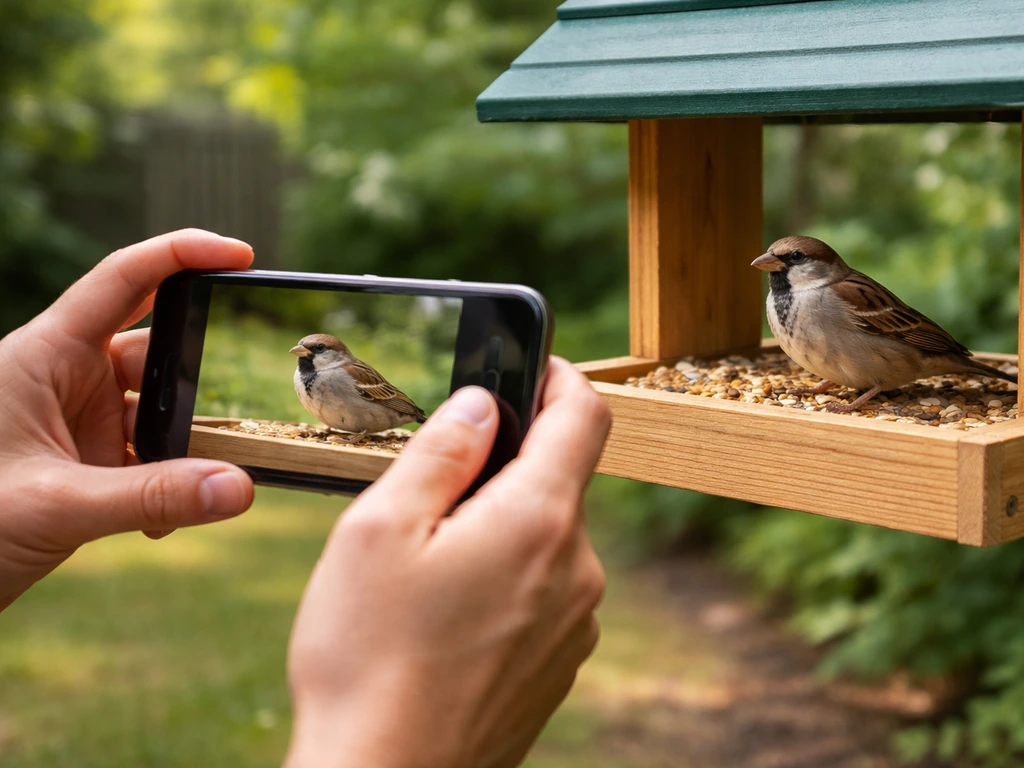
Having a feeder transforms casual bird noticing into actual identification skill, faster than any field guide alone can. When the same birds return daily to the same spot in good light, you stop guessing and start knowing. This is precisely why programs like Project FeederWatch, run by the Cornell Lab of Ornithology and Birds Canada, are built around feeder observation. Participants count birds at their feeders on two consecutive days each week from November through April, submitting standardized tallies that contribute to real population data. The program even provides a Common Feeder Birds poster specifically to help participants identify birds accurately at a glance, because correct identification is the foundation of the whole effort.
Even if you never participate in citizen science, the identification skill you build at your feeder carries over everywhere. You start recognizing birds on walks, at parks, while driving. The feeder is essentially a classroom that comes to you. If you're wondering why bird feeders are important beyond personal enjoyment, this kind of low-barrier entry into bird awareness and conservation participation is a big part of the answer.
Real ecosystem value, real tradeoffs
Feeders do provide genuine ecological value: supplemental energy for migrants, winter support for resident species, and a connection point between humans and local wildlife that tends to generate more care and attention for birds broadly. People who watch birds at feeders are more likely to notice habitat loss, advocate for local green space, and pay attention to what's happening in their yards ecologically. That's not nothing.
But there are real tradeoffs to acknowledge. Concentrating birds at a single location creates conditions for disease transmission, including house finch eye disease, salmonellosis, aspergillosis, avian pox, and avian flu. It can attract predators, particularly hawks, which quickly learn that small birds congregate around feeders. Certain foods like corn carry a documented risk of aflatoxin contamination, which is toxic to birds even at low levels. And peanuts or mixed seeds can pull in squirrels, raccoons, and other animals you may not want to actively feed. None of these tradeoffs are reasons not to use a feeder, but they're reasons to use one carefully.
One specific tradeoff that surprises people: feeders near windows can contribute to fatal window strikes. Birds flushed from a feeder can fly directly into glass before they've had time to register the obstacle. This is a real, preventable harm, and placement is the fix (more on that below). For a fuller picture of everything you're weighing, what to know about bird feeders covers the broader landscape of setup decisions and common concerns in one place.
Placement and timing: how to actually get the benefits
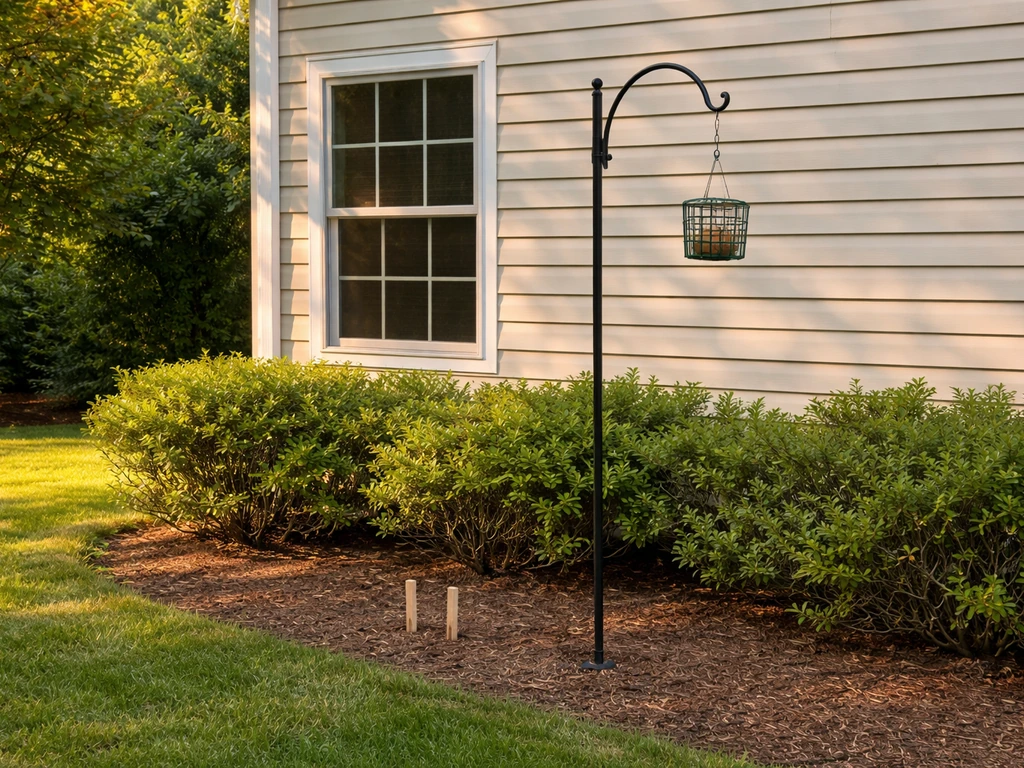
Placement determines two critical things: which birds you attract and whether you harm them in the process. The window collision risk is well-documented, and the fix is specific. Place feeders either within 3 feet of the nearest window, so birds can't build up enough speed to injure themselves on liftoff, or more than 30 feet away, giving birds space to identify and avoid the glass. The zone between 3 and 30 feet is genuinely hazardous. Audubon reiterates this threshold repeatedly: under 3 feet or over 30 feet, and not in between. This is one of the few feeder rules where the number actually matters.
Feeder height matters for species targeting, as noted earlier with ground-level platform feeders. But it also matters for predator exposure. Ground feeders leave birds more vulnerable to cats and other ground predators, so if cats are a known issue in your yard, keep food elevated. Placement near natural cover like shrubs gives birds somewhere to retreat quickly, but not so close that predators can use the same cover for ambush.
Timing is worth thinking about too. If you're wondering when to use bird feeders seasonally, the short answer is that winter is when feeders provide the most direct benefit to birds, but spring migration is when you'll see the greatest species variety. Year-round feeding is fine as long as you maintain the feeder consistently. One of Audubon's practical tips for dealing with feeder hawks: let feeders go temporarily empty for a few days. Songbirds disperse, the predator moves on, and you refill when the pressure eases.
Choosing the right food and feeder for the birds you want
Black-oil sunflower seed is the single best starting point for most backyard feeders. It attracts the widest variety of species and is generally considered the best all-around attractant available. Cornell's All About Birds calls it a mainstay for backyard feeding, and UF/IFAS Extension research backs this up: it's the preferred seed of a broad range of common feeder birds. If you only ever stock one thing, make it black-oil sunflower.
Beyond sunflower, here's how to match food to your target species:
| Target Species | Food Type | Feeder Type |
|---|---|---|
| Woodpeckers, nuthatches, wrens | Suet cake | Wire cage suet feeder |
| Doves, juncos, sparrows | Millet or sunflower | Platform feeder, near ground |
| Finches (goldfinch, house finch) | Nyjer (thistle) | Tube feeder with small ports |
| Chickadees, titmice, cardinals | Black-oil sunflower | Tube or hopper feeder |
| Hummingbirds | Sugar water (1 part sugar to 4 parts water) | Nectar feeder |
A few things worth noting from the research: millet is largely redundant if you're already offering black-oil sunflower, since most millet-attracted species are equally drawn to sunflower. Corn is the seed most likely to carry aflatoxin contamination, so it's worth skipping unless you have a specific reason to use it. For hummingbirds, the Smithsonian National Zoo's guidance specifies a 1:4 sugar-to-water ratio by measurement. Hummingbirds feed every 10 to 15 minutes and may visit up to 2,000 flowers a day, so fresh, correctly proportioned nectar genuinely matters for their welfare.
If disease prevention is a priority in your feeder choice, it's worth looking specifically at best bird feeders to prevent disease, which covers feeder designs that are easier to clean and less likely to harbor pathogens.
Maintenance basics to keep everything working in your favor
Maintenance is where most feeder setups quietly go wrong. A neglected feeder stops being a benefit and starts being a disease vector. The practical standards to follow: Iowa DNR recommends cleaning bird feeders and waterers with about a 10% bleach solution about once each month and making sure the feeder is dry before refilling.
- Clean seed feeders every two weeks under normal conditions, as recommended by Project FeederWatch. Use a water and bleach solution, rinse thoroughly, and dry before refilling.
- Clean more frequently if the feeder is visibly soiled, located in shade, or in a humid climate where mold grows faster. CDC guidance for disease outbreak conditions recommends at minimum monthly cleaning, but that's a floor, not a target.
- Rake or sweep up fallen seed hulls and waste under feeders regularly. Seed waste on the ground harbors bacteria and mold, including the aspergillosis fungus that causes respiratory disease in birds.
- Never let seed sit in a wet feeder. Wet seed molds quickly, and moldy food can transmit aspergillosis. After rain, check feeders and remove any clumped or discolored seed.
- If you use a birdbath nearby, change the water daily or every other day to prevent bacterial growth, algae, and mosquito breeding.
- During active disease outbreaks in your area, consider taking feeders down temporarily. Reducing congregation at feeders is one of the most effective ways to slow transmission.
The tube and platform feeder types that spread conjunctivitis most efficiently are exactly the styles that see the heaviest traffic, so staying diligent about cleaning those specifically is important. Project FeederWatch recommends cleaning seed feeders about once every two weeks, and more often during heavy use, warm and damp conditions, or if conditions increase contamination risk cleaning those specifically is important. The cleaning schedule sounds like a chore, but in practice it takes about 10 minutes every couple of weeks, and it's the difference between a feeder that helps birds and one that harms them.
If you're just getting started and want a consolidated view of what you're getting into before buying anything, what to know about bird feeders is a good pre-purchase read. The benefits are real and accessible, but they're conditional. Put the feeder in the right spot, stock it with the right food, and keep it clean, and you'll get exactly what you came for: more birds, better views, and a yard that's genuinely worth looking out at.
FAQ
How often do I need to clean a bird feeder to actually get the benefits of bird feeders without increasing disease risk?
Plan on cleaning every couple of weeks as a baseline, and do an immediate cleanout if you see caked seed, wet or moldy food, or heavy droppings. Also spot-scrub perches and ports during high-traffic periods, especially on tube and platform feeders that birds use constantly.
Is it better to keep the feeder filled all the time, or let it go empty to reduce problems?
For disease prevention, the key is consistency plus cleanliness, not nonstop stockpiling. If predators are repeatedly targeting the feeder, temporarily letting it go empty for a few days can reduce “predictable meals,” then refill once activity drops.
What’s the safest way to prevent window strikes if I want birds right outside my windows?
Use the placement rule by distance, not guesswork. Put the feeder within about 3 feet of the window or more than 30 feet away, since the middle zone is where birds often can’t avoid the glass. If you have no choice, add other line-of-sight breaks on the window (like visible treatments), but the distance thresholds are still the primary fix.
Can feeding in summer cause issues, or are the benefits only in winter?
Feeding can work year-round if you maintain freshness and cleaning, but benefits tend to be most obvious in winter when natural food is scarce and birds can’t find enough calories. In hot weather, stale food spoils faster, so shorten your restock cycle and remove old seed promptly.
What bird feeder style should I choose if I want to reduce squirrels while still attracting small songbirds?
Squirrels are drawn to easy, accessible food, so avoid ground-level placements and consider feeder designs that restrict climbing. If you use a platform feeder, use a squirrel-resistant setup and keep it off the ground, since elevation helps reduce ground-based access.
Are bird feeders bad for backyard birds if predators show up?
Predators can increase around reliable food, but the goal is to manage conditions rather than stop feeding immediately. Elevated placement with nearby escape cover helps birds react and reduces prolonged vulnerability, and letting feeders sit empty briefly during hawk pressure can break the pattern.
How do I handle it if birds aren’t coming to my feeder after I set it up?
Give it time, especially after installation, since birds often need repeated opportunities to find a new food source. Start with black-oil sunflower, place it in a safe, visible spot, and avoid frequent changes to food type and location, because moving or altering offerings too quickly can delay regular visits.
Should I mix seeds like corn, millet, and peanuts, or stick to one food?
For a first feeder, sticking to black-oil sunflower is the simplest high-success option and avoids higher-risk foods you might not need. Corn is more likely to involve aflatoxin contamination, and mixed seed can increase attraction to nuisance animals, so mix only if you have a specific target species and a clean maintenance routine.
What’s the best food choice for attracting woodpeckers and clinging birds?
Suet works well, especially when offered in a cage or wire holder that allows clinging access. Pairing suet with a sunflower option gives you a two-food “menu,” which can broaden the range of species that show up.
How do I feed hummingbirds safely without harming them?
Use the correct nectar ratio by measurement (1 part sugar to 4 parts water) and keep nectar fresh, since hummingbird feeding is frequent. Clean the feeder regularly to prevent residue buildup, and avoid using any sweeteners other than the standard sugar-water mix.