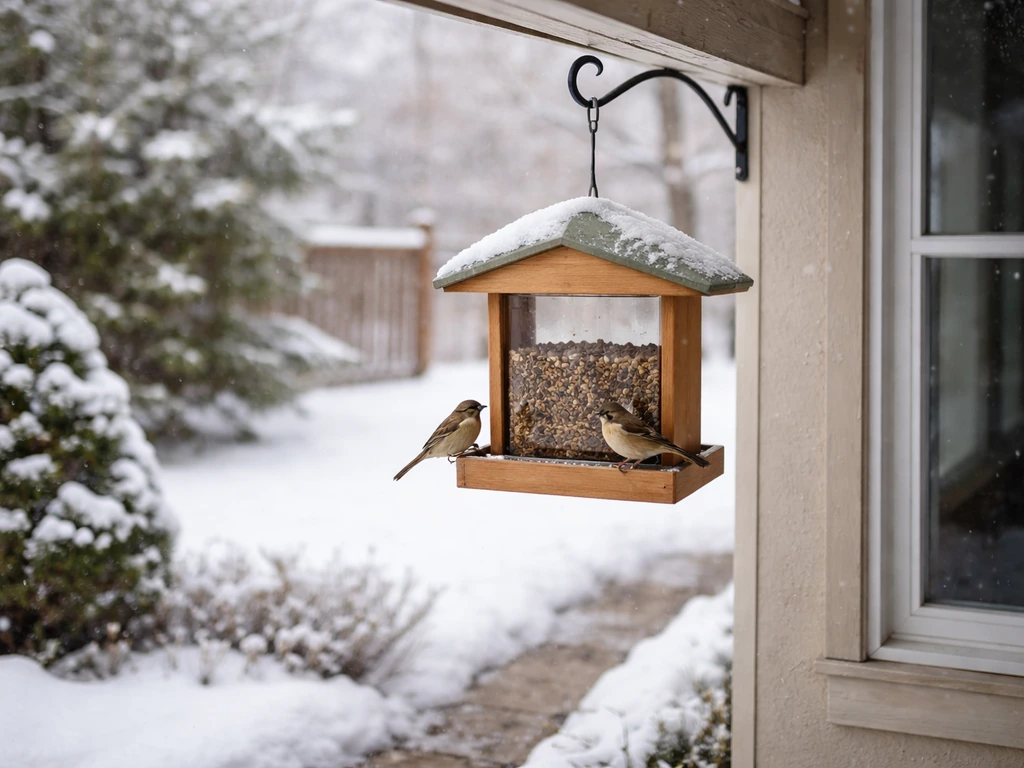
"Bird feeding" simply means intentionally providing food to wild birds, usually through a feeder, a feeding station, or even just scattered seed on the ground. That's the core of it. If you're hanging a tube feeder in your yard, filling a platform with mixed seed, or setting out a hummingbird nectar bottle, you're doing bird feeding. What doesn't count: feeding pet birds indoors, raising waterfowl by hand, or wildlife rehabilitation.
Bird Feeding Meaning: What It Is, Benefits, Risks, and How to Feed
Eleanor Hartwick
17 Apr 2026
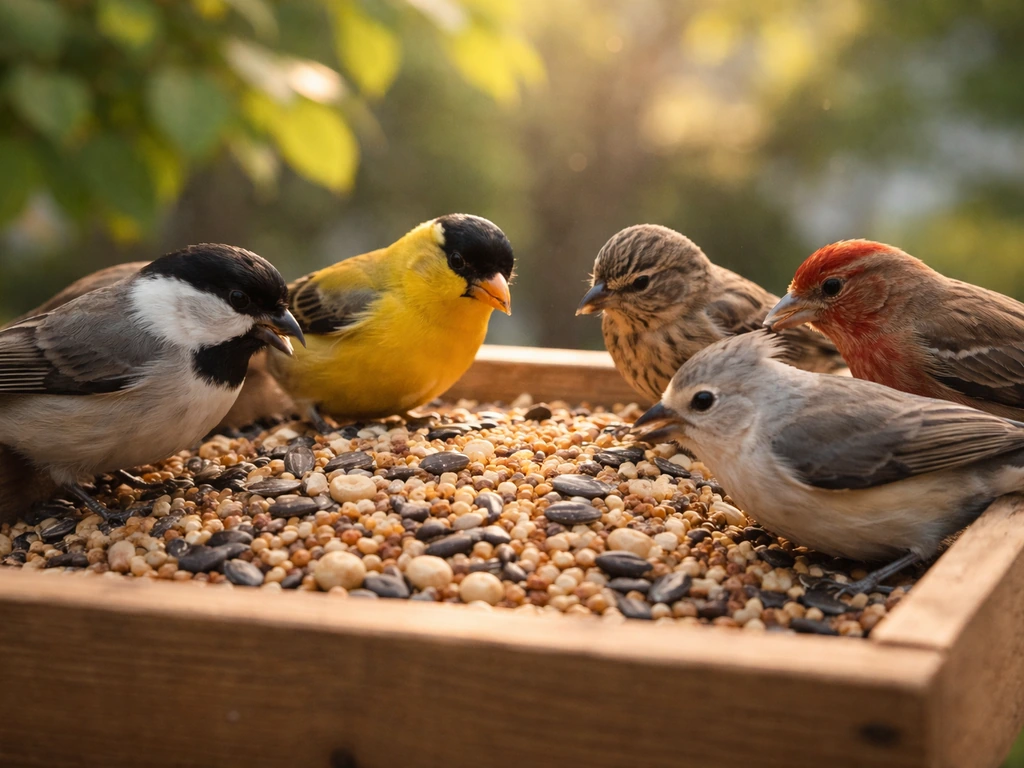
The U. S. Fish & Wildlife Service frames wild bird feeding as a human-provided food supplement, distinct from nesting support or raising young, and that framing matters because it shapes how you should think about your role. You're a supplement, not a replacement for natural food sources.
Keep that in mind and most of the decisions below get easier.
When people search "bird feeding meaning," they're usually not looking for a dictionary definition. They want to know: should I do this, how do I do it without causing harm, and what can I realistically expect? This guide answers all of that. For a deeper look at the terminology itself, including whether the activity is commonly written as one word or two, that's worth a quick read on its own.
Why people feed birds (and what you're actually getting into)
The most honest answer about why people feed birds: it's enjoyable. You get more birds close to your window, you can identify species, and over time you start noticing patterns. NC State Extension describes backyard feeders as supplemental food that concentrates bird activity for viewing, and that's really the core appeal. If you've ever wanted to track which species visit your yard across seasons, organizations like Project FeederWatch have built entire citizen-science programs around exactly that habit.
But there are real trade-offs, and glossing over them doesn't help you. Tufts veterinary medicine notes that feeding is most helpful when birds need extra energy, like during temperature extremes, migration, or late winter, and that in many areas wild birds will find other food sources if feeders aren't available. So the dependency concern is real but often overstated for healthy adult birds.
More pressing is disease risk: feeders concentrate birds in one place, which accelerates transmission of salmonellosis and other illnesses. The U. S. Fish & Wildlife Service also flags that feeding can attract natural predators, including birds of prey, to your yard.
There are even studies suggesting links between supplemental feeding and lower egg production or reduced hatching success in some species, though researchers note the mechanisms aren't fully understood yet.
There's also the wildlife-conflict angle. USDA APHIS explicitly cautions against feeding wildlife in many public contexts because it aggregates animals and increases disease transmission risk and human-wildlife conflict. That's a different context than a suburban backyard, but the principle that feeding changes animal behavior near humans is worth keeping in your head. A full breakdown of the research on bird feeding benefits and their documented limits is worth reading if you want to weigh this more carefully before starting.
Setting up a feeder that actually works
Placement: distance from windows matters more than people think
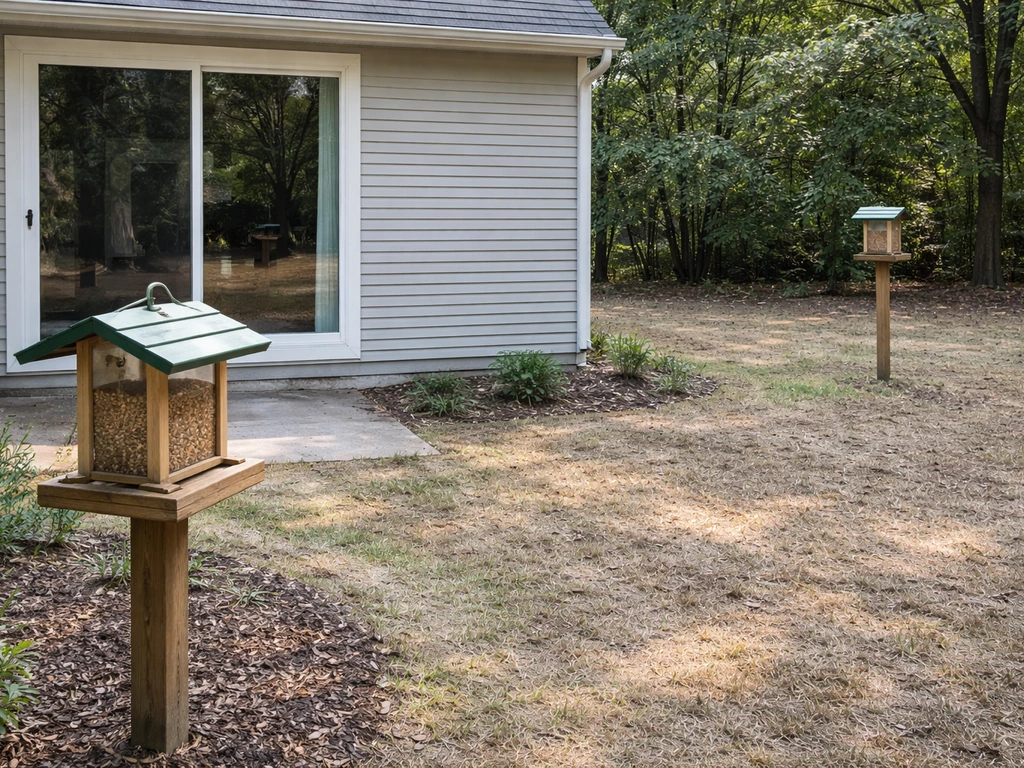
Window strikes kill enormous numbers of birds every year, and feeder placement is directly connected to collision risk. The commonly cited rule is "either within 3 feet of glass or beyond 30 feet away," but research from the Ornithology Center argues that interpreting earlier studies as proving feeders are safe beyond 30 feet is incorrect. The collision risk doesn't simply disappear at that distance.
Project FeederWatch recommends a straightforward tracking approach: measure the shortest distance from your window to the closest feeder and record any strikes you observe. That kind of active observation helps you catch a dangerous placement before it becomes a pattern. If you're seeing strikes, move the feeder closer to the glass (under 3 feet) rather than farther away, so birds don't have room to build up dangerous speed.
Feeder types and what they're good for
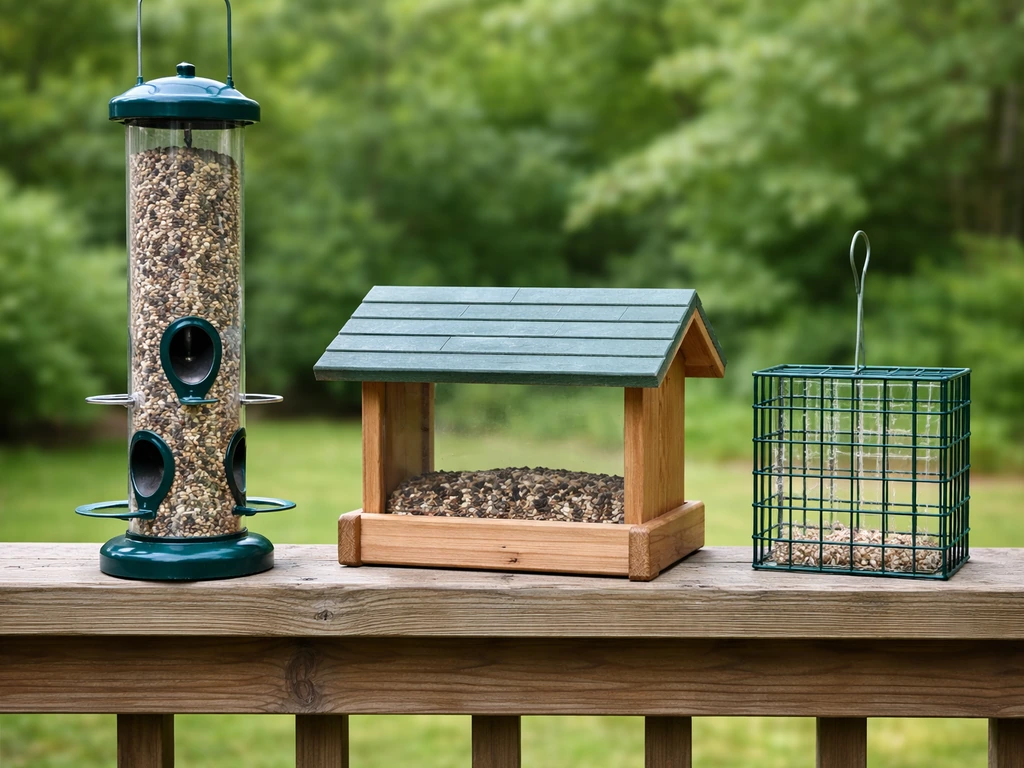
Different feeders attract different birds and serve different functions. Here's a practical breakdown:
| Feeder Type | Best Food | Birds Attracted | Notes |
|---|---|---|---|
| Tube feeder (large ports) | Sunflower seeds, mixed seed | Cardinals, chickadees, nuthatches | Versatile; easy to clean |
| Tube feeder (small ports / finch feeder) | Nyjer (niger/thistle) seed | Goldfinches, siskins, redpolls | Requires fine mesh or small ports |
| Platform / tray feeder | Mixed seed, safflower, millet | Juncos, sparrows, doves | Exposed to rain; clean frequently |
| Suet cage | Suet cakes | Woodpeckers, starlings, wrens | Avoid in very hot weather; suet melts |
| Hummingbird feeder | 1:4 sugar-water solution | Hummingbirds | Clean every 1–2 days in heat |
| Caged / squirrel-resistant feeder | Sunflower, safflower | Smaller songbirds | Excludes large birds and squirrels |
Nyjer seed deserves a specific note: it's sometimes called niger or thistle seed, and it's sold under the brand name Nyjer. It only works well in tube feeders with very fine ports or mesh-style finch feeders. Pour it into a standard tube feeder with large ports and it pours right out. K-State Extension's backyard feeding guides confirm that niger thistle is a specialized seed best used in feeders built for finches.
What to actually fill your feeders with
Black-oil sunflower seed is the closest thing to a universal recommendation. It attracts the widest variety of feeder birds and has a thinner shell that more species can crack. Safflower is a good second option, with the bonus that squirrels and European starlings tend to dislike it. Avoid cheap mixed seed bags that are heavy on milo or red millet, especially if you're not specifically trying to attract ground-feeding birds like doves. Those fillers mostly end up on the ground as waste.
When to feed: seasonal timing and adjustments
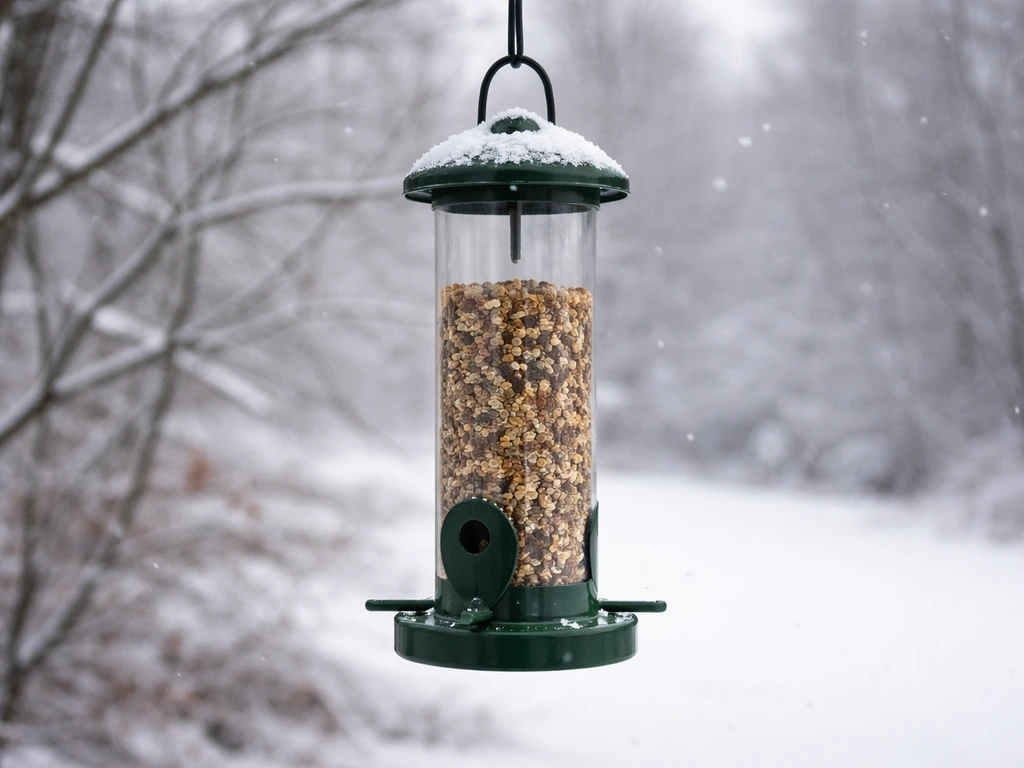
Feeding year-round isn't the default right answer. Tufts and University Extension research both note that the times bird feeding matters most are during temperature extremes, migration windows, and late winter or early spring when natural food sources are depleted. Summer is arguably when wild birds need supplemental feeding the least, and some extension guidance from the International Center for Wildlife Damage Management goes so far as to say there's really no reason to feed during the summer, recommending that feeders be removed or emptied during warmer months as a disease-risk management measure.
Here's a practical seasonal framework:
- Spring (March–May): Migration is happening. Feeders attract transient species you wouldn't normally see. Keep feeders clean, watch for sick birds, and consider putting hummingbird feeders out by late April in most of the U.S.
- Summer (June–August): Natural food is abundant. Disease risk is higher because of heat and humidity. If you keep feeding, clean more frequently. Many experienced feeders take a break during peak summer.
- Fall (September–November): Migration again. This is a great time to feed. Refill feeders consistently so migrating birds can rely on them.
- Winter (December–February): This is when feeding has the most documented benefit. High-fat foods like suet and black-oil sunflower seed give birds the energy they need in cold temperatures. Keep feeders clear of snow and ice.
Hummingbird feeders have their own seasonal logic. In warm weather, Audubon recommends cleaning and refilling every day or every other day. The Smithsonian National Zoo's nectar recipe calls for 1 part sugar to 4 parts water (plain white sugar, nothing else), changing nectar every other day, and thorough cleaning each time to prevent mold growth. In cooler weather you can stretch that to every few days, but never let nectar sit until it's cloudy or fermenting.
Feeder hygiene: the part most people skip
Dirty feeders are probably the single most common mistake in bird feeding. A feeder with wet, clumped, or moldy seed spreads salmonellosis and other diseases faster than not feeding at all. Cornell Lab's Project FeederWatch, referenced by the U.S. Fish & Wildlife Service, recommends cleaning seed feeders at least once every two weeks. The FWS's own supplemental feeding guidance is stricter: clean feeders once a week or more.
For the cleaning itself: hot water and dish soap works for routine cleaning. For disinfecting, both Audubon and Cornell Lab's All About Birds recommend soaking in a diluted bleach solution of 1 part bleach to 9 parts water for about 15 minutes, then rinsing thoroughly and letting the feeder dry completely before refilling. Some feeders can go in the dishwasher on a hot setting. The drying step matters: putting wet feeders back into service just traps moisture and encourages mold.
Watch for signs of illness in the birds visiting your feeder. If you see birds that look lethargic, puffed up out of season, or disoriented, take the feeder down immediately. The U.S. Fish & Wildlife Service specifically recommends removing feeders when birds appear sick so that infected birds aren't continuously returning to the same contaminated surface and spreading illness to others.
SPCA BC's guidance on hummingbird feeders makes a good point that applies broadly: hummingbird feeders in particular concentrate many birds at a single source, which raises the stakes for regular cleaning. Using a vinegar-water solution is a gentler alternative to bleach for regular maintenance cleaning of nectar feeders, as long as you rinse well.
Dealing with the problems that come with feeders
Squirrels and rats
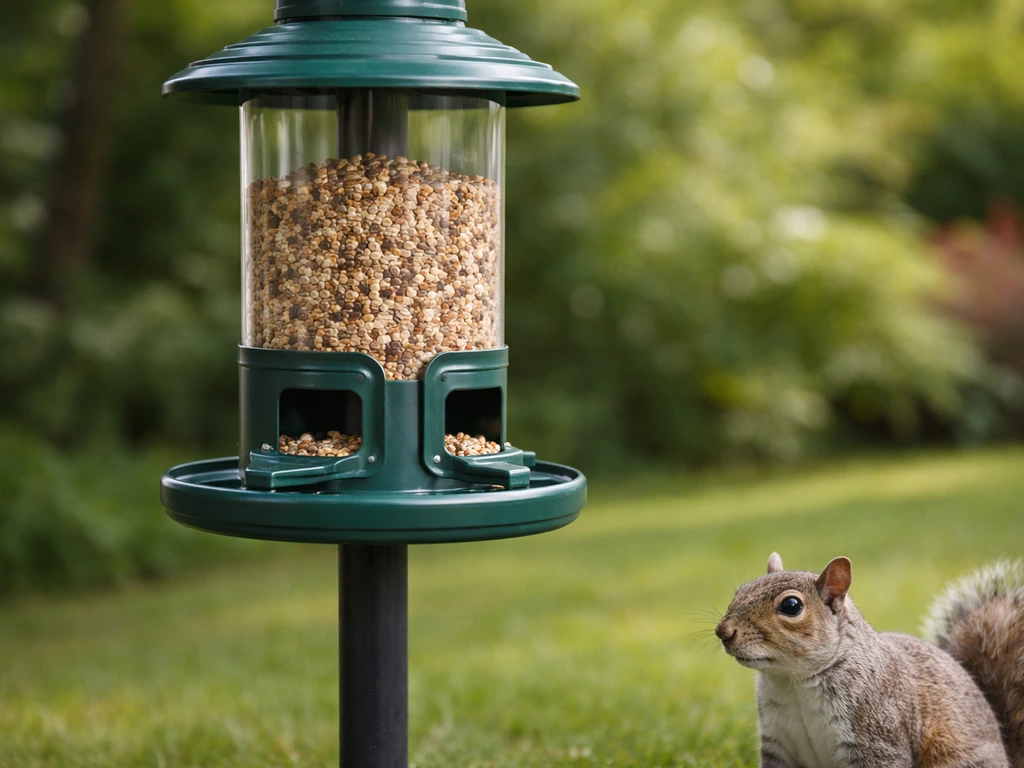
Squirrels will find your feeder. Accept that and plan for it rather than treating it as a surprise. Squirrel-resistant feeders with weight-activated closing ports or caged designs genuinely work, but placement matters too: feeders should be at least 10 feet from any structure a squirrel can jump from, and on a smooth pole with a baffle rather than hung from a tree branch. Rats are attracted to spilled seed on the ground more than to feeders directly. Use feeders with trays that catch seed, sweep up spills regularly, and don't overfill. If you're seeing rats, it's almost always a ground-spillage problem.
Aggressive or invasive birds
House sparrows and European starlings are the most common complaints. Both are invasive in North America, and both can dominate feeders and displace native species. Cornell Lab's NestWatch recommends a practical hardware fix: feeders with short perches and small feeding ports are significantly less attractive to house sparrows and European starlings, while still accessible to the smaller native songbirds you actually want. Safflower seed is also worth trying, since starlings generally ignore it. If you're dealing with aggressive behavior between native species, that's usually a crowding issue: space feeders at least 5–6 feet apart so dominant birds can't guard multiple stations at once.
Window strikes
As covered in placement above, the safest distances are either very close (under 3 feet) or very far. Window treatments like tape strips, decals, or external screens applied to the glass are effective at any distance. Audubon and the American Bird Conservancy both have tested product lists if you want specific options. Track any strikes you observe and use that data to make a placement decision, rather than assuming your current setup is fine. Peer-reviewed research in PMC discusses how local avian density can influence mortality risk from window strikes Track any strikes you observe and use that data to make a placement decision.
Matching your setup to the birds you want
The practical meaning behind bird feeding shifts depending on what you're actually trying to accomplish. If you want to attract a wide variety of songbirds, black-oil sunflower in a tube feeder with a cardinal perch ring is your starting point. If you want woodpeckers, add a suet cage but pull it down in summer when suet melts and goes rancid. Here's a species-level quick reference:
| Bird | Preferred Food | Feeder Type | Extra Notes |
|---|---|---|---|
| American Goldfinch | Nyjer (thistle) seed | Finch tube feeder or mesh sock | Year-round resident in many areas; color changes seasonally |
| Northern Cardinal | Black-oil sunflower, safflower | Tube feeder with tray, platform feeder | Prefers to feed near low shrub cover |
| Downy / Hairy Woodpecker | Suet, sunflower chips | Suet cage, upside-down suet feeder | Upside-down suet feeders deter starlings |
| Black-capped Chickadee | Black-oil sunflower, peanut chips | Tube feeder | Will cache seeds; very cold-hardy |
| House Finch / Purple Finch | Sunflower chips, Nyjer | Tube feeder | Common year-round across most of U.S. |
| Dark-eyed Junco | White proso millet, sunflower chips | Platform feeder, scattered on ground | Ground feeder; common in winter |
| Mourning Dove | Millet, cracked corn, sunflower | Platform feeder, ground | Needs open space; often feeds under feeders |
| Ruby-throated Hummingbird | 1:4 sugar-water | Red hummingbird feeder | Clean every 1–2 days in warm weather |
If you're in an urban area with different species pressures or a very specific local ecosystem, the dynamics can look quite different. The San Francisco bird feeder context is a good example of how geography and local bird populations change what works best, and that principle applies anywhere with a distinct regional species mix.
What to do starting today
If you're just getting started: pick one feeder type (a basic tube feeder is the best all-around choice), fill it with black-oil sunflower seed, place it either very close to your window or well away from it, and set a recurring two-week reminder to clean it. That's a better starting point than buying five feeders and filling them with a seed mix you found on sale. Watch what shows up over the first few weeks before adding more feeders or more food types. Let the birds tell you what's working.
If you've been feeding for a while and running into problems, work through them one at a time: mess on the ground points to a feeder tray or overfilling issue; aggressive birds point to feeder design and food choice; dirty or clumped seed points to a cleaning schedule problem. Most bird feeding issues have simple, tested fixes. The goal isn't a perfect setup, it's a consistent one you can maintain safely across seasons.
FAQ
Does bird feeding meaning include putting out water, like a birdbath or puddles?
Yes, water provisioning is often part of bird-friendly backyard setup, but it is different from food supplementation. Water plus feeders can increase bird congregation, so treat cleaning for birdbaths (regularly scrub and refresh) as seriously as feeder cleaning to avoid amplifying disease risk.
If I stop feeding, do I need to clean everything immediately, or can I just wait?
Clean and empty feeders before you stop using them, especially if you saw any sick or clumped-looking birds. Lingering residue and wet seed can keep pathogens present. If you remove feeders for summer, do it with a final cleanup, then store dry and protected.
Are seed mixes with peanuts or corn safe to use in feeders?
They can be, but they depend on feeder type and species goals. Corn and large pieces tend to attract more waste on the ground and can increase mess, which raises disease and pest risks. If you use higher-calorie or larger foods, choose appropriate feeder designs and plan extra cleanup of spills.
How often should I change seed, even if the feeder looks clean?
Change seed on a schedule, not just by appearance. If you have humidity, frequent rain, or you notice clumping, replace sooner. Stirring and topping off can hide old, damp seed under fresh seed, so fully empty and refill periodically.
What should I do if I see a lot of dead birds near the feeder?
Take down feeders right away and avoid handling carcasses with bare hands. After removal, contact local wildlife or public health authorities if you suspect die-off from disease or toxins. Don’t put the feeder back until you can resume with thorough cleaning and the problem seems resolved.
Can I feed birds during cold snaps only, and is there a “best” schedule?
Yes. A practical approach is to feed during temperature extremes, migration periods, and late-winter when natural food is scarce. Stop or scale down when conditions stabilize, because year-round feeding can raise disease and predator aggregation even if your yard is tidy.
Is it safe to use hummingbird nectar if it’s been in the feeder longer than recommended?
Don’t. Once nectar shows cloudiness, smells fermented, or sits long past the safe window for your temperatures, discard it. Also rinse the bottle before refilling, because residues can speed up mold even if you make fresh nectar.
What’s the best way to handle wet weather and prevent mold in feeders?
Use weather-protective feeder designs, keep feeders covered when appropriate, and reduce fill depth so seed does not sit damp. If you notice any wet, clumped, or moldy seed, empty the feeder, clean, and restart with dry seed.
How do I keep ants, beetles, and other insects from taking over the seed?
Insects often thrive on spilled seed and damp seed. Use a tray that catches waste, clean spills frequently, and avoid overfilling. If you see insect activity, switch to a feeder that minimizes exposed seed and tighten your cleaning cycle.
If aggressive birds keep chasing others away, should I add more feeders or change food?
First adjust spacing and feeder design. If dominant birds guard multiple stations, add stations only after you can place them far enough apart, and consider shorter perches and smaller ports. Changing food can help too, for example sunflower types may attract different competitor profiles than mixed seed.
What feeder placement is safest if my window is close to the yard but I have no room for the “far away” option?
Use the close-range option and reduce flight-line buildup. Place feeders under about 3 feet from the window when you can, and use proven window treatments like exterior screens or decals. Then record any strikes you still see and adjust based on your observations.
Does bird feeding meaning apply to feeding raptors, like hawks, if they show up at my feeder?
Feeding is about providing food to wildlife, and it can change predator behavior near humans. If raptors visit your feeders, the safe action is usually to stop attracting them by removing feeders temporarily, rather than trying to feed or “help” predators. Monitor local guidance on wildlife interactions.
How do I choose the first feeder if I’m not sure what birds I have?
Start with one feeder type and one dependable food (black-oil sunflower in a tube feeder is a common all-around choice). Place it where you can observe results, then decide after 2 to 4 weeks based on which species actually show up, rather than buying a full set of specialized feeders at the start.
Next Article
Where to Hang Bird Feeders in Winter: Exact Placement Tips
Exact winter feeder placement tips for birds and safety: height, window distance, shelter, and troubleshooting.