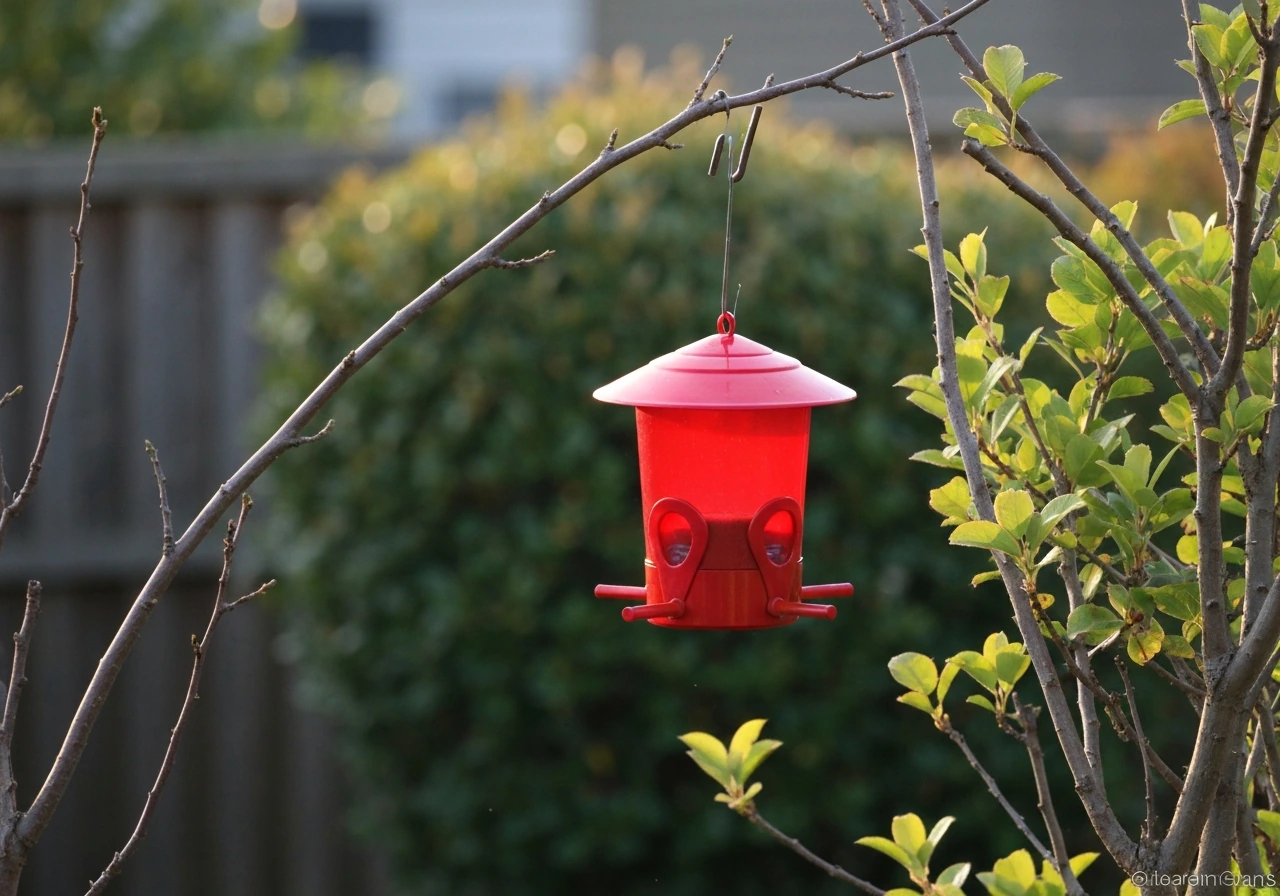
Feeder color does matter a little, but probably a lot less than you think. The color of your feeder can influence how easily birds spot it, and a few species (hummingbirds especially) show real preferences. But for most backyard seed feeders, color is a minor variable. Food type, feeder placement, and cleanliness have far more impact on which birds show up than whether your feeder is red, green, or brown.
Does the Color of a Bird Feeder Matter? What Works
Eleanor Hartwick
22 Jun 2026
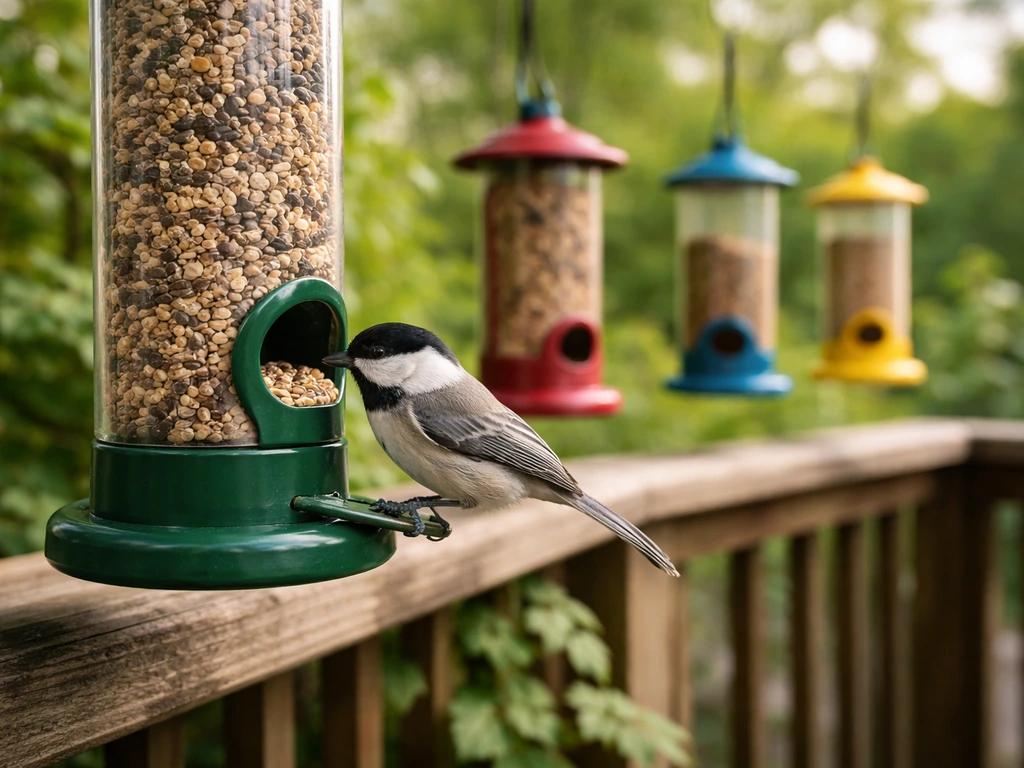
Does feeder color actually affect birds, or is it mostly myth?
The honest answer is: it's a bit of both. There is genuine science behind birds responding to color, and field experiments have found real differences in visit rates between feeder colors. One study comparing green and yellow feeders found birds selected green feeders more often, and this was consistent across urban and rural settings. FeederWatch's seasonal data has shown similar patterns. So color isn't meaningless.
But here's where the myth creeps in: the idea that buying a red feeder will bring cardinals, or that a specific color unlocks certain species, is not backed by consistent evidence. Researchers who looked at feeder-color studies found almost no peer-reviewed work specifically on how seed-feeder color shapes bird behavior. What exists is a handful of experiments, often with inconsistent results, and a lot of anecdote dressed up as fact. There are also no well-documented preferences for red feeders among common species like cardinals, chickadees, or sparrows compared to other neutral colors like green or brown.
The one clear exception is blank" rel="noopener noreferrer">hummingbirds. Their attraction to red is real and well-documented, though researchers describe it as a learned association rather than something hard-wired from birth. Red flowers and red feeders act as reliable food cues, and hummingbirds generalize from there. Orange, blue, and purple feeders also work for hummingbirds, so red isn't the only option, just the best-established one. So if you are wondering whether birds like red bird feeders, it largely comes down to which species you are trying to attract.
How birds actually perceive color in your yard
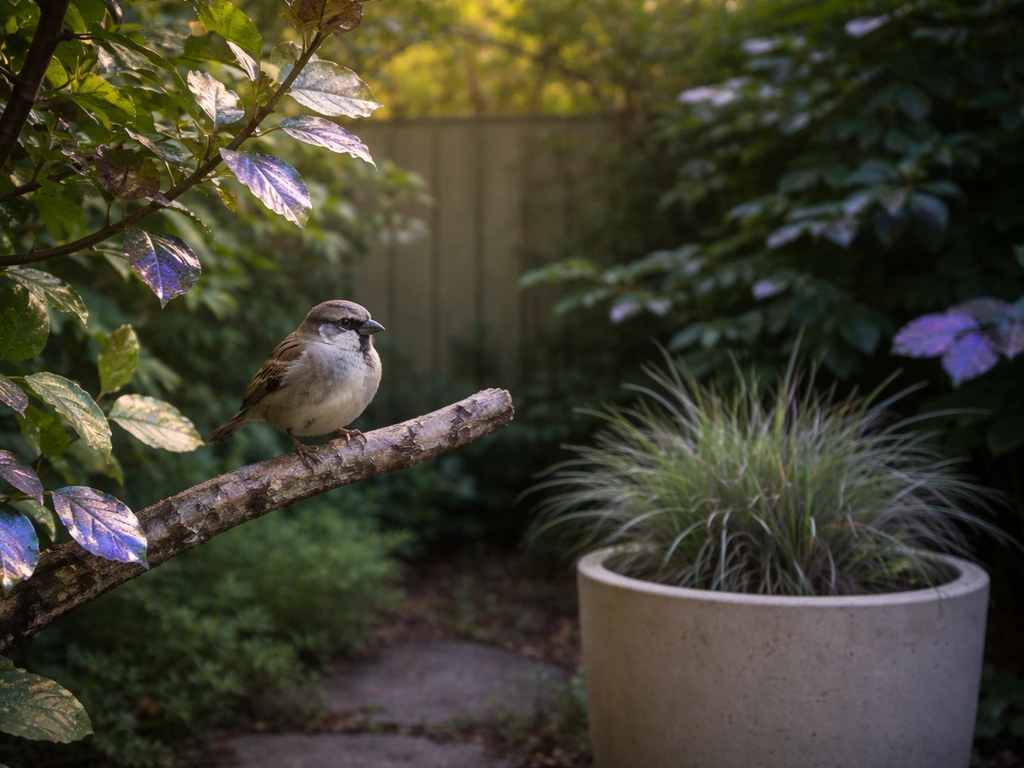
Birds see color very differently from humans, and understanding this helps explain why our color choices don't always translate into bird preferences. Most birds have tetrachromatic vision, meaning four types of cone receptors rather than our three. Many species can also see into the ultraviolet range. Most birds have tetrachromatic color vision based on four cone types, and UV sensitivity is important for vision ecology, constrained by how well ocular media transmit UV light. A feeder that looks bright and eye-catching to you may not stand out to a bird at all, and a color that seems dull to you could be highly visible to them.
Birds' retinas also contain oil droplets inside the cone cells that act as spectral filters, sharpening their ability to distinguish certain wavelengths. Different species have different visual pigment sensitivities, which means a blue tit and a house sparrow don't see the same feeder the same way. This is part of why sweeping color recommendations rarely hold up across species: what's visually salient to one bird may be unremarkable to another.
Practical takeaway: contrast matters more than hue. A feeder that stands out clearly against its background, whether that's a dark feeder against a light fence or a bright feeder against dense foliage, is going to catch a bird's eye more reliably than any single 'magic' color. Birds also take time to find new feeders regardless of color, especially if they haven't fed in that spot before. Learning and prior experience shape what colors they associate with food rewards.
Best feeder colors for visibility and the species you want
If you're choosing a feeder color today, here's what the evidence and practical experience actually support:
| Target species or goal | Recommended color(s) | Notes |
|---|---|---|
| Hummingbirds | Red (primary), orange, purple, blue | Red is the most established cue; avoid dyeing nectar red, use color on the feeder itself |
| General songbirds (chickadees, finches, sparrows) | Green, brown, or natural wood tones | These blend into surroundings and seem non-threatening; green outperformed yellow in field experiments |
| Cardinals | Red or green | No strong evidence red outperforms other colors; food type (sunflower seeds) matters much more |
| Maximum visibility in any yard | High contrast to background | Dark feeder against a light wall, or bright feeder against dark foliage; contrast beats any specific hue |
| Avoiding visual clutter / blending in | Earthy tones (brown, grey, dark green) | Less visually disruptive; can help feeders feel less exposed to cautious or shy species |
If you want bluebirds specifically, keep in mind that bluebirds don't typically use hanging seed feeders the way other species do, so color choice matters much less than feeder style and food type. But when it comes to whether bluebirds eat from bird feeders, their feeding style and preferred foods matter most bluebirds specifically. Similarly, if you're wondering whether certain birds like juncos or pigeons will visit, the species' feeding habits and habitat preferences are going to drive that far more than what color the feeder is painted.
When feeder color can backfire: unwanted wildlife and spooked birds
Color can become a problem in a few specific situations. Very bright or unusual colors (including some yellows, according to captive-bird repellency research) may cause hesitation in cautious species approaching a new feeder. This is especially true for ground-feeding birds that are naturally more skittish. If you've just put out a feeder and birds aren't coming, a garish color might be contributing, but it's usually not the main reason.
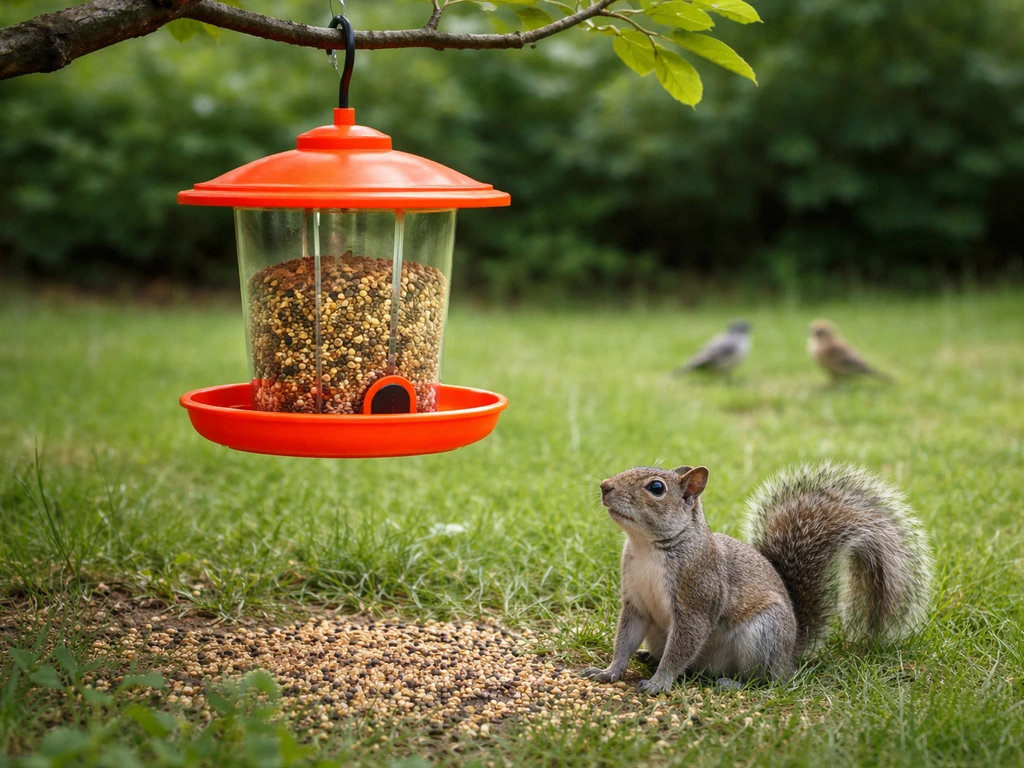
The bigger issue is what color does not fix: squirrels, starlings, and house sparrows. These are primarily attracted by food and access, not feeder color. Juncos can also be attracted to bird feeders, but the best results usually come from offering the right food and keeping the feeder accessible Juncos eat from bird feeders. A squirrel doesn't care if your feeder is red or green.
Starlings are drawn by the food itself, especially sunflower seeds, and research shows they have a hard time with certain feeder types (tube feeders in particular), not colors. If you're being overrun by nuisance birds or squirrels, changing the feeder color will accomplish nothing. Feeder design, pole placement, and baffles are the tools that actually work. For nuisance birds and squirrels, the U.
S. Fish & Wildlife Service recommends focusing on squirrel-proof feeders and poles rather than relying on feeder color to solve the problem.
One thing to watch: very red or brightly colored feeders placed near gardens with red flowers may attract more hummingbirds than you want competing with your seed-feeding station. If you're trying to run a quiet seed feeder for finches and sparrows, keeping nectar feeders separated (30 feet or more apart is often recommended) reduces competition and confusion.
Color is just one piece: placement, lighting, and feeder type matter more
I hear this question constantly: 'I bought a new feeder and birds aren't coming.' Nine times out of ten, the feeder color isn't the problem. Here's what to think about alongside color: Bird feeding times depend more on when food is available and when birds are active than on feeder color Here's what to think about alongside color:.
- Placement height and distance: The 5-7-9 rule is useful for squirrel-proofing (5 feet off the ground, 7 feet from any structure, 9 feet from overhanging branches), but placement also needs to put the feeder where birds already travel, like near shrubs or trees they use for perching and cover.
- Window collision risk: Feeders placed very close to windows (within 3 feet) or more than 30 feet away significantly reduce strike risk compared to the danger zone in between. This affects where you can safely put a feeder regardless of color.
- Background contrast in your specific yard: A natural wood feeder against a cedar fence disappears. A bright green feeder in front of a dark hedge pops. Walk out and look at where you're placing it from a bird's-eye angle if you can.
- Lighting conditions: Shaded feeders are harder to spot from a distance. If your feeder sits in deep shadow for most of the day, even the most visible color won't help much.
- Feeder type: Tube feeders with small ports exclude starlings. Platform feeders invite ground-feeders. Cage feeders block larger birds. Feeder design is a far stronger filter for which species visit than color.
- Cleanliness: Dirty feeders drive birds away. Audubon recommends cleaning at least every two weeks, more often in hot or humid weather, and fully drying before refilling. If bird traffic drops after any change (including a color change), check the feeder's condition first.
The relationship between color and these other factors is interactive. A well-placed, clean feeder in a color that contrasts with its background will outperform a poorly placed feeder in the 'correct' color every single time. Blackbirds can and do feed from bird tables, especially when the food is suitable and the table is placed safely.
If changing feeder color didn't help, here's what to try next
You swapped to a green feeder, waited two weeks, and still nothing. Or you switched colors and traffic actually dropped. Before concluding the color is the issue, work through this sequence:
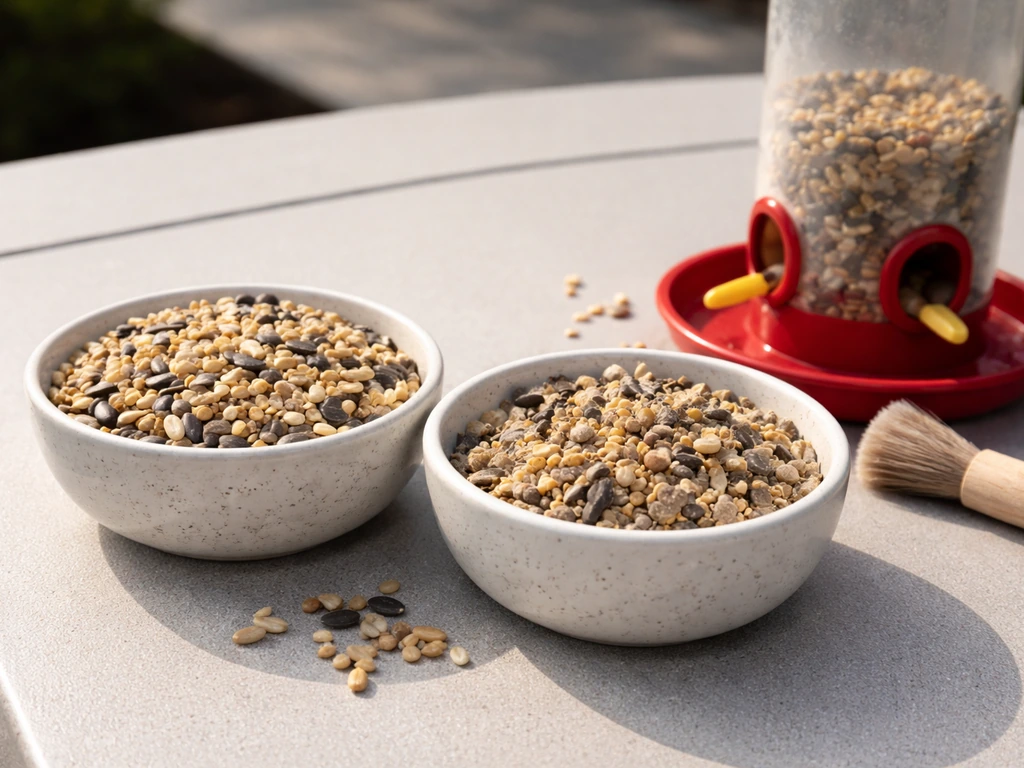
- Check the seed first. Old, clumped, or moldy seed is the most common reason birds abandon a feeder. Dump it, clean the feeder thoroughly, and refill with fresh seed. Black oil sunflower seeds attract the widest range of common backyard species.
- Look at location objectively. Is the feeder in a spot birds already visit? Is there perching cover nearby? Is it visible from above, where birds scout from? Move the feeder before blaming the color.
- Rule out predator pressure. A neighborhood cat, hawk, or even a dog near the feeder will keep birds away for days. If you've noticed a predator recently, give it a week before drawing any conclusions.
- Consider the season and local bird activity. Birds don't feed at all feeders all year. Migration patterns, nesting behavior, and natural food abundance all affect feeder traffic. Comparing your count to the same week last year is more useful than comparing to last week.
- Match feeder type to the species you want. If you want finches, add a nyjer/thistle tube feeder. If you want woodpeckers, try suet. If starlings are crowding out smaller birds, switch to a cage feeder or tube feeder with short perches. These changes produce faster and more reliable results than color changes.
- Track it systematically. Write down which species visit, when, and how many. Even a few weeks of simple notes will tell you whether a change you made actually shifted bird behavior or whether daily variation is fooling you. Project FeederWatch uses exactly this kind of consistent count-based tracking to identify real trends versus noise.
- Give new feeders time. Birds are cautious around new objects. A new feeder (regardless of color) may take two to four weeks to get regular visitors as birds discover and habituate to it.
If you've worked through all of that and still want to optimize for color, lean toward natural, earthy tones for seed feeders (green, brown, dark grey) and reserve red for any nectar feeders you add for hummingbirds. Those two choices are the most consistent with what field evidence and practical experience actually support. Beyond that, your feeder's location, the food inside it, and how often you clean it will do more for your bird traffic than any coat of paint. Pigeons will eat from bird feeders, but their interest depends on what you offer and how accessible the food is.
FAQ
If the feeder color matters, why do birds sometimes ignore a new feeder even when I picked a “good” color?
Birds often need time to learn the location, especially if the feeder is new or moved. Keep the feeder in the same spot, use the same food initially, and avoid changing more than one variable at once (color, seed mix, height, and placement). A sudden switch to a different seed type can delay visits longer than color does.
Does feeder color affect whether birds find it in the first place, or only how often they return?
It mainly influences detectability, how quickly a species notices it, and possibly early hesitancy in cautious birds. Return rate is usually driven more by reliability (consistent seed supply, cleanliness, and safe access), so you may see initial differences that later narrow once birds learn the feeder.
Are there “magic” colors that reliably attract cardinals, chickadees, or sparrows?
Not in a consistent, species-unlock way. For most common seed-feeder birds, food type and safety matter more than hue. If a target species is absent, focus first on seed selection (for example, the right mix for your region) and feeder design (ports size, tray vs tube), then adjust color only as a contrast improvement.
Does feeder color matter for hummingbirds if I want them but not too many?
Yes, red is the most established cue, but hummingbirds also use orange, blue, and purple. If you want to limit them from taking over your seed station, keep nectar feeders farther away from the seed feeder, use separate feeder types, and avoid placing nectar right next to where you’re trying to feed finches or sparrows.
How should I choose a feeder color if I’m fighting squirrels, starlings, or house sparrows?
Don’t rely on paint color for control. These nuisance birds and squirrels respond mostly to food access, not color. If they’re taking over, use baffles, switch to a feeder type that’s difficult for them to use, and adjust height and pole placement before considering a color change.
What’s the best way to use color for visibility without spending a lot of money?
Instead of chasing a specific hue, choose a feeder that contrasts clearly with the background where you place it. For example, a dark feeder on a light fence or a bright feeder against dense foliage tends to stand out better than a “recommended” color that blends into the scene.
Should I put a seed feeder near red flowers to attract more birds?
It can backfire for seed-only goals. Red flowers and bright red objects can increase hummingbird interest and create competition at the area. If your goal is quieter seed-feeding for small birds, keep nectar-related cues separate and maintain distance between feeder stations.
Do birds see feeder colors the same way humans do?
No. Many birds have four-cone vision and can also see ultraviolet light, plus they have oil droplets in their eyes that filter and sharpen color perception. A feeder that looks dull to you may be vivid to birds, and vice versa, which is why contrast and background often outperform “exact color” strategies.
If I changed feeder color, how long should I wait before deciding it didn’t work?
Give it at least a couple of weeks, and ideally keep conditions stable during that window. If you changed the seed mix, location, or feeder style at the same time, it’s hard to blame color. Track visits daily for the first week and again after two weeks to see whether traffic is ramping up as birds learn the new object.
Can a very bright or unusual feeder color reduce visits from skittish birds?
Yes. Highly bright or odd colors can increase hesitation in cautious or ground-feeding species, particularly right after a new feeder goes up. If birds are completely absent on day one to week one, test a less garish color or reposition for better cover and safety before concluding the feeder is ineffective.
Is there any situation where feeder color could matter more than food or feeder design?
Color can become a higher priority when you’re using feeders in novel spots and birds are deciding whether to approach quickly, or when you’re targeting hummingbirds. For most seed-feeder targets, however, feeder design, food choice, accessibility, and hygiene usually dominate outcomes.
Next Article
Do Birds Like Red Bird Feeders? How to Test and Improve
Find out if birds like red feeders and how to test, choose food, place safely, and troubleshoot for more birds.