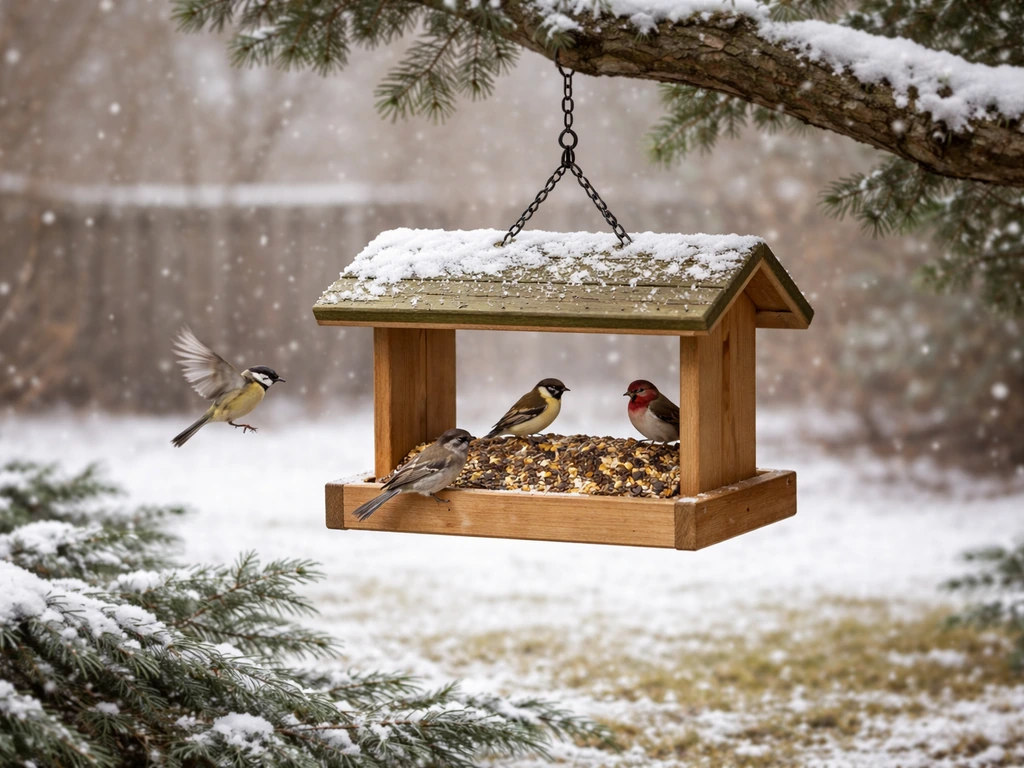
The RSPB's garden bird feeding warning is not a single dramatic alert about one product or species. It is a broad, practical caution that covers everything from feeder hygiene and disease spread to food spoilage, placement mistakes, and what to do when you spot a sick bird in your garden. The core message is straightforward: feeding garden birds is genuinely beneficial, but only when you do it safely. Done carelessly, a dirty or overfilled feeder can do more harm than good, concentrating birds in one spot, spreading disease, and attracting unwanted visitors. This guide translates every part of that warning into steps you can take today.
RSPB Garden Bird Feeding Warning: Safe Feeder Setup

Eleanor Hartwick
3 Apr 2026
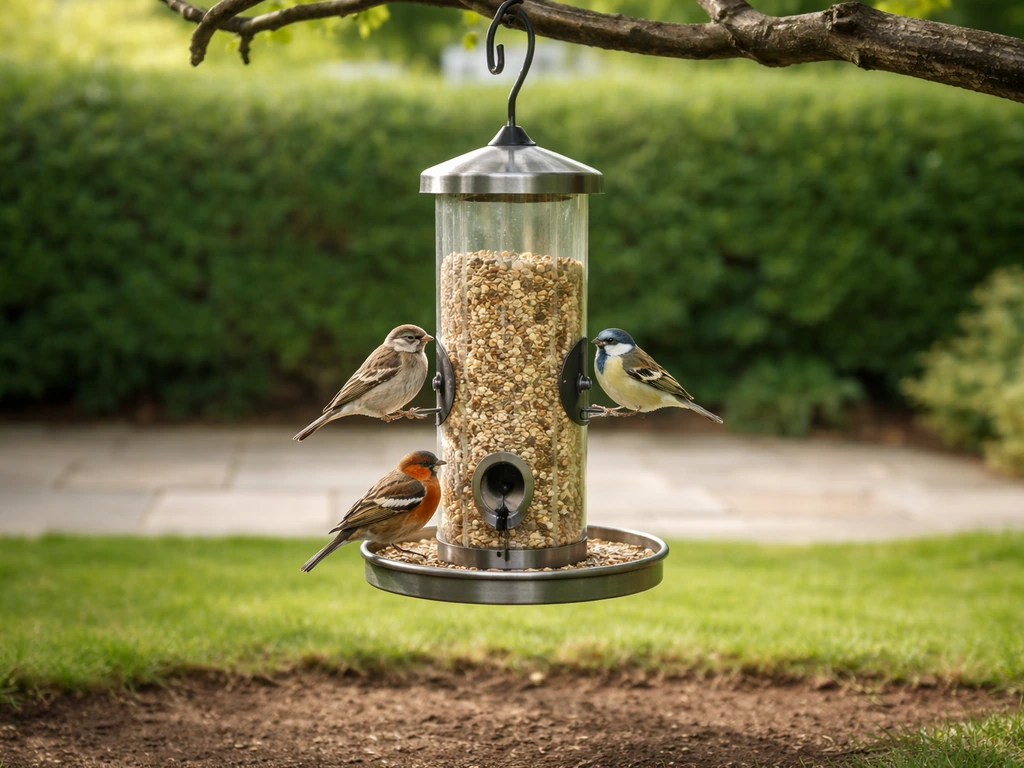
What the RSPB warning is really about
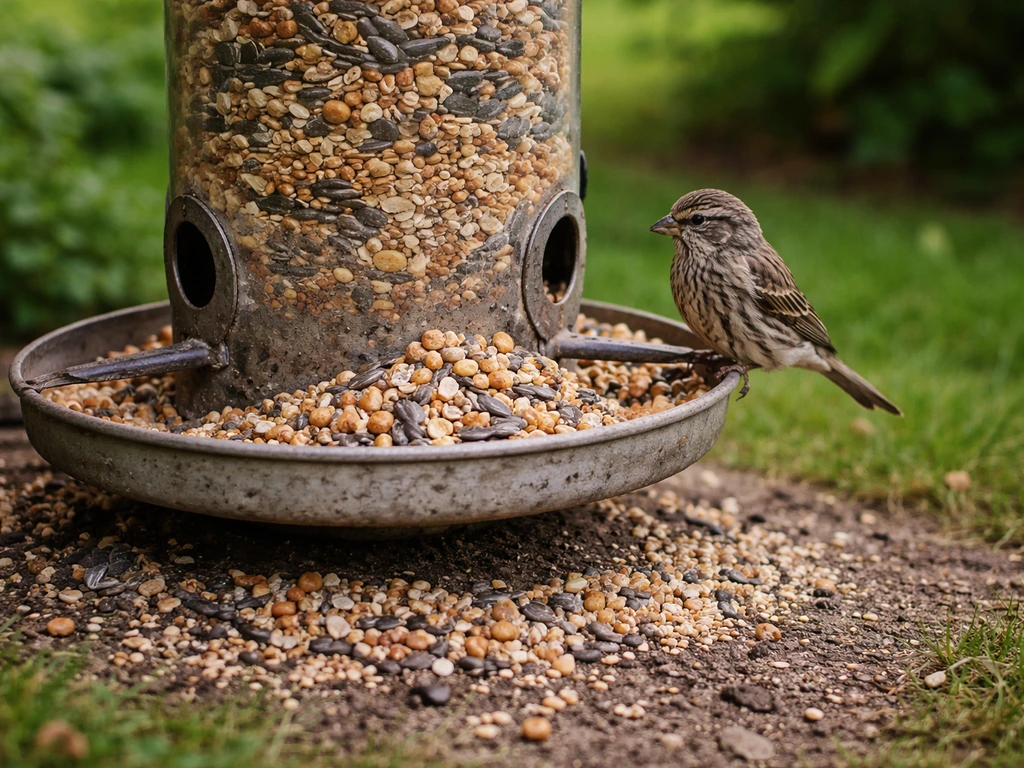
The RSPB's concern is not that you should stop feeding garden birds. It is that most people unknowingly create conditions that make feeders genuinely dangerous. Overfilled feeders that sit for days without being emptied, old food topped up rather than replaced, droppings accumulating on the ground below, feeders positioned directly under roosting trees so droppings fall straight into the food: these are the real problems.
When you concentrate birds at a single feeding point and do not keep it clean, you create the perfect conditions for bacterial and viral build-up, and diseases spread fast. Trichomonosis, which has hit greenfinch populations particularly hard, spreads through contaminated food and drinking water, meaning a single dirty feeder or bird bath can become a transmission point for an entire local flock.
It is worth knowing that this is not a uniquely British problem either. bird feeding warnings from wildlife organisations around the world share the same underlying concerns: hygiene failures, habitat concentration, and inappropriate food choices. The RSPB frames its guidance around preventative action rather than alarm, which is the right approach, but it does mean the warning can be easy to overlook unless you know what to look for.
Common risks at bird feeders
Disease spread
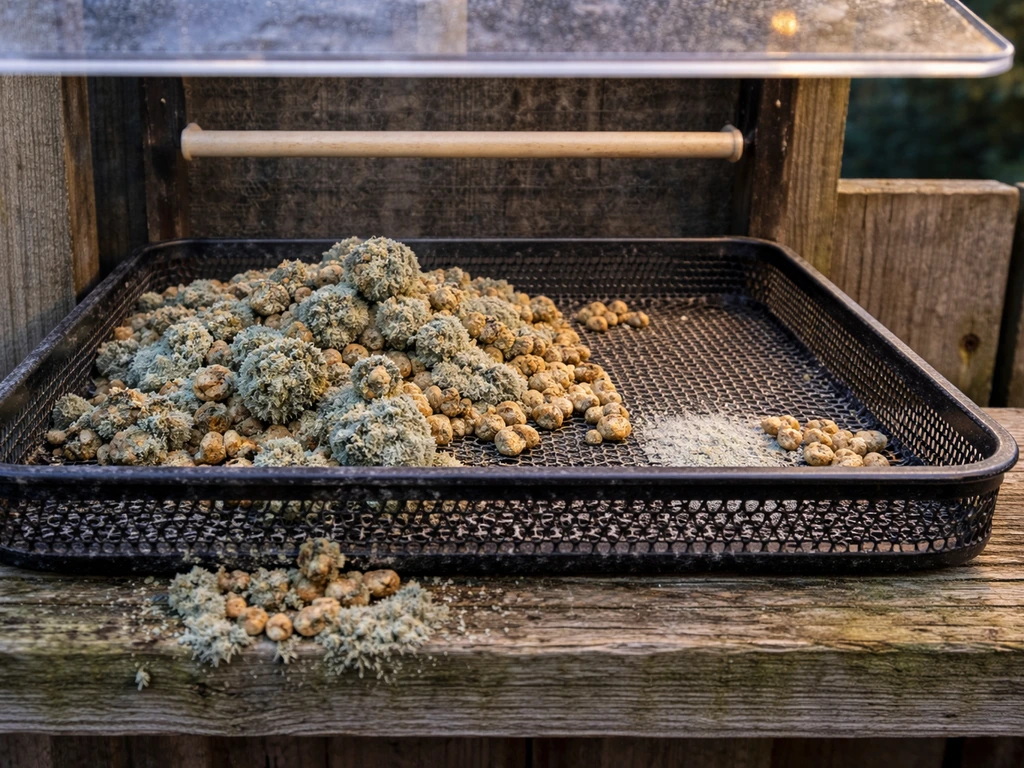
Disease is the most serious risk the RSPB highlights. Bacteria and viruses build up on feeder surfaces, perches, ports, and in bird baths when cleaning is infrequent. Birds that feed and drink at the same spot transfer pathogens between each other directly, and droppings falling into food below feeders create a secondary contamination route. Trichomonosis is the headline example, but salmonellosis and other infections follow the same pattern: concentrations of birds plus poor hygiene equals rapid spread. The RSPB's guidance on this overlaps closely with what you will find in broader bird feeder warnings from other conservation organisations, all pointing to the same root cause.
Contamination and spoilage
Food spoilage is underrated as a risk. Mouldy or salted food should never be offered, and the RSPB explicitly lists these in its avoid column. But spoilage can happen even with good food if feeders are overfilled and not emptied regularly. Fat-based foods are especially risky in warm weather because they go off quickly and can become rancid, coating feathers and reducing waterproofing. Wet seed clumps inside a feeder port are a visible sign that things have already gone wrong. Old food should go straight in the bin, not on the compost heap, to avoid spreading contamination back into the garden environment.
Ground contamination
What falls below your feeder matters. Droppings and dropped food accumulate on the ground and can contaminate birds that ground-feed beneath the hanging station. This is often worse when feeders are positioned under trees or roosting spots, because droppings land directly into the feeding zone. Moving feeders periodically, and clearing up spilled food and droppings regularly, are both explicitly recommended by the RSPB for this reason. Project FeederWatch also advises moving feeders periodically and clearing up spilled food and droppings regularly to reduce ground contamination.
Immediate fixes you can do today
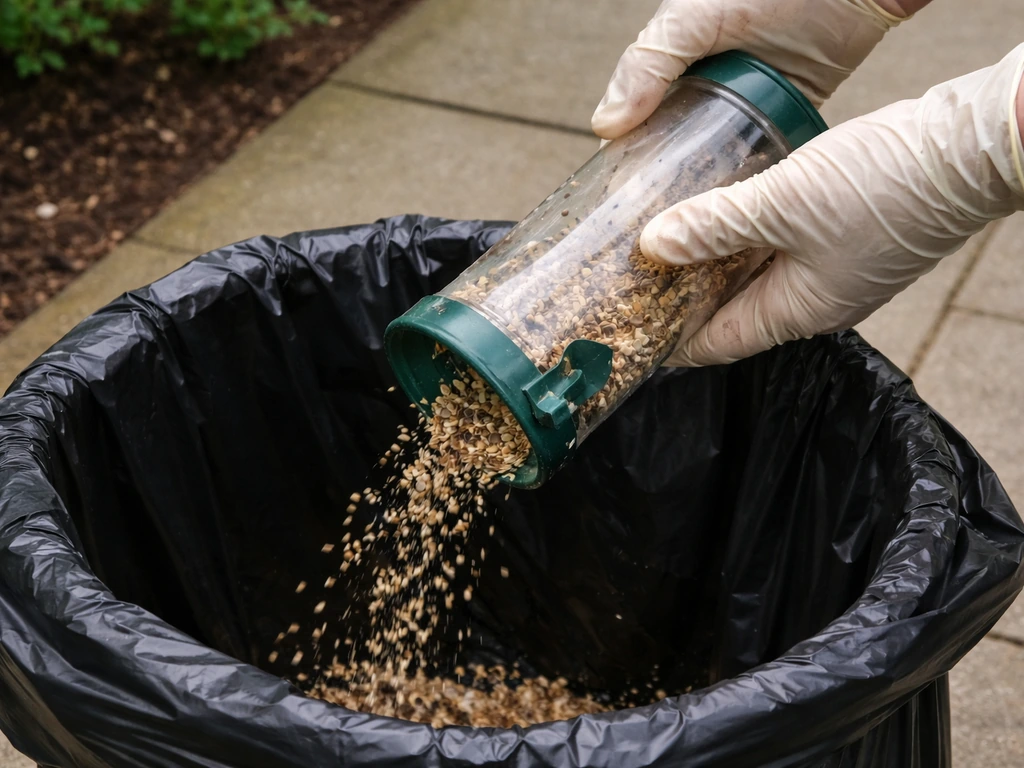
If you have not cleaned your feeders recently, today is the right day to start. Here is the RSPB's step-by-step cleaning process, which I would follow exactly:
- Put on rubber gloves before you touch anything.
- Empty all old food into a bin bag. Do not reuse it, do not compost it.
- Take the feeder apart as much as possible to access all internal surfaces.
- Scrub inside and out with hot soapy water and a strong long-bristled brush.
- Rinse thoroughly so no soap residue remains.
- Disinfect using either an animal-safe product or a weak domestic bleach solution (5% sodium hypochlorite).
- Rinse again after disinfecting.
- Leave to dry completely, ideally outside in the air. Do not refill a damp feeder.
- Once fully dry, refill with fresh food.
If you have spotted a sick bird in your garden, the action required goes further than cleaning. The RSPB is explicit here: stop feeding immediately, empty bird baths, clean all feeders thoroughly, and store them away from the garden (in a shed or garage) for at least two to four weeks. Only restart feeding once you are confident there are no longer any birds showing signs of disease.
If sick birds reappear after you restart, stop again, clean again, and repeat the pause. This is not overcautious; it is the most effective way to break a local disease cycle. Similar guidance is echoed in the DNR bird feeder warning advice issued by wildlife agencies in North America, which tells you something about how universal this problem is.
Safe feeder placement and setup to reduce harm
Where you put your feeder matters almost as much as how you clean it. The RSPB recommends several placement principles that are worth building into your setup from the start rather than fixing later.
- Avoid positioning feeders directly under trees or roosting areas. Droppings falling from above land in or around the food, creating a direct contamination route.
- Move feeders regularly to prevent build-up of droppings and old food on the ground beneath them. You do not need to move them far, just enough to rotate the ground contact zone.
- Raise feeders high enough that ground predators like cats cannot easily reach birds feeding or waiting on nearby branches.
- Set up several different feeding stations rather than one large central point. Spreading birds across multiple locations reduces the density of contact between individuals and lowers the risk of cross-species contamination.
- Make sure birds have clear sight lines and escape routes from each feeding station. A feeder tucked in a corner with no quick exit is a stress point that also increases the risk of predation.
Multiple smaller stations is one of those recommendations that feels counterintuitive until you think about it from a disease-transmission perspective. Fewer birds crowding into one spot means fewer opportunities for pathogens to transfer. It also tends to reduce aggressive competition at feeders, which is a secondary benefit worth noting.
What to feed and how to prevent wasted or rotten food
The RSPB's food guidance is seasonal and specific, which a lot of people miss. The RSPB advises pausing filling garden bird feeders with seeds and peanuts from 1 May to 31 October to reduce the risk of trichomonosis spreading at feeding sites. Fat balls, suet blocks, and other fatty foods are winter-only. In warmer months they go off quickly, can turn rancid, and birds do not need the extra high-energy calories when natural food is abundant. Switching to seed mixes, sunflower hearts, and mealworms in spring and summer keeps things appropriate and reduces spoilage risk significantly.
Loose peanuts should always be offered in a mesh feeder, never scattered on a table or the ground. Large peanut pieces can choke fledglings, and this risk is highest during nesting season from spring through midsummer. Cooked food is a category to avoid entirely because it reliably attracts rats and mice, which then become a persistent problem around the feeding area. Mouldy or salted food is a hard no on every list the RSPB publishes.
Feeder design matters for keeping food dry and fresh. Investing in quality feeders with good drainage, tight-fitting lids, and ports that do not allow rain ingress directly reduces spoilage. The RSPB specifically mentions feeder design as a factor in preventing food going off, and this is one area where spending a little more upfront pays back in less waste and fewer cleaning problems down the line.
| Food type | Season | Risk if misused | Feeder format |
|---|---|---|---|
| Sunflower hearts | Year-round | Low, but can clump when wet | Tube feeder or tray |
| Fat balls / suet | Winter only | Goes rancid in warm weather | Mesh holder or cage |
| Peanuts | Year-round (avoid nesting season loose) | Choking risk for fledglings if not in mesh | Mesh nut feeder only |
| Mealworms (dried) | Year-round | Low if kept dry | Open dish or tray feeder |
| Seed mixes | Year-round | Clumping and mould if feeder is damp | Tube or hopper feeder |
| Cooked food | Never | Attracts rats and mice | Do not offer |
Maintenance routine and seasonal feeding do's and don'ts
The RSPB's baseline is a thorough clean every week for all feeders, bird tables, and bird baths. That sounds like a lot if you have never done it systematically, but once you have the routine in place it takes ten to fifteen minutes. Bird baths need more frequent attention than feeders: refill with fresh water daily, and do a full disinfect weekly. In winter, keep the water ice-free. A frozen bird bath is useless, and birds relying on it for drinking water in cold snaps are particularly vulnerable.
The key refilling rule is: empty before you top up. Never add fresh seed on top of old seed. It sounds obvious but it is one of the most common hygiene mistakes the RSPB flags. Old food at the bottom of a tube feeder can be damp, beginning to mould, and invisible under a fresh layer on top. Aim for feeders to be emptied every one to two days. If food is sitting longer than that without being eaten, you are overfilling. Scale back the quantity rather than letting stale food accumulate.
Seasonally, the RSPB recommends feeding all year round if you can, but adjusting what and how much you offer. Autumn is a good time to review your setup, which is when the RSPB publishes its top feeding tips ahead of winter. Winter feeding should ramp up and include high-energy foods. Spring and summer feeding should shift to seeds, live or dried mealworms, and smaller quantities. The Audubon bird feeder warning guidance similarly recommends seasonal adjustments, particularly around avoiding foods that spoil quickly in heat, which aligns well with the RSPB's summer fat food caution.
Dealing with unwanted visitors and feeder-related side effects
Rats, mice, squirrels, pigeons, and corvids are all on the RSPB's list of unwanted visitors that can become a problem around poorly managed feeding stations. The good news is that most of these issues are manageable without stopping feeding altogether. The RSPB's recommended mitigations are practical and worth implementing in combination rather than as individual fixes.
- Use feeders with a guardian cage around them to exclude larger birds like pigeons and corvids while letting smaller species through.
- Install weight-activated feeders that close the feeding port when anything heavier than a small songbird lands, which handles squirrels and larger birds simultaneously.
- Brush up spilled food from the ground beneath feeders daily. This single habit removes the main attraction for rats and mice without requiring any change to what you are offering.
- Avoid cooked food entirely (listed separately above, but worth repeating here because it is the single biggest driver of rat problems around feeders).
- Raise feeders on smooth-barrelled poles rather than hanging them from trees where squirrels have easy branch access.
- Clean away old food and droppings from the ground below feeders regularly, not just from the feeders themselves.
Aggressive territorial behaviour at feeders, particularly from starlings or house sparrows, is a separate side effect worth mentioning. Multiple feeding stations, as recommended above for disease control, also help here by reducing competition pressure. You will notice smaller or more timid species getting pushed out at a single-station setup, whereas spreading feeding points around the garden tends to produce a more balanced mix of visitors.
Balanced guidance: when to feed, when to pause, and next steps
The RSPB is not anti-feeding. Its position is that garden bird feeding, done well, supports bird populations, particularly during cold snaps and breeding season when natural food supplies are stretched. The benefits are real. The cautions exist because the harms are also real when hygiene is neglected. This is a both/and situation, not an either/or one.
Pause feeding when you see sick birds, and do not restart until the garden has been clear of disease signs for at least two weeks, ideally two to four weeks. Pause or significantly reduce feeding during unusually warm spells when fat and protein foods spoil quickly. You might also consider a temporary pause if you are seeing a sudden influx of rats or a large pigeon population that other mitigations have not resolved. The Massachusetts bird feeder warning guidance took this approach when disease outbreaks were detected locally, recommending a full stop for a defined period and then a careful restart with thoroughly cleaned equipment, which mirrors the RSPB's own disease-response protocol exactly.
Your next steps right now: clean your feeders today using the numbered routine above, check your placement against the siting criteria, switch out any fatty or spoilage-prone food if temperatures are climbing, and set a weekly cleaning reminder on your phone. If you have seen any birds with matted feathers around the eye, difficulty swallowing, or lethargic behaviour at your feeders recently, stop feeding immediately, empty the bird bath, and clean and store everything away for at least two weeks.
Those are the signs of disease the RSPB is specifically asking you to watch for. Act on them quickly and you protect your local bird population. Keep the routine going after that and you have a genuinely safe garden feeding setup that benefits birds through every season.
FAQ
I topped up yesterday, should I throw everything away or just clean quickly?
If you cannot tell what food is old, use the “empty before top up” rule anyway. Remove the entire remaining contents, wipe out the feeder, then refill with a smaller amount that should be consumed within 1 to 2 days (shorter in hot weather). This prevents hidden damp seed or rancid fat from being sealed under a fresh layer.
Does the RSPB warning apply to bird baths too, or only to feeders?
Yes, a bath can spread infection even if the feeder itself looks clean. The key is daily fresh water, remove any scum, and do a full disinfect weekly. If you see droppings, algae slime, or a lot of splashing-contamination, treat it as higher risk and clean more frequently until the area is stable.
How long should I wait before restarting feeding after I spot sick birds?
Do not restart immediately just because the sick birds stopped appearing. The guidance in the article sets a minimum pause and a longer ideal window, and the purpose is to break the local transmission cycle. If you restart and any signs of illness return, stop again and repeat cleaning plus the pause period.
What should I do with multiple feeders and baths if sick birds show up?
If you have a bird illness scare, remove the feeding source, and also reduce other congregation points like nearby water dishes. Keep feeders and baths stored away from the garden during the pause window, then restart gradually with smaller quantities so you can quickly detect whether illness signs reappear.
What changes during a warm spell, especially if I use suet or fat balls?
When heat is unusual for your area, treat fat-based foods as a “do not leave out” category. Reduce quantity immediately, consider switching to foods that spoil more slowly, and empty feeders more often than every 1 to 2 days because spoilage can accelerate quickly. Also keep an eye on wet clumps at ports, which usually means contamination and spoilage have started.
Can I use household cleaners to disinfect my feeders, and how do I avoid residue?
Do not use disinfectant on the feeding surfaces that leaves a strong residue. Use the cleaning routine, rinse thoroughly so birds are not exposed to chemical traces, and let everything dry before refilling. If you are unsure about compatibility with metal or plastic components, focus on thorough hot soapy cleaning plus proper rinsing rather than heavy chemical soaking.
Where should I place feeders if my yard is small and there is only one sheltered spot?
A “good” placement is not only about not putting feeders under trees. Also avoid tight corners, dense shrubs with poor visibility, and places where one species can monopolize the station. Spreading feeding points across the garden helps reduce crowding and aggressive displacement, which indirectly reduces how quickly pathogens can move between birds.
What’s the fastest way to fix a feeder hygiene problem if I keep getting leftover seed?
Often the most visible safe-feeding improvement is quantity control. Overfilling hides old seed at the bottom and leads to damp spots in tube and port feeders. If you see wet seed clumps or seed left untouched beyond 1 to 2 days, reduce the amount and switch to a feeder design that better sheds rain and drains.
Can I put old seed into my compost bin instead of binning it?
It is safer to remove compost contamination risk by binning old, mouldy, or potentially disease-contaminated food. Dropped seed and droppings can bring pathogens back into the feeding area and can also contaminate ground-feeding birds. If you compost at all, do it only once you can separate and manage potentially contaminated material well away from feeding zones.
How do I keep feeding safe in winter when temperatures drop below freezing?
Yes, winter feeding still needs tighter vigilance. Frozen water stops drinking, so keep baths ice-free, and do not rely on a single frozen spot as the only water source. Also continue frequent cleaning because cold temperatures do not stop droppings and residue build-up, they just make the problem less obvious until spring.
What’s the safest way to feed peanuts when fledglings are around?
Loose peanuts should be offered correctly, in a suitable mesh feeder, and only during the period when fledglings are present you should be extra cautious. If you have large pieces or you notice birds struggling, remove the incorrect format immediately and swap to foods that are easier for fledglings to handle, then clean the surrounding ground where drops accumulate.
Rats and pigeons keep showing up, should I stop feeding entirely?
If you notice repeated rat or pigeon pressure around the feeding station, do not compensate by increasing food. Reduce quantities, switch to foods that are less attractive to your unwanted visitors, use feeder designs that limit access, and remove spilled food promptly. This also helps hygiene because less competition and less leftover feed means fewer contamination opportunities.
If I see only one sick-looking bird, is it still a reason to stop feeding?
Take the sick-bird signs seriously even if you think it is only one case. The article highlights specific visual and behavioural indicators, and the safest move is to stop feeding, empty and clean water sources, and store equipment away during the pause. If the signs return after restarting, you need another stop-clean-store cycle rather than “waiting it out.”
Next Article
Do You Leave Bird Feeders Out All Year? Seasonal Guide
Should you leave bird feeders out all year? Get seasonal tips, safe feeding, and cleaning to prevent disease and pests.