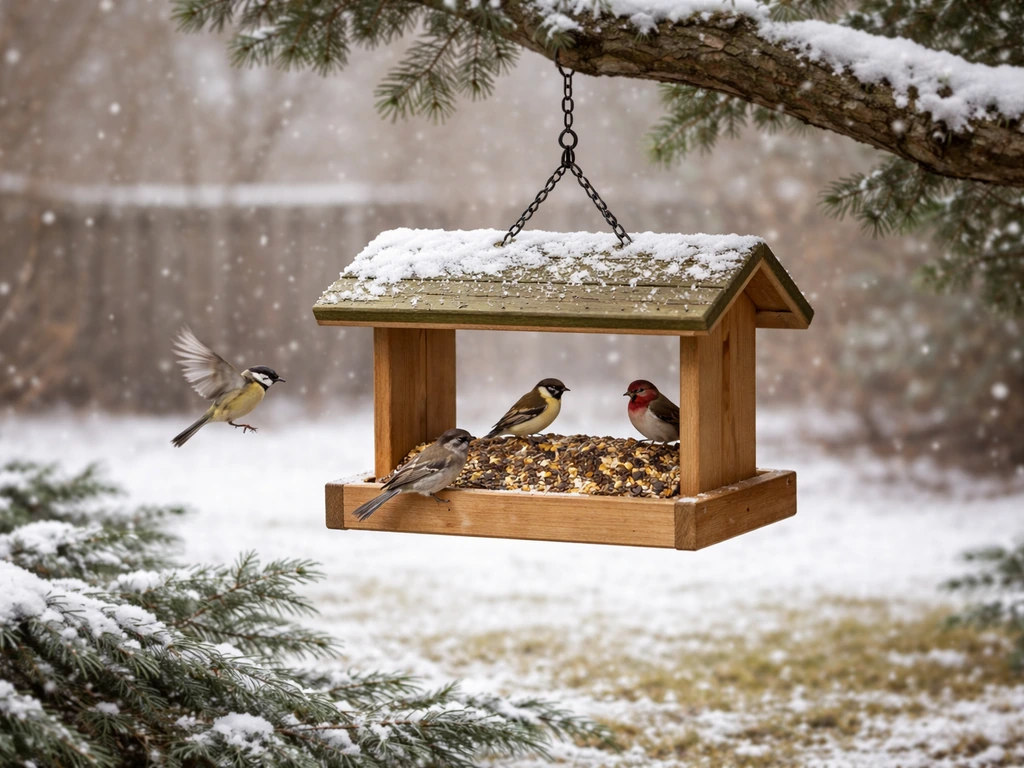
To reliably attract backyard birds while keeping pests and disease in check, you need four things working together: the right feeder for your target species, placement that protects birds from windows and predators, food matched to the season, and a cleaning routine you'll actually stick to. Get those four dialed in and most of the common headaches, squirrels monopolizing the feeder, mold in the seed, sick birds clustering at tube ports, mostly solve themselves. Here's how to set that up today and adjust it as the seasons shift.
Bird Feeding Tips: Beginner Guide to Feed Safely

Eleanor Hartwick
7 Jun 2026
Start with a goal: which birds do you want, and what are you trying to avoid?
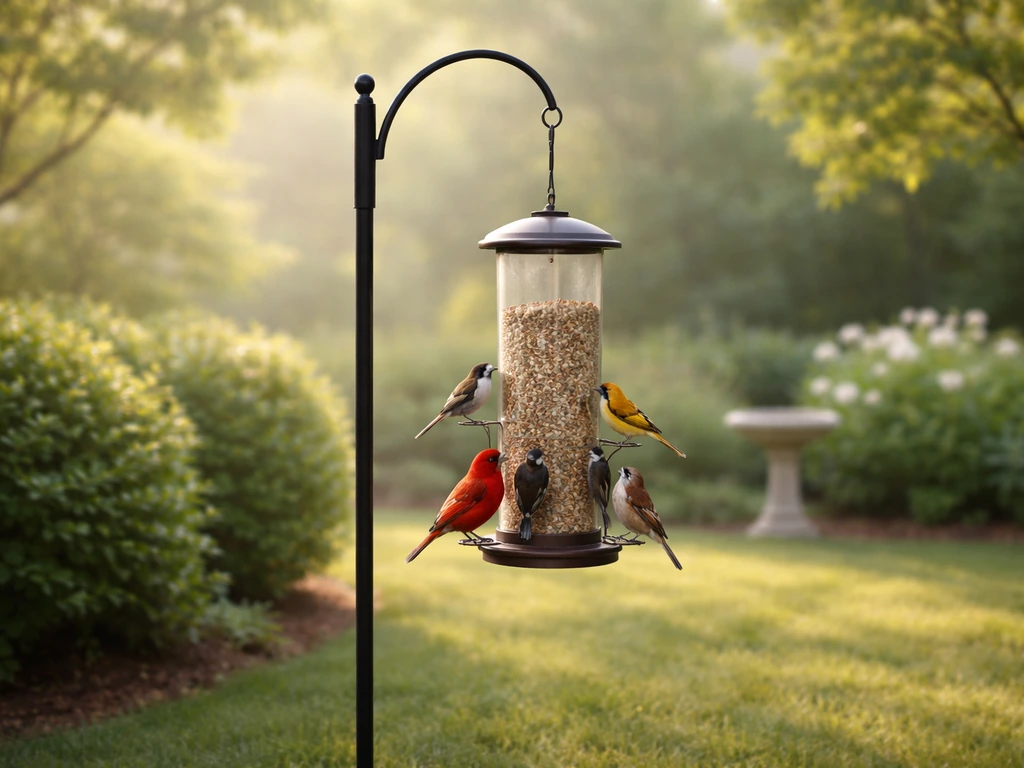
Before you buy anything, spend a few minutes watching your yard. What birds are already moving through? Are you near a woodland edge, an open lawn, or a dense suburban block? Your local bird community shapes everything downstream, from what feeder to buy to what seed to stock. Trying to attract cardinals and chickadees is a different project from pulling in goldfinches or hummingbirds, and lumping them all together usually means you end up with a generic mix that mostly serves house sparrows and starlings.
It's also worth being honest about what you want to avoid. If you live in an apartment building with shared outdoor space, a large platform feeder full of millet might create a rat problem your neighbors will notice before the birds do. If you have a cat or live near a hawk-heavy area, feeder placement becomes a safety question, not just a preference. Project FeederWatch's common feeder birds tool is a genuinely useful starting point: plug in your region and target species and it maps directly to food and feeder types. Knowing your goals upfront saves you from buying three feeders you'll end up taking down.
Feeder types: what to buy and what to skip
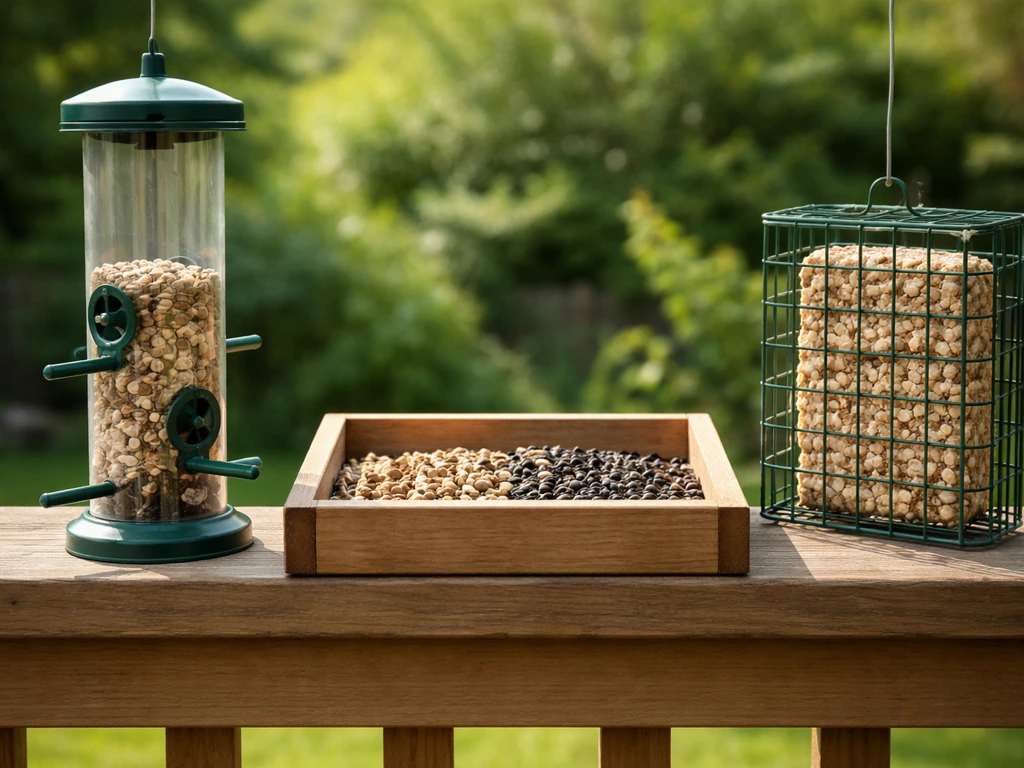
There's no single best feeder, but there are smart choices based on what you're trying to do. Here's a quick breakdown of the main types and where they fit.
| Feeder Type | Best For | Watch Out For |
|---|---|---|
| Tube feeder | Finches, chickadees, nuthatches, small songbirds | Higher disease-transmission risk (eye discharge at ports); harder to clean thoroughly |
| Hopper feeder | Cardinals, jays, mixed species; seed stays drier | Can harbor mold in bottom if not cleaned regularly; big enough for squirrels to perch |
| Platform/tray feeder | Ground-feeding species like juncos, doves, sparrows | Fully exposed to rain and droppings; requires the most frequent cleaning |
| Suet cage | Woodpeckers, nuthatches, chickadees, wrens | Starlings love suet; a caged design limits access to clingers only |
| Nyjer/thistle tube | American goldfinches, pine siskins, lesser goldfinches | Nyjer goes rancid quickly; inspect and replace seed often in warm weather |
| Hummingbird feeder | Ruby-throated, rufous, and other hummingbird species | Nectar ferments fast in heat; feeders need cleaning every 2-3 days in summer |
A word on tube feeders specifically: the California Department of Fish and Wildlife and Project FeederWatch both flag them as higher-risk for transmitting ocular diseases like conjunctivitis, because birds insert their heads into ports and eye discharge can directly contaminate surfaces. That doesn't mean avoid them entirely, but it does mean they need the most consistent cleaning schedule of any feeder type.
For starling problems, caged suet feeders are genuinely effective. The cage openings allow woodpeckers, nuthatches, and chickadees to cling and feed while making it awkward enough for flat-footed starlings that they usually give up. If European starlings are taking over your yard, this is one of the more practical solutions short of removing suet entirely.
If you're just starting out, a hopper feeder with black-oil sunflower seed plus a separate suet cage covers the widest range of common backyard species with the least maintenance complexity. Add a nyjer tube or hummingbird feeder once you've got the basics running smoothly.
Placement: windows, predators, and bird traffic flow
Window collisions kill hundreds of millions of birds in North America every year, and feeder placement is directly linked. The research-backed rule is straightforward: place feeders either within 3 feet of a window or more than 30 feet away. Within 3 feet, birds don't have enough runway to build up fatal momentum if they do hit the glass. Beyond 30 feet, they have enough space to recognize and avoid the window. The danger zone is roughly 3 to 30 feet out, where birds flush fast from the feeder and hit glass at full speed. Audubon, the U.S. Fish and Wildlife Service, and multiple ornithology programs all land on this same two-zone logic.
Beyond windows, think about predator sight lines. Cats and hawks are the main threats at most feeders. Placing feeders at least 10 feet from dense shrubs gives birds enough open space to see a cat approaching, while still keeping some light cover nearby where small birds can retreat quickly. Mounting feeders on a smooth metal pole with a baffle is worth doing from day one, both for squirrel deterrence and to keep raccoons from raiding overnight. A tilting or dome-style baffle on a free-standing pole is about as close to squirrel-proof as you'll realistically get, though no setup is totally foolproof.
Also consider the view from inside your house. Project FeederWatch specifically recommends placing feeders where you can observe them regularly, partly because weekly monitoring is how you catch disease, spot sick birds early, and notice patterns in who's visiting and when. A feeder stuck around the side of the house that you never actually look at doesn't serve you or the birds well.
What to feed: matching food to season and species
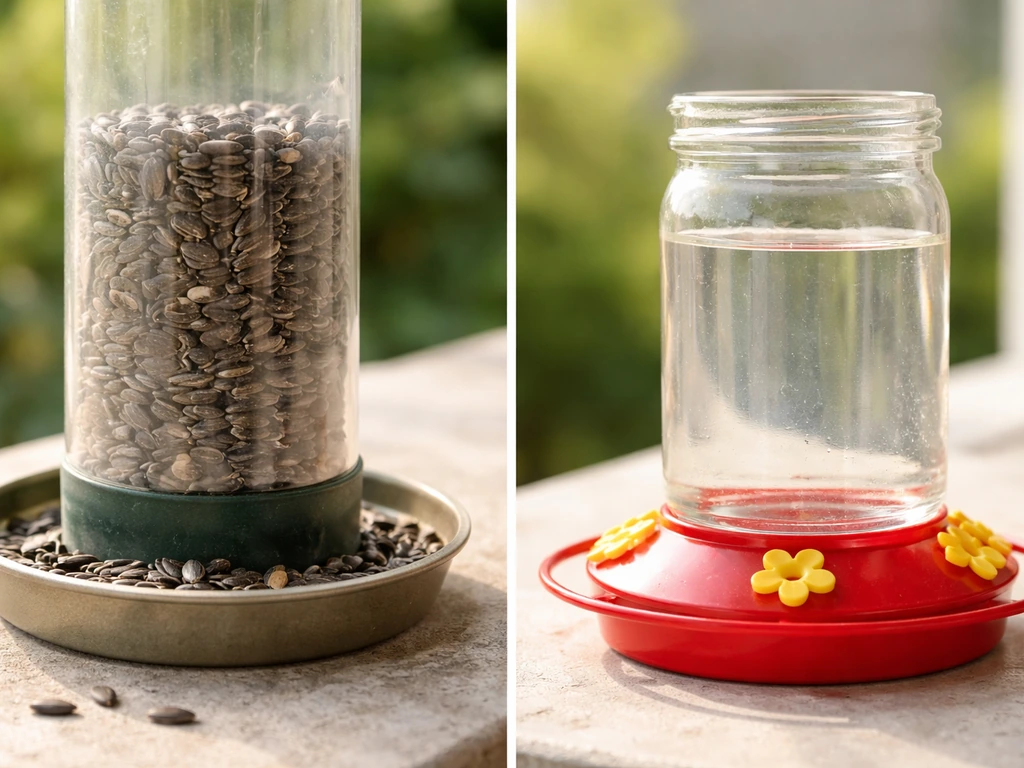
Black-oil sunflower seed is the single best all-around option if you want to attract the widest variety of songbirds: cardinals, chickadees, nuthatches, finches, and many others readily take it. The shell is thin enough for small beaks, and the high fat content makes it valuable year-round. Safflower seed is a good secondary option that squirrels tend to ignore and that cardinals specifically love. Millet (white proso) attracts ground feeders like juncos, sparrows, and mourning doves. Nyjer attracts goldfinches and siskins but needs to be fresh since it goes rancid quickly.
For hummingbirds, make your own nectar: dissolve 1 part plain white sugar in 4 parts boiling water, then let it cool completely before filling the feeder. That's the recipe backed by Project FeederWatch and the Smithsonian National Zoo. Don't use honey, brown sugar, artificial sweeteners, or red food dye. In cold, rainy, or foggy conditions when hummingbirds burn more energy, you can bump the ratio slightly to 1 part sugar per 3 parts water to give them a bit more caloric density.
Seasonally, the food that birds need shifts. In late fall and winter, high-fat options like suet, black-oil sunflower, and peanuts help birds maintain body temperature. In spring and summer, insects become abundant and many birds that visited your feeders all winter will reduce feeder visits naturally as they shift to foraging. Orioles, if they visit your area, are attracted by fresh orange halves and grape jelly in spring, typically from May through June or July depending on your region. Oriole bird feeder tips like offering fresh orange halves and grape jelly during late spring can help you time your setup for peak visits Oriole feeder. Adjusting what you offer based on what birds are actually eating keeps your setup responsive rather than static.
Foods to avoid or use carefully
- Generic mixed birdseed with lots of red millet, milo, or oats: most desirable songbirds ignore these fillers and they pile up, rot, and attract rodents
- Bread, crackers, or table scraps: low nutritional value and mold risk
- Moldy or clumped seed of any kind: never top off a feeder with fresh seed before clearing out old seed at the bottom
- Nectar with any additive other than plain white sugar: dye, honey, and artificial sweeteners are all harmful
- Salted or flavored nuts: plain, unsalted peanuts are fine; salted are not
How much to feed and a realistic refill schedule
The simplest rule for seed feeders: offer only as much as birds can eat in a day. Penn State Extension recommends this specifically for platform and deck feeders to prevent seed from sitting, getting wet, and starting to mold or ferment. For hopper feeders with some weather protection, you have a little more flexibility, but the principle still holds. If you're regularly finding wet, clumped seed at the bottom of a feeder, you're filling it too much or not often enough, or both.
In practice, most backyard feeders do fine with a check every two to three days and a full refill whenever seed drops below half. In summer, check more frequently because heat and humidity accelerate mold growth. In winter with heavy feeder traffic from cold-stressed birds, you may need to refill daily. Hummingbird nectar feeders need the most attention in warm weather: change the nectar every two to three days, even if it looks fine, because fermentation happens before you can see or smell it.
Before every refill, take ten seconds to look into the feeder. If you see clumping, dark spots, or any off smell, empty it completely and clean before adding fresh seed. Never pour new seed on top of old without checking the bottom first. This one habit prevents most mold and spoilage problems.
Cleaning and maintenance: the routine that actually prevents disease
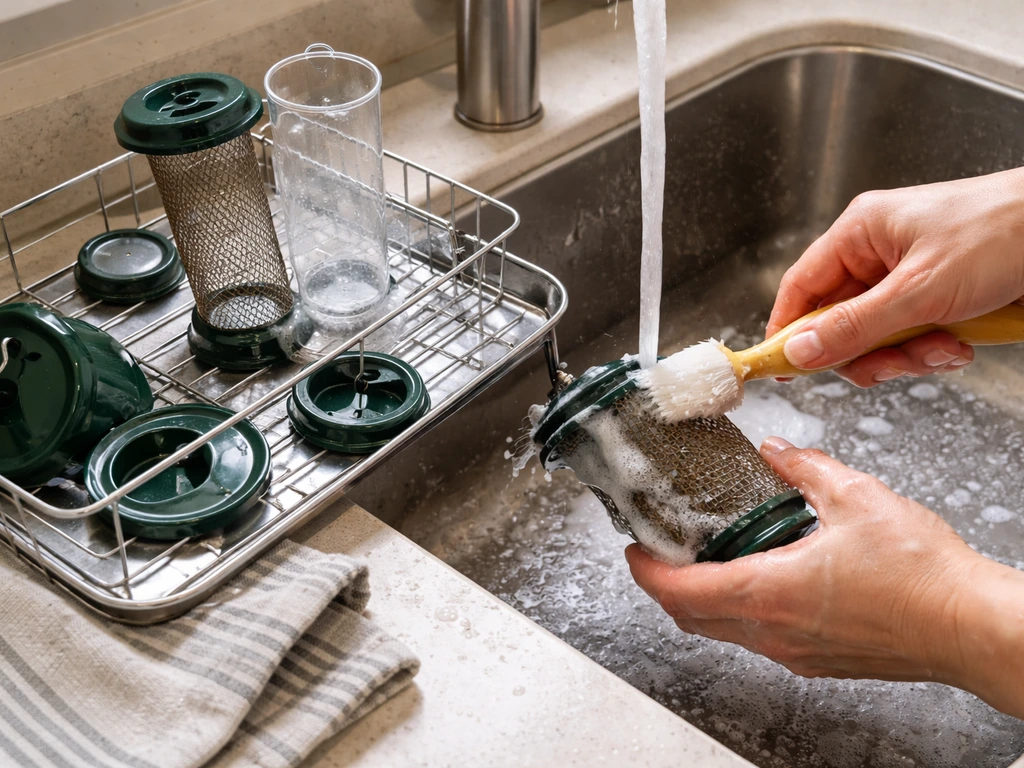
Dirty feeders are one of the main ways bird diseases like salmonella, avian conjunctivitis, and avian pox spread through local populations. The guidance from Project FeederWatch, the U.S. Fish and Wildlife Service, and the Audubon Society all lands in the same place: clean seed and suet feeders at minimum every two weeks, and more often during hot or humid weather. Clean birdbaths weekly, or replace the water every day or every other day to prevent algae, bacteria, and mosquito larvae.
The cleaning process itself is straightforward. The Virginia Department of Wildlife Resources outlines a simple four-step routine: remove all debris and old seed, soak the feeder in a 9-parts-water to 1-part-bleach solution for 10 minutes, rinse thoroughly until there's no bleach smell, and let it dry completely before refilling. That last step matters. Putting wet seed into a damp feeder is just inviting mold. If you're in a rush, a dry feeder takes priority over a quickly-refilled one.
Always wear disposable gloves when cleaning feeders and birdbaths. The CDC specifically recommends this for bird hobbyists as a basic hygiene step, especially relevant given ongoing avian influenza concerns. Wash your hands thoroughly after handling feeders even when you do wear gloves.
For hummingbird feeders, the cleaning schedule is tighter: every two to three days in summer, roughly once a week when temperatures are cooler. Use hot water and a bottle brush; the bleach solution works here too but rinse extremely well. Any pink or cloudy nectar means you're already behind schedule.
Troubleshooting unwanted visitors and common problems
Squirrels
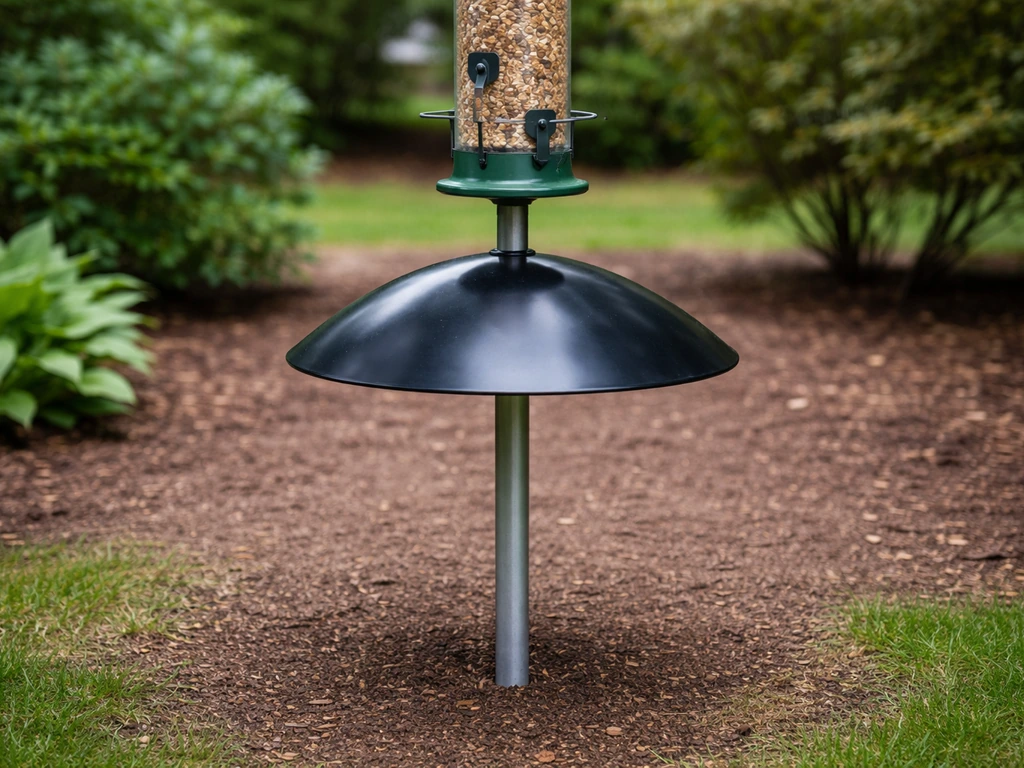
Squirrels will find your feeder. The most effective deterrent is a smooth metal pole (not a tree or deck railing mount) with a dome or tilting baffle below the feeder. Audubon is direct about this: no setup is truly squirrel-proof, but a properly installed pole-and-baffle system comes close. Keep the feeder at least 10 feet from any tree, fence, or surface a squirrel can leap from. If you're mounting on a deck, expect more squirrel traffic no matter what.
Rats and rodents
Rats are attracted by seed on the ground more than by the feeder itself. Switch to a feeder with a catch tray, clean up spilled seed daily, and avoid millet and cracked corn, which ground-feeding rodents love. If you're seeing rats, take the feeder down for one to two weeks, clean the area, then restart with a hanging feeder and a no-mess seed blend (hulled sunflower chips, for example, leave almost no shell debris on the ground).
Raccoons
Raccoons typically raid feeders at night. Bring feeders indoors in the evening if raccoons are a consistent problem, or switch entirely to a pole-mounted setup with a raccoon baffle. Suet feeders are particularly vulnerable; a caged suet feeder at a height raccoons can't comfortably reach helps.
Starlings and house sparrows
European starlings and house sparrows are aggressive, non-native species that can crowd out native songbirds. Caged suet feeders exclude starlings effectively. For seed feeders, switching from mixed seed to straight safflower or nyjer deters starlings and house sparrows, which strongly prefer the millet-heavy mixed blends. Removing platform feeders temporarily also helps since these species dominate open feeding areas.
Sick or dying birds
If you see birds with swollen or crusty eyes, unusual lethargy, or multiple dead birds near your feeder, take the feeder down immediately. The Kentucky Department of Fish and Wildlife and North Carolina Wildlife both recommend removing and storing feeders for at least two weeks when sick birds appear, to break the transmission cycle. Clean with the bleach solution before bringing feeders back out. This isn't an overreaction; a diseased feeding station can spread illness through an entire local population quickly.
Seasonal strategy: how to shift your setup through the year
Fall and winter
This is peak feeding season for most backyard birders. Cold-stressed birds burn more calories and visit feeders more frequently and predictably. Stock up on black-oil sunflower seed, suet, and peanuts. Nyjer in a tube feeder will bring in overwintering finches like American goldfinches and pine siskins. Keep feeders full and monitor them daily during cold snaps. Clean on a two-week schedule minimum, though even in winter, a wet week can make mold appear faster than you expect. Don't let feeders run empty for days at a time in deep cold, birds that have come to rely on a feeding station can struggle when it suddenly disappears.
Spring
Spring is when things get interesting and when you need to pay the most attention. Migratory birds pass through and may stop at your feeders briefly. Orioles typically arrive in May (earlier in the South) and are attracted by fresh orange halves and grape jelly, but only for a few weeks before they shift to foraging insects. Set up the oriole feeder in late April before they arrive, not after you see your first one. Hummingbird feeders should go up around the same time. Watch for the first hummingbird of the season and have your feeder already clean and filled with fresh nectar.
Summer
Summer is the season most feeders fail because of heat and humidity. Nectar feeders need attention every two to three days. Seed feeders need more frequent checks for mold and clumping. Scale back how much you fill feeders at each refill since bird traffic often drops as insects become the dominant food source. This is also the time to tighten your cleaning schedule beyond the every-two-weeks baseline. Audubon explicitly recommends more frequent cleaning during hot, humid periods. A birdbath with fresh water becomes more valuable in summer than a full seed feeder for many species.
When to take a break from feeding
Feeding birds year-round is not obligatory, and there are legitimate reasons to pause. If sick birds appear, stop immediately. If you're dealing with a persistent rodent problem, a two-week break often resets the situation. Some wildlife agencies recommend pausing feeding in late spring and early summer when natural food is abundant and when bears becoming active in some regions creates safety concerns. The honest answer is that birds fed through winter are not dependent on your feeder in a way that puts them at risk if you stop in summer. The U.S. Fish and Wildlife Service takes a balanced view here: feeding can help birds but is not a replacement for habitat, and pausing it strategically is sometimes the responsible call. Local rules can also limit when and how you feed birds, so check bird feeding restrictions before you set up or resume feeding pausing it strategically is sometimes the responsible call..
Your next steps: what to do today and this week
- Identify one or two target bird species for your yard using a regional bird list or Project FeederWatch's common feeder birds tool, then choose your feeder type based on what those species actually eat
- Pick a placement spot: within 3 feet of a window or more than 30 feet away, on a smooth metal pole with a baffle, at least 10 feet from a fence or tree
- Start with black-oil sunflower seed in a hopper feeder and add one specialty feeder (suet cage, nyjer tube, or hummingbird feeder) based on your target species
- Set a recurring reminder to check feeders every two to three days and do a full clean with a 9:1 water-to-bleach solution every two weeks, or weekly in hot weather
- Watch for the first week and note what's visiting: if starlings or house sparrows are dominating, adjust seed type or switch to a caged feeder design
- If you see any sick birds or multiple dead birds near the feeder, take it down immediately, clean it, and leave it down for two weeks
Bird feeding done thoughtfully is genuinely rewarding and not that complicated once you have a system. The problems that most people run into, pests, mold, disease spread, window strikes, all have well-understood solutions. Following the bird feeder dos and don'ts helps you prevent the most common problems like pests, mold, disease, and window strikes. Start small, observe closely what's actually visiting your yard, and adjust from there. The goal isn't a perfect setup on day one; it's a setup you can maintain and improve as you learn what works in your specific yard. Use these backyard bird feeding tips to build a system that you can keep up with all season long.
FAQ
How can I tell if mold or spoilage is happening before I see clumps in the feeder?
Check for early signs during your normal refill window: a musty or sour odor, darkening seed at the bottom, and any sticky or damp texture on the feeder floor. If you notice any of these, empty and clean immediately rather than waiting for the next scheduled change, because mold can start in the bottom layer even when the top looks dry.
What should I do if birds are visiting but not eating the food I put out?
First, confirm the food matches your local visitors, then reduce the amount. Overfilling can leave stale seed, especially in damp weather. Also try switching brands or seed types (for example, newer black-oil sunflower versus old stock, or plain safflower instead of mixed blends) and place the feeder in a traffic-friendly spot where birds can approach without crossing open space.
Is it safe to feed birds during a heatwave or heavy humidity?
It can be safe, but you need shorter intervals and smaller refills. In hot, humid weather, mold and fermentation accelerate, so check seed daily if you have heavy traffic and replace nectar on schedule even if it looks clear. If the feeder is getting wet from rain or sprinklers, move it or use more weather-protected feeder styles.
Can I leave seed and suet out continuously, or should I rotate feeders?
You can leave feeders out, but avoid letting any one station sit with spoiled food. Rotating can help when you have multiple feeders, but the key rule is freshness and clean surfaces. If you find wet seed, off smells, or cloudy nectar, that feeder needs an immediate full clean before returning to service.
How do I prevent birds from getting trapped in cages or awkward designs, especially with suet feeders?
Use feeders that are designed for bird access, with stable perches and no gaps that can catch feet. If you notice birds repeatedly hanging in an uncomfortable position, swap to a different feeder style (for example, a caged suet feeder that supports cling feeding) and inspect the feeder regularly for wear or loose parts.
What’s the best way to clean feeders if I can’t do a full bleach soak every time?
For quick turnarounds, first remove old debris and rinse thoroughly, then use a full bleach soak on your regular schedule (at least every two weeks for seed and suet). If you must clean more often due to weather, doing more frequent hot-water and brush cleaning between full disinfecting cycles is better than delaying entirely, but any feeder with visible residue still needs proper disinfection before reuse.
How can I handle squirrels without making the area more hazardous for birds?
Use the pole-and-baffle setup and keep feeders away from jumping points like trees, fences, and deck rails. Also avoid placing feeding stations under dense cover, because that can reduce escape options if a predator appears. After you install a baffle, monitor for a few days to ensure birds still have an obvious approach path and that food isn’t spilling onto accessible ground.
Do I need to stop feeding if I see one sick bird?
Stop immediately for at least a short break, especially if you see eye discharge, lethargy, or multiple birds that look ill. Remove and store feeders for around two weeks, then resume with a fully cleaned station. If only one bird appears unwell but no other signs are present, you still should disinfect and tighten cleaning before continuing.
Is it okay to offer kitchen scraps or leftover bread to backyard birds?
Avoid it for most species, bread and many leftovers break down quickly and can attract pests without providing consistent nutrition. If you want to add variety, use bird-appropriate foods like fresh fruit for oriole season or high-fat items for winter, and keep scraps out of the feeding area to reduce rodents.
How long should I expect migrating birds to ignore my feeder, and when should I adjust?
It varies by region, but during spring and summer, many species reduce feeder visits once natural insects and other foods ramp up. Instead of constantly changing everything, make one adjustment at a time, such as switching nectar timing for hummingbirds or adding an oriole-specific offering in late spring, then observe for several days before changing again.
Should I feed birds at multiple heights to reduce bullying and dominance by aggressive species?
Yes, feeder height can help. Consider adding a second feeder type or placing feeders so smaller birds can access safe feeding positions, and choose designs that discourage dominant open-feeding species. If house sparrows or starlings dominate a particular station, switching to safflower or nyjer and using feeder styles that favor cling-feeding birds can rebalance visits.
What should I do if neighbors complain about pests like rats or spilled seed?
Reduce attractants immediately: stop using seed blends that create lots of shell debris, switch to a feeder with a catch tray, and clean up spilled seed daily. If the problem is severe, pause feeding briefly until the area is under control, then restart with a cleaner, no-mess seed approach and better feeder placement.
Next Article
Do You Leave Bird Feeders Out All Year? Seasonal Guide
Should you leave bird feeders out all year? Get seasonal tips, safe feeding, and cleaning to prevent disease and pests.