The short answer: right now, in mid-April, most of the country is in the window where you should be watching your feeders closely rather than adding new ones. If you're in a cold-weather region like New England, this is actually the tail end of the recommended feeding season, not the start. If you're asking because you want to start feeding birds for the first time, or because you took feeders down for winter and want to put them back, the timing depends on where you live, what's outside eating your seed, and what conditions are actually like this week. This guide walks through all of it.
When to Put Out Bird Feeders: Fall, Winter, Spring Timing

Eleanor Hartwick
12 Apr 2026
Quick answer: what to do right now, today
Today is April 12, 2026. Here's where things stand depending on your region:
- Northern states (New England, Great Lakes, northern Plains): You're at or just past the safe window for winter feeding. If you haven't already, start transitioning out of full winter feeding mode. Bears are waking up and becoming active. NH Fish and Game officially recommends taking feeders down no later than April 1.
- Mid-Atlantic and Midwest: Natural food is becoming more available. You can continue feeding if you're keeping feeders very clean, but it's a reasonable time to scale back or switch what you're offering.
- Southern states: Spring feeding is well underway. Focus on hummingbird and oriole feeders if you haven't put those out yet. Seed feeders can continue but need extra attention in warm, humid weather.
- Pacific Northwest and Mountain West: Follow natural food availability cues in your area. Watch for bears at lower elevations and plan accordingly.
If you're genuinely unsure whether now is a good time to put feeders out where you live, that uncertainty is worth paying attention to. Whether you can put out bird feeders yet really does depend on conditions specific to your yard, your region, and even this particular week.
Fall and winter: when to start feeding
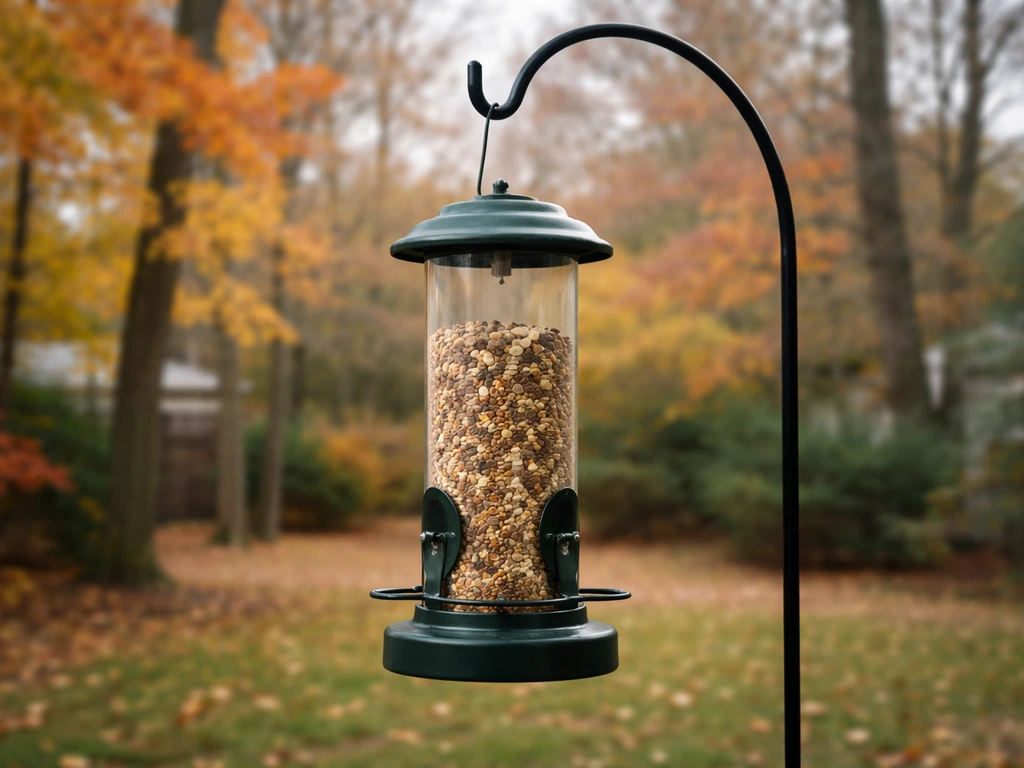
The classic window for putting out winter bird feeders is late October through November. Project FeederWatch, run by the Cornell Lab of Ornithology and Birds Canada, officially opens its season November 1 and runs through April. That's a reasonable guide even if you're not a formal participant. Birds start relying more heavily on supplemental food as natural seeds, berries, and insects disappear. Temperatures drop, and the energy cost of staying warm goes up sharply.
Connecticut's DEEP wildlife guidance takes a more conservative position: feed only on the coldest days of winter, when birds genuinely need the extra calories, rather than running feeders continuously through milder stretches. That's actually solid advice for any region. Cold snaps, ice storms, and heavy snow events are when feeders make the biggest difference. If late October is mild where you are, waiting until a cold front hits isn't going to hurt the birds.
For month-specific guidance: November 1 is a reasonable start date across most of the northern half of the country. If you live somewhere milder, late November or even December 1 works fine. The goal is to be set up and ready before the first real cold event, not necessarily to have feeders running on a fixed calendar date.
What month to start winter feeding
| Region | Suggested start date | Notes |
|---|---|---|
| Northern New England / Canada border | Early November or November 1 | Bear activity typically slows by early November; Project FeederWatch season starts Nov 1 |
| Great Lakes / Upper Midwest | Early to mid-November | Watch for first hard freeze as a reliable trigger |
| Mid-Atlantic / Lower Midwest | Mid to late November | Milder falls mean birds have food longer; wait for consistent cold |
| Southeast / Gulf Coast | December, or skip winter feeding entirely | Natural food stays available longer; feeding less critical |
| Pacific Northwest | November | Check local bear denning status; wet winters mean mold risk in feeders |
Spring timing: when to put feeders back out (and what that means)
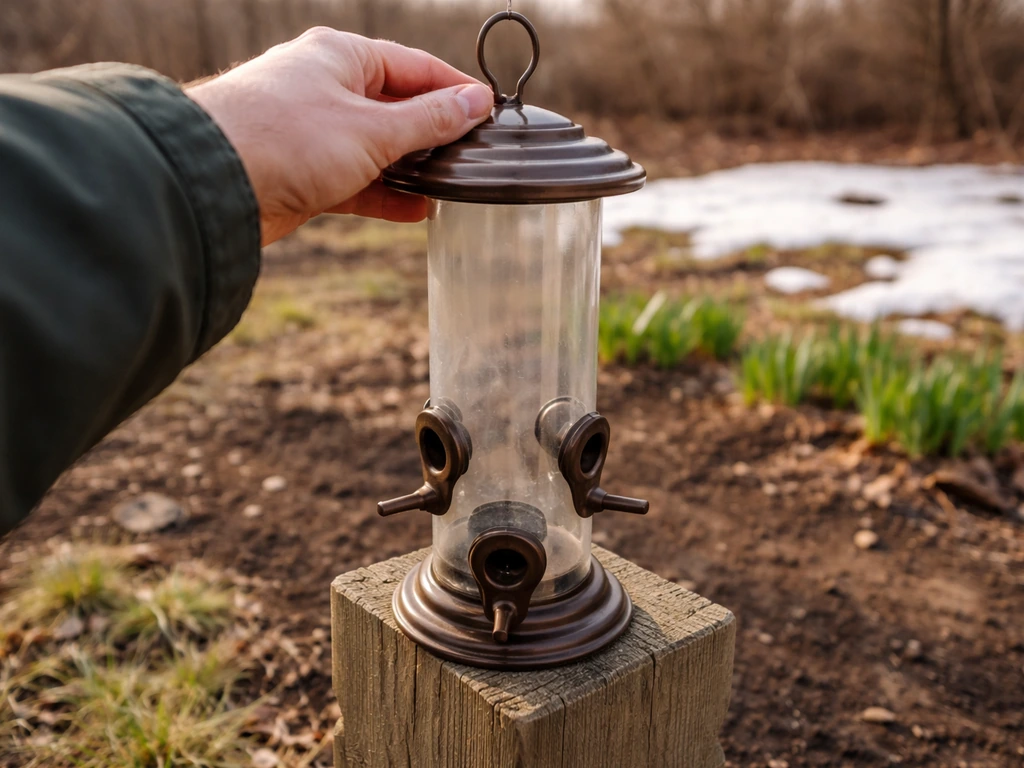
Spring feeder timing is actually two separate questions. First: when should you resume feeding after a winter break? Second: should you even continue feeding through spring at all? The answers depend on your goals and your location.
Cornell Lab's All About Birds notes that some people prefer not to feed in spring and summer when natural food is abundant, and that's a perfectly valid choice. Natural food abundance is genuinely the best thing for birds. Tufts Cummings School of Veterinary Medicine makes the point clearly: supplemental feeding is most helpful during temperature extremes, migration periods, and in late winter and early spring when natural seed sources have been depleted by months of winter. That late-winter-to-early-spring window, roughly late February through March, is when feeders arguably matter most for wintering birds that haven't yet found reliable natural food.
If you took feeders down mid-winter (or never put them out), you can safely put them back out now in April in most of the country. The caveat is that spring is also when you need to be most vigilant about cleaning. Warm temperatures accelerate mold and bacterial growth in seed and nectar.
Spring is also the time to think about species-specific feeders. If you've been curious about when to put out oriole bird feeders, the answer is: right around now, or even a couple of weeks ago depending on your latitude. Baltimore Orioles arrive in the central and eastern US anywhere from late April through May. Put the feeder out a week or two before you expect them.
When to bring feeders in and stop feeding
This is the question most people underestimate. Knowing when to stop is just as important as knowing when to start, and getting it wrong creates real problems.
The clearest guidance comes from bear country. New Hampshire's Fish and Game Department is direct: stop feeding wild birds by April 1. This isn't just a suggestion. Feeders left out into spring in bear country become bear attractants, and that leads to human-bear conflicts that almost never end well for the bear. The same UNH Extension guidance recommends the December 1 to April 1 window specifically to reduce bear conflicts. If you live in New Hampshire or anywhere else with active black bear populations, follow that window. The specific timing for bird feeders in NH is a good example of how local wildlife regulations should take priority over general national advice.
Outside bear country, the case for bringing feeders in during spring and summer is less urgent but still real. Connecticut DEEP recommends skipping feeding entirely during spring, summer, and fall to avoid attracting unwanted wildlife and to prevent wasted resources. That's a conservative but defensible position. If you do continue through warmer months, you're signing up for more frequent cleaning, faster seed spoilage, and increased risk of spreading disease between birds.
One important nuance from UNH Extension: if you start a feeding program in winter and then stop abruptly when food is still scarce, that has the potential to cause harm. Birds can become reliant on a reliable food source. If you've been feeding all winter and want to stop for spring, do it gradually as temperatures rise and natural food becomes available, not all at once during a late-season cold snap.
If bears are already active in your area and you're wondering whether it's time to act, that decision is covered in more depth when thinking about when bird feeders can go back out after a forced break, which is often tied to the same bear denning cycle.
When is it actually safe to put feeders out?
Safety here means two different things: safe for the birds, and safe in terms of not causing problems (attracting bears, spreading disease, wasting resources). Both matter, and they have different criteria.
Safe for birds
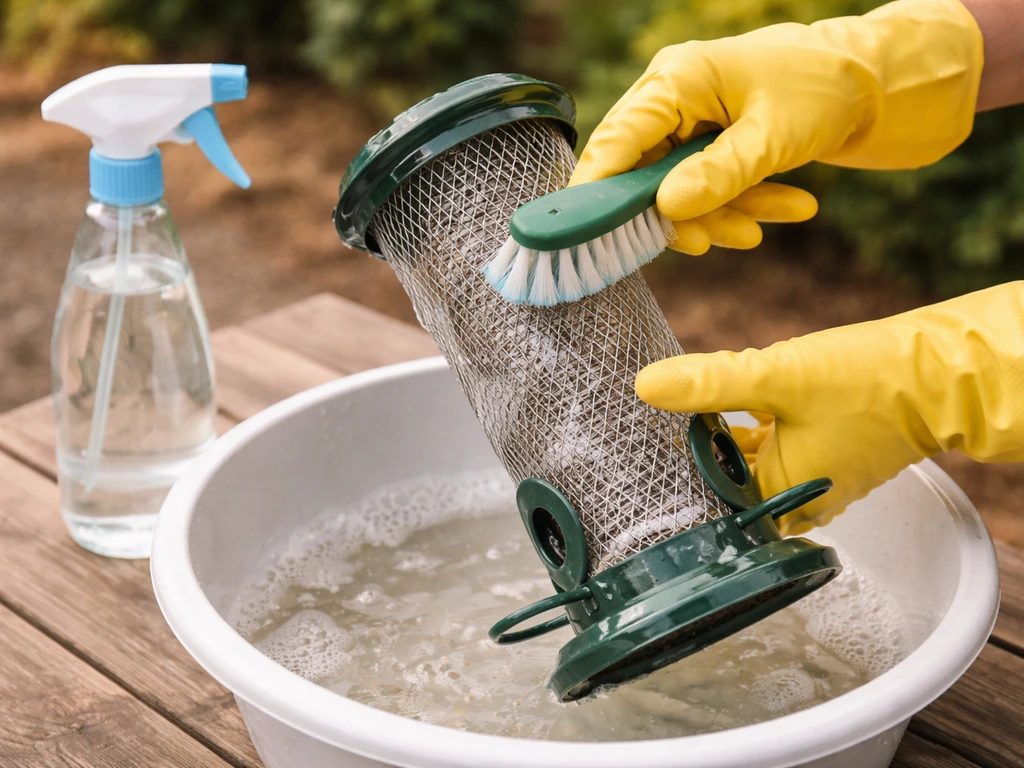
The main risk to birds at feeders is disease spread through contaminated feeders and accumulated waste. The American Bird Conservancy recommends cleaning feeders with a 10 percent bleach solution (1 part bleach to 9 parts water), then rinsing and air-drying completely before refilling. The Wild Bird Feeding Institute recommends soaking feeders in that same 9:1 water-to-bleach ratio for at least 15 minutes. Audubon and Cornell both suggest cleaning seed feeders roughly every two weeks. If you see sick birds at your feeder, clean immediately, not on your regular schedule.
Feeders are safe to put out when you're genuinely committed to that cleaning schedule. If you travel frequently, forget to check feeders for weeks at a time, or can't easily take them down and scrub them, a feeder left uncleaned does more harm than no feeder at all. This is one of those cases where whether it's truly safe to put out bird feeders depends as much on your habits as on the time of year.
Safe in terms of attracting unwanted wildlife
The conditions that make feeder use risky from a wildlife-conflict perspective are: snowpack reduced to the point where bears can access food, temperatures warm enough for consistent bear activity, and proximity to bear habitat. In New England and the Mountain West, reduced snowpack and early warm spells can push bears active well before April 1. Watch for those cues and act accordingly, not just on a fixed date. This is a case where whether it's okay to keep feeders out is genuinely a judgment call based on local conditions.
Adjusting what you offer as the season changes
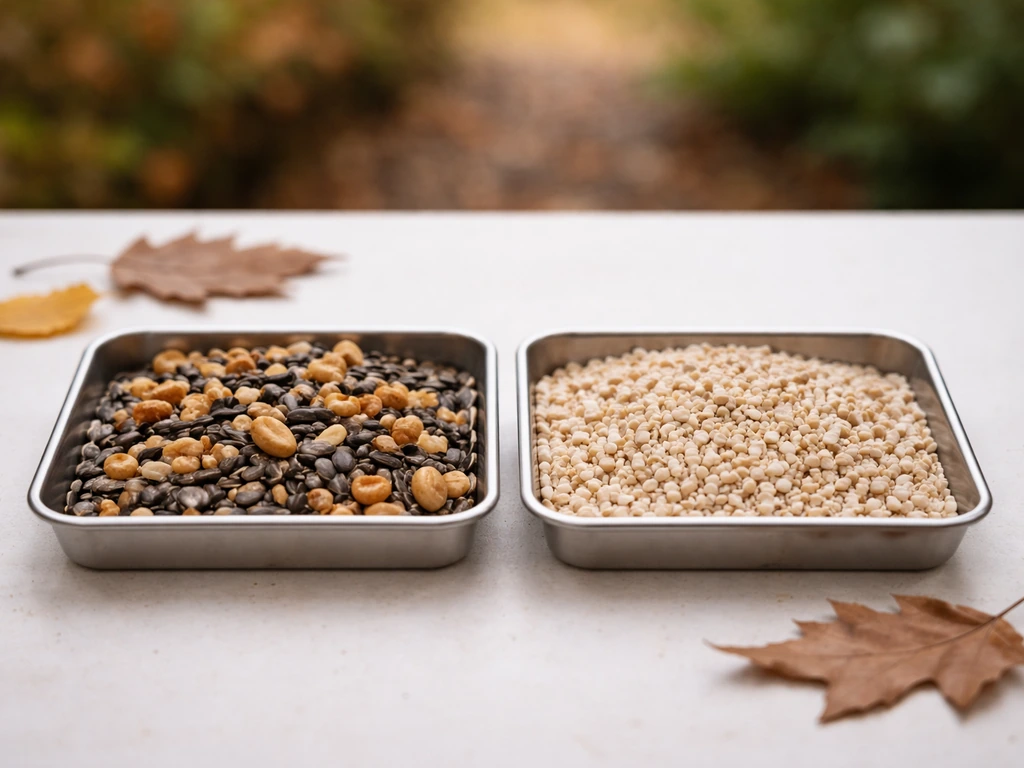
Timing isn't just about when the feeder goes up or comes down. What you put in it should change across seasons too, and that affects both how attractive your feeder is and how quickly it becomes a hygiene problem.
| Season | Best food choices | Avoid | Cleaning priority |
|---|---|---|---|
| Late fall (Oct–Nov) | Black-oil sunflower seed, suet, safflower | Nyjer in very wet conditions (mold risk) | Clean before season starts; every 2 weeks after |
| Winter (Dec–Feb) | Sunflower, suet, peanuts, millet for ground feeders | Whole corn in areas with deer or raccoon pressure | Every 2 weeks minimum; after any wet or icy weather |
| Late winter / early spring (Feb–Mar) | Continue sunflower and suet; add nectar feeders in South | Letting feeders run dry during cold snaps | Increase to weekly as temps rise above freezing |
| Spring (Apr–May) | Nectar for hummingbirds and orioles, fresh fruit for orioles | Suet in direct sun (melts, goes rancid) | Nectar every 3–5 days in warm weather; seed weekly |
| Summer (Jun–Aug) | Nectar, fresh fruit; limit seed if possible | Sunflower in damp climates (mold and salmonella risk) | Nectar every 2–3 days; seed every 5–7 days |
UNH Extension makes a practical point about portion control that applies year-round: put out only as much food as birds can eat in a single day. Stale or wet seed sitting in a feeder for days is the leading cause of both mold and the kind of waste that attracts rodents. In winter when birds are visiting frequently, this is easy to manage. In spring and summer when visits may be lighter, you might find yourself throwing out half a feeder's worth of clumped seed regularly. That's a sign to reduce portions.
One thing worth watching in the spring transition: feeder activity patterns shift noticeably. If you want to understand what's actually going on at your feeder across seasons, tracking when bird feeders are most active can help you time your cleanings, figure out when to add fresh food, and recognize when activity is dropping because natural food is taking over.
One species-specific note: if you're using large platform feeders, Connecticut DEEP points out that these tend to attract starlings and other larger birds that can dominate and crowd out the smaller species you may actually want to see. Platform feeders in spring and summer are particularly prone to this. Tube feeders with smaller perches give you more control over who visits.
How location changes the math
National-level advice will only get you so far. The difference between feeding birds in southern Georgia and feeding birds in Vermont involves completely different timelines, different species, different wildlife-conflict risks, and different cleaning challenges. A few things to think through for your specific location:
- Bear population nearby: If you live in or near black bear habitat (which includes most of the eastern US, the Mountain West, and the Pacific Northwest), the April 1 date is a hard floor, not a suggestion. Bears waking up early in a warm year can make early March a risk, too.
- Climate and humidity: Hot, humid summers in the Southeast or mid-Atlantic make seed feeders a disease risk that needs very frequent cleaning. Drier western climates are more forgiving.
- Migration timing: Hummingbirds arrive in the deep South by March, but don't reach the northern US until May. Orioles follow a similar pattern. Match your specialty feeder setup to local arrival dates, not national averages.
- Urban vs. rural: Urban feeders are less likely to face bear conflicts but more likely to attract pigeons, starlings, and squirrels, especially in spring when competition for food is high. Feeder type and placement matter more in dense areas.
- Winter severity: In areas with reliably harsh winters, birds have fewer alternatives and feeders matter more. In mild climates, birds have options, and feeding is less critical.
A simple decision checklist
Use this as a quick reference when you're trying to decide whether to put feeders out, take them in, or change what you're doing. It's not a perfect algorithm, but it covers the main decision points.
Putting feeders out
- Is it November 1 or later (or will there be a hard freeze within the next few days)? If yes, it's a reasonable time to put out winter feeders in most northern regions.
- Are bears fully dormant in your area? If you're in bear country and there's any doubt, wait. Contact your state wildlife agency for current local bear activity.
- Can you commit to cleaning feeders every two weeks (or weekly in warm weather)? If not, hold off until you can.
- Do you have the right food on hand for the season? Suet and sunflower for winter; nectar and fresh fruit for spring migrants.
- Have you cleaned the feeder since you last used it? Always clean before putting a feeder back into service after any break.
Taking feeders in
- Is it April 1 or later in bear country? Bring feeders in now if you haven't already.
- Are you seeing bear activity in your area earlier than usual? Don't wait for a fixed date if bears are already active.
- Has natural food become consistently available in your area (fresh buds, insects emerging, berries appearing)? Supplemental feeding becomes less critical.
- Are you finding uneaten seed regularly in your feeders? That's a sign birds have found other food sources and you can scale back.
- Is warm weather making it hard to keep feeders clean on your schedule? Bringing seed feeders in during summer is a legitimate and responsible choice.
Switching food or approach
- Late February through March: Increase feeding frequency and add high-fat options like suet and peanuts. This is when natural seed sources are most depleted.
- Early April: Transition from suet to fresh foods. Put out nectar feeders for hummingbirds if you're in the South or mid-Atlantic. Add an orange half or grape jelly for orioles.
- May onward: Keep nectar fresh every 3 to 5 days in warm weather. Reduce seed portions as bird visits slow. Switch away from platform feeders if starlings are taking over.
- Any time you see sick birds at the feeder: Take the feeder down, clean it immediately with a 1:9 bleach-to-water solution, soak for at least 15 minutes, rinse completely, air-dry, and refill with fresh food.
FAQ
I stopped feeding all winter. How should I restart in April without stressing birds or creating a mess?
Do it gradually. Start by refilling with smaller portions and only one feeder, then increase if you see regular visits. If you jump straight to full capacity right after a thaw, stale seed can build up and you will have more cleaning work immediately.
What changes should I make to what I put in the feeder when going from winter into spring?
Switch the diet based on the season. In warm weather, prioritize seed types that do not clump when damp, and stop offering nectar if you cannot clean and refill frequently (nectar spoils fast). For seed, use the daily portion rule and reduce what you put out when visits drop.
What should I do if I notice mold, clumps, or a bad smell in spring?
If moldy or clumped food is present, take the feeder down, empty it, scrub it, then let it dry completely before refilling. Also replace any seed that has been sitting through warm days, even if it looks partly okay, because spores and bacteria can be present before you notice.
I travel often. Is it better to pause feeder use in spring or keep feeding but with less frequent attention?
Be careful with travel and time gaps. If you will be away long enough that you cannot check and clean on schedule, delay putting new feeders out. A feeder left unmaintained for weeks increases disease risk and can also attract rodents, so sometimes the safest choice is to hold off until you can maintain it.
If starlings or larger birds are dominating my feeder in spring, what can I change?
Yes, if your goal is to protect smaller birds. Tube feeders with small perches usually deter some of the larger feeder-dominating birds compared with open platforms, which can worsen crowding at the same time that hygiene problems become more likely in warmer weather.
My area has early warm weather. How do I decide whether to remove feeders sooner than the usual spring timing?
Feeder use becomes a local wildlife-conflict decision faster than many people expect. Look for early warm spells, reduced snow cover, and signs of bears around yards or trash areas, then plan to take feeders down ahead of the calendar date if those conditions show up.
Is it harmful to put up a feeder later in spring if I only want to help a few birds?
Yes. If you start feeding in mid to late spring, many of the “resident” birds will still use it, but you may increase disease and wasted food if visits are light. Use portion control immediately, clean more often than you think you need at first, and be ready to stop if you cannot maintain hygiene.
How do I know I’m putting out too much food in spring?
Avoid late-night overflow and long sitting times. In spring and summer, smaller daily portions reduce leftover seed that turns wet or moldy. If you regularly find half-empty clumps, reduce portion size right away rather than waiting for the next cleaning day.
I want to replace my feeder in April. Can I do it gradually, or should I fully switch right away?
If you are changing feeders or locations, make the transition quickly and keep the new setup clean from day one. Also consider that different feeder designs can change who visits, which affects how much waste you will have and how fast you will need to scrub and refill.
My usual cleaning schedule is every two weeks. When should I clean sooner than that?
Watch for both bird health and feeder hygiene signals. Clean immediately if you see sick or lethargic birds, increased debris on the ground, or heavy buildup inside the feeder. If you notice these, do not wait for your usual two-week cleaning interval.
Next Articles
How Often to Clean Bird Feeders: Simple Schedule
Simple schedule for how often to clean bird feeders, with seasonal rules, signs to act fast, and step-by-step cleaning.
RSPB Garden Bird Feeding Warning: Safe Feeder Setup
RSPB garden bird feeding warning explained with safe setup, cleaning routine, placement tips, and what to feed to cut di
Will Bird Feeders Attract Mice and How to Prevent It
Do bird feeders attract mice and rats? Learn why, risk factors, and step-by-step steps to prevent rodents.