February is officially National Bird-Feeding Month, an annual observance created to draw public attention to wild bird feeding and watching during one of the toughest months of the year for birds. Nebraska Extension also notes that backyard feeding can be tailored to attract desired species and managed as part of responsible bird feeding. The timing is deliberate: mid-winter is when natural food sources are at their most depleted, temperatures are low, and a reliable feeder can genuinely make a difference to local bird populations. If you've been meaning to set up a feeder or improve an existing one, this is the best possible time to do it. If you're ready to get started, consider buying and placing earl may bird feeders that match your local birds and setup set up a feeder.
February Is National Bird Feeding Month: Setup Checklist

What National Bird Feeding Month actually means
National Bird-Feeding Month was established to educate people about the value of supplemental feeding for wild birds, and to encourage backyard birders to take an active role in supporting local wildlife through food, water, and shelter. It's not a commercial holiday or a charity campaign. Think of it more as a yearly nudge to get your feeding setup working well, pay attention to the birds visiting your yard, and share the hobby with others. The official National Bird Feeding Month organization frames February as a call to action: participate by putting up a feeder, maintaining one you already have, or simply spending time watching and identifying species. The observance is also a good prompt to check your setup for problems that crept in over fall and early winter.
How to set up feeders today: placement, heights, and habitat
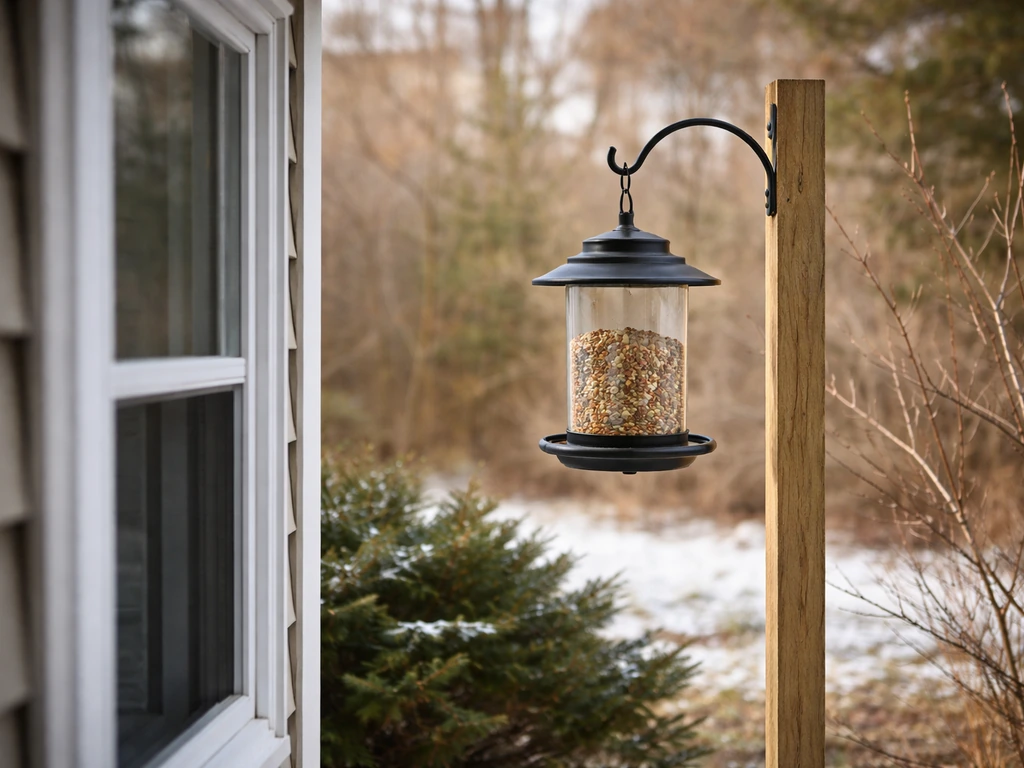
Placement is the single biggest factor most new feeders get wrong. The two most important variables are window distance and proximity to cover. For window collisions, the research is very clear: place feeders either within 3 feet of a window or at least 30 feet away. Feeders right against a window (even stuck directly to the glass with suction cups) prevent birds from building enough speed to injure themselves if they do hit the glass. Feeders placed 30-plus feet away give birds enough space to see the reflection and adjust. The dangerous middle zone is roughly 4 to 29 feet: birds have enough room to accelerate but not enough warning. If your only option is somewhere in that range, use window decals or external screens to break up the reflection.
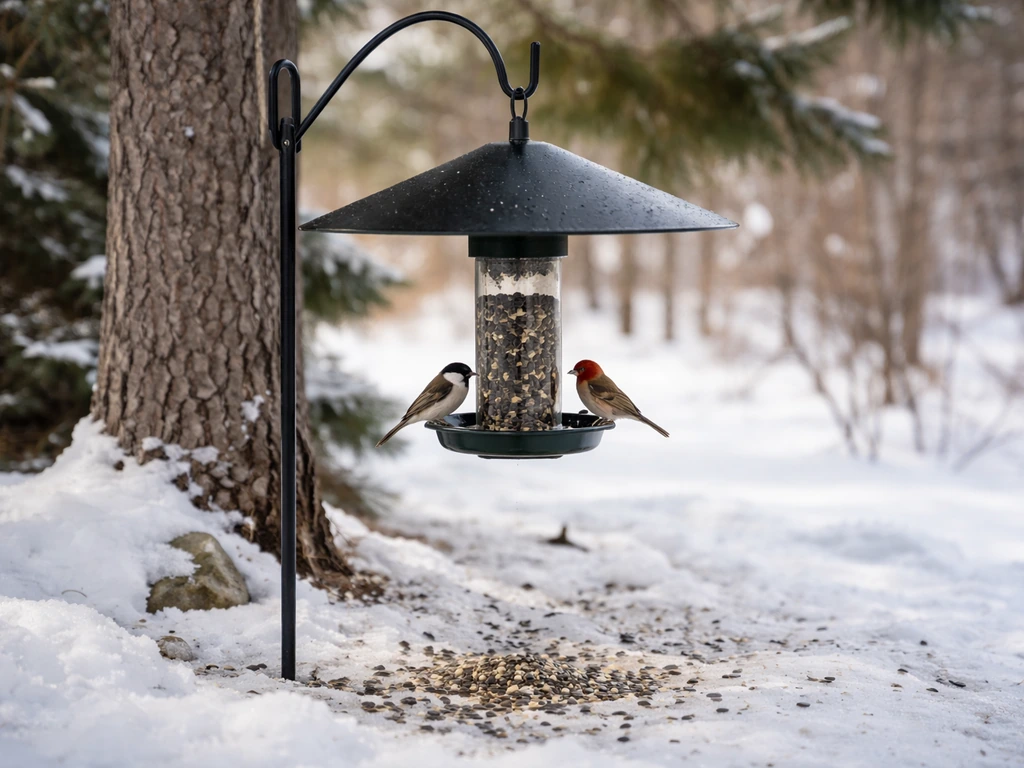
Beyond windows, position feeders within 10 to 15 feet of natural cover like shrubs, hedges, or a brush pile. This gives birds a quick escape route from hawks and cats, and in cold February weather, it also reduces energy spent flying between feeding and resting. That said, don't place feeders so close to dense brush that squirrels can use it as a launch pad. A distance of about 10 feet from any shrub or fence post is a reasonable compromise. Pole-mounted feeders should be on a smooth metal pole at least 5 feet tall, since squirrels struggle to climb slick surfaces.
If you're putting up multiple feeders, spread them out to reduce crowding and lower disease transmission risk. Ground-feeding birds like juncos and sparrows appreciate a tray or scattered seed directly on a cleared patch of ground or a low platform, while finches and chickadees prefer feeders at eye level or higher. Tube feeders work well at 5 to 6 feet; hopper and platform feeders can sit a little lower.
What to feed in February and how to match food to species
February bird feeding centers on three categories: seed, suet, and water. Nectar feeders for hummingbirds are generally not relevant in most of the US in February (hummingbirds overwinter in the Gulf Coast and Southwest, so if you're in those regions, keep nectar feeders up but bring them in on freezing nights). For most backyard birders, seed and suet are the priorities.
Seed: matching type to species
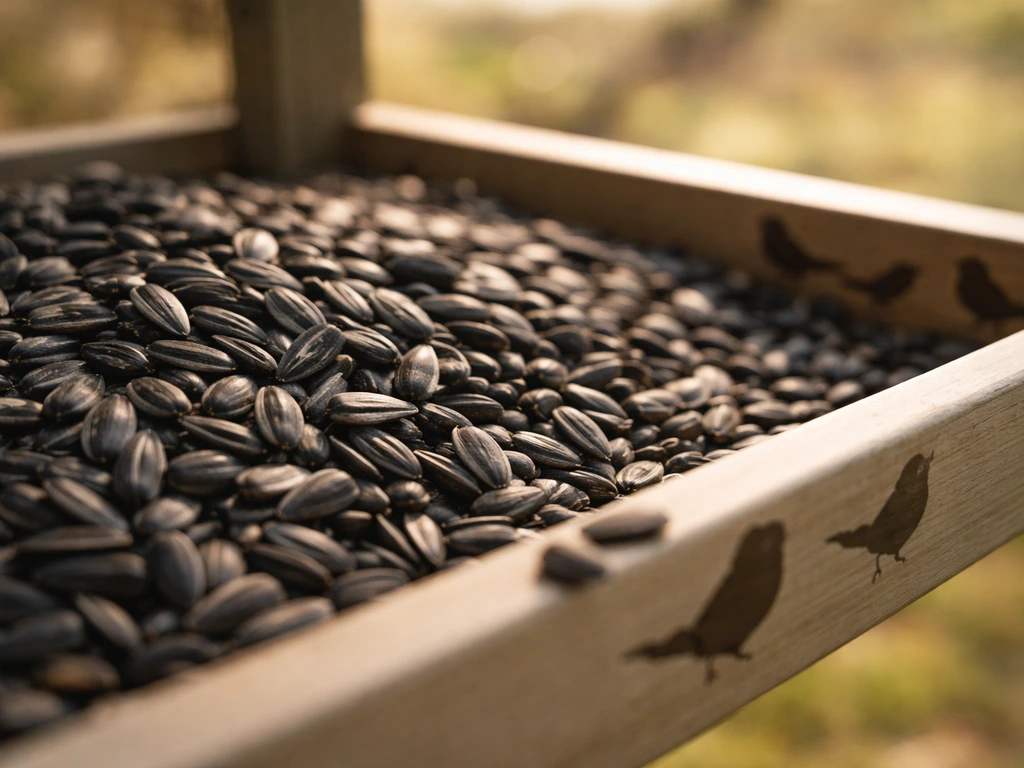
Black-oil sunflower seed is the single best all-purpose choice. The thin shells are easy for small birds to crack, the calorie-to-cost ratio is excellent, and a huge range of species will eat it, including chickadees, nuthatches, finches, cardinals, and woodpeckers. If you only stock one seed, make it black-oil sunflower. Safflower seed is a solid secondary option that squirrels tend to avoid. Nyjer (also called thistle or niger seed) is the go-to for finches, redpolls, and Pine Siskins, but requires a specific tube feeder with small ports. Avoid cheap mixed-seed blends heavy in milo or filler seeds. Most birds will pick through them and toss the rest on the ground, where it rots and attracts pests.
| Food Type | Best For | Feeder Type | Notes |
|---|---|---|---|
| Black-oil sunflower | Chickadees, cardinals, finches, nuthatches | Hopper, tube, or platform | Best all-purpose choice |
| Nyjer / thistle | Goldfinches, redpolls, Pine Siskins | Nyjer tube feeder | Requires fine-port feeder |
| Safflower | Cardinals, chickadees, doves | Hopper or tray | Squirrels often ignore it |
| Suet cakes | Woodpeckers, nuthatches, starlings | Wire suet cage | High-energy; especially valuable in cold weather |
| Peanuts (shelled or whole) | Blue jays, woodpeckers, nuthatches | Mesh or tray feeder | High fat and protein |
| Nectar (sugar water) | Hummingbirds (Gulf Coast/Southwest only in Feb) | Hummingbird feeder | Bring in on freezing nights |
Suet: the February power food
Suet is rendered animal fat, usually mixed with seeds, berries, or peanut butter in commercial cakes. In February, it's arguably more important than seed because fat provides the concentrated calories birds need to maintain body temperature overnight. Woodpeckers, nuthatches, creepers, and chickadees all hit suet cages hard in cold weather. Use a simple wire cage feeder and hang it directly from a tree trunk or a pole-mounted arm. Avoid no-melt suet blends in February, since actual cold is the norm and regular suet holds fine. Save the no-melt formulas for spring and summer.
Keeping feeders clean and safe: hygiene schedules that actually work
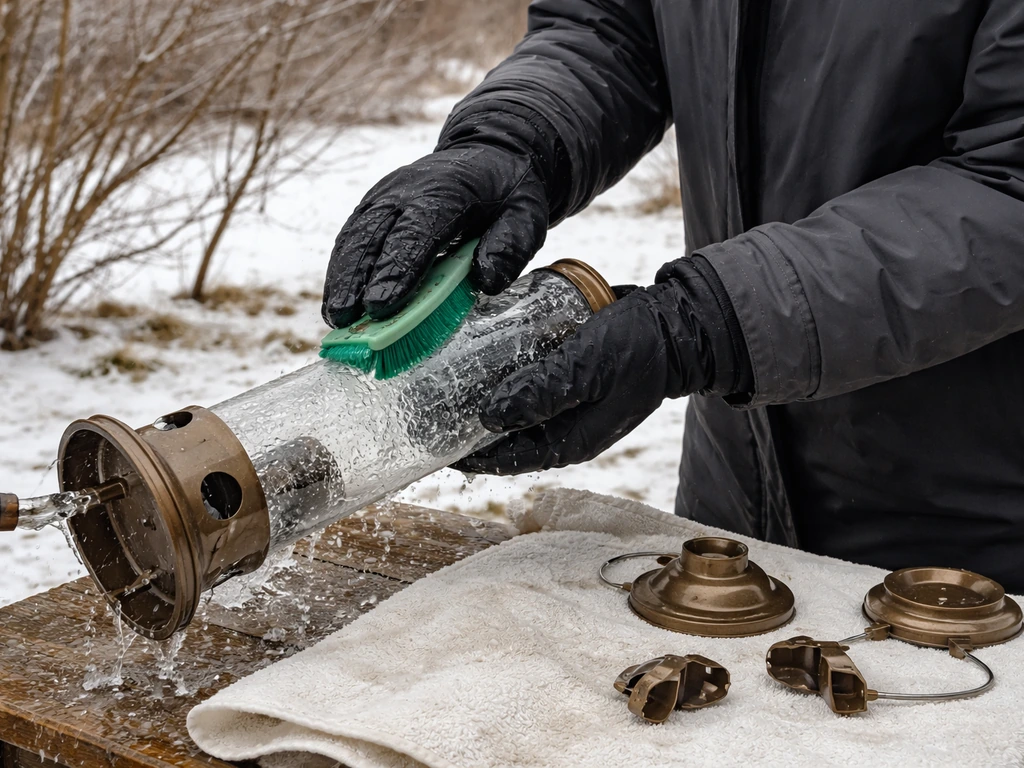
Disease transmission at bird feeders is a real concern, and it's one of the honest trade-offs of feeding. Salmonellosis is the most common illness tied to backyard feeders. It spreads through fecal contamination of food and surfaces and can wipe out local songbird populations during outbreaks. Trichomonosis, which affects doves and finches, is another feeder-spread disease. The good news is that consistent cleaning dramatically reduces risk. The hard part is that most people clean their feeders far less often than they should.
Project FeederWatch recommends cleaning seed and suet feeders every one to two weeks, and more often during wet weather or heavy use. In February, with birds crowding feeders in cold conditions, aim for every week to ten days. The standard disinfection solution is nine parts water to one part bleach (roughly two ounces of bleach per gallon of water). Scrub all surfaces, rinse thoroughly, and let the feeder dry completely before refilling. Wet seed in a damp feeder will mold within days. If you see black mold or cloudy liquid in a water feature, clean it immediately rather than waiting for your scheduled cycle.
Ground cleanup matters just as much as feeder cleaning. Rake or sweep the area under feeders at least weekly to clear dropped hulls, feces, and spoiled seed. If you notice sick or dead birds near your feeders, stop feeding for two to three weeks to interrupt disease transmission. That recommendation comes from the Pennsylvania Game Commission and it's worth taking seriously, even though it feels counterintuitive during a cold snap.
- Clean feeders every 1 to 2 weeks with a 1: 9 bleach-to-water solution
- Always dry feeders completely before refilling
- Discard uneaten seed instead of dumping it on the ground
- Rake debris from under feeders at least weekly
- If mold or disease signs appear, clean immediately and consider a 2 to 3 week feeding pause
- Wash your hands after handling feeders, seed, or cleaning equipment
Keeping out squirrels, raccoons, and other unwanted visitors
Squirrels are the number-one frustration for backyard birders, and there's no single perfect solution. The most reliable approach combines good pole placement with a baffle. A smooth metal pole (not a wooden post squirrels can grip) at least 5 feet tall, placed at least 10 feet from any structure a squirrel can jump from, already eliminates most access. Add a bowl- or torpedo-shaped baffle mounted below the feeder and you've blocked the remaining climbers. Penn State Extension describes these baffles as a straightforward physical exclusion method, and they genuinely work when properly installed.
Weight-activated or caged feeder designs are a good second layer. Weighted feeders close their ports when anything heavier than a typical songbird lands on them. Caged feeders allow small birds to enter through wire mesh that excludes larger birds and squirrels. Neither is foolproof, but combined with a baffled pole, they get you very close.
Raccoons are more of a nighttime issue. The simplest fix is to bring pole-mounted feeders inside after dusk, or to use a raccoon-rated baffle (larger and wider than squirrel baffles). Raccoons are strong enough to knock over lightweight setups, so a heavy base or ground stake helps. Avoid hanging feeders from deck railings or fence posts where raccoons patrol regularly. Opossums and deer can also become regulars if feeders sit low or seed spills on the ground, so ground cleanup and feeder height both matter here too.
February-specific tips: cold weather, water, and diet adjustments
February is genuinely one of the hardest months for birds in most of the US. Natural insects are nearly absent, berries and seeds from fall plants are depleted, and overnight temperatures can be brutal. That's exactly why supplemental feeding has real value right now, more so than in spring or fall. Some fans have even turned winter bird-feeding moments into comedy, such as with Will Ferrell bird-themed SNL bits. Birds in February are burning calories just to stay warm, so high-fat foods like suet and peanuts are worth prioritizing alongside your seed mix.
Water is often overlooked but it's critical. Many natural water sources are frozen in February, and birds need liquid water not just for drinking but for preening, which keeps feathers functional as insulation. A heated birdbath is the most practical solution. Michigan Audubon specifically recommends keeping a birdbath heated during winter to prevent freezing and make it useful when birds need it most. If you don't have a heated birdbath, check and refresh your water source daily. Audubon recommends replacing water every one to two days to prevent bacterial growth even in cold weather. Don't use glycerin or antifreeze products to prevent freezing since both are harmful to birds.
On particularly cold nights (single digits or below), some birds will roost in loose flocks near reliable food sources. Stocking your feeders in the late afternoon, before temperatures drop at dusk, gives birds a chance to fuel up before roosting. Consider adding a roosting box or leaving a brush pile nearby as shelter. These small habitat additions align with what Audubon describes as the three essentials of winter feeding: quality food, fresh water, and cover.
Maintenance, troubleshooting, and knowing what's working
If birds aren't visiting your feeders, work through the basics before assuming the worst. First, give it time. A newly placed feeder can take one to two weeks for birds to discover, especially in a yard without prior feeding history. If birds were visiting before and suddenly stopped, check for a nearby predator (a hawk roosting close by will suppress feeder activity), a seed quality issue (taste and smell spoiled seed before refilling), or a disease event in the local population.
Tube feeders are particularly prone to moisture problems in February. Rain, snow, and condensation can cause seed to clump and block ports from the inside. Check tube feeders every few days and shake them to loosen compacted seed. If seed has clumped or smells musty, empty the feeder completely, clean it, dry it, and refill with fresh seed. Never top off a feeder that still has old seed at the bottom since you're effectively layering fresh food on top of a potential mold or contamination source.
Tracking what's actually visiting your feeders turns feeding from a passive activity into something much more interesting. Project FeederWatch runs structured winter feeder counts where you log the maximum number of each species seen at one time during a defined count period, then submit the data. If you're curious how this kind of backyard bird-feeding month shows up in pop culture, SNL has even featured a skit starring Will Ferrell about feeding birds with family members Project FeederWatch. It's a genuine citizen-science program that contributes to long-term bird population monitoring. Even if you don't participate formally, keeping a simple notebook log of what you see and when helps you notice patterns: which species arrive first in cold snaps, when your resident cardinals bring juveniles, whether your feeder activity drops before a storm. That observational habit is the difference between a feeder that just sits outside and one you actually learn from.
Your next 72 hours: a simple action plan
If you're starting from scratch or restarting after a gap, here's a realistic plan for the next three days. Today: choose your feeder location using the window-distance rule (under 3 feet or over 30 feet), pick up black-oil sunflower seed and one suet cake as a minimum starting kit, and set up or rehang your feeder. If you have an existing feeder, clean it with a bleach solution and let it dry before refilling. Tomorrow: add a water source, even a basic plastic saucer placed where you can refresh it daily, and check the ground under your feeder to clear any old debris. Within 72 hours: note what species show up and at what times, and make a calendar reminder to clean the feeder again in seven to ten days. That's genuinely all it takes to get a safe, functional feeder running for National Bird-Feeding Month and beyond. If you are planning a trip to the Fort Worth Zoo for bird feeding, use the same principles to choose the right food and keep the area clean for visiting birds safe, functional feeder.
- Day 1: Choose placement (under 3 ft or over 30 ft from windows), set up feeder, clean if existing, fill with black-oil sunflower seed and hang a suet cage
- Day 2: Add a water source, refresh it daily; rake debris from under the feeder
- Day 3: Note first visiting species and times in a log or phone note
- Day 7 to 10: First full cleaning cycle with bleach solution; check seed for moisture or clumping
- Ongoing: Clean every 1 to 2 weeks, refresh water daily or every other day, restock high-fat foods through the end of February
FAQ
What should I buy first if I only have time for one feeder and one food type?
If you want to attract more species right away, set up two food types, seed plus suet, rather than relying on one. Seed brings frequent small visitors, suet increases energy intake and tends to draw woodpeckers and nuthatches in cold weather. Keep the suet cage clean and place it where birds have a clear view of nearby cover, so they feel secure approaching.
Can I top off seed or suet instead of emptying and cleaning every time?
Yes, but do not mix replacement schedules by “topping off.” For example, if a feeder has sat for a week and seed has been exposed to damp weather, empty it, clean, rinse, dry, then refill. Topping off leaves old seed in contact with moisture, which increases mold risk, especially in tube feeders where condensation gets trapped inside.
What should I do if I notice sick or dead birds around my feeder?
Winter feeding is usually fine, but you should pause for a specific window after a disease scare. If you see sick or dead birds near the feeder area, stop feeding for two to three weeks to interrupt transmission, then restart after the local situation improves. Also remove any spilled food on the ground, since dropped seed can remain contaminated.
How can I reduce window collisions if my yard layout forces a compromise?
Take feeder placement and speed of flight seriously. Even if your feeder is not in the “danger zone,” collisions can still happen if the feeder is near a window with strong reflections. Use window decals or external screening when you cannot meet the recommended distances, and avoid placing feeders where shrubs or fences funnel birds into the glass line.
Do I need to change my feeding schedule during the coldest February nights?
When weather turns extremely cold, give birds time to fuel before the overnight drop. Stock feeders in the late afternoon, and make sure suet is fresh and not hardened or overly dry. If your water freezes quickly, use a heated birdbath or refresh more frequently, because birds need liquid water for drinking and preening.
Should I stop feeding if it freezes overnight?
You generally do not need to stop feeding for “normal” freezing nights, but you should adjust to prevent unsafe storage conditions. Avoid leaving water or thawed food so long that it becomes cloudy or smells off. With suet, ensure the cage drains properly and that no meltwater is sitting in contact with seed below.
My feeder is new, but birds still are not showing up, what am I missing?
Try to keep your feeder area a little “predictable” for birds by using consistent placement and cleaning routines. Sudden changes, like moving the feeder far from its original spot, switching seed brands repeatedly, or changing the whole setup at once, can delay visits by a week or more. Make one change at a time, then observe for at least several days.
What do I do if a tube feeder seems full but birds won’t use it?
For tube feeders specifically, February moisture can create clogs even if you cannot see them from the outside. Check every few days, shake out compacted seed, and if the seed smells musty, empty the feeder completely and refill with fresh seed. Also inspect for ice build-up around ports, which can block feeding even when seed quantity looks adequate.
How close is too close if I want multiple feeders in one yard?
Avoid crowding your yard with many feeders right next to each other. Spread feeders so birds can choose open routes, and use different heights when possible (for example, higher for finches and chickadees, lower for ground feeders). Spreading also helps reduce how quickly fecal contamination accumulates around a single feeding hotspot.
What’s the best way to stop squirrels versus raccoons from eating my bird food?
Use the right kind of deterrent for the animal you are dealing with. A baffle is mainly for squirrels, raccoons often need a raccoon-rated baffle and a heavier setup, and nighttime visitors may require bringing pole feeders in after dusk. If you use a baffle but still see repeated access attempts, check that the pole is smooth and tall enough and that there is no nearby jump-off structure.
Should I leave hummingbird nectar out during February?
In most of the US, nectar is not necessary in February because hummingbirds are absent or not regularly overwintering. If you live in the Gulf Coast or Southwest where hummingbirds persist, keep nectar available but pull it on freezing nights to avoid ice damage and unsafe feeding. Otherwise, prioritize seed and suet to support the birds that are actually present.